In a special Soapbox Science series, nature.com blogs have been featuring the career paths of several scientists who have ventured to and from the lab bench and use science in a variety of careers. Here on the London blog, we are featuring the career paths of scientists based in London.
Career paths are not always straightforward. Choosing a scientific vocation can involve challenging and unanticipated decisions, often with no tour guide to follow. Some scientists may hop from the lab bench into industry while others progress up the academic research ladder. Others decide to leave research behind and explore science communication, teaching, setting up their own business or working in technical roles outside of the lab.
While a love of science can lead to varied and fulfilling careers, it may be lonely trying to evaluate the next step to take. Recently, initiatives such as “This is what a scientist looks like” and the #IamScience discussions, have shone a bright light on scientific career trajectories. In this week’s Soapbox Science series, the focus is on interesting examples of scientific career transitions. We will hear from different contributors, all of whom use their scientific background in their current jobs, asking each of them the same questions: how did you decide on your career path, what are your motivations, and what does the future hold?
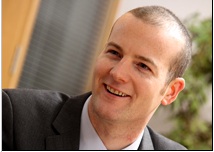
In this post Dr Ed Marshall talks about his transition from chemistry lecturer to founder of his own company.
 Dr Ed Marshall is Director of Research and Founder, Plaxica Ltd. With more than 50 academic papers and patents to his name, Ed Marshall was formerly a lecturer in the department of Chemistry, Imperial College London before co-founding Plaxica in 2009. A major focus of his research has been the development of new catalysts for the synthesis of polymers from green sources. He was also previously the Director of Imperial’s Master’s degree in Green Chemistry: Energy and the Environment. Continue reading