Promoting open science from a pub: the Panton Principles

Follow the Panton Principles to ensure your data is licensed and accessible for immediate reuse, says Atma Ivancevic.

In a world where scientific discovery is driven by impact factor and funding, the idea of open data may seem idealistic. But the open data movement has been growing since the early 2000s, spurred by the rise of big data and computational capabilities. For the sake of reproducibility in science, we need to encourage data sharing after publication.
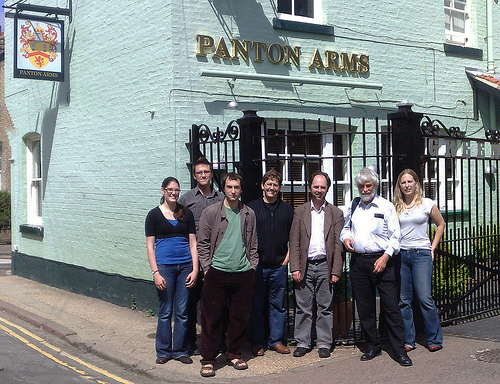
panton principles pic

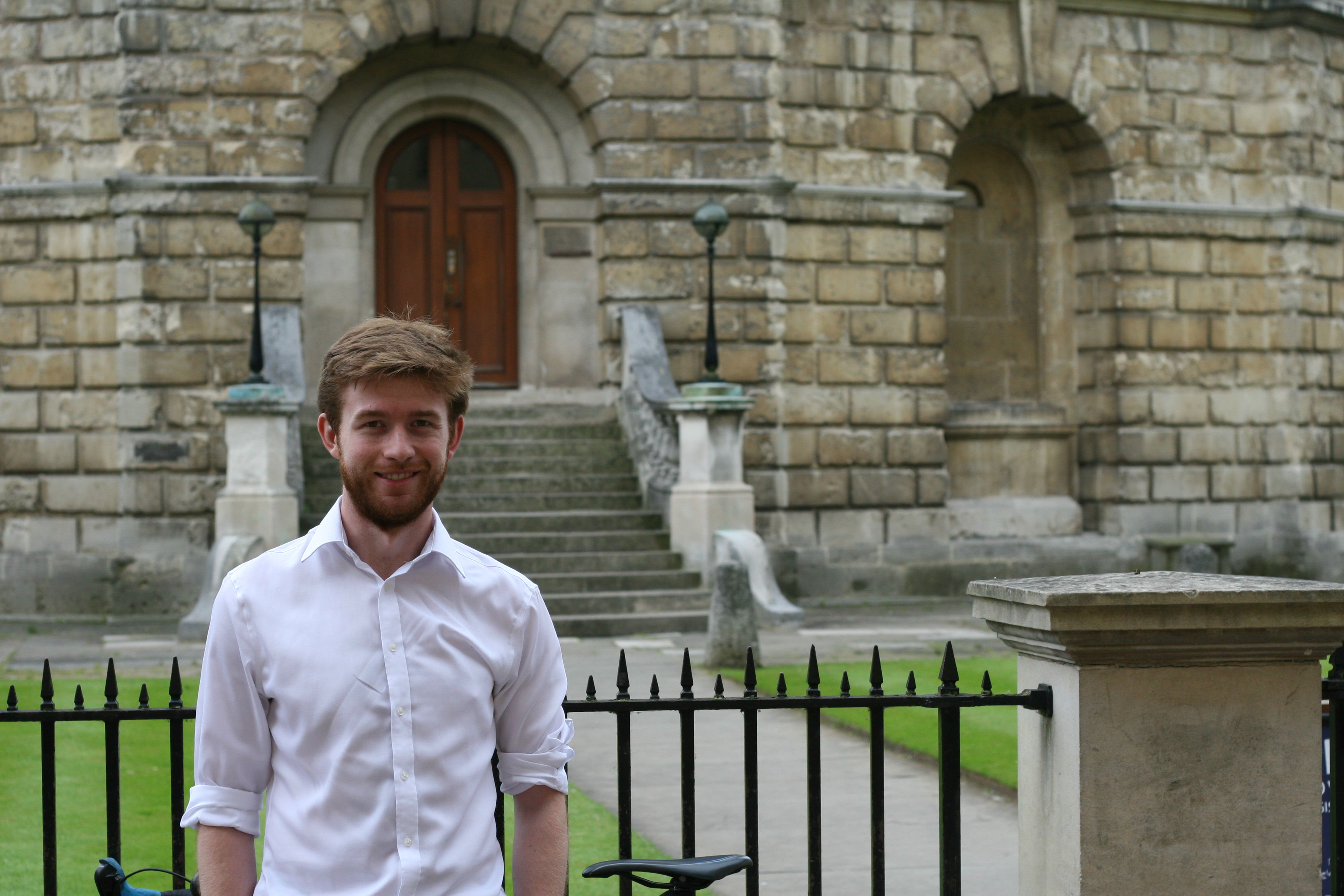
Founders of the Panton Principles at the Panton Arms, Cambridge UK.
Copyright Panton Principles Authors (CC by 3.0).


Continue reading →

Science meets Netflix with data streaming

XCMS_logo_online

{credit}Gary Siuzdak{/credit}

In today’s web-connected world, we’ve come to expect instant gratification. When you select a video on Netflix, you don’t wait for the file to finish downloading. Thanks to ever-increasing bandwidth, video can stream to your computer, playing as it arrives. Thus was the concept of binge-watching born, and many a fan of “Stranger Things” went to bed exhausted, but mostly satisfied. (#justiceforbarb). As it turns out, data streaming is being used in the life sciences, too. Nature technology editor Jeffrey Perkel finds out more.

Continue reading →

Is a picture worth a thousand words?

To communicate science is to tell a story. And the best stories come with pictures, says Thaís Moraes.

Translating the results of a research project into a 10-minute presentation or article can be a difficult task. It must be informative but also succinct and appealing. It has to tell an interesting story. It has to entertain. And you shouldn’t have too much text.

2014-06-29 15-smaller

Thais Moraes

Continue reading →

Omnity opens multilingual semantic searches up to academia

When preparing a grant or publication, where can you turn for new ideas? You can bounce ideas off colleagues, search PubMed and Web of Science for related literature, and maybe take a trip down Google lane. But it’s difficult to get outside one’s particular area of expertise — to mine the opportunities at cross-disciplinary boundaries  unless you know what you’re looking for. The developers of a new document search engine hope to make such cognitive leaps easier, finds Jeff Perkel.

You are currently viewing a placeholder content from YouTube. To access the actual content, click the button below. Please note that doing so will share data with third-party providers.

More Information

Continue reading →

#scidata16: Open data should be easy

There’ll always be reasons not to share data. It’s time we stop making excuses and start making plans, says Atma Ivancevic.

On the morning of October 26, 2016, a group of scientists convened in London to discuss the state of open data. The third Publishing Better Science through Better Data conference kicked off with morning tea, international introductions, and furious scribing from @roystoncartoons. The premise was simple: “Today is all about being open”, said conference chair Iain Hrynaszkiewicz. We settled in to learn the advantages of data sharing at both the individual level and for the scientific community at large.

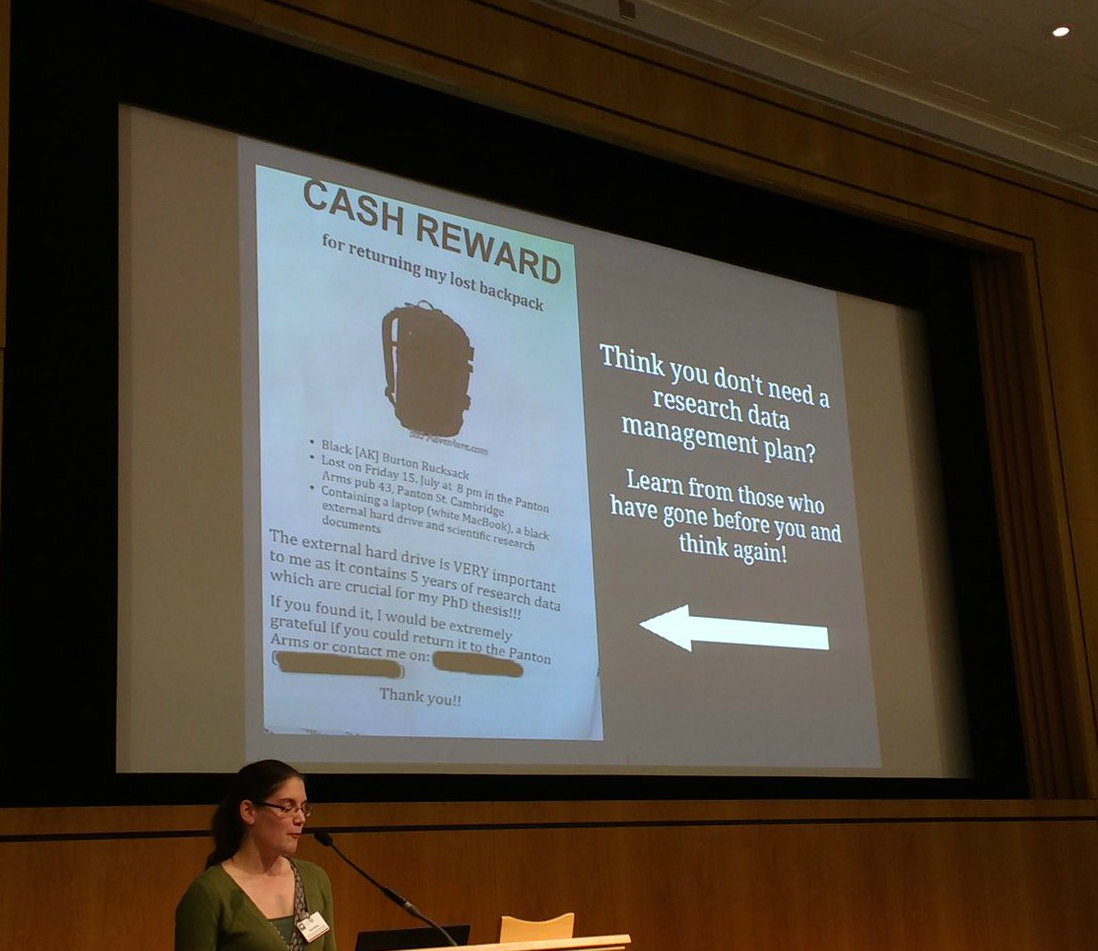
“Open data should be easy,” said Dr Jenny Molloy from the University of Cambridge as she explained the importance of building a data management plan. She pulled up a poster of a missing black backpack: “CASH REWARD” it read, “contains 5 years of research data which are crucial for my PhD thesis!”  I laughed along with everyone else, internally reflecting how similar my life had been before I discovered version control.

IMG_20161102_213011-smaller

Think you don’t need a research data management plan?

Continue reading →

#scidata16: Boost research and avoid embarrassing retractions by working openly and reproducibly

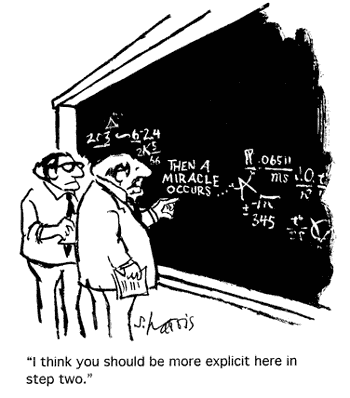
Experiments fail to be reproduced, research data from others is hard to come by, and steps between data and figure are described as ‘here, a miracle happens’.

Speakers at the Publishing Better Science through Better Data (#scidata16) conference addressed these issues and more.

Publishing Better Science through Better Data journalism competition winner Réka Nagy.

Most research happens behind closed doors, and the results can only be gleaned once they’ve been published. The raw data that lead to results, however, are rarely made public, and the steps taken to get from data to figures in a publication is not always clear, which has led to the reproducibility crisis currently facing research. It’s clear that something needs to be done to address this, and the ever-inventive collective mind of science is finding inventive solutions.

Network_Visualization

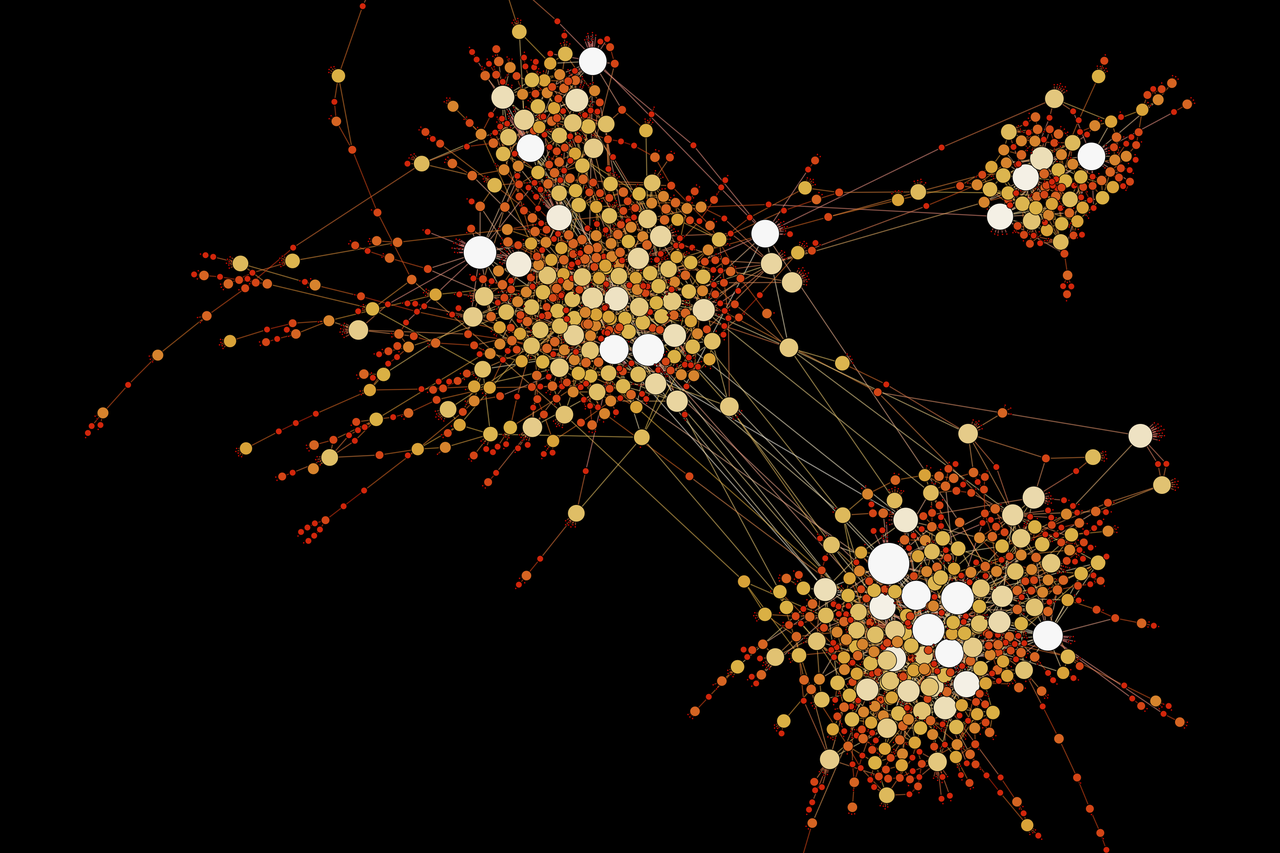
The steps taken to get from data to figures in a publication is not always clear {credit}SlvrKy/Wikimedia Commons CC-BY-SA-4.0 {/credit}

Continue reading →

#scidata16: Work reproducibly for the sake of your career

Making sure others can do your experiments doesn’t just help them — it’s good for you, too.

Publishing Better Science through Beter Data writing competition Jonathan Page

A core tenet of science is reproducibility: the results of one scientist must be able to be reproduced by another, lest the findings be dismissed as a fluke or even fraudulent. In today’s data-driven realms of research, ‘reproducibility’ doesn’t simply mean publishing methods, many journals now require that datasets, and the code used to analyse them, be published too. This requirement ensures that both data, and methods, can be scrutinised. If other researchers can’t reach the same results, the study will need to be treated with caution. In doing this, scientists avoid damaging their reputation by publishing flawed studies, and journals avoid publishing bad science. It’s a win-win situation.

So why don’t scientists always work reproducibly?

JPage_Profile-smaller

Jonathan Page

Continue reading →

#scidata16 keynote highlights: “Research data management for early career researchers”

Data management is a crucial component of scientific research and one that should be tackled by early career researchers before they become swamped with data, says Erica Brockmeier.

Network_Visualization


PhD students and early career researchers have a lot on their to-do lists, everything from writing papers and applying for grants to staying on top of the latest findings in their field. The third keynote of the #scidata16 conference highlighted yet another important facet of a research career: data management. Kevin Ashley, based at the University of Edinburgh, gave a thought-provoking presentation on this topic. As director of the Digital Curation Centre in Edinburgh, Scotland, Mr. Ashley and his team provide advice, guidance and training for researchers, alongside consultancy services on all aspects of data management and data reuse. Continue reading →

Opening doors to open data at #scidata16

Want to embrace open data but don’t know where to start? The tools are out there, says Matthew Edmonds.

The Publishing Better Science through Better Data conference, or #scidata16 for short, took place at the Wellcome Collection in London at the end of October. This one-day event organised by the journal Scientific Data, Springer Nature and the Wellcome Trust explored the challenges facing early-career researchers as we enter the era of open data.

analytics-282739_1280

As a data novice, I arrived without really knowing what to expect. The types of experiments I perform generate only small datasets needing a simple statistical test, easily summarised in a graph in the manuscript. The original data can be safely left to gather dust in a shared drive. Continue reading →

The “black box” effect in science communication

To counter sensationalist journalism and to bring the public closer to the realities of research, science communication must focus on the how and why of science, says Naturejobs journalism competition winner Lev Tankelevitch.

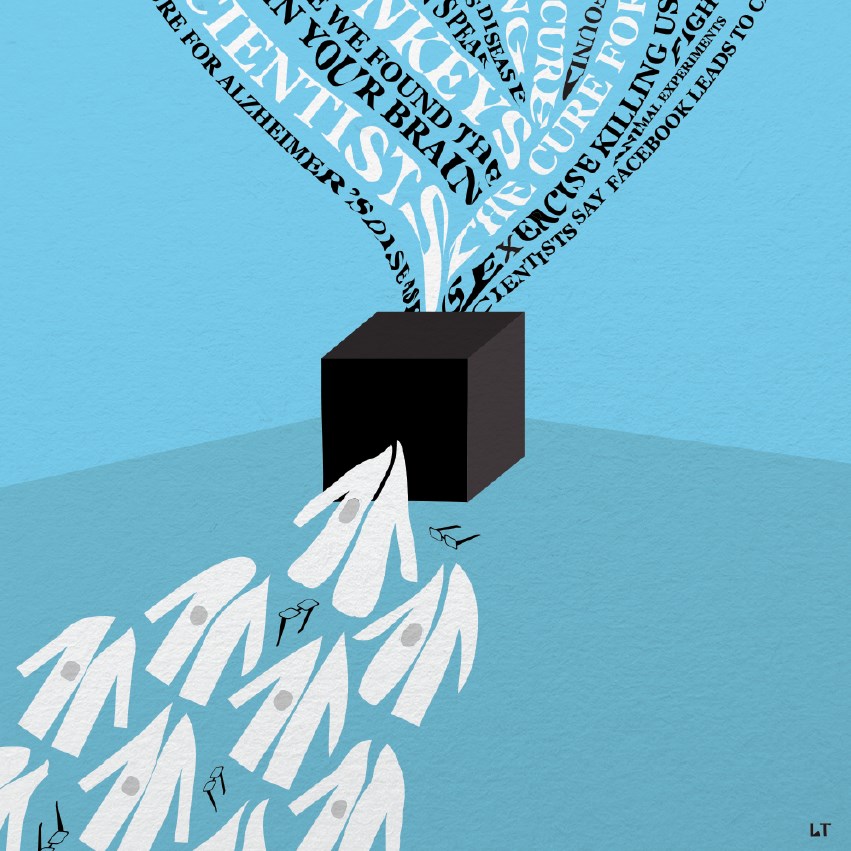
In July 2016 scientists found out how to map the brain into dozens of new areas using neuroimaging. We also discovered that thousands of such brain scanning studies may be flawed. To someone lacking insight into neuroscience, these two equally important studies can seem conflicting. Although “science communication” happens everywhere, science can still feel like a black box to the public, mysteriously churning out breakthroughs which are packaged and relayed by a barrage of tweets and headlines.

image Continue reading →