Parent, carer… #AndAScientist

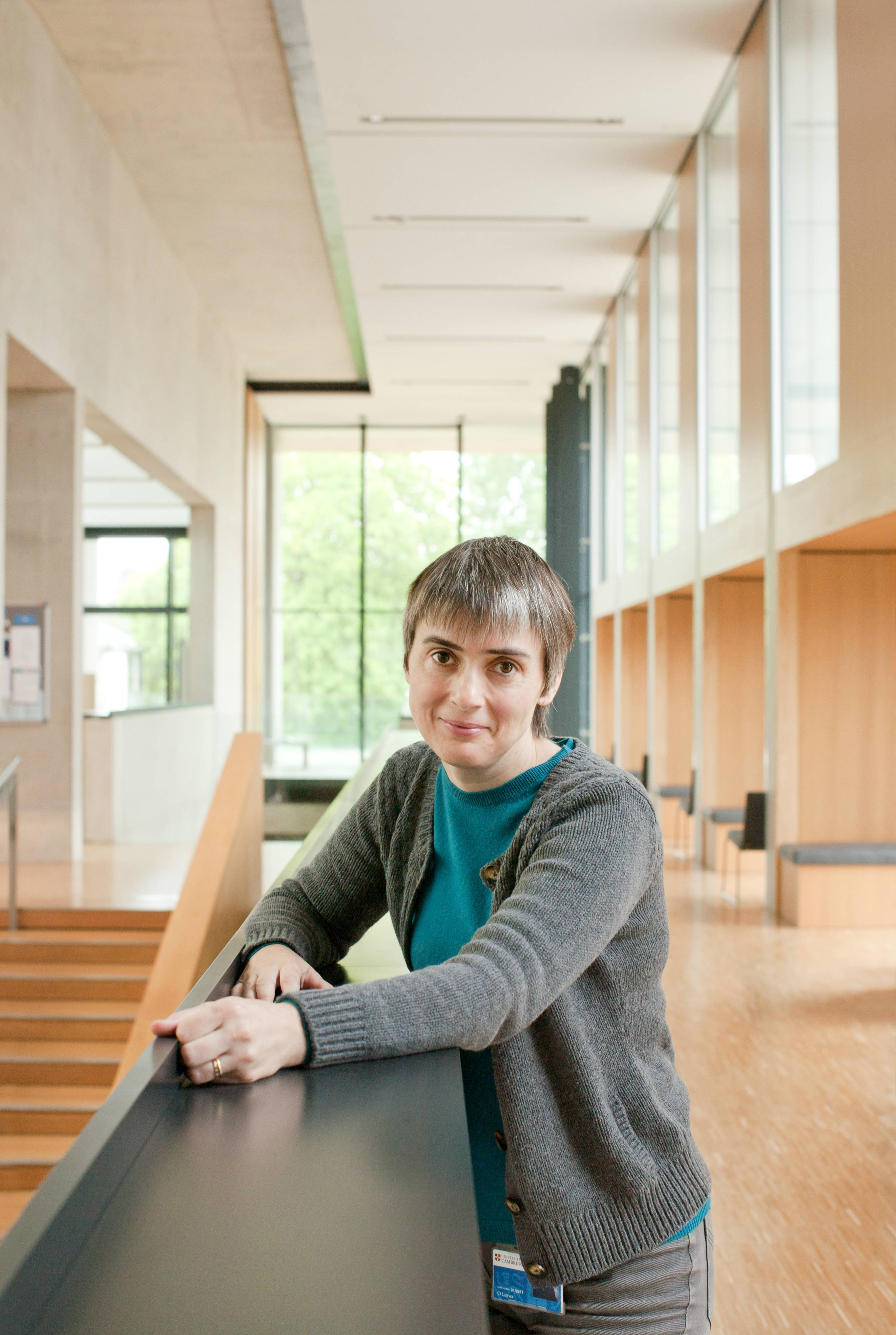
Researchers can thrive whilst combining their career with life outside the lab, says Ottoline Leyser.

{credit}Ottoline Leyser{/credit}

Guest contributor Ottoline Leyser.

Science needs diversity.  Solving complex problems is more likely if there are diverse people, bringing diverse perspectives and diverse skills to bear on them. The imaginative and interesting people science needs find inspiration in the most unexpected places – both inside and outside the lab; in their personal and family lives and their other responsibilities and commitments.

Working environments that embrace diversity are exciting and creative. They can also be challenging and uncomfortable. While it may be reassuring to work with people who agree with you all day long, you’re much less likely to come up with anything new. It’s unfortunate that such a large part of science is done by a homogenous group of people who all look like each other.  This state of affairs is maintained in part by the positive feedback that comes from unconscious bias, where appointments and promotion committees disproportionately select people similar to themselves. Continue reading →

UNESCO Regional Chair on Women, Science & Technology, Dr Gloria Bonder, talks women in science and gender equality

“What I would love to see is more qualitative research not on why women can’t and why so few, but who the women are that are successfully developing careers in engineering, technology or sciences.”

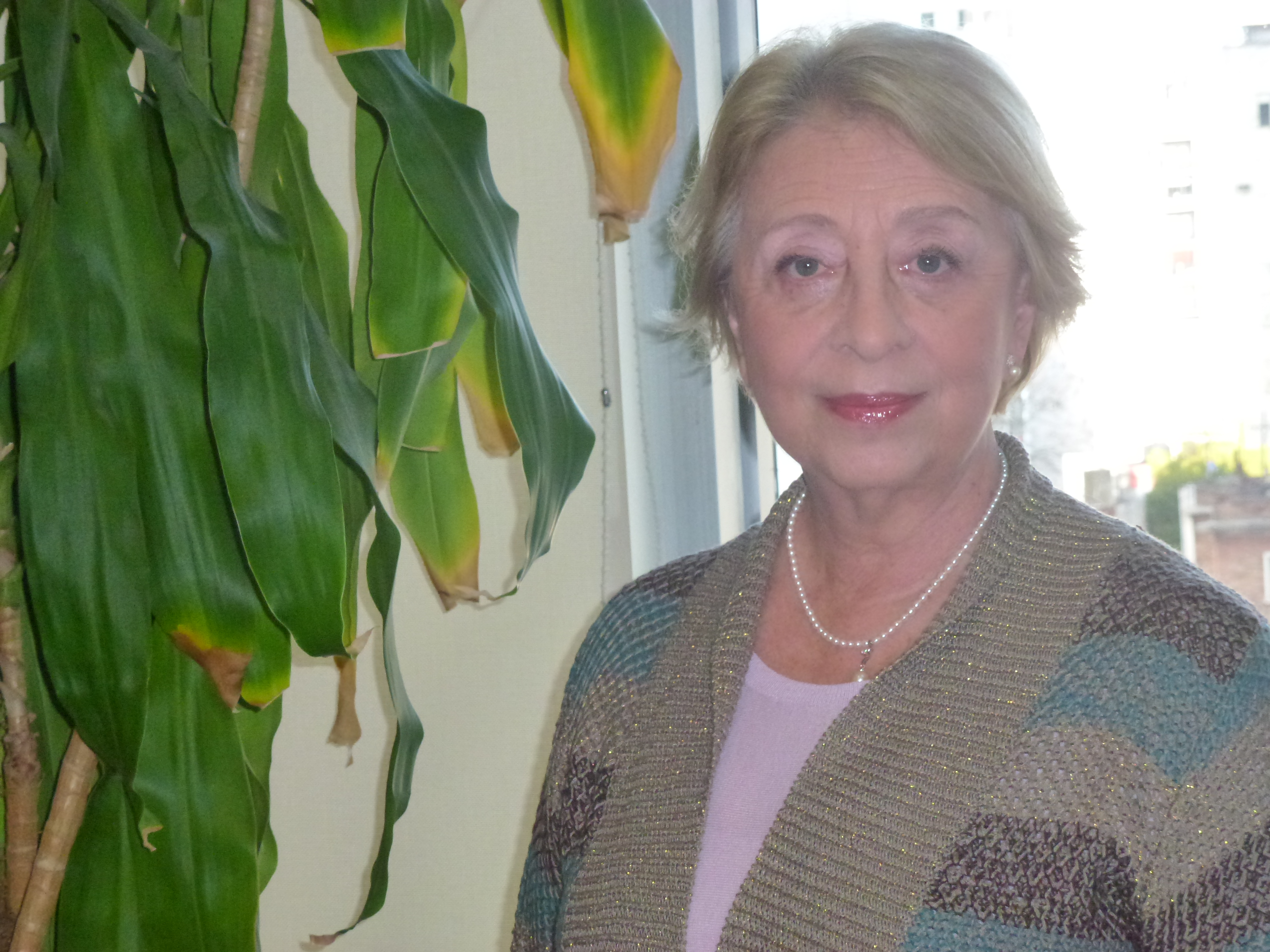
In part four of our five features this week celebrating prominent women in science and technology across the world, we speak to Dr Gloria Bonder, the coordinator of the Global Network of UNESCO Chairs on Gender and the UNESCO Regional Chair on Women, Science and Technology in Latin America. She talks about UNESCO’s latest global figures on women in science, changes that need to be made in both policy and education, and the necessity for more qualitative research on the women who are successfully developing careers in engineering, technology and science.

Dr Gloria Bonder is the Director of the Department of Gender, Society and Policies of the Latin American Postgraduate Institute of Social Sciences (FLACSO Argentina). She coordinates two regional programmes including the UNESCO Regional Chair on Women, Science and Technology in Latin America and the e-learning master’s programme on Gender, Society and Public Policies. Bonder is the coordinator of the Global Network of UNESCO Chairs on Gender. Since 2014, she has coordinated the region’s activities in the global GenderInSITE programme, through her role as the UNESCO Regional Chair. The programme aims to influence policies and policy makers in science, technology, innovation and engineering, to integrate gender equality principles and goals.

She is a researcher and consultant on Women, Science and Technology for several national, regional and international organisations such as: Minister of Science and Technology in Argentina, United Nations, Women and Development Unit, ECLAC and the Office of Science and Technology, UNICEF, UNIFEM, UNDP and UNESCO, among others. Bonder has developed several research projects on gender issues and/in technology and science, education, communication, health and youth, and published books and articles both national and international. She is a member of the advisory board of UN Women for Latin America and the Caribbean and WISAT (Women in Global Science and Technology).

“What I would love to see is more qualitative research not on why women can’t and why so few, but who the women are that are successfully developing careers in engineering, technology or sciences,” strongly asserts Gloria Bonder, coordinator of the global network of UNESCO Chairs on Gender and the Regional Chair on Women, Science and Technology in Latin America.  She continues: “We should look at why they chose that career, what their experiences have been so far, and what they like and don’t like, as well as how they overcome obstacles. We must move away from the basic question of why so few.”

Dr Bonder is not one to mix her words lightly. Having worked on gender studies for more than 40 years in science and technology, she has an authoritative voice and is deeply respected across the world. During unstable political times in the mid-1970s in her home country of Argentina, she was the catalyst behind the creation of a women’s study centre, carrying out independent research on different aspects of gender studies. At that time, it was quite the pioneering community and as a result led to the introduction of a postgraduate programme on women’s studies at the University of Buenos Aires, which Bonder was the founding director of between 1987 and 1999.

Fundamental Changes

As we look back at Dr Bonder’s achievements having set up the Gender, Society and Policies Institute in 2001 at FLACSO-Argentina, there is something on her mind that won’t shift. She interjects: “We need to not only attract both women and men to these careers, but make fundamental changes to the workplace culture and promote that both genders share caring responsibilities. If I was young now, would I choose the science and technology subjects that are taught today? No. To go into laboratories or industries  and make a career in such a way that you have to choose between having a family and enjoying other dimensions of your life, or being a successful scientist, is just plain wrong.”

At FLACSO, Bonder has been quite the influential director coordinating regional programmes across Latin America. The institute runs two huge programmes, which consist of the e-learning Master’s Programme on Gender, Society and Public Policies, and working on training and research projects for UNESCO and other organisations, alongside Bonder, in her role as the Regional Chair on Women, Science and Technology in Latin America.

Continue reading →

Why does the new LEGO scientist work all night?

By Carolyn Beans, contributor

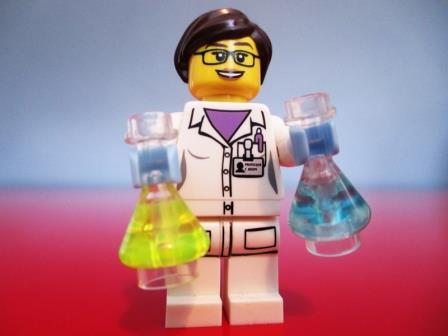
Professor C. Bodin, LEGO’s newest scientist minifigure, has a lot going for her. She built a fascinating career around finding “new and interesting ways to combine things together.” Her hard work was rewarded with a Nobrick Prize. She looks smart and professional in her crisp white lab coat and glasses. And last month, her very existence was met with a deluge of Tweets and blog posts as male and female science enthusiasts alike welcomed a long-over-due female scientist to the LEGO minifigure collection. Here is a LEGO character that will inspire girls to follow her away from pink-and-purple-sparkle-covered pass-times and into the lab.

The only trouble is that if girls actually read Professor C. Bodin’s bio, they’ll likely wonder whether they will ever get to leave that lab. According to Professor C. Bodin’s LEGO page, “She’ll spend all night in her lab analyzing how to connect bricks of different sizes and shapes…”

Prof Bodin

Prof Bodin{credit}Maia Weinstock {/credit}

I appreciate that LEGO wants to describe their new scientist as a hardworking professional. But I worry that we may lose budding scientists if we continue to depict STEM researchers as people who have no lives outside of their careers. Why can’t Professor C. Bodin do groundbreaking work during the day and still make it to her hip hop class or book club at night?  Continue reading →

Sexism in science means men more likely to get hired

It is no secret that women are vastly underrepresented in many scientific fields, particularly the further you look up the career ladder. The explanations for this disparity vary, but perhaps one of the most common arguments is that women feel forced to choose between a family and their career, and leave science early whilst men continue to progress.

But a new piece of research suggests this reasoning may only be part of the story, instead pointing the finger at a subtle yet pervasive gender bias in the scientific community which is working against women – making them miss out not only on jobs, but also on financial and professional support when they are hired.

Corinne Moss-Racusin, a psychology postdoc at Yale University, and her colleagues, devised a simple test to work out whether there is any bias against women applying for a job in science.

The team got 127 university professors working across biology, chemistry and physics, to give feedback on what they believed were the application materials from a real student applying for a job as a laboratory manager.

Each professor received exactly the same application materials, except for the name of the applicant. Half of the professors were told they were reviewing an application from somebody called John, whilst the other half were told the applicant’s name was Jennifer. Apart from the name, all the other information was identical.

The professors were asked to rate how likely they would be to hire the applicant, as well as how competent they thought the applicant was. They were also asked to suggest a starting salary  and say how much mentoring they would offer the applicant in their new role.

Despite the fact that the application materials were identical apart from the applicant’s name, the professors – regardless of whether they were men or women – were significantly more likely to hire the applicant when they thought he was called John. Although they said they liked the female applicant, the scores suggest she was rated as less competent than the man, even though they had identical skills.

Continue reading →

Achieving gender equality in academic careers: Queen’s case study

Does your university make provision for maternity leave in its PhD studentships? Does it insist on female representation on all committees, or run a buddy system linking female postdocs to female PhD students? These are just some of the initiatives in place at Queen’s University Belfast, which was recently named as the lead university in the United Kingdom for tackling the unequal representation of women in science.

Queen’s has been given a ‘Silver University’ award by the Athena SWAN Charter, a recognition scheme that rewards UK universities committed to advancing and promoting the careers of women working in science, engineering and technology (SET). It’s the highest level of award currently held in the United Kingdom, and Queen’s is the only university with the accolade. Tom Millar, dean of the faculty of engineering and physical sciences, says the university’s gender-equality initiatives are “part and parcel” of the regular business of the institution. “It is this integration, or mainstreaming, of an equal opportunities focus that has made our efforts sustainable,” he says.

Other examples of initiatives at Queen’s include:

  • Personal mentoring programme for female postdocs and academic staff
  • Monitoring of processes at all stages of recruitment and career development
  • Regular surveys, courses and workshops on aspects of academic careers
  • Profiling of female scientists on websites and in print
  • Teaching-free semester for staff returning from maternity leave

Yvonne Galligan, director of Queen’s Gender Initiative — which has been the main driver of recent progress since it was established in 1999 — says the university’s ambition is to create a gender-equal environment for staff and students. “Winning the institutional Silver award was not an ‘event’,” she says. “It is [one] stage in a process.”

To achieve a Gold award, the highest possible, Millar and Galligan say the university must extend its gender-equality success to its arts and humanities departments and do more to tackle the loss of female academics at key career stages — the so-called ‘leaky pipeline’. It’s a process that will take time — Peter Mason from Athena SWAN explains that to be awarded Gold, a university would need the majority of its departments to hold individual Gold departmental awards. Currently only the department of chemistry at the University of York is at this level.

While Queen’s works towards this goal, Millar is understandably proud of the university’s achievement to date: “It is recognition of the enormous contribution and commitment, for more than a decade, of many staff, academic and non-academic, male and female.”

How does Queen’s compare to your institution for gender equality? Could you see similar initiatives being implemented where you work? Let us know your thoughts.

Major survey of PhD students in Europe sheds light on working life

A survey of more than 7,500 PhD students from 12 European countries has highlighted the variety of doctoral experiences found across the continent.

There is significant variation in whether or not students receive a salary or scholarship while working on their PhD, with almost all respondents from Norway receiving funding compared with just over half of those in Austria.

The Eurodoc survey, published on 30 September, also reveals striking data related to gender issues and family life. Men were more likely than women to believe their gender would be a disadvantage in their academic career, while students in several supposedly ‘family-friendly’ countries reported strong pressure to delay having children, or to avoid taking parental leave if they do.

We’ve outlined some of the key findings below — have a read and let us know what you think.

The 12 countries featured in the survey were Austria, Belgium, Croatia, Finland, France, Germany, the Netherlands, Norway, Portugal, Slovenia, Spain and Sweden, and the majority of respondents were aged between 26 and 35.

Funding

The proportion of PhD students receiving a salary or scholarship varied significantly: 54% received funding in Austria, compared with 76% in Germany and 82% in France. Norway scored highest, with 98% of female students and 96% of male students receiving an income. When asked whether the level of funding met living costs, over 40% of students in the Netherlands, Norway and Sweden said it did to a very high extent, compared with fewer than 10% in Croatia, Portugal and Spain.

Family life

PhD students in Austria, France, Germany and the Netherlands are more likely to be single or not living with their partner: one-third or more compared with around one-fifth in the other countries. In most countries, fewer than one-quarter of students have children — the exceptions were Norway, where 40% have children, Sweden (31%) and Finland (30%).

Awareness of the right to parental leave varied hugely across the countries surveyed — just 1% of female PhD students in Croatia said they didn’t know whether they had the right to maternity leave (99% said they did have the right), compared with 32% in Austria and 31% in Germany.

Surprisingly, some of the countries with reputations for being particularly ‘family-friendly’ did not score well on family-related issues. More than 50% of respondents in Sweden, Norway and Finland said they are strongly discouraged from taking parental leave, compared with 18% in Spain, 30% in Germany and 34% in France. The pressure to delay having children in the first place also seems to be particularly high in the Nordic countries polled: over 70% of men and 50% of women in Sweden, Norway and Finland said they felt a great deal of pressure to postpone having children, compared with 28% of men and 16% of women in Spain and 44% of men and 32% of women in Germany.

Impact of gender on career prospects

According to the survey, male students were more likely than female students to feel that their gender will hold them back in academia. The proportion of men who said they were very disadvantaged in their academic career because of their gender ranged from 77% to 91% across the countries surveyed, compared with 36% to 61% of women.

Work experience and employment status

The highest number of PhD students who said they had no contract was in Austria (25%), compared with 17% in Germany, 12% in France and just 1% in Norway.

Students also reported differing levels of work experience between their previous degree and the beginning of their doctoral research. Around 68% of PhD students in France have none, compared with just 25% in Norway.

Productivity

In Germany, 33% of respondents said they had published at least one peer-reviewed article in an international journal so far, compared with 64% in Croatia. In the latter country, 15% of respondents said they had published five or more articles, compared with 4% in France and 2% in Germany.

Although over 40% of respondents in all countries bar Slovenia said they spend more than 21 hours a week on research related to their thesis or dissertation, around one-quarter said they don’t spend any time actually writing it. Students in France reported the highest administrative burden, with almost half saying they spend more than 21 hours a week on admin, compared with 33% in Norway and 23% in Slovenia.

Students in Finland were most likely to have been involved in writing grant proposals, with 75% reporting they had contributed compared with 32% in the Netherlands and 35% in France.

Mobility

In the majority of countries surveyed, less than half of respondents had studied abroad before starting their doctorate. Researchers in Spain and France were most likely to continue their career abroad after finishing their doctorate, and the most common reason given for wanting to work abroad was improved career prospects.

Have your say

What do you think about these findings? How do they compare to your experience? Let us know your thoughts below.