How to build a career in the biomedical sciences

Jim-smith-bioscience

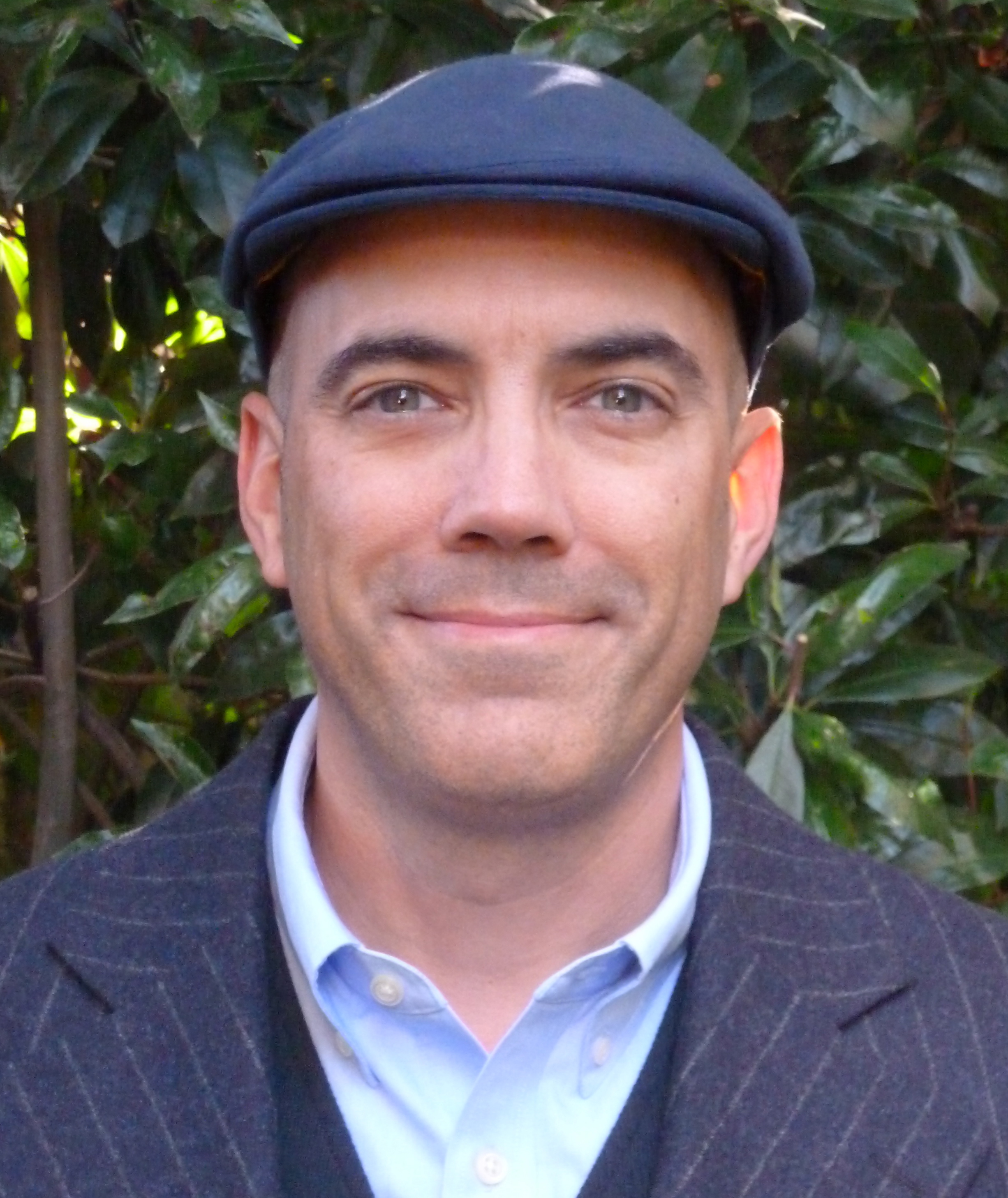
Professor Jim Smith at the Naturejobs Career Expo in London on September 19th 2014

Passion is the key to success, says Jim Smith in his keynote speech at the London Naturejobs Career Expo in September 2014.

Contributor Simon Hazelwood-Smith

Jim Smith is a successful scientist by anyone’s measure. The UK scientist helped discover key growth factors required for the early development of embryos, and has received numerous awards for his scientific contributions. Smith now juggles three high-level roles at the UK Medical Research Council (MRC), National Institute of Medical Research and the soon-to-be-opened Francis Crick Institute in London with the running of his own lab at the MRC.

Like many people who have excelled in their field, Smith’s career has the illusion of being planned from the start. However he says this was not the case. He didn’t study biology until he was persuaded to take a cell biology class at the University of Cambridge while studying for a degree in natural sciences.

He fell so in love with the subject that he progressed to a PhD studentship with the famous development biologist Lewis Wolport. “You should allow yourself to fall in love with your subject, become engrossed by it,” Smith says. This passion is a key to success he stresses, because it drives you to put the necessary effort in. “There are times in your career when you know that working twice as hard will produce double the results, at these times you should work 3 or 4 times as hard,” Smith says. Continue reading →
Nature Biotechnology podcast: First Rounders with Julian Davies

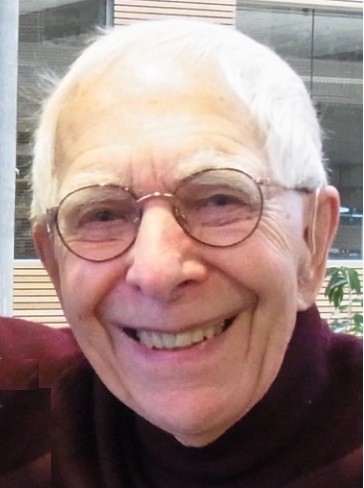
Julian Davies

{credit}Image courtesy of Julian Davies{/credit}

Contributor Brady Huggett

Julian Davies has a long history in biotechnology research, particularly in antibiotics and resistance, and he also served as head of research at Biogen’s European division in the 1980s. But for more than 20 years now, he’s been at the University of British Columbia (UBC), where he’s the principal investigator at the Davies Lab. I spoke to Julian for the Nature Biotechnology First Rounders podcast, which was recorded in his office on the UBC campus, with the door closed to help with audio quality, and the overhead lights off. A light rain fell against his office window.

We talked at length about his early family life during World War II, his education in chemistry and biology, and his research across countries. A Nature Biotechnology profile in 2008 had covered TerraGen, Davies’ spinout from UBC, and it’s a topic in the podcast, too. But the element that perhaps stands out most is his eagerness to move around: he’s lived in New York, Manchester, Boston, Paris, Geneva, and beyond – partly to follow research he found interesting, and partly, it seems, because he was perpetually invited to work alongside others. This willingness to relocate helped facilitate his career, as well as allowed him to see the world.

Hear more about Julian’s life on the Nature Biotechnology First Rounders podcast.

Brady Huggett is the Business Editor for Nature Biotechnology

The biotech industry with Rob Carlson

Rob Carlson

{credit}Eric Carlson{/credit}

In this interview, I speak to Dr. Rob Carlson, a Principal at Biodesic, an engineering and strategic consulting firm in Seattle that provides services to governments and corporations around the globe. At the broadest level, Dr. Carlson is interested in the future role of biology as a human technology. He is the author of the book Biology is Technology: The Promise, Peril, and New Business of Engineering Life, published in 2010 by Harvard University Press; it received the PROSE award for the Best Engineering and Technology Book of 2010 and was named to the Best Books of 2010 lists by writers at both The Economist and ForeignPolicy.com. Carlson is a frequent international speaker and has served as an advisor to such diverse organisations as The Hastings Center, the PICNIC Design Festival, the UN, the OECD, the US Government, and companies ranging in size from start-ups to members of the Fortune 100. Carlson earned a doctorate in Physics from Princeton University in 1997.

How did you move into the industrial world of biotech?

I followed my nose. My formal education is in physics, with some neurobiology and electrical engineering thrown in. I spent a number of years labouring under the expectations of my professors that I would eventually become a professor, too. Continue reading →