Networking: a very short cheat sheet

We all know the value of networking. Here’s a very quick rundown of best practises, from Amali H. Thrimawithana

Networking plays a vital role in any scientist’s career development, being one of the main ingredients in building a professional profile. It feels especially essential in my own field of informatics and data science, where techniques and technology are rapidly evolving and cross-discipline collaborations are rampant.

Networking helps us stay up to date with developments, provides a space to learn, enhances communication skills, creates new opportunities, and helps to build a professional profile.
IMG_3286-smaller

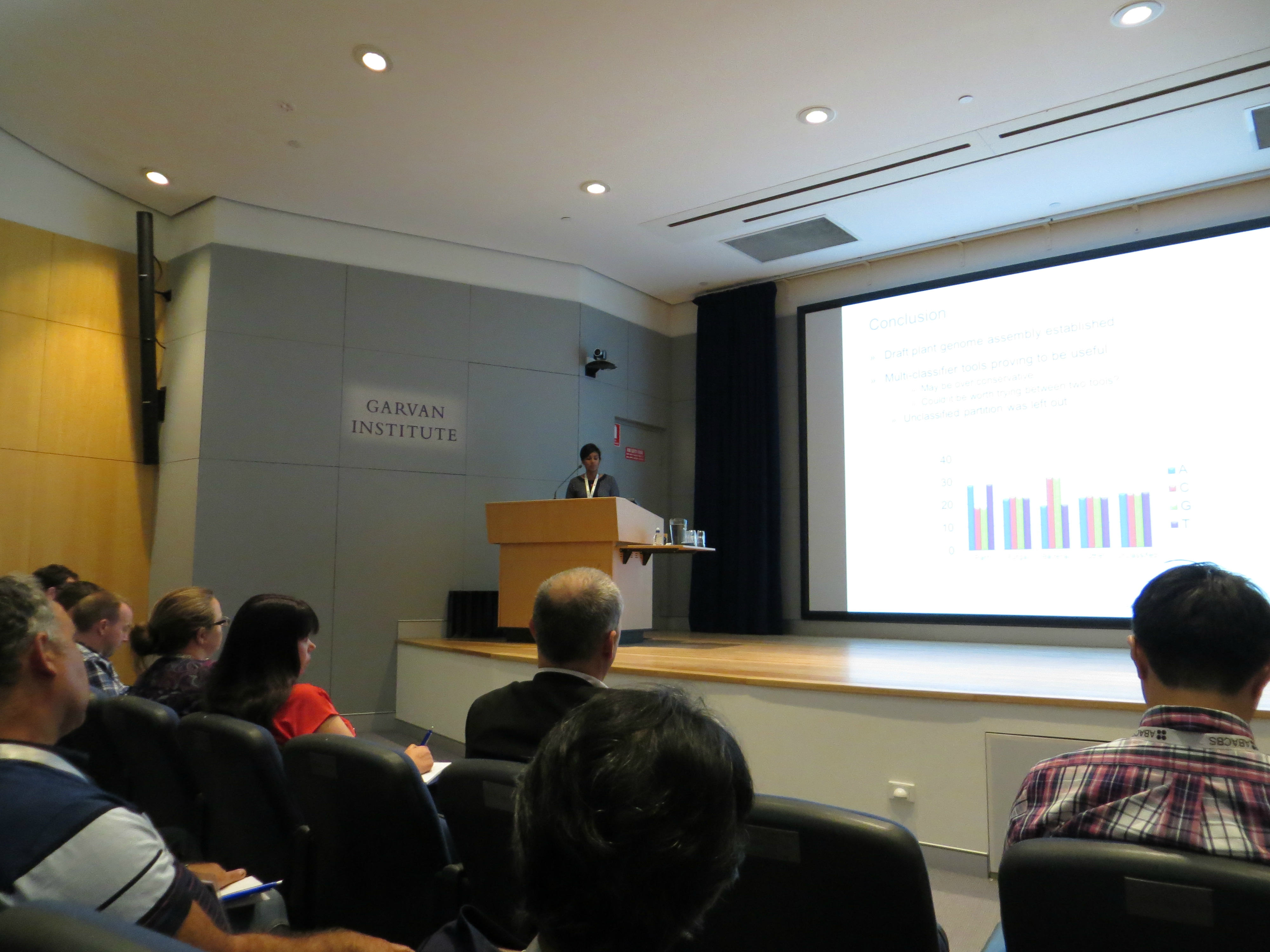
Conferences provide you with a literal stage to gain connections

Continue reading →

Let’s talk about #SciComm

Science communication is a young field with many voices and few guidelines. Let’s find a way to combine our voices in order to protect the integrity of research endeavors, says Judith Reichel.

There are plenty of reasons to become active in the field of science communication, and for many early career researchers (ECRs) still exploring research, it’s a great way to find their niche and voice their opinions.

Yet, like many of its participants, the field of science communication itself is fairly young, and is constantly evolving from its original aim — to translate scientific findings to the public, in order to raise awareness and funding for the grand scientific endeavor. When 3000 new academic papers are published every day, it‘s impossible for any single scientist to keep track of every development.

GettyImages-550382899-smaller

Science communication is practiced by a range of journalists, editors, freelance writers and free-time writers, yet the aim remains the same: to communicate important findings in quick soundbites that provide enough information for scientists but are still digestible to the general public. Continue reading →

The competition that likes to say YES!

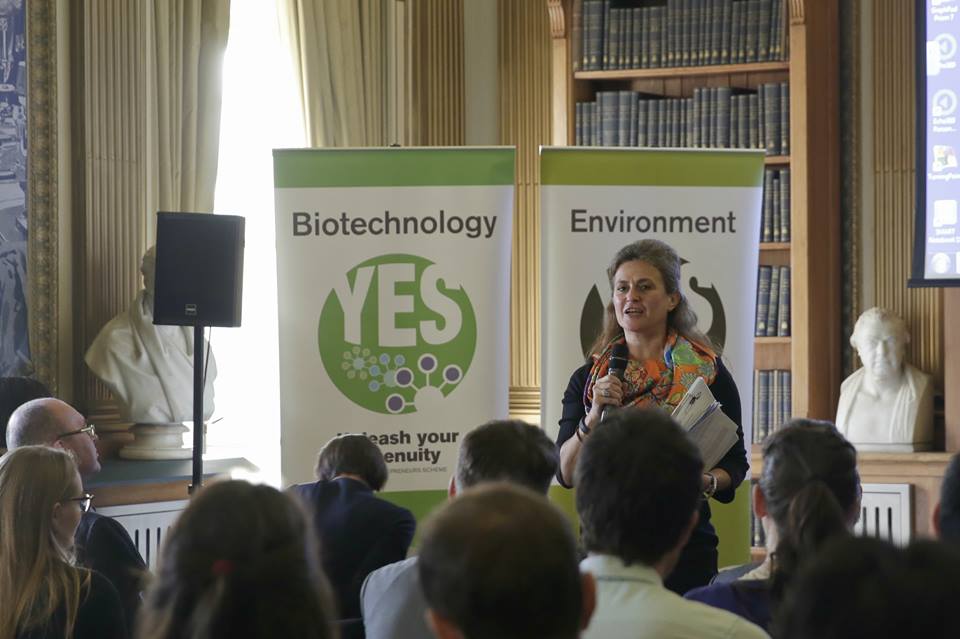
Enterprising early career researchers get some high-level mentoring to handle the rough and tumble of the boardroom. David Payne meets finalists in the 21st annual Young Entrepreneurs Scheme (YES)

Epitome is a Singapore biotech start-up whose product pipeline is based on engineered tail proteins to tackle bacterial diseases. It wants a slice of the US’s $6bn acne market. Epitome’s founders are seeking raise $10m to build a factory where its cosmetic products can be manufactured. Investors will be rewarded with a seat on its board.

The launch team describe the company at a presentation attended by other young entrepreneurs. They brace themselves for some tough questions from a judging panel. One judge asks how a factory can be built for $10m Another challenges the team’s plan to launch an acne treatment as a cosmetic product, which means they won’t mention acne on the label (the team adopted this approach to make the US regulatory process more straightforward).

15390900_1695305427446706_286911818743892859_n

‎Elena Lurieluke, Head of Global Life Sciences Open Innovation, Corporate R&D at P&G, addresses fellow YES judges and finalists.

Continue reading →

How is the rise of data-intensive research changing what it means to be a scientist?

Data-intensive research requires a new breed of scientist: interdisciplinary analysts who enjoy swimming in data, says Atma Ivancevic.

There has always been an emphasis on the generation of novel data in science. Being a scientist involves progressing from observation to hypothesis to experiment to output. In the past, a combination of scarce data to look at and low throughput machinery to make more has led to limited experimental outcomes.

2016-09-12-Atma Ivancevic 04-smaller-cropped

Atma Ivancevic

Continue reading →

Careers in industry: Medicine maker

Pauline Williams shares her thoughts on her career outside of academia.

As a junior doctor working in geriatrics, I could never have imagined that in 20 years time I would have led the development of a medicine which has the potential to save hundreds of thousands of babies’ lives.


Pauline Williams

Pauline Williams

Continue reading →

Science communication: How to get a job

Start writing and presenting in your spare time whilst in academia, say panelists at the 2015 London Naturejobs Career Expo.

Developing extra skills in your spare time will help demonstrate your passion for science communication in an interview.

Top tips:

  1. Look for opportunities within departments/universities to present your work. this is a safe environment in which you can trial out different techniques, whether for academic conferences or a chat down the pub.
  2. Look for, or start, other forums where you can explain your science to a lay audience. One of the most challenging things is explaining science to consumers. Speak to friends and family about your research and see if you can get them to understand what you do.
  3. Reflect on how to improve your communication; ask for feedback from the people you speak to.
  4. Joining writing groups to develop your writing skills. Having an external, objective input on your writing will help improve it.
  5. Ask your supervisor if they have any writing projects that they need help with, whether it’s writing a book chapter or website copy.
  6. Join a learned society and write for their blogs. They also have public engagement teams that are always looking for volunteers to help at events
  7. Build a network of people from within the science communication field that you can turn to.
  8. Although you might feel that you have no time to do any of the above, if you have a passion for it, you’ll make time. One way to manage your time is to use those brief moments of freedom in a productive way. When an experiment is running, read your favourite popular science books, write a blog, pursue an interview.

Further reading:

Science communication: Whose responsibility is it?

Science communication: Sculpting your role

Science communication: How to deal with misrepresented science in the media

Science communication: Do you need a PhD?

Science communication: Making the transition