A week in the life of a tenured professor

A Chinese scientist considers the new responsibilities that come with his role

This piece was cross posted with Nature Asia. You can read the Chinese version here.

Guest contributor Chenggang Yan

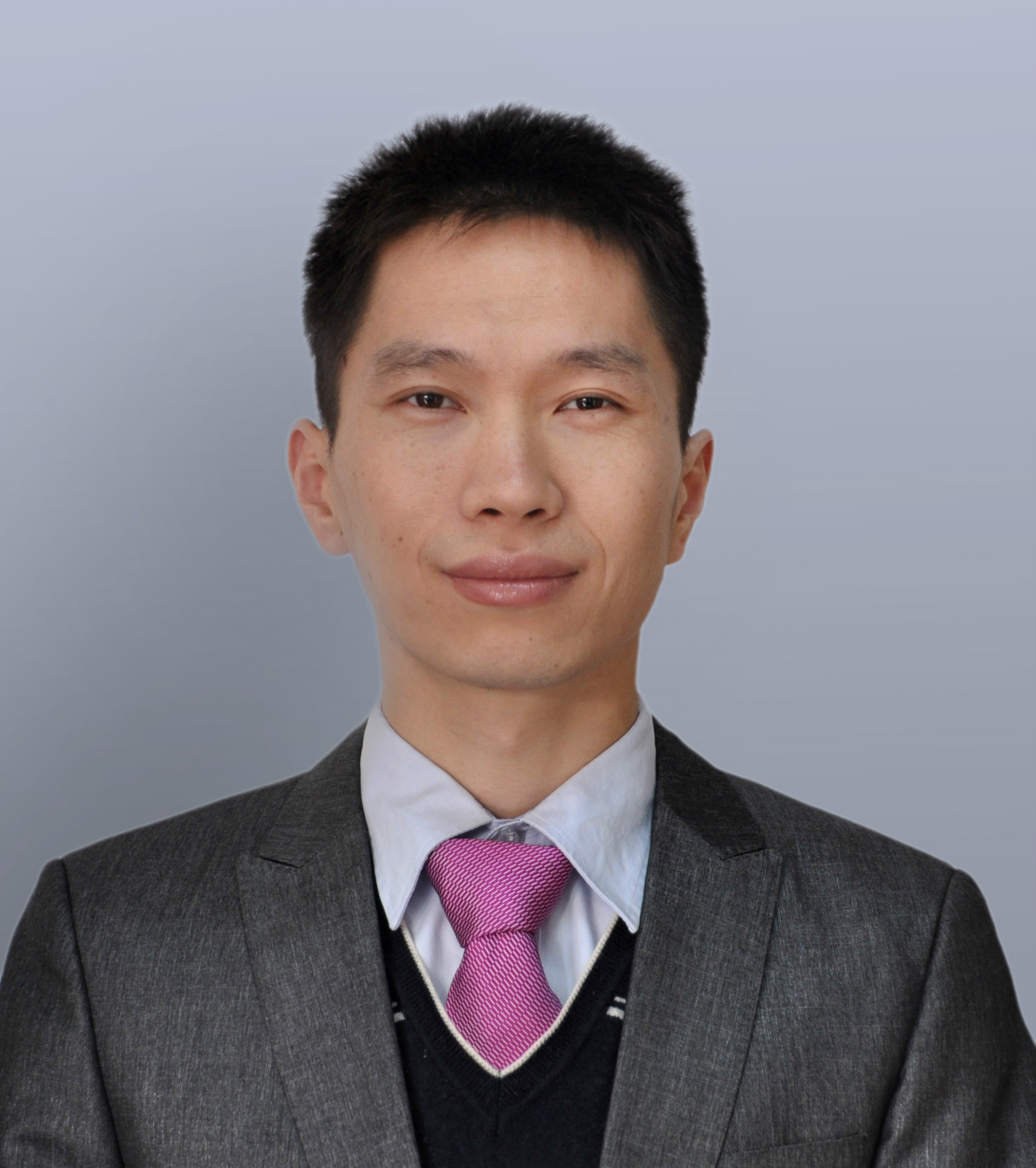
I’ve spent ten years of my life in research. In those ten years, I’ve never been completely overwhelmed until I accepted a professorship at Hangzhou Dianzi University. Just like many other young scholars, I’m working hard to win a good reputation with my research. I went into science because – like many others – I wanted to do meaningful work, lead a new era, and benefit humanity in some way. But recently I’m finding that’s just not what I spend my time doing.

DSC_0001 op1-smaller

{credit}Chenggang Yan{/credit}

Continue reading →

A positive step for postdocs?

It’s been a long time coming, but US postdocs had reason to celebrate last week: an 18 May ruling from the US Department of Labor renders postdocs eligible for overtime pay.

The potential downside? It could mean fewer postdoc positions – but even that may be a positive. The academic pipeline worldwide, especially in the biomedical sciences, has a postdoc glut.

istockphoto/Thinkstock

{credit}istockphoto/Thinkstock{/credit}

Continue reading →

Women in physics: personal perspectives

Following the IOP’s “Taking Control of your Career as a Female Physicist” event, Dame Professor Athene Donald and Professor Val Gibson spoke with Helen Cammack about their careers within academia.

Guest contributor Helen Cammack

In my last blog post, I discussed career progression, publishing and gender equality with Professors Donald and Gibson. Here, we continue our conversation.


Did you relocate often as a postdoc?

AD: I moved around – I had a postdoc in the States, then returned to Cambridge. But at that stage I wasn’t really thinking about a career, so I wasn’t that bothered about what happened next. I didn’t intend to be an academic, so the pressure wasn’t on me. Nowadays everyone has to be calculating and publish in the right journals, and the pressure can detract from that freedom.

VG: When I was in my early career, I was just enjoying the moment, and I wasn’t thinking about my future career. The postdocs of today seem to more aware about career opportunities; they know that the majority of them won’t stay in academia; they’re looking around for what they would like to do and they’re picking up the skills they need for the future. It’s not just the academic side, it’s also the personal aspects – they’re concerned about getting on the housing ladder and potentially having families. At that stage those concerns never crossed my mind.

Continue reading →

Women in physics: personal perspectives

Following the IOP’s “Taking Control of your Career as a Female Physicist” event, Dame Professor Athene Donald and Professor Val Gibson spoke with Helen Cammack about their careers within academia.

Guest contributor Helen Cammack

Since I entered the third year of my PhD, my future career has been increasingly on my mind. I’ve been to a few careers events with stands full of free USB pens and glossy brochures, but always came away disappointed, unable to see myself in the roles they had advertised. The IOP’s careers event was different; there, people shared my aspirations and were sympathetic to my concerns. The opening talk by Prof Athene Donald was inspirational, and there was a variety of guest speakers who had used their physics training to build successful careers. I came away from the day with a new buzz, excited about my career possibilities.

 DSCF8031-small Continue reading →

A Tale of Two Labs – Our Academic Journeys in China and in the USA

The journeys of two professors show how to survive and thrive in the different academic systems of the US and China.

Guest contributors Zhiyong Jason Ren and Defeng Xing

Once upon a time, we worked in the same lab. Ten years later, we both lead big research labs – in Boulder, USA, and Harbin, China. We have similar backgrounds and research interests, but our journeys were very different. After reading Turning Point: Chinese Science in Transition and Nature’s How to build a better Ph.D, we want to share our stories with young researchers in the hope it might help them navigate their own science adventure.

How did we start?
It was 2006 when we first met at Penn State and became lab mates and close friends. When it became time to decide on a career path, Ren chose to become an assistant professor in the U.S., while Xing returned to his Alma Mater in China. In an “ever-lasting” U.S. tenure track system, Ren was handed a well-structured guideline for new principal investigators (PIs), while Xing got a pile of applications on his desk, so he could recruit from various young talent programs.

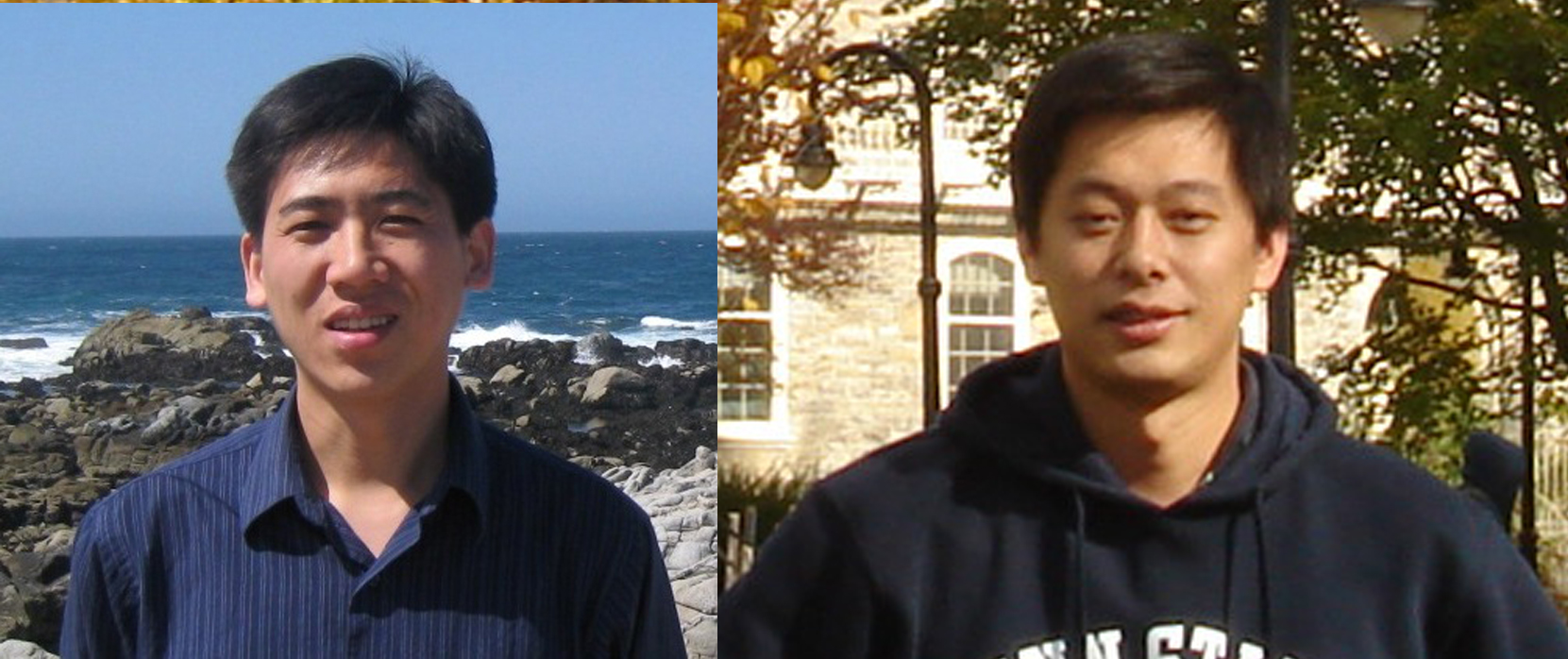
Ren (L) and Xing (R) in 2006

For Ren, winning the position meant he started the job as decision-making group leader, though he didn’t receive much training.  For Xing, it meant joining a big group with an established platform and shifting gradually from a team player to team lead. Continue reading →

The faculty series: Conclusion

We wrap up the long-running faculty series in style.

Since our podcast introducing the faculty series in May, we’ve published 13 more pieces designed to help new and aspiring faculty members flourish in their positions. From applying to the job all the way to mentoring new members of staff, we’ve seen it all, and we hope you’ve enjoyed the ride. Here’s a brief summary of all of the posts we’ve published so far. Make sure to catch the ones you’ve missed, and let us know what you think! Continue reading →

Science communication: The predatory open access “journals”

Having a web page with scientific articles isn’t all it takes to be a scientific journal, says Victor Morais.

Guest contributor Victor Morais

The number of open access journals available to scientists has grown enormously in recent years. They offer the possibility of fast and easy publishing to get research out in the world as soon as possible. Unfortunately, not all open access journals are as they appear.

Photo 2

Victor Morais

Every day, email invitations to new open access journals drop into my inbox. Recently I decided to investigate further. On the publisher’s site I found more than 30 journals covering a variety of areas, but fewer than half of them had published articles and none of them had more than 10 articles. There were more places to publish than there were publications!

I wondered if these journals were real. They could be predatory journals – a web page where scientists publish papers in a form more like a personal page or a blog than a legitimate scientific journal. The real purpose of a scientific journal is to share and preserve knowledge and to protect the minimum quality requirements of a scientific publication. If scientists publish their work on personal web pages, there are no quality controls and it’s not possible to guarantee the visibility or protection of articles. Predatory journals do not do the job of a scientific journal in terms of quality, visibility or preservation, and most of the time lack the peer review process that makes science reliable. As a researcher, how do I guarantee that as soon as I’m charged for publication, my work won’t be lost in the ether?

In my ensuing research, I found some interesting resources like Think. Check. Submit that give guidelines to choose the right journal. Here, I want to share some of the clues that helped me to distinguish between established, emerging and predatory journals.

Continue reading →

The faculty series: What does it take to be a mentor?

Being a great M.E.N.T.O.R will help you just as much as your students, says Nirmala Hariharan

Guest contributor Nirmala Hariharan

Mentoring is one of the most crucial roles played by faculty on a day to day basis. As a mentor, you provide scientific and technical guidance, and serve as the pillar of support for your team of students, postdocs and trainees. Mentoring can consume a lot of your time, and be very demanding, but has several long term benefits that will help you run a successful lab. Here’s what a great M.E.N.T.O.R provides for their students.


Nirmala Hariharan

Motivation. You’re the constant source of motivation for your team; you need to see the big picture and guide your team through the ups and downs. You’re the leader that inspires excellence and encourages scientific innovation. As a good mentor, you must recognise the true potential of your mentees – even if they don’t – and know how to bring out the best in them. In short, you should make them realise what they’re capable of.


Continue reading →

The faculty series: Top 10 tips on managing your time as a PI

Good lab organisation is the best way to keep your research output up, and your stress levels down.

Becoming a new faculty member is, as we’ve discussed in this series, hard. You have to demonstrate a cornucopia of scientific, interpersonal, organisational and management skills, and plan out high-level research regularly. Good science is the ultimate goal of this, and for your lab to produce good science, you have to make sure that all of the cogs in your research machine are turning smoothly.

With that in mind, here are ten tips that will help your lab stay organised, so you can focus on the research. That’s why you’re in academia, after all.

1. Keep a detailed calendar and stick to it
A good calendar will be the single most important thing to you when it comes to time management – keep it updated regularly, and share it with your colleagues so they know your availability. If you want some time for ‘open’ work – reading or writing or data analysis – make sure to schedule this on your calendar as well.

2. Standardise every group member’s output
Make templates for documents like progress or experiment reports, and encourage the entire lab to use them. It may take you a while initially, but it will save everyone in your lab a lot of time once they’re all working off of the same documents.

Close-up of a calendar. Organiser. Scheduling. Wall planner. Days of the month. Year planner. Grid. Squares. Calendar. Timetabling.

3. Use a shared, organised filing system
Instead of everyone shooting emails back and forth asking for this or that piece of information, encourage your lab to use a shared filing system that everyone knows how to use. Keeping it organised is just as important as actually having the system in place, so spend some time working out the best way to structure everything with your lab members. Continue reading →

The faculty series: A case study

Be pro-active and prepare for long shifts if you want to land a lectureship. That’s how Samantha Terry did it.

Guest contributor Samantha Terry

I have been a scientific researcher for the past 10 years and started as a lecturer at King’s College London in September 2015. Friends said I did well to land my dream job at 30 at a great university. They’re right; but it wasn’t an easy road to get to where I am today.

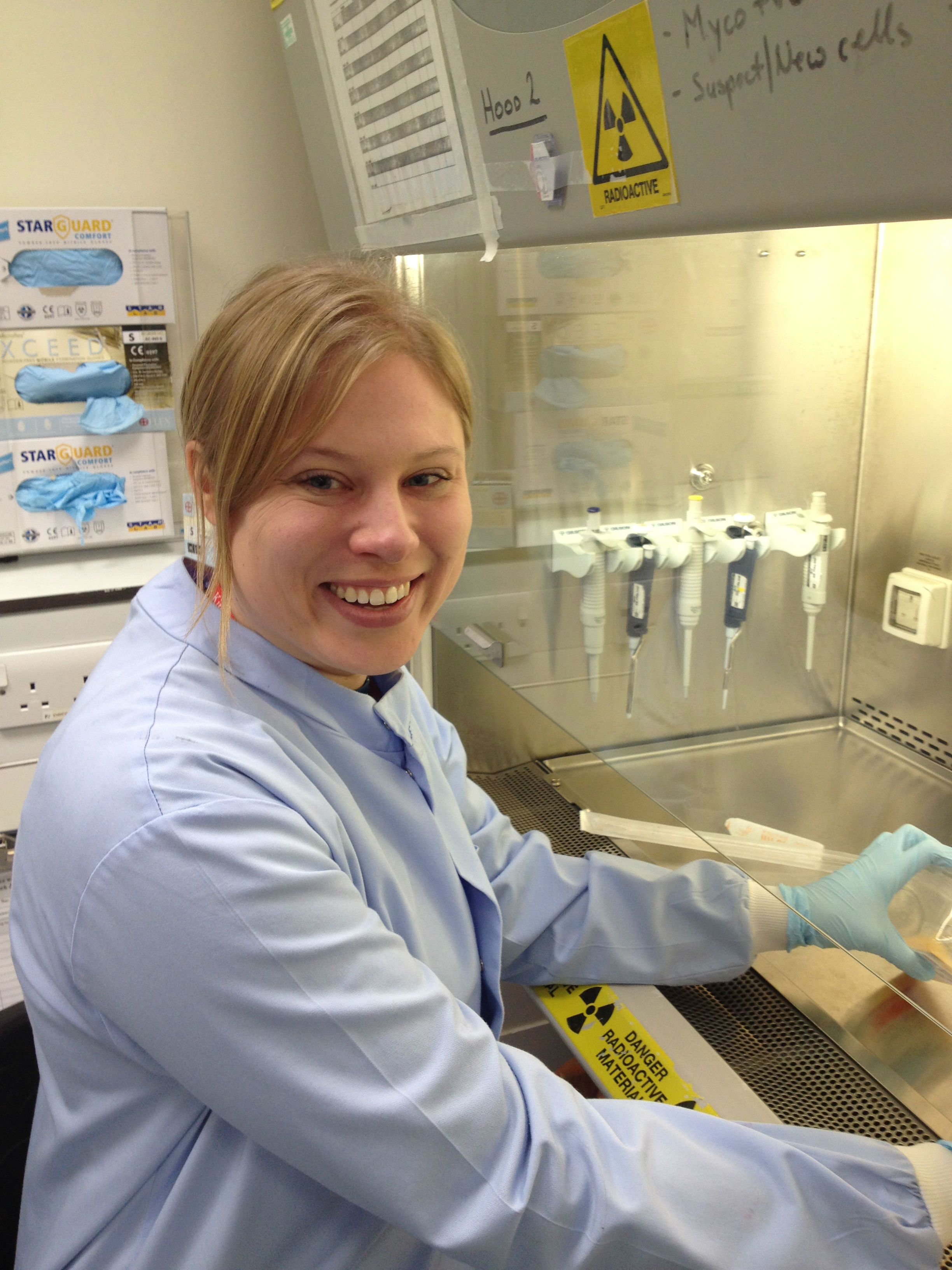
photo me in lab-2

Samantha in her lab

I completed my undergrad in cell biology in 2006, went straight into a 3-year PhD in radiobiology, and then completed three short postdocs at the University of Oxford, at the Radboud University Medical Centre in the Netherlands and finally at King’s College London.

As with any job, during my postdoc I was surrounded by friends and colleagues who, like me, all wanted to move up and land that most sacred of jobs: a permanent research position in academia. We often discussed what employers were asking during interviews for lectureships and how we could maximise our chances of becoming a lecturer. Here’s what I’ve learned so far.


Continue reading →