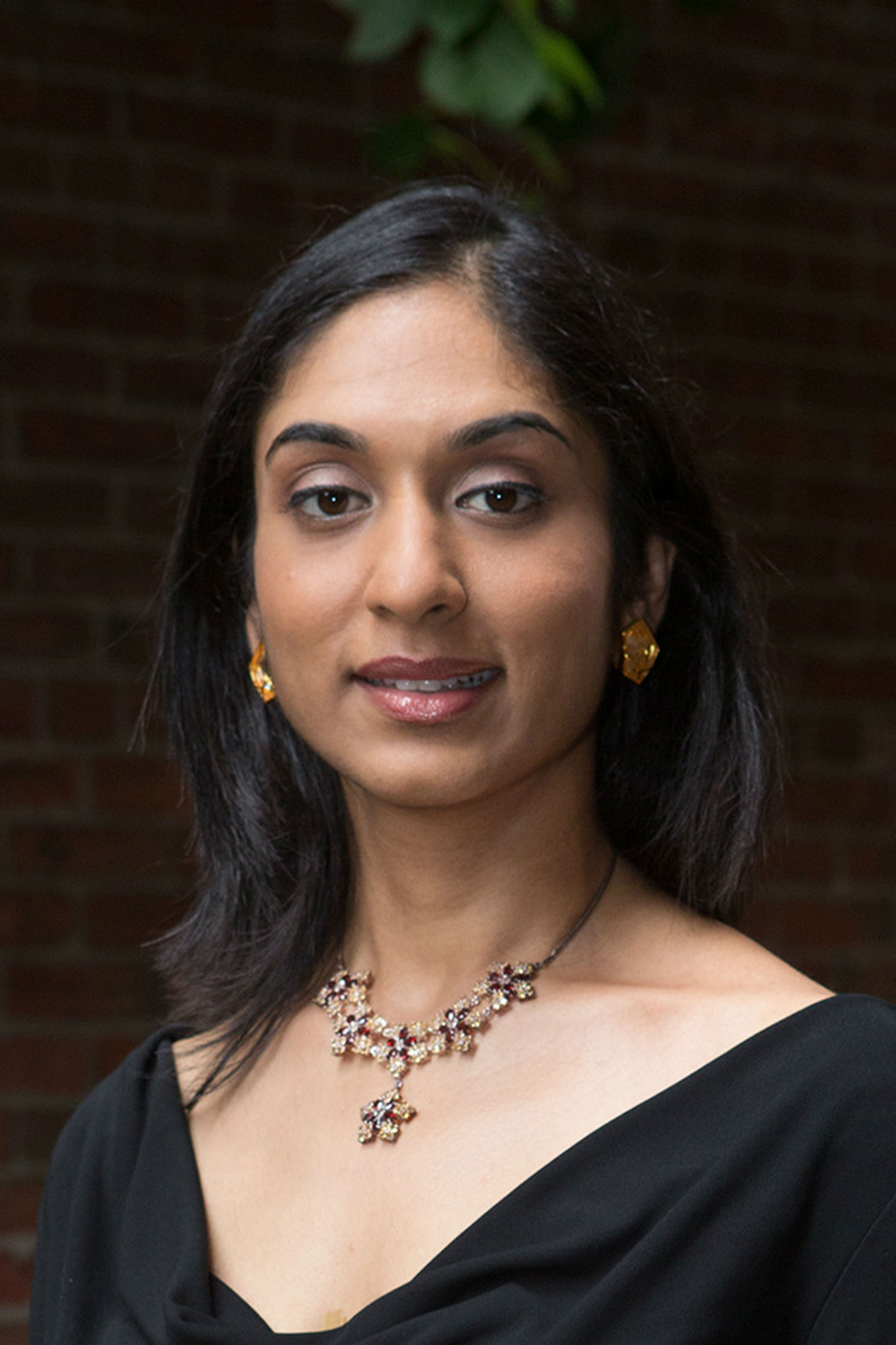
Academic speakers at the Naturejobs Career Expo, London, 2016, discuss sexism in academia.
https://www.youtube.com/watch?v=rdfqXdibc0k

https://www.youtube.com/watch?v=rdfqXdibc0k
https://www.youtube.com/watch?v=QGkZ-yt_Yi4
https://www.youtube.com/watch?v=ivcHblYSd94
Taking notes is a time consuming – and occasionally boring – process, but doodling and using symbols can make it easier, more fun – and could be better for your studies, says Marianna Ricci.
https://youtu.be/qp3kdN58SD0
Personally I’ve always liked to draw and I think of myself as a “visual person”: I’m sensitive to paintings and photos as well as nice color combinations or a cool pattern.
When I need to study something, the easiest way for me is to write it down and draw a diagram. Especially in my veterinary medicine studies, I used mathematical symbols and diagrams as well as colour codes and eye-catching drawings while taking notes and summarizing the lessons. Continue reading
Today we feature Animesh Shukla, a biotechnologist from Meerut Institute of Engineering and Technology in Uttar Pradesh, India who went to Carnegie Mellon University and Indiana University of Bloomington in the USA for PhD. Animesh, who works as a scientist designing ELISA assay kits for Meso Scale Diagnostics now, says planning ahead of time for a postdoctoral career could open up several doors in the land of opportunities.
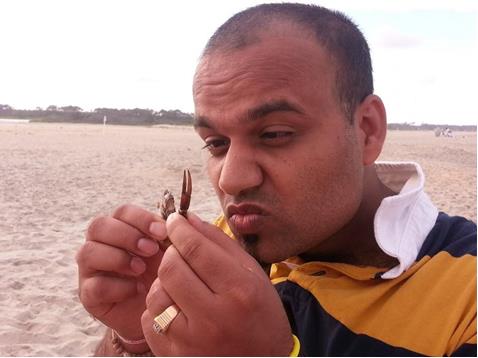
My school teacher Jessy Kuruvilla sparked my interest in biology. She used to explain the subject in such an interesting way that I still remember many things she taught us. I don’t remember much of any other subject. In high school I was interested in both biology and physics (specifically fluid dynamics). I never used to score really high marks in these subjects but had very good understanding of the basics.
I used to catch and collect live and dead insects or small animals and used to look at them. Some of my friends used to make fun of me (they still do) but that is what friends are for! Continue reading
https://www.youtube.com/watch?v=LO5SFLFxJxk
She found she could still do the work she loved at the bench by doing product development research at Thermo Fisher Scientific.
Today’s blog comes from Arghya Basu, who wears many hats — that of a membrane protein researcher, an amateur photographer and a weekend hiking enthusiast. A doctorate from Indian Institute of Chemical Biology, Kolkata, India, Arghya now lives his many passions working at the University of Alberta, Canada and says research might not always fetch you a Nobel but should be able to make life better for some.
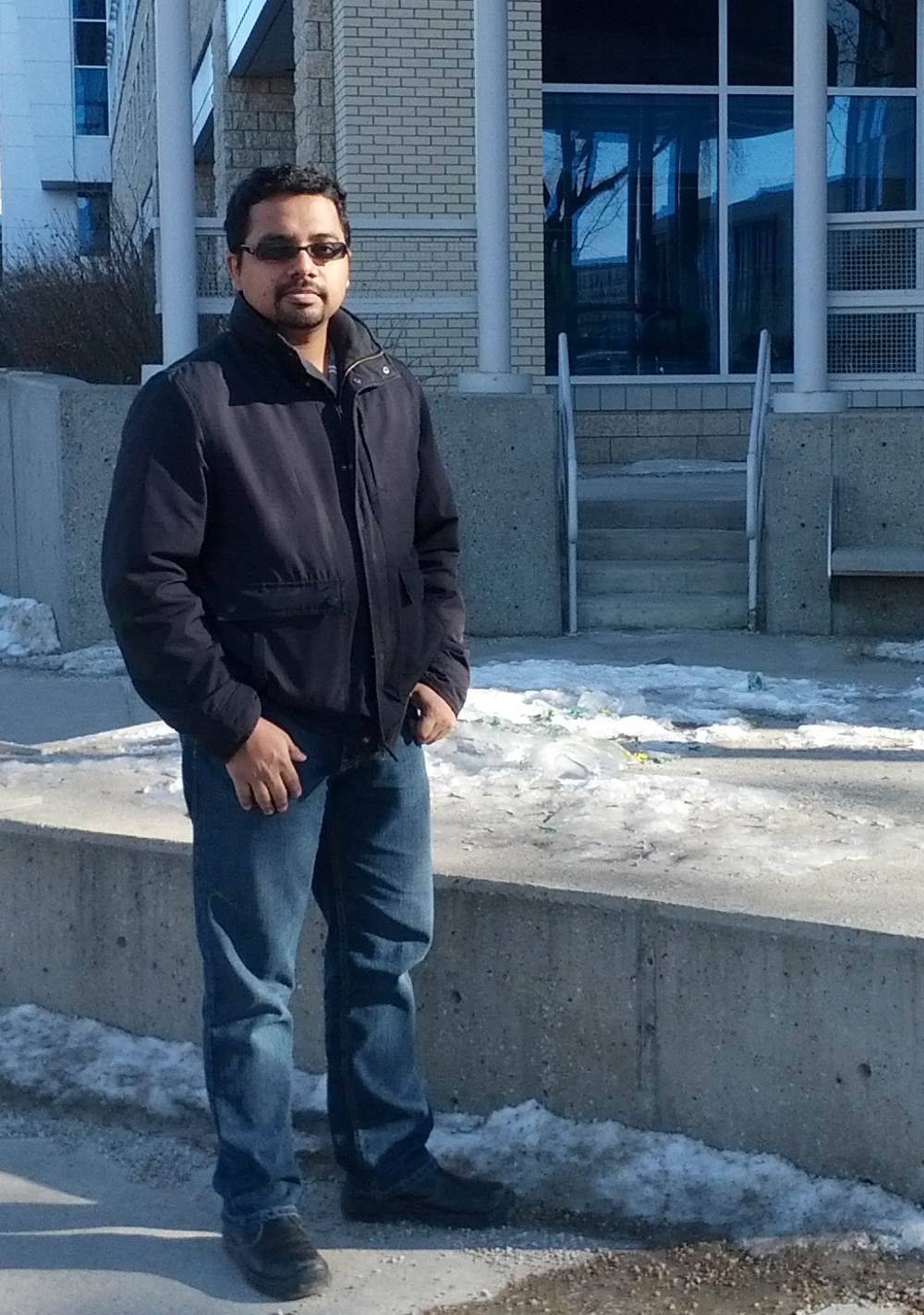
My father was my first science teacher. A banker by profession, he had an extraordinary skill to explain the world and all conceivable worldly acts in terms of science. I remember, as a kid I used to look forward to those hours when my father would come back from office and open my science books, be it the physical sciences or life sciences. The next few hours used to be magical. I always wanted to touch that magic. So, it was a no-brainer for me to choose science and scientific research as my future career quite early in my life. Continue reading
https://www.youtube.com/watch?v=KqDScsKzt0Y
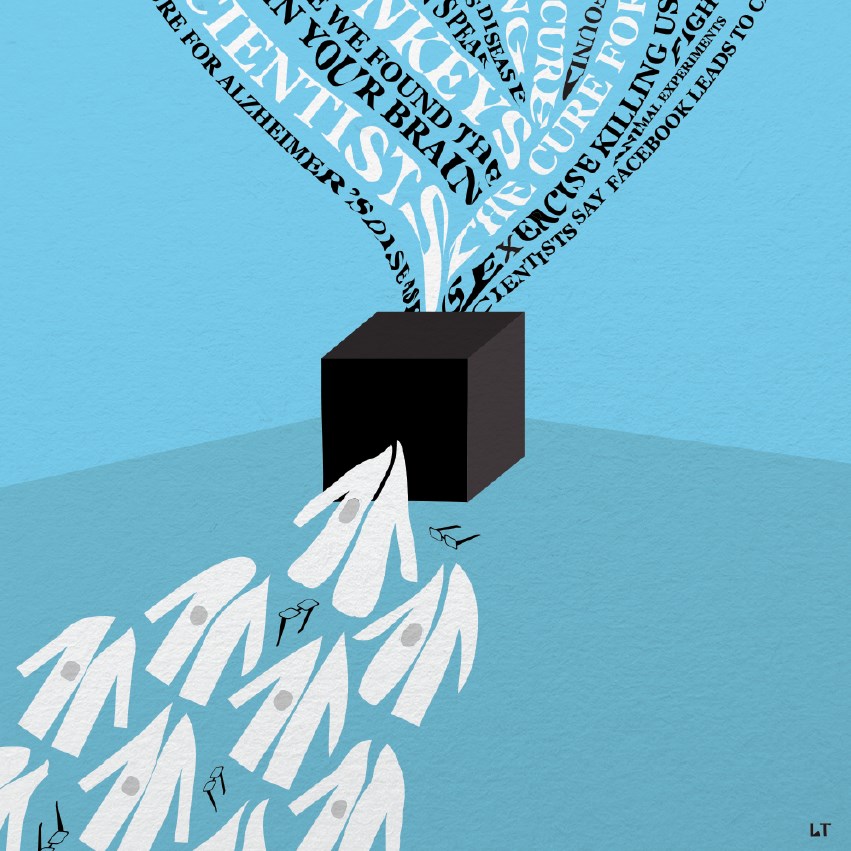
In July 2016 scientists found out how to map the brain into dozens of new areas using neuroimaging. We also discovered that thousands of such brain scanning studies may be flawed. To someone lacking insight into neuroscience, these two equally important studies can seem conflicting. Although “science communication” happens everywhere, science can still feel like a black box to the public, mysteriously churning out breakthroughs which are packaged and relayed by a barrage of tweets and headlines.