How to reach out

analytics-282739_1280

As discussion of science engagement increases, notably absent is an accompanying conversation about how to appropriately prepare and find opportunities for outreach. Here’s how to get started.

Guest contributor Maria Wheeler-Dubas

The average American does not personally know a scientist, which leaves their opinions of science open to the mercy of pop culture and political pundits. In spite of this concern, one thing that has been greatly encouraging to see in the scientific community is the rise in discussion of STEM outreach. More and more scientists are recognizing science engagement as a way to break stereotypes, have a broader impact with their work, and manage sceptics of tax-funded grants—which is fantastic. However, an important part of the discussion that has been missing is how to go about getting involved in meaningful outreach. How can a research scientist maximize the use of what little time for outreach they might have?  Here is what I’ve learnt as Science Outreach Coordinator. Continue reading →
Lindau: The charge of the Nobel lasses (and lads): Be humble

Humility and success in science are closely linked, Alaina G Levine discovers at the 67th Lindau Nobel Laureate Meeting.

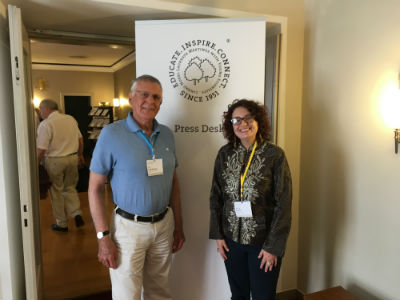
Alaina G Levine and Dan Shectman

Alaina G Levine with Dan Shechtman at at the 67th Lindau Nobel Laureate meeting.{credit}Alaina G Levine{/credit}

Nerd Heaven, aka the Lindau Nobel Laureate Meeting, provides an intellectual gymnasium for nerds of the world. The youngsters who attend can partake of 29 lectures by Nobel Laureates on topics as tantalising as the Joy of Discovery given by synthetic organic chemist Bernard Feringa, to the rousing Aromatic Ring Flips in Protein Dynamics presented by chemist/biophysicist Kurt Wuthrich, all of which contributes to a flipping good time. Continue reading →

Scientific play is a serious business

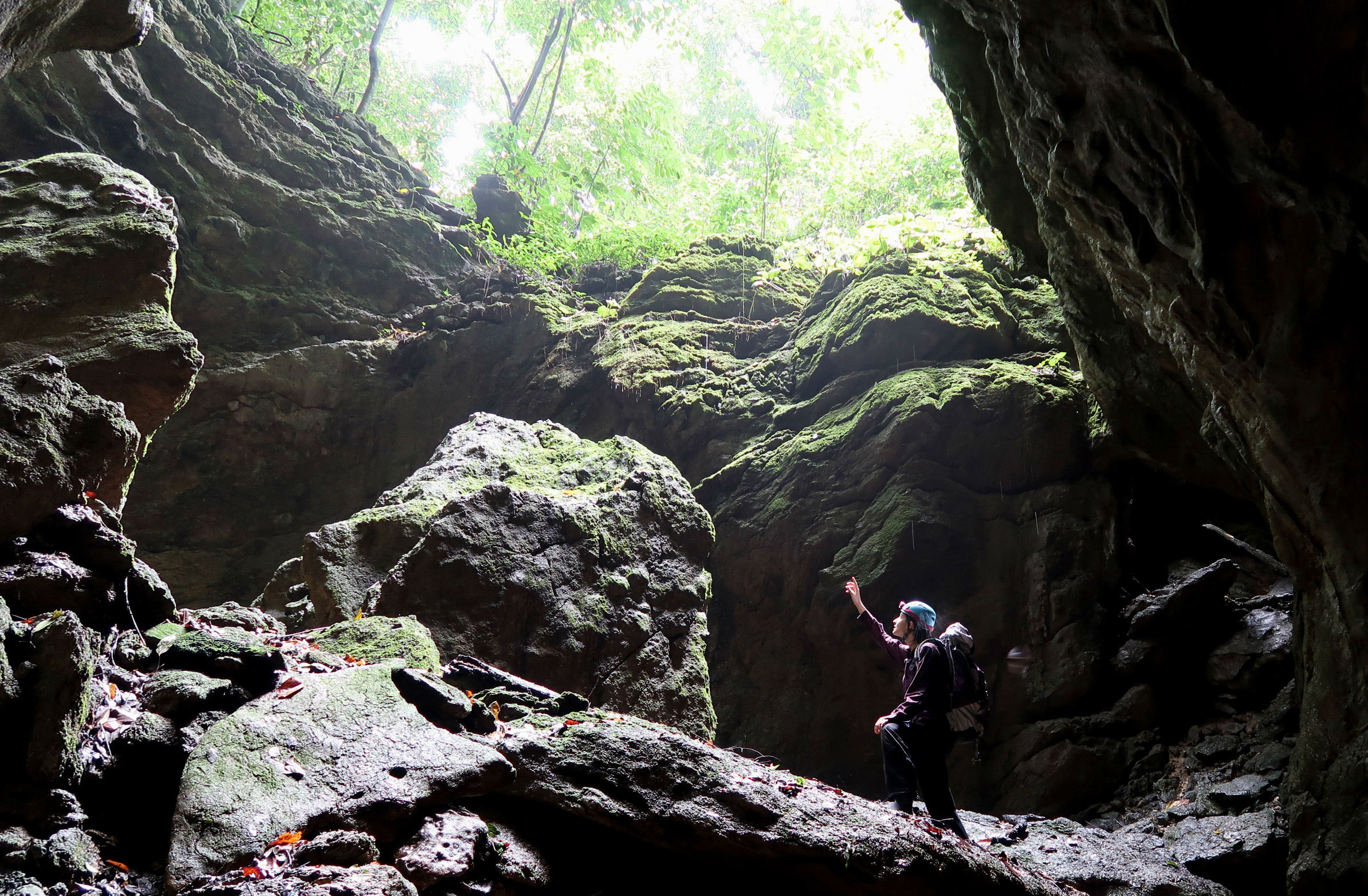
Iva Njunjić’s dream to explore caves and work on cave beetles took her far from her home country of Serbia — to the beautiful island of Borneo.

Bod Tai cave on Borneo-smaller

This photo was taken during field work in Sabah, Malaysia where Prof. Menno Schilthuizen, his PhD student Mohd Zacaery bin Khalik and I went to explore caves and hunt for new species of cave invertebrates. We spent many days around a small village on the Kinabatangan River, trying to locate caves in numerous limestone hills and gather information about the organisms that live there. Continue reading →

The discomfort is worth it: share more

Making sure to communicate with the public is hard and takes time. Scientists should keep doing it, says Jessica Eise.

When David Eagleman, a neuroscientist at Stanford, wrote the New York Times bestseller Incognito, I read it voraciously. The world of the mind opened to me. My subconscious brain took on an entirely new meaning to me. Eagleman’s research felt salient, relevant, and crucial to our understanding and progress as a species.

Knowledge-sharing

{credit}Asonlobo/Wikipedia; CC-BY-SA-4.0{/credit}

Continue reading →

Lost in translation

You may not be an English native speaker, but that shouldn’t be an obstacle in science, says Elena Blanco-Suárez.

GettyImages-550382899-smaller


Continue reading →

Why I marched for science – a transatlantic perspective

The March for Science turned a spotlight on the importance of research. But it won’t have a lasting effect unless we improve science communication, says Judith Reichel.

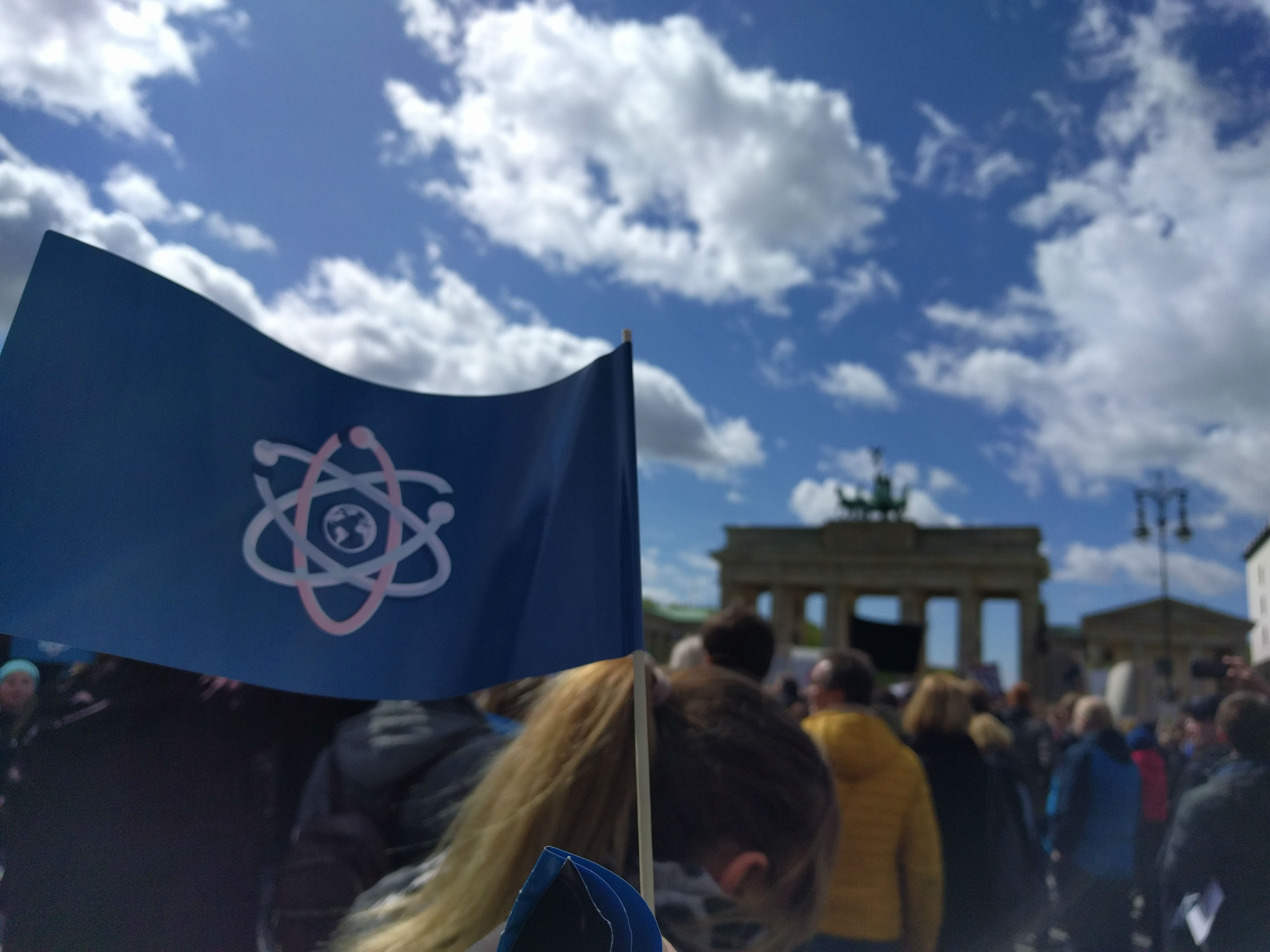
On Saturday, April 22nd, myself and an estimated 11,000 other science supporters marched in Berlin. The event was part of the global “March for Science” that took place in over 600 cities worldwide. While the March here and everywhere else was a great success in putting a spotlight on the importance of research and the danger of building on false facts, I’m worried it won’t have a lasting effect on the public perception of science if we don’t improve our science communication.

MarchforScience-Judith-1-smaller

The March for Science passes the Brandenburg gate in Berlin, Germany

Continue reading →

All in three: How to pitch your PhD in 180 seconds

The stage was set. A thousand people had taken their seats. Stage lights were blaring. Cameras were circling. In the green room, 10 PhD students, 10 knotted stomachs. I have a weird interest in seeing how other people cope with pressure. Some use humour, some remain pessimistic. Some are humble, some are cocky. Some laugh, lots cry. All this nervous tension though, for only three minutes on stage.

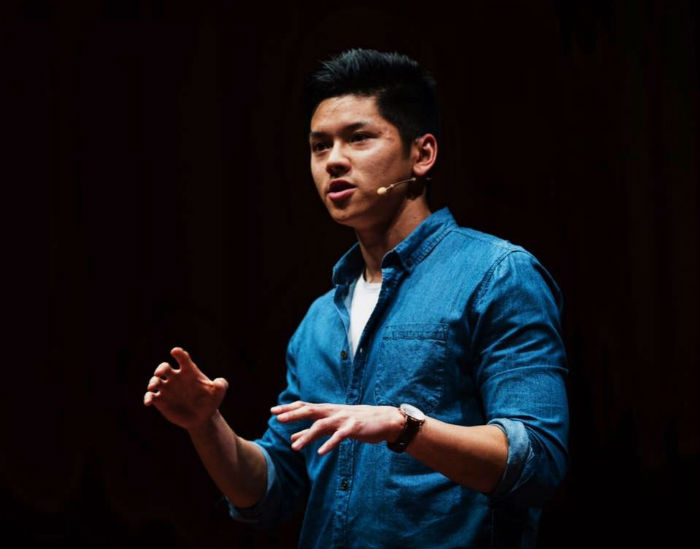
Josh 3MT

Joshua Chu-Tan presenting his winning 3 Minute Thesis at the 2016 Asia Pacific finals

2016 Asia-Pacific 3MT Winner – Joshua Chu-Tan “Targeting the Root of Vision Loss” from Three Minute Thesis (3MT®) on Vimeo.

I’m referring to the 3 Minute Thesis (3MT) competition, an international competition where PhD students have to present their entire thesis, years and years of work, into a three-minute presentation with a single, static PowerPoint slide. Ludicrous, I know. However, amidst all the prize money and prestige of the competition, there was an important lesson to be learned, something that I feel is vital in the field of research – the art of communication. Here, I try to outline my thought process when writing my 3MT. Continue reading →

Exploring science communication

Science communication comes in many forms. Discover your favourite, says Andy Tay

There’s a few reasons why scientists may be discouraged from science communication. Here, I’m hoping to break down some of those barriers, and introduce channels and platforms where scientists can practise. First, here are some of the reasons stopping more scientists from practising science communication, as well as my rebuttals.

GettyImages-200525300-001-smaller2 Continue reading →

Science communication: What it takes

Science achieves little if it stays in the lab. Here’s what you need to get it out to the world, says Jessica Eise

Communicating about science is a noble profession, and one that’s becoming increasingly and ever more popular. Yet it isn’t the right fit for everyone. I got started in this field about five years ago, and was surprised by many of the things I needed that no one had ever mentioned. Here’s what no one ever tells you you’ll need.

analytics-282739_1280

Passion for science

If you don’t care about science, you’re going to burn out fast. Science is hard, so science communication is hard, too. You’re going to have to delve into complicated issues quickly. I’ve worked on projects ranging from solar panel taxes to integrated imaging, from public perceptions of pork to international trade databases. You really have to care about good science communication to get a message across. The only thing worse than no science communicator is a science communicator who hates their job.

I didn’t have an immediate interest in food and agricultural topics when I started my job. But I audited a course on food security, read tons on the subject and sat down with my colleagues to figure out why these topics are so critically important. It made all the difference. Continue reading →