
Nature.com blogs – a collection of blogs from editors and other staff at NPG

Nature Middle East’s blog, House of Wisdom is now hosting a weekly roundup of what’s happening in the science world. Each week, they will wrap up the latest in science from their region and present it in one easily digestible dose. You can find this week’s summary here.
The latest Soapbox Science post is by Dr. Simon Williams, he looks at the science of collaborative research:
The science of the twenty-first century looks very different to the science of the Enlightenment or even to the science of the twentieth century. The days of the lone scientist, immersed in their laboratory, locked in their disciplinary silo, narrowly focused on basic research problems is rapidly becoming a thing of the past. In their place, we see the emergence of a new breed of “Team Science”; where large, cross-disciplinary teams focus on complex, applied and translational problems.
To catch up on this week’s NPG blogging news you can read our weekly roundup, published every Friday. This week’s content includes tapeworms, a student science magazine, mental illness in Africa and how can you increase your Twitter followers?
Scitable – Nature Education’s network of science blogs
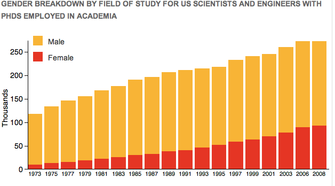 Laura Hoopes in the Women in Science forum reviews a new assessment published in Nature about where women stand in science. She ends by asking whether there will ever be an end to our need for vigilance for fair treatment of women in STEM fields. You can pitch in here.
SciLogs.com – an NPG network of science bloggers
Many people are not actively interested in reading science stories. To pull them in, it is very important to open a science story well, perhaps by starting with a “wow” sentence or by making it about the reader. SciLogs.com blogger Matt Shipman lists some additional ways to open a science story.
 The French believe that a circle’s circumference is equal to two stones. Yes, you’ve heard that right. But astonishingly, they are right! “For years, I didn’t really know how to spell the word pi, because we always just used the symbol π. On top of that, I often heard the English expression “as easy as pie”. This was extremely confusing to me. […] Later, when I heard about the number π in English, my suspicions of sarcasm seemed to be confirmed.”
If you’ve missed your science fix this week, do check out Malcolm Campbell’s linkfest with a superb ode to the inspiration our children give us as bonus. And all SciLogs.com blog posts from last week here.
SpotOn NYC – a monthly discussion series in NYC co-hosted by NPG
March’s SpotOn NYC (#sonyc) event focused on Communication and the Brain and was a special event to tie in with Brain Awareness week. We hosted a collection of related blog posts with contributions from Mo Costandi, Vaughan Bell, The Neurocritic and others. You can find a summary of these posts, a video archive of the event, as well as a Storify collating the online conversations here.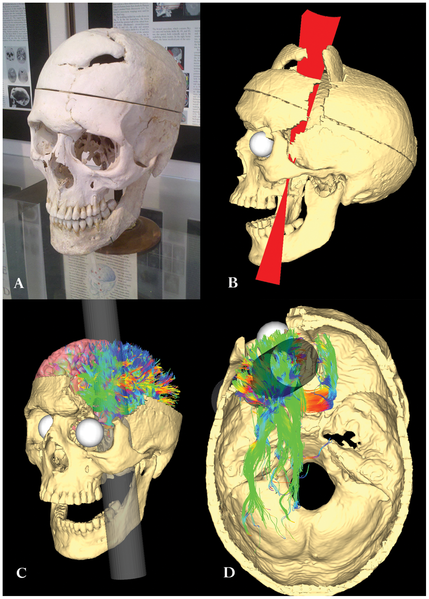
We also featured a Soapbox Science post on our regular Wednesday slot to tie in with this event. Mark Stokes, a senior research scientist at the Oxford Centre for Human Brain Activity, delves into how neural explanations for criminal behaviour might change the way we think of accountability.
Should a modern judiciary punish people for suffering a tumour that causes them to commit mass murder? Or for exposure to abuse, poverty, violence of war, or any other of the likely causes of subsequent criminal behaviour? Eagleman even considers the classic case of Phineas Gage; surely only the most ruthless moralist would blame Gage for his dramatic personality change – after all, the guy had a 6kg iron rod blasted through his frontal lobe!