Alnylam launches era of RNAi drugs

Alnylam’s office in Cambridge, Mass. The company’s Onpattro is the first RNA interference drug.

On August 10, the US Food and Drug Administration approved the first RNA interference (RNAi) therapeutic, a treatment for polyneuropathy caused by transthyretin (TTR) amyloidosis from Alnylam Pharmaceuticals. The go-ahead for Onpattro (patisiran) sees the RNAi field clear an approval hurdle considered unlikely as recently as six years ago, when pharma exited the RNAi field en masse. The US approval, with Europe expected to follow by early September, is “a major milestone,” says Anastasia Khvorova, an RNAi researcher at the University of Massachusetts in Worcester. Onpattro has an excellent safety record, but there are lingering concerns about potential long-term toxicity from newer, more potent RNAi therapeutics. And the field as a whole still faces investor skepticism in the wake of a decade of clinical trial failures.

But Onpattro could prove a very lucrative drug for Alnylam, the clear leader in the RNAi therapeutics field. Transthyretin amyloidosis “is an inexorable decline to death,” says Morie Gertz, a hematologist at the Mayo Clinic in Rochester, Minnesota. “You either have a liver transplant or hope for the best.” Onpattro, in phase 3, met its neurologic endpoint, with 56% of patients showing improvement at 18 months, compared with 4% of patients on placebo (New Engl. J. Med. 379, 11–21, 2018). Before approval, Goldman Sachs analyst Terence Flynn projected $1.8 billion in peak sales. Alnylam is pricing Onpattro at $450,000 average list, dropping to $345,000 after taking into account mandatory discounts for eligible health care organizations. Alnylam is also negotiating discounts in cases where individual patients don’t do well on the drug.

Onpattro is a 21-mer double-stranded small interfering RNA (siRNA) oligonucleotide containing 2´O-methyl modified and unmodified ribonucleosides, with 2´-deoxythymidine dinucleotide overhangs at the 3´ ends, which is encapsulated in a cationic amino MC3 lipid nanoparticle comprising (6Z,9Z,28Z,31Z)-heptatriaconta-6,9,28,31-tetraen-19-yl-4-(dimethylamino) butanoate (DLin-MC3-DMA) plus cholesterol, 1,2-distearoyl-sn-glycero-3-phosphocholine (DSPC) and á-(3´-{[1,2-di(myristyloxy)propanoxy] carbonylamino}propyl)-ω-methoxy polyoxyethylene (PEG2000-C-DMG). Close behind is another type of oligonucleotide drug, a single-stranded antisense molecule from Ionis Pharmaceuticals and its affiliate Akcea Therapeutics. Ionis’s Tegsedi (inotersen) is a 20-mer with five 2´-O-methoxyethyl-modified ribonucleotides at each terminus, a central region of ten 2´-deoxynucleotide residues, a full phosphorothioate modified backbone, and all cytosine residues methylated at position 5.  It recently completed its own successful phase 3 trial (New Engl. J. Med. 379, 22-31, 2018). With either drug, “you can slow and in some instances actually reverse the disease,” says Gertz. “It’s a big deal.” Analysts’ projected sales, however, assume strong market preference for Onpattro. The Ionis drug, which caused thrombocytopenia and kidney toxicity in some patients, such that all will require platelet monitoring, received European approval July 11 and has a Prescription Drug User Fee Act date with the FDA of October 6.

Both Alnylam’s and Ionis’s drugs prevent TTR mRNA translation into the transthyretin protein. Transthyretin normally forms tetramers, but in the hereditary form of the disease mutant monomers are released and misfold into amyloid fibrils, which accumulate in the nerves, heart and other tissues. By depleting both wild-type and mutant transthyretin mRNA, Onpattro (and Tegsedi) can arrest disease pathology. Single-stranded antisense binds directly to target mRNA for cleavage by RNase H or occupancy, whereas double-stranded small interfering RNAs (siRNAs) engages the RNA interference silencing complex (RISC), which directs target cleavage. In general, antisense has better cellular penetration properties, whereas siRNA is more potent intracellularly.

A wild card in the battle for market ascendancy is Vyndaqel (tafamidis), an oral drug from Pfizer in New York that works by stabilizing the normal transthyretin tetramer. The European Medicines Agency approved Vyndaqel for hereditary transthyretin polyneuropathy in 2011 (Nat. Biotechnol. 30, 121, 2012), but the FDA failed to follow suit, requesting a second efficacy study. In March 2018 Pfizer announced topline phase 3 results for Vyndaqel in transthyretin cardiomyopathy, another presentation of TTR amyloidosis, which exists on a spectrum. Vyndaqel met its primary endpoint, with the company expected to present full results at the European Society of Cardiology Congress in Munich at the end of August. Alnylam’s stock traded 36% lower in July than in March, a drop that Needham & Co. biotech analyst Alan Carr attributes to the Vyndaqel uncertainty. “We’re all very interested in seeing these data,” Carr said.

Alnylam CEO John Maraganore views Onpattro as the winner in TTR amyloidosis with polyneuropathy. “Tafamidis, based on previous studies, slows down the progression of neuropathy in patients with the disease, but it doesn’t really halt it,” he says. But patients with hereditary TTR amyloidosis with cardiomyopathy, as well as with wild-type TTR disease—in which TTR amyloid slowly deposits in the heartmight be different. Alnylam has aspirations for its second-generation TTR amyloidosis drug, ALN-TTRsc02, which tethers the siRNA molecule to multivalent N-acetylgalactosamine (GalNAc) ligands that bind the asialoglycoprotein receptor on liver cells. The company is hopeful this second-generation molecule will be superior in both indications because it’s more potent than Onpattro, with far more convenient dosing and delivery. Wild-type disease affects about ten times as many people as the hereditary form, so the market stakes are high. “We’re really quite eager to see what the tafamidis results are,” Maraganore said in early August. ALN-TTRsc02 should begin phase 3 by year’s end.

Alnylam’s second-generation drug should eventually supplant Onpattro, which is only approved for hereditary disease. Onpattro uses a delivery system that Alnylam no longer pursues. Double-stranded siRNAs need to evade nuclease degradation and the innate immune response and then enter cells, where they must escape the endosome to load into RISC for sequence-specific cleavage of target mRNAs. Alnylam’s early solution was encapsulation in a lipid nanoparticle (LNP). When the company set out to treat TTR amyloidosis, the LNP was “the only technology that had really been demonstrated to work,” says Rachel Meyers, Alnylam’s former head of research. “It led to a very elaborate discovery effort to optimize it.” The result is an effective drug, but Onpattro is not perfect. It’s still immunogenic enough to require steroid pretreatment to minimize reactions to its 80-minute IV infusions, given every three weeks.

Although Alnylam is no longer developing LNP drugs, some RNAi companies are still pursuing LNP delivery, as are many working on CRISPR–Cas gene editing and therapeutic modified mRNAs. Patisiran’s approval “is a very big step forward for the guys that are going to come behind, in gene editing and mRNA delivery,” says Meyers, now entrepreneur-in-residence at Third Rock Ventures in Boston.

Even before Onpattro entered the clinic, in 2012, Alnylam was looking at GalNAc-conjugated siRNAs as an alternative to LNPs. GalNAc delivery requires extensive modification of the siRNA, as it is no longer protected from nucleases by the LNP. Alnylam eventually worked out a specific pattern of O-methyl and fluoro modifications at the 2´ position of the ribose, along with fewer phosphorothioate modifications (a sulfur substituting for one of the non-bridging oxygens) in the backbone, with spectacular results. In phase 1, a single subcutaneous dose of Alnylam’s GalNAc-conjugated siRNA, ALN-TTRsc02, knocked down 80% of the TTR target for a full year. The drug, says Khvorova, “is very close to perfection.” Alnylam plans to start phase 3 for ALN-TTR02 (with subcutaneous dosing every three months) by the end of 2018. 

Other Alnylam drugs, all for liver diseases, are even further along. The company expects to submit an New Drug Application for givosiran, for acute hepatic porphyrias, by year’s end. Inclisiran, for hypercholesterolemia, and fitusiran, for hemophilia, are in phase 3. (Inclisiran is partnered with The Medicines Company in Parsippany, New Jersey, and fitusiran with Sanofi Genzyme in Cambridge, Massachusetts.). Competitors Dicerna Pharmaceuticals in Cambridge, Massachusetts, Silence Therapeutics in London, UK and Arrowhead Pharmaceuticals in Pasadena, California also have GalNAc-conjugate siRNAs in development. According to Khvorova, the field considers the problem of liver delivery basically solved with GalNAc.

Except, she adds, for a few lingering theoretical toxicity concerns. One is the 2´-fluoro modification. Ionis scientists have reported that treatment of cells with 2´-fluoro-modified antisense oligos results in the off-target binding and knockdown of several DNA repair genes, resulting in cell death in in vitro assays (Nucleic Acids Res. 43, 4569–4578, 2015). A second worry is that high levels of persistent siRNAs might outcompete endogenous microRNAs for RISC loading, with unpredictable biological effects. Finally, superstable siRNAs might accumulate in endosomes and lysosomes, with toxic consequences. “So far there is no indication that there are any issues,” says Khvorova. “But … things can pop up years after you administer a compound.”

Fueling the concern is revusiran, Alnylam’s original GalNAc conjugate for TTR amyloidosis. Alnylam discontinued revusiran in phase 3 because of the high number of deaths in the treatment arm relative to the placebo group (Nat. Biotechnol. 34, 1213–1214, 2016). Alnylam stock plunged 49% on the news. The company’s subsequent analysis could not rule out a drug effect. “The tox was there and the tox was real,” says Khvorova. “That is why we have those lingering concerns.”

“There is reason to believe [the death imbalance] might be a chance occurrence, but we can’t exculpate the drug,” says Maraganore. “That’s unfortunate.” But he points out that the newer, more potent GalNAc compounds use doses 20–100 times lower than revusiran’s. Alnylam also conducted rodent studies showing that 2´-fluoro modifications and RISC loading were unlikely to contribute to liver toxicity from siRNAs at supraphysiological doses (Nat. Commun. 9, 723, 2018). The company will soon move newer oligonucleotides into the clinic that appear to be even safer. These incorporate a single GNA (glycol nucleic acid) into the siRNA’s antisense seed region, the part of the molecule that recognizes the target mRNA, which would reduce off-target base pairing. The company is also developing an antidote to its long-acting GalNAc-siRNA conjugates (Nat. Biotechnol. 36, 509–511, 2018) to shut them off if necessary.

For the moment, Alnylam can savor its first drug approval, the fruit of 15 years of continuous effort. The company survived the pharma backlash of 2008–2011 battered but intact, thanks to an ample cash cushion. “Alnylam was able to weather the storm of pharmaceutical companies being naysayers because they had the resources, plain and simple,” says Meyers. Now the company must build on Onpattro to establish RNAi as a platform technology. After so many failures, says Khvorova, “it will require some more successful stories, not just one patisiran, to rebuild … investor confidence.”

Ken Garber Ann Arbor, Michigan

Will the EU deregulate gene-edited plants?

At the beginning of the year, the advocate general of the Court of Justice of the European Union (CJEU) issued an opinion that plants created using new plant breeding techniques, including gene-editing platforms like CRISPR, TALENs and the like, are eligible for the so-called mutagenesis exemption. This exemption relates to rules the European Union uses to regulate the release and marketing of genetically modified organisms (GMOs), which are outlined in Directive (2001/18/EC), originally drafted in 2001. The exemption covers any plants considered ‘safe’ or produced using techniques that have a history of safety, including plants derived from traditional mutagenesis (hence the mutagenesis exemption).

Agbiotech and seed companies are now waiting for the CJEU to issue its ruling on the AG’s opinion, which is anticipated in the next few weeks. If the CJEU follows the AG’s opinion, several NPBTs and their resultant products will be exempt from scrutiny under the Directive. Here, a set of authors from Wageningen University and Research in The Netherlands, headed by Kai Purnhagen, outline four options for how the European Union and its member states may implement a new policy overseeing approval of products generated via NPBTs. Most intriguing of all, they suggest the new policy that follows the AG’s opinion would create an opportunity to move EU regulation for new crop varieties to a more scientific, risk-based and decentralized strategy.

The Correspondence PDF is accessible via the link below.

Correspondence


The Developing World Needs GMOs

MudThe need to feed growing populations in developing countries, especially countries in Africa, must be met by increasing the yields of crops. Also, climate-change related problem such as drought continue to worsen hunger problem and humanitarian crisis in the continent. Genetically modified organisms (GMOs) could greatly help with these issues, yet resistance persists in Europe and Africa both.

For several years, I have been thinking about what should be done to address the negative sentiment about GMOs. As an African scientist who has the vast knowledge of biotechnology and understands the potential of the new technology, I took the task upon myself to gather evidence with experts around the world and publish a book and a Correspondence on how to address GMO regulation problems at the international level.

While this was a difficult task, I am proud to be the first African scholar to mobilize experts from around the world to review or abandon current regulatory framework for GMOs. It is uncommon but I have taken this bold step and made an initial attempt to challenge the current status quo of GMO regulation.

Europe is overly cautious about the use of GMOs. But Europeans are well fed, and are not experiencing the type of hunger and malnutrition that affects people in other parts of the world. Europeans must stop playing fear-based politics on technologies that can benefit millions of people dying from micronutrient deficiency and hunger in Africa.

But the problem exists here in Africa, too. Some years ago I travelled to several countries across different regions in Africa to discuss the benefits of GMOs with policymakers. These talks spurred the largest study in the history of GM agriculture in Africa, but the debating continues, with policymakers asking for more evidence to prove GMOs are safe. In my own country, Nigeria, I was threatened in the local news for promoting the use of GMOs. Media reported that eating food made from GMOs is bad for your health and could cause cancer.

We need to stop media bias towards the use of GMOs, and educate the individuals and organizations that are influencing policies against GMOs. There is overwhelming evidence that GMOs are safe for human consumption. If the world is to achieve the United Nations sustainable-development goals, GMOs will need to play a part.

Adenle Ademola

Turning science and technology into a priority in Brazil

In a previous contribution to this blog, I said that science and technology is not a priority in less developed countries, including Brazil. I recently described why this is in Scientia & Ricerca. Brazil’s government claims it cannot treat science and technology different from other areas. If it cannot double the investments in other areas, it cannot double the investment in science and technology. Since the Gross National Product (GNP) of Brazil cannot double in one year we are stuck with investments in science and technology at 1% of GNP historically.

Yet we can still support this strategy. Consider that we multiplied our publishing output in science and technology by six over the last four decades through the work of returning Brazilians who had studied abroad, and through fellowship and scholarships supplied by the Ministry of Education. Still, Brazilian bureaucrats do not see the importance of translational work. When Fernando Cardoso was the President of Brazil, a ministry member said technology development is not for less developed countries and that we should buy technologies abroad.

As a National Secretary in Research and Development in Brazil at the Ministry of Science and Technology for thirteen years, I’ve heard four Presidents and six Ministries of Science and Technology say they would double the investments in science and technology in Brazil up from the 1% of GNP. In 2017 the investment was again at 1%.

In my experience, all Presidents and Ministries believed that science and technology is essential. So how to actually get increased investment? It is best to start small. First, presidents must accept that in order for science and technology to become a priority in the country, investment must increase. The second step is to negotiate an actual increase with the federal planning bureaucrats. I postulate that we should double the investment over five years, but we must be prepared to accept a different proposal.

Is that the end of the story? Of course not. In all developed countries the private sector invests up to 2% of the GNP in science and technology. This will only be possible if the economic and financial context in Brazil changes for the better and corruption comes under control.

Luiz Antonio Barreto de Castro

Gottlieb on pricing, competition and new therapeutic modalities

While freelancing for Nature Biotechnology, I recently talked to US Food and Drug Administration (Rockville, MD) Commissioner Scott Gottlieb. The conversation ranged from pricing, to market competition to new therapeutic modalities like gene therapy coming down the pipeline. A more extended extract of our discussion is also available in the News Feature.


You’ve helped to insert FDA into the drug affordability debate in 2017, by emphasizing competition and, by extension, more approvals, as a means to reduced costs.

Scott Gottlieb: A lot of what FDA can do around competition comes down to what we can do on the generic drug side with respect to complex drugs that are hard to make generic because of scientific or regulatory obstacles. We also see companies sometimes taking advantage of certain regulations and policies to extend patents beyond the time Congress really intended. And built into the generic drug approval process is a sort of regulatory arbitrage, where a company can come in, pick off one of the 300 or so products that was typically a low-volume generic but didn’t face any competition and jack up the price. So we’ve been taking action to try to resolve what I think are regulatory policy obstacles to allowing more vigorous competition.

Focusing on complex drugs where the patents and exclusivities have lapsed but they don’t face any competition yet, companies maintain monopolies on these products. We will be putting out some analysis early in the year on what the total spend is on complex drugs that should be subject to competition but aren’t.

These are drugs like metered dose inhalers. Drugs that are hard to copy under the traditional framework of the generic drug approval process. When a drug can’t be easily measured in the blood or it acts locally on tissue because it’s a topical agent or it’s an eye drop, or it’s a metered dose inhaler, that framework doesn’t apply very well.

So we’ve committed to putting forward product-specific guidance two years ahead of the first potential patent expiry on any complex drug going forward. We’ve gone back and tried to revise guidances on existing complex drugs that aren’t subject to generic competition. We’ve revised general principles in various areas for demonstrating sameness when it comes to things like metered dose inhalers, or topical agents, or liposomal agents. We’ve also put forward changes in how we infer sameness in drug-device combinations when the generic device that delivers the drug might be slightly different than the branded device.

Would you have expected to see more biosimilar competition by now, given when that pathway was created?

SG: I think we’re going to. When we look at the pipeline we see a pretty robust pipeline of companies that have come in to us, starting to engage the agency on biosimilars they want to develop. We have to keep in mind, there’s a small subset of biologics that have come off of patent. And also the biosimilars that have been approved have been subject to litigation. I think that if you look back at the early days of Hatch/Waxman the experience that we’re having with the biosimilars isn’t that different. It took a while for firms to gain the sophistication to come through the regulatory process. It took a while for providers to gain confidence in adopting the generic drugs. And it also took a while for a lot of litigation to get settled. I think we’re basically in the early days of that. That said, the big initiative we’re going to announce next year on drug competition is a biosimilar policy initiative. It’s going to be a collection of policies that we undertake to try to loosen the framework for bringing biosimilars onto the market to try to instigate more competition. We’re also going to be spending money trying to help educate providers about biosimilars. We’ve done that on the generic drug side of the house where we do public service campaigns. We’re going to be undertaking and are in the throes of it right now a big public service campaign on adoption of biosimilars, trying to educate providers on using biosimilar drugs as well.

I think that we’re still in the early days for biosimilars. But I never had the expectation that this market would evolve in as robust a fashion in its early years as some of the initial policy estimates. There were estimates put forward in Washington that inferred and imputed enormous savings from biosimilars very early. I think it was always going to be the case that this is going to be a slower evolution. And I think we’re doing quite well. I feel pretty confident and I base that not on what’s been approved. I’m looking at what we see in terms of the action of companies coming in and engaging us.

How do you think about creating competition in areas like gene therapy?

SG: Right now we’ve validated a handful of tools and I think over time we’re going to validate more tools that are going to enable different ways to try to address the same disease through multiple modalities.

If you look at sickle cell disease, for example, there are people developing CRISPR/Cas9 approaches to it, people who are developing exogenous gene therapy, people doing in vivo gene therapy techniques, people who are using fetal hemoglobin, people trying to correct the underlying defect. There’s a lot of different approaches that will hopefully create some inherent competition in the market. Right now it’s early days because we’ve validated a handful of tools. –like antibodies I think the inflection point we’ve witnessed in gene therapy in the past couple of years is the advent of the AAV vector and more reliable vectors that don’t have any immunogenicity, and deliver the gene therapy products more reliably. And so I think we’re going to see other types of modalities come forward, just as we saw in the biologics space, where you saw multiple ways to humanize and develop fully human antibodies. I think the same thing will play out in gene therapy and you’ll see competition by virtue of that.

Chris Morrison

Heparin, Brazil and innovation

clay_marblesAn article published at the Brazilian Journal  of Cardiovascular Surgery compared all heparins manufactured by Brazilian companies to Liquemine, manufactured by Hoffman La Roche. Heparin is a complex carbohydrate that was introduced to control thrombosis during extra-corporeal surgeries during the 1930s by Clarence Crafoord. It’s been nearly a century and there is no substitute for the drug. No surgeon performs chest surgery without heparin at hand.

Authors of the article, titled Quality control of the heparins available in Brazil: Implications in cardiovascular surgery, concluded that no heparin manufactured in Brazil met the minimum quality control requirements when compared to Liquemine.

There were issues with purification, and contamination with other carbohydrates resulting in inadequate anti-clotting properties. Structural problems were also detected, which resulted in heparins of variable molecular weights – unacceptable, because these properties equally affect the anti-clotting behavior of the drug.

Fortunately, imported heparins are available in Brazil. We attempted to learn more about this scenario and visited a medium size company that commercializes heparin in Brazil (total revenues: US$300 million/year), at the invitation of a friend of the CEO.

Our objective was to improve quality control at the company and boost innovation. We wanted to speak with a company that had four decades of science dedicated to heparin. To our surprise, the Innovation Director asked us if we had their heparin product. Apparently this was key for us to proceed, and since we did not have it, the meeting was aborted prematurely.

This question surprised me, and I later realized I should have said we were not product makers ourselves, but wanted to discuss quality control. Foreign companies dedicate a lot of work by scientists to assure quality control of heparin and drugs in general, but a lack of quality control at Brazilian companies means we cannot compete internationally, or innovate.

But there is hope. At our meeting, the CEO arrived somewhat late. After listening to a short summary by the Innovation Director about heparin, the CEO said, “Even if we cannot collaborate in the area of heparin, please stay in touch. Innovation is key for us – if we don’t innovate, this company will disappear in 10 years.”

I agree. Particularly if that innovation isn’t around creating new drugs.

Luiz Antonio Barreto de Castro

A Whole Country Against a Mosquito

paperwork

And we’re losing

From January last year until November, Brazil had 1.5 million people infected with dengue[1]. This is 176% more than 2014 when the numbers were about 555,400. Mosquito larvae can be found in about 4% of Brazilian homes[1]. Army troops go from house to house eliminating stagnated water, in the hopes of stifling larval growth.

And it’s not working.

Even worse than the annoyance of mosquitoes is that they can spread dengue, chikungunya and Zika viruses. Sixty-three percent[1] of dengue cases occurred in the Southeast of Brazil. Eight hundred and eleven people died of dengue in 2015 – 79% more than in 2014. Seven hundred and thirty-nine cases of microcephaly caused by Zika virus were counted in Brazil in 2015, 487 of those in Pernambuco, in the Northeast[1]. Last November 17,146 people were suspected to have chikungunya, but only 6,726 cases were confirmed[1].

Can the mosquito be controlled? Oxitec has been successful at this through genetic engineering, by introducing two genes into the mosquitos. The genetically modified males do not suck blood but when they breed with the females the offspring never reach adult phase. More than 90% of the mosquitos were suppressed by this GM method in six locations: four in Brazil and two abroad.

If this method works, why is it not being used extensively? The answer is, for bureaucratic reasons. The technology was approved by CTNBio – The National Commission of Biosafety approved the technology to be used commercially, but Oxitec inadvertently asked to register the technology commercially to our regulatory authority, ANVISA. This was the wrong strategy. The Ministry of Agriculture Animal Husbandry and Food Supply (MAPA) should be asked for permission, because the mosquito is not a drug. This technology is a form of biological control.

I emailed this to Maria Emilia Pedroza Jaber, then Vice Ministry of MAPA, but received no answer.

One year later, ANVISA still does not know what to do with the mosquito. ANVISA deals with drugs. The GM mosquito is not a drug, and people do not eat it. The technology is similar to another method in progress with Wolbachia. So the mosquito is shelved and people are dying and getting sick. Today Oxitec can use only the technology experimentally, not on a large scale that could be funded by Intrexon, the company that owns Oxitec. Legally CTNBio approval should be enough but it is not. Bureaucracy is causing deaths.

Luiz Antonio Barreto de Castro

[1] All data from the Ministry of Health, Brazil.


GM mosquitoes fire first salvo against Zika virus

pick

Genetically modified male Aedes aegypti mosquitoes made by Oxitec are released in Piracicaba, Brazil. © epa european pressphoto agency b.v. / Alamy Stock Photo.

A Brazilian city in January became the first to approve a program to grow transgenic mosquitoes for their release into the environment as a public health measure against the Zika virus outbreak. The city of Piracicaba in Brazil said it would work in collaboration with the Milton Park, UK–based Oxitec to scale up release of transgenic Aedes aegypti mosquitoes, the main vector for the Zika, dengue and Chikungunya viruses, and build a new production facility there. With no Zika vaccine in sight, government officials across the globe are pondering strategies that suppress the mosquito populations to thwart the spread of infection. US and Chinese regulators both green-lighted field tests for vector control strategies involving nontransgenic Aedes albopictus mosquitoes.

Infections with the flavivirus Zika appear to be linked to a surge in the number of infants born with microcephaly, or abnormally small heads. Nearly 5,000 cases of microcephaly have been reported in Brazil since late last year, according to the Brazilian health ministry. Normally about 150 cases are reported there annually. “The link between Zika and microcephaly is very strong and comes from multiple lines of evidence,” says Ernesto Marques, a public health scientist specializing in vaccines at the University of Pittsburgh in Pennsylvania.

The outbreak has spread fastest in Latin America, but has reached more than 33 countries. In response, the World Health Organization in January declared Zika an international public health emergency.

A handful of companies and institutes have begun working on a vaccine for Zika. Brazil’s Butantan Institute aims to develop a vaccine “in record time” and the US National Institute of Allergy and Infectious Diseases (NIAID) in January issued a call to the research community for Zika work. US President Barack Obama in February asked Congress for $1.8 billion in emergency funding for vaccine development, mosquito control and public education.

But a vaccine is many years—and clinical trials—away. Some knowledge gained from vaccine work on other flaviviruses such as dengue, West Nile and yellow fever can be transferred to a Zika vaccine program, but to what extent is unclear. “We know very little about Zika,” Marques says. “We don’t know if a vaccine [for it] requires any special technology.”

The only recourse, for now, is to fight the mosquitoes. Both A. aegypti and A. albopictus are likely Zika vectors, but A. aegypti seems to be the primary culprit, says Tom Scott, an entomologist at the University of California (UC), Davis. Vector control is woefully difficult, however. In Zika-affected areas, local governments have been spraying insecticides, minimizing mosquito breeding grounds, urging the public to cover up and wear repellent, and asking women to delay becoming pregnant.

Entomologists worldwide have been busy reviewing biological approaches. A strategy used in agriculture, the sterile insect technique (SIT) involves the release of large numbers of radiation-sterilized insects to mate with and reduce wild pest populations. Although successful against several agricultural pests, the technique has not been as effective against mosquitoes. Researchers have also proposed using gene drives to force a genetic change in mosquitoes that make them unsuitable hosts for a pathogen or drive vector species to extinction. But gene drives are untested in the field and guidelines for responsible use haven’t been hammered out.

The US and China are attempting to use mosquitoes sterilized, not by radiation, but by Wolbachia pipientis. The bacteria are introduced by microinjection followed by mass rearing. Mating of laboratory-reared males with wild females results in eggs that don’t hatch due to loss of paternal chromosomes. Lexington, Kentucky–based MosquitoMate has field-tested the technology on A. albopictus in three states in the US. The company is awaiting registration, or approval, from the US Environmental Protection Agency (EPA). A similar technology developed by a consortium of Chinese researchers in 2015 was field tested in A. albopictus in Guangzhou, China, and another test is planned for this year.

Furthest along is the genetically modified (GM) mosquito from Oxitec. The transgenic A. aegypti (OX513A) mosquito carries a gene encoding tetracycline-repressible transcription activator (tTA), a protein whose high-level expression is deleterious to cellular development. If the mosquitoes are grown in the presence of tetracycline, however, it binds and represses tTA expression, allowing batches of transgenic mosquitoes to be grown (whereas in the absence of the antibiotic, transgenic mosquito larvae die). The smaller male pupae are sorted from the female and released into the environment to mate with wild females, resulting in progeny that die before reaching reproductive stage (Nat. Biotechnol. 29, 9–11, 2011).

Oxitec, now a subsidiary of Intrexon of Germantown, Maryland, says OX513A mosquitoes reduced the wild mosquito population by 80–95% in field trials in Panama, the Cayman Islands and Juazeiro, in the Brazilian state of Bahia (PLOS Negl. Trop. Dis. 9, e0003864, 2015). Unlike insecticides traditionally used for vector control, Oxitec mosquitoes can easily get inside private properties, where much of the vector problem persists. “The male mosquito will always find the female. It doesn’t have to ask permission to enter the house,” says Hadyn Parry, CEO of Oxitec.

The company in 2014 received approval from Brazil’s National Technical Commission of Biosecurity (CTNBio) to commercialize the GM mosquito. But before the OX513A mosquitoes reach the market, the Health Surveillance Agency (Anvisa) must issue labeling and guidance. In the meantime, the city of Piracicaba, in the state of Sao Paulo, has taken matters into its own hands. The city first partnered with Oxitec in April 2015 to release the GM mosquitoes in a neighbourhood of about 5,000 people. The program reduced the larvae population by 82% compared to an untreated area, according to the company. In January, the partners announced they would expand the project to an area covering 60,000 people, and that Oxitec would build a local facility to rear enough mosquitoes to cover 300,000 people.

Other Brazilian officials have said they are interested OX513A. Local news organizations in Vitoria, a coastal city in the state of Espirito Santo, in December reported that health officials there and in nearby Vila Velha were considering the approach. Neither city, however, has pulled the trigger. Such a move is difficult without guidance from Anvisa and state authorities on the protocols for deploying the mosquitoes and how to integrate them with insecticides. “If you’re a municipal secretary of health and you’ve got a limited budget, it’s quite tricky, because you’ve got to follow the established rules and policies so that your back is covered by the state,” says Parry. That’s true for Piracicaba too. “We will need resources from other levels of government,” to continue scaling up the project, says Gabriel Ferrato, the mayor of Piracicaba. Many Brazilian cities lack the resources to do both traditional mosquito prevention and a new technology like Oxitec’s, he says.

Several independent researchers contacted by Nature Biotechnology said Oxitec’s technology is intriguing and worth pursuing. “I think it’s really important to look at this and see where it can go,” says Fred Gould, an entomologist at North Carolina State University in Raleigh. “Even if it only worked in specific, smaller cities, that’s one piece of the puzzle.”

Gould and others noted that neither Oxitec’s nor any other approach alone is going to fix a global problem like Zika. Pesticides, sanitation, water infrastructure, public education, biotech—all of it—must be deployed, and in ways that are tailored to local environments, adds Margareth Capurro, a biochemist at the University of Sao Paulo in Brazil, who was commissioned by Oxitec’s partner, Brazilian state-owned Moscamed, to study the mosquitoes.

Oxitec’s technology presents some unknowns. It is unclear how easily production could be ramped up, or how well it would perform on a large scale. “There are no studies on the cost-benefit” of Oxitec’s technology on a large scale, says Ferrato. Transporting large numbers of mosquitoes to their destinations could be a logistical obstacle and a considerable expense. In Piracicaba, Oxitec employees drove around in vans releasing mosquitoes through the windows to get them close to people’s homes. And even if mosquito populations are reduced drastically, it’s not clear what effect that will have on transmission of Zika. It seems logical that reducing the vector would decrease disease, but other factors come into play, says Scott at UC Davis. For example, if a population of people has no immunity to a virus “you can have very few mosquitoes and have an outbreak,” he says.

Carlos Brisola Marcondes, an entomologist at Federal University of Santa Catarina in Brazil, says it concerns him that most of the data about OX513A has come from Oxitec and its partners. “It would be advisable to get independent evaluations” that don’t involve Oxitec at all, he says. Marcondes says he would like to see large-scale studies, ecological assessments and cost analyses made before the technology is adopted.

With a virus as unstudied as Zika spreading explosively, officials are calling for a global full-court press from researchers. To that end, Capurro is leading a group of 40 scientists funded by the Brazilian government who will study how mosquitoes transmit the virus. And Marques in February headed to Brazil to join a research coalition called the Microcephaly Epidemic Research Group (MERG) studying the link between Zika and microcephaly, and to search for any co-factors that may contribute (Nature 530, 142–143, 2016). “It may be Zika plus something else” that causes microcephaly, Marques says.

Emily Waltz, Nashville, Tennessee

Law 13123 and access to the Zika virus

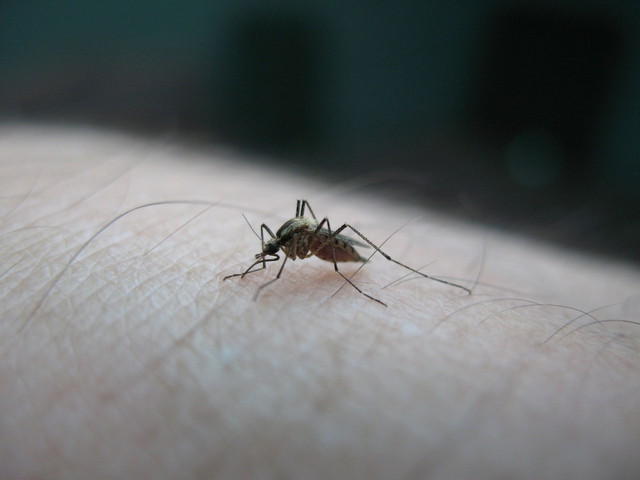
mosquito-on-my-hand-1385575-640x480

Last year I published an eBook by Schollars Press with an acknowledgment for this blog. The eBook was titled, Topics About Biotechnology in Brazil. One such topic was The Future of Sustainable Use of Biodiversity in Brazil.

I ended this topic saying that a substitute to the Provisional Measure 2186 put in place in 2001 might be worse than the PM 2186. In fact this new law (13123) has many problems, and in addition it requires a decree to regulate it that was not approved yet. The lack of regulation of the law impeded global scientists to access the Zika virus while investigating the microcephaly outbreak that became a huge problem in Brazil.

The Zika virus has existed in Africa for decades but microcephaly might be a particularity of the activity of this virus in Brazil. Thousands of women in Colombia had the virus, but their children did not have microcephaly. It is possible that a mutation in the virus caused this property to arise in Brazil. To prove or disprove this possibility we need to collect and sequence the virus from everywhere, but scientists abroad say they could not access the virus in Brazil because the lack of a decree to regulate Law 13123.

Obama provided $1.8 billion to obtain a vaccine for the virus. Today a vaccine can be obtained in plants in less than a year. We have the Olympic Games in Rio de Janeiro in August of 2016 and some countries may not show up due to this epidemic.

Scientists consulted by BBC Brazil said that the difficulty in accessing the virus in Brazil is possibly due to the intent of our authorities to have the vaccine developed in Brazil, and as such benefit initially the Brazilian population. If that is the case, I disagree, because we may have in front of us a global epidemic.

For this reason the Global Health Organization decided a massive effort was required. The problem is that the Decree has many constitutional incongruities, and cannot be approved as it is now – lawyers say this is the case. The solution, then, is for the government to authorize expedited access to other countries the particular virus found in Brazil. Scientists like Leslie Lobel, a virologist from the US, believe that a mutation may have happened to give the virus in Brazil a behavior different from what happened in other countries.

Sequencing Zika from many sources is vital. An authorization by the Brazilian government should happen because Evandro Chagas Insitute in Pará and University of Texas partnered already to produce a vaccine to be used against Zika virus. It is obvious that if Brazil engages in a global effort, all will benefit, including Brazil itself. We have the disease here and thus preclinical and clinical tests can be conducted here.

Science and politics do not mix. I said that before, regarding the process to approve GM salmon by FDA.

Luis Antonio Barreto de Castro

Your input needed on rethinking US regulation

With little fanfare back in the summer, the US Science and Technology Policy Office (OSTP) issued a request for information (RFI) on the need to update the US oversight of biotech products. The last time the Coordinated Framework for the Regulation of Biotechnology (51 FR 23302; June 26, 1986) was updated was in 1992 when technology, to put it mildly, looked a little different.

image001

There have been one or two fundamental advances in bioengineering technology since that time as well, not least RNAi and CRISPR-Cas9. The OSTP’s RFI solicits input on potential inefficiencies/gaps in the Coordinate Framework overseen by the three major agencies—the US Environmental Protection Agency (EPA), the US Food and Drug Administration (FDA), and the US Department of Agriculture (USDA). It is hoped that this consultation process will lead to more streamlined regulation and ensure that the federal biotech regulatory system is prepared for the biotech products of the 21st century.

To accomplish this, a Biotechnology Working Group will be set up to develop an overarching strategy. This will gather feedback from the community and commission an external, independent report to identify both new risks arising from biotechnologies and areas where risks are well understood. The first meeting describing this happened last weekNature Biotechnology encourages its readers to post comments on the White House site. Readers interested in doing so should be aware of the deadline of November 15.