Working towards harmonised peer-review of controlled-access data at human data repositories

Guest post by Viki Hurst, Locum Associate Editor for Scientific Data

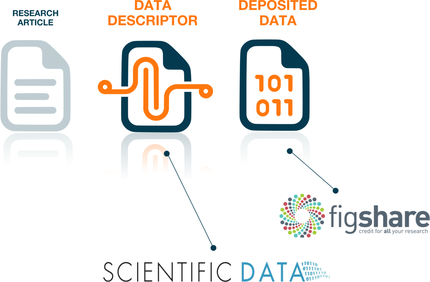
Scientific Data is exploring how peer-review mechanisms for sensitive human data can be improved. Here, we outline some of the initial feedback we received from leaders of human data repositories (HDRs), and some innovative alternatives to peer-review. Continue reading

Call for submissions: Open research data resources

UPDATE: In parallel with a recent Nature Genetics Editorial, we are now extending this call to encourage submissions on compelling resources or technologies that advance the use of open linked data models in promoting the FAIR Principles. In particular, we are inviting submissions that present compelling applications of open linked data models, which promote the use of, compliance to, and validation against existing community data standards.  The deadline for submissions has been extended to 30th September 2017.
Continue reading

Scientific Data’s data deposition policies

Today we released Scientific Data’s detailed data deposition policies. If you are interested in submitting a Data Descriptor manuscript to Scientific Data, we recommend that you familiarize yourself with these policies. data_logo

These are meant to be progressive policies that will support useful data sharing and reuse, while also strongly promoting existing community data repositories.  You can read more about our goals in this regard in our related blog post.

Authors should be aware that these data deposition policies are more stringent than at most other research journals.  In particular, authors will be required to deposit their data in an approved data repository before Scientific Data will consider sending a Data Descriptor out for peer-review.  Data may be kept private until publication, but authors must provide editors and referees with access to the data in a confidential and secure manner.  Submission, curation, and assignment of an accession number can take a matter of weeks at some data repositories, so we encourage authors to think about data submission early in the process of drafting a Data Descriptor.

Continue reading

Scientific Data to complement and promote public data repositories

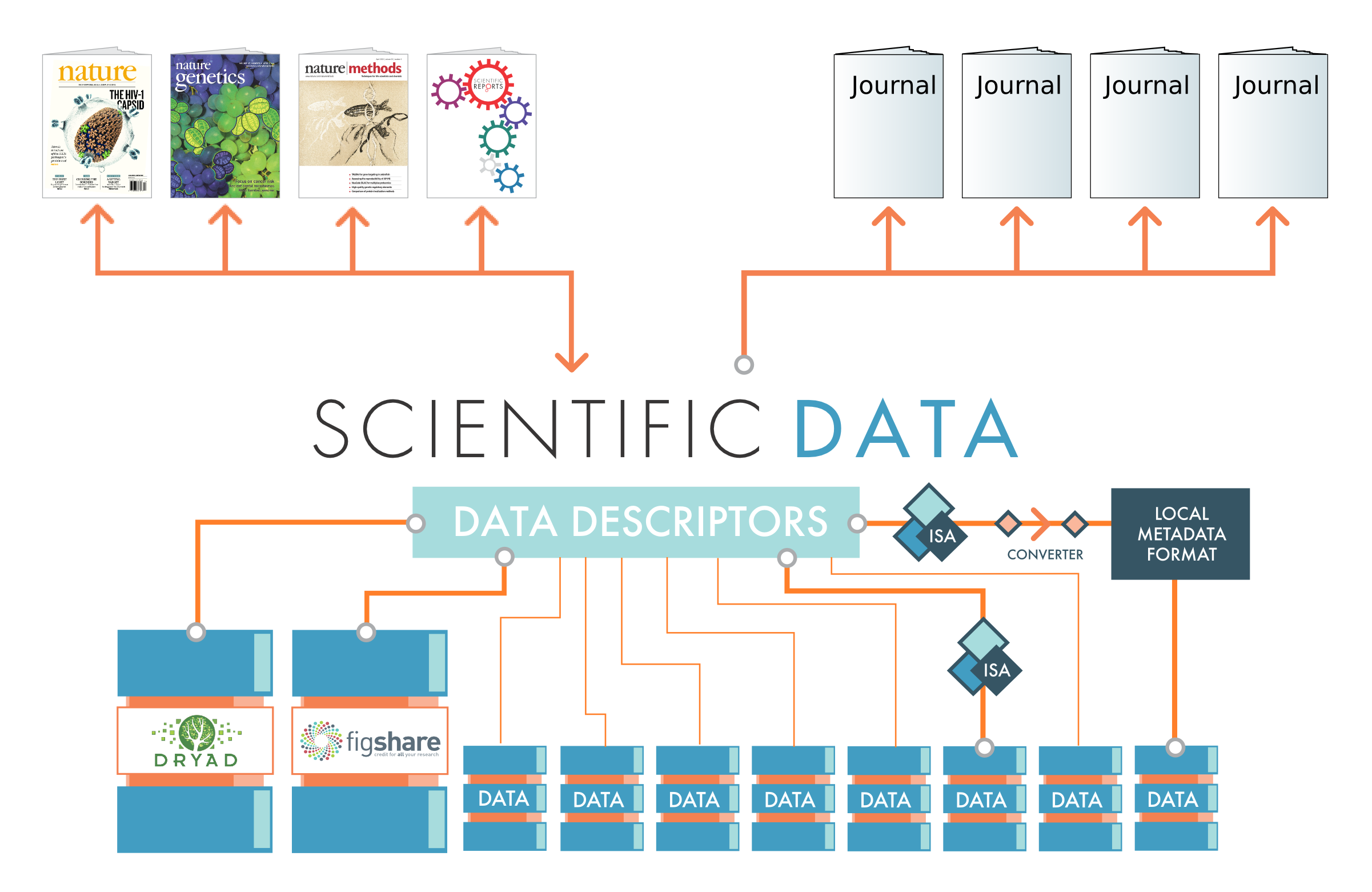
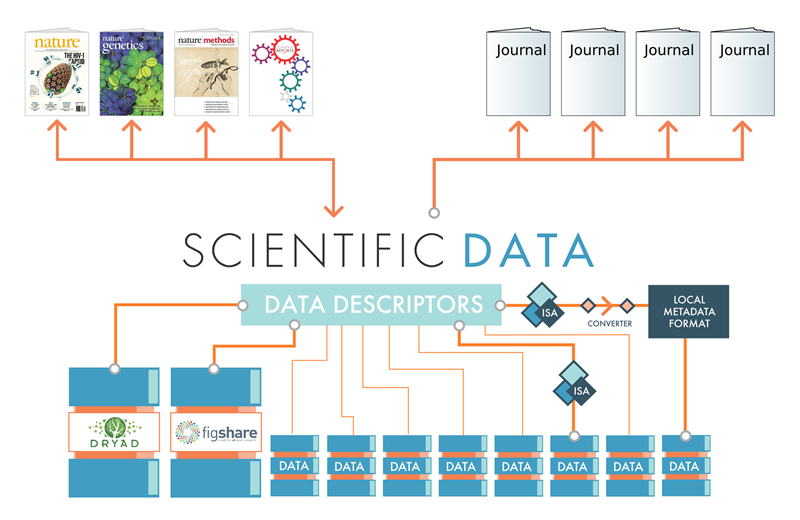
Scientific Data will be a forum for publications about datasets, but will not be a repository for primary datasets. Primary data associated with Data Descriptors will be stored in one or more external data repositories. Why this distinction?

This strategy helps us draw some clear lines around the goals of Scientific Data.  By ensuring that the primary datasets are stored in external systems, we make it crystal clear that our goal is to help authors publish content that promotes the scientific value and reusability of their datasets, not to control access to data. We feel that this is a progressive strategy that will help promote collaboration and data consolidation, rather than fragmentation.
repository_graphic

Publicly available scientific data is located in many different repositories, making it hard to find relevant datasets (aka the “data silo” problem). Scientific Data will provide a searchable publication platform where researchers can find high-quality datasets across many different data repositories. Data Descriptor publications will be linked to related research publications at Nature Publishing Group journals and external publishers, allowing scientists to navigate easily between research findings, rich data descriptions, and the actual data. We are working with two generalist repositories, Dryad and figshare, so that all datasets will have a home, and plan to develop metadata transfer pipelines with other repositories using the ISA framework.

Continue reading