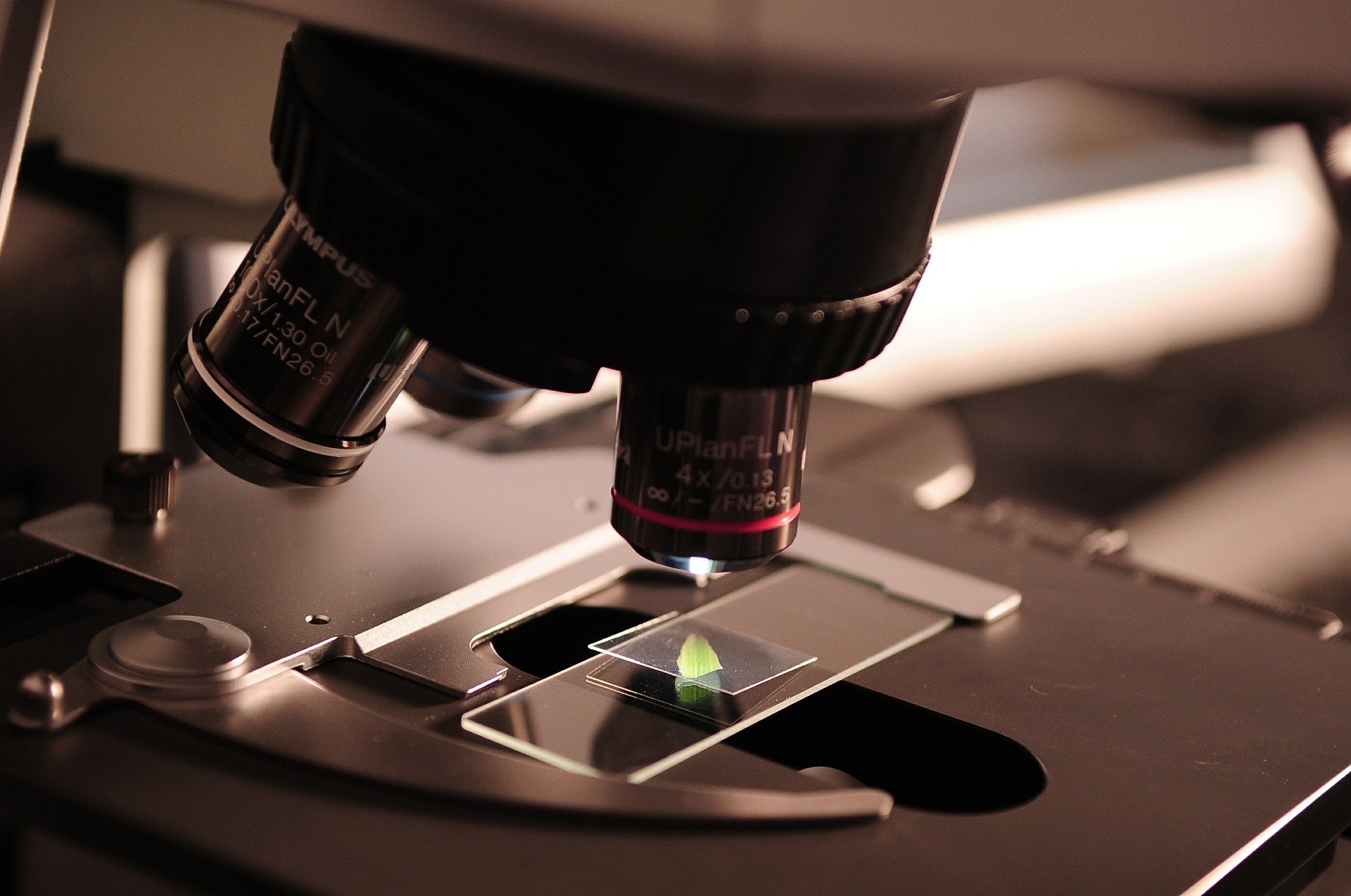
Scientific Data is inviting submissions releasing and describing data from high-throughput screens employing cutting-edge 3D cell or tissue culture systems. Screens using a wide range of perturbations will be considered, including chemical libraries or functional genomic screens. Priority will be given to submissions that employ high-content imaging techniques, and which have particular value for methods development in this growing area.
Special Article Collection on Reproducible data processing
In collaboration with Harvard Dataverse
Scientific Data is inviting submissions that provide compelling examples of how portable computing technologies can be used to create transparent, reproducible descriptions of data processing workflows. Submissions considered for this collection should describe valuable research datasets that involve some form of computational processing in their production. Authors should provide source code for all data processing steps in a way that would allow others, including referees, to easily understand and execute all processing steps. Continue reading →
Scientific Data is inviting submissions that release and describe datasets from studies that employed multiple ‘omic’ profiling technologies, including, but not limited to, genomics, epigenomics, transcriptomics, proteomics and metabolomics. Submitted articles may be considered for inclusion in a special article collection to be published at the journal. Continue reading →
Today, we are releasing a new checklist for authors drafting Data Descriptors that build or expand on other publications. It is now available on our Editorial & Publishing Policies page and from the link below.
Data Descriptors are designed to be complementary to traditional research articles. Researchers can describe and release their data in a more complete manner, and may be able to reduce their reliance on supplementary material, which can be hard to find and poorly accessible during peer-review, and which offers authors little additional credit. About half of the Data Descriptors published at Scientific Data so far are linked to one or more research articles at other journals. Continue reading →
UPDATE: This competition is now closed. The winning entries will be published in the 26th April issue of Nature.
Last year, we launched the first Naturejobs #ScientistAtWork photo competition. It was a huge success — we received hundreds of entries from all over the world, and spoke to the five winners here.
We’re running the same competition again this year. We’re looking forward to seeing your entries. Winners will be announced and profiled alongside their images in the April 26th issue of Nature magazine, and will receive a year’s personal print and online subscription to Nature.
The competition will run from the 1st of March until midnight GMT on March 31st. Entrants must not be professional photographers.
All you need to do to enter is either:
Email us your photo with a quick description and your contact details, or
Post your image on Twitter with the #ScientistAtWork tag, or
Post your image on Instagram with the #ScientistAtWork tag
You must be willing to grant us the rights to publish your image for the competition. You also must be contactable — we’ll be getting in touch to interview you about your photo if you are one of the five winners. We may also contact runners-up, as we did in 2017, to find out more about the story behind the image.
The winning entries will be decided by a panel of Nature journalists and art staff. We’re looking for images that capture moments in a scientific day — either in or out of the lab — in an original way. Heavily photoshopped images will not be considered (though colour correction and touching-up is fine). Finally, your photo must be high enough quality for print publishing in Nature (at least 220 mm at 300 dpi) to be considered.
That’s it! (More-or-less: please check out the terms and conditions below.) Best of luck to all of you and we look forward to flicking through your photos. Please feel free to send any questions to photocompetition@nature.com.
Guest post by Alexander Weiss of the University of Edinburgh, United Kingdom
Early on in her behavioural observations of the chimpanzees at what is now known as Gombe National Park, Jane Goodall was struck by their personalities, which were as distinct as our own1. However, upon sharing her observations with a ‘respected ethologist’, she was told that, yes, animals differed in their behaviour, but that this was best ‘swept under the carpet’ (pp 11-12)2. Continue reading →
Today, we released a thoroughly revised and improved version of our Submission Guidelines, making submitting to Scientific Data easier than ever before.
The process of drafting and submitting a manuscript to the journal is now organized into seven clear steps. In Step 1, we provide a simple summary of the journal’s four main content-types (Data Descriptor, Article, Analysis and Comment), so authors can be sure they have selected the most appropriate format before beginning to draft their manuscript. In the next steps, we provide detailed information on depositing data, and on drafting and submitting a manuscript to the journal. These steps focus centrally on the Data Descriptor – the journal’s main content-type and the one that differs most from formats at other journals – but we have also improved the information we provide for authors drafting other content-types. Continue reading →
London Naturejobs Career Expo speakers, exhibitors and attendees share how flexibility in a scientific career is beneficial.
“Science is a multifaceted and large enterprise, and there are lots and lots of very interesting ways to contribute to science” said Venki Ramakrishnan, president of the Royal Society, lab leader at the MRC Laboratory of Molecular Biology and joint winner of the 2009 Chemistry Nobel, at the 11th annual Naturejobs London Career Expo on Oct 4th 2017.
Ramakrishnan encourages scientists to think about the wide variety of options available to them; that having a PhD in science doesn’t mean you need to follow the tenure track career path. Continue reading →
Having spent years trying to find the perfect mentor, I’ve learned there is more to mentorship than first appears.
Mentorship is given when someone with expertise and experience takes an aspiring scientist under their wing, to share their knowledge and advice, and to provide support and guidance in career development. It is distinct from coaching, or sponsorship, where the coach can give critical feedback or a sponsor may intervene directly in a protégé’s career. Importantly, mentorship is driven by the mentee, who should define their own needs for mentorship and career development.