A culture of kindness: overcoming bullying

Recognising bullying is the first step to overcoming it, says Eileen Parkes.

GettyImages-580281247smaller

No-one could fail to be moved by the video shared this week of a schoolboy crying over bullying. As adults we hope that we’ve moved away from school bullies. But in academia it seems that bullying is a persistent problem, with up to 42% of academics reporting some form of workplace bullying. In adult life, bullies rarely steal our lunch money or gum our hair. But they do steal our self-confidence, make us feel inadequate and question our work.  My own experience with bullying has taught me how to recognise it, and what to do to overcome it in the workplace.

Continue reading

Finding mentorship

A quest for the perfect mentor might be doomed from the start – but that doesn’t mean you shouldn’t try

Naturejobs journalism competition winner Eileen Parkes

Having spent years trying to find the perfect mentor, I’ve learned there is more to mentorship than first appears.

Mentorship is given when someone with expertise and experience takes an aspiring scientist under their wing, to share their knowledge and advice, and to provide support and guidance in career development. It is distinct from coaching, or sponsorship, where the coach can give critical feedback or a sponsor may intervene directly in a protégé’s career. Importantly, mentorship is driven by the mentee, who should define their own needs for mentorship and career development.

blackbord design, with blue Light Bulb Continue reading

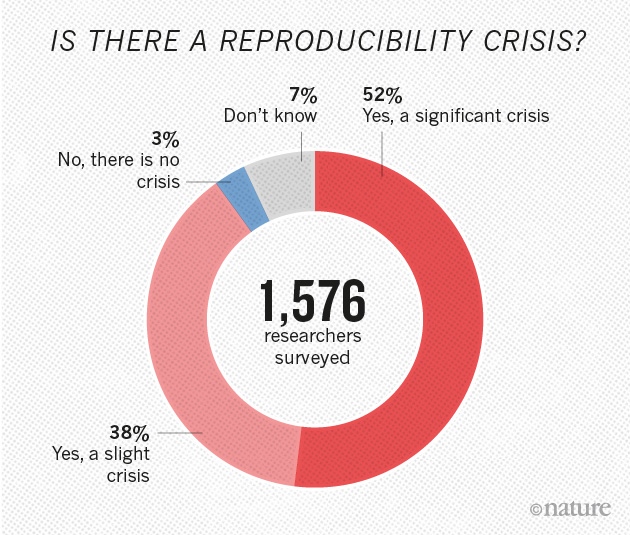
To improve reproducibility, listen to graduate students and postdocs

The National Institutes of Health (NIH) should implement a national exit interview portal to collect feedback from mentees on their experiences.

Funding agencies should not penalize poor performers; instead they should reward good mentorship, says Ahmed Alkhateeb

Continue reading

The precious, precious networking platinum that is Lindau

Alaina G. Levine is live from the Lindau Conference

Lindau is a special conference. Here, under the banner of Educate-Inspire-Connect, and above cobblestone streets, next to a city hall dating back to the 1400s, networking is very much encouraged, supported, facilitated and emphasised. And the networking here is precious, precious platinum.

marketing-man-person-communication (1)

Continue reading

The faculty series: Becoming independent

Gradual transitions to independence can help new faculty establish themselves in their field.

Guest contributor Viviane Callier

149423545

{credit}Thinkstock{/credit}

When Tak Sing Wong became a newly minted professor of mechanical and nuclear engineering at Penn State University in University Park, he realized he was walking a tightrope.

Maintaining a productive collaboration with his postdoc mentor was important, but he also knew he had to show his tenure committee that he was intellectually and financially independent.

Wong isn’t the only one facing this challenge. Many assistant professors struggle to establish themselves, and most universities provide little formal guidance for making the transition, though informal mentoring from more established faculty can help. Many young scientists have likened the process of going up for tenure to a black box. “As a new principal investigator, you are really starting over from scratch. It’s a different skill set” than that of a postdoc, says Dan Speiser, a first-year biology assistant professor at the University of South Carolina in Columbia, South Carolina.

Still, many young academics have learned, by trial and error and informal mentoring, to establish themselves as independent investigators. Continue reading