The faculty series: Conclusion

We wrap up the long-running faculty series in style.

Since our podcast introducing the faculty series in May, we’ve published 13 more pieces designed to help new and aspiring faculty members flourish in their positions. From applying to the job all the way to mentoring new members of staff, we’ve seen it all, and we hope you’ve enjoyed the ride. Here’s a brief summary of all of the posts we’ve published so far. Make sure to catch the ones you’ve missed, and let us know what you think! Continue reading

The faculty series: What does it take to be a mentor?

Being a great M.E.N.T.O.R will help you just as much as your students, says Nirmala Hariharan

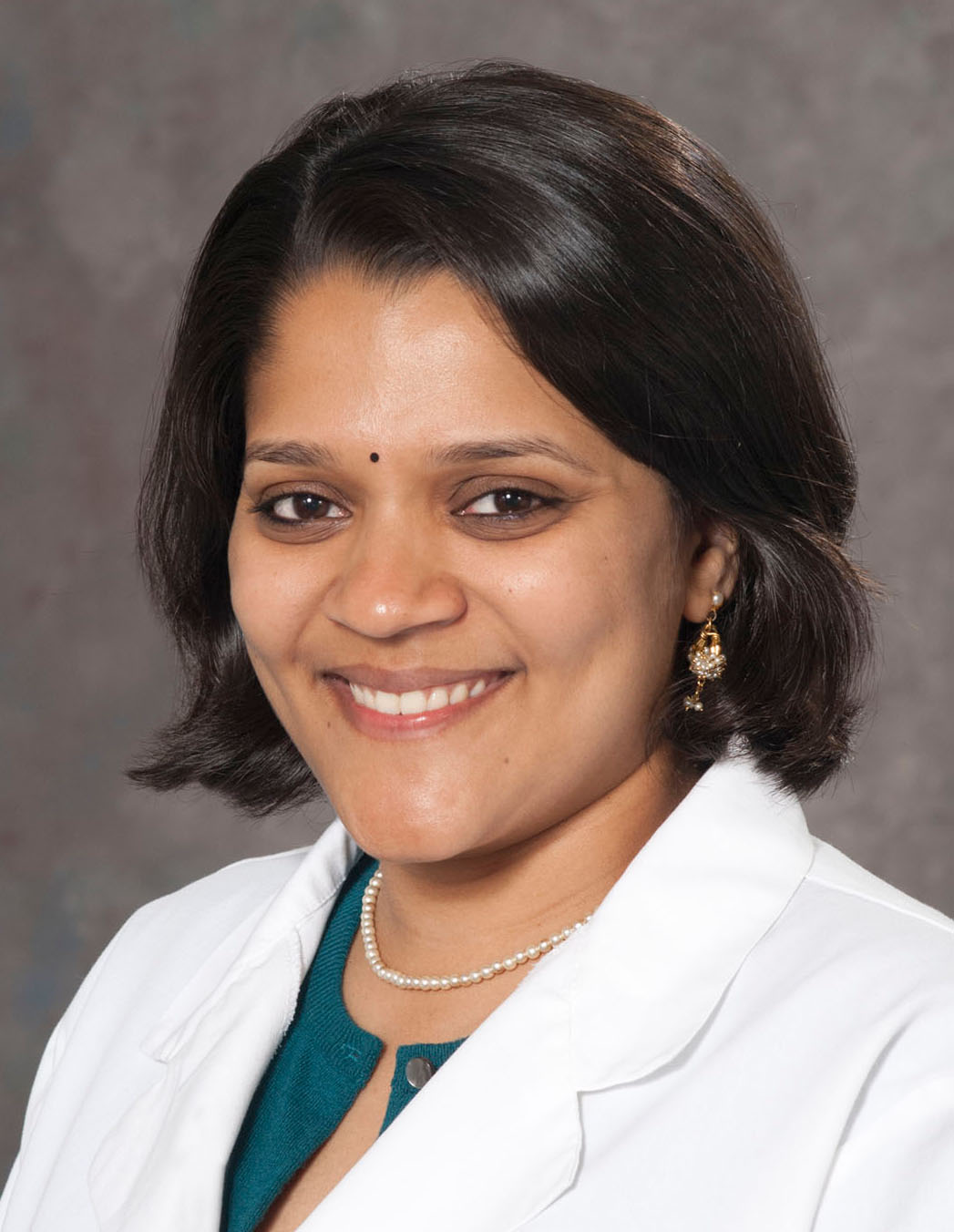
Guest contributor Nirmala Hariharan

Mentoring is one of the most crucial roles played by faculty on a day to day basis. As a mentor, you provide scientific and technical guidance, and serve as the pillar of support for your team of students, postdocs and trainees. Mentoring can consume a lot of your time, and be very demanding, but has several long term benefits that will help you run a successful lab. Here’s what a great M.E.N.T.O.R provides for their students.


Nirmala Hariharan

Motivation. You’re the constant source of motivation for your team; you need to see the big picture and guide your team through the ups and downs. You’re the leader that inspires excellence and encourages scientific innovation. As a good mentor, you must recognise the true potential of your mentees – even if they don’t – and know how to bring out the best in them. In short, you should make them realise what they’re capable of.


Continue reading

The faculty series: A case study

Be pro-active and prepare for long shifts if you want to land a lectureship. That’s how Samantha Terry did it.

Guest contributor Samantha Terry

I have been a scientific researcher for the past 10 years and started as a lecturer at King’s College London in September 2015. Friends said I did well to land my dream job at 30 at a great university. They’re right; but it wasn’t an easy road to get to where I am today.

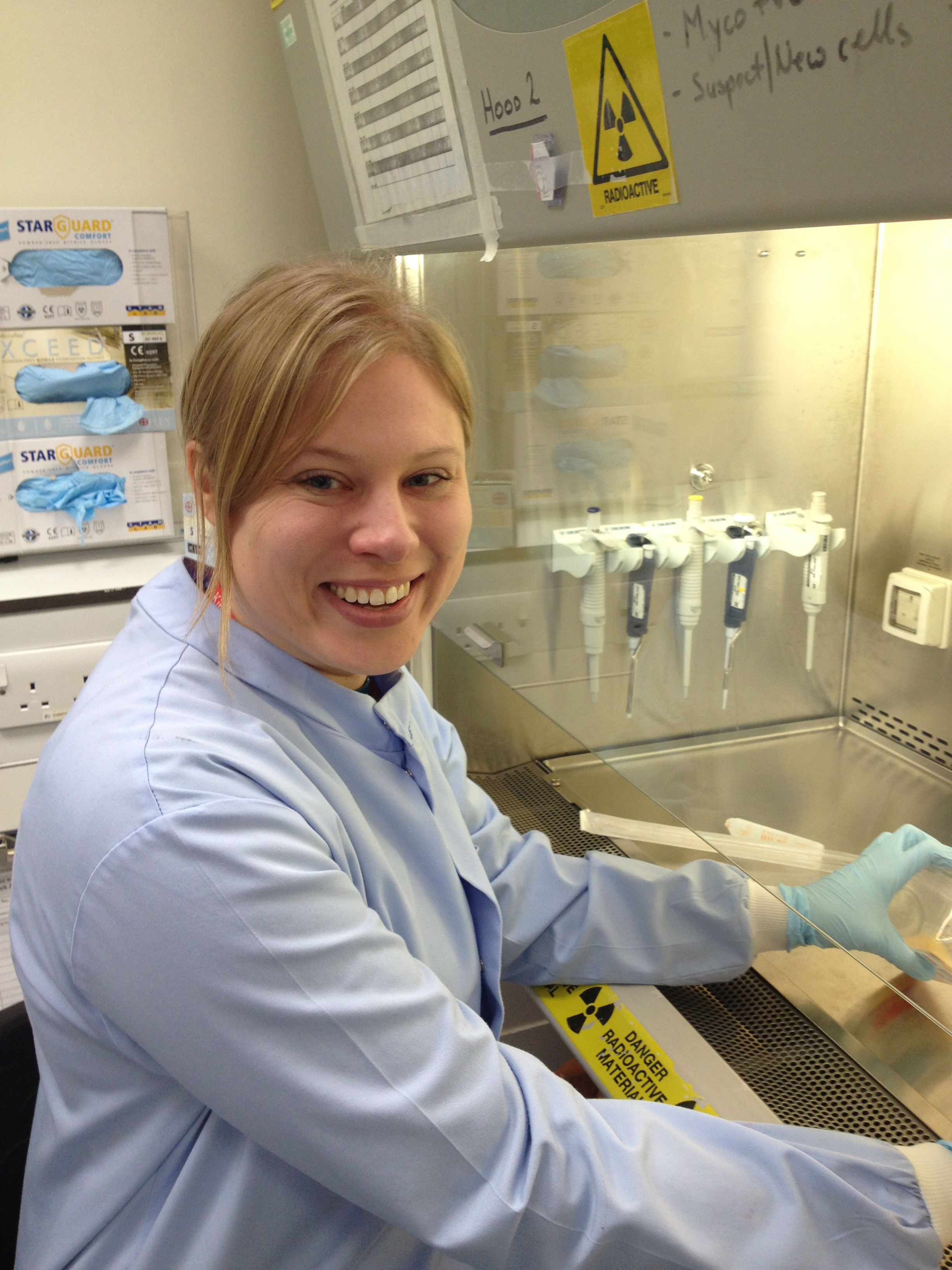
photo me in lab-2

Samantha in her lab

I completed my undergrad in cell biology in 2006, went straight into a 3-year PhD in radiobiology, and then completed three short postdocs at the University of Oxford, at the Radboud University Medical Centre in the Netherlands and finally at King’s College London.

As with any job, during my postdoc I was surrounded by friends and colleagues who, like me, all wanted to move up and land that most sacred of jobs: a permanent research position in academia. We often discussed what employers were asking during interviews for lectureships and how we could maximise our chances of becoming a lecturer. Here’s what I’ve learned so far.


Continue reading

The faculty series: Learning to collaborate

Collaborations are the key to success in modern scientific research, says Michelle Ma.

Guest contributor Michelle Ma

In contemporary science, collaborative research is the norm. The majority of my work as a PhD student, a postdoc and most recently as a research fellow has involved collaboration with physicists, engineers, pharmacists, biologists and clinicians, from the fields of cancer diagnosis to dye-sensitised solar cells. Whilst I occasionally endure nostalgia on a bygone era where a single scientist or a solitary duo authored papers, today research happens in teams. This is perhaps a result of the current climate: innovative science that will provide public benefit needs a range of different skills.

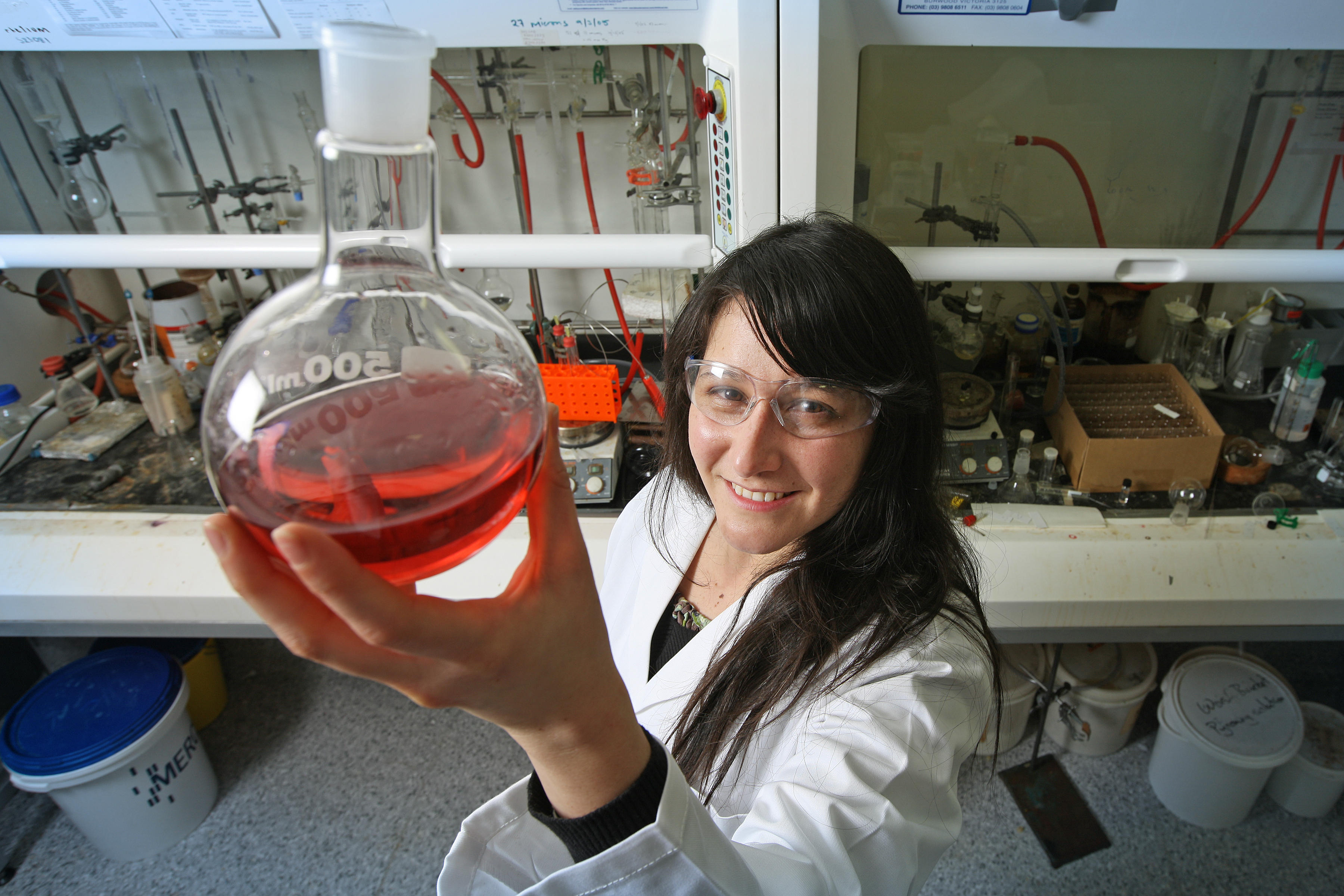
Michelle Ma-medium

Michelle in her lab

I’m a research chemist and aim to develop new pharmaceuticals for diagnostic imaging. To show that these chemicals work, I need to undertake preclinical studies. And the best way to accomplish this is to collaborate. I synthesise new molecules, and then work with others to test them. If they have clinical utility, I need commercial collaborators to develop them so they meet pharmaceutical requirements, and I need clinical collaborators to take the compounds all the way into a clinic where they can help people. In short, if I want to make a difference, I can’t be a one-man-band. Continue reading

The faculty series: Becoming independent

Gradual transitions to independence can help new faculty establish themselves in their field.

Guest contributor Viviane Callier

149423545

{credit}Thinkstock{/credit}

When Tak Sing Wong became a newly minted professor of mechanical and nuclear engineering at Penn State University in University Park, he realized he was walking a tightrope.

Maintaining a productive collaboration with his postdoc mentor was important, but he also knew he had to show his tenure committee that he was intellectually and financially independent.

Wong isn’t the only one facing this challenge. Many assistant professors struggle to establish themselves, and most universities provide little formal guidance for making the transition, though informal mentoring from more established faculty can help. Many young scientists have likened the process of going up for tenure to a black box. “As a new principal investigator, you are really starting over from scratch. It’s a different skill set” than that of a postdoc, says Dan Speiser, a first-year biology assistant professor at the University of South Carolina in Columbia, South Carolina.

Still, many young academics have learned, by trial and error and informal mentoring, to establish themselves as independent investigators. Continue reading

The faculty series: Balancing the books

It is important to get the balance between your different responsibilities right when starting your academic post, John Tregoning suggests some ninja tips to help you choose.

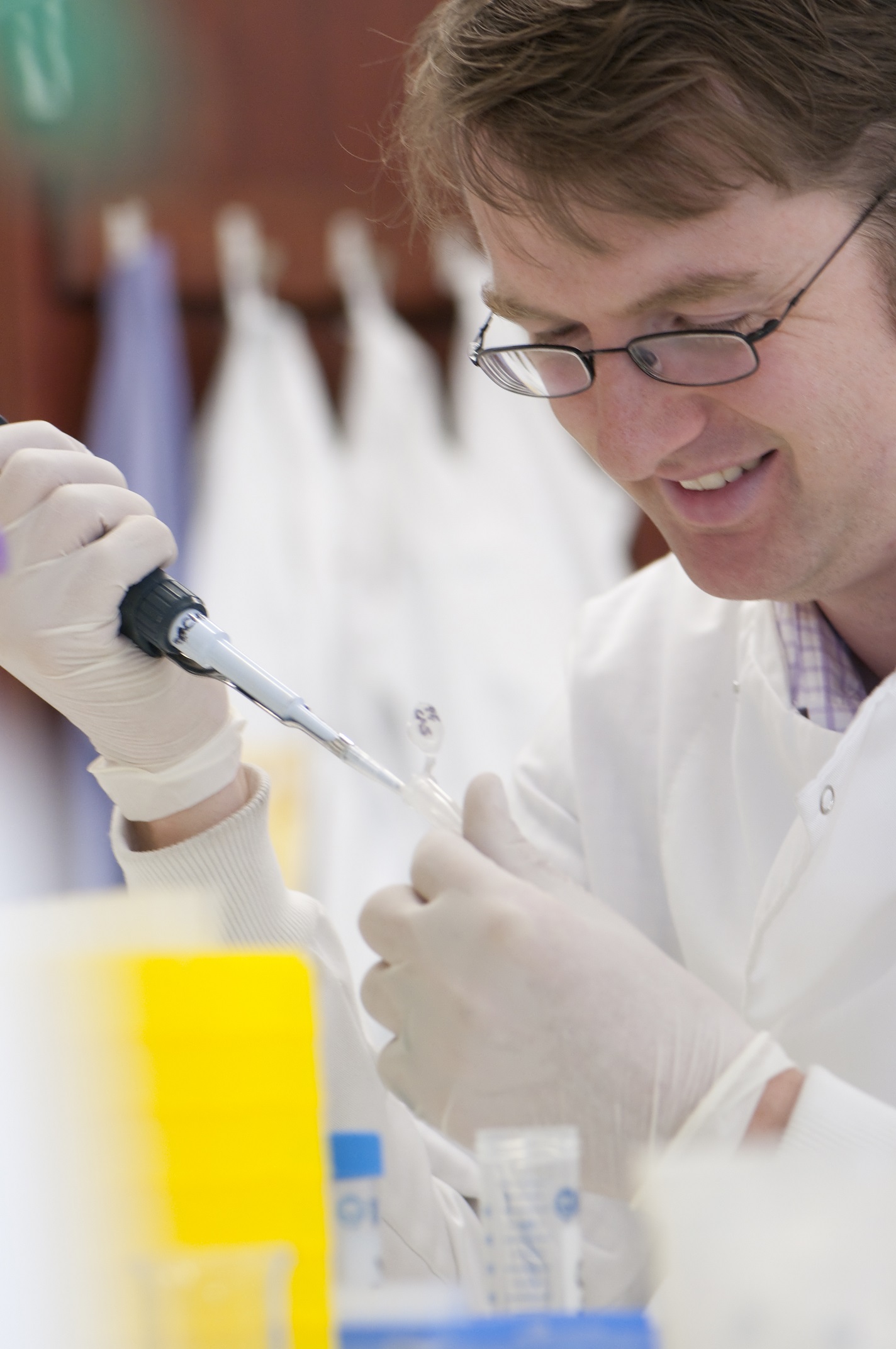
_ME08443

{credit} John Tregoning {/credit}

Guest contributor John Tregoning

So you have just read my first blog post, Nobody rides for free, and have come to terms with the idea that academia is more than just research. Now you face a dilemma – how best to add value and still be productive. One of the biggest challenges facing early stage academics is not over-diluting your effort and getting the balance of activities right. Whilst everyone is different and the balance can change over the trajectory of a career, with teaching/grants predominant early on and admin/impact coming later, the following approaches can help you to decide how best to spend your time.

Mentoring. You are not the first person to start a career and academics love to give advice. The simple act of talking through problems can often clarify the solutions. Find someone local, trustworthy (and ideally not your boss) who is willing to give up a bit of their time and sound them out. If you can’t find someone, many institutions now have mentoring schemes to help guide you through the maze. “At my university, new faculty are enrolled into a formal mentorship programme,” says Jamie Mann, assistant professor at the University of Western Ontario, Canada. “This non-supervisory process ensures new faculty members can access the critical support and assistance of more experienced colleagues, enabling new recruits to better achieve their professional goals.” Don’t limit yourself to one person; it may be that you get prudent political advice from one professor and great grantsmanship guidance from another. Continue reading

The faculty series: Nobody rides for free

Faculty need to learn how to add value to their institution when starting their first role, says John Tregoning.

Guest contributor John Tregoning

Congratulations, you have your first academic appointment and are now a member of faculty.

Commiserations, you are now a massive financial burden to the faculty and will need to continually justify your appointment.

As a postdoc, financially you were someone else’s problem: your salary came from whoever funded your project. Now, as a member of faculty, the cost of your salary comes from the university’s pocket. But it doesn’t stop at salary. The university also pays for bench space, utilities, parental leave, and – if you were better than me at negotiating – consumables, equipment and possibly even a technician’s salary. None of which comes cheaply. In this age of austerity, heads of department are forced to make budgetary decisions and salaries are not only the biggest cost to most departments, they often account for more than 50% of the total budget. In business speak, these costs mean that not only do you need to demonstrate that the department is making a return on its investment in you, but you also need to add value. Continue reading

The faculty series: Setting up your own lab

Starting up a brand-new lab is a dream to many early-career researchers, but to make the most of it, they must be wise with their money.

Fancy/ Punchstock/ Getty Images

{credit}Image credit: Fancy/ Punchstock/ Getty Images{/credit}

We’ve covered setting up your own lab before, but there’s an awful lot more for you to consider when you begin your tenureship. Here’s some more of the story.

Equipment isn’t the only thing you need to think about when you finally get your (hopefully big) bag of cash. Staff and PhD recruitment is important, as is considering whether you need a closed or an open lab. How should you arrange everything? Does anyone else in the department need to share equipment? Should you stay traditional or move everything online? What else should you consider?

Recruiting staff

“There’s no point in paying for all of the new equipment if you don’t have enough hands available to use it,” says Rafael TM De Rosales, a lecturer in imaging chemistry at King’s College London. Too much focus on the equipment – be it computers, chemicals or carefully calibrated chronometers – and not enough on the people who’ll be using it, means you could find yourself in a brand new, decked out lab with little research output. Your most important hire will be the first one – your first postdoc needs to be skilled and enthusiastic enough to both carry out the research and teach your future hires what they need to know. Continue reading

The faculty series: Top 10 tips on negotiating start-up packages

Negotiating the best deal for your research is something few junior faculty members are prepared for. Here’s some friendly advice.

New faculty are often given a start-up fund by their new department, which is designed to be enough to cover equipment costs and other expenses before the grants start knocking on the door. The sum of the start-up isn’t set in stone, and this leads to a dreaded period of negotiation; the difficult and lengthy process that few junior faculty members are prepared for. Here, Naturejobs offers help and advice that any new faculty member should bear in mind when trying to get the best deal to carry out their research.

piggy bank

{credit}ImageSource{/credit}

1. Know what you need before beginning any dialogue

Before beginning any negotiation, make sure to know what you absolutely need to carry out your research. Whether this is a telescope, the latest interactive graphics package, a peptide sequencer or a good old-fashioned centrifuge, getting your essentials right will put you in the right position to begin negotiating.

2. There’s no point having equipment if you don’t have any hands to use it

One of the largest costs you can expect to come out of your start-up fund are the salaries of PhD students and postdocs. They’re the most crucial components of the lab for almost all researchers. These are also expensive and, unlike equipment, you have to keep paying for them. If you don’t have the hands available to do the science, all of the new shiny equipment in the world isn’t going to make a difference. Factor trainee costs into your budget. Continue reading

The faculty series: Applying for a job

Postdocs take the plunge into faculty positions and share their experiences with Naturejobs.

Applying for any job can be a daunting and exhausting task, but it’s especially tough for postdocs looking to begin the step up into a tenure-track position. What really stuck Brain Kelch, an assistant professor of biology and molecular pharmacology at the University of Massachusetts (UMass), was how emotional the process was for him. “It was very confusing,” he says. “There’s this rollercoaster, with meteoric highs and crushing lows. I’ve never experienced anything like that.”

running a Growth

{credit}Thinkstock{/credit}

Whilst it’s tough, prospective candidates can do a lot to improve their chances when applying for positions. This could include demonstrating ability and willingness to contribute to the field and the department; publishing results and attracting financial support.

For Samantha Terry, who became a lecturer in radiation biology in September this year at the Centre for Doctoral Training (CDT) in medical imaging at King’s College London (KCL), landing a faculty position is all about being pro-active. “You need to show you can already do the job, before you get the job,” she says. For Terry, this meant doing as much teaching as she could in her postdoc positions, as well as setting up a committee of fellow postdocs to meet and provide support and assistance to each other, and to organize training and networking events. It also meant applying for travel and research grants, and filling her CV with as many accolades and details as she could. “It’s all about getting those boxes ticked,” she adds. Continue reading