The Finnish trio navigating the natural world through 3D art

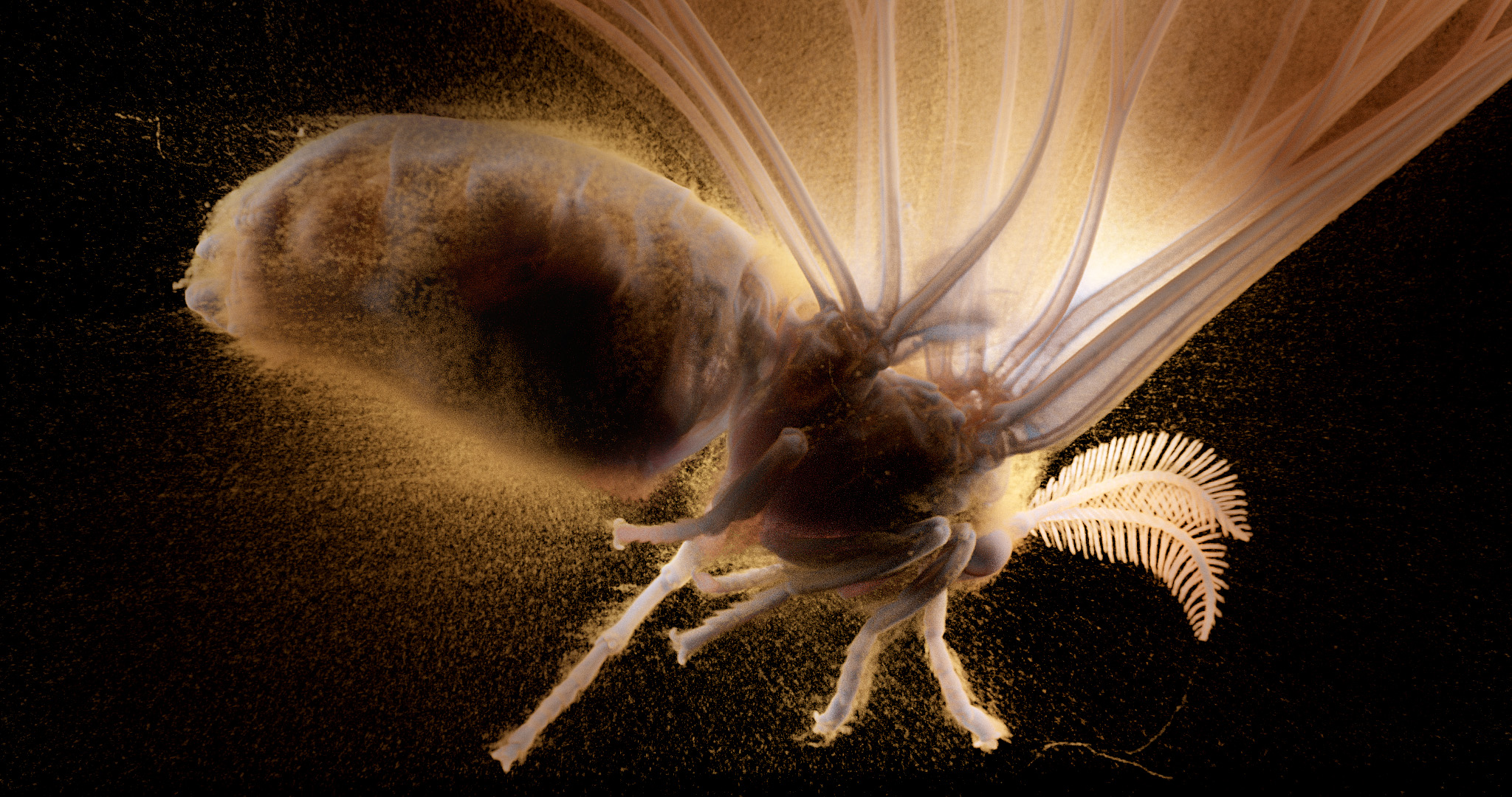
A still from the Secret World of Moths.

A still from the Secret World of Moths.{credit}POHJANKONNA OY{/credit}

In one film, “The Death of an Insect”, three animators, filmmakers, and game creators turned science communicators have given a group of dead insects one last dance.

Against a backdrop of stunning imagery – some monochrome or solidly black or white – the insects hovered, floated, and swam though air as if held by invisible strings in a stunning feat of 3D modeling and stop motion photography that is as equally meditative as it is poetic – and perhaps only slightly macabre. The insects that waltzed and flew through urban landscapes – dead but not lifeless – were collected from attics and sheds, and their choreography delicately animated in the studios of Pohjankonna Oy, the production company behind this experimental picture.

In their other film “The Secret World of Moths” showing at the 3rd edition of Imagine Science Film Festival in Abu Dhabi this weekend, the collaborative crew of three, Hannes Vartiainen, Pekka Veikkolainen and Janne Pulkkinen, who are also lifelong friends, provides a glimpse into nature’s macroscopic expanses through moths.

The dreamy images of vibrantly coloured, almost translucent and luminous insects were constructed using 3D X-ray tomography. This brainchild of Pohjankonna Oy was done in collaboration with the Finnish science centre Heureka. Dozens of insect scans provided by the University of Helsinki, Finland, helped make the film’s animated sequences possible.
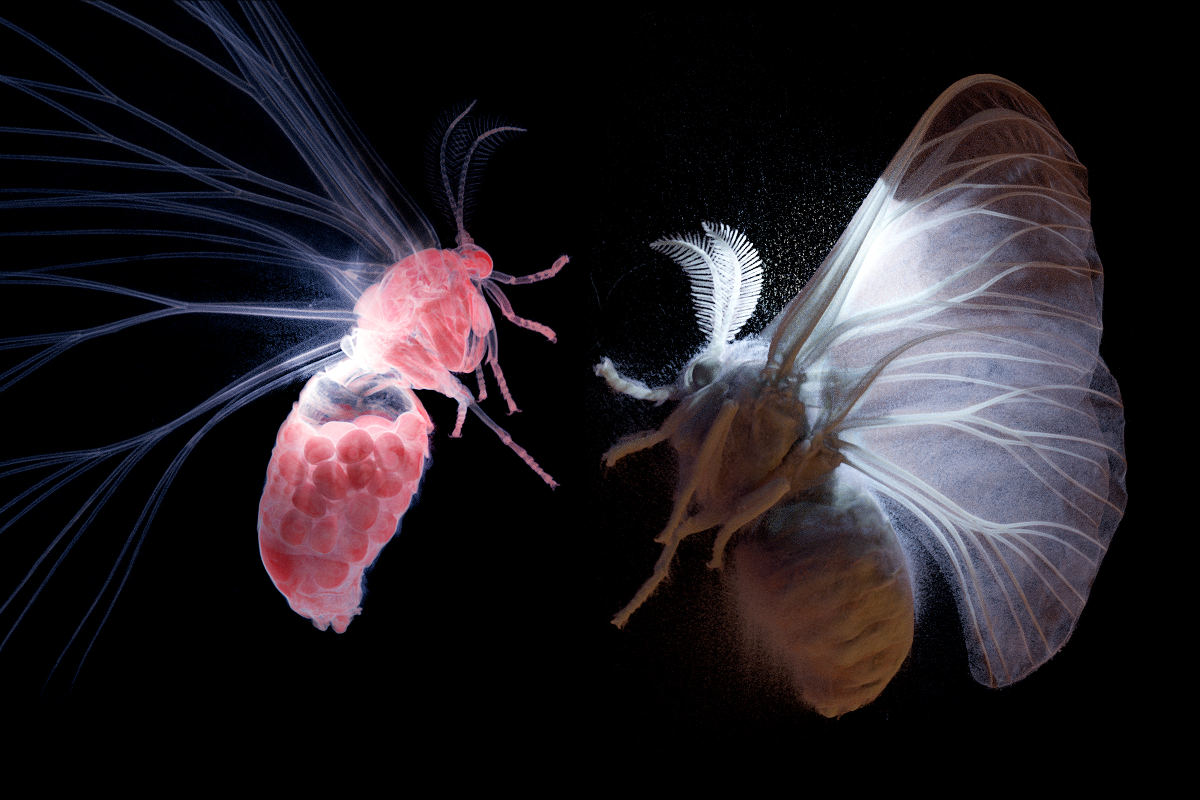
A light technology crossover.

A light technology crossover.

In other projects, in collaboration with researchers from various institutions, such as Ghent University, they used computer generated imagery from numerous scans to create samples that they can virtually ‘move’ inside. The Centre for X-ray Tomography in Ghent has opened up some data archives for Vartiainen, Veikkolainen and Pulkkinen to explore, experiment with and develop their tools.

The final product is always a paragon of film-making excellence at the intersection of science, animation and art. But none of it is interpretative.

“We take something from the real world and try to visualise it as accurately as possible,” says Veikkolainen. His colleague Vartiainen adds, “It’s never 3D models that are based on the interpretation of the data, but always the real data.”

It’s their third Imagine Science Film experience – previously their work won the 7th Imagine Science Film Festival Visual Science Award in the festival’s New York edition and the Scientific Merit Award in Abu Dhabi back in 2015. Their accolade this year, however, was the reactions of awe and wonder that their virtual reality (VR) engine – part of an installation at the festival’s Spectrum art showcase – has garnered from the audience.

This Nature Middle East editor couldn’t resist a dive (or two) into the immersive virtual world that Vartiainen, Veikkolainen and Pulkkinen have created: a journey into the gut of a 2mm fish, scaled up and visualised with impeccable detail. You can shine a light into this virtual model, carve out or slice through it, swap scales with the hit of a button to be able to move around it and observe it from the outside or walk through it on the inside, as you would in a dimly lit cave.

Since the model is based on real-world data, even the smallest details are true to form; there are no imaginatively constructed visuals.
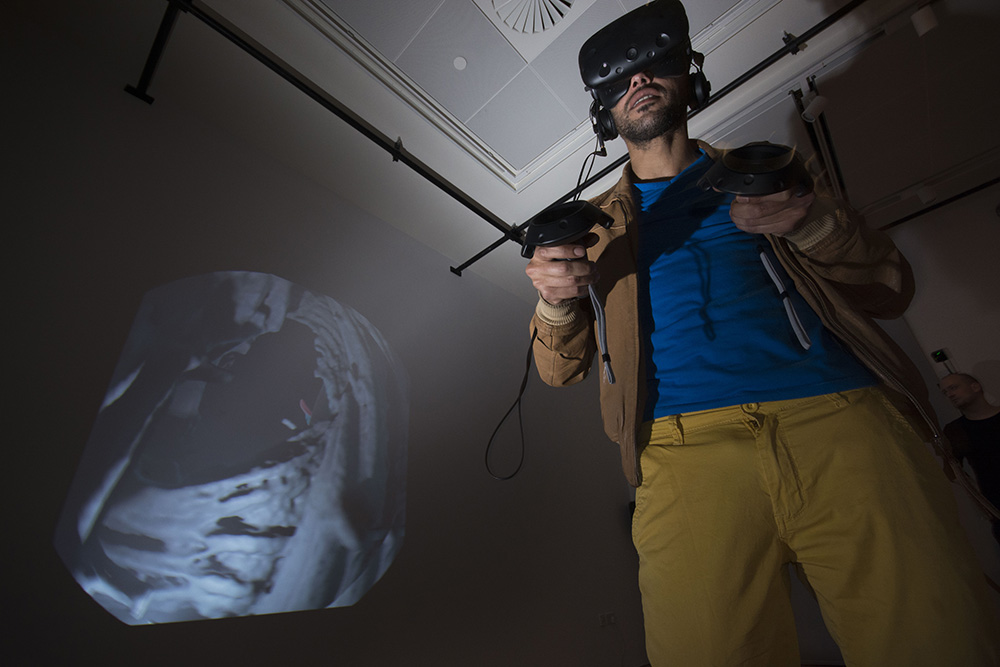
The VR installation drew a large audience at Imagine Science festival, Abu Dhabi,

The VR installation drew a large audience at Imagine Science festival, Abu Dhabi.{credit}Nate Dorr / Imagine Science{/credit}

The synergy between art and technology in this VR prototype is seamless; giving life to an organic sample that both scientists and the public can go deeper into, while keeping it real.

Their method of visual construction is inspired, in part, by diagnostic tools already in use in the medical industry, but that lack the technology to control and manipulate the data, or make it come to life. “Medical visualization tools typically lack the sophisticated lighting and camera controls necessary for cinematic work,” explains Pulkkinen.

But the trio’s unique tools give them precise studio-like control over lighting tomography data – the render engine makes use of video footage to cast ‘animated light’, for instance, adding layers of natural light, such as a timelapse of a moonlit night, to an otherwise static creature.

The light helps bring out the shape of said creatures and samples, giving an extra layer of reality to these digital visualisations – so in the end, nothing is oversimplified.

Hepatitis C: Training for journalists

Hepatitis viruses under an electron microscope

Hepatitis viruses under an electron microscope{credit}Image courtesy of U.S. Centers for Disease Control and Prevention{/credit}

Nearly 2.5% of people in the world is estimated to be infected with Hepatitis C – that’s a whopping 150 million people. And it’s more than most other infectious diseases, yet many people know little to nothing about the disease.

In addition to limited awareness of a disease that kills millions yearly, Hepatitis C receives narrow media coverage.

But for reporters to be able to cover the disease, properly, journalists need to know more about the virus and the disease. What are the different genotypes? Which new medications are there? Why is the disease burden so high around the world?

To mark World Hepatitis Day, the World Federation of Science Journalists (WFSJ) is launching a new online portal to educate and support journalists who are covering viral hepatitis all over the world. The portal should give reporters the appropriate tools, data sets and education to accurately cover the killer virus.

To produce this education plan, a steering committee of science journalists from around the world came together with experts, researchers, clinicians and patient advocacy groups representatives to identify the most important topics to cover; ranging from the global disease burden and its risks to health policy and the rapidly evolving hepatitis treatment landscape. I was part of this committee which met twice, then worked together online, to build the training programme.

The material is packaged into modules made available freely online, with each covering hepatitis C from a specific angle. Together they offer journalists different ways to tell the hepatitis C story.

Hepatitis C has been around for so long that it suffers from the same predicament that a condition like HIV/AIDS does: people feel it’s an old story that they don’t know how to keep telling.

But there is so much happening in the hepatitis C landscape to make the story both very fresh and very important. Through this portal, journalists will find tips on how to address said story, in a way that suits their community.

The portal’s steering committee worked on coming up with fresh angles and the portal is expected, still, to help journalists tie loose threads; for example, reporters on the virus should be able to explore questions related to drug policy, commercial use of hepatitis C drugs, accessibility and reach.

The portal also offers a database of experts, policymakers, researchers, clinicians and patient advocacy groups from around the world, with contact information readily available to all visitors of the portal. The experts speak different languages to suit the needs of journalists globally.

The second part of the programme will see the WFSJ use the material online to host face-to-face workshops for journalists on the ground in countries and regions where hepatitis C is most prevalent, such as Egypt and Pakistan.

The workshops will be held in several regions and in different languages to make sure that as many people as possible can benefit from them. In addition to field workshops, the portal will offer a series of online webinars by award-winning science journalists.

Talking it out: How diabetics benefit from diagnosis conversations with doctors

Early conversations between physicians and diabetes patients are not only critical for patients’ emotional well-being but they also predict the degree to which patients keep up with treatment.

There are some 36.8 million diabetics in the Middle East and North Africa, with the highest number of patients in Egypt, and the highest prevalence of the disease in Saudi Arabia, followed closely by Kuwait. In 2014 alone, the region spent a staggering $16.8 billion on healthcare in relation to treating or preventing diabetes –  a strain on the developing countries’ collectives economies. Around 363,000 died last year from diabetes and/or its complications, 53% of which are below the age of 60.

But little changes can make a difference, new information reveals, positively affecting the quality of life (and treatment) of diabetics.

Diagnosis conversations with doctors for one help diabetics accept the fact that the ailment – especially the often-fatal and more prominent Type 2 – is here to stay, in other words a life-time partner; these conversations are also associated with more commitment to the prescribed courses of treatment, reveals “IntroDia” a global survey about type 2 diabetes.

The survey, carried out by Boehringer Ingelheim and Eli Lilly and Company in partnership with the International Diabetes Federation (IDF), launched in 2013 and has since then investigated conversations between over 6,000 doctors and 10,000 patients across 26 countries, including Saudi Arabia and the UAE. The survey is ongoing but the initial results were released in September 2014.

Around 60 physicians from Saudi Arabia and the UAE participated in the survey – which revealed that unfortunately the behavioral changes by patients (or the lack thereof) as well as the preliminary conversations with doctors on the onset of diagnosis are far from enough to curb the damage – both emotional and physical.

Patients revert to old habits, say panelists at Arab Health Congress happening in Dubai this week, and physicians have complained that they need more “tools” to help them make sure that people with type 2 diabetes sustain behavioral changes needed for treatment success.

“They need more time, for instance, with the patients,” explains Karim Al Alaoui, managing director of Boehringer Ingelheim for Middle East, Turkey and Africa, among other things.

During the initial stages of diagnosis, says Abdulrazzaq Al Madani, consultant endocrinologist and physician at the Dubai Hospital and chairman of the Emirates Diabetes society, UAE, patients experience anger, stress and frustration; “it’s the idea that they have to live with this disease forever. It’s a permanent change.”

Treatment success depends on how the patients accept their condition, and the efficacy of medications in equal parts, says Al Alaoui, based on the survey results.

The final conclusions of the survey will be showcased in full later this year. The companies and the IDF are hoping that the insights therein would be used to develop resources to help physicians provide adequate support for patients.

Do we need science media centres in the Arab world?

A talk about the negative effects that science media centres are having on science journalism is almost an obligatory session at any meeting of science journalists or science communicators, and the 13th International Public Communication of Science and Technology (PCST 2014) was no exception.

Science media centres can often become PR centres, deceive journalists and can contribute to churnalism, where journalists try to put out a large number of stories that involve little research and are of low quality.

There are no science media centres in any country in the Arab world, for better or for worse. I would sometimes argue that we should start setting some up, especially in countries that are increasing their science output, in order to promote more and higher quality of science journalism.

But a panel discussion at PCST 2014 about science media centres in the United Kingdom, argued how effective science media centres can really be.

“The problem is science media centres often don’t promote science, but promote corporate-funded controversial science,” says David Miller, a professor of sociology at University of Bath, United Kingdom.. In a study he presented during the session, he showed that science media centres were communicating very little public health, which may be relevant to the community. Most of their coverage was of controversial science topics such as stem cell research or genetically-modified organisms (GMO), which are issues important to corporates.

Connie St. Louis, director of the MA in Science Journalism at City University, London, argues that in the developing world, where most science research is government-funded, it can lead to the government practicing more censorship on media.

Based on the problems of science media centres, the speakers suggested that anyone setting up a new one need approach it differently:

1)    they should emphasize transparency with the budget and make sure they are independent, which is ultimately In the long-term interest of science since it will be seen as promoting scrutiny;

2)    Tailor them to the interests of journalists and make sure they work in the interest of journalism, not promotion of science;

3)    Science  journalists should be more involved in the governance of science media centres

A different model

St. Louis suggests that an alternative model to the current science media centres could have much better results. “I would close down science media centres and urge the governments to use the money to fund science journalists to do better investigative journalism.”

Andy Williams, from Cardiff University’s School of Journalism, Media and Cultural Studies, suggests that such an institute should be run by science journalists, who would know how to best tailor it to the needs of their fellow colleagues.

Miller suggests that this kind of initiative would have to be quite different from the current model – arguably a different sort of phenomenon altogether –  in that these new institutes would need to be insulated from corporate funding, and could thus also encourage investigative reporting of both sides of controversies.

Such an institute could, ultimately, be much more beneficial for developing countries eager to enhance their science coverage than the current science media centre model prevalent in the West.

Why the army’s incredible cure claims found ground among Egyptians

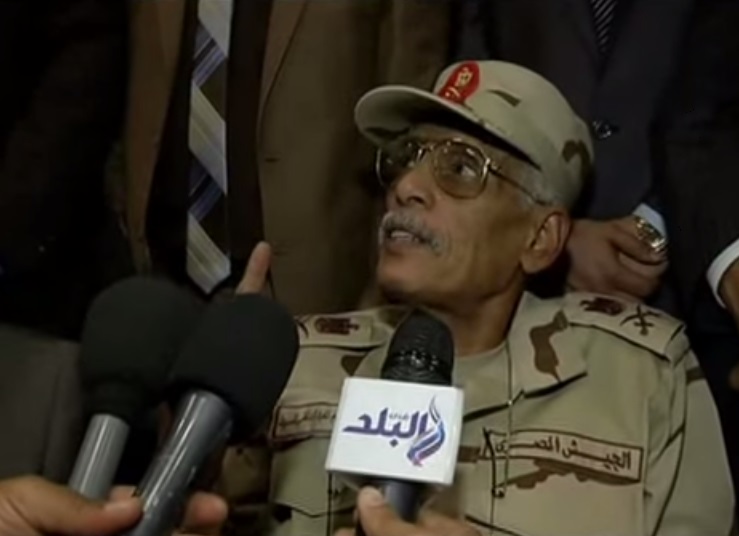
Major General Ibrahim Abdul Atti, the inventor behind the new device, told journalists that his invention is "20 years ahead of anything produced in the West."

Major General Ibrahim Abdul Atti, the inventor behind the new device, told journalists that his invention is “20 years ahead of anything produced in the West.”

The Egyptian army’s claim to have invented a device that can detect and cure hepatitis C and AIDS seemed incredulous to many of us when it was first announced in a large press conference, but with every media report it became more absurd and ridiculous.

In a matter of days, it quickly spiralled to become a device (or two) that can use electromagnetic waves to remotely detect, treat and cure HCV and HIV, along with cancer, diabetes, AIDS and any other bacterial or viral infection. These claims were fueled by the person claiming to have invented the device, members of his team, unknown clinical doctors and a host of eager journalists and talk show hosts.

I have discussed the false science behind this device, and the reason why almost everyone in the science community is skeptical about it, in a previous blogpost. There’s absolutely no way this research paper can be taken seriously or be treated as science in the first place due to a host of unforgivable errors.

But maybe this whole debacle is a good chance to look at some of the underlying problems that extend across the Middle East, and not just Egypt, that led to this embarrassing situation:

1) We have a serious problem with media in general, and science journalism in particular. As outrageous as the claim was, none of the journalists who reported it have questioned it. They simply took the story and ran with it, and with every news report the claims became more outrageous. Instead of acting as watchdogs and pursuing their role as searchers for truth, the media outlets chose to be a mouthpiece for the authorities. This could be for various reasons, from political gains of private newspaper owners to lazy journalists willing to take anything they are fed – but whatever the reason, we are left with a disaster, and the public are the losers in this.

Even worse, this points out to the glaring lack of a science editor in these publications, someone with enough scientific information to raise a dozen warning flags before such a story is published. While politics and sports sell most in newspapers, science cannot be ignored, especially with the large number of science-related problems that the region is facing from threats to water and energy security to poor education and a degrading environment.

2) The whole issue points to the most glaring problem: the lack of critical thinking. It is a problem with our school education system, with our universities and with the general upbringing of most people. Children are discouraged from questioning or from analytically thinking and analyzing what they are taught. This very often translates, in adulthood, into a failure to question such “discoveries” – no matter how bizarre the premises is, as long as it is endorsed by the government and media.

The public is desperate for good news, especially in a country in turmoil like Egypt. However, the claims here were too outrageous for anyone to believe – and the least bit of critical thinking and a little research would have quickly shown this to be bogus. But the lack of a culture that supports and promotes either meant this was silently accepted and hailed with much ado about nothing.

3) There is a glaring problem of abuse of public health for the sake of fleeting political gains. Regardless of who is in power, giving false hope to millions of people in danger of death for the sake of some extra votes in an election is a disaster. Health and science should not be political tools, they are basic human rights and should be enshrined as such. The way this whole facade was presented was, obviously, made for political gains. Citizens should be protected from such abuse, where any entity that advertises such false health hopes is harshly punished.

4) Science has no “champion” in Egypt. There is no one to stand up to such claims and call them out as bogus. The few voices who did, such as the Egyptian president’s science advisor and planetary scientist Essam Heggy, were clawed to pieces by the media and politicians who said he was “tarnishing Egypt’s and the army’s international image.”

There is a need in Egypt and in the rest of the Arab world for an independent science body – such as the Royal Society in the UK for example – that can act as a watchdog and advisory to protect the public from such false claims in the name of science. When a handful of us are fighting to strengthen the role of science in society in the Arab world, such claims can wreck what took us years to build in a matter of days, and shake the public’s faith in science.

This entity would protect both the public, and their understanding of science. It would be vocal in fighting such claims and can help the media produce better coverage of science – protecting the public, protecting science, and advising the government on science-related issues independently.

The false science behind Egyptian army’s AIDS and HCV cure

HCV magic device EgyptWhile politics are usually the main topic of discussion in most Arab states, surprisingly, science took the forefront in Egypt over the past few days – for some rather unfortunate reasons, however.

It started with a claim to have discovered a machine that can diagnose HCV, but quickly spiralled to become a machine (or two machines) that can detect, treat and cure hepatitis C virus (HCV) and human immunodeficiency virus (HIV), along with probably cancer, diabetes and AIDS.

Major General Ibrahim Abdul Atti, a doctor working with the military, announced his C-FAST discovery in a government-sponsored press conference. He claimed his discovery cured HIV/AIDS with a 100% success rate and HCV with 95% success rate, with a clear nod at the end to the role of the military and the defence minister in “making his discovery a reality.”

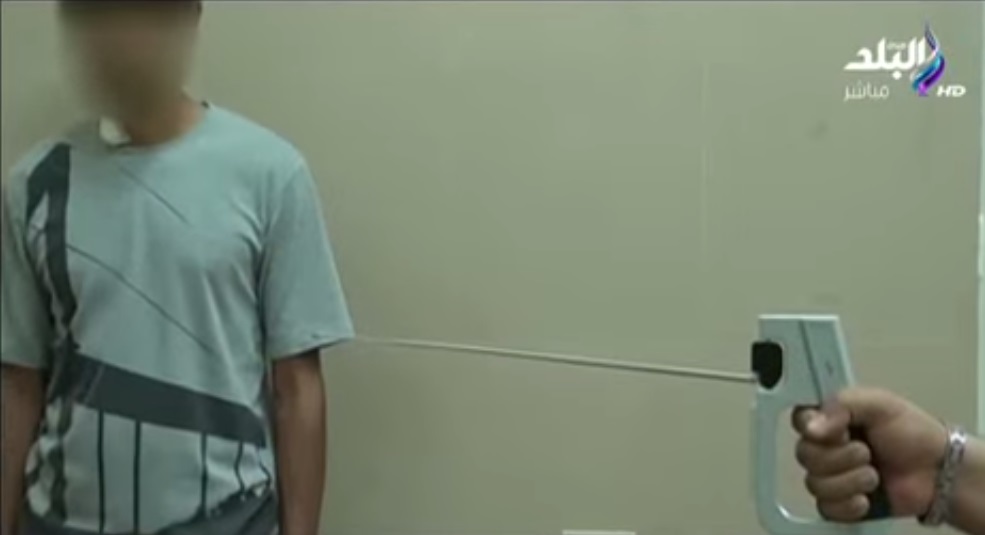
The miracle machine apparently diagnoses and treats patients non-invasively. The videos shown in the press release show a handheld device with a protruding antenna that follows patients as they walk around the room. Abdul Atti says that the device somehow remotely draws blood from the patient, destroys the virus, and returns it as “nutrients” to the patient. “”I will take it away from him as a disease and give it back to him in the form of a cure,” he said.

The media took this and ran with it, along with several doctors and members of the research team, claiming that the machine can treat HCV, HIV and even cancer and diabetes among other diseases. It is being taunted as a magic bullet to solve every problem there is. In fact, when Essam Heggy, a planetary scientist in the Radar Science Group at the NASA Jet Propulsion Laboratory and the Egyptian president’s scientific advisor, was quoted by a private newspaper saying the discovery was “a scientific scandal” for Egypt, many politicians and journalists called on the president to sack him for tarnishing Egypt and the army’s reputation.

Without going into any unnecessary political discussions, I’ll focus more on the science angle of the discovery. Islam Hussein, an Egyptian virologist working in MIT, made a detailed video debunking the science in the piece. The video runs close to 90 minutes though. However, here are several warning bells that leave little room for anything other than skepticism about this claimed discovery.

1) Such a discovery, if it was true, would have possibly been one of the biggest breakthroughs in history. This would have easily been published in one of the highest impact journals, such as Nature, Science or Cell. Instead, this paper appears in a little known journal with no impact factor called World Academy of Science, Engineering and Technology, which is listed as a potential predatory publisher, publishing hoaxes and poorly peer reviewed or non-reviewed papers.

2) The paper is poorly written. The language is poor, details are lacking, there is no proof of principle offered and no logical explanations. They just talk about tests on patients without even outlining the steps taken before starting to experiment on humans. There is no clear explanation of the processes followed either.

3) The researchers claim they have received a patent for their invention. However, a quick search shows that the patent review team commented that the “description undoubtly lacks a clear and complete disclosure of the claimed invention and cannot be allowed under Article 5 PCT.” They claim in the paper that they have patented their invention, but that is a lie.

4) With a little basic understanding of science, one cannot help but be completely skeptic about how the device works due to the large number of question marks surrounding it. The device is claimed to work remotely through electromagnetic waves. Somehow it is  the first process that uses biological electromagnetic frequencies (EMF) to detect signature marks of the viruses. This is something unheard of in any of the past science literature, yet there is nothing offered in the paper on the research or the principles used.

Then, there’s the question of how is the blood drawn out of the body, and then inserted back in again afterwards? How does it recognize the signature of the virus with the incredible 100% accuracy claimed? So many unanswered questions.

All in all, the paper does not follow any scientific methodology, jumping straight to clinical tests that they claim to have performed using the new device.

This is just a few of the problems with the paper, the research, and the methodology attached to this outrageous claims. The research is too poor to even be taken in consideration. This embarrassing event highlights the sad realities in Egypt right now – but I’ll go into those in more details in another blogpost tomorrow.

For now, this is not science. I do not know what this can even be called.

Arab world gets chance to name an asteroid

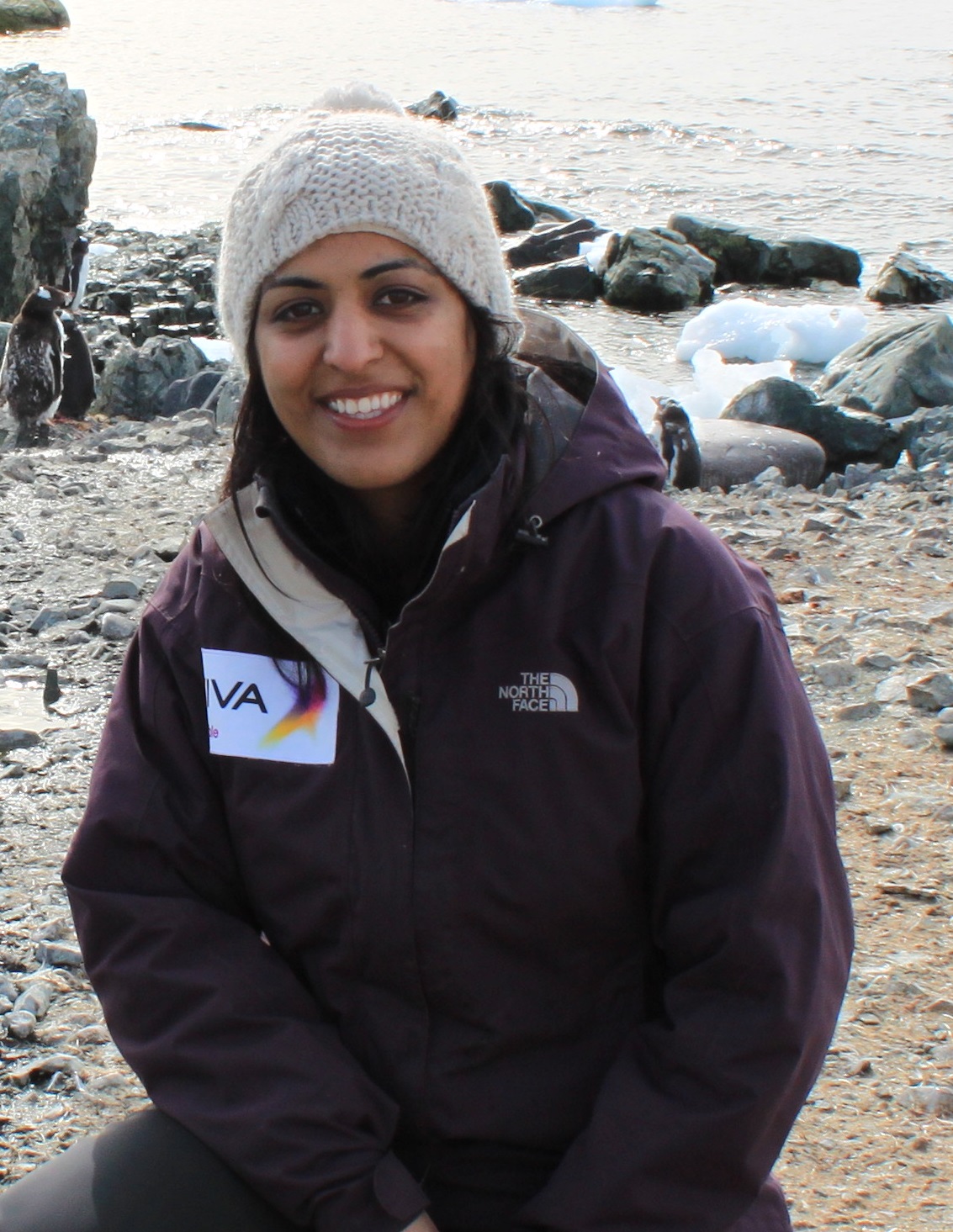
Maryam AljoaanA young Kuwait scientist has launched a campaign in the Middle East to give people a chance to name an asteroid, hoping it would reignite Arab’s passion with science and space.

Maryam Aljoaan is not your average run-of-the-mill young scientist. The young Kuwaiti has been fascinated with exploring the Earth – and space – since she was very young. In February 2011, she became the first Kuwaiti female to set foot on Antarctica as part of a Canadian science expedition.

Since then, her fascination with Earth continued to grow, leading her to Jacobs University Bremen in Germany where she received her bachelor’s degree in oceanography. Now, the young scientist has set up an NGO to channel her fascination with science to others in the Arab world.

Her first project to do so is by partnering with the International Astronomical Union through a large regional campaign that offers everyone in the Arab world the chance to name an asteroid.

Following the launch of the campaign, I caught up with Maryam for a quick interview.

Can you give me more details about your campaign?

The asteroid naming campaign is aimed at the general public of all ages and backgrounds in the Arab world. We offer this first of a kind opportunity in partnership with the Minor Planet Center, the nerve center of asteroid detection in the solar system. Participants are invited to submit their naming suggestions on our website www.lazurd.org by 31st March, 2014.

I understand you want to raise awareness in the Arab world about the planet and asteroids through the campaign, but how do you think naming an asteroid can help do that? 

We hope that this campaign will spark some people’s interest to learn more about asteroids. However naming an asteroid gives the general public the opportunity to be part of the scientific world, and maybe to break their limiting beliefs that they cannot contribute to science.

Is the naming campaign for a certain asteroid as agreed with the International Astronomical Union?

Yes, there is a certain asteroid to be named. We will announce which asteroid once the name has been approved by the Committee for Small-Body Nomenclature of the International Astronomical Union.

Tell me more about the NGO Azurd that you set up in Belgium.

Lazurd is the Arabic word for azure – a hue of blue. Azure represents Earth as seen from space, which is our focus at Lazurd. We aim to provide educational opportunities for the Arab youth to explore and deepen their understanding of Earth beyond textbooks. Our vision is to create the next generation of Arabs who learn about our place in space and identify themselves as caretakers of Earth.

What exactly are you doing through it?

Our motto is to explore, understand, and protect Earth. We provide access for Arab youth to a range of scientific experiences and opportunities through our global partners. These first-hand experiences could be snorkeling with a marine biologist, testing experiments in a weightless environment, going on an expedition to the Arctic or presenting ideas to the scientific community. Since we don’t have financial partners yet, we started the asteroid naming campaign as our first project.

And is there a reason why you did not launch it in Kuwait?

I am mostly based in Belgium; therefore it was more convenient to found the organization here. Also it is easier to make contacts in the scientific community and to create and maintain links between organizations worldwide.

Can you tell me more about yourself and your interest in science?

I am a Kuwaiti social entrepreneur. I founded Lazurd in Belgium and am currently the executive director. I am an oceanographer by training, and received my bachelor’s degree in Earth and Space Sciences with specialization in Oceanography from Jacobs University Bremen in Germany. In addition, I have several field experiences on land and sea including the North Sea, the Antarctic Peninsula and the Southern Ocean.

As far as I can remember I have always been interested in science since I was a little girl. Later in high school I majored in mathematics, and enjoyed studying natural sciences.

Denial and anti-science movements

Anti-science themes are varied across the world, from anti-evolution and creationism to climate change deniers to HIV deniers. How can science journalists best tackle these issues? Is it important to be balanced, giving voice – for example – to vaccination opponents when covering a story about vaccination?

There’s little doubt that anti-science themes are increasing around the world. The strongest such topic worldwide may be evolution – which is a very touchy issue, especially in conservative societies. While educators and scientists have for years been trying to counter creationism and explain the amount of scientific data backing up evolution, anti-evolution sentiments remain strong – and will likely stay around for a long time. It may have actually seeped into other fields of science, sowing doubt in science elsewhere.

But what role do science journalists play? Do they, inevitably, feed these anti-science themes by their coverage? In a session exploring anti-science movements around the world during the World Conference of Science Journalists 2013 (WCSJ2013), Cristine Russell, a science writer and the past president of the Council for the Advancement of Science Writing stressed that science writers must inform people about science realities. “We are not educators, we inform. The problem is that science reporters are not dominating the scene anymore.”

This is particularly true in the US, for example, where many meteorologists and weather forecasters are climate change skeptics. People are more willing to listen to them than to the consensus of scientists who are saying climate change is a reality.

Valeria Román, a science journalist at Clarín newspaper in Argentina said she used to cover both sides of the climate change story but stopped because “only one of them is scientific.”

“”Most of the journalists usually include both sides in covering such issues, but they gave a false balance,” she adds. By giving weight to the arguments of denialists – who don’t base their argument on science – it can have a negative impact on readers.

Colleen Dawson, an author and the vice-chair of the South African Science Journalists’ Association (SASJA), thinks there are times when science journalists have to move from their role as informers to become educators – such as providing information to the public that they may not have learned at school such as HIV/AIDS.

Most of these anti-science themes are often driven by cultural or religious motives, which is why I think that science journalists should address them with sensitivity. They are deeply entrenched over decades and centuries in the societies, so an abrupt “you are wrong, here’s what is right” approach may often backfire.

Ultimately, however, science writers need to keep in mind that their source material is science. Russell suggests that they need to change some of their terminology. For example, in an interview, instead of asking “Do you believe in climate change?” that can be rephrased into “Do you think that climate change is going to happen?” The removal of the word ‘believe’ stresses that science is about evidence, not beliefs.

“We have to do our job, which is writing about science issues,” she said.

So you want to be a science blogger?

WCSJ2013 bloggers session

Are you interested in becoming a science blogger? A panel of top bloggers at the World Conference of Science Journalists (WCSJ) 2013 shared their experience today – with tips and insights that would be a great starting point for anyone who wants to start a science blog.

For Ed Yong, a blogger with National Geographic who writes the wonderful Not Exactly Rocket Science blog, science blogging was his way to get into science writing back in 2006.

“Blogging offers you such freedom with your stories. You don’t have to do any pitching, you can just write about what you want,” says Yong. “The blog is a playground and a laboratory for writing. It allows you to practice everyday without the need for commissioning or anything.”

He also uses the blog to try out different formats and styles of writing without the normal editorial process.

Bora Zivkovic, who is the blogs editor at Scientific American and writes A Blog Around The Clock, likes how people can do things differently with blogs. Several bloggers have shifted from news writing to try to spice things up, such as mixing science with history or philosophy. Others are going visual, using cartoons for example to communicate science or producing simple videos like Minute Physics.

It is also a good tool to build up your network of contacts which is essential for a science journalist. It has become more than just a way to enter into science journalism, adds Zivkovic. Blogs are now also the place where great science writing is happening. It is a way to bring science to a broader audience that may not necessarily be reading science magazines.

There is, however, a flip side to the editorial freedom science bloggers get. Quoting Spider-Man, Yong stresses that “with great power comes great responsibility.” the fact that the work of bloggers is mostly not edited means they are responsible for their own credibility.

“My process for writing a blog post or writing for a paper somewhere have become completely indistinguishable. I do interviews and quotes and everything for both,” says Yong.

The other issues is that, as Betsy Mason, who is the science editor at Wired, puts it, very few people can make a living – or any significant money – out of science blogging. This may be a downer to many people who are thinking about launching their blogs, but Yong points out that bloggers need to broaden their views about the payback from their blogs.

“Looking at the cheque you get for blogging as the only reward is a very short-sighted way to see things. I would not be doing any of the things I’m doing now if I didn’t start that blog in 2006,” he says.

For Zivkovic (who is better known for his Twitter handle @BoraZ) science blogging was a gateway for science journalism. Bloggers on the Scientific American blogging platform now have three book deals, prizes and even a movie appearance!

Finally, the issue which discourages the bulk of bloggers after a few months of writing is the small audiences. When asked how to generate more traffic, all the panelists stressed that the best way is to produce excellent content and let it speak for itself.

“You can’t really be doing traffic chasing without looking like you are doing traffic chasing,” says Yong.

The science media landscape is changing – and blogging can be a powerful tool for young people or even students who would like to launch a science journalism career. Additionally, the dearth of sustainable Arabic science blogs means there’s a huge opportunity for people willing to fill this up. The science blogging landscape may be saturated in the West, but it is still in its infancy I the Arab world which is the most exciting time to take that jump!

Scientific Saudi – bringing science to the public

scientific saudiIn my search for good science blogs and science communication efforts in the Arab world, I ran over the past few years into a few really interesting things that people are doing, and have always been keen to highlight them here. Recently, we had a blog post about the first students science magazine in the Arab world – which should be launching online next month – and another on a Syrian researcher who has set up a YouTube channel to communicate science in a simple, easy to understand manner for the public.

Hot on their heals, and working tirelessly since almost a year ago, is Scientific Saudi – which started as a Facebook page by 25-year-old medical student Muath Alduhishy and expanded today into a six-member team covering most of the other social networks. I caught up with Muath to chat about Scientific Saudi, how it started and where they hope to take it in the future.


1)      How did the idea for Scientific Saudi come about and how long have you been online? 

The idea of Scientific Saudi started over a year ago, when I noticed the high prevalence of English-speaking scientific groups in the social media, namely Facebook, while I couldn’t find any in the Arabic-speaking world of Facebook.

However, there are plenty of pseudoscientific groups, which in lieu of providing updated, credible and verified scientific articles and news, they broadcast common factoids that have been circulating the internet since its establishment or, in other cases, they are religious-oriented groups that uses science as a means to support their spiritual believes.

I couldn’t find any credible Arabic-speaking group that’s passionate to communicate science purely for the sake of educating and informing people about the astonishing and mind-blowing advances and breakthroughs that happen every day in the research centres and universities, as it was the case with the numerous English-speaking scientific groups that I’ve come across, albeit I did found a couple of amazing Arabic scientific groups later on, but they are extremely scarce and have negligible impact in terms of the quantity of fans.

At this moment, I realised that it’s my duty to bridge the gap, or at least to attempt to do so, due to the fact that I have always been passionate about science and I’ve been nurturing my passion for years through listening to scientific shows and podcasts and subscribing to scientific publications, such as your sister science publication Scientific American, hence the name Scientific Saudi.

I started the group by myself as a Facebook page at the end of July 2012. It was just an ad hoc step. I had no grand plan or long-term strategy at that time. I had this idea for a while so I wanted to do something about it. From the first day, I made a pledge to myself to distinguish my page by not publishing anything without a credible, and, where possible, peer-reviewed reference, and to preserve the intellectual rights of any materials or persons presented in the group. I know it seemed a bit extreme and overly ideal commitment, especially that I publish new posts every day, but I did strictly adhere to it and still do, with a few exceptions. Also, I request from every contributor to adhere to this golden rule of mine.

Today, we have pages on Facebook, Twitter, Instagram and YouTube as well as an official website. We have over 30,000 followers in the aforementioned social networking websites, which is still a considerably scant number compared to the overwhelmingly ubiquitous religious, celebrities and trivia pages.


2)      What are your plans to expand on what you have right now?

We are currently in the phase of expansion and development, which means focusing on increasing our impact and spreading further out. We are being gradually recognized in the world of social media as it’s evident in your reach to us. Also, we are interested in collaborating the efforts with other scientific groups and with individuals who share the same passion as us. You can read more about our goals as well as our mission and message here https://www.scientificsaudi.com/about-16051606-160615811606.html


3)      I see the website is updated rather irregularly and not very often. Why is that?

From our experience so far, you cannot have a large number of visitors to the website, enough to make it worthwhile to regularly maintain and update it, without a high number of fans and good marketing of the group in the first place. We have two websites, the former beta website (https://scientificsaudi.wix.com/home) and the official one (www.scientificsaudi.com), and we used to update the latter one on a daily basis since its launch at the end of January 2013.

By time, we discovered that it is considerably time-consuming effort to regularly maintain the website. We only got a few hundred visitors in the first month, while our impact in the social media reaches tens of thousands a month. So we are currently concentrating all our efforts in social media for the time being, to expand our audience and to publicise our group further.

However, the website is currently indispensable to our group since it identifies us and allows us to collect and manage our intellectual work. Besides, we have plans to regularly update and keep up the website in the future when our impact is considerably higher.


4)      How do you choose the topics you highlight on your page?

Currently, there’s no strict scheme of publication. We post variable scientific news and information on daily basis, most of them concerning newly published research papers. Occasionally, we post scientific infographics and resources that demonstrate fascinating information about different scientific topics. More importantly, we try to raise the public awareness about the scientific methodology and some of the major scientific theories, such as the evolution and big bang theories. Many of the major theories of science are either unbeknownst to people in the region or have been inaccurately presented to them or even, in extreme cases, mutilated by pseudoscientists, who are driven by their personal agenda, to make these theories look irrational and offensive.

Moreover, we have several correspondents who occasionally write for us about different fields of science, such as physics and astronomy. Also, we highly encourage and support any scientific endeavours in the region, and we have multiple collaboration with different Arabic scientific groups and individuals to publish their intellectual work on our pages.


5)      I see you have several articles on Darwin and evolution – topics that are often thorny in the Arab world, and might be especially so in Saudi Arabia. How do you handle these topics? And has there ever been a backlash against you for your coverage of these topics?

This is a good question, I have to say. However, before I answer it, you should know that we are committed to not discuss religion or politics in our published work, which is really an unprecedented proposition in the Arabic-speaking world. Most of the Arabic scientific speakers and communicators, albeit they are few, have strong religious tendencies.

I, myself, have no problem with that at all, but the problem is that many of them handle scientific theories that might contradict with their religious views with an unscientific mentality. I was listening the other day to a highly regarded scientific communicator in the Islamic world talking about Darwin’s evolution theory as if it was a ‘conspiracy’ to dehumanise people, and that it has no plausible scientific basis. He clearly has no clue how significant is the evidence that supports this theory, or at least he appears so.

Now to answer your question, yes, we do care greatly about scientifically and objectively explaining such major theories that shaped our current knowledge of the world. Darwin’s theory of evolution, in particular, is supported by a significant amount of evidence from different fields of science, and that’s what we care about here as a scientific group. Of course this means we will deal with a backlash from some of our readers, and we did, but we are still willing to answer every inquiry they have about such theories without judgment or reject. In fact, we have witnessed people who strongly disbelieve that humans have ever passed the stratosphere, others think that the big bang theory is just an absurd lie, and some who think that stem cells technology is a myth. If we are afraid of any backlash in the group, then we should quit science.

However, it should be noted that if an opponent of any theory of science brought a plausible scientific evidence against it, then we are willing to adopt the evidence without hesitation. In short, science is our language in this group.