From despair to repair: Empowering communities to restore their oceans

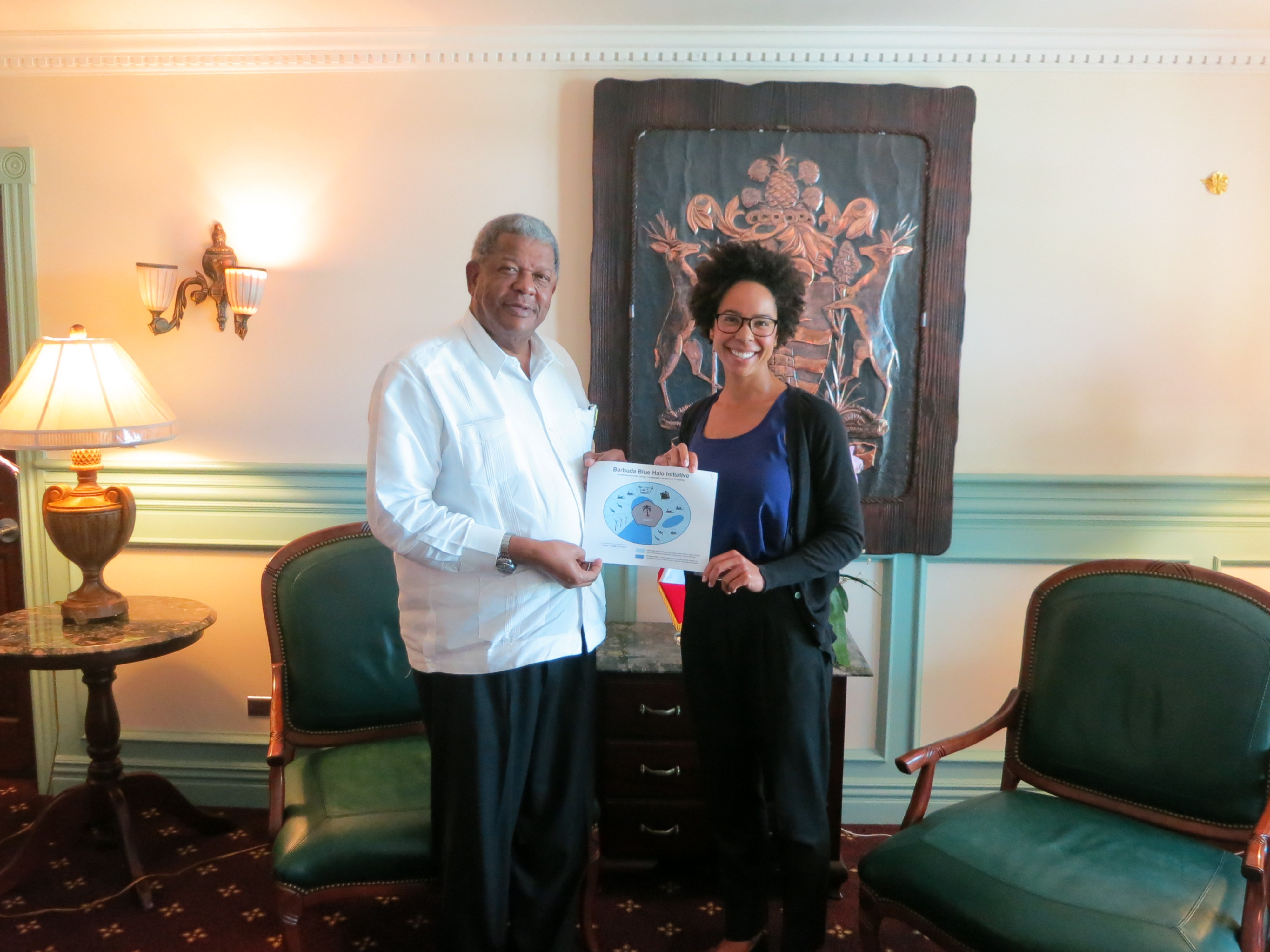
Dr Ayana Elizabeth Johnson with Barbuda Prime Minister, Baldwin Spencer.

Dr Ayana Elizabeth Johnson with then Antigua and Barbuda Prime Minister, Baldwin Spencer. (Image: Waitt Institute)

Dr. Ayana Elizabeth Johnson is a marine biologist and Executive Director of the Waitt Institute. Johnson’s mission is to collect, create, actualize and amplify the best ideas in ocean conservation. Her work has been featured in the New York Times, on her blog for National Geographic, in The Atlantic, and elsewhere. She holds a Ph.D. from Scripps Institution of Oceanography, a BA from Harvard University in Environmental Science and Public Policy, and has worked on ocean policy at both the National Oceanic and Atmospheric Administration (NOAA) and the Environmental Protection Agency (EPA). You can find her talking oceans on Twitter @ayanaeliza

“People used to talk about the size of the fish they caught vertically,” says a perspicacious 15-year-old Curaçaoan holding his hands off the ground at head height. “But now we show fish size horizontally.” As the young man lowers his hands at shoulder width apart to demonstrate this, it is strikingly clear the great fishing catches of old have all but gone in the southern Caribbean Sea.

The vibrantly scenic shores and glistening beaches of this bustling island are in stark contrast with the rather gloomier outlook of the once thriving Caribbean ecosystems that supported local fisheries. Speak to any of the older residents or fishermen on Curaçao and they’ll swear by the unprecedented changes they’ve seen in their oceans in the last half century.

This is a familiar picture across the Caribbean, which is suffering from the same threats of overfishing, climate change, pollution and habitat loss, seen worldwide. In August 2014, the National Oceanic and Atmospheric Administration (NOAA) listed 20 species of coral as threatened under the Endangered Species Act, including five Caribbean species. Projected impacts of global warming and ocean acidification motivated this action, but as marine biologist Ayana Elizabeth Johnson eloquently writes in a New York Times op-ed: “climate change really is only half the story.”

Johnson’s encounter with the young Curaçaoan and his jarringly precocious words struck a chord with her eight years ago, in the midst of her PhD research. Focusing on fisheries management and ecology in the southern Caribbean, she interviewed more than 400 fishermen, scuba divers, and locals in Curaçao and Bonaire, to inquire what major changes they had seen in their oceans.

“It is critical to understand what local people see as the threats to the ocean, as the perceived problems have a huge influence on what the perceived solutions should be,” says Johnson. “Often scientists’ outside perspective can be very different to the local one – and this can lead to disconnect when discussing sustainable policy and solutions.”

Continue reading

Citizen Science: In the Shadows of Volcán Tungurahua

How Ecuadorian communities and scientists are linking up to reduce the risk of one of South America’s most active volcanoes.

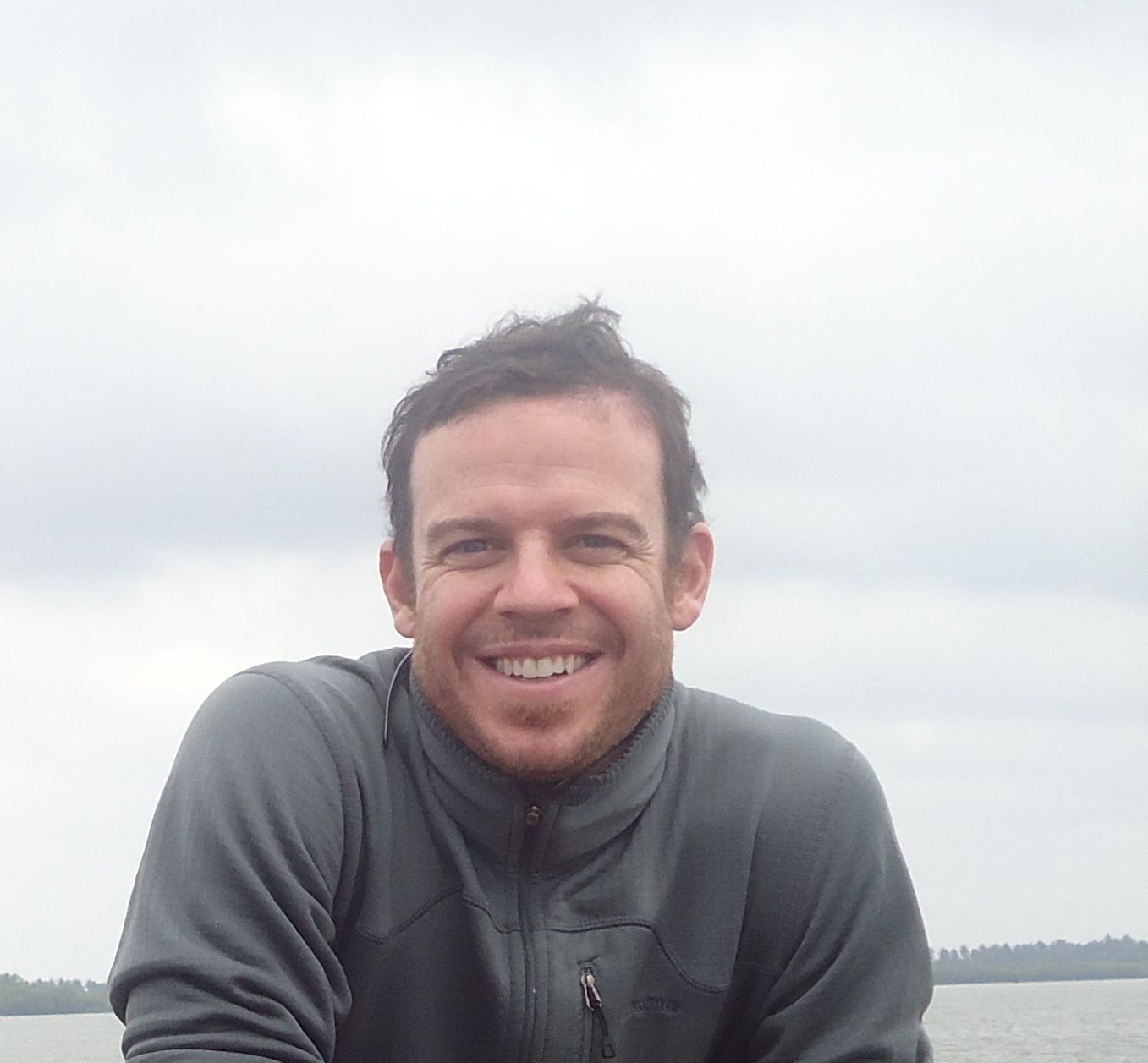
Jonathan Stone: “In volcanology a great deal of research is put into the prediction of specific hazards and the needs of those affected can often be overlooked." Image credit: (Richie Robertson)

Jonathan Stone: “In volcanology a great deal of research is put into the prediction of specific hazards and the needs of those affected can often be overlooked.” Image credit: (Richie Robertson)

Jonathan Stone is a PhD researcher at the School of Environmental Sciences, University of East Anglia, working in volcanology and disaster risk reduction.  His research focuses on the interactions between citizens, scientists and authorities around volcanoes, examining the effects of citizen science on these relationships. Although his background is in Geology, with an MSc in the Science of Natural Hazards, Jonathan went on to study for an MRes in Environmental Social Sciences before starting a PhD funded by the Economic and Social Research Council and the British Geological Survey. This experience (expertise in) of both the natural and social sciences has lead him to work on the Strengthening Resilience in Volcanic Areas (STREVA) project.

Outside of research, Jonathan is passionate about public engagement and was one of the creators of Volcanoes Top Trumps. More recently he has been involved in producing a series of short documentaries about the societal impact of volcanoes, told by the voices of those who lived through eruptions in St Vincent, West Indies. He likes running in his spare time, being involved in his local church – and of course – climbing volcanoes. 

Seemingly unflappable, tall and with a sharp sense of humour betrayed by a cheeky grin that can’t help but make you smile, Benigno Meneces is by no means your average citizen scientist. As a farmer in the modest surroundings of the Ecuadorian Andes village Bilbao, Meneces ploughs the land by day and monitors volcano eruptions by night. He is one of 35 residents across local villages and towns in the path of Volcán Tungurahua that make up a network of volunteers, known as the ‘vigías’.

Translated as watchman, guard or sentinel, the Spanish word ‘vigía’ only partially covers the passion and enthusiasm local villagers have brought to their voluntary roles protecting their communities. Made up from locals working in agriculture, teaching and business – the volunteers are tasked with communicating observations about the volcano to scientists at the Instituto Geofísico de la Escuela Politécnica Nacional (IG-EPN) and the Secretaría Nacional de Gestión de Riesgos (the Ecuadorian civil protection agency).

Tungurahua looms over the town of Baños.

Tungurahua looms over the town of Baños.

Continue reading

Christina Lewis Halpern: The New York woman inspiring young men from minority backgrounds to code

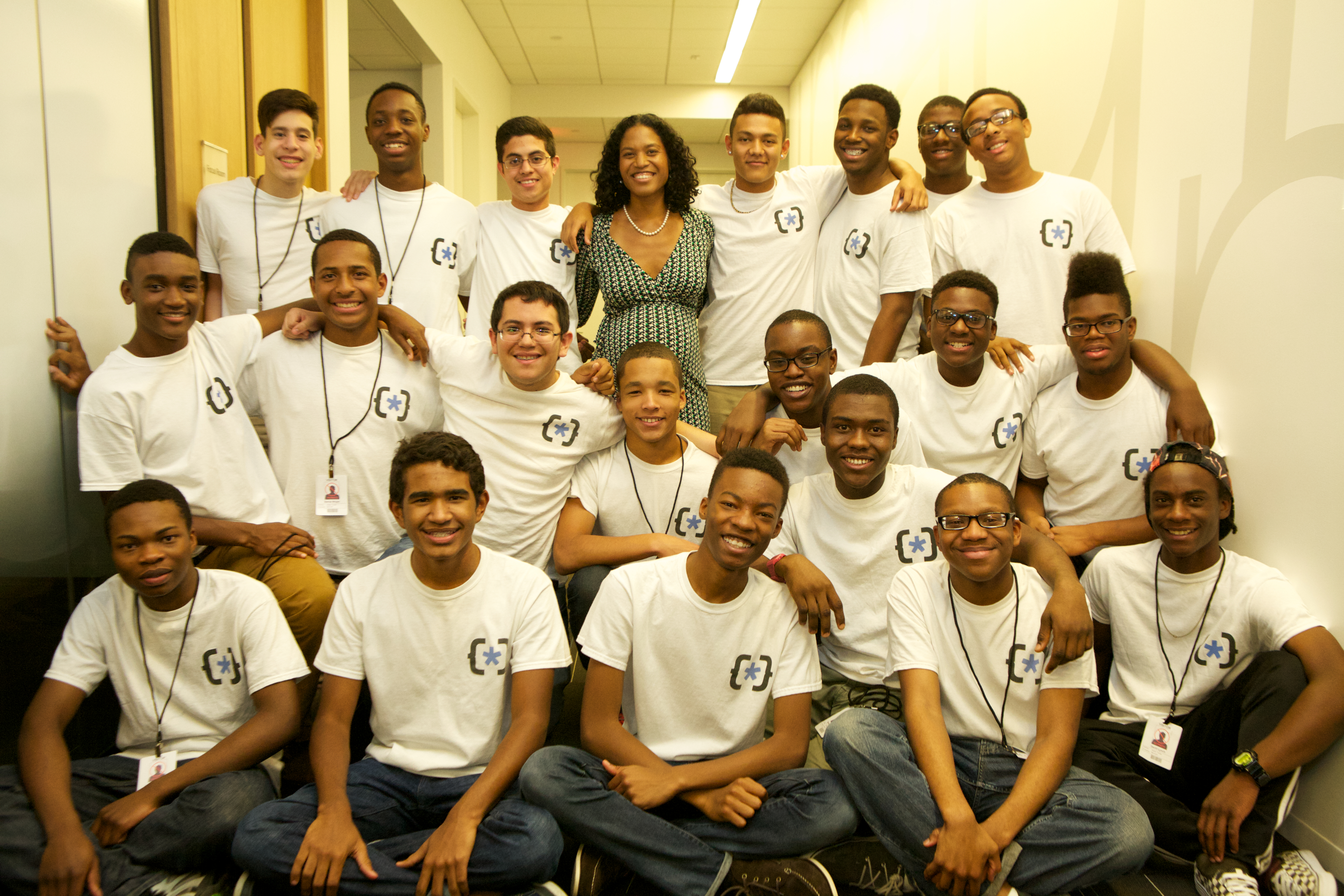
"It was an entirely new world, and IT opened my eyes to how few black and brown young men were active in the technology industry. " (Image courtesy of All Star Code)

“It was an entirely new world, and IT opened my eyes to how few black and brown young men were active in the technology industry.” (Image courtesy of All Star Code)

In the last instalment of our series celebrating prominent women in science and technology across the world, we speak to Christina Lewis Halpern, the founder of All Star Code, a charity which aims to prepare talented young men from minority backgrounds for careers in science and technology.

Christina Lewis Halpern is a social entrepreneur and award-winning journalist who is the founder of All Star Code, a unique, fast-growing non-profit education organization that attracts, prepares and places more young men of color in the technology sector. Christina is a board member of the Reginald F. Lewis Foundation, has been profiled in Fortune, Fast Company, Domino, and Vanity Fair and her work has been published in The New York Times Magazine and other publications. She has been recognized as a White House 2014 Champion of Change for STEM Access and has given talks at Harvard Law School, J.P. Morgan, the Wealth and Giving Forum, among others. She graduated from Harvard College and lives in New York City with her husband, son and dog. 

On a sign that adorns the premises of the vibrant New York technology charity, All Star Code, the bold messaging could not be clearer.  Displayed in large writing are the top ten principles that inspired the charity’s creation. Most prominently placed, and one that will ring true to many Americans, is number one. It reads: “Boys Matter: Young men of color are one of our nation’s greatest sources of untapped talent.” This is a sentiment echoed throughout the organisation’s activities, which primarily aims to prepare talented young men from minority backgrounds for careers in science and technology.

The west Chelsea offices have the look and feel of a traditional start-up. It is at once informal, accommodating and inclusive – the key ingredients that the charity, one year in, has thrived on. And yet, the protagonist behind its creation had until recently been very much an outsider to the technology community.

Wealth gap

Former Wall Street Journal business journalist, Christina Lewis Halpern, had a front row seat to observe and analyse the growth in income inequality and those with assets, who “reaped the seemingly ever-increasing rewards.” Through interviews with the upper echelons of the business world and covering real estate during both boom and bust, she became quickly attuned to the wealth gap. “The gap is very stark in the US with the average white household’s net worth of $110,000, compared to the average black household of around $6,000?” says Lewis Halpern. “It is a terrible problem. When I left the newspaper I was determined to see what I could do to make a difference.”

Lewis Halpern didn’t need to look far for inspiration, as the daughter of one of the most charismatic and powerful African-American businessmen in the US, the late Reginald F.Lewis. The month before her father died in 1993, she was named to the board of his foundation, aged just 12 years-old. The  Reginald F. Lewis Foundation had for many years funded grants of more than $10m to various non-profit programmes and organisations. It was dedicated to supporting youth, arts and education programmes that help minority communities.

Through writing a memoir on her father’s life, called Lonely at the Top, she was fortunate enough to speak to the professor who ran the access programme her father attended and which ultimately encouraged him to pursue law. “My father was one of the first African Americans to work in a white shoe law firm on Wall Street in the 1960s and 1970s, and was a pioneer in his field,” says Lewis Halpern. “He did this because of an access programme. Run by Harvard Law School, the programme would recruit college juniors from black colleges in the south and bring them to the city to introduce them to corporate law.”

Speaking to the now 85-year-old professor and Holocaust survivor, she felt immediately empowered and spurred on to create a prep programme that was as effective as her father’s. It was by chance that she attended her first ever technology conference, a world very different to the corporate environment she was used to reporting in. “It was an entirely new world, and IT opened my eyes to how few black and brown young men were active in the technology industry. It was clear this was the next economic opportunity and was where the wealth, innovation and job opportunities were,” declares Lewis Halpern.

She notes that if her father was a young man today, he would no doubt be working in technology. Through researching the industry and looking at what was available, it was clear there were some great programmes for young women, such as Black Girls Code, but a lack of opportunities for young minority men. “In honor of my father’s legacy – and everyone else who has fought for equal rights – I created this program to help the future generation of youth catch the next wave of opportunity,” remarks Lewis Halpern on her clear intentions for All Star Code.

"Many students we speak to have never heard of a hackathon or even knew there was such thing as a computer scientist. It’s clear we need more access in the pipeline.”

“Many students we speak to have never heard of a hackathon or even knew there was such thing as a computer scientist. It’s clear we need more access in the pipeline.”  (Image courtesy of All Star Code)

Continue reading

Oreoluwa Somolu: The Nigerian woman empowering young women in Africa to engage with technology

"Lots of the girls who attend the centre have never seen or met a woman who is a computer scientist or engineer, so the prospect of becoming one, is not within the realms of possibility."

“Lots of the girls who attend the centre have never seen or met a woman who is a computer scientist or engineer, so the prospect of becoming one, is not within the realms of possibility.”

In the third of our five features celebrating Ada Lovelace Day and prominent women in science and technology across the world, we speak to Oreoluwa Somolu about empowering young women in Africa to engage with technology and pursue careers in science and technology.

Ada Lovelace Day, marked yesterday across the world, is an annual celebration of the achievements of women in science, technology, engineering and maths (STEM).

Oreoluwa Somolu Lesi is the Founder and Executive Director of the Women’s Technology Empowerment Centre (W.TEC). Somolu worked for several years in the United States at an educational non-for-profit organisation on a number of projects, which explored the interplay between gender and technology and which sought to attract more girls and women to study and work in science and technology-related fields. She has a Bachelors degree in Economics from Essex University, U.K, a Master’s degree in Analysis, Design and Management of Information Systems from the London School of Economics & Political Science and a Certificate in Applied Sciences from Harvard University’s Extension School. Her interests are the applications of technology in improving lifelong learning and also to raise the economic and social conditions of people (especially women and children) in the developing world.

Somolu also has some research experience, which includes working on the Gender Equity in Math and Science (GEMS) project, while working at the Education Development Center in MA, U.S.A from 2001 to 2003. She is a 2014 Vital Voices Lead Fellow, 2013 Ashoka fellow and a recipient of the Anita Borg Change Agent Award for her commitment to issues of women in computing in Nigeria.

It was while volunteering in a downtown Boston community centre and women’s shelter, that Nigerian-born STEM enthusiast Oreoluwa Somolu realised the severe lack of awareness around the benefits of using technology. Every day she would teach women and children from across different parts of the US city how to use computers, answering questions and offering guidance on web design and basic programming. It would often surprise her how “mysterious” computing was to many, but made her fully grasp the profound impacts technology could have on people’s lives.

“I naively expected everyone to be able to use a computer as this was America, but found that to be far from the truth,” remarks Somolu. “It was an eye opener to the real world, where more women and people from ethnic communities considerably lacked computer skills. Some had never turned on a computer before, let alone knew the benefits. It was so empowering to see women return to the centre a few months later to report they had found a job as a result. They had a new found self-confidence.”

Continue reading

Bill Bryson: A champion of science and science communication

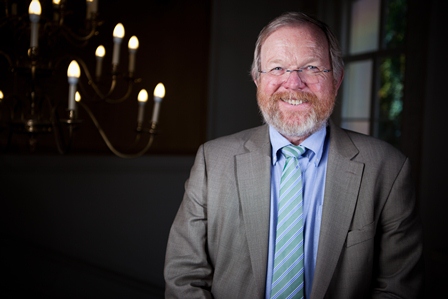
A passionate science advocate: best-selling US author Bill Bryson. Image courtesy of the Royal Society

A passionate science advocate: best-selling US author Bill Bryson. Image courtesy of the Royal Society.

Bill Bryson’s bestselling travel books include The Lost Continent, A Walk in the Woods and Notes from a Small Island, which in a national poll was voted the book that best represents Britain.

His acclaimed book on the history of science, A Short History of Nearly Everything, won the Royal Society’s Aventis Prize as well as the Descartes Prize, the European Union’s highest literary award.

He has written books on language, on Shakespeare, and on his own childhood in the memoir The Life and Times of the Thunderbolt Kid.

His last critically lauded bestseller was At Home: a Short History of Private Life and his most recent book, One Summer: America 1927 chronicles a forgotten summer when America came of age and changed the world for ever.

He was born in the American Midwest, and lives in the UK.

It is over a decade since popular US author Bill Bryson embarked on his eye-opening journey of research for the acclaimed science book ‘A Short History of Nearly Everything’. At that time, he could never have envisaged the popularity and esteem his book would be held in today.

With Bryson’s impeccable wit, charm and honesty, he managed to open up a world of science that was accessible and revealing in equal measure. And yet, in writing the book, Bryson was faced with narrative adjustments and the trepidation of not knowing many of the fields he intended to cover.

Continue reading

MakerBot CEO Bre Pettis on 3D Printing and the DIY Spirit

"3D Printing is a tinkerer's dream and it’s the DIY Holy Grail to make something that creates things."

“3D Printing is a tinkerer’s dream and it’s the DIY Holy Grail to make something that creates things.” Image courtesy of MakerBot.

Bre Pettis is the CEO of MakerBot, a company that produces 3D printers, which he co-founded in 2009. Pettis also co-founded the Brooklyn hacker collective NYC Resistor, where MakerBot technology was first created, tested, and proven.

In 2006, Bre started the popular “Weekend Projects” video podcast for Make: Magazine, where he taught millions of viewers to make things from pinhole cameras to bicycles to hovercrafts. He also introduced the blog at the popular online handcrafts marketplace, Etsy. Prior to both endeavors, Bre was an art teacher in the Seattle Public Schools system.

In 2012, Bre was honored with the Disruptive Innovation Award from the Tribeca Film Festival, for “creating an entire ecosystem for desktop 3D printing.”

Since its launch in 2009, MakerBot has positioned itself in the 3D printing community as a leader in DIY production. Co-founded by former public school art teacher Bre Pettis, MakerBot facilitates the dreams of tinkerers and the curious minded with nothing more than corn-based plastic and an idea.

Continue reading

World Wildlife Fund’s Dr Brendan Fisher on improving fish diversity and conservation agriculture in Mozambique

Dr. Brendan Fisher is a research scientist at the World Wildlife Fund. His research and fieldwork lie at the nexus of conservation, development, and natural resource economics. Brendan is the author of over 50 peer-reviewed articles on topics such as poverty, human welfare, ecosystem services and biological conservation, and the co-author of two books, Valuing Ecosystem Services (Earthscan, London, 2008) and A Field Guide to Economics for Conservationists (Forthcoming, Roberts and Company). 

He is a Fellow of the Gund Institute at the University of Vermont and a Fellow at the Centre for Social and Economic Research on the Global Environment (CSERGE) at the University of East Anglia.  He was recently a Rockefeller Bellagio Fellow working on relationships between the ecological conditions of coastal regions, gender inequality and childhood health.  When he’s not working he spends most of his time hiking, skiing, and enjoying the Vermont outdoors with his wife and three children.

Continue reading

Naked Neuroscience: Dr Hannah Critchlow reflects on educating the public about Neuroscience

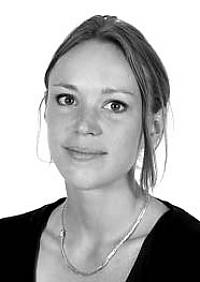
Hannah Critchlow: Educating people across the globe on the values of neuroscience.

Hannah Critchlow: Educating people across the globe on the values of neuroscience.

Dr Hannah Critchlow is a neuroscientist with a background in neuropsychiatry. She currently strips down the brain with the BBC broadcast Naked Scientists. Using radio, on-line channels and live events she designs, produces and presents a neuroscience-focused, interactive multimedia experience for the public.

In 2014 Hannah was named as a ‘Top 100 UK scientist’ by the Science Council for her work in science communication. In 2013 she was named as one of Cambridge University’s most ‘inspirational and successful women in science’. During her PhD she was awarded a Magdalene College, Cambridge University Fellowship, and as an undergraduate received three University prizes as Best Biologist. She previously worked as Strategic Manager for Cambridge Neuroscience and on secondment with the British Neuroscience Association.

Hannah’s choice of career stemmed from working as a nursing assistant at St Andrews Psychiatric Hospital. When not being enthused by all things brainy, Hannah spends her time splashing about by the river and living the houseboat dream.

For neuroscientist Dr Hannah Critchlow, the last 12 months have been pretty special. If being named one of Cambridge University’s most ‘inspirational and successful women in science’ late in 2013 wasn’t surprise enough, what was to follow was in her words, even more “gobsmacking.” Just days later, while in New Zealand for Christmas, Dr Critchlow was recognised by the Science Council as one of the top 100 UK scientists for her work in science communication.

Continue reading

Research 2.0.3: The future of research communication

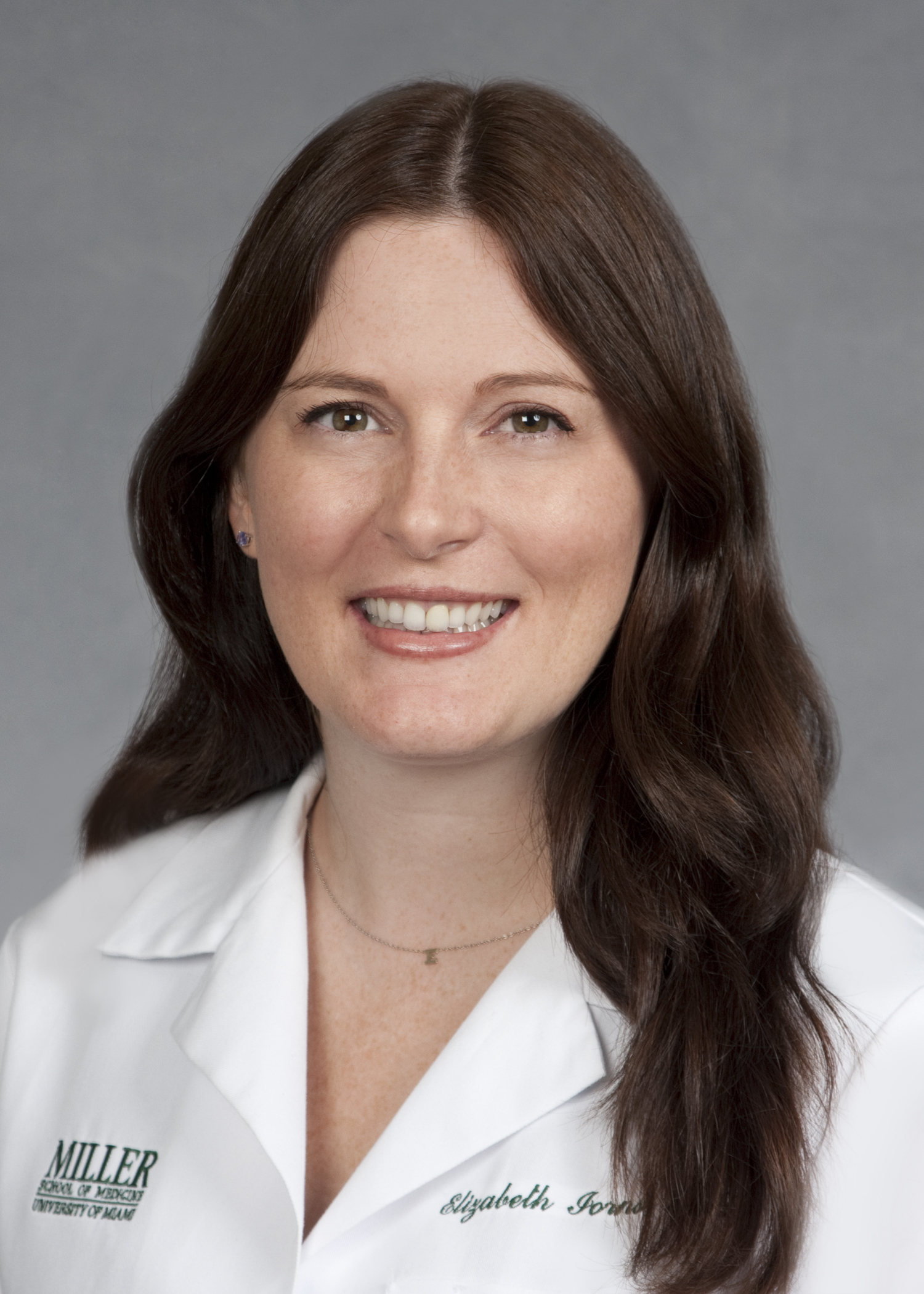
Elizabeth Iorns headshot (portrait)Elizabeth Iorns is a breast cancer scientist and the Co-Founder & CEO of Science Exchange, an online marketplace for science experiments. 

This week Elizabeth is hosting a three part series all about the research cycle. Do share your thoughts in the comment thread.

In the first post of this series, I described the changes that are coming for the way scientific research is funded in the digital age.  In the second part, I explored the ways in which the process of research itself is destined to undergo dramatic changes. In the final part I look at the future of research communication, exploring the impact of digital tools on scientific reputation.

Nowhere in science has the disruptive power of digital technologies been more apparent than in research communication.  Traditional journals with subscription-based models and lengthy, anonymous pre-publication peer-review have been challenged by pre-print servers, post-publication evaluation and open access. Scientific news outlets now co-exist with blogs, often written by practicing scientists.  The threat of gatekeepers stultifying the scientific process is replaced by the need for new ways to extract knowledge from the threat of information overload.

The continued move towards open access

The Open Access movement to free published research from subscription barriers has led to major research funding agencies in the U.S., U.K. and the EU mandating that the research they fund be made openly available on-line within 12 months of publication.  This in turn has led to a shift in publishing business models away from subscriptions and towards publication fees, as evidenced by the prominent rise of new OA journals such as PeerJ and eLife to join the more established BioMed Central, PLOS, and Frontiers journals. Continue reading

Research 2.0.2: How research is conducted

Elizabeth Iorns headshot (portrait)

Elizabeth Iorns is a breast cancer scientist and the Co-Founder & CEO of Science Exchange, an online marketplace for science experiments. 

This week Elizabeth is hosting a three part series all about the research cycle. Do share your thoughts in the comment thread.

In the first post of this series, I described the changes that are coming for the way scientific research is funded in the digital age.  In the second part, I’ll explore the ways in which the process of research itself is also destined to undergo dramatic changes.

Traditionally, research was conducted by a single scientist or a small team of scientists within a single laboratory. The scientist(s) would conduct the majority of required experiments themselves, even if they did not initially have the necessary expertise or equipment. If they could not conduct an experiment themselves, they would attempt to find a collaborator in another lab to help them by using a barter system. This barter system essentially involves one scientist asking for a favor from another scientist, with the potential upside being co-authorship on any publications that are produced by the work. This type of collaborative arrangement depends heavily on personal networks developed by scientists. Continue reading