Celebrating impact: How multidisciplinary One Health research produced results for real change in the real world

475_Naomi_10

Guest post by Naomi Marks, project communications manager at the Institute of Development Studies. She managed the communications for the Dynamic Drivers of Disease in Africa Consortium and now works with two other multidisciplinary zoonoses-related projects, the Myanmar Pig Partnership, and Livestock, Livelihoods and Health.

With the end of a large research project, there can be a certain sense of bathos. All that ambition at the beginning culminating in … what? Published papers in scientific journals, conference presentations on Slideshare, a website that you hope will continue to be updated and, well, the move on to the next project.

None of this is to put down traditional academic outputs, only to acknowledge the desire of most scientists to see science really make its mark.

This is particularly true when it comes to research in developing countries where there is not just a real pressure from the funders, but also a strong desire from the researchers to contribute to real change in the world—or “impact“, as we all now know it.

And so it is with real pleasure that at the end of the large research project that I’ve been working with that I can report that we seem to have avoided that plummeting feeling.
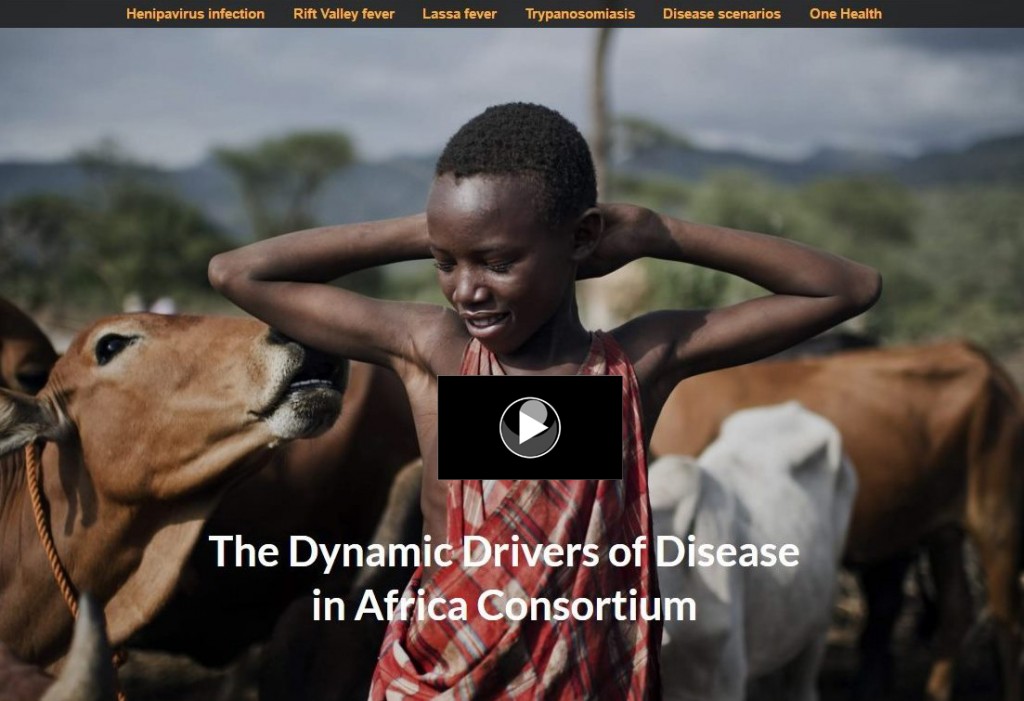
Dynamic Drivers of Disease

The Dynamic Drivers of Disease in Africa Consortium focused on diseases that pass from animals to people—those such as Ebola, Zika and avian flu that have led to so many headlines in recent years. It sought to explore the links between these diseases (known as zoonoses), ecosystems and poverty, and, in particular, how wider global patterns such as climate and land-use change affect how diseases emerge and spread.

A multidisciplinary undertaking, the project included environmental, biological, mathematical, social, political, and animal and human health researchers from 21 partners across three continents and eight countries—working not just alongside each other but also integrating their findings in new and exciting ways.

As if this wasn’t enough of an endeavour in its own right, other challenges came up over the four years of the project—some welcome (our lead researcher became Director of the Institute of Development Studies, adding to her workload considerably); some expected—or at least expectant (our pivotal research manager went on maternity leave); and one truly unexpected and ghastly: our Sierra Leone team, researching Lassa fever, had to stop work when the Ebola epidemic of 2014/15 resulted in movement restrictions in that country, and laboratory and clinical facilities were turned over to crisis Ebola work.

Despite all this, the project can claim to have contributed to real notches on the impact post.

Particularly notable is the creation of new, detailed risk maps for Rift Valley fever (RVF). These have already been put to use, forming an essential element of the Kenyan government disease monitoring and containment strategy when an epidemic threatened late last year. In the past, RVF epidemics have led to the deaths of millions of animals and hundreds of people with huge poverty impacts for pastoralists.

Also of note has been the identification of the patches of land to which tsetse flies are increasingly being confined in the Zambezi Valley in Zimbabwe. Tsetse are the insect vector of the trypanosomiasis parasite which causes disease in animals (with major knock-on effects on the farmers who are financially dependent on their livestock), and sleeping sickness in people (fatal when not properly treated). This has major implications for Zimbabwe’s tsetse control measures which have, in the past, targeted huge swathes of landscape. The research shows more targeted efforts will not only be more effective but also cheaper—and these findings are now being fed into the policy process.
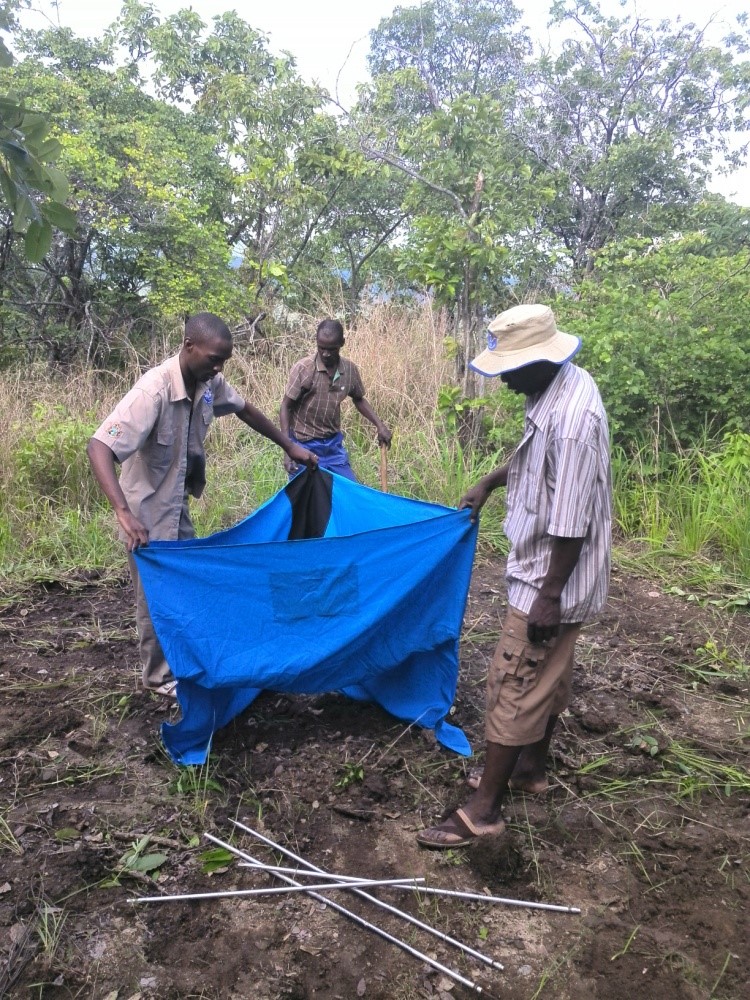
Tseste sampling in Zimbabwe

Tseste sampling in Zimbabwe (credit: Prof. Vupenyu Dzingirai)

Even in Sierra Leone where much of our work was necessarily curtailed, the anthropological research carried out pre-Ebola epidemic into the socio-cultural beliefs and practices surrounding infectious diseases found unexpected application during the epidemic. Much of it fed into an online platform delivering real-time evidence-based advice to organisations such as the World Health Organization, Department for International Development (DFID) and the UN Mission for Ebola Emergency Response (UNMEER).

To note all this is wonderful—and please do look at our other success stories—but some provisos are important. Impact is non-linear, takes time and can be hard to measure; some of our most compelling impacts (including those above) weren’t necessarily those we anticipated, while others—such as our original hope to facilitate more joined-up “One Health” interventions—require ongoing stakeholder engagement that will inevitably take time to filter through.

Also—and importantly—impact doesn’t happen on its own. The Dynamic Drivers of Disease in Africa Consortium, which was supported by the Ecosystem Services for Poverty Alleviation programme, had impact at its heart. It was stressed throughout the research process from conception workshop to final symposium.

So much science, both of the natural and social variety, is intrinsically fascinating. To make it worth celebrating too is a wonderful thing.

The impact stories from the Dynamic Drivers of Disease in Africa Consortium can be viewed at: bit.ly/One_Health_stories
From despair to repair: Empowering communities to restore their oceans

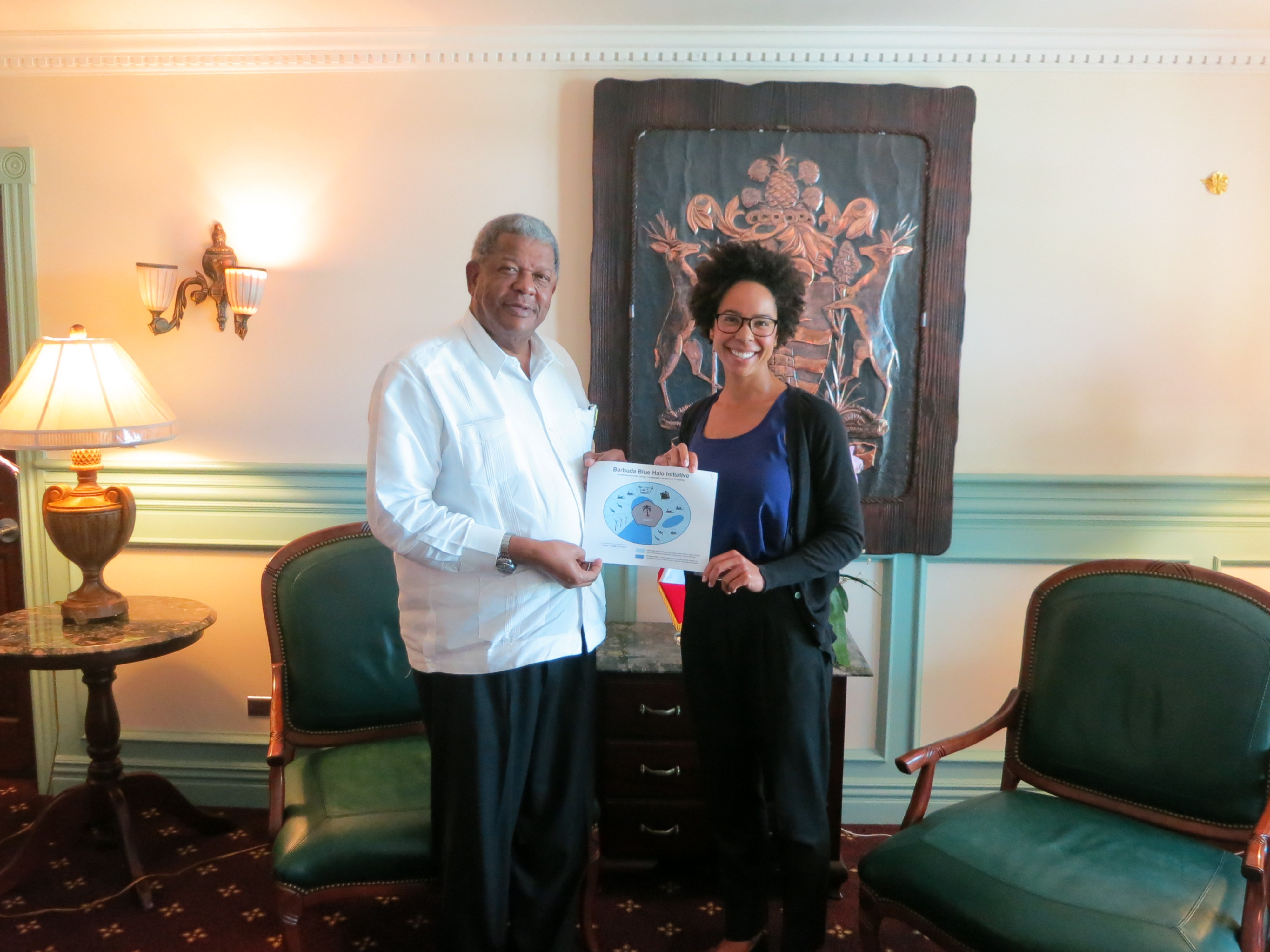
Dr Ayana Elizabeth Johnson with Barbuda Prime Minister, Baldwin Spencer.

Dr Ayana Elizabeth Johnson with then Antigua and Barbuda Prime Minister, Baldwin Spencer. (Image: Waitt Institute)

Dr. Ayana Elizabeth Johnson is a marine biologist and Executive Director of the Waitt Institute. Johnson’s mission is to collect, create, actualize and amplify the best ideas in ocean conservation. Her work has been featured in the New York Times, on her blog for National Geographic, in The Atlantic, and elsewhere. She holds a Ph.D. from Scripps Institution of Oceanography, a BA from Harvard University in Environmental Science and Public Policy, and has worked on ocean policy at both the National Oceanic and Atmospheric Administration (NOAA) and the Environmental Protection Agency (EPA). You can find her talking oceans on Twitter @ayanaeliza

“People used to talk about the size of the fish they caught vertically,” says a perspicacious 15-year-old Curaçaoan holding his hands off the ground at head height. “But now we show fish size horizontally.” As the young man lowers his hands at shoulder width apart to demonstrate this, it is strikingly clear the great fishing catches of old have all but gone in the southern Caribbean Sea.

The vibrantly scenic shores and glistening beaches of this bustling island are in stark contrast with the rather gloomier outlook of the once thriving Caribbean ecosystems that supported local fisheries. Speak to any of the older residents or fishermen on Curaçao and they’ll swear by the unprecedented changes they’ve seen in their oceans in the last half century.

This is a familiar picture across the Caribbean, which is suffering from the same threats of overfishing, climate change, pollution and habitat loss, seen worldwide. In August 2014, the National Oceanic and Atmospheric Administration (NOAA) listed 20 species of coral as threatened under the Endangered Species Act, including five Caribbean species. Projected impacts of global warming and ocean acidification motivated this action, but as marine biologist Ayana Elizabeth Johnson eloquently writes in a New York Times op-ed: “climate change really is only half the story.”

Johnson’s encounter with the young Curaçaoan and his jarringly precocious words struck a chord with her eight years ago, in the midst of her PhD research. Focusing on fisheries management and ecology in the southern Caribbean, she interviewed more than 400 fishermen, scuba divers, and locals in Curaçao and Bonaire, to inquire what major changes they had seen in their oceans.

“It is critical to understand what local people see as the threats to the ocean, as the perceived problems have a huge influence on what the perceived solutions should be,” says Johnson. “Often scientists’ outside perspective can be very different to the local one – and this can lead to disconnect when discussing sustainable policy and solutions.”

Continue reading

Citizen Science: In the Shadows of Volcán Tungurahua

How Ecuadorian communities and scientists are linking up to reduce the risk of one of South America’s most active volcanoes.

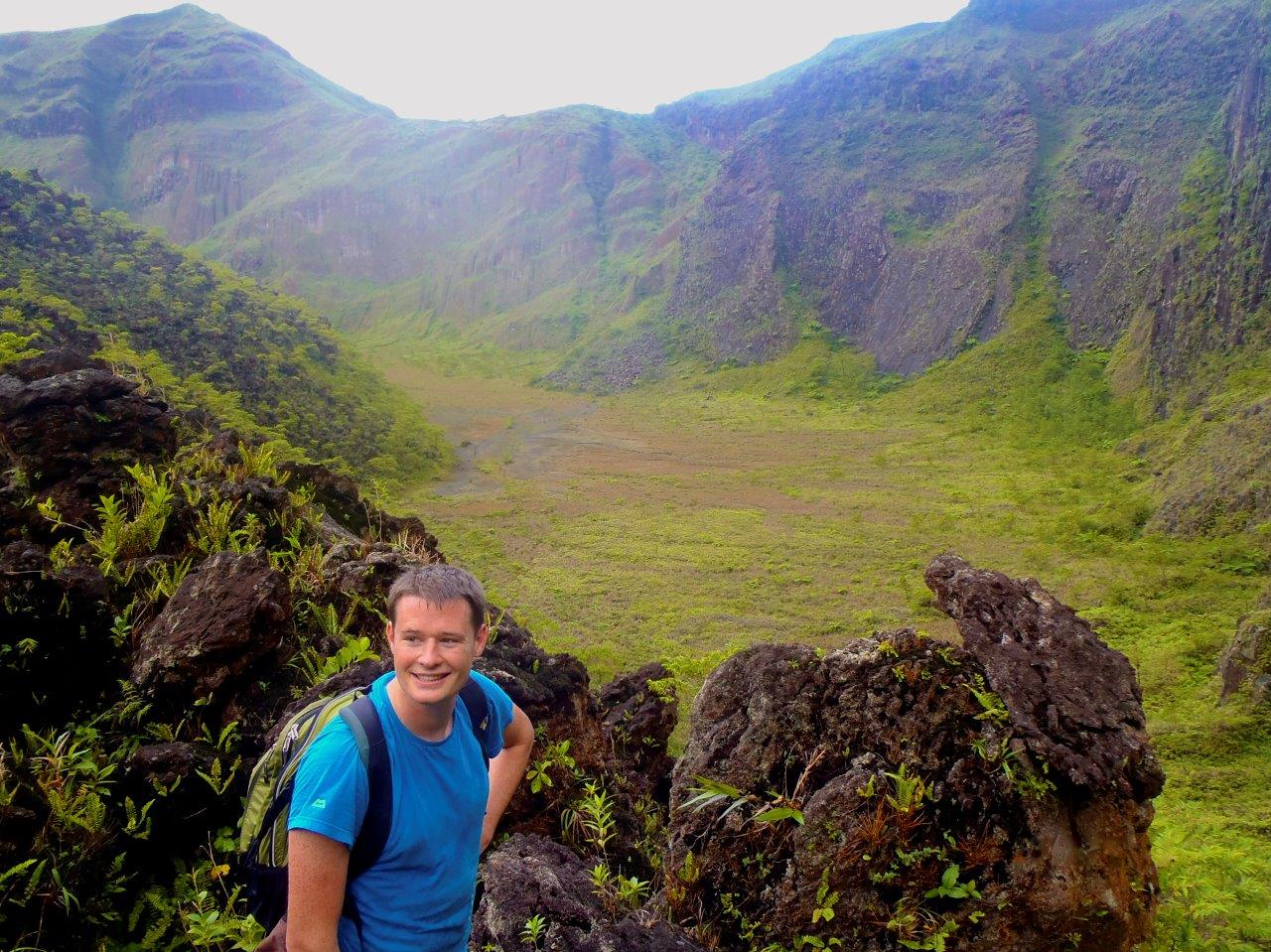
Jonathan Stone: “In volcanology a great deal of research is put into the prediction of specific hazards and the needs of those affected can often be overlooked." Image credit: (Richie Robertson)

Jonathan Stone: “In volcanology a great deal of research is put into the prediction of specific hazards and the needs of those affected can often be overlooked.” Image credit: (Richie Robertson)

Jonathan Stone is a PhD researcher at the School of Environmental Sciences, University of East Anglia, working in volcanology and disaster risk reduction.  His research focuses on the interactions between citizens, scientists and authorities around volcanoes, examining the effects of citizen science on these relationships. Although his background is in Geology, with an MSc in the Science of Natural Hazards, Jonathan went on to study for an MRes in Environmental Social Sciences before starting a PhD funded by the Economic and Social Research Council and the British Geological Survey. This experience (expertise in) of both the natural and social sciences has lead him to work on the Strengthening Resilience in Volcanic Areas (STREVA) project.

Outside of research, Jonathan is passionate about public engagement and was one of the creators of Volcanoes Top Trumps. More recently he has been involved in producing a series of short documentaries about the societal impact of volcanoes, told by the voices of those who lived through eruptions in St Vincent, West Indies. He likes running in his spare time, being involved in his local church – and of course – climbing volcanoes. 

Seemingly unflappable, tall and with a sharp sense of humour betrayed by a cheeky grin that can’t help but make you smile, Benigno Meneces is by no means your average citizen scientist. As a farmer in the modest surroundings of the Ecuadorian Andes village Bilbao, Meneces ploughs the land by day and monitors volcano eruptions by night. He is one of 35 residents across local villages and towns in the path of Volcán Tungurahua that make up a network of volunteers, known as the ‘vigías’.

Translated as watchman, guard or sentinel, the Spanish word ‘vigía’ only partially covers the passion and enthusiasm local villagers have brought to their voluntary roles protecting their communities. Made up from locals working in agriculture, teaching and business – the volunteers are tasked with communicating observations about the volcano to scientists at the Instituto Geofísico de la Escuela Politécnica Nacional (IG-EPN) and the Secretaría Nacional de Gestión de Riesgos (the Ecuadorian civil protection agency).

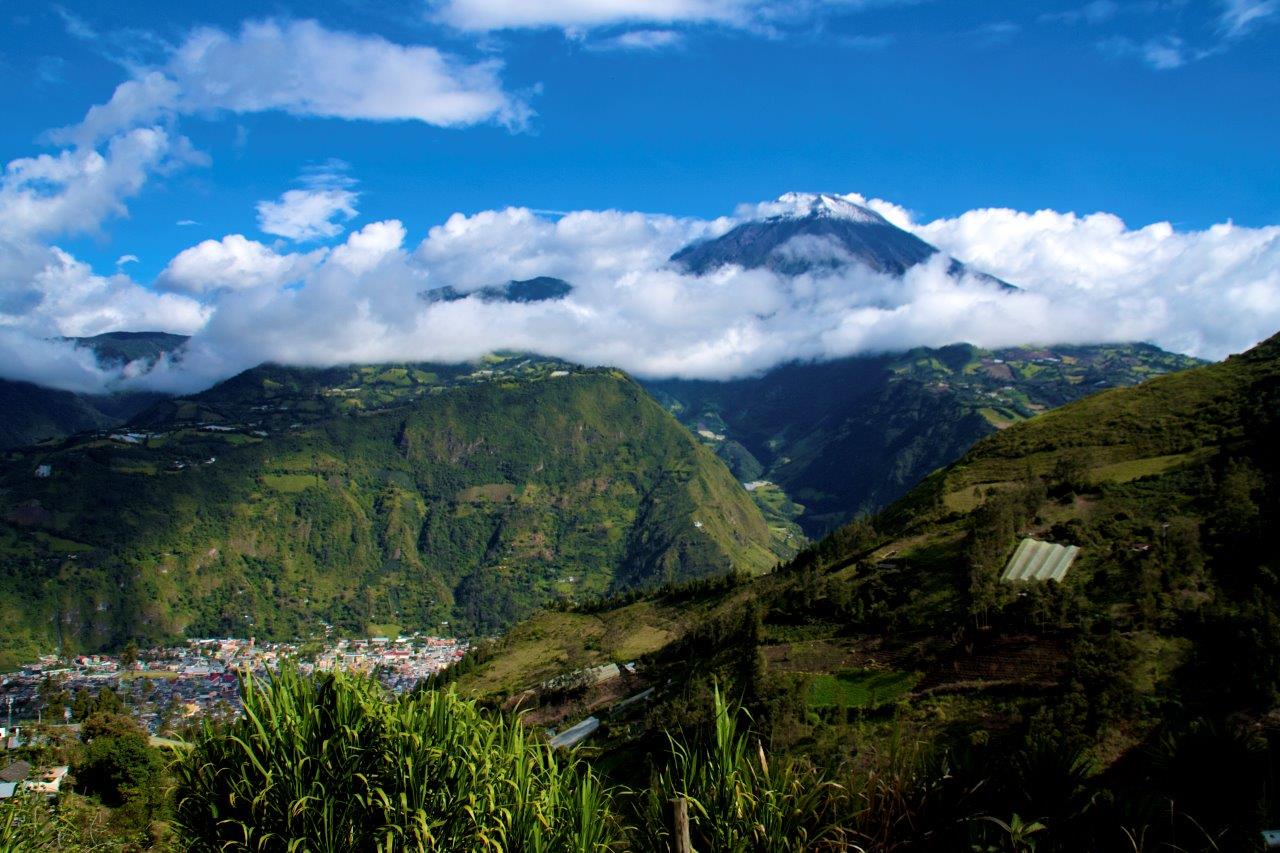
Tungurahua looms over the town of Baños.

Tungurahua looms over the town of Baños.

Continue reading

World Wildlife Fund’s Dr Brendan Fisher on improving fish diversity and conservation agriculture in Mozambique

Dr. Brendan Fisher is a research scientist at the World Wildlife Fund. His research and fieldwork lie at the nexus of conservation, development, and natural resource economics. Brendan is the author of over 50 peer-reviewed articles on topics such as poverty, human welfare, ecosystem services and biological conservation, and the co-author of two books, Valuing Ecosystem Services (Earthscan, London, 2008) and A Field Guide to Economics for Conservationists (Forthcoming, Roberts and Company). 

He is a Fellow of the Gund Institute at the University of Vermont and a Fellow at the Centre for Social and Economic Research on the Global Environment (CSERGE) at the University of East Anglia.  He was recently a Rockefeller Bellagio Fellow working on relationships between the ecological conditions of coastal regions, gender inequality and childhood health.  When he’s not working he spends most of his time hiking, skiing, and enjoying the Vermont outdoors with his wife and three children.

Continue reading

Buzz Aldrin: Space policy, cooperative efforts to Mars and the need to inspire future generations

Buzz Aldrin is a retired US Air Force pilot, a former American astronaut and the second person to walk on the Moon, on July 21, 1969. He was the lunar module pilot on Apollo 11, the first manned lunar landing in history.

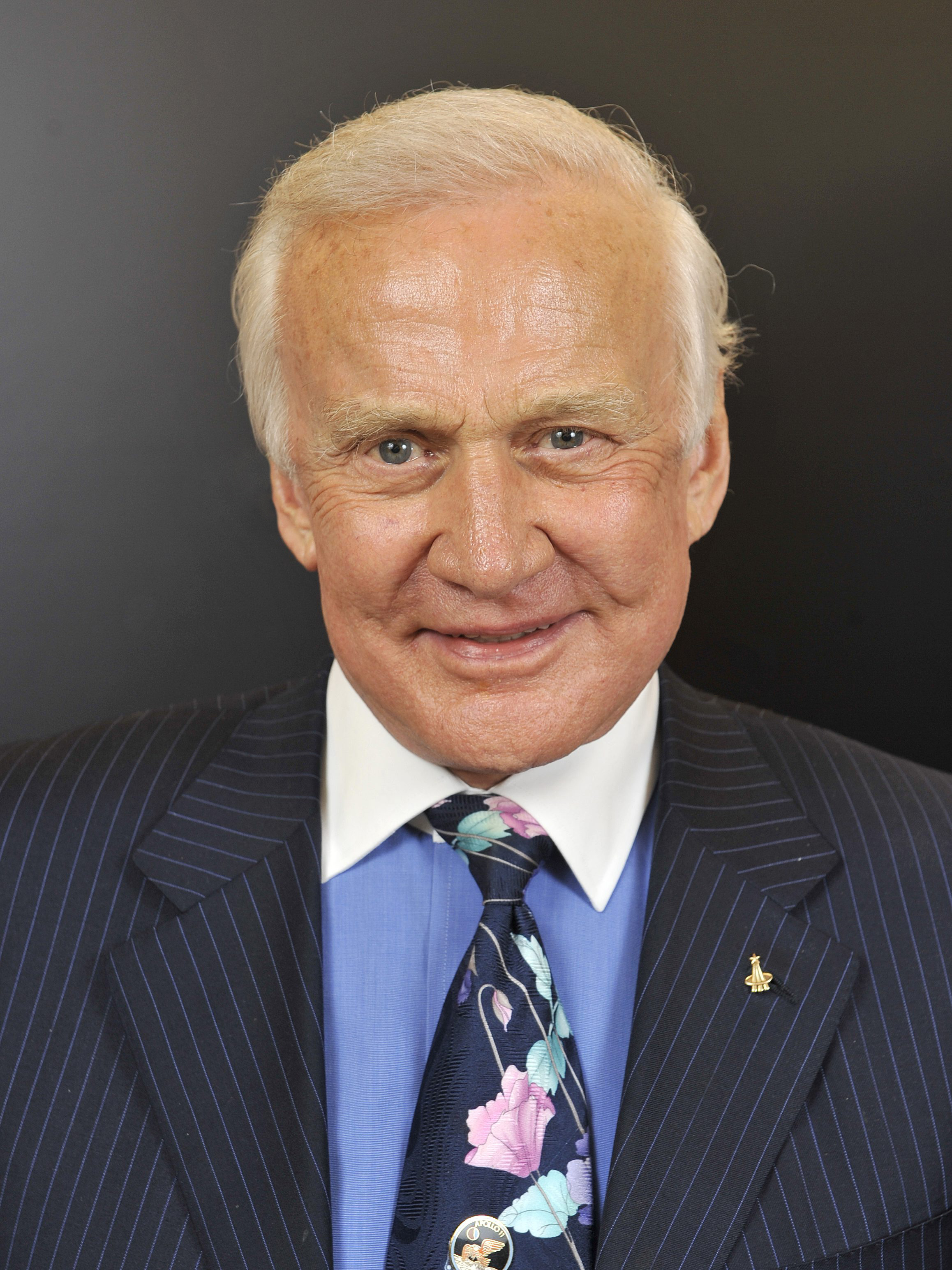
A global space ambassador. Courtesy of the Buzz Aldrin Archive

A global space ambassador.
Courtesy of the Buzz Aldrin Archive

Upon returning from the moon, Dr Aldrin was decorated with the Presidential Medal of Freedom, the highest American peacetime award.

Since retiring from NASA and the Air Force, Col Aldrin has remained at the forefront of efforts to progress human space exploration. On November 16, 2011, Dr Aldrin was awarded the Congressional Gold Medal, the nation’s highest civilian honour, along with the other Apollo 11 crew members, Neil Armstrong and Michael Collins, and Mercury Seven astronaut, John Glenn, for their significant contribution to society and exploration.

Dr Aldrin has also written eight books including the New York Times best-selling autobiography, Magnificent Desolation, released in 2009 before the 40th Anniversary of the Apollo 11 moon landing. He has released best-selling illustrated children’s books, two space science-fiction novels and his most recent book Mission to Mars: My Vision for Space Exploration was published by the National Geographic Society in 2013.

“To realize the dream of humans on Mars we need a unified vision. We need to focus on a pathway to the prize.” These were the strident historic words articulated by Buzz Aldrin in July 2009 at the Smithsonian Air and Space Museum’s John Glenn Lecture Series for NASA’s 40th anniversary of the Apollo 11 Moon landing.  Five years on, and having very recently celebrated his 84th birthday, Dr Aldrin’s enthusiasm, ambassadorial work, resolute attitude and ideals are no less subdued.

Exciting developments in space science are coming thick and fast and showing notable progress. It is however, US President Barack Obama’s objective of a manned mission to Mars in his lifetime, preceded by a robotic landing on a real orbiting asteroid, that remains a most ambitious follow on to lunar robotic surface control by the US and the occupation of a jointly designed International Lunar Base.

Continue reading

Pole of Cold: An intrepid look at winter with climate scientist and adventurer Felicity Aston

Felicity Aston is a British adventurer, climate scientist and STEM advocate, who in 2012 became the  first woman to ski solo across Antarctica.  At 23, Felicity left the UK to spend three years living and working in the Antarctic as a meteorologist with the British Antarctic Survey at Rothera Research Station. On her return, she was part of the first all-female team to complete the Polar challenge, a 360-mile endurance race across the Canadian Arctic. A year later, Felicity led the first British women’s crossing of the Greenland ice-sheet. Since then she has gone on to lead numerous expeditions including the Kaspersky Lab Commonwealth Antarctic Expedition, the largest and most international women’s expedition ever to ski to the South Pole.

Felicity Aston

“Our comfortable thought about Antarctica as a static cold monolithic environment is over as we’re now seeing it as a living being that’s dynamic and producing change. Change that is being broadcast to the rest of the world, possibly in response to what the world is broadcasting down to Antarctica,” a glaciologist aptly sums up his observations of the changing landscape in Werner Herzog’s documentary on Antarctica ‘Encounters At the End of the World’.

This resonates with the British climate scientist and adventurer, Felicity Aston, who is very familiar with the global environmental issues that she says threaten our planet. She is also an advocate for promoting awareness and understanding.

Having this year taken part in a photo shoot for the Guinness Book of Records after becoming the first woman to ski solo across Antarctica, Felicity is now well under-way with her next major challenge.

Following Winter

Travelling 30,000km across northern Europe and Siberia over three months, Felicity and her three person team will chase winter to the Pole of Cold, the coldest place in the world outside of Antarctica. Here they will explore the social, cultural and physical effects of living in the most extreme climates, engaging with local communities and researching how they have adapted to life in sub-zero temperatures.

“The team will track the extreme weather through scientific and creative means, documenting the physical, human and cultural geography as we go along,” says Felicity. “We’ll be looking at the day-to-day reality of life in the harshest of conditions and hope to bring alive the fascinating local stories. There are so many curiosities around how for example you use an iced-over lake to heat a house or whether it is possible for temperature to rise with altitude rather than drop?”

Continue reading

How To Grow A Garden On Mars

Louisa Preston is a Postdoctoral Research Associate at The Open University and TED Fellow. She is currently designing a Mars Gardening Interactive exhibit to showcase the features and issues raised in this blog. Follow her on Twitter @LouisaJPreston.

I grew up surrounded by science fiction; in books, in films, and on the television. Every scene showed humans travelling around in spaceships visiting aliens that lived on other planets, living their day to day lives in the vacuum of space and setting up new cities on foreign worlds. I never questioned this; it was, after all, fiction. However, for our generation and the one quickly following behind us, science fiction is becoming a reality on a daily basis. We have witnessed the discovery of the Higgs Boson, watched rovers wander across the surface of Mars and have discovered planets orbiting other stars. But we might be only decades away from discovering life on another planet and even observe humans leave Earth and inhabit another world during our lifetime. As I said, this is all science fiction isn’t it? Well not anymore… Continue reading

Can we raise woolly mammoths from their Pleistocene graves?

This post has been cross-posted from the OUP blog.

SL bio picSharon Levy is a freelance science writer who specializes in making natural resource and conservation issues accessible for a broad audience. She is the author of Once and Future Giants, a book that introduces the idea that Ice Age megafauna extinctions hold important lessons for modern conservation. She lives in Humboldt County, California.

Thousands of years after the last woolly mammoth died, some bioengineers dream of resurrecting the species. When I first heard their arguments, these folks struck me as the modern, high-tech version of snake-oil salesmen. The product they’re promoting is not what they lead people to believe it is, and it won’t do what people like to imagine it will.

Mammoths and mastodons once roamed throughout the Americas, as well as much of Europe and Asia. There were several species, but the best-known is the woolly mammoth, a creature of the far north. Well-preserved carcasses have been discovered melting out of the permafrost in Siberia and the Yukon. There’s been a lot of talk of ‘cloning’ a mammoth by using DNA recovered from bodies preserved in permafrost. Continue reading

How multidisciplinary work was made meaningful for me

Gianni Lo Iacono

 Dr Gianni Lo Iacono is a mathematical modeller at the University of Cambridge working with the Dynamic Drivers of Disease in Africa Consortium, an ESPA– funded research programme designed to deliver much-needed, cutting-edge science on the relationships between ecosystems, zoonoses, health and wellbeing with the objective of moving people out of poverty and promoting social justice. 

According to the law of aerodynamics it’s impossible for a bumblebee to fly;

but the bumblebee doesn’t know that, so it flies anyway …

[An old myth, which probably originated as a result of the crude assumptions made by the aerodynamicist who modelled the bumblebee as a static device with fixed wings. An entomologist would have pointed out that bumblebees flap their wings!]

Some time ago, I was looking at a funding body’s policies and came across the word ‘trans-disciplinary’. I am sure that I am not the only one amused by the proliferation of the prefixed-disciplinary family (multi-, inter-, intra-, cross- …). As a mathematical modeller I have worked at the interface between different disciplines for some time and a common question is: how do these whatever-disciplinary teams work?

No doubts there are challenges. Here are some: Continue reading

Curious about life on Mars – Curiosity has the answers!

Dr Louisa J. Preston is a Postdoctoral Research Associate at The Open University. Louisa is a TED fellow and tweets @LouisaJPreston.

A robotic planetary geologist landed on Mars at 6.31am GMT on Monday August 6th 2012. The appropriately named ‘Curiosity’ rover is NASA’s latest offering to help us determine whether past and/or present habitable environments exist on Mars. This car-sized, nuclear-powered mobile science laboratory is on a mission to Gale Crater, a 154 km diameter impact crater located just south of the equator. Here, scientists are hoping to learn about the environmental conditions that existed in the crater and whether these conditions would have favoured life.

Within minutes of being lowered onto the dusty surface, Curiosity transmitted back images of a beautiful sun drenched Martian vista. Since then hundreds of images have been returned to Earth, but none as breath-taking as Curiosity’s self-portrait captured by the Mars Hand Lens Imager (MAHLI). It was taken on Sol 84 and shows the rover, scoop marks, tire tracks and Mount Sharp rising in the background. Although I am not a member of the MSL team, like hundreds of scientists around the world, I am following the progress of the mission, eagerly awaiting the data Curiosity is collecting. I guess you could say we are Curiosity groupies.

The rover at "Rocknest” in Gale Crater. This full colour image is composed of a set of 55 high-resolution images stitched together {credit}NASA/JPL-Caltech/Malin Space Science Systems{/credit}

Of the ten science instruments on board, the Sample Analysis at Mars (SAM) package is a particular focus of mine. It is a suite of three analytical tools designed to study chemistry relevant to life by checking for carbon-based compounds which on Earth are used as life’s molecular building blocks. Results from SAM are already coming in and will ultimately change how we view Mars by providing us with definitive evidence regarding its habitability potential. A positive result i.e. the discovery of organic compounds, will not necessarily mean there is life on Mars, just that conditions have existed at this site that might have allowed for it.

One major factor in whether Mars was ever habitable is the composition of its atmosphere, how this composition has changed over billions of years and ultimately what caused Mars to lose a large fraction of it. The first ‘sniffs’ of the Martian atmosphere by SAM have catalogued the most sensitive measurements to date. Initial results of atmospheric CO2 show an increase of 5% in heavier isotopes of carbon compared to estimates of the isotopic ratios present when Mars formed. These enriched ratios of heavier isotopes to lighter ones suggest the top of the atmosphere may have been lost to interplanetary space. This provides weight to theories that in Mars’ distant past it may have had a thicker atmosphere and liquid water on its surface. NASA’s Mars Atmosphere and Volatile Evolution (MAVEN) mission will investigate this question of atmospheric loss further when it arrives at Mars in 2014. Its main goal is to search for methane gas, a simple precursor chemical for life. SAM’s atmospheric measurements, however, so far reveal little to no methane. This gas is of interest as, on Earth, it is one of the most abundant organic compounds and can be produced biologically or by non-biological processes. If this isn’t enough work for SAM, it is also set to analyse its first solid sample in the coming weeks, beginning the search for organic compounds in the rocks and soils of Gale Crater. This will answer the question of whether Gale Crater was once, or possibly is currently, a habitable environment.

Another instrument making headlines is the Chemistry and Mineralogy (CheMin) experiment which provided the first analysis of Martian soil from within Gale Crater. Crystalline feldspar, pyroxenes and olivine mixed with some amorphous (non-crystalline) material was identified and this is similar to volcanic soils in Hawaii. Hawaii has long been considered a brilliant analogue environment for Mars, with this latest finding highlighting the relevance of planetary analogue research and opening the world’s eyes to the fact that, although the Earth and Mars may look very different, there are actually many similarities. I work in environments such as Hawaii, which is almost like visiting another planet in the study of the rocks, soils and life that thrive there. Some of these sites, such as Antarctica, are a little hard to get to, whereas others include the red acidic rivers of Rio Tinto in Spain, the volcanoes of Mt Teide in Tenerife and Mt Etna in Italy, hot springs in Iceland and Yellowstone National Park, and the hundreds of impact craters around the world, such as those in the Canadian High Arctic and Arizona. Looking at these places teaches us about the possibilities of life in similar environments and geological settings on Mars, what this life might look like and what tools and technologies we might need to find it.

The base of Mount Sharp {credit}NASA/JPL-Caltech/MSSS{/credit}


Mars Desert Research Station in the canyon lands of Utah, a Mars analogue site {credit}Image from https://mdrs.marssociety.org/{/credit}


This search for life on Mars is the cornerstone of Astrobiology, which is an enigma amongst science as it has yet to prove its subject matter actually exists i.e. we have not found extra-terrestrial life. This multi-disciplinary subject, however, is growing at an immense rate and now involves diverse fields such as geology, biology, chemistry, physics, history and medicine to name a few, all working together to answer humanity’s last great question – is there life beyond the Earth?