Why scientists should communicate hope whilst avoiding hype

How we communicate our research is important in maintaining public trust in science

By Eileen Parkes

“Exciting new line of attack for aggressive breast cancer”

I read that headline recently. “Fantastic” I thought, quickly followed by, “How have I missed this?”. My disappointment as I read the article (the new treatment had only been shown to work in cells in the lab, not in humans) turned to anger as I thought what someone with breast cancer might think whilst reading this. Someone who had coped with bad news and difficult treatments, hoping for a cure only to be disappointed again and again by overblown headlines.

Continue reading

The million-dollar question every scientist should be asking

Both science communicators and researchers carry the onus of answering science’s most important question

By Jessica Eise

I recently had a phone call with a frustrated colleague looking for some advice. She had two key pressure points, both common in the field of science communication.

First, she often couldn’t make sense of what scientists were telling her. They would explain their advanced, varied concepts increasingly quickly and impatiently as she struggled to understand them. Both parties would leave frustrated, having not achieved much. The scientists might wrongly assume she’s stupid to have not understood.

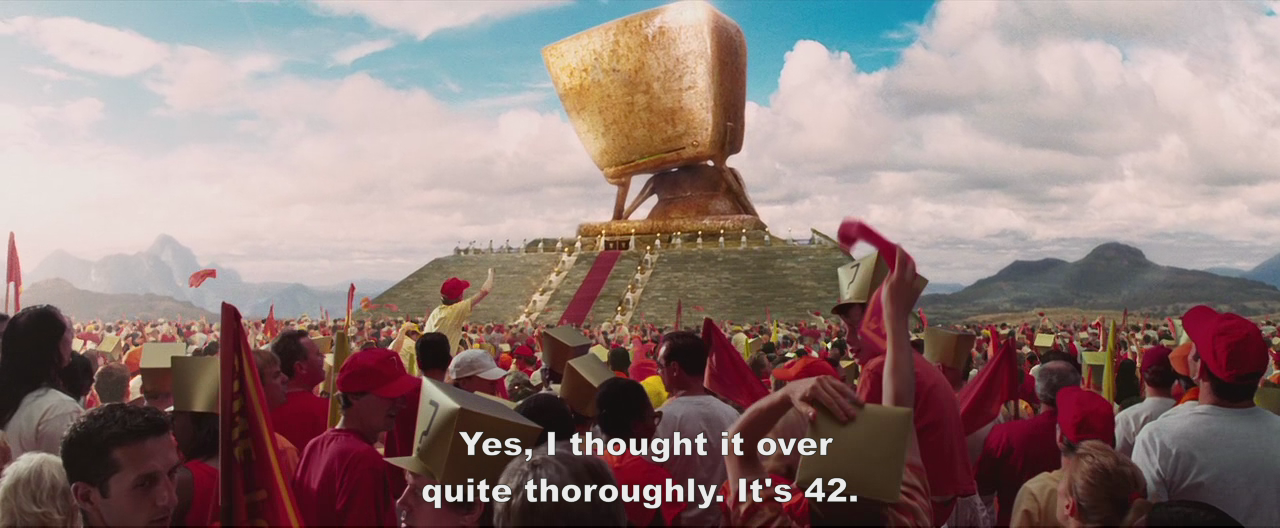
Douglas Adams’ The Hitchhiker’s Guide to the Galaxy asked “What is the answer to life, the universe and everything?” To communicate effectively, scientists should simply ask “So what?”{credit}By IllusionConscious [CC BY-SA 3.0 (https://creativecommons.org/licenses/by-sa/3.0)], from Wikimedia Commons {/credit}

Continue reading

A term at the museum

Volunteering in a museum can be a great platform to expand communication skills and apply scientific knowledge, says Andy Tay

Earlier last year, I attended the Week of International Scientific Talent in Paris, and found that museums can be excellent platforms for scientists eager to apply scientific knowledge outside of their labs. Curious to learn more about this avenue of science communication, I was pleasantly surprised to discover that there is growing interest in applying scientific concepts to museum settings.
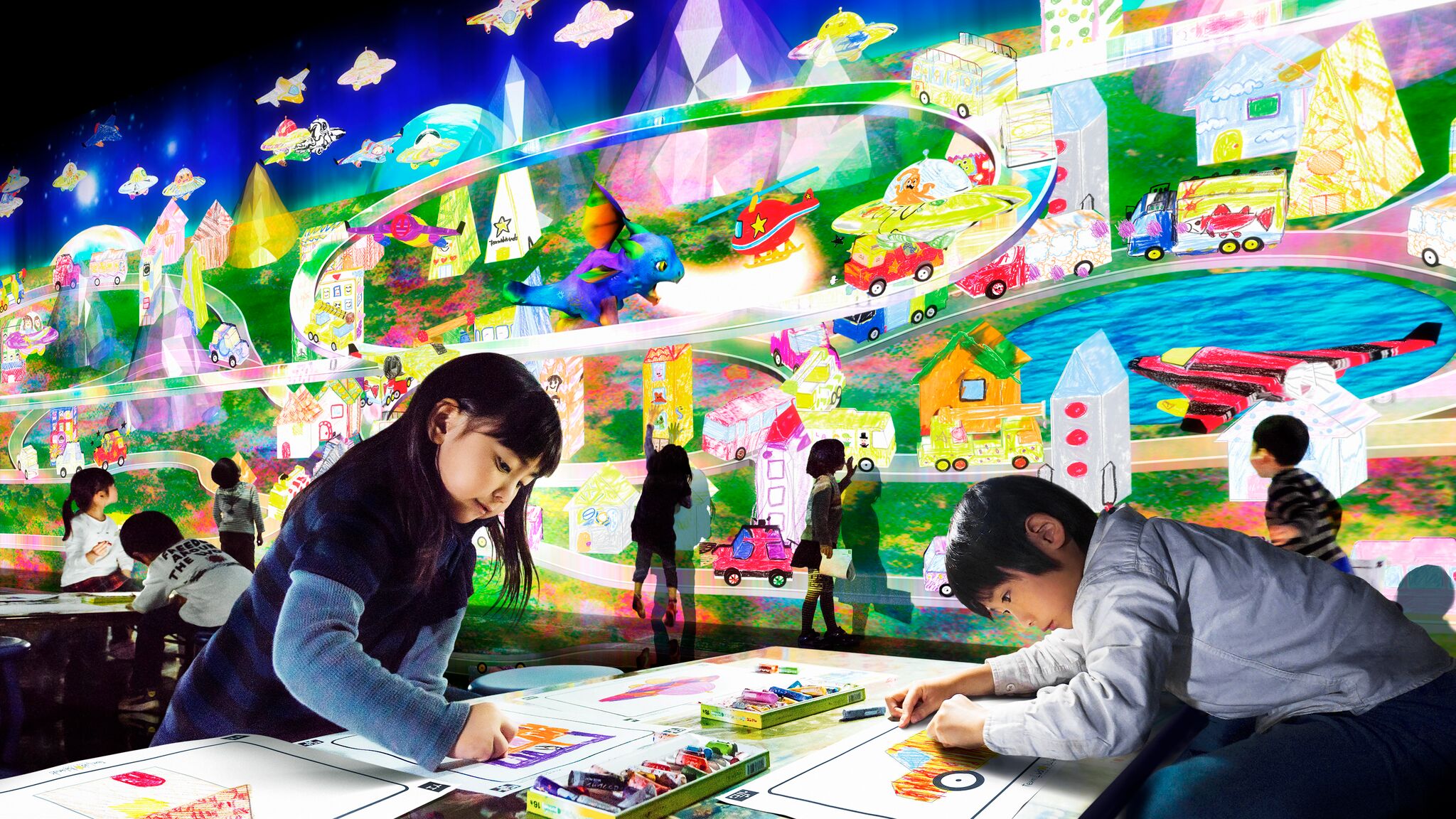
Sketch Town

Sketch Town; one of the exhibits at MAAS Sydney {credit}Reproduced courtesy of teamLab{credit}

One example that has captured wide attention is the use of fragrance in the Peabody Essex Museum (mentioned by Nature here) to provide visitors with a multi-sensory (including sight, hearing, touch and smell) museum experience. Nature also recently ran a feature on scientists-turned-curators. One step led to the other and soon, I found myself applying for and receiving the Visiting Research Fellowship by the Museum of Applied Arts and Sciences (MAAS Sydney), in Australia.

Link between science and museum

At MAAS, my research focused on the exhibit ‘teamLab Future Park’, which used various stimuli such as lights, sound and touch to stimulate the senses of visitors. Capitalizing on this, I investigated how concepts in sensory neuroscience can be applied to improve visitors’ experience. In my research, I explored the idea of homeostasis (whether excessive sensory stimuli diminish the value of a museum experience) and adaptation (whether visitors get bored of interacting with exhibits in the same way). Beyond my research findings, I developed some useful communication tips that might be helpful to other scientists in their own outreach.

Consider others’ attention span

I’ve been involved in science communication for some time now, but this was the first opportunity to work face-to-face with people. With writing and other communication work, I’ve had the time to prepare everything meticulously. Not this time, especially because Future Park — by design — has a whole lot of distractions. I was forced into trying to engage children who were busy playing in the exhibits, and trying to engage adults who were concerned about the whereabouts and safety of their children. This trained me to speak quickly and clearly — and learn where I needed to improve. Considering others’ attention span is crucial.

Integrate different tools to help you communicate

During my fellowship, I explored the concept of adaptation — whether museum visitors would be bored interacting with museum exhibits in the same way. The most popular exhibits were all identical in terms of how visitors used them — in each, we asked people to color a drawing, scan it, and take a look at a 3D representation of their work. Cool for the first time you see it, but perhaps less novel the time after.

The majority (70%) of the respondents felt that Future Park was highly engaging but about 20% of the respondents suggested that their experience would be better had there been more variety in the activities.

This finding was a surprise to me — most of the visitors were there for the first time and already felt that there could be more varied activities. This finding confirmed my belief that there is value in diversifying the ways I communicate science in writing, drawing, infographics and videos. It also reminded me that it helps to integrate different tools into my presentations to engage my audience. In the past, I’ve shown my audience bits and pieces from my research lab during presentations, for example.

In a few weeks’ time, I will be volunteering in a community college with an infographic on my current research project. The museum experience has inspired me to develop ideas to incorporate hands-on interactions to help students learn about my research.
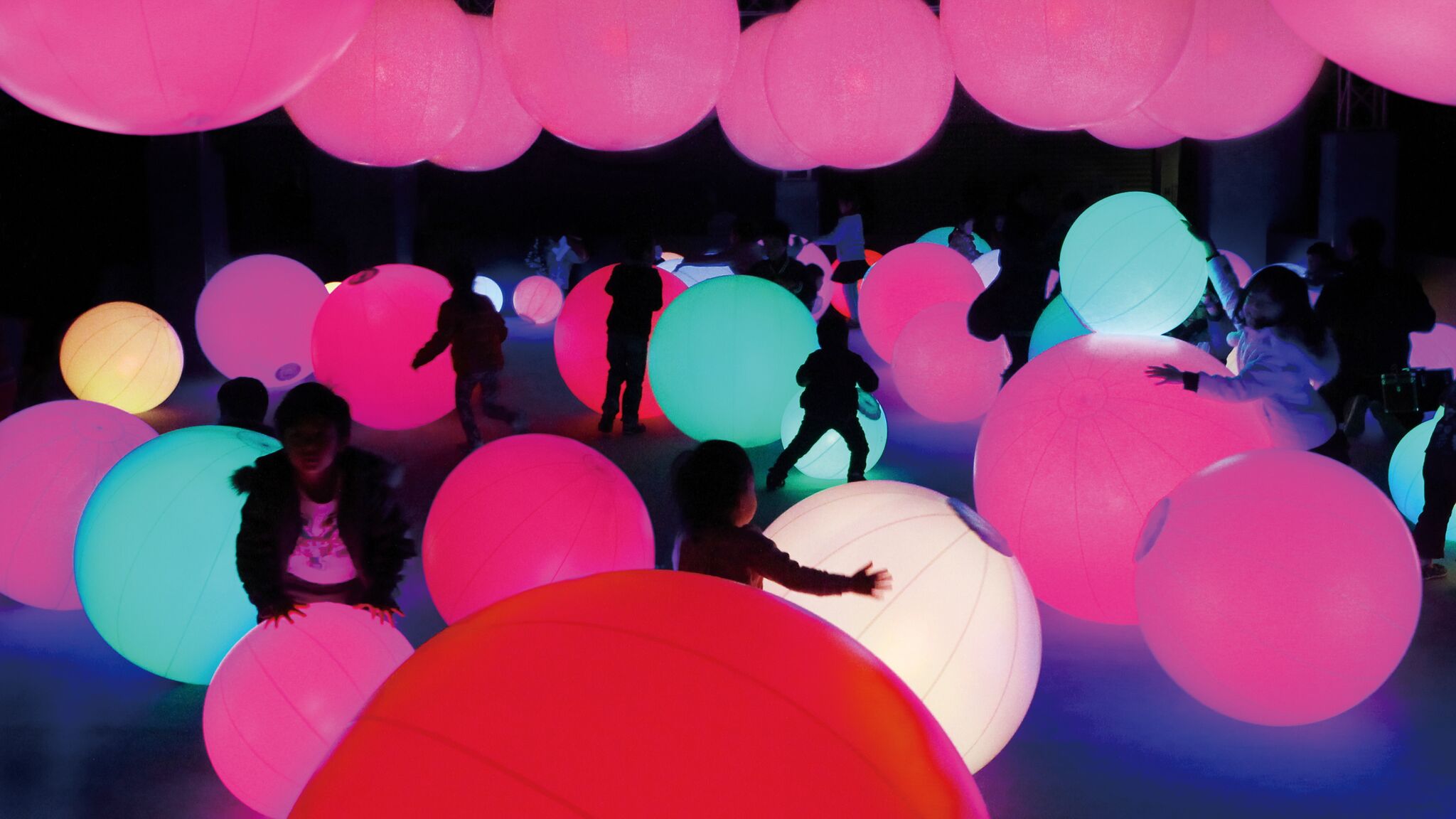
Light Ball Orchestra; another exhibit

Light Ball Orchestra; another exhibit{credit}Photo: Leïla Berney. Reproduced courtesy of the Museum of Applied Arts and Sciences.{/credit}

Museum work

If you’re interested in museum work, there are a variety of internship and fellowship opportunities. The Smithsonian Institute offers a range of fellowships for scholars with different expertise including genomics, medicine and chemistry. The National University of Singapore Museum offers internship positions for students interested in programming, marketing and design. Universcience Paris (Cité des sciences), the largest European science museum, also offers ad-hoc positions.

As many museums operate on a tight budget, they might not be able to offer any stipends for internships. If you are truly curious about this industry, I would advise you to find a museum near your city to gain working experience first. Even if the museum might not explicitly advertise any opening, it doesn’t hurt to email a museum representative and the specific curator for volunteering opportunities. This exposure will come in handy when you apply for fellowships to work in larger, better equipped museums in the future.


Andy is a postdoctoral scholar in the Department of Materials Sciences and Engineering at Stanford University.Andy_Tay

His research focuses on nanotechnology and stem cell differentiation. In his free time, Andy enjoys using the gym and reading.

Andy is grateful for financial support from Endeavour Research Fellowship during his stay in Sydney and MAAS for hosting his research project and providing the images in this article.

You can find Andy on LinkedIn and Google Scholar.


Suggested posts

How to reach out

Exploring science communication

Dear Dr. Elena: How outreach kills the science stereotype

March for Science 2018 gears up

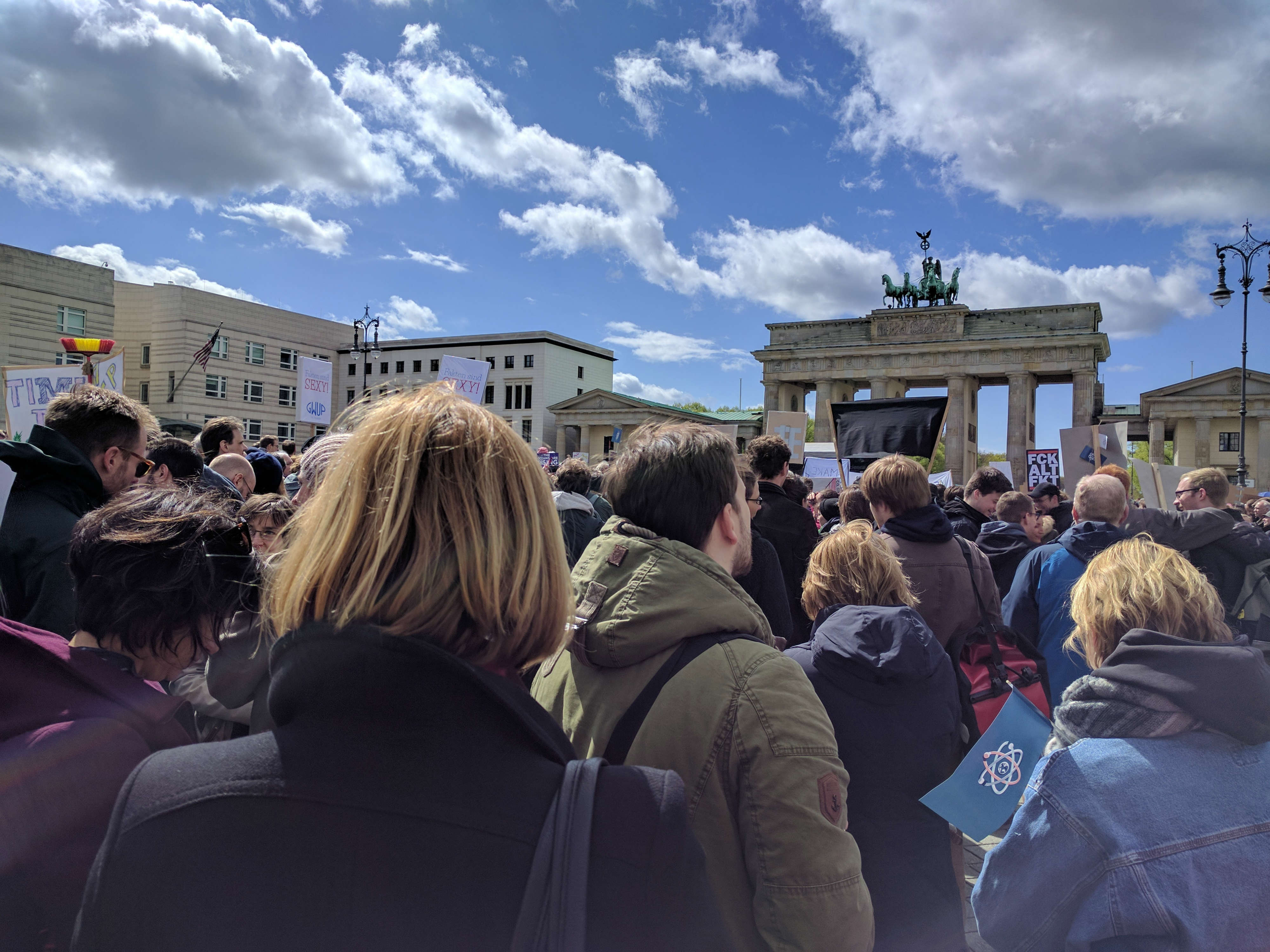
Organisers of the second annual March for Science , scheduled for 14 April in Washington DC, are hoping to recapture the energy and enthusiasm that prompted more than 1 million researchers and others to march together last year across 600 cities around the world in support of evidence-based policy and upholding science for the greater good.

MarchforScience-Judith-2-smaller

Caroline Weinberg, an organizer for the upcoming march in Washington DC, expects smaller crowds than last year, although she admits her prediction may again be off the mark. “Last we expected 40,000 people, and we got around 100,000,” she says. She adds that most of the marchers in the nation’s capital city were concerned citizens, not practicing researchers.

In Washington DC and elsewhere, organisers envision events with fewer marchers, placards and chants but more advocacy-related activities. Weinberg and others aim to offer hands-on projects for those taking to the streets in Washington DC. In Berlin, Germany, organisers are planning a “local hero” programme where scientists will give public talks at bars, cafes and other venues. March-related activities in Portland, Oregon, will include speeches by local politicians and a science expo with at least 30 presenters, including a juggler who demonstrates the principles of physics.

The election and inauguration of Donald Trump for US president helped to spur marchers last year, and Weinberg says that she suspects that some scientists this year may be motivated to speak out against Trump’s recent budget proposal, which called for drastic cuts to the US Centers for Disease Control and Prevention spending plan . But she adds that the march and other forms of science activism shouldn’t depend on crises to draw interest and participation. “Our challenge is to build up a huge crowd and send a message that galvanizes everyone but to also make it sustainable,” she says. “We can’t allow our advocacy to be tethered to those moments.”

Roughly 15,000 people attended last year’s march in Portland, but that kind of enthusiasm will be hard to replicate, says Denesa Oberbeck, a behavioral neuroscientist at the Oregon Health & Science University in Portland and a member of the steering committee for this year’s march. “There’s some fatigue and some burnout, but we need to keep fighting,” she says. “We have to maintain an activist stance.”

Kristine Wadosky, a cancer researcher at Roswell Park Cancer Institute in Buffalo, New York, marched in Washington DC last year carrying a sign that read “Curing cancer is non-partisan.”  This year, she plans to join the march in Chicago, Illinois, where she will give a talk on advanced prostate cancer for the annual meeting of the American Association for Cancer Research. She says that she’s just as energized about science advocacy as ever before, and she thinks that many other young scientists feel the same way.

This time, Wadosky says, she won’t need a sign to send her message, which isn’t especially complicated. “I just want to go to show that I’m a scientists, and I exist,” she says.


Chris Woolston is a freelance writer in Billings, Montana.


Suggested reading:

Growing pains
In support of the March
Reflections on a movement

Fake snot, bogus blood, no jokes: Science communication to kids made simple

Sarah Barnes

Sarah Barnes addressing the Academy of Medical Sciences winter meeting in London

Do you hanker for the opportunity to talk to schoolchildren about your research? If so, Sarah Barnes, public engagement manager at Queen Mary University of London, has some advice. David Payne reports.

The Centre of the Cell in London’s East End is the world’s first science education centre to be housed in an operating biomedical research facility, an embryo-shaped pod suspended high above the Blizard Institute’s labs, part of Queen Mary University of London (QMUL). It is accessed via a bridge and offers children the chance to see scientists at work, watch videos projected onto the pod’s ceiling, and play games aimed at triggering their interest in cell biology and medical research. Continue reading

Why scientists should communicate science – getting to the heart of the matter

Communicating science effectively needs more than facts, says Eileen Parkes.

communication

{credit}iStockphoto/Thinkstock{/credit}

Continue reading

Of message and meaning

London Career Expo 2017Jiska van der Reest encountered a heady mix of meme-mastery and compelling honesty at the Naturejobs Career Expo. But there was a simple underlying message: scientific success is about effective communication.

For me, the Naturejobs Career Expo in London was a happy mix of career development advice, networking, aspirational talks, and a bird’s-eye view of the various opportunities that exist for scientists in a variety of fields. With so much going on, I was surprised to walk away with what seems to be a very simple realisation: that the main skill that will make the difference between being a good scientist and having a successful scientific career is your ability to effectively communicate. Continue reading

Running blind: Raising awareness of visual impairment

DI2kum-UMAES91w

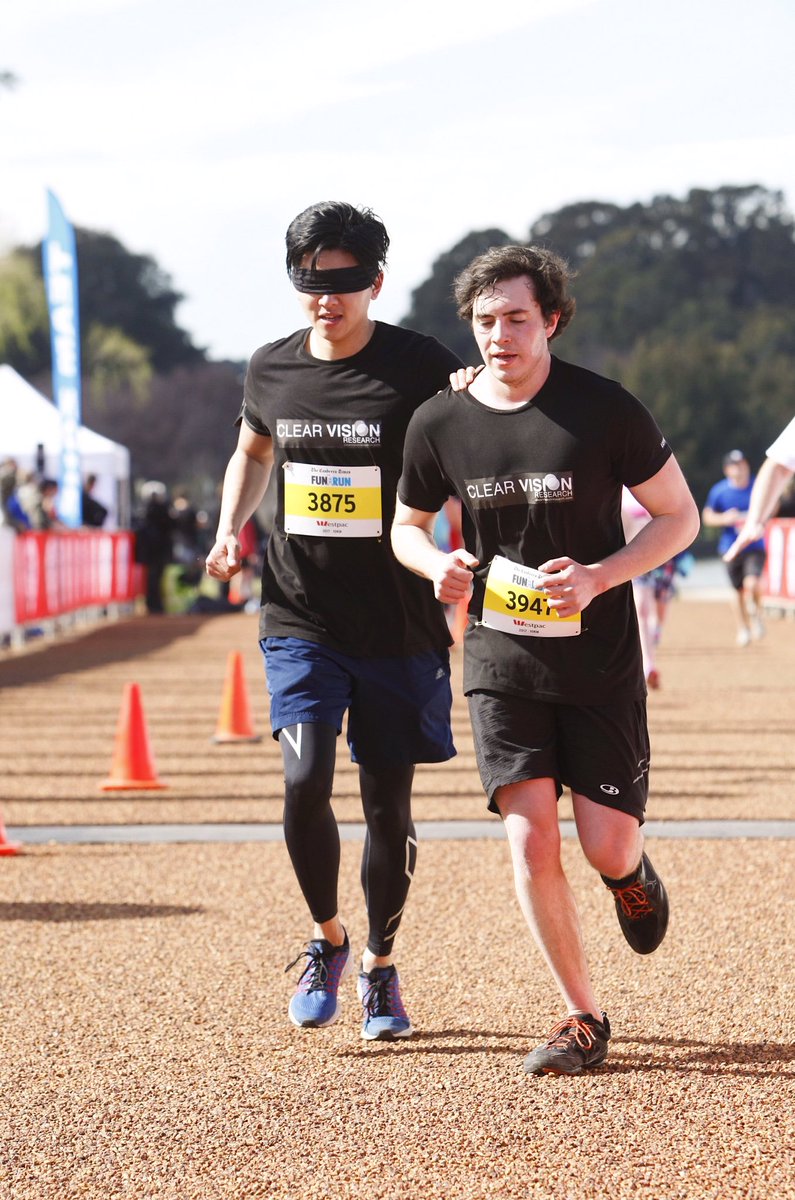
Science communication comes in many shapes and sizes, but running blindfolded for 10km is a novel way of raising awareness of your research area.

PhD student and vision researcher Joshua Chu Tan wanted to highlight  what life is like for people living with visual impairment (and raise funds to support research at the same time). He describes the experience as was one of the most challenging things he’s ever done.

Continue reading