African astronomy and how one student broke into the field

Africa is investing in a future of astronomy research, but students need access to inspirational lecturers, says Gina Maffey.
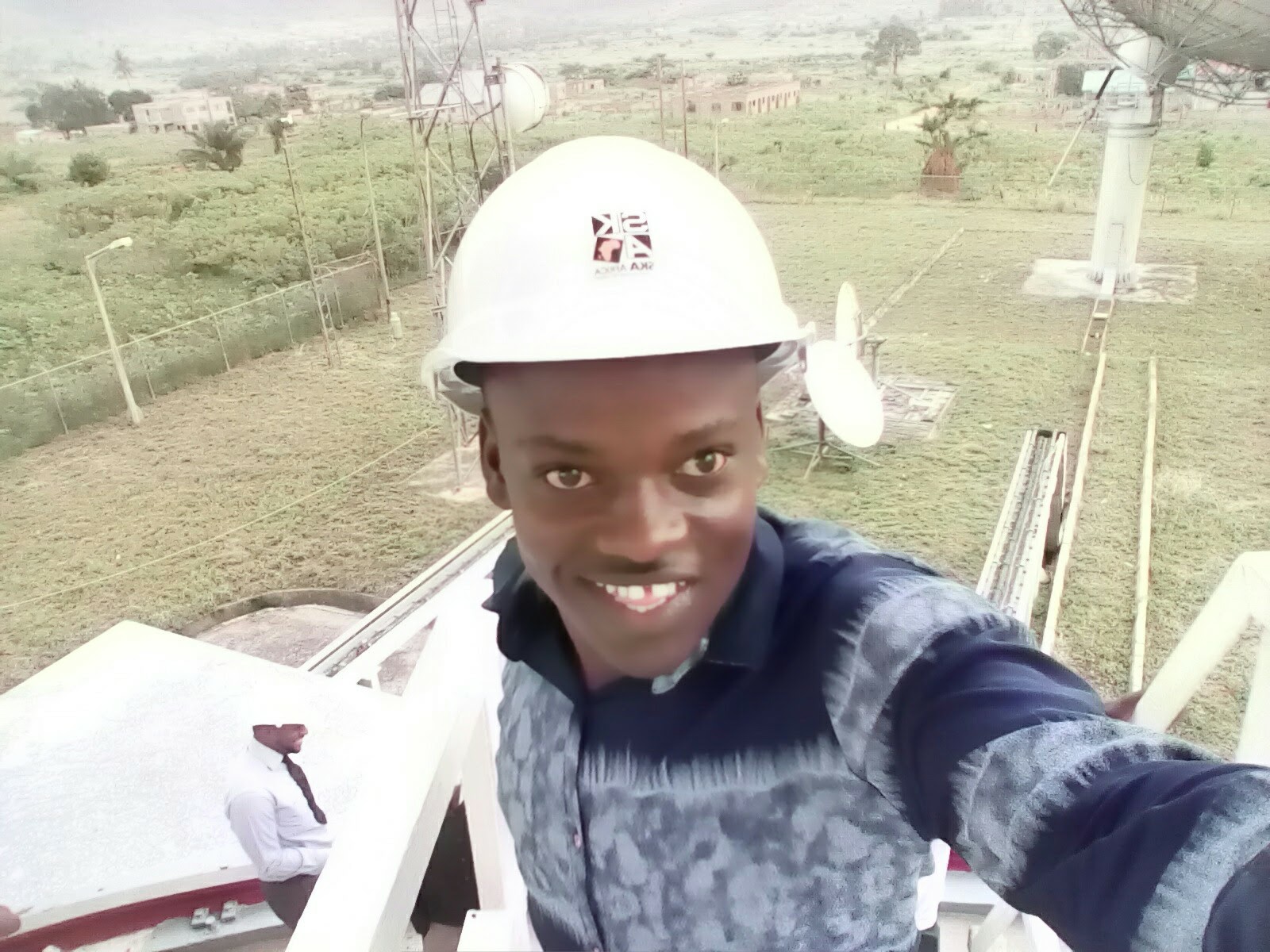
Mutie at the Ghana Radio Astronomy Observatory (GRAO) at Kuntuse, Ghana

Isaac Mumo Mutie

What do you do when the degree you want to study is not offered by your university?

You study it anyway.

“I did a lot of personal research online, looking for answers” says Isaac Mumo Mutie, an astronomy student who studied at the Technical University of Kenya. While studying for a Bachelor of Technology in Technical and Applied Physics, Professor Paul Baki introduced Mutie to astronomy, and Mutie would consult with him in his spare time.

“He would ask me ‘why are you interested? This is not part of the curriculum.’ But I insisted.” Continue reading
A student shaping the future of African astronomy

Africa is investing in a future for astronomy research, but it requires a fresh cohort of enthusiastic people to make it happen. Gina Maffey talks to one dedicated scientist.

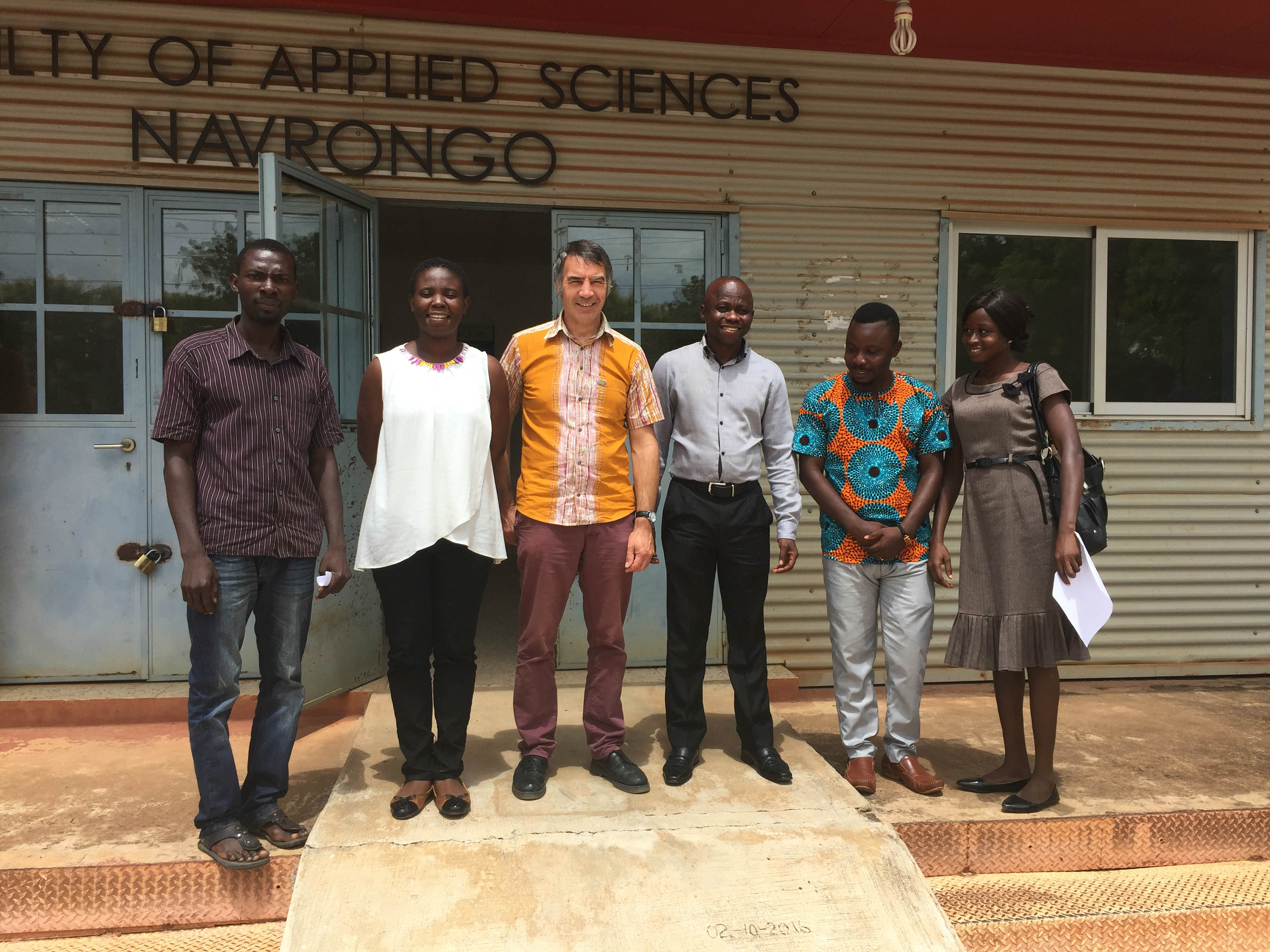
Asabre Frimpong (second from the left) and Prof-smaller

“I want to see Africa lit up.” Naomi Asabre Frimpong says with a laugh, “I want to show how Africa can be forward thinking. I want to make sure that we are not left behind.”

Asabre Frimpong is a 2nd year PhD student at the University of Manchester, in the UK, and her enthusiasm — for both astronomy and science in general — is infectious.

She says she was attracted to science through chemistry, and studied for a BSc and MPhil in Ghana. A post at the Ghana Space Science and Technology Centre introduced her to astronomy and shortly afterwards, on an astronomy and astrophysics training scheme in India, her worlds collided as she discovered astro-chemistry – the study of chemical reactions in space Continue reading

How colleagues can influence career decisions

We like to think that our career decisions are made by us, rather than by somebody else. But what if the people around us influence the decisions we make, asks Jessica Gorrill.

Naturejobs colleagues

{credit}Paul Young{/credit}


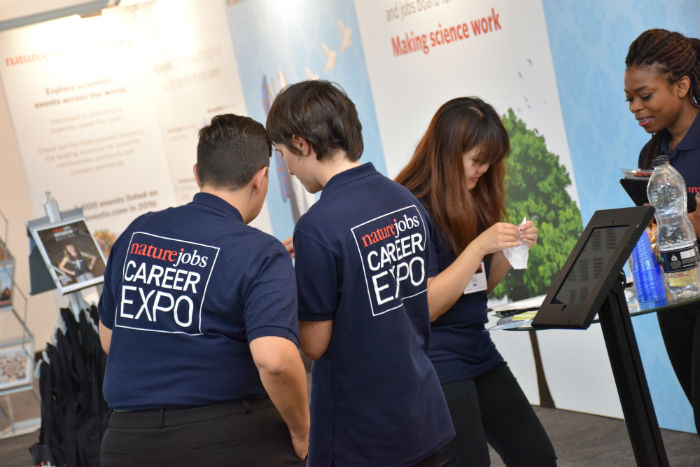
A recurring theme from the recent Naturejobs Career Expo 2017 was the importance of interpersonal relationships and how these can shape the course of our careers.  Continue reading

Researcher mobility in a post-Brexit world

flag-of-the-united-kingdom-smaller

Existing UK immigration rules can support foreign-born researcher movement after Brexit, but the attractiveness of the UK research environment may still keep the best and brightest away, says Erica Brockmeier

Whether you’re relocating around the block, across town, or to a completely new city, moving is not a trivial task. For many PhD students and early career researchers, moving to a new research group can play a key role in professional development. It’s a way to gain new perspectives for your research, expand your professional network, and to work in a prestigious or well-known group in your field. Sometimes the best move for your career isn’t just across towns or cities, but is one that involves moving away from your home country, either temporarily or permanently.

Continue reading

Employment rights in post-Brexit Britain

As the UK prepares to trigger Article 50, signalling its departure from the EU, opponents of Brexit worry that that employment rights will be eroded and the UK will become a less welcoming place, particularly for LGBT people.

sciencebrexit

A placard waved at the anti-Brexit demonstration, held in London on March 25 2017.

“Rule Britannia, Britannia rules the waves, First we’ll kick the Poles out, Then we’ll get the gays.”

Liberal democrat peer Liz Barker reminded a business summit on LGBT rights last week that the above chant was heard in London the day after the EU referendum in June 2016, and that in the three months following there was a 147% increase in reported homophobic crimes.

“Among the very many half-truths bandied about during the [referendum] campaign, the idea that the EU played very little or no parts in gaining rights in this country was most egregious,” she told The Economist’s Pride and Prejudice event, held in London, Hong Kong and New York on 23 March. Continue reading

From start-ups to big pharma – how to get into industry

Early career researchers are increasingly faced with the prospect of leaving academia, but is industry the right career move for you?

Naturejobs journalism competition winner Rachel Harris reports.

It can become easy to believe that skills developed during a PhD are suited only to academia, so it’s always refreshing to learn about the value of doctoral training in other settings. I went to the Naturejobs Career Expo London 2016 to see what else I could use my skills for.

RachelHarris

Rachel Harris

Continue reading

The way to success in science

Young people working in any variant of science face many challenges. However, some tips can increase your chances of success, says Naturejobs journalism competition winner Sofia Otero

A degree in science is just one stepping stone on a long path with varied exits, curves and about-turns. Choosing wisely is not always an easy task, but there’s no right way to success: there’s a whole lot out there to choose from.

pathway-1081989_1920

At the London Naturejobs career expo on September 16th, there was a lot of talk on how to succeed in science, and an interview with the editor-in-chief of Nature, Sir Philip Campbell. Some tips came up repeatedly and are worth listing. Continue reading

Tracking down the holy grail of academia

Connections and research proposal that complements a department are essential in obtaining a tenure-track faculty position, Louisa Cockbill learns from Kate Smith.

Having been awarded a faculty position at the University of Colorado, newly minted assistant professor Kate Smith is preparing to move from to the US from the UK. Here, she describes her experience of tenure interviews, how to maintain a passion for research and, crucially, how to find the elusive off-switch from science.

running a Growth

Having done a PhD, I know the pressures of academic research and how crucial it is for early career researchers to gain advice and encouragement from the success stories of others, like Kate. I caught up with her to see what advice she would give to others curious about the tenure track.

Continue reading

The talent prize that flies the Spanish flag for organometallic chemistry

In 2016 Eva Hevia published her 100th paper, had her second child, celebrated her 40th birthday, and won a £14k prize which she will use to strengthen links between scientists in the UK and her native Spain. David Payne attended the prizegiving.

Hevia, professor of inorganic chemisty at the University of Strathclyde, Glasgow, described herself as a “molecular architect” after receiving the Society of Spanish Researchers in the UK’s inaugural Emerging Talent Award at the Spanish Embassy in London this week.

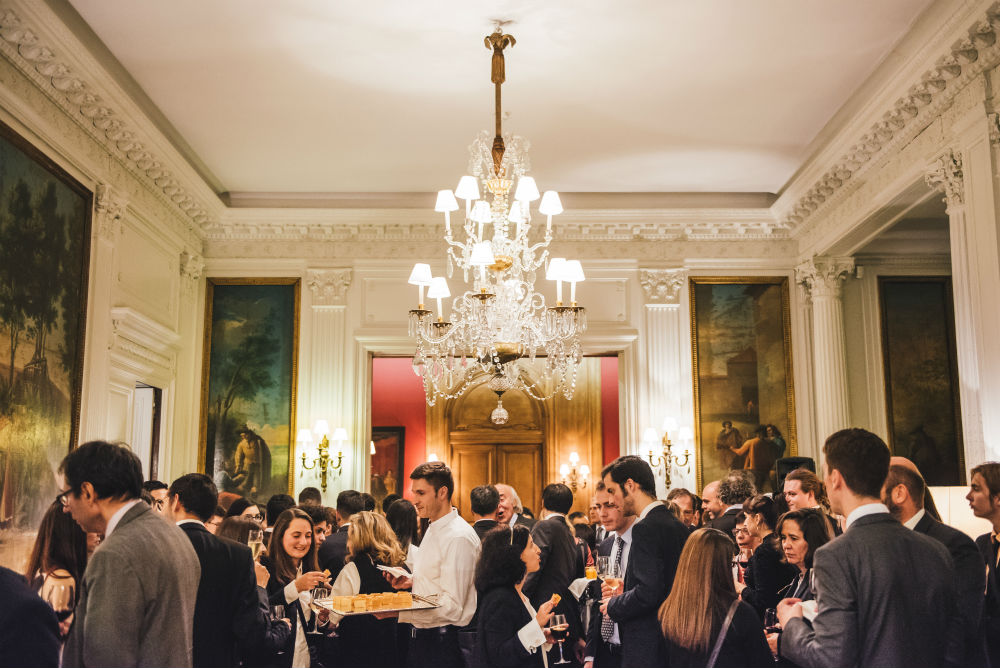
embassy

Continue reading