Researcher mobility in a post-Brexit world

flag-of-the-united-kingdom-smaller

Existing UK immigration rules can support foreign-born researcher movement after Brexit, but the attractiveness of the UK research environment may still keep the best and brightest away, says Erica Brockmeier

Whether you’re relocating around the block, across town, or to a completely new city, moving is not a trivial task. For many PhD students and early career researchers, moving to a new research group can play a key role in professional development. It’s a way to gain new perspectives for your research, expand your professional network, and to work in a prestigious or well-known group in your field. Sometimes the best move for your career isn’t just across towns or cities, but is one that involves moving away from your home country, either temporarily or permanently.

Continue reading

#scidata16: Boost research and avoid embarrassing retractions by working openly and reproducibly

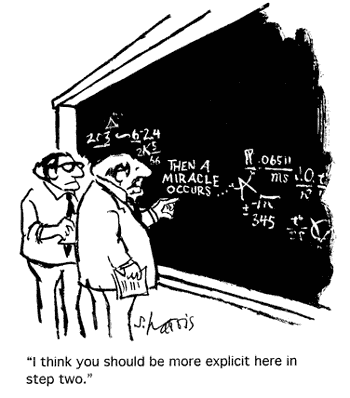
Experiments fail to be reproduced, research data from others is hard to come by, and steps between data and figure are described as ‘here, a miracle happens’.

Speakers at the Publishing Better Science through Better Data (#scidata16) conference addressed these issues and more.

Publishing Better Science through Better Data journalism competition winner Réka Nagy.

Most research happens behind closed doors, and the results can only be gleaned once they’ve been published. The raw data that lead to results, however, are rarely made public, and the steps taken to get from data to figures in a publication is not always clear, which has led to the reproducibility crisis currently facing research. It’s clear that something needs to be done to address this, and the ever-inventive collective mind of science is finding inventive solutions.

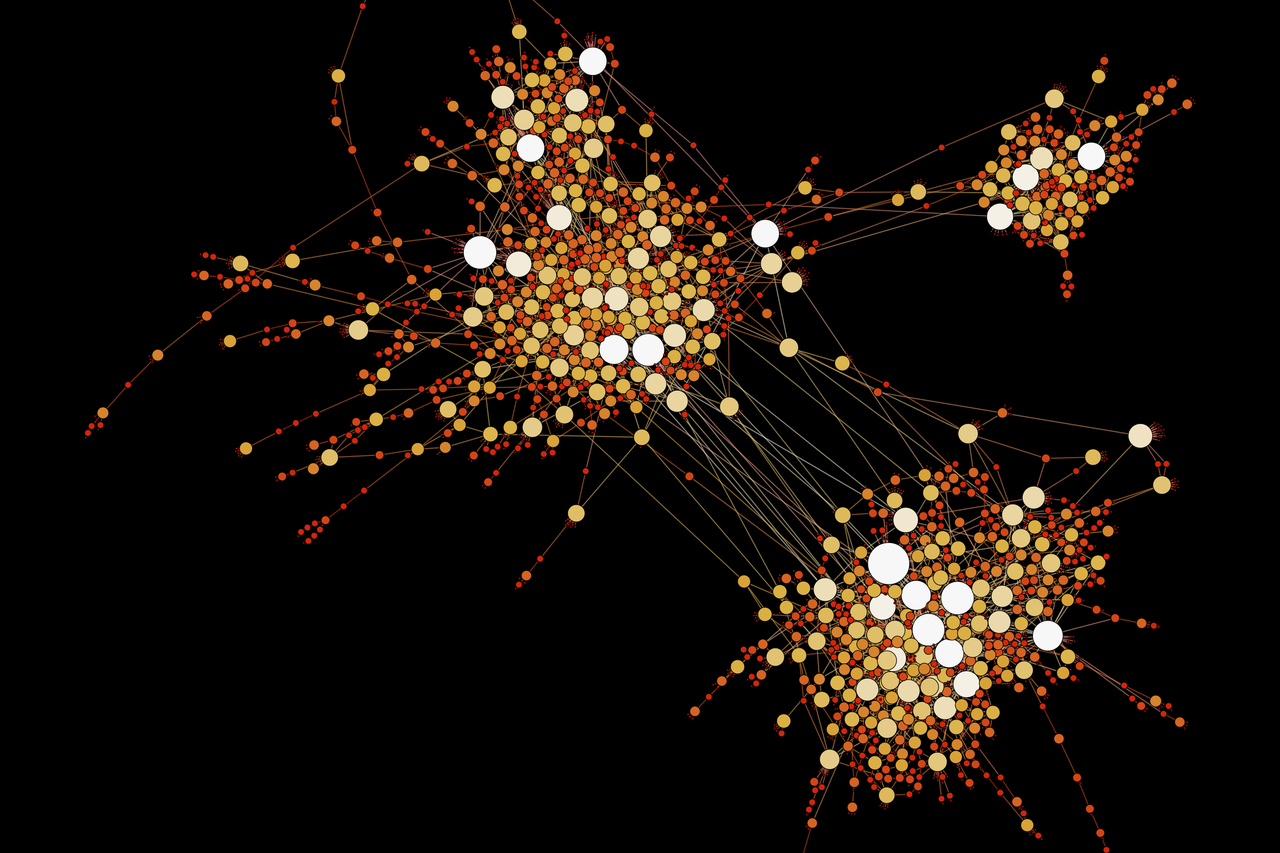
Network_Visualization

The steps taken to get from data to figures in a publication is not always clear {credit}SlvrKy/Wikimedia Commons CC-BY-SA-4.0 {/credit}

Continue reading

Working from home does not make you a slacker

Who are you calling slack?{credit}Getty/Thinkstock{/credit}

Contrary to popular opinion, people who work from home are not slacking off. In fact, those who work part of the time from home end up working between five and seven hours longer than their peers in the office, according to a study of over 60,000 people in the US.

Mary Noonan, from the University of Iowa, and Jennifer Glass from the University of Texas at Austin, analysed data from two US data sources — the National Longitudinal Survey of Youth 1979 panel and special supplements from the U.S. Census Bureau’s Current Population Survey, a monthly survey of about 50,000 respondents of which the team took samples from 1998, 2002 and 2004. The study was published earlier this year in Monthly Labour Review

The findings challenge the idea that working from home is a good solution for those employees needing a better work-life balance or with care-giving responsibilities, suggest the authors. They also challenge the idea that those who work from home are not working as hard as their colleagues in the office.

The authors also speculate as to whether employers take advantage of people working from home, and the resulting longer hours, to increase demands on them. Further studies should look at whether or not those people started working longer hours after they started working from home, they say.

In many workplaces, there is much stigma attached to home-working, and some people may feel pressurised into working longer hours to prove that they are still doing invaluable work. Of course, having the flexibility to work from home is often an essential benefit, but It can also be hard to switch off at the end of the day, when you aren’t physically leaving the office – which might also account for extra hours.

If you are considering working from home, or are struggling to get the balance right, here’s our advice on how to get things done without adding extra pressure: Continue reading