How product management could be a route out of academia for PhDs and postdocs

This job makes great use of a scientific skill set and is criminally underrated, says Issa Moody.

Let’s face it. Job prospects for PhD candidates and postdoctoral scientists are dismal. In 2012, a study on the biomedical research workforce, conducted by the National Institutes of Health and pictorialized by the American Society for Cell Biology, showed that there is a significant number of biology PhDs in the US who have resorted to doing non-science jobs. Those who stay in science face financial penalties: one 2017 Nature Biotechnology study  demonstrated postdocs, on average, forfeit 20% of their earning potential within the first 15 years of completing their PhD program. Continue reading

More to science: working as a Research Funding Manager

This piece was originally published on the BioMed Central blog network, part of Springer Nature.

Pixabay

There’s more to science than being a scientist! Next in our ‘Science > Careers’ series Anne Helme explains more about the path that led to her role as Research Funding Manager at Cancer Research UK.

Science careers are careers that involve science

This piece was originally published on the BioMed Central blog network, part of Springer Nature.

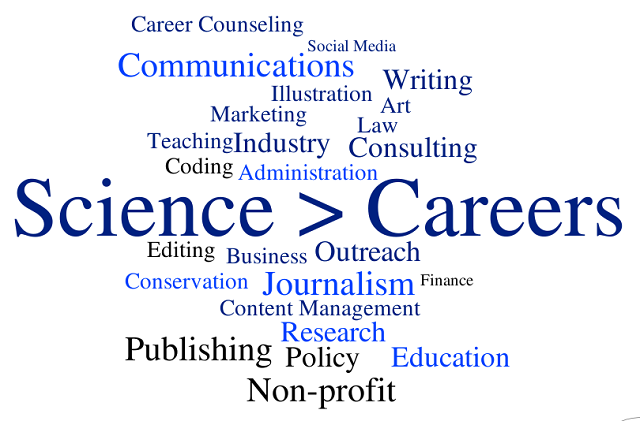
Dana Berry announces the launch of a new series ‘Science > Careers’ putting the spotlight on scientific careers outside of academia. Here she talks about her own experiences and how she hopes the series will inspire others that are searching for something different.
ScienceCareers640c

Dana Berry. Originally published 9 Feb 2016.

During my senior year of high school I decided that I wanted to be a research biologist. From there it was a straight path; I got my bachelor’s degree in biology, while also working in a lab, spent a year at the NIH after graduation, and then started at NYU for a PhD program in biomedicine.

Two years in I decided to leave. Not only was I not happy with what I was doing in the short term, I wasn’t happy with where it would take me. Leaving school with my masters was a difficult decision, and absolutely right for me, but figuring out what to do next was even more difficult.

I still wanted to be involved in science, I still loved biology, but being in a lab just didn’t fit. How do you do science without being a Scientist?

Searching for advice

I sought out as much advice as I could from other students, postdocs, professors, friends of friends, blogs, anyone and everyone. Because I only had research experience on my CV, and I was opting to not continue lab work in any form, I didn’t know what I was looking for, never mind how to find it.

Searching for a job is difficult at the best of times, but when you don’t know what you’re looking for? Seemingly impossible.

On the whole, the job advice I got was either vague or was only helpful in retrospect. Much of it left me more confused about my future than I was before. What exactly are those jobs that are supposedly so plentiful for graduate students? Typing ‘science communication’ into a job search engine gave me search results that were broad, baffling and relatively useless.

Where I work now

By what still seems like sheer luck, I actually found a job that would utilize my experience and involved my interests. For more than a year now I have been working as a Journal Development Editor at BioMed Central, working mainly with microbiology journals.

Seeing as I got my masters in microbiology, it’s been a pretty good fit. Working at a desk, instead of at the bench, has been great. I get to keep up with the latest research, in a much broader context than as a student, attend conferences to meet with our editorial boards and other leading researchers, and work towards improving the lives of researchers and citizens alike.

More than that, and outside of the obvious publishing experience, I’ve gained experience in marketing, science communication, content management and social media. I’ve also come to discover just how vast the world of science is beyond the lab.

So much out there

The web of scientific careers is bigger than most people realize, and definitely bigger than most graduate students see on a regular basis or are even made aware of. Although career training in graduate school is getting better, there’s still an entrenched feeling of two opposing monolithic choices for students: ‘lab research’ or ‘other’.

These two options are not separate, and they’re significantly more than just two categories. Since I started at BioMed Central, I’ve learned about new science jobs nearly every day. Both jobs that I’ve never heard of and jobs that I knew about, but didn’t know that they could revolve around science. I love finding out about these like-minded people, people who love science but aren’t ‘Scientists’.

Using our experience to educate others

I still think back to the difficulties I had looking for a job two years ago, and I wish I could tell the person I was then everything I know now. But since we haven’t invented that technology yet, I am going to share this knowledge with others who are currently going through it.

I am very happy to announce a new series all about careers in science. Previous posts on our network have touched on career exploration, but with this series I want to delve deeper into what these careers truly involve.

Science is not a solitary pursuit, but a team effort, made up of teachers, journalists, policy makers, publishers, as well as researchers. But how does this team work? What do they do and where do they do it?

Starting right here at BioMed Central, our next post will identify and explain four job types in our publishing team, and how the employee’s previous experience lends itself to their current day-to-day tasks.

Beyond that we’ll have in depth interviews with people in science policy, outreach, teaching, communications, art, administration, technology and probably more publishing. We want to explore every nook and cranny of every sector you’ve heard of, those you haven’t, and then some.

danaberry


Dana graduated with a MS in Microbiology from New York University before joining BMC in 2014, where she manages the infectious diseases portfolio.


Suggested posts

Surviving academia as an early career researcher: an unreliable guide

Careers for scientists away from the bench

Adios to academia

From academia to Silicon Valley — and back

pexels-photo-77984-smaller

Although faculty members transition from industry to academia (and vice-versa), it’s rare to go back and forth. How does each setting help a researcher grow, and what skills are critical in both environments? Sam King offers his insight.

Five years ago, I left my tenured position in computer science at the University of Illinois at Urbana-Champaign to push myself intellectually and professionally in industry. During these years, I started a company (Adrenaline Mobility), sold my company to Twitter, worked as a software engineer, managed a two-person team, managed a 25-person organization, battled overseas fraudsters and fake accounts, and led a nine-month project (an eternity in industry) that ended up being the largest growth initiative in the history of Twitter. Continue reading

Entering the Ebola red zone: #ScientistAtWork photo competition 2018

Entering the Ebola red zone

Entering the Ebola red zone{credit}Peter Horby & Rebecca Inglis{/credit}

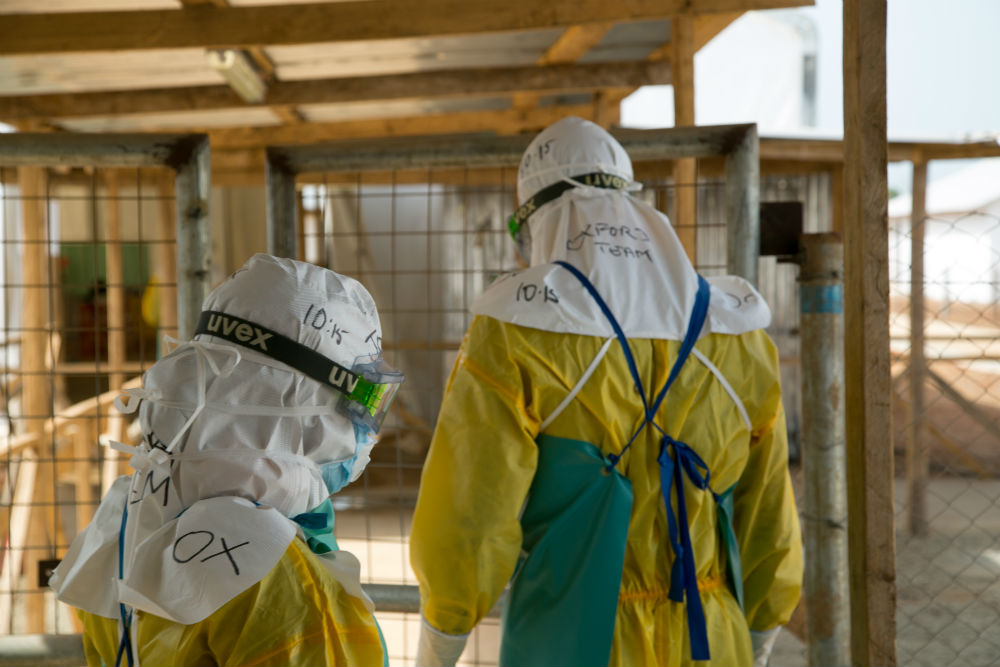
This picture of Tom Rawlinson and Josephine Borbor, researchers in Peter Horby’s infection diseases research group at the University of Oxford, UK, was taken in Sierra Leona at the height of the West Africa Ebola outbreak. Taken by Rebecca Inglis (a member of Horby’s group at the time), it was submitted to Naturejobs as part of the 2018 #ScientistAtWork photo competition, which runs until 31 March.

Read more about the competition here.

Continue reading

A term at the museum

Volunteering in a museum can be a great platform to expand communication skills and apply scientific knowledge, says Andy Tay

Earlier last year, I attended the Week of International Scientific Talent in Paris, and found that museums can be excellent platforms for scientists eager to apply scientific knowledge outside of their labs. Curious to learn more about this avenue of science communication, I was pleasantly surprised to discover that there is growing interest in applying scientific concepts to museum settings.

Sketch Town

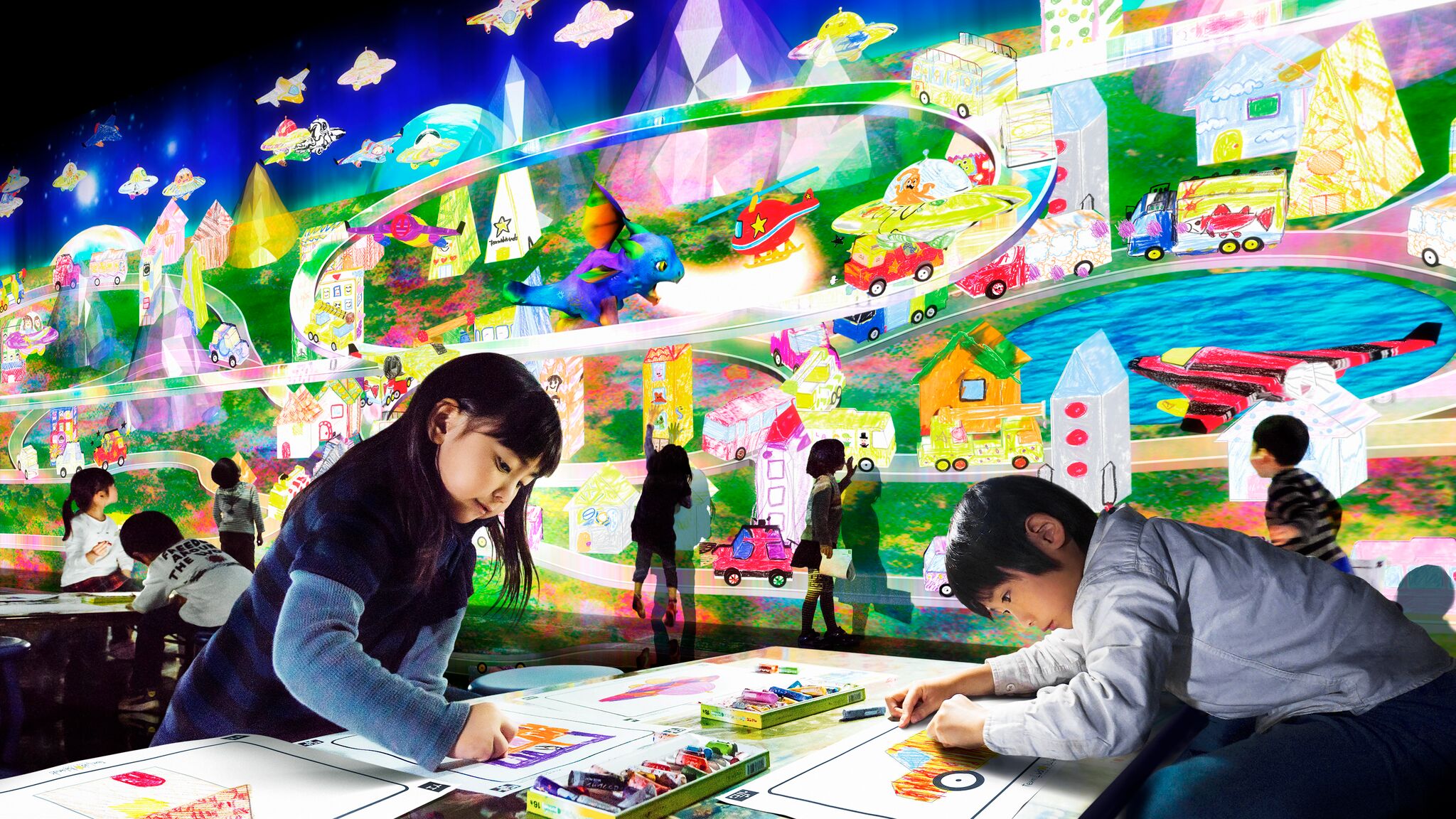
Sketch Town; one of the exhibits at MAAS Sydney {credit}Reproduced courtesy of teamLab{credit}

One example that has captured wide attention is the use of fragrance in the Peabody Essex Museum (mentioned by Nature here) to provide visitors with a multi-sensory (including sight, hearing, touch and smell) museum experience. Nature also recently ran a feature on scientists-turned-curators. One step led to the other and soon, I found myself applying for and receiving the Visiting Research Fellowship by the Museum of Applied Arts and Sciences (MAAS Sydney), in Australia.

Link between science and museum

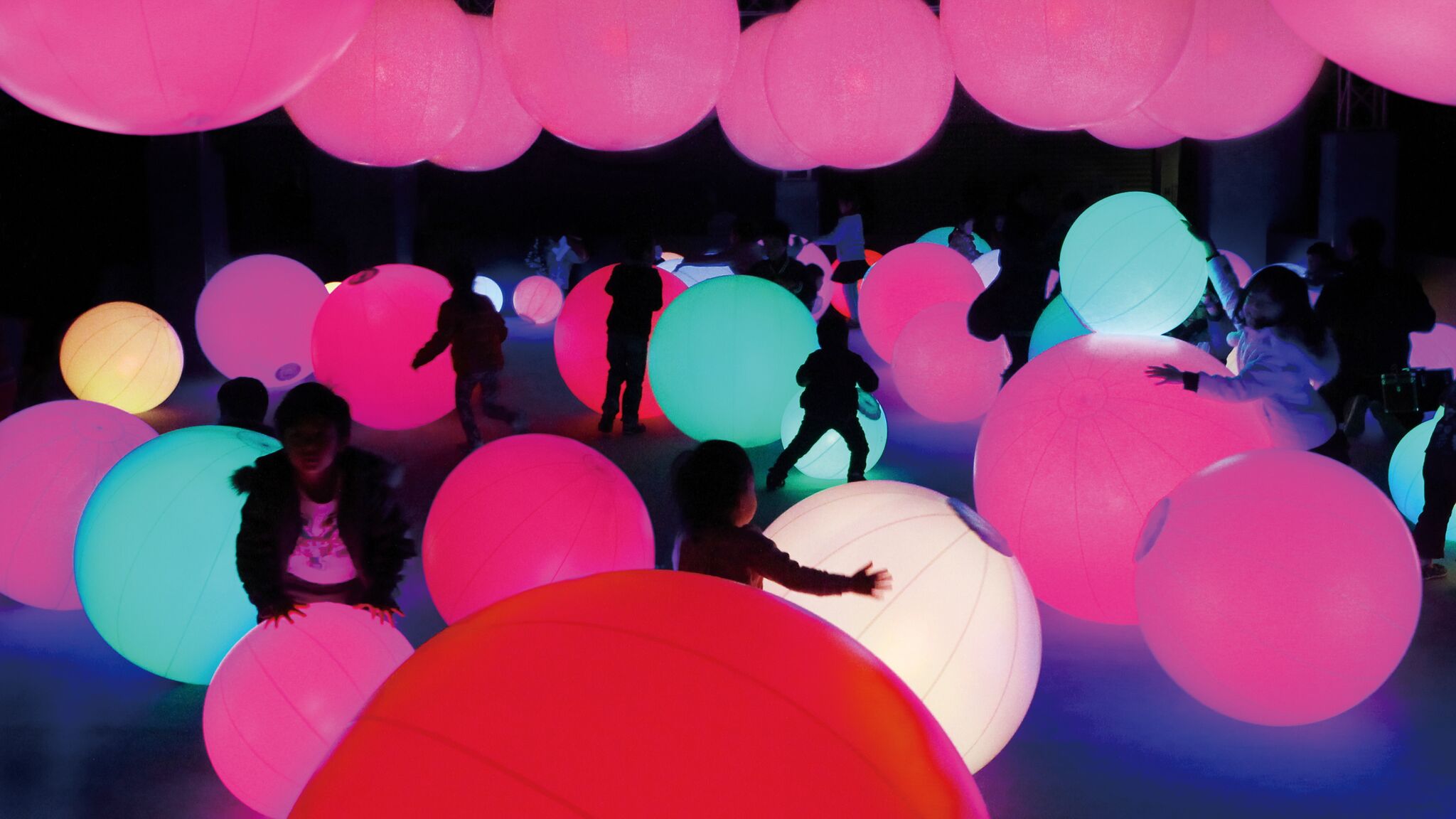
At MAAS, my research focused on the exhibit ‘teamLab Future Park’, which used various stimuli such as lights, sound and touch to stimulate the senses of visitors. Capitalizing on this, I investigated how concepts in sensory neuroscience can be applied to improve visitors’ experience. In my research, I explored the idea of homeostasis (whether excessive sensory stimuli diminish the value of a museum experience) and adaptation (whether visitors get bored of interacting with exhibits in the same way). Beyond my research findings, I developed some useful communication tips that might be helpful to other scientists in their own outreach.

Consider others’ attention span

I’ve been involved in science communication for some time now, but this was the first opportunity to work face-to-face with people. With writing and other communication work, I’ve had the time to prepare everything meticulously. Not this time, especially because Future Park — by design — has a whole lot of distractions. I was forced into trying to engage children who were busy playing in the exhibits, and trying to engage adults who were concerned about the whereabouts and safety of their children. This trained me to speak quickly and clearly — and learn where I needed to improve. Considering others’ attention span is crucial.

Integrate different tools to help you communicate

During my fellowship, I explored the concept of adaptation — whether museum visitors would be bored interacting with museum exhibits in the same way. The most popular exhibits were all identical in terms of how visitors used them — in each, we asked people to color a drawing, scan it, and take a look at a 3D representation of their work. Cool for the first time you see it, but perhaps less novel the time after.

The majority (70%) of the respondents felt that Future Park was highly engaging but about 20% of the respondents suggested that their experience would be better had there been more variety in the activities.

This finding was a surprise to me — most of the visitors were there for the first time and already felt that there could be more varied activities. This finding confirmed my belief that there is value in diversifying the ways I communicate science in writing, drawing, infographics and videos. It also reminded me that it helps to integrate different tools into my presentations to engage my audience. In the past, I’ve shown my audience bits and pieces from my research lab during presentations, for example.

In a few weeks’ time, I will be volunteering in a community college with an infographic on my current research project. The museum experience has inspired me to develop ideas to incorporate hands-on interactions to help students learn about my research.

Light Ball Orchestra; another exhibit

Light Ball Orchestra; another exhibit{credit}Photo: Leïla Berney. Reproduced courtesy of the Museum of Applied Arts and Sciences.{/credit}

Museum work

If you’re interested in museum work, there are a variety of internship and fellowship opportunities. The Smithsonian Institute offers a range of fellowships for scholars with different expertise including genomics, medicine and chemistry. The National University of Singapore Museum offers internship positions for students interested in programming, marketing and design. Universcience Paris (Cité des sciences), the largest European science museum, also offers ad-hoc positions.

As many museums operate on a tight budget, they might not be able to offer any stipends for internships. If you are truly curious about this industry, I would advise you to find a museum near your city to gain working experience first. Even if the museum might not explicitly advertise any opening, it doesn’t hurt to email a museum representative and the specific curator for volunteering opportunities. This exposure will come in handy when you apply for fellowships to work in larger, better equipped museums in the future.


Andy is a postdoctoral scholar in the Department of Materials Sciences and Engineering at Stanford University.Andy_Tay

His research focuses on nanotechnology and stem cell differentiation. In his free time, Andy enjoys using the gym and reading.

Andy is grateful for financial support from Endeavour Research Fellowship during his stay in Sydney and MAAS for hosting his research project and providing the images in this article.

You can find Andy on LinkedIn and Google Scholar.


Suggested posts

How to reach out

Exploring science communication

Dear Dr. Elena: How outreach kills the science stereotype

March for Science 2018 gears up

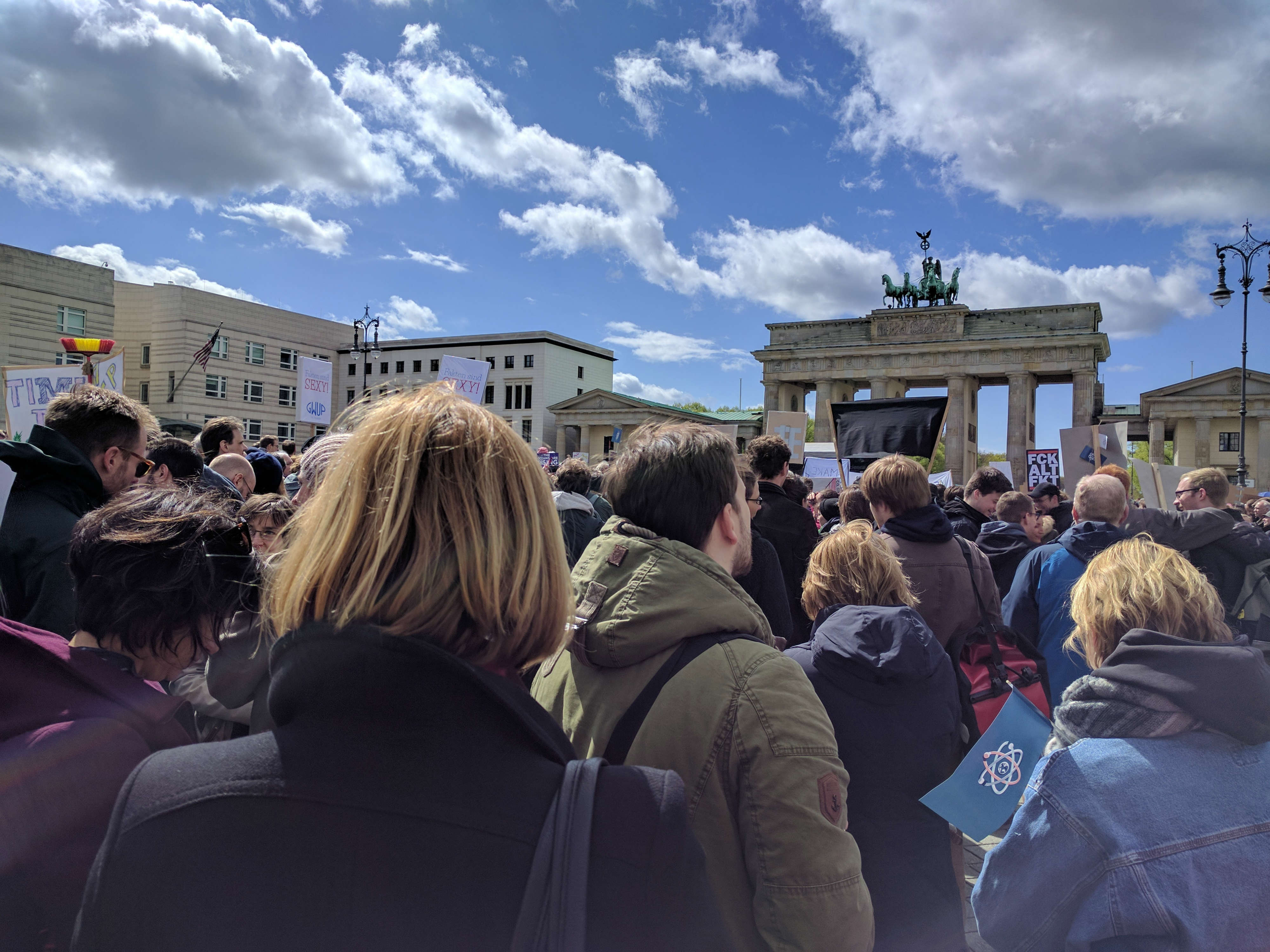
Organisers of the second annual March for Science , scheduled for 14 April in Washington DC, are hoping to recapture the energy and enthusiasm that prompted more than 1 million researchers and others to march together last year across 600 cities around the world in support of evidence-based policy and upholding science for the greater good.

MarchforScience-Judith-2-smaller

Caroline Weinberg, an organizer for the upcoming march in Washington DC, expects smaller crowds than last year, although she admits her prediction may again be off the mark. “Last we expected 40,000 people, and we got around 100,000,” she says. She adds that most of the marchers in the nation’s capital city were concerned citizens, not practicing researchers.

In Washington DC and elsewhere, organisers envision events with fewer marchers, placards and chants but more advocacy-related activities. Weinberg and others aim to offer hands-on projects for those taking to the streets in Washington DC. In Berlin, Germany, organisers are planning a “local hero” programme where scientists will give public talks at bars, cafes and other venues. March-related activities in Portland, Oregon, will include speeches by local politicians and a science expo with at least 30 presenters, including a juggler who demonstrates the principles of physics.

The election and inauguration of Donald Trump for US president helped to spur marchers last year, and Weinberg says that she suspects that some scientists this year may be motivated to speak out against Trump’s recent budget proposal, which called for drastic cuts to the US Centers for Disease Control and Prevention spending plan . But she adds that the march and other forms of science activism shouldn’t depend on crises to draw interest and participation. “Our challenge is to build up a huge crowd and send a message that galvanizes everyone but to also make it sustainable,” she says. “We can’t allow our advocacy to be tethered to those moments.”

Roughly 15,000 people attended last year’s march in Portland, but that kind of enthusiasm will be hard to replicate, says Denesa Oberbeck, a behavioral neuroscientist at the Oregon Health & Science University in Portland and a member of the steering committee for this year’s march. “There’s some fatigue and some burnout, but we need to keep fighting,” she says. “We have to maintain an activist stance.”

Kristine Wadosky, a cancer researcher at Roswell Park Cancer Institute in Buffalo, New York, marched in Washington DC last year carrying a sign that read “Curing cancer is non-partisan.”  This year, she plans to join the march in Chicago, Illinois, where she will give a talk on advanced prostate cancer for the annual meeting of the American Association for Cancer Research. She says that she’s just as energized about science advocacy as ever before, and she thinks that many other young scientists feel the same way.

This time, Wadosky says, she won’t need a sign to send her message, which isn’t especially complicated. “I just want to go to show that I’m a scientists, and I exist,” she says.


Chris Woolston is a freelance writer in Billings, Montana.


Suggested reading:

Growing pains
In support of the March
Reflections on a movement

Building skills through a gig

Some researchers are providing short-term services such as writing science news articles and consulting on industry products to bolster their skills outside the lab. These side gigs can be valuable for career development, says Josh Henkin. (See related story here.)

GettyImages-95692019-smaller

{credit}Noel Hendrickson/Getty{/credit}

Continue reading

The Naturejobs Career Expo – some secrets to scientific success

Naturejobs journalism competition winner Eileen Parkes

Over one thousand scientists attended the Naturejobs Career Expo last week in London. With professional CV checking, exhibitors from academic institutions and companies from around the world, and career-focused talks from Nobel Prize winner Professor Venki Ramakrishnan, science communication expert David Urry, popular blogger and senior lecturer Dr John Tregoning and many more, this was a resource-packed event for researchers.

Spending the day absorbing so much great careers advice left me feeling punch-drunk by the end.  Some themes cropped up repeatedly — distilled wisdom on scientific success.

Some of the submissions to the Naturejobs Career Expo photoboth

Some of the submissions to the Naturejobs Career Expo photoboth

Continue reading

Different “Me”s open up a new world on a personal and scientific level

Haruka Yuminaga’s experience moving back to Japan has been a challenge — but has helped her become a better scientist.

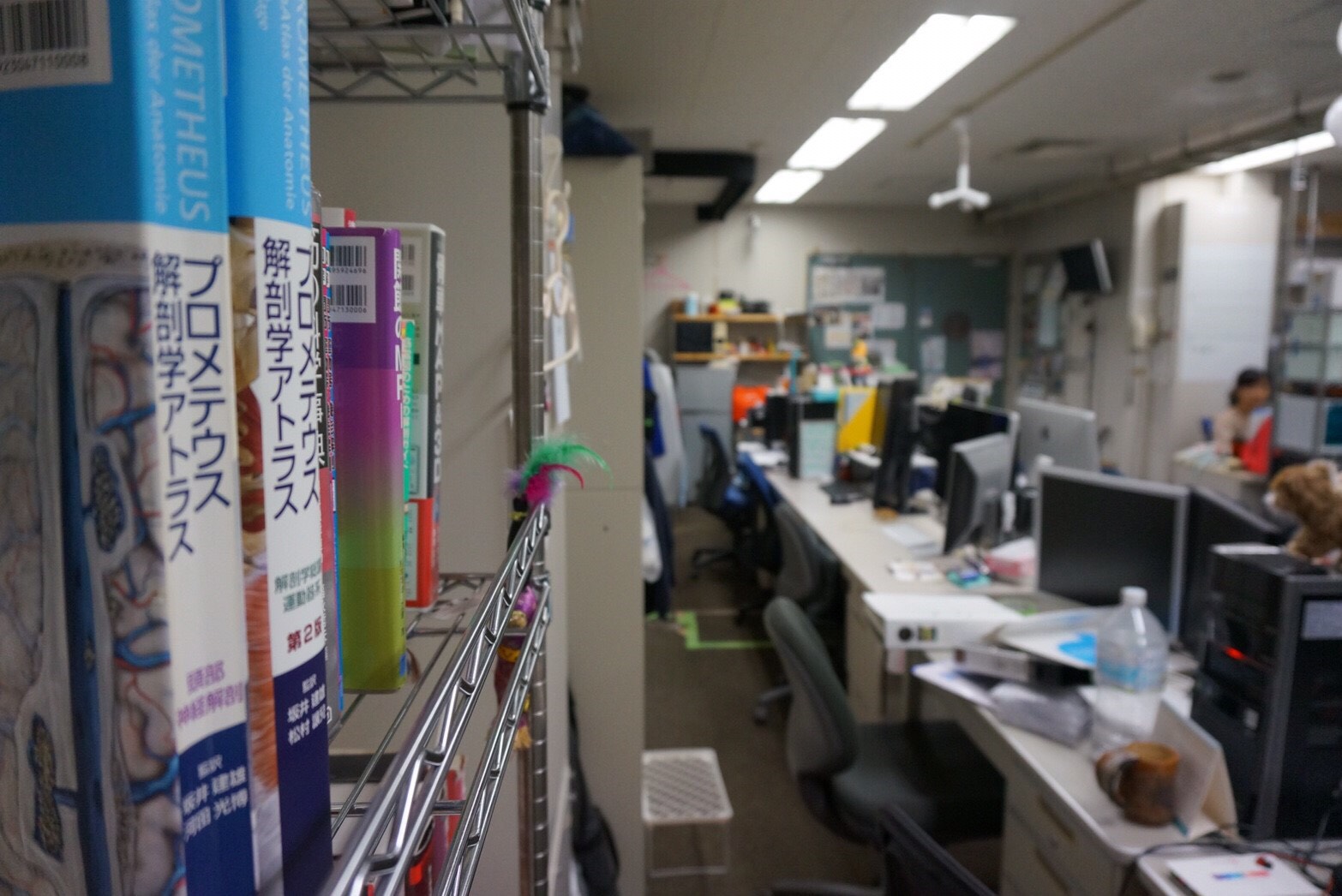
A light grey room is filled with 23 grey desks, scattered in pens and books. In one corner sits a refrigerator packed with snacks. Next to it is a rice cooker. The walls are covered in pictures of fun lab memories. Amidst the clutter, some students joke and laugh; chat with a professor about their experimental procedures; analyze data on their laptops and unconsciously wrinkle their brows.

umi lab

The Ushiba lab

It is a usual morning at the Ushiba lab where I’m doing an internship this summer. I am a rising junior at Macalester College in Minnesota, USA. Before spending two years in a U.S college, I spent all my life in Japan, and expected being back in a Japanese lab to feel natural. But my assumption was wrong.

Reverse culture shock

Continue reading