How to track the “lost generation” of scientists

“We should not consider it a disaster that someone trained to a high level doesn’t remain in academia,” Jean-Pierre Bourguignon, president of the European Research Council, told a panel discussion about science’s “lost generation” last month.

In this podcast Bourguignon and two of his fellow panel members  tell Julie Gould how better career tracking data from universities and other institutions would show how few achieve staff positions, challenging the perception that academia is the only worthwhile career option.

Continue reading

How could universities and funders improve the situation for postdoctoral scientists?

What the research system needs to be doing to improve the world that postdocs face

By David Bogle

I’ve already written about how PhDs can prepare for and decide whether or not they should pursue a postdoc. Here, I will discuss what more universities and funding agencies should be doing as stakeholders in training and employing researchers.

Universities must be doing more to ensure the postgraduate experience is a positive one

Employers, both at universities and elsewhere, need a range of sophisticated research skills at their institutions. Early career researchers have already shown themselves to be incredibly talented; and society needs them to drive innovation in the economy. This is all the more important in the context of an ongoing war for talent. Researchers must have the opportunity to develop as ‘creative critical autonomous intellectual risk takers’ for the sake of society. Continue reading

What should you get from being a postdoc?

And what should you look for when finding a postdoc position?

By David Bogle

You are coming towards the end of your PhD – so what next? There are many options open to you; one obvious one is to apply for a postdoc position. You should think carefully about what you want to do and not just pursue this through inertia. I have supervised many engineering PhDs and some postdocs in my 32 years as an academic. As Head of University College London’s Doctoral School, I oversee the environment and policy for 6000 doctoral candidates and 3200 postdocs.

Many can find good reasons to do a postdoc. {credit} Guy H/ Flickr CC-BY-2.0 {credit}

Continue reading

How to mentor undergraduates as a postgraduate, and why it’s important

Spending more time mentoring undergraduates as a postgrad is good for everyone, says Jenn Summers.
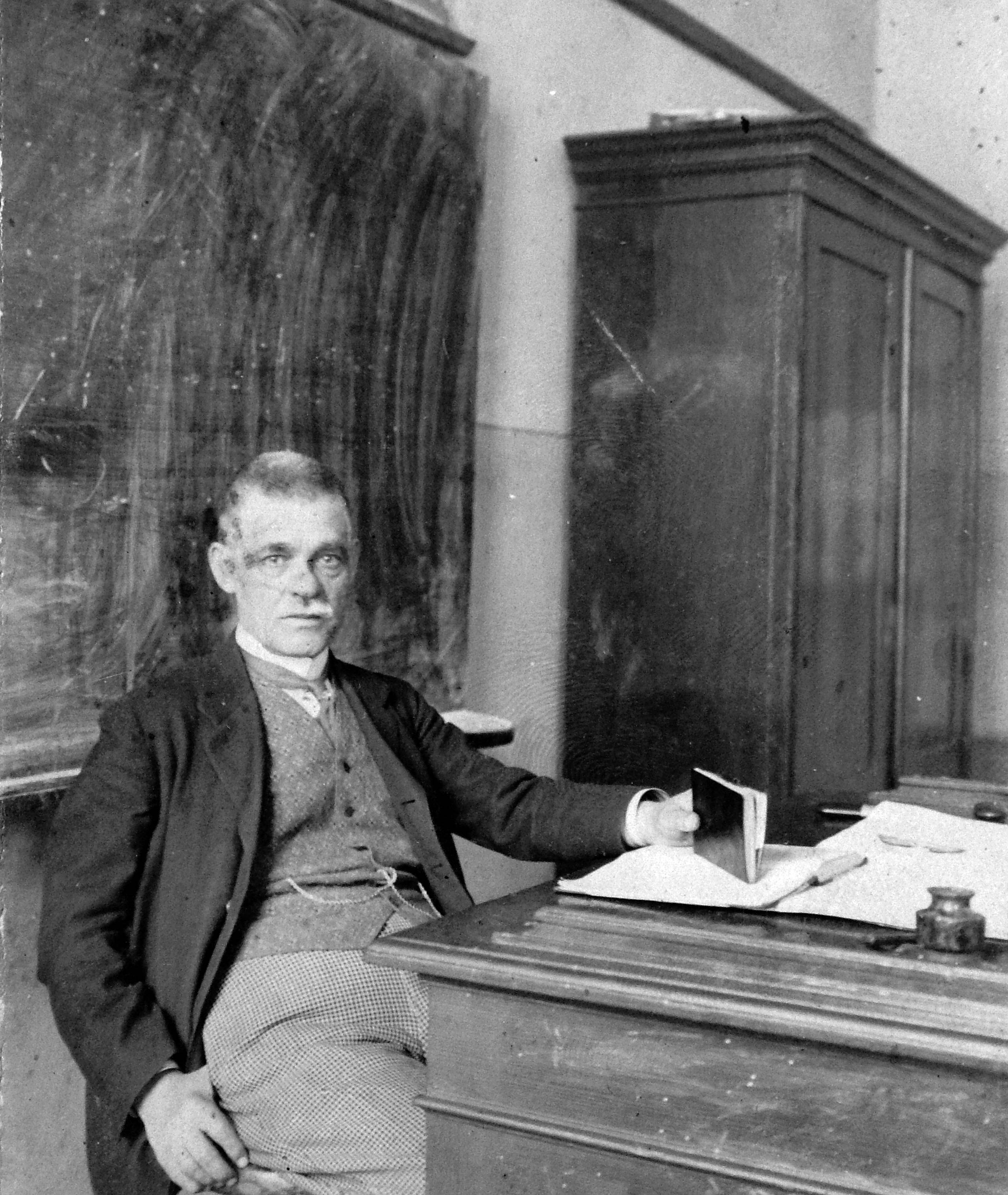
To-do lists work for some, but a more holistic approach to researcher development may bring larger rewards.{credit}By FOTO:Fortepan — ID 2278: Adományozó/Donor: Unknown. [Public domain or Public domain], via Wikimedia Commons{/credit}

There’s a difference between mentoring and doling out to-do lists. This is something I’ve learned over the past year, my first as a mentor. Mentoring undergrads became part of my job only recently – in the past, research came first. Most advisors value research outcomes over mentoring, and departments certainly place more value on publications. Before this past year, I was used to just a single undergrad working in my lab, and I thought of them as worker bees, not as future colleagues.

Put simply: I did not think about teaching in the lab.

Now, after guidance from recent research on mentoring, I realize that if graduate students like myself were more invested in mentoring, there would be many more small-but-important teaching opportunities.

Continue reading

Reshaping the research landscape

A 12 April report from the US National Academies of Sciences, Engineering, and Medicine offers ideas for reshaping the landscape of life-science research across all career levels in the US biomedical research pipeline.

laboratory-2815640_1920

The proposal from the advisory body in Washington DC calls for more career counselling at the graduate and postdoctoral levels, better data on career outcomes at those levels, three-year caps on postdocs under principal investigators and new non-tenure track academic research positions, among other changes. To implement all the proposals would require a US$2 billion increase to the US National Institutes of Health (NIH)’s budget, as well as subsequent budget raises to prevent future funding bottlenecks.

Continue reading

Coming to the US for a postdoc? – If I had known, part II

Is moving to the US for a postdoc worth it? Elena Blanco-Suárez shares her tips on how to make the best decision for you.

pexels-photo-490466

Like many other European researchers, I moved to the US for my postdoc.  While some stay in the US, and others return to Europe after their postdocs, I’m almost certain that anyone who has followed this path will have encountered a few shocks along the way. Choosing the right fit for your postdoctoral training is just as important as choosing the right lab for your PhD. Based on my experiences, here is a list of the things that I think are worth checking in advance to avoid thinking “I wish I had known” too often.

Continue reading