Tag Archives: Lab
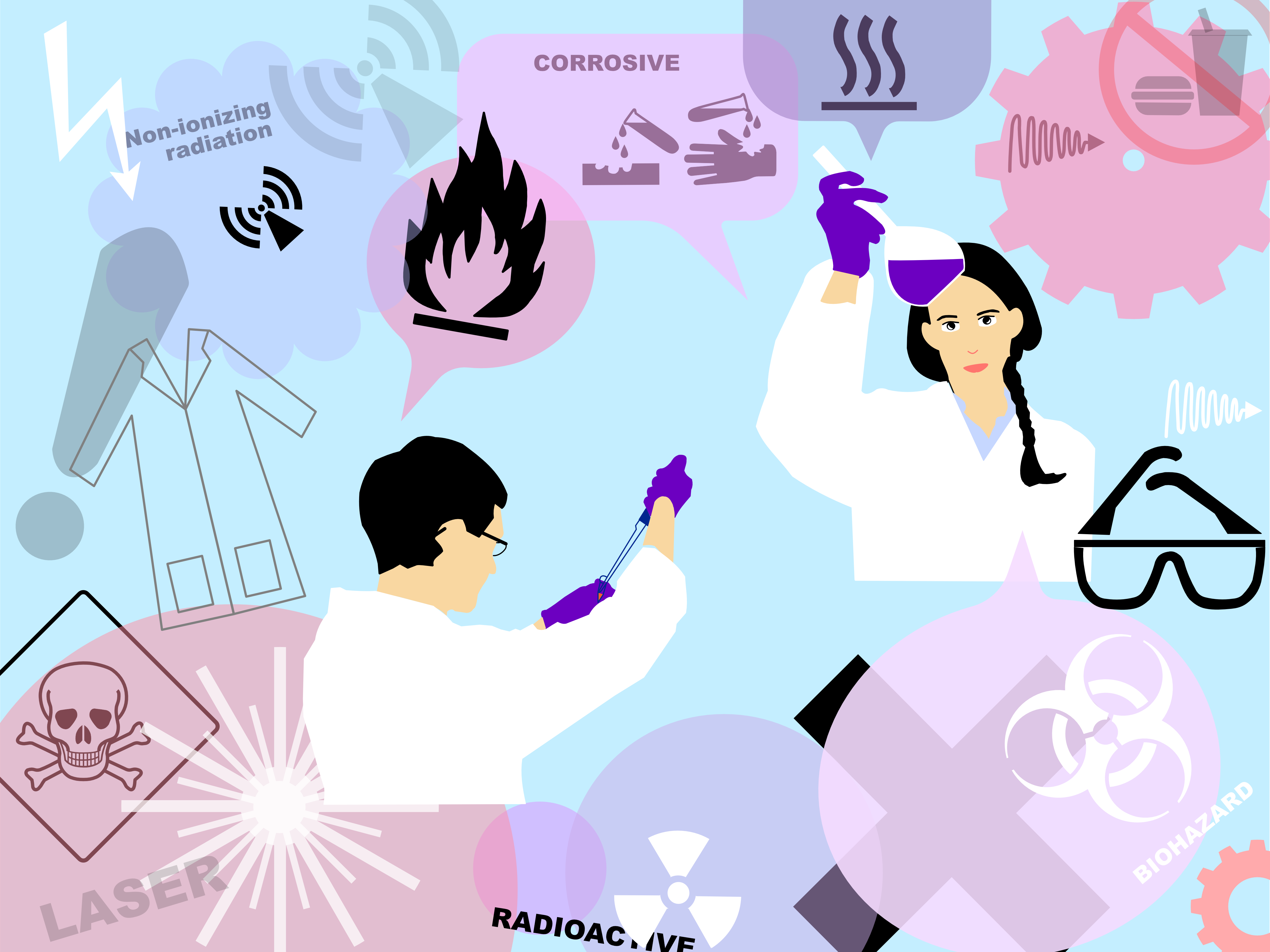
Lab conflict and how to address it
Conflict is a fact of life. Scientists should find ways to manage it in the lab, says Benjamin Tsang

Looking for a lab to do your PhD? – If I had known, part I
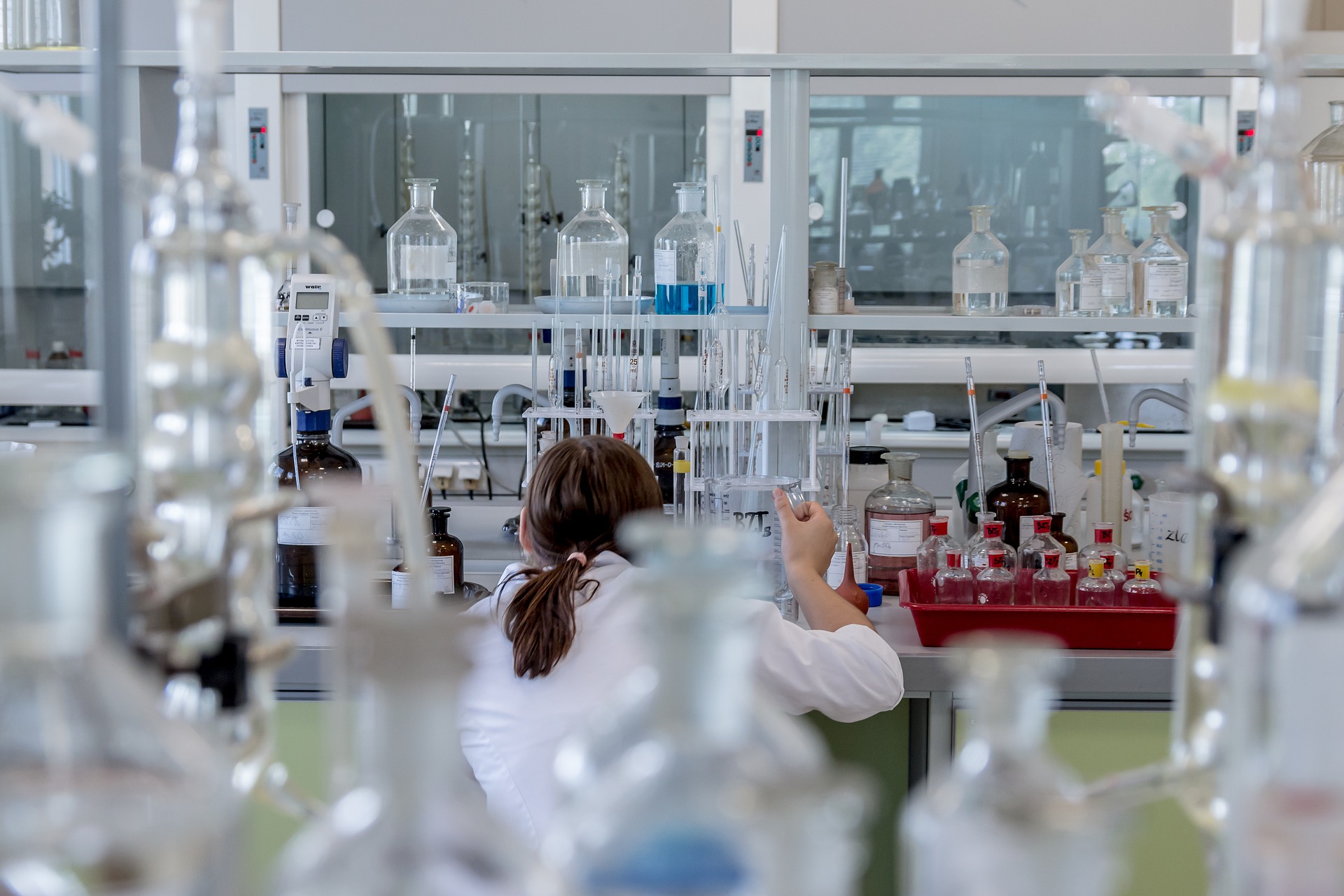
Struggling to choose the right lab for your PhD? Elena Blanco-Suárez shares what you should be looking for.
Blood on the lab bench
Scientists in Qatar have taken research into organ development one more step into the future by expanding the potential for creating personalized blood and heart tissue in the lab.
The scientists, under the lead of Arash Rafii Tabrizi at Weill Cornell Medicine – Qatar, have postulated that endothelial cells, which line the walls of blood vessels, are a vehicle for organ development. “Different organs have different endothelial cells that express different and specific factors called angiocrine factors that lead to the development and function of the organ,” explains Tabrizi.
In order to test this, the scientists forced the expression of said transcription vectors in the lab. Twenty days later, the cells multiplied and differentiated into the building blocks of blood cells: hematopietic stem cells. These are the basis for cells such as red and white blood cells and platelets.
“If you have leukemia, for example, we would retrieve your endothelial cells and we could transform that into blood. It would be an unlimited personal source of blood for each individual,” says Tabrizi.
In addition to blood, the researchers paired endothelial cells with heart muscle cells to create more muscle cells, that beat together rhythmically, in a petri dish.
The scientists maintain, however, that it’s too early to make any sweeping assumptions about the reliability of results, not until the tests move into the animal and human trial phases.
Read more about what the scientists have termed a breakthrough discovery here.
Multidisciplinary research: pros and cons
By bringing together experts from different disciplines we can find the solutions for today’s global challenges. Having spent a year in a multidisciplinary research group, Mit Bhavsar shares his thoughts on the advantages and disadvantages of multidisciplinary research in science.

The increasing popularity of mixed scientific disciplines like mechatronics, bioinformatics, biomedical engineering and biophysical chemistry is evidence of the importance of multidisciplinary. And, based on the number of multidisciplinary conferences taking place around the world, it seems that many policymakers agree that bringing scientists from a variety of different backgrounds together is a crucial part of fixing the world’s problems. Continue reading
An overseas research intern’s journey in Japan
My overseas internship experience significantly increased my knowledge of research culture and lifestyles in foreign countries.
Guest contributor Andy Tay
Previously, I shared my thoughts on the usefulness of an overseas working experience to establish networks with international experts, and to develop cultural awareness — both of critical importance in a researcher’s career. This year, I decided to head to Japan, Tokyo to work on stem cells as a summer intern at the RIKEN Brain Science Institute (BSI).
If you’re thinking of an overseas internship, especially in Japan, my hope is that this will be of help to you.
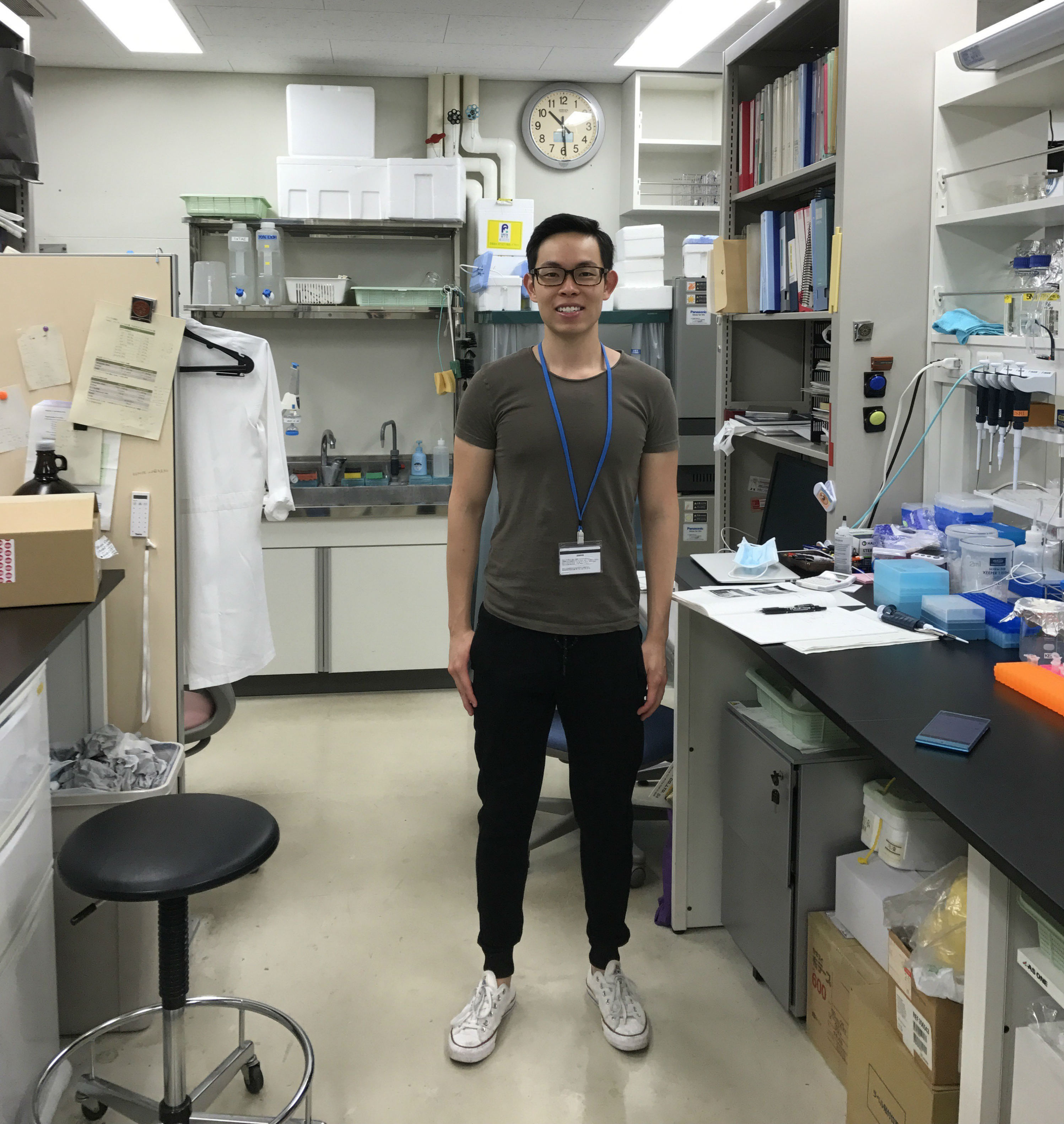
Andy in his new lab
Diving into graduate programmes
Karla Terrazas shares her thoughts about working at the cutting edge of science and technology, and finding a graduate programme.
This post was sponsored by the Stowers Institute
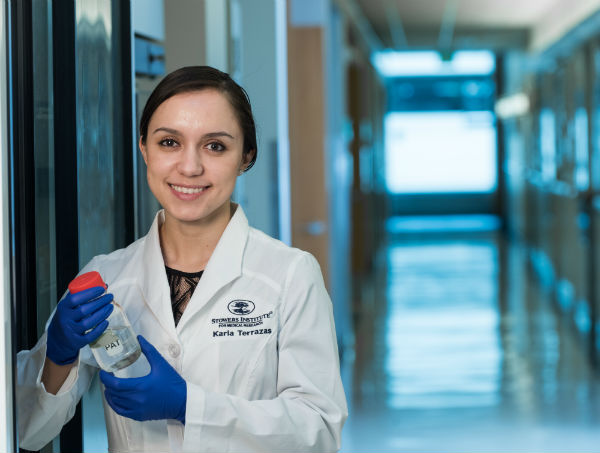
Karla Terrazas{credit}Stowers Institute for Medical Research{/credit}
The worldwide web of science
International networking should be a priority for young scientists, says Aliyah Weinstein.
Early career scientists are often told that networking is important for future career prospects and mobility. Often, this comes in the form of a nudge to attend university seminars, events for local scientific professionals or national conferences. These are typically great for meeting scientists working in your city or country – but developing an international network can often be much more difficult. First, scientists are most often around others working at their university or research centre, making this their primary network. Second, travel to attend international conferences may be cost-prohibitive, especially for early career scientists. Finally, connecting with colleagues outside of the country may not be on the radar of students and postdocs, or may seem overwhelming at that stage of a scientific career.
What I learnt from researching in Germany
Mit Bhavsar shares his thoughts on working in the German scientific environment
I’ve always been fascinated with medical research, which brought me from Ahmedabad, India, to Frankfurt (via Aachen, Düsseldorf and Göttingen) to pursue a Masters and a PhD in neuroscience. Germany boasts an excellent research ecosystem across the private and public sectors, with strong collaboration between each. Consequently, there are attractive career opportunities for local and international researchers, especially in a world where two of the west’s other major research hubs – the UK and the US – appear to be trending against science, evidence, and intellectualism. Having spent seven years here, this is what you need to know about research in Germany.
Credit: Getty/Andrew Brookes
The start and the middle: beginning your PhD
The initial stages of a PhD can be daunting. Fortunately, there are a few ways you can make the transition into productive doctoral study as smooth as possible.
Whether you’re starting a PhD fresh out of undergrad or after many years of employment, the decision to begin a doctorate is a significant career move. When I started, 18 months ago, I figured I had a pretty good idea of what I was getting into: I’d previously worked in industry, completed a Master’s degree, and worked as a research assistant in another lab.
But I soon realized that my PhD was different — in a number of ways — from what I’d done before. Here are some things I’ve learnt so far, and some ways I‘ve made efficient use of my brief time as a PhD student.