Multidisciplinary research: pros and cons

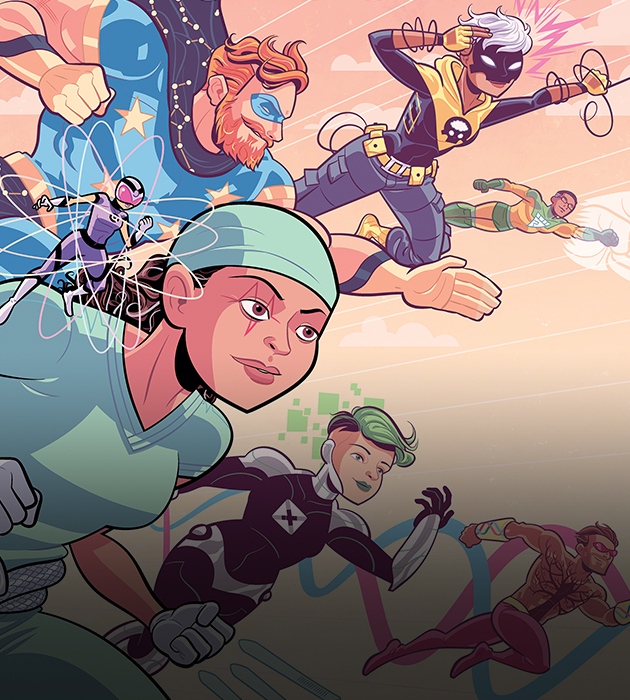
By bringing together experts from different disciplines we can find the solutions for today’s global challenges. Having spent a year in a multidisciplinary research group, Mit Bhavsar shares his thoughts on the advantages and disadvantages of multidisciplinary research in science.
3844579694

The increasing popularity of mixed scientific disciplines like mechatronics, bioinformatics, biomedical engineering and biophysical chemistry is evidence of the importance of multidisciplinary. And, based on the number of multidisciplinary conferences taking place around the world, it seems that many policymakers agree that bringing scientists from a variety of different backgrounds together is a crucial part of fixing the world’s problems. Continue reading

Online education: The biggest hurdle for online learning

Contributor Charles Choi

Over the last few weeks we’ve been exploring the pros and cons of online education, which is important if you are considering taking an online course. And even though there has been an increase in the number of people taking online courses, Monica Mogilewsky says online and distance science learning still has a stigma attached. “The University of London Distance Learning Programme has changed its name to the University of London International Programme, and I do think a large part of this is a feeling within academia that online and distance learning is less rigorous than a traditional classroom setting,” Mogilewsky says. “When I say I have my masters degree, on my CV it says I was part of the University of London Distance Learning Programme, but I don’t especially emphasise that I got my degree online.”

Mogilewsky emphasises the great value of distance and online science learning. “I think it’s a powerful thing – I really appreciate how online courses make learning available for more people, helping support democracy of education,” she says.

And while pursuing a doctorate has left her little time to take any more online courses, “I would consider it in the future, for specific training such as non-profit management or social media – I think it could be fun and helpful,” Mogilewsky says. “I would also consider teaching online, and I think I’d be better at it than someone who’s never taken an online course.”