What we have learnt testing container-platforms for peer review and publication of code

A year ago now, we launched a trial to test the use of cloud-container platforms for peer review and publication of code at several Nature journals. The trial phase of this initiative is now officially over, and we would like to share the experience and outcomes, and provide an overview of what comes next.

What problem are we trying to solve?

Our guiding principle is that when new code is central to the main claims made in the paper, it is imperative that the code meets the same quality and reproducibility standards as the paper itself. This means the code needs to be properly documented, evaluated by experts so that it is functional (ie peer reviewed), and permanently identified and accessible at the time of publication to ensure the reproducibility of the results (these same principles apply to other research objects like data and protocols, but those were not the focus in this particular trial).

Nature Methods adopted the practice of ‘peer reviewing code’ for software papers in 2007 (editorial). Under this practice, editors require authors to submit the source code, a test dataset and details of installation, and ask the reviewers to install and test-run the code during peer review. This form of peer review is highly time consuming for authors, editors and reviewers, but it is also necessary. It is not uncommon for reviewers to point to basic flaws in the instructions or files that could render the code completely unusable.

Over a year ago, we partnered with Code Ocean, a Docker-based platform that allows authors to deposit code and data and enables users to run the code on the cloud with the set parameters to reproduce the results, or execute the code with new input values.  Together we developed a set of workflows and basic functionality of the platform that enables authors to upload the code and data associated with their submission, and reviewers to access the platform anonymously during peer review (see figure, reproduced from reference 1).
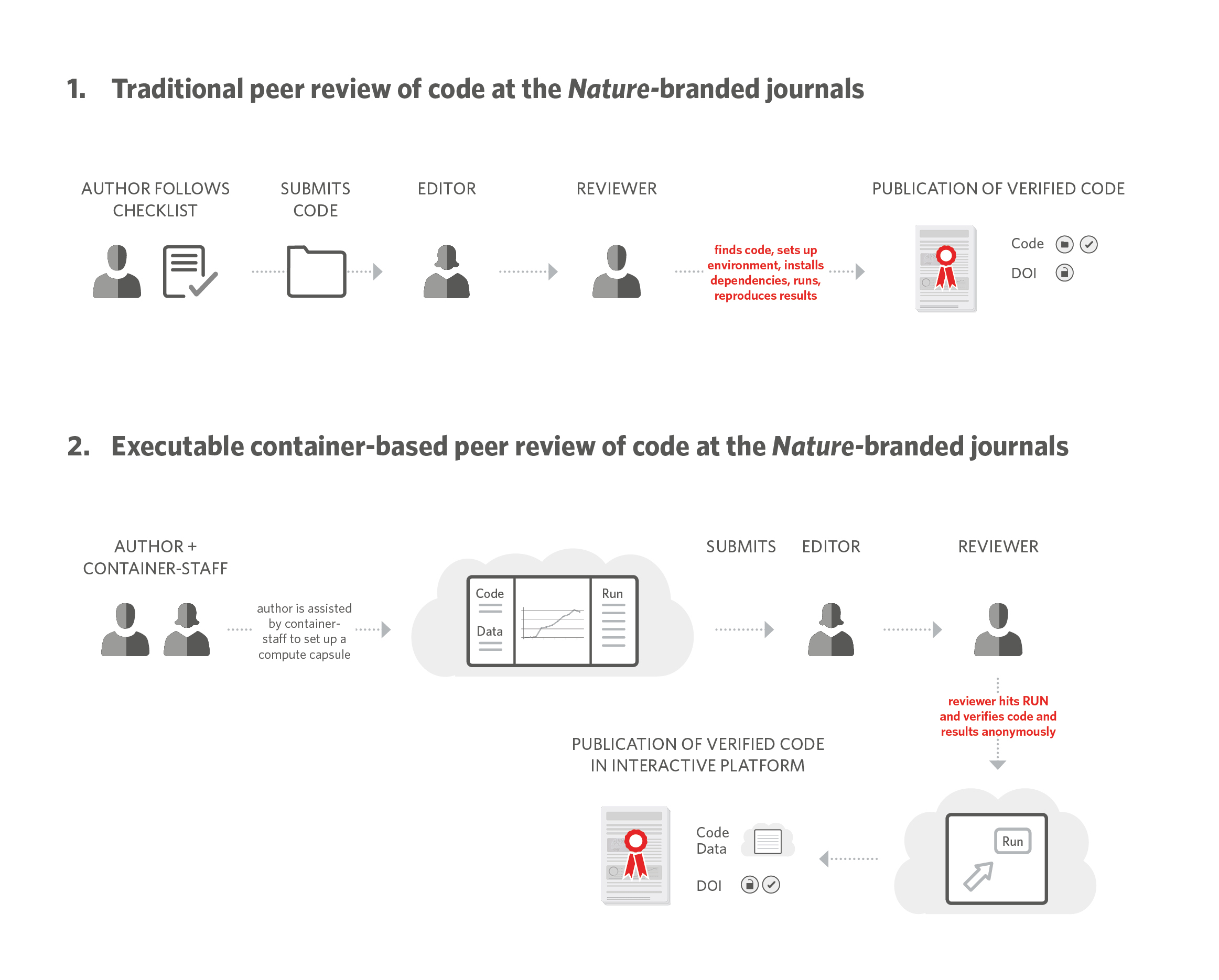
The trial was meant to evaluate if such a platform would provide:

  • A service to authors by assisting them in depositing the code and data and compiling them in an open, executable-based platform.
  • A service to reviewers by making code peer review easier (as easy as clicking a button). Reviewers can evaluate the code in the cloud using computing time that we provide as a publisher, not their own.
  • A service to readers by providing the code associated with the paper in a way that is properly identified, documented and supplied in a publically accessible platform that allows running, reusing and repurposing the code.

The trial was optional for authors at the three participating journals (Nature Methods, Nature Biotechnology and Nature Machine Intelligence) and we tracked feedback from authors and reviewers, author opt in rates and user-engagement metrics.

What have we learnt? Results!

Over 95 papers have now participated in the trial and more than 20 published papers are providing open, verified, properly documented and cited code using the technology.

Despite the additional work that authors need to do upfront when they sign up to the trial, we’ve seen large author uptake, with 54% of authors across all journals opting in to participate. Importantly, our reviewers actively engage with the platform. Capsules have received an average of 34 views via the private links provided to the reviewers. Approximately half of the reviewers signed up and duplicated the capsules, a requirement for running the code. Each reviewer that signs up runs the code 1.3 times, on average.  Importantly, peer review of code in this manner has surfaced problems with some manuscripts that would have led to the ‘irreproducibility’ of the code and the results.

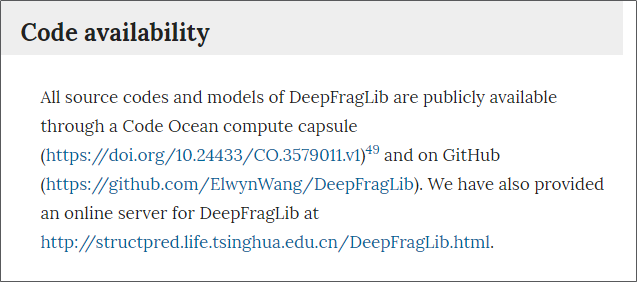
Upon publication, we provide the links to access the code and data in a ‘Code Availability’ statement of the paper, which is provided openly to all readers regardless of access status.
We are looking at ways to improve the workflows and experience by providing better information, an easier workflow for editors and authors and better ways of surfacing code that is shared openly and peer reviewed through the use of badges.

We have been very pleased to see that the high standards we are applying to ensure open science and reproducibility of code in our papers has been noted, as we’ve received very positive feedback about the initiative from authors, reviewers and the science community. You can read more about the initiative and the results in the below editorials and in the Science Editor piece that we recently published.

Science Editor: Three approaches to support reproducible research

Nature Biotechnology: ‘Changing coding culture

Nature Machine Intelligence: ‘Sharing high expectations

Nature Methods: ‘Easing the burden of code review

What’s next?

Given the positive effects we’ve seen so far, we will continue the current practice at the journals. We also want to learn how the workflow would scale and to test it on more scientific disciplines so we have added Nature, Nature Protocols and BMC Bioinformatics to the trial.

A huge thanks to our authors, editors and reviewers who have engaged with us in this journey, we couldn’t have done it without you! We hope that this initiative, alongside others that promote data and protocol sharing, will help us develop our articles to live by the promise of more open and reproducible science.

References

1. Pastrana, E., Kousta, S. & Swaminathan, S. Three Approaches to Support Reproducible Research. Science Editor

AUTHORS: This guest blog comes from Erika Pastrana, Editorial Director for the Nature Research Journals and Sowmya Swaminathan, Head of Editorial Policy and Research Integrity at Nature Research.


Why scientists should communicate hope whilst avoiding hype

How we communicate our research is important in maintaining public trust in science

By Eileen Parkes

“Exciting new line of attack for aggressive breast cancer”

I read that headline recently. “Fantastic” I thought, quickly followed by, “How have I missed this?”. My disappointment as I read the article (the new treatment had only been shown to work in cells in the lab, not in humans) turned to anger as I thought what someone with breast cancer might think whilst reading this. Someone who had coped with bad news and difficult treatments, hoping for a cure only to be disappointed again and again by overblown headlines.

Continue reading

The million-dollar question every scientist should be asking

Both science communicators and researchers carry the onus of answering science’s most important question

By Jessica Eise

I recently had a phone call with a frustrated colleague looking for some advice. She had two key pressure points, both common in the field of science communication.

First, she often couldn’t make sense of what scientists were telling her. They would explain their advanced, varied concepts increasingly quickly and impatiently as she struggled to understand them. Both parties would leave frustrated, having not achieved much. The scientists might wrongly assume she’s stupid to have not understood.

Douglas Adams’ The Hitchhiker’s Guide to the Galaxy asked “What is the answer to life, the universe and everything?” To communicate effectively, scientists should simply ask “So what?”{credit}By IllusionConscious [CC BY-SA 3.0 (https://creativecommons.org/licenses/by-sa/3.0)], from Wikimedia Commons {/credit}

Continue reading

Coming to the US for a postdoc? – If I had known, part II

Is moving to the US for a postdoc worth it? Elena Blanco-Suárez shares her tips on how to make the best decision for you.

pexels-photo-490466

Like many other European researchers, I moved to the US for my postdoc.  While some stay in the US, and others return to Europe after their postdocs, I’m almost certain that anyone who has followed this path will have encountered a few shocks along the way. Choosing the right fit for your postdoctoral training is just as important as choosing the right lab for your PhD. Based on my experiences, here is a list of the things that I think are worth checking in advance to avoid thinking “I wish I had known” too often.

Continue reading

Postdoctoral training in Sweden: too short to grow

hourglassMembers of the Karolinska Institute’s Postdoc Association fear an amendment to Sweden’s Research Bill could create career instability.

In November 2016 the Swedish government announced plans to introduce a tenure track system to make academic careers more secure, to improve mobility and to make research more competitive.

But in July last year an amendment to the Research Bill stipulated that PhD graduates had a maximum of five years (two years less than now) to get an Assistant Professorship (Biträdande Lektor in Swedish). Universities must comply by 1 April 2018.

Continue reading

The top CRISPR papers of 2017

Untitled-10

Hopes are high that CRISPR–Cas9 could one day be used in people to correct mutations that cause disease. 2017 witnessed incredible advances in the gene editing technology – we present a synopsis of the most popular CRISPR papers published in Nature Research journals from the past year, measured by their Altmetric Attention Score.

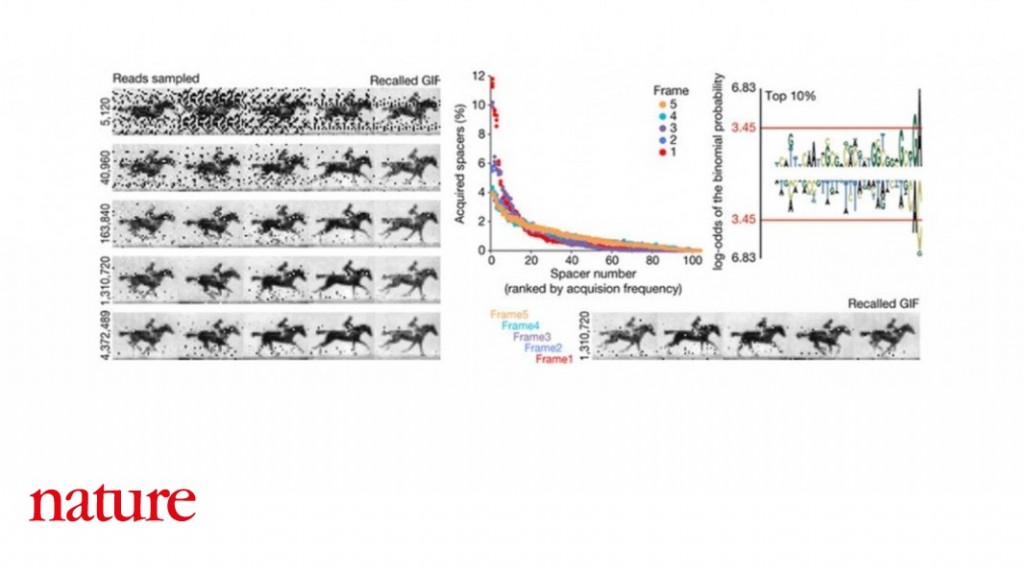
Nature – CRISPR–Cas encoding of a digital movie into the genomes of a population of living bacteria

Altmetric Score: 3023

Moving images have been encoded into the DNA of bacteria using the CRISPR system. This achievement, published in Nature, expands on previous demonstrations that DNA provides a promising medium for storing digital data within living cells.https://go.nature.com/2Ctoq0O

Nature Communications – Real-space and real-time dynamics of CRISPR-Cas9 visualized by high-speed atomic force microscopy

Altmetric Score: 924

Researchers have visualized the dynamics of the CRISPR-Cas9 complex, providing valuable insights into the CRISPR-mediated DNA cleavage mechanism. The high-speed function, described in a Nature Communications paper, has enabled fast, film-like scans of the biomolecules taking part in the molecular scissoring action.


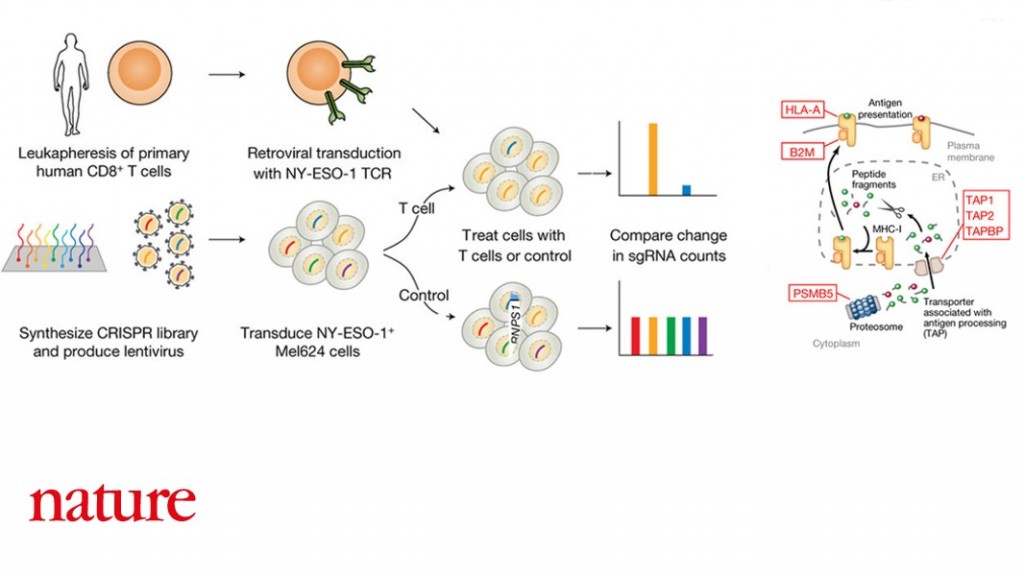
Nature – Identification of essential genes for cancer immunotherapy 

Altmetric Score: 517

Some mutations in cancer cells make them resistant to immunotherapy. Researchers have designed a ‘two-cell-type’ CRISPRCas9 screen to identify tumour-intrinsic genetic mutations associated with the sensitivity of melanoma cells to effector T cell function. Candidate genes identified include mediators of MHC class I antigen presentation, and genes unknown to be involved in these immunity processes. Published in Nature, the authors highlight the interaction between T-cell-secreted apelin and its receptor APLNR on tumour cells as a node for potent T-cell-mediated killing of cancer cells.

https://go.nature.com/2BDFlsn


Nature Communications – Targeted activation of diverse CRISPR-Cas systems for mammalian genome editing via proximal CRISPR targeting

Altmetric Score: 465

Researchers have developed a new genome editing tool that makes CRISPR more efficient and flexible, reports a paper published in Nature Communications. The technique, called “proxy-CRISPR”, provides access to previously unreachable areas of the genome.


Nature Reviews Genetics – Am I ready for CRISPR? A user’s guide to genetic screens 

Altmetric Score: 381

This Review, published in Nature Reviews Genetics, intends to guide users through the process of applying CRISPR technology to their biological problems of interest, especially in the context of discovering gene function at scale.

Nature – RNA targeting with CRISPR–Cas13

Altmetric score: 380

CRISPR–Cas prokaryotic defence systems have provided versatile tools for DNA editing. Here, the authors demonstrate that the class 2 type VI RNA-guided RNA-targeting CRISPR–Cas effector Cas13a (previously known as C2c2) can be engineered for RNA knockdown and binding in mammalian cells. This addition to the CRISPR toolbox, described in a Nature paper, expands its potential uses to transcript tracking and knockdown.

 Nature – In vivo CRISPR screening identifies Ptpn2 as a cancer immunotherapy target

Altmetric score: 339

A novel screening method that uses CRISPR-Cas9 genome editing technology to test the function of thousands of tumor genes in mouse models has revealed new drug targets that could potentially enhance the effectiveness of PD-1 checkpoint inhibitors – a promising new class of cancer immunotherapy. The study is published in Nature.


Nature Biotechnology – CRISPR–Cas9 epigenome editing enables high-throughput screening for functional regulatory elements in the human genome

Altmetric Score: 239

Researchers have developed a method to swiftly screen the non-coding DNA of the human genome for links to diseases that are driven by changes in gene regulation, according to a paper published in Nature Biotechnology. The technique could revolutionize modern medicine’s understanding of the genetically inherited risks of developing heart disease, diabetes, cancer, neurological disorders and others, and lead to new treatments.


Nature – Enhanced proofreading governs CRISPR–Cas9 targeting accuracy

Altmetric score: 228

One of the main concerns about the use of CRISPR in genome editing is the possibility of ‘off-target’ events. Scientists have been modifying the central enzyme involved in CRISPR editing to reduce this unwanted property. This study, published in Nature, describes a new version of the nuclease, ‘HypaCas9’, which enables more accurate editing, without substantial loss of efficiency on the desired target.

Nature Methods – Combinatorial CRISPR–Cas9 screens for de novo mapping of genetic interactions

Altmetric Score: 215

Reported in Nature Methods, researchers have developed a systematic approach to map human genetic networks by combinatorial CRISPR–Cas9 perturbations coupled to robust analysis of growth kinetics. 73 pairs of cancer genes were targeted with dual guide RNAs in three cell lines, comprising 141,912 tests of interaction. Numerous therapeutically relevant interactions were identified, and these patterns replicated with combinatorial drugs at 75% precision. Consequently, it is anticipated that cellular context will be critical to synthetic-lethal therapies.

Nature Microbiology – A CRISPR–Cas9-based gene drive platform for genetic interaction analysis in Candida albicans

Altmetric Score: 209

Researchers have developed a CRISPR-Cas9-based “gene drive” platform to create diploid strains of Candida albicans – a notorious human fungal pathogen that causes thrush and serious systemic infections – where one or both gene copies could be efficiently deleted. The technique, reported in Nature Microbiology, may lead the way toward a better understanding of drug resistance and biofilm-forming mechanisms.

If you want to keep up-to-date with CRISPR, why not try Recommended? It’s a free, personalised service that suggests relevant papers to you, based on what you’ve previously read, from all publishers.Recommended

The Great Pyramid’s void, deadly heat and more: the most popular science stories of 2017

24 of 2017’s top papers in the Altmetric Top 100 were published in Nature Research journals: Nature, Nature Communications, Nature Neuroscience, Nature Climate Change, Nature Ecology & Evolution, Nature Geoscience, and Scientific Reports.(24/100 is in fact the same number as last year.)

Launched today, the annual Atlmetric Top 100 showcases the research published this year that’s caught the public eye through international online attention. By tracking what people are saying about scholarly articles in the news, blogs, on social media networks, Wikipedia and many other sources, Altmetric calculates an Attention Score for each paper.

In this blog, our team in the Nature Research Press Office has picked some of their favourites, summarised their findings, and linked to coverage they received in the wider media. The full list is available on altmetric.com/top100/2017.

For articles from our subscription journals, the links below (and on the Altmetric page) include Springer Nature SharedIt links, which means anyone can read them. SharedIt, our free content-sharing initiative, was launched in October 2016, and last month we released data on how it’s being used.

#4 NatureCorrection of a pathogenic gene mutation in human embryos

The correction of a disease-causing mutation in preimplantation human embryos using the CRISPR-Cas9 genome-editing technique was reported in a Nature paper published in August. The findings could increase our understanding of the safety and efficacy of editing the DNA of the human germline, although many issues remain to be considered before clinical applications can be explored.

The story received extensive media coverage around the globe, featuring on the front page of The New York Times, The Washington Post and The Guardian, and generating broadcast coverage on the BBC News at Six and Ten, Good Morning America and Japan’s NHK.

#10 Nature Communications – An extra-uterine system to physiologically support the extreme premature lamb

Credit: Children's Hospital of Philadelphia

Credit: Children’s Hospital of Philadelphia

A system that supports extremely premature lambs in an external artificial womb was demonstrated in a study published in Nature Communications in April. The lambs were supported for four weeks, which is the longest time an extra-uterine device has been shown to maintain stable animal function.

Several papers ran the story in print, including the Wall Street Journal, The Times, and The Guardian. Other media articles included The Economist, STAT, El Pais, Zeit Online, Science and Le Monde. It also featured on the BBC’s Newsnight.

#12 Nature – Seven temperate terrestrial planets around the nearby ultracool dwarf star TRAPPIST-1

Cred: NASA/JPL-Caltech

Cred: NASA/JPL-Caltech

The discovery of seven Earth-sized extrasolar planets orbiting the nearby dwarf star TRAPPIST-1 was reported in Nature in February. The study suggested that the six inner planets in the planetary system are located in the temperate zone, where the temperature at the surfaces of these planets could be between 0 and 100 degrees Celsius.

The research was highlighted in the Google Doodle and on several front pages, including The New York Times and The Wall Street Journal. Some of the other coverage included the BBC News at Ten, The Economist, People’s Daily and Le Monde.

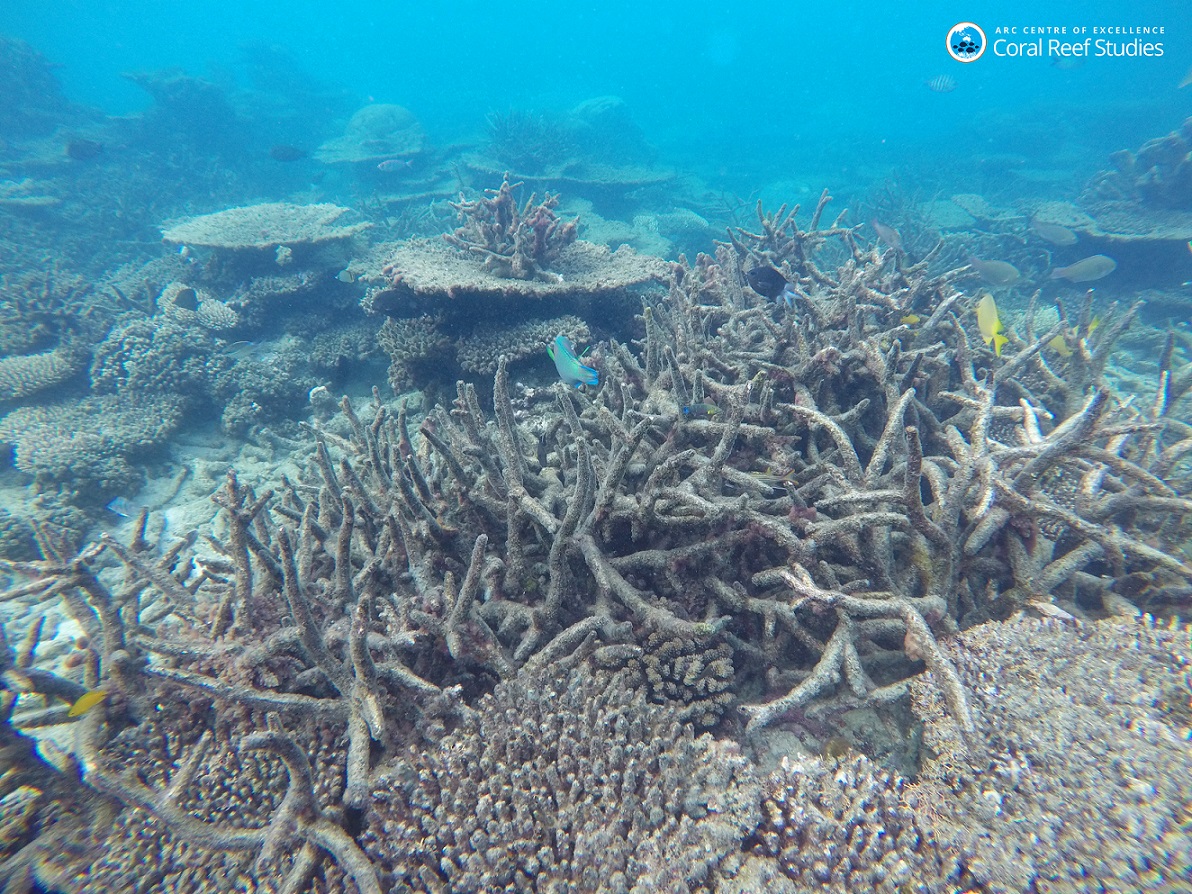
#21 NatureGlobal warming and recurrent mass bleaching of corals

Cred: Greg Torda, ARC Centre of Excellence for Coral Reef Studies

Cred: Greg Torda, ARC Centre of Excellence for Coral Reef Studies

Immediate action to reduce global warming is needed to protect coral reefs from severe bleaching events, according to a study published in Nature in March. A detailed analysis of the Great Barrier Reef over the past two decades demonstrated that extreme heat is the key driver of mass bleaching. As temperatures continue to rise, further bleaching events are likely, which may push the reef system beyond recovery, the authors concluded.

There was extensive international coverage of the story, including the front page of The New York Times, The Financial Times, NPR, PBS Newshour and Die Zeit.

#23 Nature Neuroscience – Pregnancy leads to long-lasting changes in human brain structure

Pregnancy leads to structural changes in the brain that persist for at least two years, according to a study of 25 first-time mothers published in Nature Neuroscience last December. The study found that these changes occur in regions that are involved in social cognition and that respond to images of the mother’s infant. Furthermore, the extent of the changes can predict a mother’s attachment to her child.

The story featured on Good Morning America (ABC) and CBS This Morning and was also covered by BBC News, San Francisco Chronicle, The Guardian, The Washington Post, and Xinhua.

#30 NatureDiscovery of a big void in Khufu’s Pyramid by observation of cosmic-ray muons

Cred: ScanPyramids mission

Cred: ScanPyramids mission

A hidden internal structure in Khufu’s Pyramid, the largest pyramid in Giza, Egypt, was uncovered in research published in Nature in November. The discovery was made using cosmic-ray based imaging, demonstrating how modern particle physics can reveal new information about ancient structures.

The study received global media interest, including The Economist, The Guardian, The New York Times Reuters El País and Xinhua.

#42 Nature Climate Change – Global risk of deadly heat

About 30% of the world’s population is currently exposed to potentially deadly heat for 20 days per year or more, and failure to reduce greenhouse gas emissions will increase the risk substantially, reports a paper published in Nature Climate Change in June. The study suggests it is now almost inevitable that excess heat represents an increasing threat to human life, but that this threat will be greatly aggravated if greenhouse gas emissions are not considerably reduced.

Publication coincided with heat waves across the northern hemisphere, and the paper was covered by Nature, Reuters, El Mundo, Le Monde, The Guardian and National Public Radio.

#63 Nature Communications – A bioprosthetic ovary created using 3D printed microporous scaffolds restores ovarian function in sterilized mice

A 3D-printed, microporous scaffold that supports the development of mouse follicle cells (egg-producing cells found in ovaries) and can be used to restore ovary function in surgically sterilised mice was described in a Nature Communications paper published in May.

The research led to coverage by outlets including Wired, The Guardian, NPR and El Pais. It was also popular in China, resulting news stories from the likes of Sohu, Xinhua and People’s Daily.

#82 Nature Ecology & Evolution – Bioaccumulation of persistent organic pollutants in the deepest ocean fauna

A Nature Ecology & Evolution paper published in February found extremely high levels of pollution in two of the Earth’s deepest oceanic trenches, suggesting that anthropogenic surface pollution can reach the farthest corners of the Earth. It was covered by The Wall Street Journal,  BBC News, NPR, People’s Daily, The Guardian, and The Washington Post.

Joining a new college: prepare your superpowers

Empower yourself with a creative mindset and start-up skills to adapt in a new college, says Nadia Al-Banna.

running a Growth

Congratulations on your faculty position at a newly established college! You think you know what the job entails: teaching, research, and some administrative service. As you read job advice, you wonder why so many pieces include the phrase “survival tips.” “Surviving” was your most-commonly-used word during your PhD and postdoc. Surely, there‘s no more surviving to be had in a brand new college?

Continue reading

Why scientists should communicate science – getting to the heart of the matter

Communicating science effectively needs more than facts, says Eileen Parkes.

communication

{credit}iStockphoto/Thinkstock{/credit}

Continue reading