Postdoctoral training in Sweden: too short to grow

hourglassMembers of the Karolinska Institute’s Postdoc Association fear an amendment to Sweden’s Research Bill could create career instability.

In November 2016 the Swedish government announced plans to introduce a tenure track system to make academic careers more secure, to improve mobility and to make research more competitive.

But in July last year an amendment to the Research Bill stipulated that PhD graduates had a maximum of five years (two years less than now) to get an Assistant Professorship (Biträdande Lektor in Swedish). Universities must comply by 1 April 2018.


Continue reading

Abandon ship, or learn to swim: the gamble young scientists must make

For scientists, there’s nothing more frightening than a major grant rejection. With the scarcity of funding at the forefront of everyone’s thoughts, it’s time to talk about options, says Atma Ivancevic.

Job stability and a career in research are rarely put together. Science is a windy, grueling, uphill climb that might end abruptly at the edge of a cliff. Halloween is a particularly scary time for Australian scientists, as it signals the release of #NHMRC project grant results. Right now, many laboratories are facing difficult decisions due to rejected funding for next year. It’s not a surprise — we see it everywhere — yet it’s a shock that affects the entire scientific community. For early career researchers across the globe, it’s a timely reminder to carefully consider and plan for the future.

So, what are your options?


fritsahlefeldt

Continue reading

Should you join a start-up company after academia?

A career in a start-up company is more than just risk, discovers Idil Cazimoglu.

This piece was one of two winners of the Science Innovation Union writing competition, Oxford.

“Risky.”

My housemate, now in the final year of his PhD, had a one-word answer to my question “Would you consider working in a start-up company after you graduate?”

Intrigued, I posed this question to fellow PhD students in various disciplines over the following weeks, and received similar answers including “I don’t want to live in uncertainty,” “No job security,” “Academia is more stable,” and, memorably, “I’d rather go bungee jumping.”

rocket-1122402_1920

Not everything launches so smoothly

Continue reading

Babies or career: How to keep young researchers in science

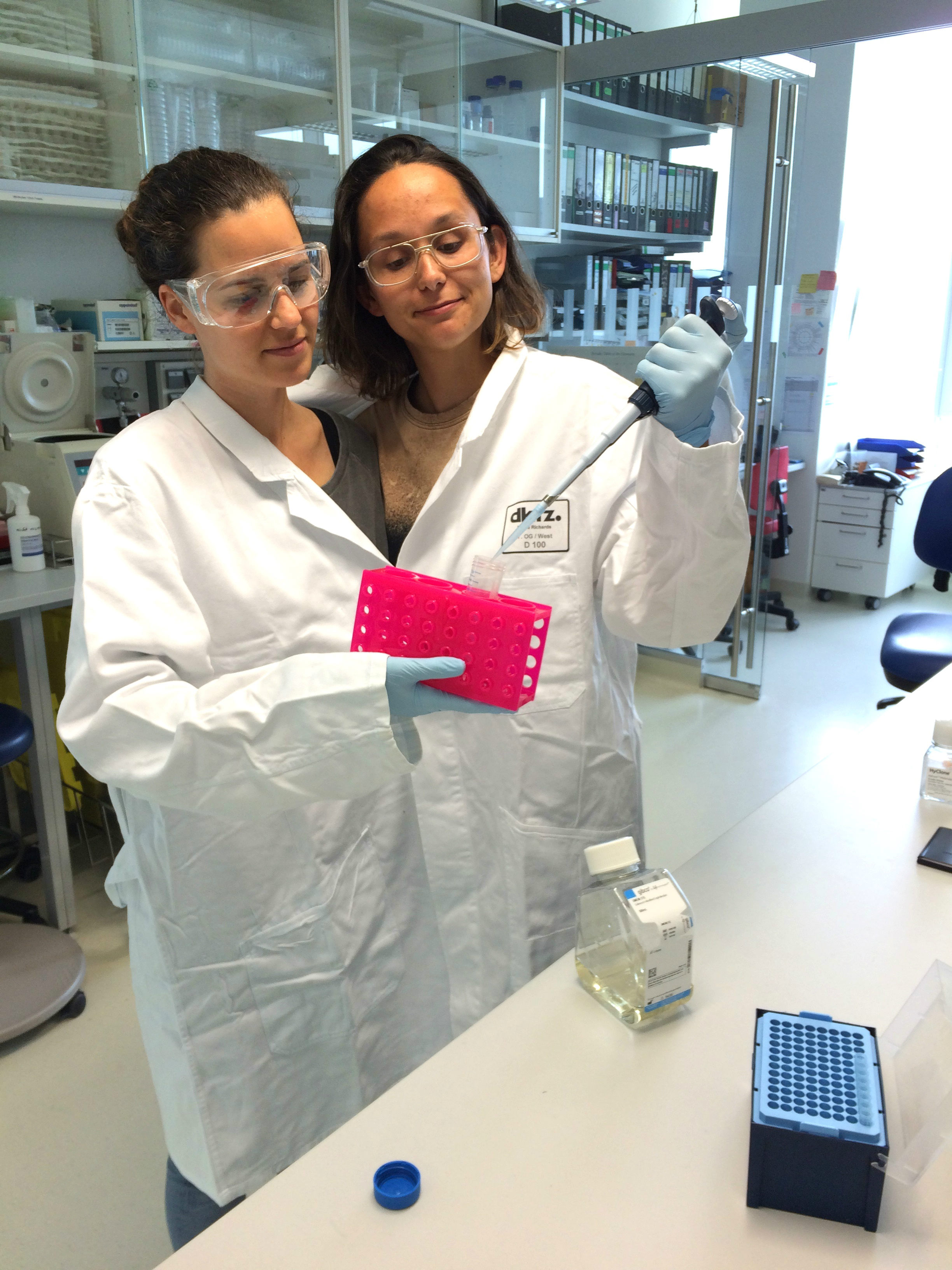
Could shared post-docs improve work-life balance and make academia more attractive for early career scientists?

Naturejobs journalism competition winner Ulrike Träger.

If you look for advice on work-life balance in science online, the message seems clear: it’s possible to fit a 10-hour work day around quality time with your kids and family as long as you’re organized. Flexible hours of working in the lab help. Experiments don’t mind when you do them, and can be postponed until your kids are asleep. But still, long hours are expected in order to be successful, and finding childcare during midnight experiments is not always easy if you don’t live close by. So for many (including myself, a post-doc in my late twenties pondering the right time to start a family) the prospect of having to plan each and every minute of the day to be a good parent and scientist is daunting. This leaves promising young scientists everywhere feeling like they have to choose between family and career.

Continue reading