Time management: stressed science needs to slow down

time-life-product-email-management-inbox-1053475-pxhere-smaller

There’s no shortage of time management advice. Maybe it’s time to reconsider our approach, says Eileen Parkes.

A Saturday morning email from a senior professor arrives. A flurry of Reply All emails swiftly follow. Should I join in — show I’ve read the email on a sunny Saturday?

The academic life has a reputation for long hours. A recent global survey of academics makes bleak reading, with researchers describing ever-increasing workloads and struggles with work-life balance. Earlier this year, academics worldwide joined a Twitter argument about their working hours, with many agreeing that a 60 hour week was an expected part of an academic career. Continue reading

How to fix your separation anxiety

Navigate your career as a woman scientist at the right pace to avoid physical and psychological burnout, says Komal Atta

I write this as I wait outside my toddler’s summer preschool. It’s the same routine every day — I drop her, she wails, I leave. Later, the teacher reassures me that she’s completely fine as soon as I’m gone.

Lab coats and mouth mask at coat hook

This is classic separation anxiety. I am overcome by guilt. Continue reading

On academic job insecurity and the ultimate tenure

Thoughts from Contract No. 17.

By Mila Petrova.

My latest mini-meltdown came after eight years in research employment, at the beginning of Contract No. 17. It came late. I’d lost a couple of thousand GBP from moving out hastily, lived for two months with my mum, moved far from the city of my university to use the affordable seaside lets in winter, and was about to live out of a suitcase in a youth hostel while my “permanent” accommodation became free. Three masters, PhD, top UK University and all. Most read paper of the month and a “will be delighted to hear about your ongoing work” letter from a senior parliamentary official in my inbox.

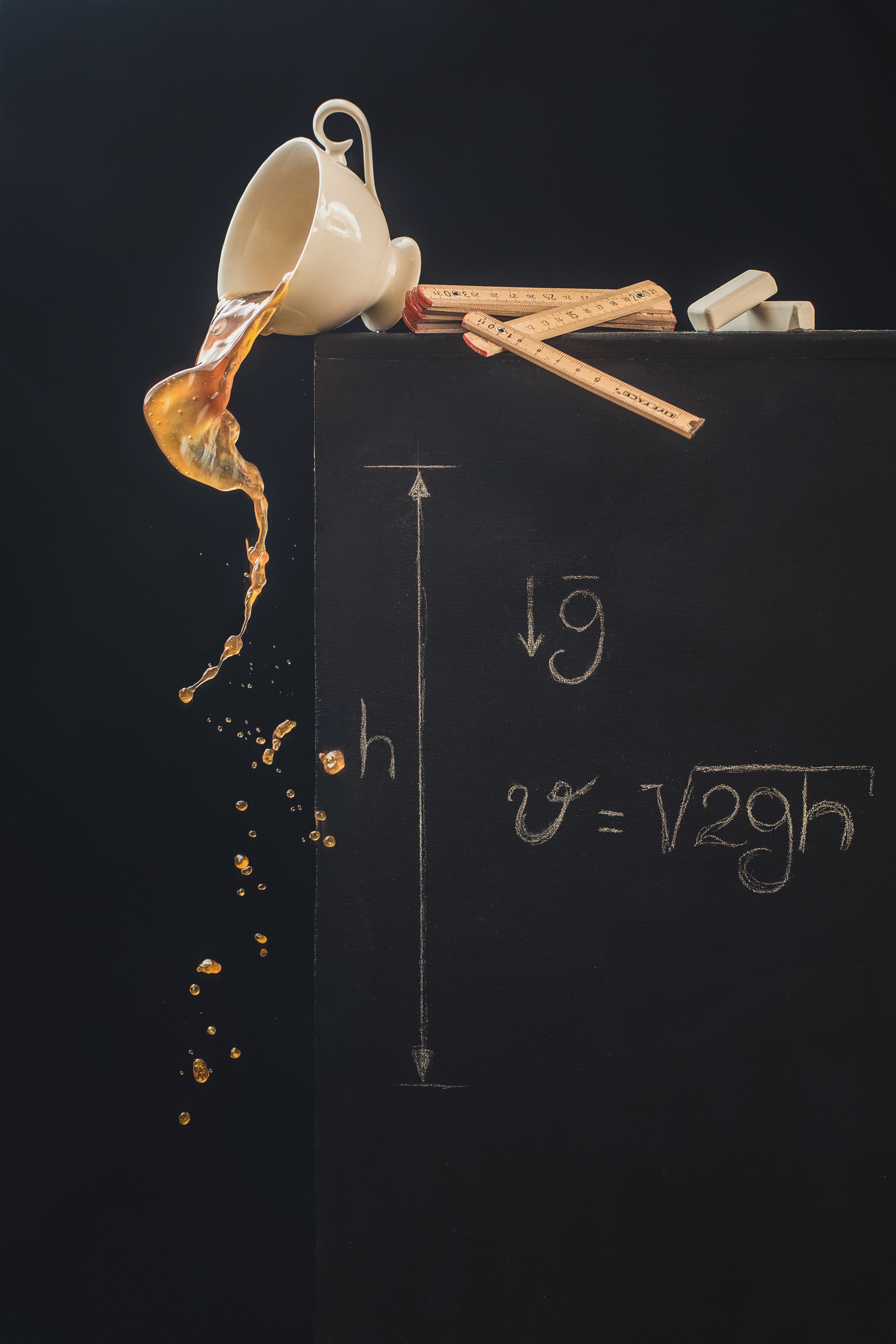
A coffee cup falling from chalkboard with formula of speed.

Continue reading

New to graduate school? Pay attention to those core courses

Finding the right balance between coursework and research is critical to success in graduate studies, says Tolulope Morawo.

By the end of your first semester in graduate school, you may find yourself drowning in all sorts of emotional episodes if care is not taken. Often, the excitement and challenges that come with conducting research can be overwhelming. If you’re fortunate enough to have been offered a graduate research assistantship, the dual responsibilities of being a student and researcher can be tricky at first. It is imperative that new students balance that fine line until they become established.

My picture- Morawo-smaller

Tolulope Morawo

Continue reading

Do you think your career was harder as a woman in science?

Academic speakers at the Naturejobs Career Expo, London, 2016, discuss sexism in academia.

https://www.youtube.com/watch?v=rdfqXdibc0k

Continue reading

Balance: Can scientists really have work/life balance?

Do we need to choose between life and science? No. If we learn to delegate and lose our perfectionism, we can have it all.

Naturejobs journalism competition winner Judith M. Reichel

Science is a balancing act. There are experiments to be run, grants to be written, manuscripts to be published, students taught, and conferences to attend. It’s not surprising then that the life of a scientist is a balancing act as well. But how can we balance it, and can we “have it all”?balance-716342_960_720

Continue reading

Babies or career: How to keep young researchers in science

Could shared post-docs improve work-life balance and make academia more attractive for early career scientists?

Naturejobs journalism competition winner Ulrike Träger.

If you look for advice on work-life balance in science online, the message seems clear: it’s possible to fit a 10-hour work day around quality time with your kids and family as long as you’re organized. Flexible hours of working in the lab help. Experiments don’t mind when you do them, and can be postponed until your kids are asleep. But still, long hours are expected in order to be successful, and finding childcare during midnight experiments is not always easy if you don’t live close by. So for many (including myself, a post-doc in my late twenties pondering the right time to start a family) the prospect of having to plan each and every minute of the day to be a good parent and scientist is daunting. This leaves promising young scientists everywhere feeling like they have to choose between family and career.

Continue reading

Juggling science and motherhood

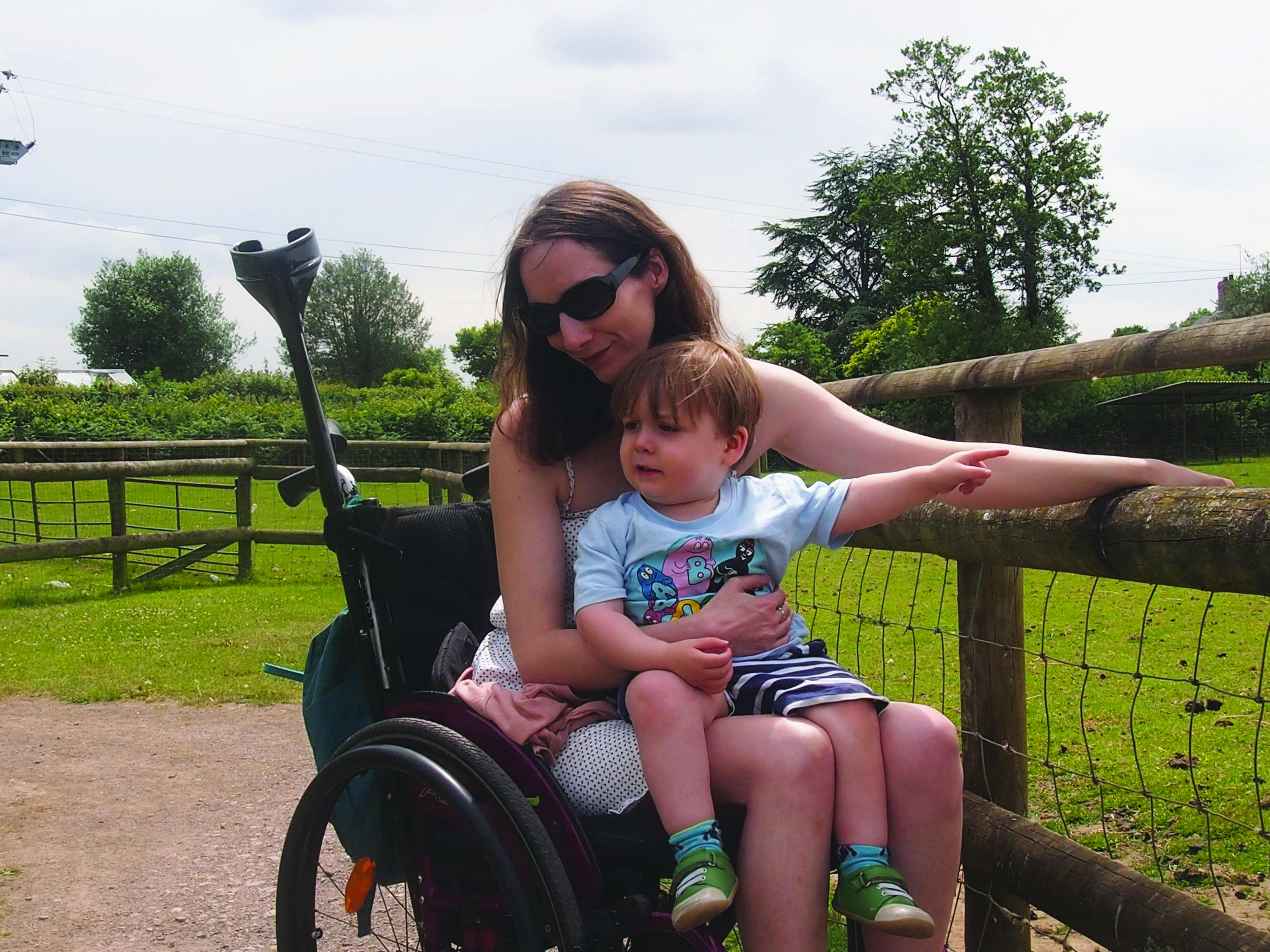
Balancing life inside and outside the lab is not always easy, but it’s possible to be a parent, a carer, #AndAScientist, says Seralynne Vann.

Guest contributor Seralynne Vann.


I have always had a love of science and always knew I wanted to be a mother. I’ve managed to combine a career in neuroscience with motherhood although at a numerous points over the years I questioned whether I would be able to have either, let alone both.

{credit}Seralynne Vann{/credit}


Continue reading