Tag Archives: stress

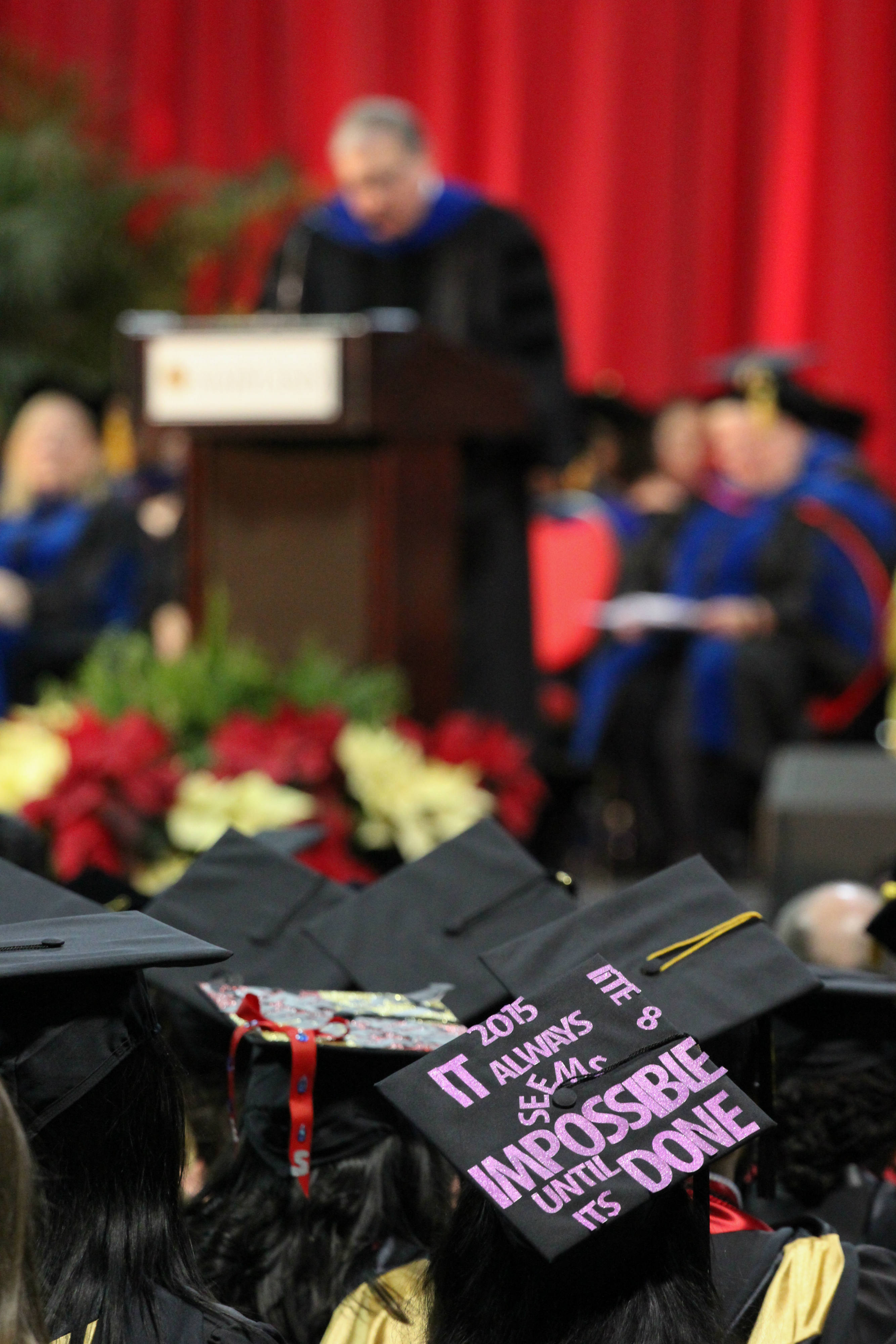
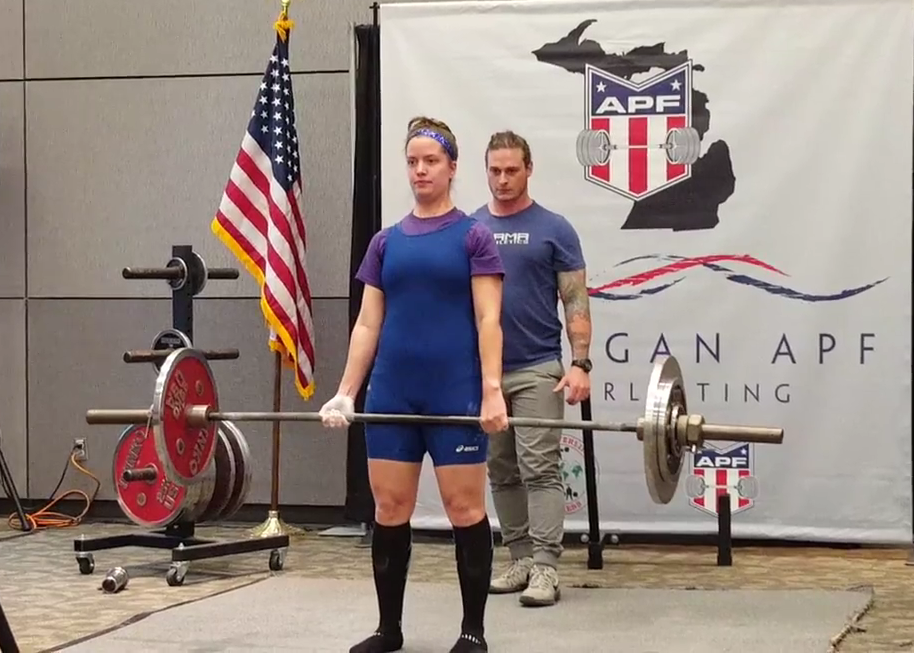
Powerlifting to a PhD
One in three graduate students are at risk of developing a common psychiatric disorder, and half of graduate students will experience psychological distress. Here’s how Rachel Frisbie helps manage the stress of graduate school.
How to fix your separation anxiety
Navigate your career as a woman scientist at the right pace to avoid physical and psychological burnout, says Komal Atta
I write this as I wait outside my toddler’s summer preschool. It’s the same routine every day — I drop her, she wails, I leave. Later, the teacher reassures me that she’s completely fine as soon as I’m gone.

This is classic separation anxiety. I am overcome by guilt. Continue reading
In sickness and in health: the importance of taking regular breaks
Time away from work is crucial for daily productivity and personal development, says Atma Ivancevic.
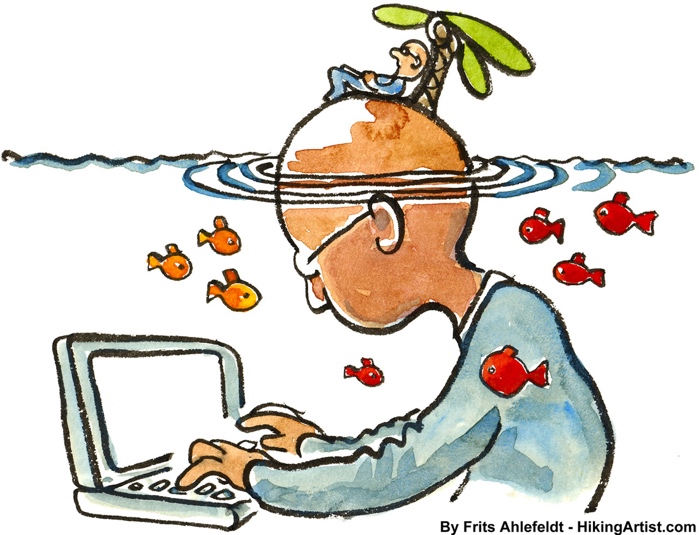
A few weeks ago, I took my first sick day for the year. I was mentally and physically exhausted: disheartened by delays and failures in the laboratory, and constantly bad-tempered from headaches and stress. I started staying up late. I stopped exercising and gave up my hobbies. I ignored my friends, partner and family, irritated by the distractions they presented. I prioritized work to the extent that I became miserable and unproductive, existing on bad coffee and fast food.
I was not alone. Continue reading
Being proactive about mental health during your PhD: a very short guide
Psychologist Karra Harrington shares some tips for Mental Health Awareness week.
When I started out in my PhD I was excited about the challenges I would face. Two and a half years later I’m still excited about my research, but, like most PhD projects, it‘s not all been smooth sailing. Rather than let how I was feeling derail my progress, I decided to use my training as a psychologist to develop ways to be proactive about managing mental health during the course of a PhD.
Degree and depression
Freelance writer Chris Woolston explains how a new study of PhD students in Belgium has underscored a harsh reality: Pursuing a PhD can be hazardous to mental health.
The study, published online in March in Research Policy, found high levels of mental distress among students. More than half of respondents reported at least two mental-health symptoms in recent weeks, and 32% reported four or more symptoms. Common complaints included feelings of constant strain, unhappiness, worry-induced sleep problems, and an inability to enjoy everyday activities. Continue reading
On academic job insecurity and the ultimate tenure
Thoughts from Contract No. 17.
By Mila Petrova.
My latest mini-meltdown came after eight years in research employment, at the beginning of Contract No. 17. It came late. I’d lost a couple of thousand GBP from moving out hastily, lived for two months with my mum, moved far from the city of my university to use the affordable seaside lets in winter, and was about to live out of a suitcase in a youth hostel while my “permanent” accommodation became free. Three masters, PhD, top UK University and all. Most read paper of the month and a “will be delighted to hear about your ongoing work” letter from a senior parliamentary official in my inbox.

14 scientific reasons to disconnect at the weekend
There’s good reasons to switch off on a Friday, explains a new infographic
Ten top science career tips for 2017
Top tens are very much a theme of the last issue of Nature for 2016. They include images of the year, 10 people who made a mark in science this year, and a review of the year in science. Naturejobs also gets into the “listicle” spirit by trawling through a year of articles to bring you our ten top career tips (and a few more thrown in for good measure) for the coming year.
1. Want to learn how to design an experiment or analyse data? Training is there if you look.
 Scientific irreproducibility — the inability to repeat others’ experiments and reach the same conclusion — is a growing concern.
Much blame is placed on weak experimental and analytical practices that cause researchers to inadvertently favour exciting hypotheses.
Monya Baker reports.
In a separate post for Naturejobs, Monya runs through some of the statistical tools she discovered as part of her research. Continue reading
Panic and a PhD
The authors are recent PhD graduates who’ve all experienced anxiety during and after their doctoral program.
Here they share their story to support current doctoral students working to navigate and maintain a healthy work/life balance.
The lifestyle of graduate school has been associated with the presence of mental health issues, such as depression and anxiety, in students during their academic programs. A 2013 analysis of the 2009 National College Health Assessment found that 61.3% of current graduate students reported ever feeling anxiety, with 43.8% feeling anxiety within the past 12 months. As recent graduates from a doctoral program, we’ve experienced this anxiety firsthand, and hope that our stories and recommendations can help to tackle this problem head-on.
Stress is an essential reaction to danger, a mechanism ingrained in us long ago to force a “fight” or “fly” response. However, it’s how we react to stress that impacts our long-term health, including the potential development of anxiety through cognitive distortions and unhealthy coping mechanisms. While we three may have already been naturally anxious people, this became increasingly heightened when under the stress of working on our PhDs.