Babies or career: How to keep young researchers in science
Could shared post-docs improve work-life balance and make academia more attractive for early career scientists?

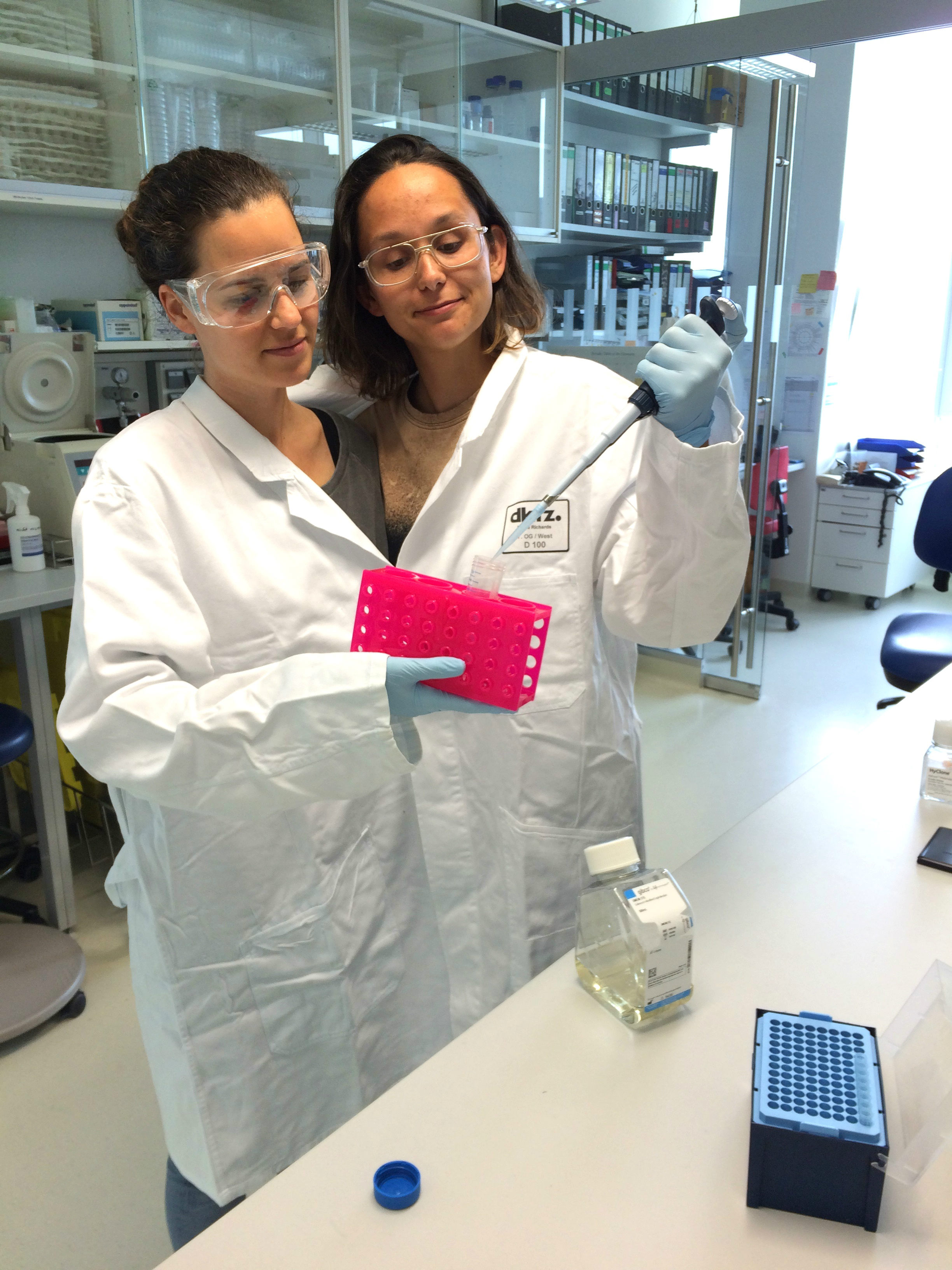
Naturejobs journalism competition winner Ulrike Träger.

If you look for advice on work-life balance in science online, the message seems clear: it’s possible to fit a 10-hour work day around quality time with your kids and family as long as you’re organized. Flexible hours of working in the lab help. Experiments don’t mind when you do them, and can be postponed until your kids are asleep. But still, long hours are expected in order to be successful, and finding childcare during midnight experiments is not always easy if you don’t live close by. So for many (including myself, a post-doc in my late twenties pondering the right time to start a family) the prospect of having to plan each and every minute of the day to be a good parent and scientist is daunting. This leaves promising young scientists everywhere feeling like they have to choose between family and career.

Continue reading

Research in Singapore: Bring the ideas and the family

Contact-Singapore

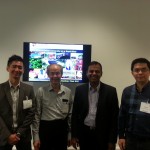
L-R: Terence Ong, Prof. Lam, Prof. Sri, Prof. Wang.{credit}Credit: Lisa Restelli{/credit}

Relocating to Singapore has benefits for scientists and their families.

Contributor Lisa Restelli

Scientists are expected to lead rather mobile lives. However, relocating to a new country, especially post PhD, can be quite demanding as by that point you might have a family to consider. Trailing, non-scientist spouses can have a hard time settling into a new life abroad, often not knowing the language of their host country, sometimes not permitted to work, and with the nagging worry that their children will have a hard time adapting to the new school system.

 At the Naturejobs London Expo, on Friday 19 September 2014, I attended the “Contact Singapore” workshop about science opportunities in the Southeast Asia city-state, and was pleasantly surprised to discover that it may not be so tough. With its stable political climate, its growing economy and its diverse population, the Republic of Singapore appears to be a great environment in which to foster discovery (more information at Contact Singapore), while at the same time offering attractive work and life opportunities to non-scientist immigrants.

Once they had us interested in Singapore, delegates presented some of the potential scientific opportunities in the College of Engineering at Nanyang Technological University, which recently placed first in an international ranking of young universities. Continue reading