Tips to identify the perfect employer

Knowing yourself, what you want and what motivates you should be the foundation of your job hunt, says Ulrike Träger.

Finding the right job and organization to work in after your PhD can be a daunting task. Coming from an academic setting, researchers tend to struggle to identify skill sets needed for a change in their career paths, asking questions like ‘what skills should a medical writer have?’ Job titles sometimes explain little about the actual work responsibilities—did you know, for example, that an ‘Innovation Facilitator’ communicates science and sets up links between academia and industry, to help speed up drug development or begin business opportunities?

Different_ iStockphoto_Thinkstock

{credit}iStockphoto/Thinkstock{/credit}

Continue reading

How to answer: Behavioral questions

Based on advice given by Sarah Cardozo Duncan at the Naturejobs career expo, Boston. Sarah has 20 years’ experience in recruitment and career development as career strategist based in Boston.

Naturejobs career expo journalism competition winner Ulrike Träger

You’re in the interview for your dream job. You give a great presentation on your work. You looked up the company, their work and the person interviewing you. All is going well. Until someone asks “please give us an example of when you had a conflict with your boss”. You start to sweat. You don’t know what to say. You stutter. You didn’t prepare for this type of question.

{credit}iStockphoto/Thinkstock{/credit}
Continue reading

Babies or career: How to keep young researchers in science

Could shared post-docs improve work-life balance and make academia more attractive for early career scientists?

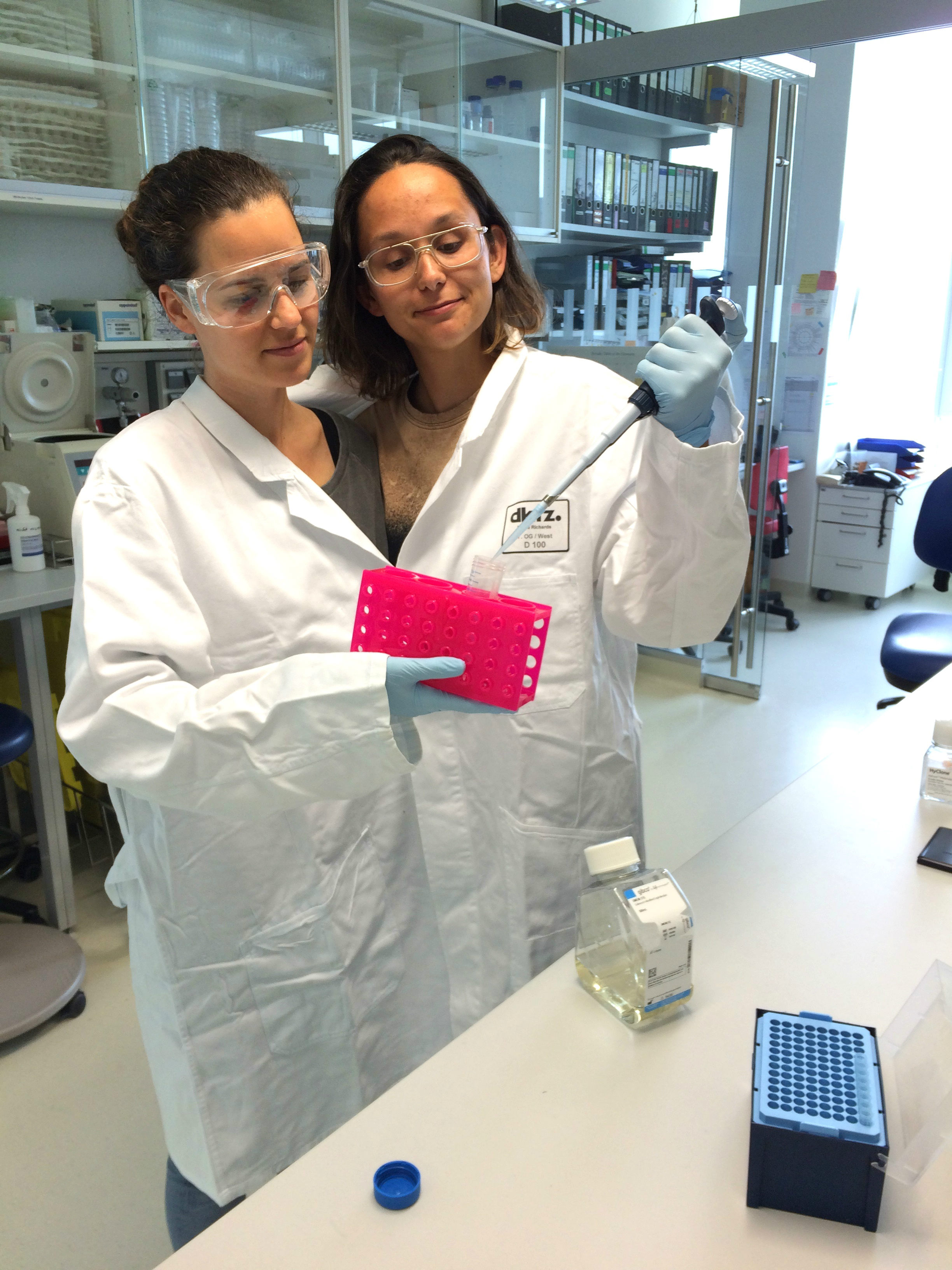
Naturejobs journalism competition winner Ulrike Träger.

If you look for advice on work-life balance in science online, the message seems clear: it’s possible to fit a 10-hour work day around quality time with your kids and family as long as you’re organized. Flexible hours of working in the lab help. Experiments don’t mind when you do them, and can be postponed until your kids are asleep. But still, long hours are expected in order to be successful, and finding childcare during midnight experiments is not always easy if you don’t live close by. So for many (including myself, a post-doc in my late twenties pondering the right time to start a family) the prospect of having to plan each and every minute of the day to be a good parent and scientist is daunting. This leaves promising young scientists everywhere feeling like they have to choose between family and career.

Continue reading