Different “Me”s open up a new world on a personal and scientific level

Haruka Yuminaga’s experience moving back to Japan has been a challenge — but has helped her become a better scientist.

A light grey room is filled with 23 grey desks, scattered in pens and books. In one corner sits a refrigerator packed with snacks. Next to it is a rice cooker. The walls are covered in pictures of fun lab memories. Amidst the clutter, some students joke and laugh; chat with a professor about their experimental procedures; analyze data on their laptops and unconsciously wrinkle their brows.
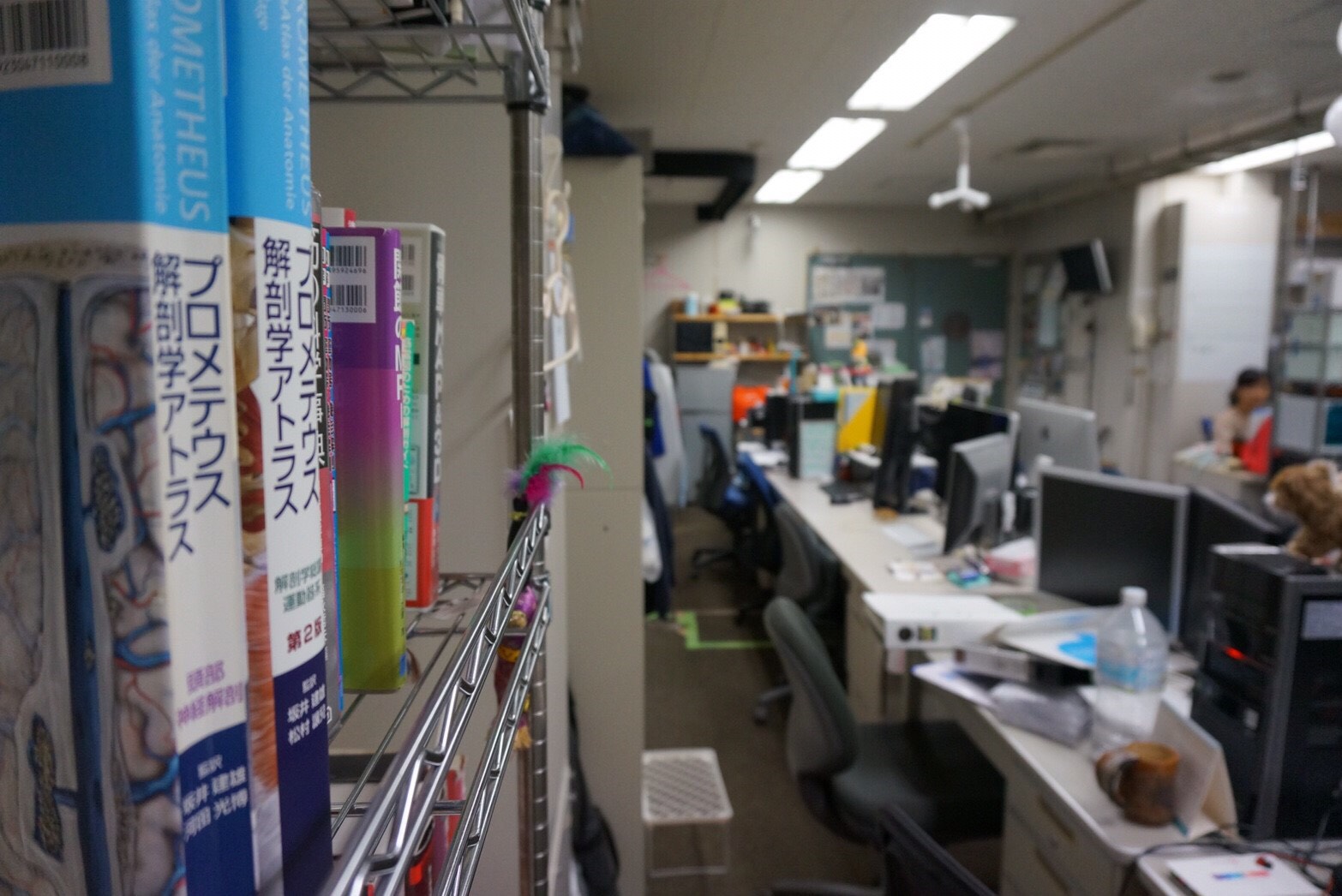
umi lab

The Ushiba lab

It is a usual morning at the Ushiba lab where I’m doing an internship this summer. I am a rising junior at Macalester College in Minnesota, USA. Before spending two years in a U.S college, I spent all my life in Japan, and expected being back in a Japanese lab to feel natural. But my assumption was wrong.


Reverse culture shock

Continue reading

Tips to identify the perfect employer

Knowing yourself, what you want and what motivates you should be the foundation of your job hunt, says Ulrike Träger.

Finding the right job and organization to work in after your PhD can be a daunting task. Coming from an academic setting, researchers tend to struggle to identify skill sets needed for a change in their career paths, asking questions like ‘what skills should a medical writer have?’ Job titles sometimes explain little about the actual work responsibilities—did you know, for example, that an ‘Innovation Facilitator’ communicates science and sets up links between academia and industry, to help speed up drug development or begin business opportunities?

Different_ iStockphoto_Thinkstock

{credit}iStockphoto/Thinkstock{/credit}

Continue reading

Career paths: What do you need to think about before taking your next step?

Before choosing a new career path, take the time to get to know yourself, and you may be surprised at how well things fall into place.

 Naturejobs journalism competition winner Mary Gearing

Any career, scientific or otherwise, is the product of choices. In my own path in science, the first set of choices was clear: major in biology, conduct undergraduate research, enroll in a PhD program. This was a comforting, well-trodden path, but it left me unprepared to make the next big decision: my post-PhD direction. Now, as I near the end of my graduate studies, I’ve realized that this decision is much simpler than I thought. The most important tool for a career change is self-awareness – the willingness to analyze yourself as thoroughly as you would any key experiment.

Continue reading