Sharing research in three minutes: A shorter timeframe to see the bigger picture

Joshua Chu-Tan

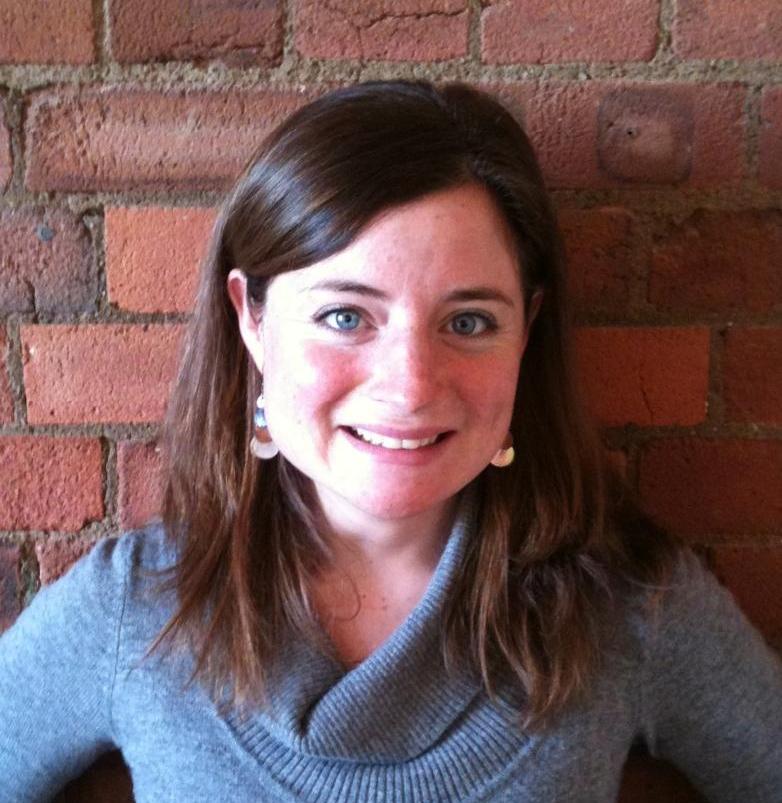
Joshua Chu-Tan{credit}Jane Duong{/credit}

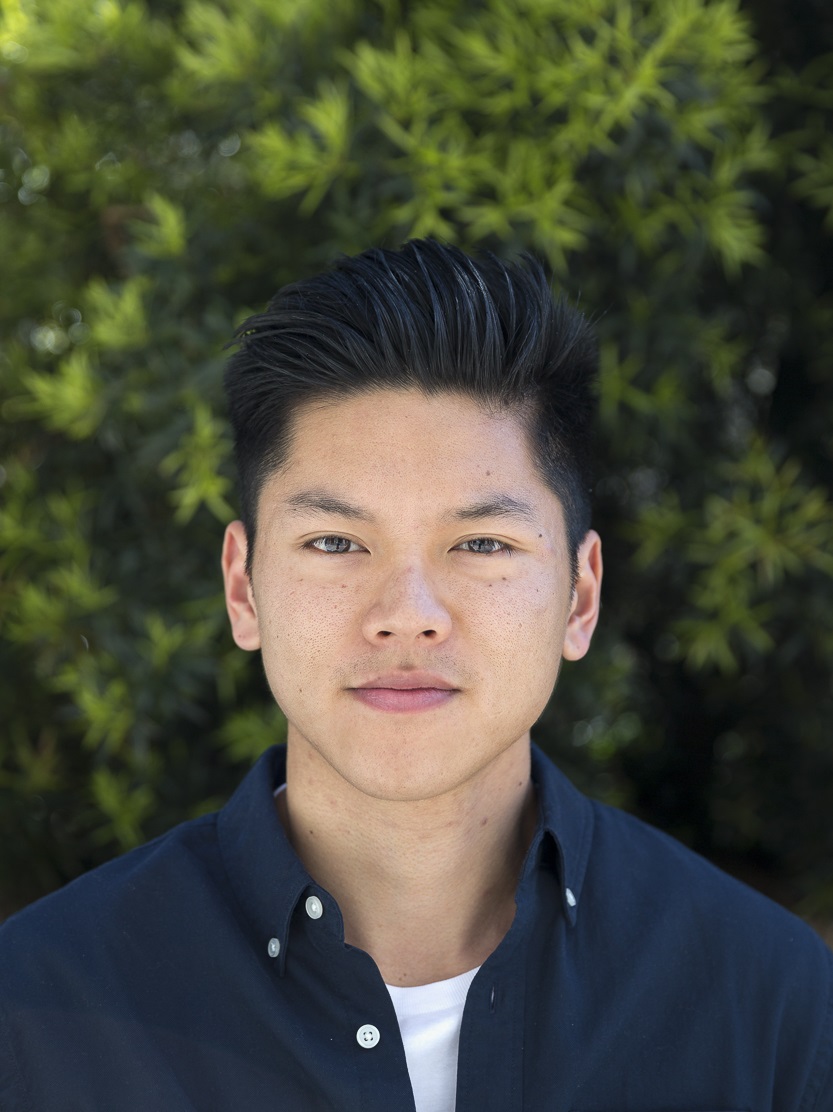
Joshua Chu-Tan is a second-year PhD student in the Provis Group at the John Curtin School of Medical Research at the Australian National University (ANU).

His presentation of his thesis, “Targeting the Root of Vision Loss”, won him top prize at the ANU’s Three Minute Thesis (3MT) competition. This event challenges PhD students to present their research in three minutes to a non-specialist audience. Joshua also went on to win the 2016 Asia-Pacific 3MT, which drew 50 contestants from six countries.

We ask him about his research and his experience competing in the 3MT.

1. Tell us about your research. What is its significance and what are your main findings?

Age-Related Macular Degeneration (AMD) is the leading cause of blindness in developed countries with a global cost of over US$340 billion per year. Our group looks at the dry form of AMD, which accounts for 90% of all AMD cases. This happens when light-sensitive cells deteriorate, causing a loss in central vision. There is currently no cure.

We work on gene therapies for dry AMD using microRNA. These molecules are masters in gene regulation: a single microRNA molecule can bind to multiple targets, all of which often work within the same cellular pathway. In this way, we can theoretically regulate entire pathways, rather than single genes. This could prove fruitful for complex, multifactorial diseases such as AMD.

I’ve been able to characterise a number of microRNA in our AMD model and through injections of a specific anti-inflammatory microRNA into the eye, we’ve seen a decrease in inflammation, as well as a slowing in the damage progression of the retina, which has been very promising.
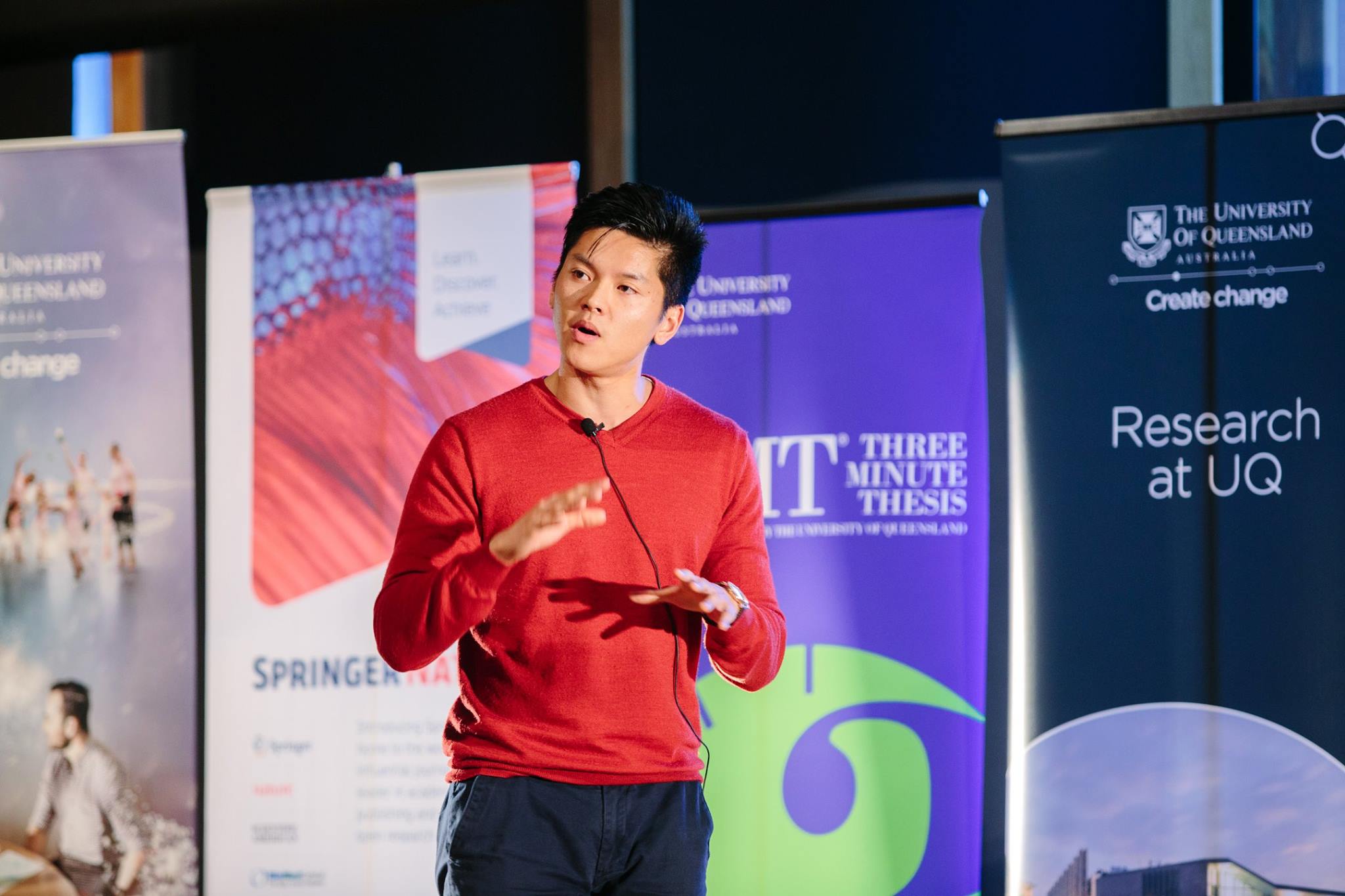
Joshua Chu-Tan speaking at the 2016 Asia-Pacific 3MT competition

Joshua Chu-Tan speaking at the 2016 Asia-Pacific 3MT competition{credit}University of Queensland{/credit}

2. How did you hear about the Three Minute Thesis (3MT) competition and why did you choose to enter?

In 2015, I went to watch the ANU 3MT finals. The experience was phenomenal: hundreds of people came to watch students from all departments and faculties condense years of work into a three minute pitch. The interest that people outside of academia showed was inspiring and as I listened to all these brilliant students talk about the bigger impact of their work, I was enthralled. The whole time I was there, I kept thinking of ideas for my own 3MT—I knew I had to give it a crack.

3. Why do you think events like the 3MT are important? What did you gain from your involvement?

I believe the value of science communication is often overlooked in research, especially medical research. As researchers, we’re often invested in a single aspect of a holistic problem, which can result in tunnel vision within our niche. The work we publish uses highly specialised jargon, which is necessary for us to discuss specific problems, but isn’t very accessible for the general public.

Participating in events like the 3MT give us an avenue to convey our work to people outside of our field. We can take a step back and look at the bigger picture: Why should people outside of this field care about our work? What’s the real goal? Even the process of writing a speech for something like the 3MT is rewarding in that it gets us to consider these questions.

The ANU and Asia-Pacific events were also incredible opportunities for me to find out about other people’s research from around the world and consider new ways of looking at a problem. I really think the future of research will be interdisciplinary. We’re all trained to look at a problem in our particular way, but there’s only so much we can achieve within our specialties. Having experts from different fields approach a challenge together will greatly benefit research.
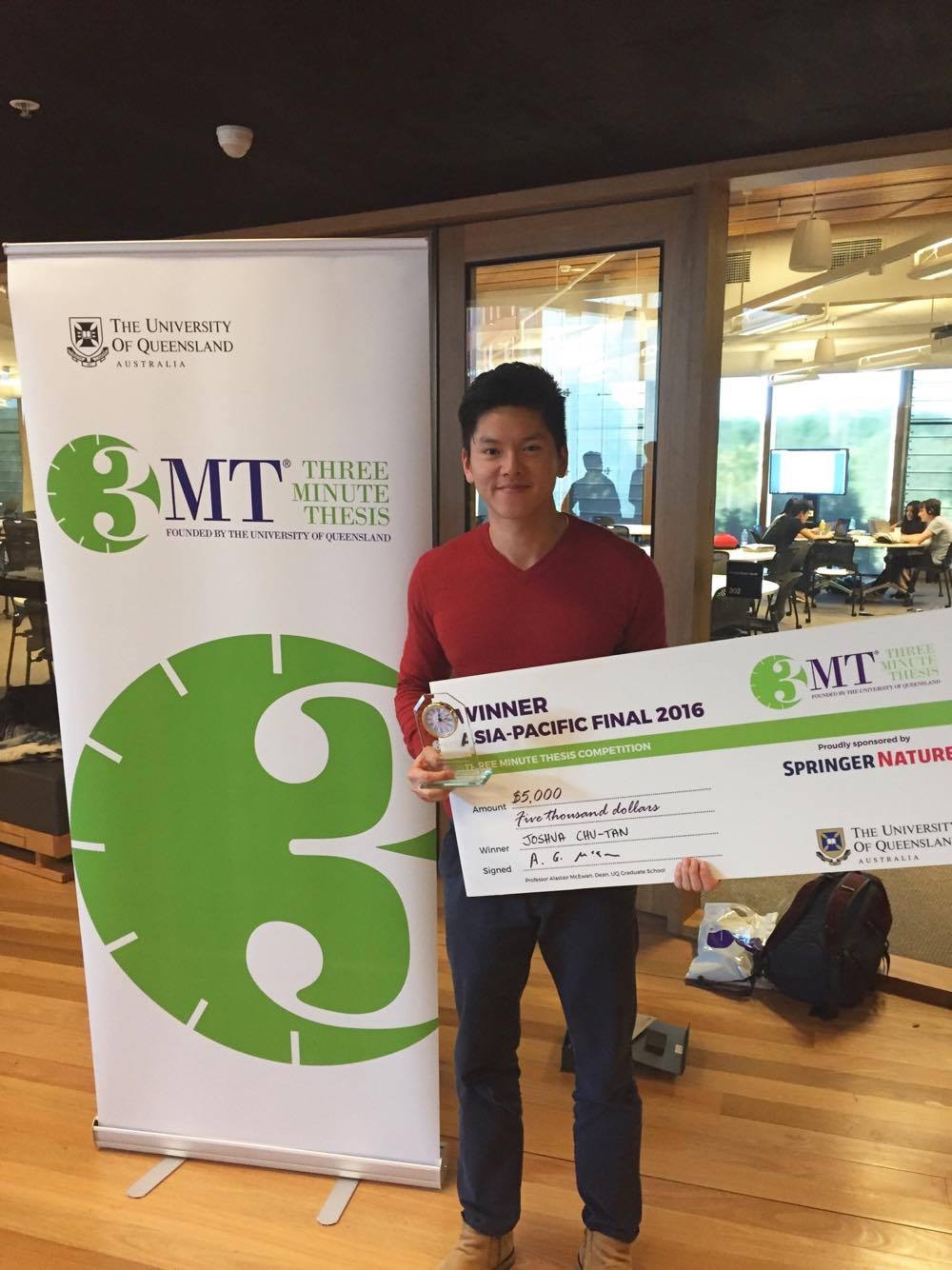
Winning the Asia-Pacific 3MT

Winning first prize at the Asia-Pacific 3MT{credit}Joshua Chu-Tan{/credit}

4. Do you have advice for other students preparing for a 3MT event?

  1. Enjoy it! It’s not an easy task and there will be nerves but really enjoy the moment, be confident in yourself, and take pride in your research.
  2. Only mention the key points of your work and make the audience relate to it. Write it like a story with a beginning, middle and end, and be true to yourself and how you would like to present it.
  3. At the events, truly listen to everyone’s work. Soak in all the amazing research that’s being conducted by your peers. This journey wouldn’t have been as rewarding if it wasn’t for everyone I met along the way.

5. What’s next for you?

With the Asia-Pacific win, I now have the incredible opportunity to attend and present at the Falling Walls Lab/Conference in Berlin. It’s a chance to rub shoulders with the world’s brightest minds so I intend to make the most of it.

After this remarkable 3MT journey ends, it’s full steam ahead to complete my PhD with a bang. I intend to stay in the field and attain fellowships that will allow me to complete my postdoctoral training overseas. Hopefully I can then return to Australia to contribute towards the strong research environment here.

You can watch Joshua’s winning 3MT speech, “Targeting the Root of Vision Loss”, here.

Founded by the University of Queensland in 2008, 3MT events are now hosted by over 400 institutions across six continents. The 2016 Asia-Pacific 3MT was sponsored by Springer Nature.
Winners of the Scientific American Innovators Award Turn Trash into Water Filters [Video]

Guest post by Andrea Gawrylewski, collections editor at Scientific American

After 50 hours in a lab, three Ohio eighth graders convert Styrofoam food containers into a patent-worthy new water filter

SA-innovators-award

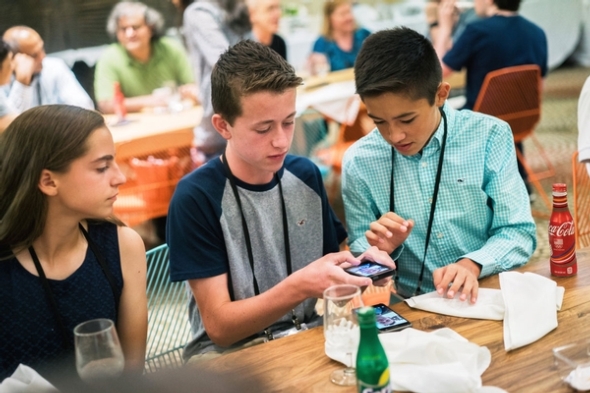
Scientific American Innovators Award winners (from left to right) Julia Bray, Luke Clay and Ashton Cofer
Credit: Andrew Weeks

World-changing ideas may just come from our youngest scientists. This year’s winners of the annual Google Science Fair—including the winners of the Scientific American Innovators Award—were announced this week at Google headquarters in Mountain View, Calif. The event is the largest online science fair in the world, and since its inception in 2011 more than 30,000 teenagers have submitted projects in almost every country.

“Kids are born scientists,” says Scientific American Editor in Chief Mariette DiChristina, who served as head judge at the fair. “They ask great questions and we should foster their efforts to learn the answers firsthand.”

For the past five years Scientific American has partnered with Google to award the Scientific American Innovator Award, which honors an experimental project that addresses a question regarding the natural world. This year’s award went to three eighth graders from Ohio who were particularly disgusted with the amount of Styrofoam (polystyrene foam) trash they saw in their everyday lives—the material accounts for 25 percent of landfill space, and is exceptionally difficult to recycle or reprocess.

The team of Julia Bray, Luke Clay and Ashton Coffer, all age 14, analyzed the chemical structure of Styrofoam and determined that it is composed of over 92 percent carbon. This sparked their idea: They hypothesized that they could use heat to convert the Styrofoam into activated carbon—which could then be used to filter water. After 50 hours of experimental work, the team successfully converted the polystyrene into carbon with over 75 percent efficiency by heating the material to 120 degrees C. They then treated the carbon with a set of chemicals to increase the surface area of the material, and tested it against commercially available water filters. Their results showed that their carbon successfully filtered many of the same compounds that commercials filters remove from water.

“Styro-Filter is just the beginning of an innovation to take dirty waste and make clean water,” Bray explains in her team’s video summary of the project. The team has filed for a provisional patent for its filter-making process.

The winners of the Scientific American Innovators Award share a $15,000 cash prize. The grand prize of the Google Science Fair went to Kiara Nirghin, a 16-year-old from South Africa who used orange peels and avocado skins to devise a superabsorbent material that can absorb and hold 300 times its weight in water. She hopes that the nontoxic material can be used to boost agriculture in water-scarce regions.

“All of the finalists produced inspiring work,” DiChristina says. “It’s thrilling that the judges chose such exciting candidates from all around the globe.”

This article originally appeared at Scientific American on 28 September 2016 and was republished with permission.

Audio-visual summaries experiment: An update

Guest blog by Steven Inchcoombe, CEO of Nature Publishing Group, and Hazel Newton, Head of Author Services

In July we announced that we were running a small scale experiment in collaboration with Research Square offering audio-visual summaries of research papers to a small group of authors. The purpose of this trial is to understand whether this is a useful service for authors and the wider research community. You can find out more about this initiative here.

We now have 20 audio-visual summaries available. Below are two examples:

View all of the audio-visual summaries here.

What do you think of these summaries? Is this a service you find helpful as a reader, and would value as an author? How can we make these as useful and informative as possible? We’ll report back on our findings at the end of the experiment.

Explaining scientific research: introducing audio-visual summaries

Guest blog by Steven Inchcoombe, CEO of Nature Publishing Group, and Hazel Newton, Head of Author Services

Today we are introducing an experimental collaboration with independent research communication company Research Square to help authors explain their research to the academic community with audio-visual summaries. This six-week trial is part of Nature Publishing Group’s (NPG) ongoing drive to better understand and meet the needs of our authors and readers. To do this, we regularly refine our services and policies, and pilot new services to gather feedback.

Here we explain the rationale for this experimental collaboration, how the trial will run and what we hope to learn.

What is the problem we are trying to solve?

Quickly grasping the main points and conclusions of a scientific paper can be challenging, particularly when it lies outside one’s field of expertise.  The language is often technical and discipline-specific, and deciphering methodologies and techniques from prose can be tricky. Visual representations of the work can help with this.

Expanding the reach of new research can be important to academics, institutions and funders.   However, academics have ever greater demands on their time and consume information in a variety of formats and media.

The solution we’re exploring

Nature Publishing Group and Research Square have been considering this challenge for some time as part of our ongoing efforts to better serve the research community and harness our expertise in science communication.  We think we can help  to alleviate some of the pressure on authors to spend their time translating their results into different formats for audiences broader than their immediate colleagues and others working directly in their field.

Together we have decided to trial an experimental collaborative project to produce audio-visual summaries of selected research papers published in NPG journals, releasing the first of these summaries this week (see below for an example of a summary of a Nature Photonics paper and here for an example of a summary of a Nature Materials paper).

How it will work

For the next six weeks Research Square will produce and release 2-4 minute audio-visual summaries for selected papers from seven Nature research journals.

This is optional for authors, so NPG will gain agreement from the corresponding authors that they would like to participate in the trial. During the production of the summaries, all information about the research will be kept confidential, and the summaries will not be made public until the papers to which they relate are published.  At that point, they will be free to view for readers on various NPG and Research Square’s social media channels and wherever else the authors choose to post and share them. The service will be provided free-of-charge to those authors whose papers are involved in this trial.

As this is primarily an author service, the author approves the audio-visual summary, and they also retain the right to post and share it.  The audio-visual summaries are not peer-reviewed, subject to editorial approval or published by Nature Publishing Group. Responsibility for the content rests with the author and Research Square.

The papers for this experimental phase are picked by NPG. The Nature editors are consulted from time-to-time and check the AV summary for accuracy.

Throughout the project we’ll be collating and assessing feedback from the authors of the papers, which will help NPG determine whether to offer an optional paid-for service to authors in the future.

We’re interested from hearing from you, too. What do you think of the audio-visual summaries? Is this a service you find helpful as a reader, and would value as an author? How can we make these as useful and informative as possible?

We’ll report back on our findings at the end of the trial, as well as posting the audio-visual summaries on this blog so that if you wish to watch them and provide feedback, you can do so easily.

We don’t yet know what the research community will make of these audio-visual summaries or how they may choose to use them – that’s part of the interest in testing possible services alongside trusted partners, and asking you what you think.  But we do know that we’re committed to working with the research community to identify where we can provide support and be responsive to demand and interest.

We hope that this trial will help both researchers to better communicate their work and NPG and Research Square to better understand how we can support global research communication.

About our partnership with Research Square

Nature Publishing Group collaborates with Research Square on several projects and services to better meet the needs of authors. The two organisations share a passion for improving research communication and its power to impact society. Since 2008, NPG has provided NPG Language Editing, supported by Research Square’s American Journal Experts (AJE) brand. The two organizations are independent, collaborating on specific services and initiatives. You can find out more about Research Square here.

Research Square will run a separate and independent trial of audio-visual summaries to test messaging and pricing on their own site for any interested author in parallel to its collaboration with NPG.

Revving up brain skills

Brain training games claim to boost your mental skills. But while practicing a game might make you better at it, research in young people has shown it doesn’t improve how well you perform other cognitive tasks in everyday life. Now a new study suggests the case may be different for adults above the age of 60.

Researchers at the University of California have designed a driving game called NeuroRacer. In this Nature Video, we see how the game can improve an older player’s short-term memory and attention, skills which decline with age.

You can also read the original research paper hereContinue reading

Mapping the brain

Charlotte Stoddart
Head of Multimedia, Nature

Recently, Europe and the United States committed large chunks of money to brain research; The European Commission’s Human Brain Project and Obama’s BRAIN Initiative were both launched this year. There seems to be a real push by politicians and the science community to understand the brain, an organ of staggering complexity. One way to get to grips with this complexity is to map it. But tracing the precise path of every neuron, including its multiple branches and connections, is difficult and immensely time-consuming – a human brain contains over 80 billion nerve cells. Recently, scientists have managed to map scraps of brain tissue containing hundreds of cells. That might not sound impressive, but it’s a huge improvement.

Two years ago, researchers at Harvard Medical School and the Max Planck Institute for Medical Research mapped tiny pieces of mouse brain including just 20-30 cells – and I made a video about it. Continue reading

Nature Publishing Group joins Soundcloud

We are excited to announce that today we launch our brand new Nature Publishing Group Soundcloud account.

Soundcloud is an online platform which provides users with a place to upload and share audio– we’ll be uploading the Nature podcast each Thursday and sharing it across our social network pages.

Listeners can interact with what they are hearing better than ever before – you can comment at a specific point in the track to add your thoughts to the discussion, share the podcast with your friends and followers, and see which our most popular episodes are. Users can listen online, or download apps to listen via their smartphones or tablets.

First launched in 2007, as of December 2012 Soundcloud has over 180 million active users per month across the web and mobile. NPG will be joining the likes of the Guardian, the BBC, CNN and many more who have already established a presence on the network.

Come along, have a listen, keep an eye out for new content, and let us know what you think! Continue reading

Nature PastCast Launches Today – Q&A with Kerri Smith

KS brick grey3

Kerri Smith presents and produces Nature’s podcasts and the award-winning NeuroPod, and occasionally reports for the News section. She joined Nature as an intern in 2006 after completing an MSc in science communication at Imperial College London. 

Kerri talks to the Communities Team about her latest project, PastCast.


  • Can you tell us more about the PastCast project that’s launched today? 

The Nature PastCast is a new podcast series telling the stories behind some of the biggest papers in Nature’s archive. Each month for the next year, the PastCast will raid Nature’s back catalogue, setting in context key moments in the history of science – and rooting out some of the quirkier reports from the journal – with the help of scientists and historians.

Since joining NPG, I’ve always been aware of the rich and varied archive – all the way back to the first issue in 1869. I wanted to do something with it – something more than just summarise key papers. I wanted to use them as pegs for looking more broadly at what was going on in science at the time, what hit the public imagination. Audio is the perfect way of bringing them to life, and I hope the PastCasts will help to take you back in time. Continue reading

Our love letter to the Shuttle

NASA’s 30-year Space Shuttle Program came to an end today as, for the very last time, the shuttle Atlantis touched down at the Kennedy Space Centre in Florida.

As a fitting tribute, closing the door on America’s most influential era of space exploration, Nature Video has documented the shuttle program’s extraordinary feats with a fascinating film compilation.

NASA’s Space Transportation System (STS) was designed to be re-usable. As well as Atlantis, four other shuttles made up the fleet and in total they flew more than 3 years and 230 days, orbited the earth more than 21,000 times, and transported tools to explore the universe.

The Space Shuttle fleet delivered the Hubble Space Telescope, the International Space Station, and dozens of satellites, space probes and supplies. 355 men and women flew on these space shuttles and two Shuttles were lost: Challenger in 1986 and Columbia in 2003. This video assembles every single mission in chronological order, documenting the launches, life on board, as well as the spectacular touch downs.

A few words from Charlotte Stoddart of the Nature Video team who helped to put together the compilation:

• Why did you make the video?

Many of us grew up watching the shuttle launches. They inspired a whole generation of scientists. We wanted to mark the end of the STS program, but also to celebrate it – and to remember the men and women who lost their lives. It was very important to us to include not only stunning shots of the shuttles, but also images of the astronauts to show the human side of the missions. So we’ve got a clip of astronauts shaving, washing their hair, eating, exercising…

• How did you make this video?

We got in touch with NASA about a year ago and they agreed to give us full access to their archive. The first shuttle launched in 1981 (the year I was born!) and many of the early missions are only available on VHS tape. We had to digitise all the VHS tapes and convert them into a format that would work in Final Cut Pro, our editing software. Then we trawled through hours and hours of footage, picking our favourite clips and adding them to the timeline. It was a challenge to fit in every single mission, in order, but we were determined not to miss one. The final mission, STS-135, touched down this morning. We recorded the landing live, slotted the footage into the end of the timeline and then released the film.

• Finally who was involved in making this video?

It was Adam Rutherford’s brilliant idea to make a film about the Space Shuttle Program including every single mission. I then spent hours on our video editing Mac trying to turn his vision into a film. Somebody on Twitter suggested 65daysofstatic for the soundtrack and Paul from the band very kindly remixed the music for us. The two tracks are ‘PX3’ and ‘Retreat Retreat!’ Paul’s friend Dave Holloway, a professional music video editor, spent a couple of days polishing the film. Thanks also to our New York-based colleague Eric Olson who digitised dozens of VHS tapes and even flew to Houston to get them all done in time. And thank you of course to NASA for letting us into their archive and for 30 years of the Space Shuttle Programme.

Nature Special

If you are keen to find out more, in a Nature special earmarking the end of NASA’s 30-year shuttle programme, we take a look back at the shuttle’s sometimes rocky past, and look ahead to the uncertain future for human space flight.

Science as seen on screen – part V: Video Vote Results

The grand finale to our mini-series on science as seen on screen.

This month we have been running a mini series on science as seen on screen. We have supplied links to science video resources, have watched a clip of the first ever science documentary, and have provided some top tips for budding science TV presenters and film-makers.

In our last post we asked you to judge the best Nature Video. Voting is now closed and the results have been collected. This can only mean one thing, we have a winner!

And the winner is……

Congratulations to Lego Antikythera mechanism video that scooped up 42% of the vote and now officially holds the title of Best Nature Video, as voted by Nature Network readers. Thanks to everyone who took part.

Why not take a look at the statistics?:

Results for Video Vote.JPG

And finally don’t forget to watch the video:

Lego Antikythera mechanism video