Life = matter + information. Or does it?

This is a guest post by Sarah Hiddleston 
{credit}Eileen Haring Woods{/credit}

“We are points of order in a disordered universe. This is an expression of how we feel about being ruled by physics in all our emotions and reactions. It’s how we interpret, describe and live our lives within this system.”

Artist or scientist? These are the words of curator Caroline Wiseman, whose brainchild “Alive in the Universe” found a home at the world’s longest standing contemporary art fair in Venice yesterday. It is a month-long exhibition that seeks to interpret what life is, and rather than reduce it to an equation, surround the viewer with an experience of what that means.

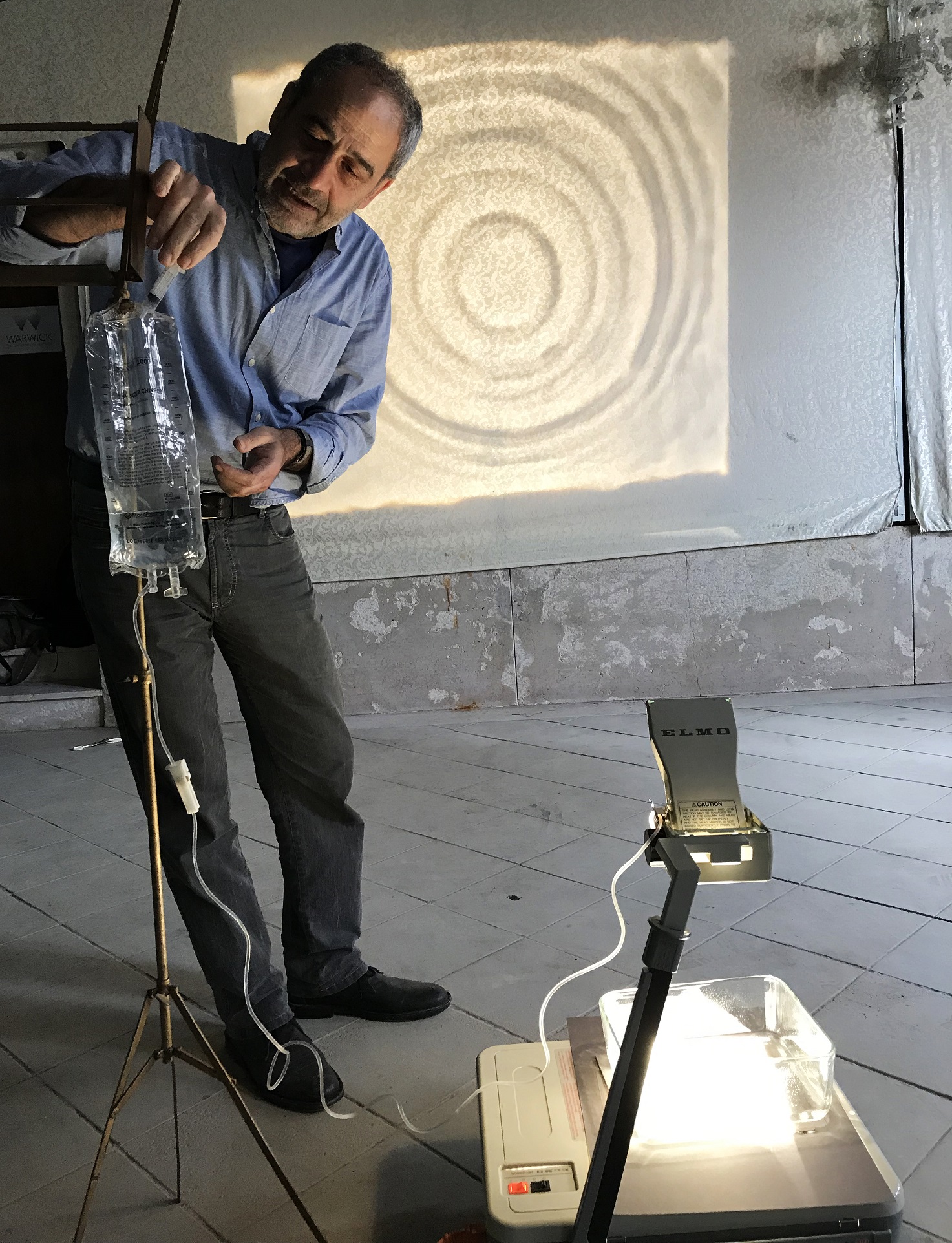
Opening the show is Syrian-born Issam Kourbaj. His three-piece installation is made up of a video of burnt matches, 98 boats made of recycled material and an IV drip. It juxtaposes the energies of fire and water, the flow of death and life, the struggle of a people between the two and the flow of time with the flow of migrants.

“Are we aware of the threads of our lives? I am putting the viewer in a place where many senses are being revisited. Each material sends new signals of information.”

Collaborating alongside him is Ruth Padel, a British poet whose book The Mara Crossing (2012) elucidates detailed comparisons in the way life organizes itself. Whether in cell biology, ornithology or human history, it is with the passage of migration that life begins, she says.

“There are two main reasons cells migrate in our bodies: One to create a new life, and two to defend the body –if we get a new cut the corpuscles and others rush to the site of trauma,” she explains. There’s an interesting parallel to be drawn with people migrating – a vigorous society is constantly replenished by the outside. Human civilization began with migration out of Africa. The first cell arrived on the planet, whether from the sea or outer space, and it colonized other places. The first great land migrants were trees. DNA from the oldest oak trees in Britain shows they came from the Spanish peninsula.”

Living things migrate because life becomes impossible or there’s a desire to make a better life. Birds in or near the Arctic get too cold and fly south. When the south becomes too crowded and they need to breed they return to the Arctic where there are lots of insects –  a protein-rich diet for their offspring. It’s a bit heartbreaking but if you overlay the maps of bird migration routes and human migration routes across the Mediterranean, it’s the same. They take the passages where water is smallest – the straits of Gibraltar, or through Sicily, Malta.

Venice, Ruth says, represents the wasp waist of information flow between north and south in history. Both she and Kourbaj will find new resonance for their work in the interconnectivity of the space around them. “My interest will be in the relationship of my work to the water, and to the tourist boats and the gondola boats,” says Kourbaj, “in scale and in meaning, and in contradictions, they will have a new charge.”

For Wiseman, this too is interesting: “What I am trying to do through creativity is put order into things. The more I thought about what this order could be, the more I found that it is the life force, it is evolution.”

Life seems coupled to flow, movement, change, transformation: information in whatever form – the passage of energy, the replication of DNA within biological cells, to animal migrations and the organization of human societies.


You can watch a video about Kourbaj’s work here: https://www.youtube.com/watch?v=vpUOx-wTUz4

Top 20 books: discovering worlds

Artist's conception of a hypothetical planet covered in water around the binary star system of Kepler-35A and B.

Artist’s conception of a hypothetical planet covered in water around the binary star system of Kepler-35A and B.{credit}NASA/JPL-Caltech{/credit}

In terms of job satisfaction, discovering worlds must take the Sachertorte. Sibling astronomers William and Caroline Herschel, for instance, rejoiced in a haul that included Uranus, eight comets and several moons gleaned from what William called the “luxuriant garden” of the skies. Their final tally of deep-sky objects, with that of William’s gifted son John, numbered in the thousands. I’m sure their minds would be boggled by today’s exoplaneteering exploits — such as the TRAPPIST-1 system of seven Earth-like planets that fully emerged this year.

In my way, I’m in the business of discovering — and rediscovering — worlds. That they’re between two covers and on sale in your local bookshop is neither here nor there. And the 2017 harvest has been rich. We revisited Jonathan Swift’s 1726 Gulliver’s Travels, for instance — which, Greg Lynall noted in his eye-opening essay, is a journey across an unfamiliar Earth that even features Swift’s accurate prediction of the moons of Mars, 150 years before their detection. (The terra incognita flavour of this year’s events gave all that particular resonance.)

As for the new books sifted from the non-stop stream, as always I entered their portals with the open mind of an explorer. Thus, through Caspar Henderson’s A New Map of Wonders we scope the known cosmos with new eyes. In Hetty Saunders’s My House of Sky we sift the psyche of reclusive nature writer J.A. Baker. And in Jonathan Silvertown’s Dinner with Darwin, we see a plateful of food transformed into a repository of dazzling evolutionary stories.

It has, in short, been an astounding year for those of us engaged in tracking literary planets across the publishing firmament. Here’s my sky survey.

Improbable Destinies, Jonathan Losos. Riverhead. In a “deep, broad, brilliant” study, the biologist explores how evolutionary solutions, morphological to molecular, repeatedly emerge. (Reviewed here.)

A Crack in Creation, Jennifer A. Doudna and Samuel H. Sternberg. Houghton Mifflin. A pivotal player in the CRISPR saga delivers her dispatch from the genome-editing frontline. (Reviewed here.)

Collecting the World, James Delbourgo. Allen Lane. A life of Hans Sloane — medic, Royal Society president, ‘wondermonger’ and collector extraordinaire — is limned by an accomplished historian. (Reviewed here.)

The Death Gap, David Ansell. University of Chicago Press. The social epidemiologist lays bare how ‘structural violence’ in US healthcare fosters disparities in life expectancy. (Reviewed here.)

The Great Leveller, Walter Scheidel. Princeton University Press.  In a magisterial socio-political chronicle, the historian untangles the deeper roots of inequality. (Reviewed here.)

The Imagineers of War, Sharon Weinberger. Knopf.  The defence writer delves into the shadowy history of DARPA, the US agency that forecasts “imagined weapons of the future”. (Reviewed here.)

Miracle Cure, William Rosen. Viking. The accomplished writer’s swansong superbly captures the rise of antibiotics, from the discovery of penicillin on a mouldy cantaloupe to the war on resistance. (Reviewed here.)

The Vaccine Race, Meredith Wadman. Viking. A former Nature journalist tells the convoluted story of human fetal cell line WI-38, still deployed in vaccine research. (Reviewed here.)

Deep Thinking, Garry Kasparov. PublicAffairs. The chess titan revisits his 1997 match against computer Deep Blue in an “impressively researched” history of AI. (Reviewed here.)

The Songs of Trees, David George Haskell. Viking. In a sensory tour de force, a biologist documents the exquisite interconnections of arboreal life. (Reviewed here.)

Rigor Mortis, Richard F. Harris. Basic Books. The science journalist jumps into the deep end of biomedicine’s reproducibility crisis. (Reviewed here.)

Dawn of the New Everything, Jaron Lanier. Bodley Head. The virtual-reality pioneer traces the unconventional trajectory of an extraordinary career. (Reviewed here.)

The Origins of Creativity, E.O. Wilson. Liveright. In exploring the wellsprings of creativity, the ecologist calls for a “third enlightenment” meshing science with the humanities. (Reviewed here.)

Outside the Asylum, Lynn Jones. Weidenfeld & Nicolson. A psychiatrist working in war and disaster zones elucidates both policy implications and the uncommon courage of survivors. (Reviewed here.)

The Quantum Labyrinth, Paul Halpern. Basic Books. A physicist unpicks the intertwined lives of consummate theoreticians and chums Richard Feynman and John Wheeler. (Reviewed here.)

Life 3.0, Max Tegmark. Knopf. The cosmologist peered into possible risks and benefits of evolving AI, from an autonomous-weapons arms race to quark-powered ‘sphalerizers’. (Reviewed here.)

A Mind at Play, Jimmy Soni and Rob Goodman. Simon & Schuster. A journalist and a political theorist vividly portray information theorist — and rocket-powered-Frisbee inventor — Claude Shannon. (Reviewed here.)

Stalin’s Meteorologist, Olivier Rolin. Harvill & Secker. A harrowing account of a Soviet researcher exiled to the Gulag testifies to the endurance of science in the midst of political chaos. (Reviewed here.)

The Darkening Web, Alexander Klimburg. Penguin. The policy expert reports on the new cold war between ‘free Internet’ and ‘cybersovereignty’ forces. (Reviewed here.)

The Seabird’s Cry, Adam Nicolson. William Collins. The environmental writer’s inspired survey of 10 seabird species — albatross to shearwater — is a paean to life at the edge. (Reviewed here.)


For Nature’s full coverage of science in culture, visit www.nature.com/news/booksandarts.

Probing a new algae species for clues into plant adaptation

An investigation of the genome and phenome of a green alga called Chloroidium sp. UTEX 3007 has revealed, for the first time, certain adaptive traits that help algae acclimate to desert environments.

But what sets apart this new species, which scientists at the New York University Abu Dhabi (NYUAD) have discovered and sequenced, from other types of green algae?

Nature Middle East talks to Kourosh Salehi-Ashtiani, associate professor of biology and managing director at the Center for Genomics and Systems Biology at NYUAD, to find out.

Nature Middle East: What does your new study add to the body of knowledge that we have of green microalgae?

Kourosh Salehi-Ashtiani: Green microalgae or Chlorophyta live in myriad forms and are believed to be the progenitors of land plants. Many scientists around the globe are involved in active research programs to understand the ecological roles of these organisms as well as to utilize them for biotechnology. Despite the importance of micro-algae, relatively few species have been profiled at the genomic and phenomic levels.

These species are mostly from temperate zones, with very little information available on any alga from the subtropical geographies, such as the environment of the United Arab Emirates (UAE). Our study, however, sets a new standard for understanding the biology of micro-algae, and how Chloroidium has evolved to cope with the environmental challenges unique to the region.

NME: Was there anything particularly surprising about Chloroidium?

KSA: Yes. Its ability to thrive on both freshwater and high-salinity growth media and its ability to assimilate an array of uncommon carbon compounds for heterotrophic growth [which is growth through an energy pathway in which an organism that cannot manufacture its own food uses sunlight or inorganic compounds to produce carbohydrates, proteins and fats from carbon dioxide, in order to survive].

NME: Can you tell me more about your comparative study of Chloroidium and land plants?

KSA: Our phenomic and genomic data suggests that Chloroidium has a close relationship with higher plants and may live an intermittent epiphytic lifestyle, in other words, it may live on the surface of plants when such an opportunity arises. We show the Chloroidium is able to uptake many different sugars. Now, if you think where an alga is likely to find sources of sugar, plant and plant material become the most obvious candidates.

NME: In your paper you mention that Chloroidium harbors “unique protein families involved in osmotic stress tolerance and saccharide metabolism,” would you mind explaining this to our readers?

KSA: It is known that many organisms, when faced with increased osmolarity or typically high salt concentrations, they start to accumulate sugars internally. The Chloroidium’s genome contains unique genes implicated in the accumulation and breakdown of uncommon sugars. It hasn’t been previously known how organisms accumulate and break down these sugars; our study clarifies this.

NME: What are some of the future applications of your findings now that we have this new species, with a robust and flexible biology, especially with regards to conservation and understanding the effects of climate change?

KSA: In light of the environmental hazards befalling much of Southeast Asia that have been caused, at least partly, by razing high-biodiversity rainforests to cultivate oil palm, we chose to particularly emphasize Chloroidium’s ability to accumulate palm-like oil. The fatty acid profiles of oil palm or Elaies guiensis and Chloroidium are virtually identical.

NME: So this discovery may, in the future, help in providing an alternative to palm oil?

KSA: Definitely. Cultivation of oil palm has been associated with deforestation, if not devastation of rainforests in Southeast Asia. It’s why many European countries are banning the use of oil palm in their products. We think this alga may provide an environmentally-friendly alternative to cultivation of oil palms once further developed.

The origins of cats

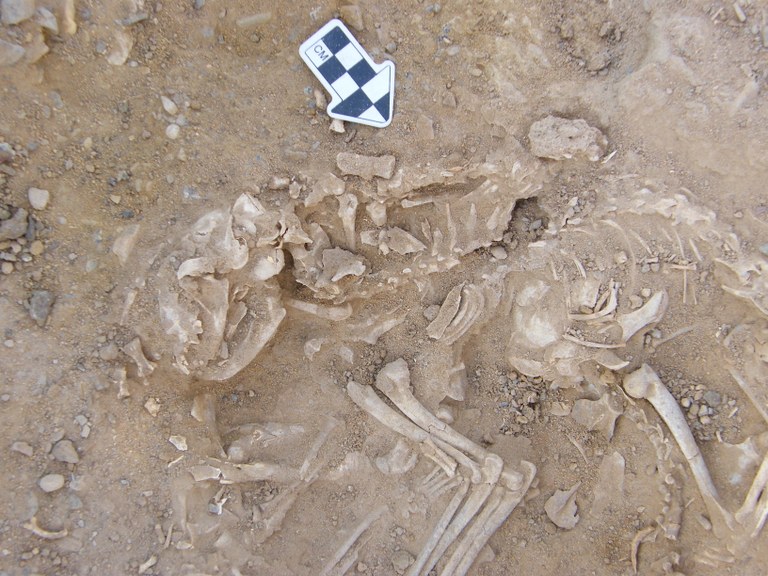
One of the cat skeletons excavated from a site in Egypt.

One of the cat skeletons excavated from a site in Egypt.{credit}© Hierakonpolis Expedition{/credit}

A new study reveals some fascinating insights into the origin story of the cat, arguably the internet’s most favorite creature and a cherished companion to countless humans.

Paleogeneticist Claudio Ottoni and his peers from KU Leuven and the Royal Belgian Institute of Natural Sciences have been collecting DNA from several archaeological sites in an attempt to track down the origins and trace the ancient journeys of the domestic cat.

The scientists unearthed over 200 cat skeletons from sites in Africa, Europe and the Near East and scrutinized DNA from feline skin, hair, bones and teeth that date back to between 100 and 9,000 years ago.

The result? A revelation about how cats dispersed in the ancient world. According to the study, the domestic cat we know today originated in ancient Egypt and the Near East.

Back then, the cats had stripes, not spots – the latter cropped up during the Middle Ages, but not before. The Middle Ages is also when the cat’s coat color had started to become variant.

The ancient felines were domesticated some 10,000 years ago, mostly by farmers wishing to chase away rodents from their fields. When the farmers moved, the cats moved with them. They also spread across the old world through trade, hopping on ships to protect stocks from vermin, and jumping from one port to the next, eventually covering long distances, and traveling far and wide. Now, the domestic cat is present on all continents except Antarctica.

The cats can all be traced back to one Felis silvestris, also known as the African wildcat, originally a feral, territorial and solitary hunter. Both the Near Eastern and Egyptian populations of Felis silvestris, according to the study, contributed to the gene pool of the domestic cat at different historical times.


The last dinosaur on Earth?

This is a guest blogpost by Aya Nader.

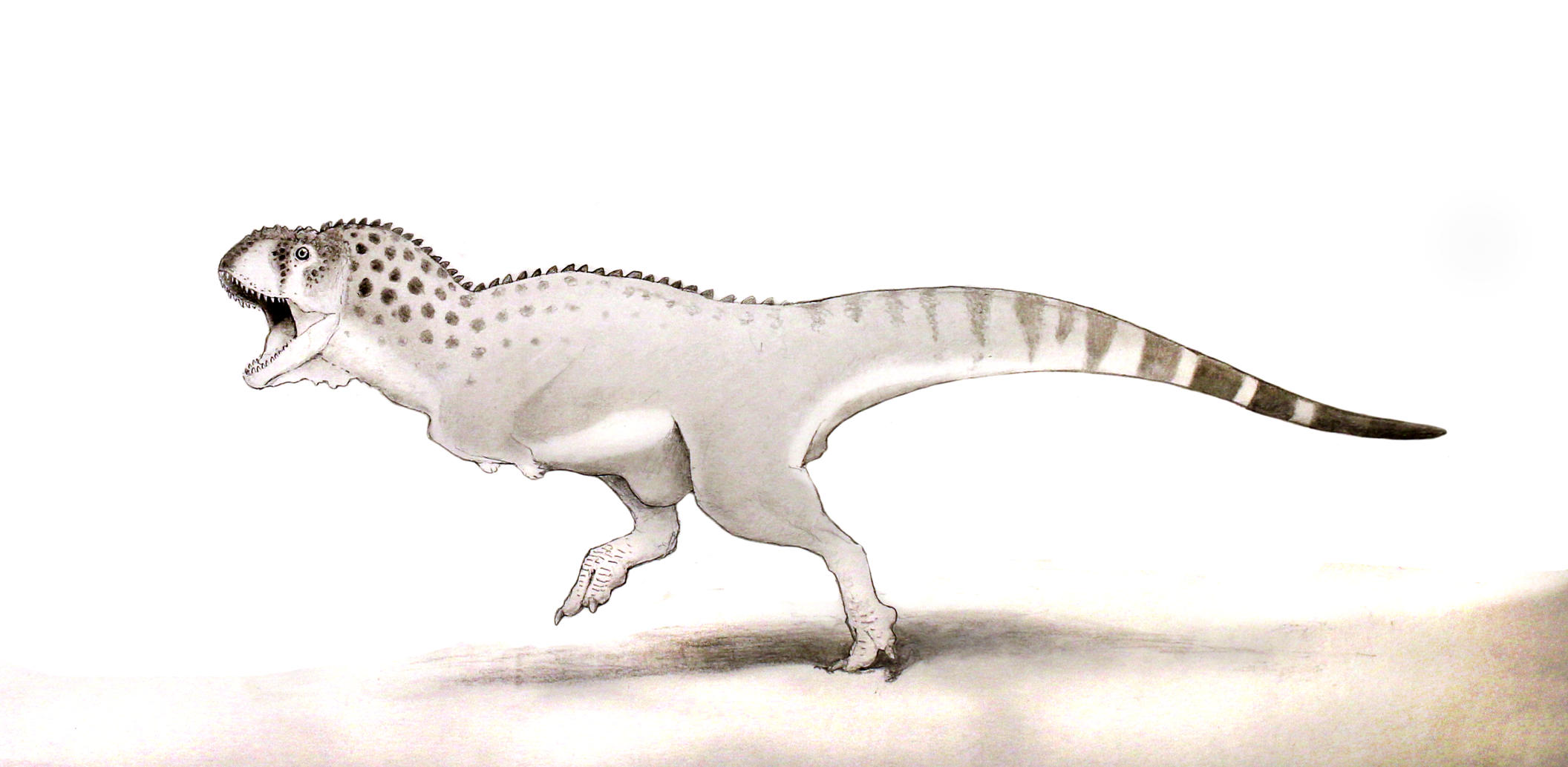
Chenanisaurus barbaricus comes from the end of the dinosaurs' reign.

Chenanisaurus barbaricus comes from the end of the dinosaurs’ reign.{credit}N.R. Longrich{/credit}

Scientists have discovered remains of one of the last dinosaurs on Earth, in Morocco. About 66 or 67 million years old, Chenanisaurus barbaricus comes from the very end of the prehistoric animals’ reign.

Along with species like Tyrannosaurus rex and Triceratops, it would have been there to watch the asteroid impact that wiped out the dinosaurs.

Previously, the scientists have found only a few teeth, but now they have fossils that comprise part of the dinosaur’s jaw, which is unusually deep, suggesting a powerful bite, and a large body.

The remains were found in Ouled Abdoun, a phosphate sedimentary basin in Morocco.

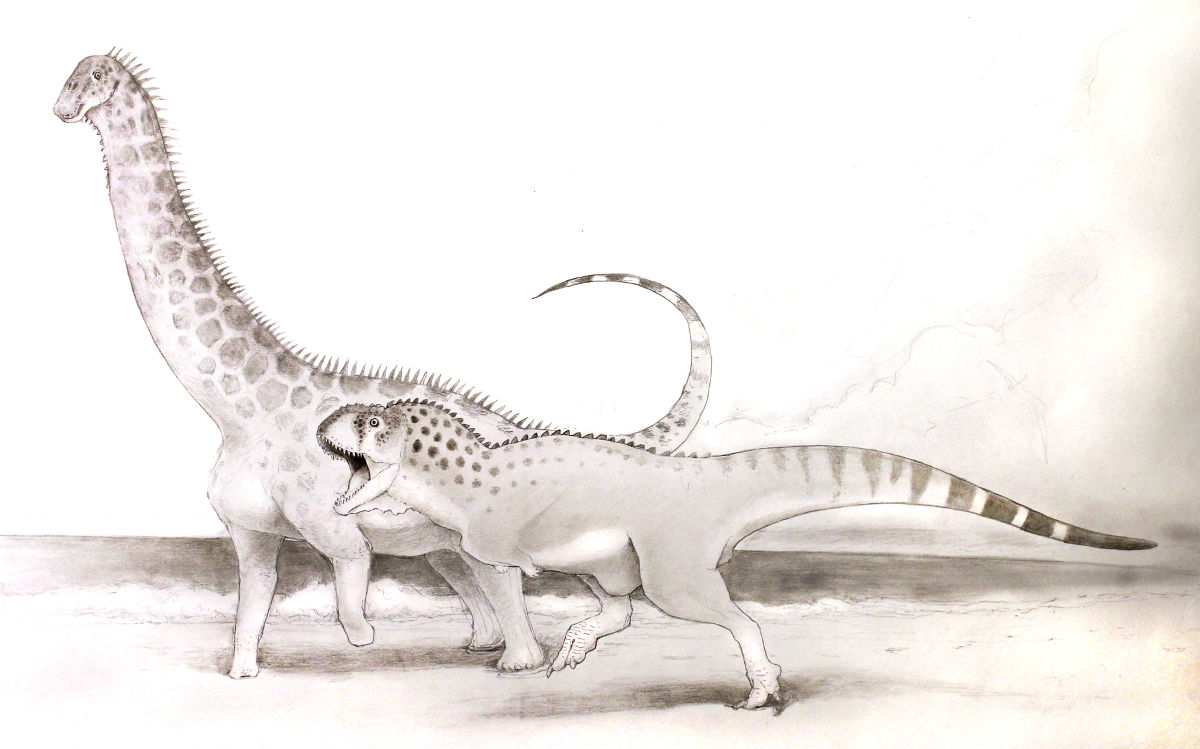
Chenanisaurus is one of the only dinosaurs to have been found from this time period in Africa, and one of the youngest known members of the group, says corresponding author of the study Nicholas R. Longrich. “We have a pretty good picture of latest Cretaceous dinosaurs from North America and Asia, but very little from Africa, so it helps fill in our picture of what the fauna looked like at this time.”

There aren’t many terrestrial rocks from the latest Cretaceous that are exposed in Africa, he elaborates.

“What we do have is mostly marine rocks in Morocco and Angola, for example. That may be related to the fact that the sea levels were high at the end of the Cretaceous, so much of Morocco is underwater.”

There are a fair number of terrestrial fossils from this time period in Madagascar, he adds, but Madagascar isn’t really part of Africa. It broke off of India, Australia, and Antarctica in the middle of the Cretaceous.

Yet, the Moroccan phosphates are among some of the richest fossil beds in the entire world, according to Longrich. “So the upshot is that if you want to find a dinosaur from this time in Africa, the best place to look is in the marine rocks.”

Chenanisaurus is one of the youngest known members of its group.

Chenanisaurus is one of the youngest known members of its group.{credit}N.R. Longrich{/credit}

2016: Editor’s choice

Extracts from selected news and feature articles published this year.

Astrophysics

An international team of scientists, including from New York University Abu Dhabi (NYUAD), managed to directly observe structural components of one slowly rotating star, thanks to asteroseismology. This new technique, 10,000 times more precise than its predecessor, reveals a star’s flatter, rounder contours and different rotational speeds. It allows scientists to ‘see’ the nature of the stellar interior with very high precision.

Marine science

In an unprecedented study on non-model organisms in captivity, scientists from Saudi Arabia, Australia and Norway were able to create large sequence datasets on how reef fish and their offspring react to the phenomenon of decreasing pH levels, called ocean acidification, brought on by climate change. Acidification happens due the uptake of atmospheric carbon dioxide. “The amount of sequencing data we generated is unparalleled for a non-model organism,” says Timothy Ravasi, the senior author of the paper. Scientists discovered that the offspring of some reef fish can tolerate acidification by adjusting their circadian rhythm to night time function throughout the day.

Ecology and evolution

An international consortium of researchers analysed the coding portions of genes, or “exomes”, belonging to 1,794 nationals of Greater Middle Eastern (GME) countries, a region spanning from Morocco in the west to Pakistan in the east. “As expected for a region so rich in history and at the crossroads of many civilizations, the Middle East ‘variome’ [the set of genetic variations in a given population] suggests mixing with other populations, although the percentage varies greatly depending on which subpopulation you look at,” says geneticist Fowzan Alkuraya from Saudi Arabia’s King Faisal Specialist Hospital and Research Center. Northwest African genes were found in people across northern Africa, most likely representing the Berber genetic background. Arabian Peninsular genes were observed in nearly all GME peoples studied, possibly the result of the Arab conquests of the seventh century. Similarly, Persian expansion in the fifth century into the Turkish peninsula, the Syrian Desert region and parts of northeast Africa probably accounts for the Persian and Pakistan genetic signal present in the peoples of those regions. The peoples of the Syrian Desert and Turkish peninsular regions show the highest levels of mixing with European populations.

Geology

Shallow, dense magma reservoirs may be responsible for the most hazardous type of volcano on Earth, according to a new study. Ivan Koulakov and colleagues, including scientists from Saudi Arabia, present a fresh seismic model, based on studying magma paths beneath the Toba volcano in Indonesia, which last erupted some 74,000 years ago. The model explains why the magma system under Toba causes large, devastating eruptions, and how such large volumes of magma are generated.

Archaeology

“We always say it can’t get any worse, and then it does — and that’s the hardest part,” says Allison Cuneo, project manager for the American Schools of Oriental Research’s Cultural Heritage Initiative (CHI), which documents the loss of Syrian heritage. CHI reported 851 incidents of damage to cultural heritage between September 2015 and August 2016, mostly concentrated in areas of northern Syria controlled by forces opposed to President Bashar al-Assad. With such extensive damage, there “is so much data on destruction to report, it’s like holding the ocean back with a broom,” says Michael Danti, the academic director of CHI.

Environment

A world atlas of artificial night sky brightness, published earlier this year in Science Advances, captured the extent to which we are smothered in light. It reveals Kuwait, Qatar, United Arab Emirates and Saudi Arabia as the most light-polluted places to live on the planet, topped only by Singapore. More than half of people living in Israel and Libya live through extremely bright nights, and the widest connected twilight zone in the world is along the Nile Delta in Egypt. No more can people in Kuwait and Qatar see the glowing band of the Milky Way from their homes. For more than 97 per cent of people in the United Arab Emirates, Israel, and Egypt, this is also true. “The night sky is the beginning of our civilization. It leads to all religions, philosophy, science, literature and the arts. The cultural significance of a sky full of stars is huge. The new generations have lost this source of inspiration,” says Fabio Falchi, of the Italian Light Pollution Science and Technology Institute’s Fabio Falchi, who led the study.

Astronomy

The Qatar Exoplanet Survey (QES) has discovered three new “exoplanets” outside our solar system. The planets, named Qatar-3b, Qatar-4b and Qatar-5b, are hot Jupiters: they are similar in size to Jupiter (11 times the size of Earth) and orbit very closely to their respective suns. They are located some 1400 to 1800 light years away from Earth and can be seen in the same part of the sky as the Andromeda Constellation, best observed in autumn in the northern hemisphere.

How changing sex helps “Nemo” survive and adapt

Laura Casas, House of Wisdom guest blogger and King Abdullah University of Science & Technology (KAUST) marine biologist, talks to us about the orange salt water fish and how it used a marvelous evolutionary mechanism to conquer the seas.

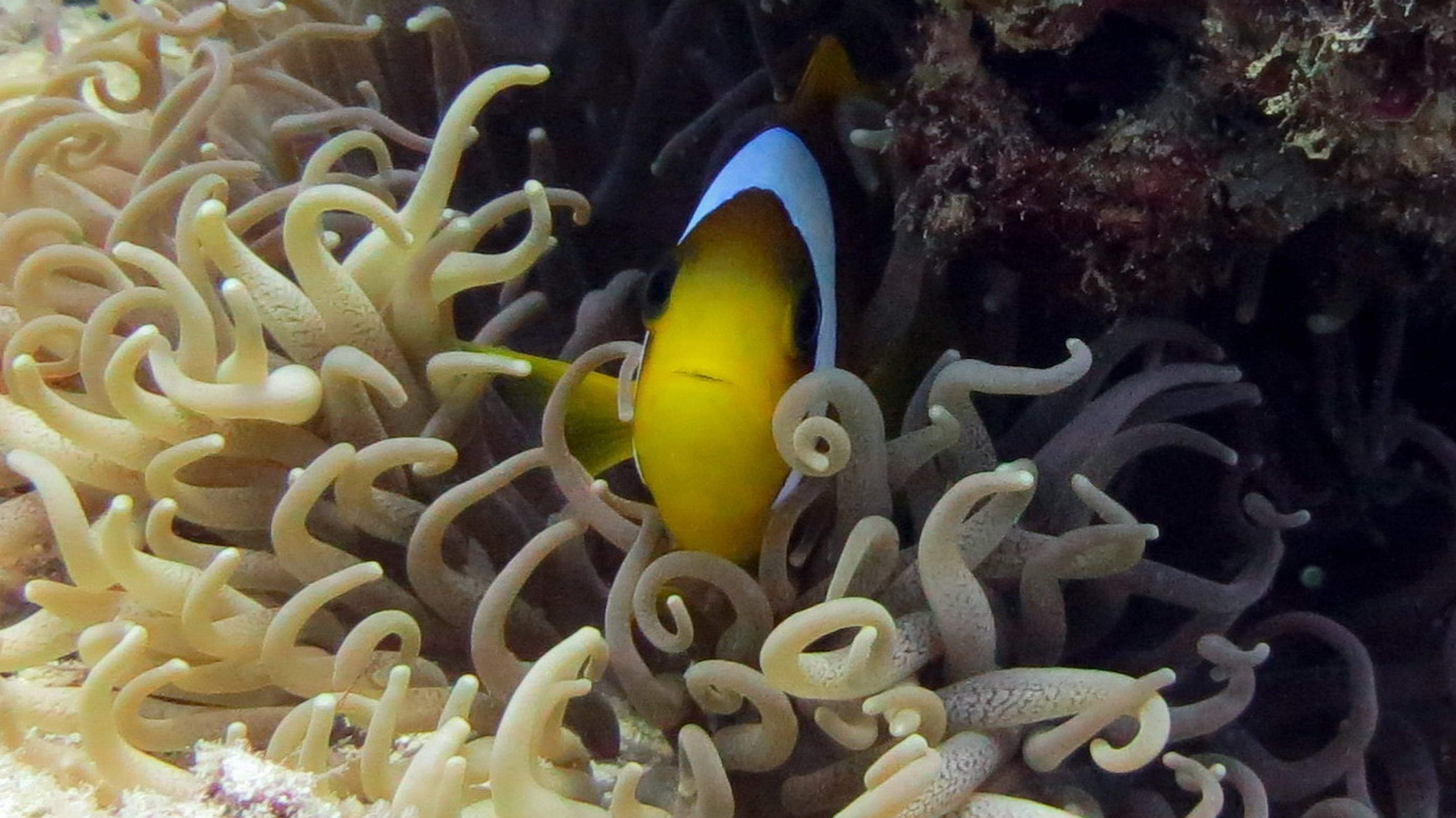
Clownfish_AlFahal

{credit}Fran Saborido-Rey{/credit}

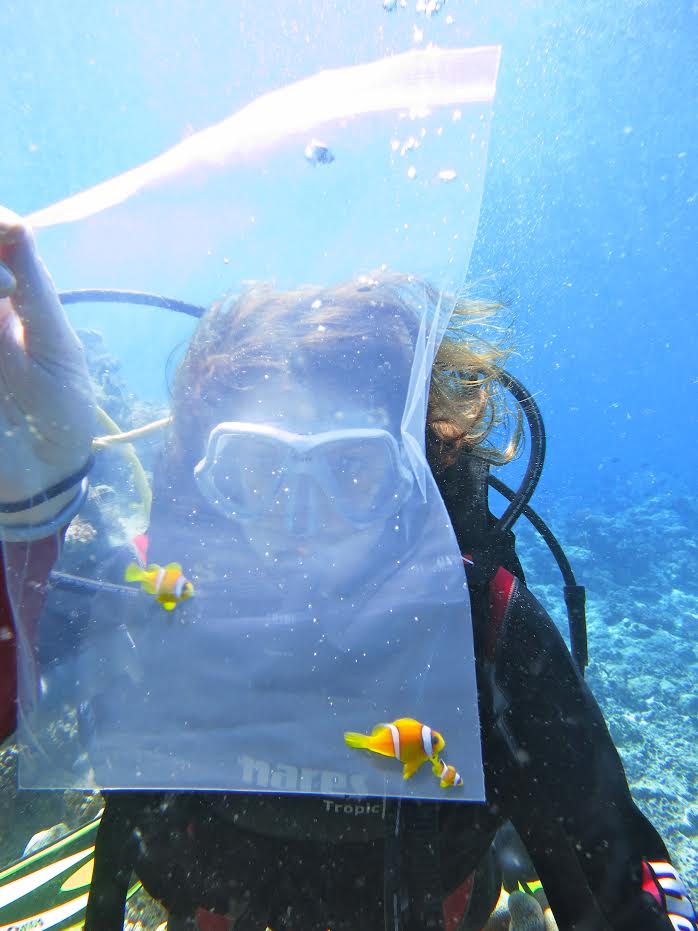
How did a small, very bright, colorful fish that’s a poor swimmer become extensively distributed in tropical waters from the Indian to the western Pacific Oceans, including the Great Barrier Reef and the Red Sea?

Two processes have potentially played a role in the successful evolutionary adaptation of clownfishes: a mutual relationship with anemones – flower-like marine animals and relatives to corals – which provides shelter and protection in exchange for nourishment, plus their capacity to change sex when their partner dies, preventing the need for dangerous travel across the reef.

While the different aspects of this mutual relationship have been unveiled in dozens of studies, very little has been known about the mechanisms that orchestrate sex change in fishes.

Our new study at KAUST provides insights into the genetic mechanism governing social sex change in fish, using the Red Sea endemic species of clownfish, Amphiprion bicinctus, as a model in its natural habitat.

Clownfishes are monogamous, living in social assemblages as pairs or social groups consisting of a dominant female, always the largest in size, surrounded by her male partner and a variable number of immature juveniles of smaller size. They display a strong social hierarchy based on size; these hierarchies function as queues for breeding, so when a dominant female of a social group dies, all subordinates seize the opportunity to ascend in rank.

This way, the male is always poised to become female and rapidly changes sex to assume the vacated position, while the biggest juvenile rapidly matures into a male ensuring the ability to produce new generations without abandoning the anemone.

ClownfishExperiments_Credit_ThamerSHabis (3)

{credit}Thamer S. Habis{/credit}

The confinement of an animal, however, is known to alter its normal behaviour but traditionally sex change has been studied using aquarium experiments. In our study, we localized sixteen families living on the exposed side of Al-Fahal reef, in the Central Red Sea and removed all the females to trigger the sex change process.

One sex-changing individual was sampled every five days for 1.5 months to cover the full time course of the sex change process and their transcriptional responses were assessed using RNA sequencing.

Our results show a response in the male´s brain which starts two weeks after the female’s disappearance and lasts for two additional weeks.

During this period, there is a marked down-regulation in deferentially expressed genes of sex-changing individuals, compared to mature males and females. We identify a large number of candidate genes, both well-known and novel potentially playing a role in sex change.

Based on our results, we propose a picture of the genetic mechanisms that take place during the sex shift: the aromatase gene known as cyp19a1 plays a central role by modulating the balance between estrogen and androgen signaling. Aromatase is involved in the production of estrogen.

The genes sox6 and foxp4 may play a role in regulating the expression of aromatase and/or other genes involved in steroid production at the brain level. The genes cyp19a1 and foxl2 play a pivotal role in the activation of the female pathway driving the sex gland transformation from testis to ovary during sex change, while Sox8, Dmrt1 and Amh are important for testis maintenance.

The results have not only provided important insight into the main genetic mechanism governing sex change and sex gland restructuring in hermaphrodite flowers or animals, but also detailed information on specific genes involved during every step of the process. Our study is the first genome-wide study in a social sex-changing species in its natural habitat and the dataset generated is a valuable genomic resource for a species with virtually no genetic information available in public datasets.

Future work would ideally explore whether the genetic processes underlying sex change in hermaphrodites is evolutionary conserved. We need to deepen our knowledge of the unexplored genetic mechanisms underlying such sex change.

As well, only a deep understanding of the genetic processes governing reproduction in hermaphrodites will allow us to anticipate how reproductive success might be affected by the temperature rise in coming years as a consequence of the climate change and give us a chance to conserve and protect the sea’s biodiversity.

Crowdfunding an online tree of life

3Q: James Rosindell and Yan Wong

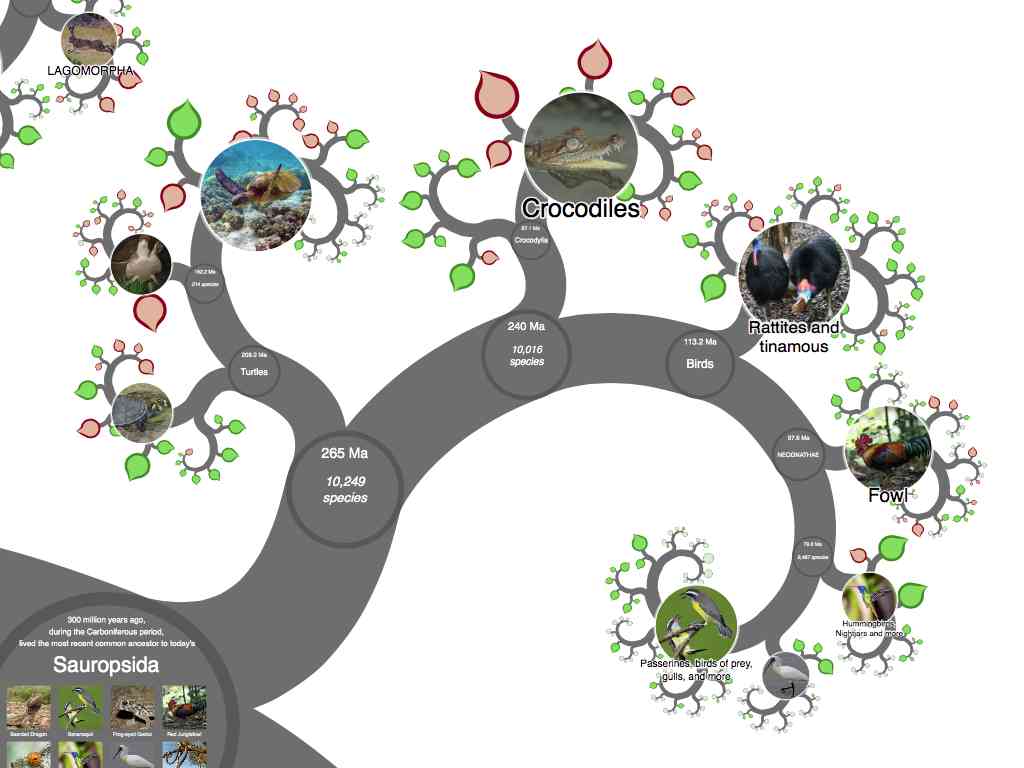
A branch on the OneZoom online tree of life.

OneZoom lets people sponsor animals and plants on an online tree of life.{credit}OneZoom{/credit}

Putting all living things, from kingdom to species level, onto a single, easy-to-explore ‘tree of life’ is an ambitious project. But a newly formed charity has just gone a long way towards that by releasing the website www.onezoom.org. To crowdfund the new ‘OneZoom’ tree, biodiversity theorist James Rosindell and evolutionary biologist Yan Wong are asking the public to sponsor their favourite animals and plants. Here Rosindell and Wong talk about OneZoom, and why graphics from it have made their way into a fully revised edition of The Ancestor’s Tale – the 2004 classic Wong co-authored with Richard Dawkins.

What is OneZoom?

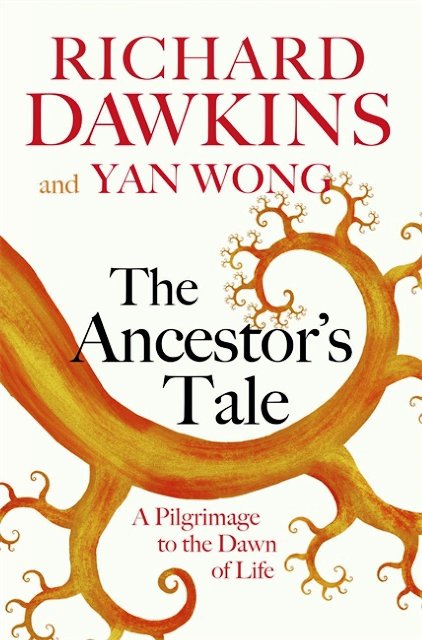
The fully revised, reissued edition of the 2004 classic by Richard Dawkins and Yan Wong.

The fully revised, reissued edition of the 2004 classic by Richard Dawkins and Yan Wong.

JR: It’s a way of visualizing large evolutionary trees as a branching fractal. Mindboggling quantities of data can be accessed easily and intuitively by panning and zooming in. With this technology we’re aiming to do for the living world what online mapping software like Google Earth has done for the physical world. Just as you might zoom from a map of the globe into a town, you could navigate into vertebrates and then, say, bats on the tree of life. Think of it as a digital natural history museum, aquarium, zoo and botanical gardens rolled into one.

YW: When James first mentioned OneZoom to me, I was in the middle of revising The Ancestor’s Tale. It became clear that the visual attractiveness and potential coverage of the entire tree of life meant OneZoom trees would be a great addition to the book, which attempts to distil the evolution of all life on earth. I looked in detail at around 100 phylogenetic studies that concern the lineage leading from humans back to the origin of life. Synthesising these studies into a single tree was necessary to give rigour to the ‘pilgrimage to the dawn of life’ that we undergo in The Ancestor’s Tale, and formed the backbone for the tree currently used in OneZoom.

What are you hoping to do now with crowdfunding?

Both: thanks largely to projects like the Open Tree of Life, we’ve now got the entire tree of life with over 2.1 million species — practically all known complex lifeforms — in our database. We’ve also developed visualization methods that allow seamless navigation. What we don’t have yet is a software engine capable of dealing with all those species on a normal PC, let alone a mobile phone. So our website currently only reveals a fraction of what is on our database. Our priority is improving the software core that runs behind the tree view so that we can handle all 2.1 million species.

JR: We chose a crowdfunding model where visitors to the site can feel a sense of ownership of the OneZoom tree of life by stamping their name on a leaf of the tree. The species you choose to sponsor is quite personal and that enhances the community feeling without detracting from the underlying scientific core of the project. Some leaves are sponsored by visitors to the website, others have been engraved as gifts from users to people they know, but there are also many wonderful species still available to choose from.

How will your tree stay up-to-date with shifts in the science?

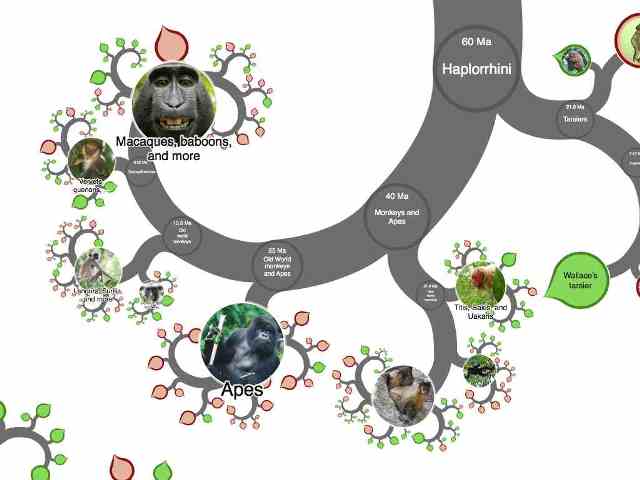
Simiiformes on OneZoom.

A branch on this section is our own family line.{credit}OneZoom{/credit}

JR: The disadvantage of human-drawn illustrations is that they can only be made for small trees and everything needs redrawing when the science is updated. Software that’s built to visualize trees tends to produce outputs more like graphs: simple to update, but lacking in visual design and only comfortable to read for an expert. The OneZoom viewer is unique because although it is easy to explore and visually appealing, it is also automatically generated.

YW: As for the topology of the tree — the order of branching and so forth — we have semi-automated pipelines in place to keep our tree up to date. They tie together several pre-existing, constantly maintained resources. For example, the Open Tree of Life release 5 came out on 7 April, and our pipeline was able to incorporate it and produce a new tree in time for our release less than a month later. However, some important areas of the tree still require hand curation: the main backbone of the tree and popular chunks. This is done as new studies are released. Another automated feature of the tree is our ‘popularity’ measure, based on visits and edits to Wikipedia pages. If there is a sustained increase in interest about a particular taxa on Wikipedia, this influences the prominence (and sponsorship price) of that leaf in the crowdfunding part of OneZoom.

Interview by Daniel Cressey, a reporter for Nature in London. He tweets at @DPCressey.

The fully revised edition of The Ancestor’s Tale was published on 28 April 2016. For further information about it, see www.ancestorstale.net. For more on OneZoom, see www.onezoom.org.


For Nature’s full coverage of science in culture, visit www.nature.com/news/booksandarts.

Darwin Day: a poem on the Sandwalk

Posted on behalf of Philip Parker

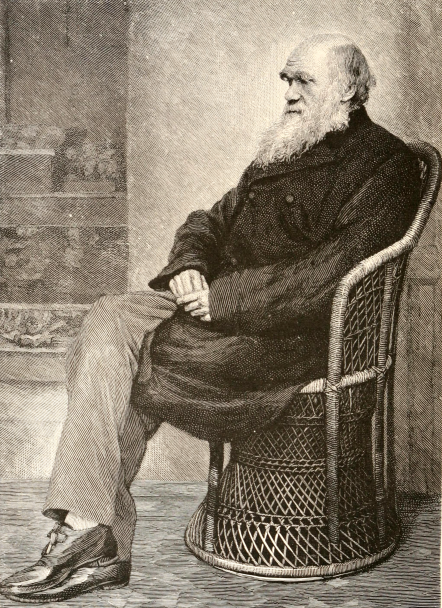
Charles Darwin (engraving adapted from photograph, in Francis Darwin (ed.), Life and Letters of Charles Darwin, 1891).

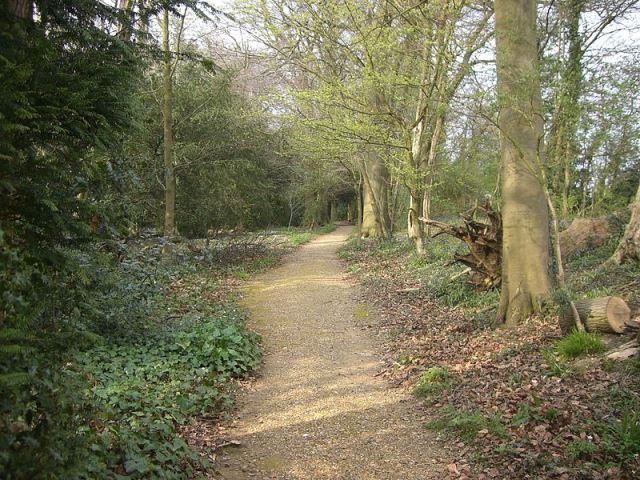
Charles Darwin famously built a circular path in the grounds of Down House near Orpington, Kent, soon after he moved there in 1842. It became known as the Sandwalk, a gravel-lined oval walk around the trees and bushes he planted. He called this his ‘thinking path’ and walked it morning and afternoon, often with his fox terrier Polly, observing seasonal changes, while mulling over his most difficult problems.

The Sandwalk has inspired me too. To celebrate Darwin Day — which marks the evolutionary biologist’s stunning achievements on his birthday, 12 February, each year — I wrote a sestude (a piece of 62 words) as part of 26 Postcodes. This project of not-for-profit UK organisation ‘26’ paired 26 writers each with a different postcode, which we visited literally, and in our imagination, to spark a piece of writing. I wrote ‘Last Circuit of the Sandwalk’ (below) after visiting Darwin’s house at BR6 7JT.

The Sandwalk at Darwin's home, Down House near Orpington, Kent.

The Sandwalk at Darwin’s home Down House near Orpington, Kent.{credit}Tedgrant at English Wikipedia.{/credit}

I knew from the outset that I wanted to reflect Darwin’s humanity, as well as the scope of his achievement, and that the piece would be in two parts. The first part attempts to present Darwin as a person, not an icon. Down House was his home for the last 40 years of his life, where he brought up his children and wrote his masterwork On the Origin of Species by Means of Natural Selection (1859). His favourite child was Annie. She died at the age of ten and Darwin nursed her in her final weeks and wrote movingly of the loss. His writing indicates that he most likely became agnostic.

Down House was also Darwin’s laboratory. He was a practical scientist using garden and greenhouse for experiments, or laying out skeletons of birds on his billiards table, or indeed dissecting barnacles (his pioneering classification of barnacles made his reputation as a natural historian).

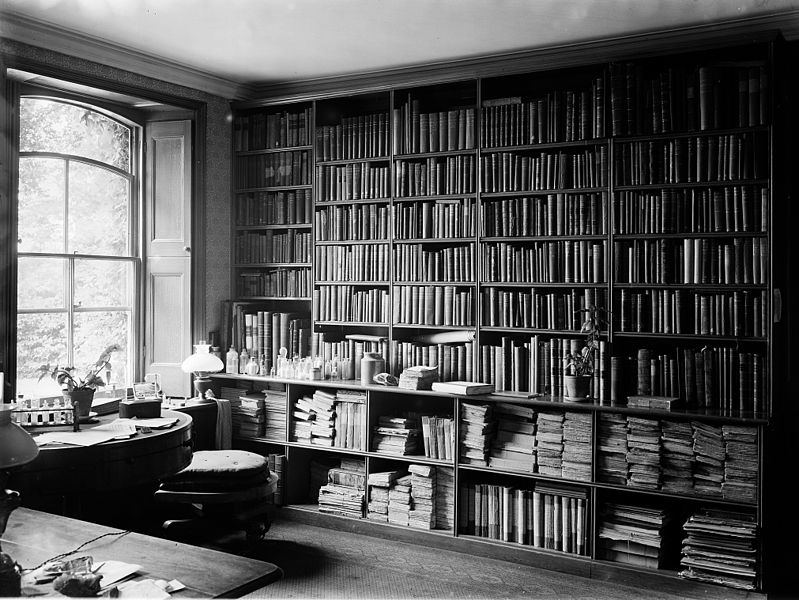
Visitors to Down can walk into his study, where his furniture has been returned including his wheeled armchair, and see what remains of the garden experiments. And you can tour the Sandwalk. While early drafts of the sestude concerned the house, my research on the Sandwalk was the ‘way in’. I saw Darwin, a venerable old man, standing on the gravel path looking back on his life, his journey.

Interior of Darwin's study at Down House in 1932.

Interior of Darwin’s study at Down House in 1932. {credit}Wellcome Images, images@wellcome.ac.uk, Wellcome Library, London. {/credit}

The letters of his children recollect how they played on the Sandwalk. At least 15,000 of Darwin’s own letters survive and have been diligently digitised by Cambridge University. The Victorian post was the internet of its day. A letter could be written and posted after breakfast, and a reply delivered back to the sender by teatime. In this way Darwin discussed his ideas and requested evidence and information from hundreds of colleagues worldwide, as well as eloquently replying to his critics.

These letters were most important to me. They show the man. He robustly defends his ideas, but also shows immense consideration for the feelings of his peers and family, reiterating his friendship. In them, he appears to me to be the most self-effacing and kind of souls.

The second half of my piece conveys his evidence-gathering and crystallising into the coherent theory he so elegantly described in what he refers to as Origin. It was because he had the most unusually broad but detailed knowledge of geology, botany and zoology that he could assemble the tens of thousands of pieces of evidence and begin to work out the mechanism of evolution, his specimens going back to his voyage aboard the HMS Beagle in the 1830s, finches’ beaks included.

Darwin’s many journeys culminated in the book, arguably one of the most influential of all time.


LAST CIRCUIT OF THE SANDWALK

Your kind, lined face peers into the thinking path. Fifty years, concentrating on millions.

Annie’s ghost dances round the birch you planted. Faith interred with her.

A closing correspondence. Evidence encircling the Earth, reaching kin, collaborators, critics. Your crystal mind the core.

Charting immense horizons of Beagle, beaks, barnacles. Focused to a final orbit of the Sandwalk. Tracing the elongated ‘O’. Origin.


Philip Parker is strategy manager for Royal Mail Stamps. The opinions expressed in this article are his own. He tweets at @parkerpj01. Find 26 Postcodes on Facebook and Twitter, and join the discussion at #26postcodes.

For Nature’s full coverage of science in culture, visit  www.nature.com/news/booksandarts.

Menageries of the mind

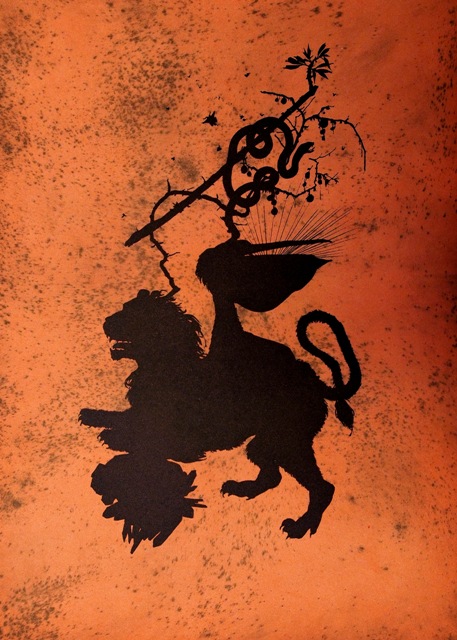
Aquatint etching from Doty and Waterston's A Swarm, A Flock, A Host

From Doty and Waterston’s A Swarm, A Flock, A Host (aquatint etching, 2013){credit}Courtesy of the artist and DC Moore Gallery, New York{/credit}

Whatever ‘being human’ means, it seems irrevocably tied to the bestial. In real life we tame, avoid or study animals (think pigs, grizzlies, lab mice). In stories, we freight them with characteristics human, mystical or approximately their own (think the White Rabbit, Moby-Dick, Mrs Tiggywinkle). Beasts are burdened indeed — by human needs, questionings, hopes, dreams, morals and fantasies.

Reflecting that obsession, a small, beautifully curated exhibition at the British Library showcases a trove of illustrated books and audio from its holdings. Animal Tales abounds with children’s volumes from the seventeenth century on. But this is definitely a show for all ages, and one too that scatters science amid the cultural offerings.

A random sampling turns up a letter recording observations of summer birds of passage by Gilbert White (author of The Natural History of Selbourne, 1789); poems by Mark Doty (“Snail exudes a silver avenue”); cartoonist Art Spiegelman discussing his Holocaust cat-and-mouse saga Maus on tape; an eighteenth-century woodblock print of China’s picaresque hero Monkey battling a demon king; and an 1875 edition of the Grimm brothers’ Little Red Riding Hood showing slavering wolf and unfazed child against the proverbial dark wood.

Organised around themes such as animal allegories and metamorphoses, the show, curated by Matthew Shaw, reminds early on that Darwin and Freud expanded our view of animal nature — Darwin, by revealing our common descent, Freud by locating the wildness within the human psyche. (Multitudes of key findings in science are, of course, predicated on animals, from Darwin’s finches and Pavlov’s dogs to Julian Huxley’s great crested grebes.)

‘Very real, and very close’

On that front, I was moved by White’s mention of the ‘grasshopper lark’ (or warbler) — now on the IUCN Red List. I asked Shaw what, in an age of biodiversity drain, cloning and CRISPR, he feels stories hinging on animals have to tell us.

From Johannes Comenius's Orbis Sensualium Pictus (, 1659 edition)

From Johann Comenius’s Orbis Sensualium Pictus (The Visual World in Pictures, 1659 edition) {credit}The British Library{/credit}

Shaw said that, as a parent, he had noted how the state of childhood and of animals has been closely associated in culture, prompting him to wonder “how this has played out historically and culturally. In general, the stories in Animal Tales speak to a time when animals were very real, and very close.  We are now beyond that, and live away from animals in the main, yet have a greater imaginative link to them.”

To trace the dynamic progress of that association in this show is to step into multiple cultural streams. Philosopher Michel de Montaigne‘s famous question in his 1580 Essays (“When I play with my cat, how do I know that she is not amusing herself with me more than I with her?”), for instance, gets a mischievous gloss from Dutch painter Pieter van Veen in his 1602 edition — a charming sketch of cat and man in the margin.

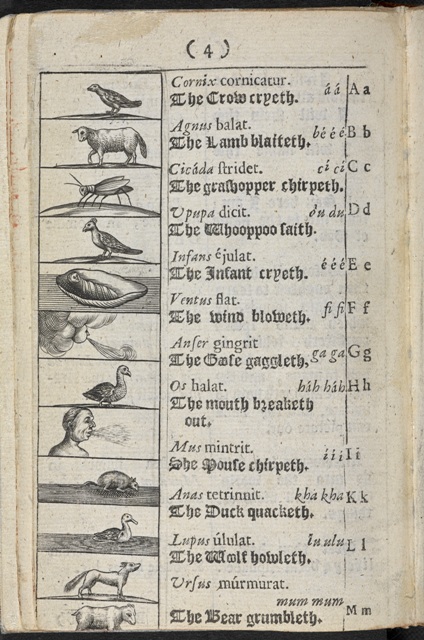
I was mesmerised by a minuscule volume from 1659. Orbis Sensualium Pictus (The Visual World in Pictures) by trailblazing Czech educational theorist Johann Comenius is one of the first children’s picture books. Comenius  taught Latin using ‘nature’s way’ — through things, not grammar — and in the book employs the calls of various animals (juxtaposed with exquisitely whimsical engravings) to teach the language. Thus, the bleat of a lamb teaches the sound ‘b’, while the chirping, quacking and hooting of various species are described in both Latin and English, as:  “Ursus múrmurat: The bear grumbleth”.

Harnessing the bestial

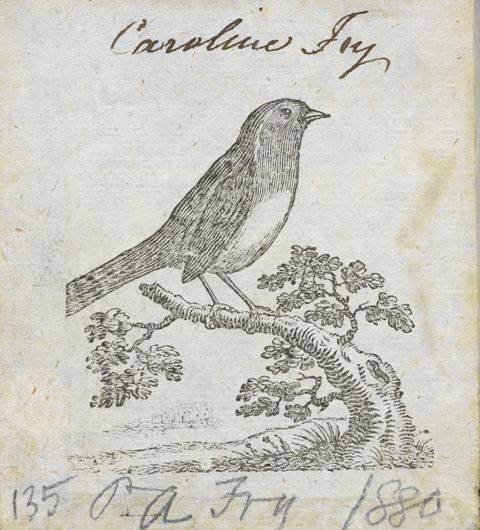
Sarah Trimmer’s 1793 History of the Red-Breast Family also harnessed the bestial to enrich learning. A noted educational reformer in the tradition of Anna Barbauld, Trimmer used the tale (also known as Fabulous Histories) to teach children respect for animals which, she presciently argued, would help develop ‘universal benevolence’ later in life.

Sarah Trimmer's 1793 History of the Red-breast Family

Sarah Trimmer’s 1793 History of the Red-breast Family{credit}The British Library{/credit}

Twentieth-century offerings reveal animals of a fiercer cast, in keeping with a century of war. In novelist Chinua Achebe’s 1976 How the Leopard Got His Claws, Adrienne Kennaway’s illustration of the beast is a study in violence — made not long after Nigeria’s civil war. British poet Ted Hughes’s 1973 Crow, a collaboration with American multimedia artist Leonard Baskin, is stark and unsettling. In ‘Crow and Mama’, Baskin’s bird is darkness visible, save for its huge reptilian feet. It broods next to the lines, “He tried a step, then a step, and again a step — /Every one scarred her face for ever.”

There is more — from the stunning Bestiary by Pablo Neruda and woodcut master Antonio Frasconi, to Judith Kerr’s  disruptive tiger, Beatrix Potter’s Peter Rabbit and David Garnett’s Lady Into Fox. You can listen in to gems such as Noël Coward reading Ogden Nash’s poem Elephant. The final thematic area, ‘Call of the Wild’, features the work of writers who have engaged “with animals as animals”, Shaw noted. Here among masterpieces by Jack London and Herman Melville are Doty’s evocative poems from his collaboration with artist Darren Waterston, the modern bestiary A Swarm, A Flock, A Host.

As I left Animal Tales for that clogged artery, the Euston Road, I harked back to the thought that we are drawn to animals not least because we are increasingly alienated from them. We are a long way from the painted mammoths of Chauvet Cave, riding out what many call the sixth great extinction. Yet fauna retain their dominion over our imagination. Animal Tales is a way into that menagerie — or Serengeti — of the mind.

Animal Tales runs through 1 November at the British Library, Euston Road, London.


For Nature’s full coverage of science in culture, visit www.nature.com/news/booksandarts.