How do researchers use social media and scholarly collaboration networks (SCNs)?

Written by: Tina Harseim, Head of Social Media, Springer Nature and Gregory Goodey, Research Analyst, Springer Nature

Social media is not only a way for authors and publishers to disseminate research findings, it’s also increasingly being used by researchers to discover and read scientific content.

To better understand how social media and scholarly collaboration networks (SCNs) are used within academia to support research activity, Springer Nature conducted a survey in February. This was in follow up to a Nature survey carried out in 2014. (The original survey can be found here: Online collaboration: Scientists and the social network)

Over 3,000 researchers from STM and HSS fields (humanities and social sciences) completed the survey, though numerically dominated by STM respondents (89%). Researchers covering all career levels gave us their views, with the largest groups of respondents from Europe (33%), the Americas (31%) and Asia (31%).

The survey revealed researchers’ views on their professional use of social media and SCNs, to what extent it can help them in their work, and the role publishers and journals can play to support researchers with activity on these platforms.

All data is available to view and download on Figshare, along with a summary of the key findings.

These include:

• Over 95% of respondents said they used some form of social media or SCNs for professional purposes
• ResearchGate was the platform with the greatest proportion of professional users (71%), followed by Google Scholar (66%)
• While respondents stated they used SCNs in high numbers, frequency of use, and therefore platform engagement, was reported to be higher for social media
• 50% of professional users said they accessed Facebook on a daily basis
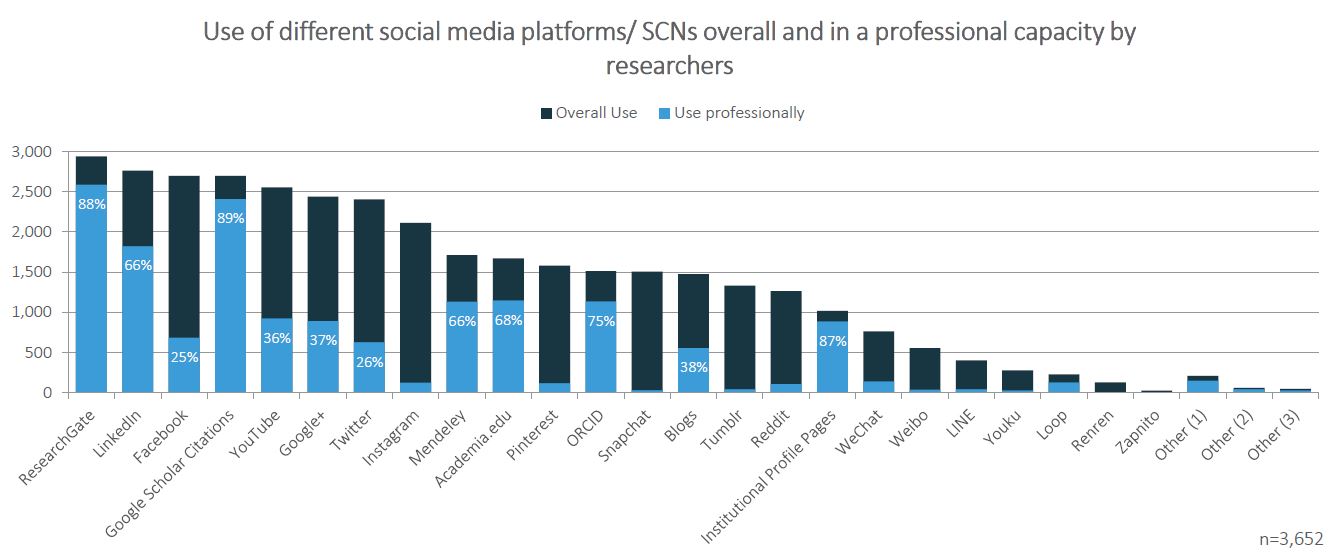
 

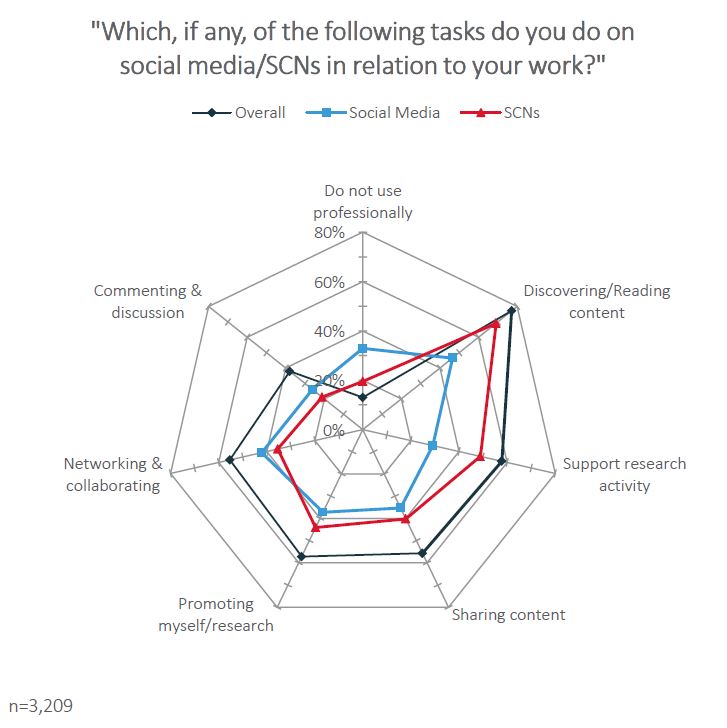
• In the Nature survey conducted in 2014, the most-selected activity on both ResearchGate and Academia.edu was simply maintaining a profile in case someone wanted to get in touch (68%). This year’s survey revealed that the research activity that over three quarters of respondents stated that they use social media and SCNs for was discovering and / or reading scientific content (Nature’s 2014 study 33%)
• 57% of respondents to the survey used some form of social media and /or SCNs to support with self or research promotion
• Therefore, unsurprisingly, the content that the majority of researchers appreciate from publishers is information on new topics and trends; and research relevant to their field and article recommendations
• Over 80% of respondents would also expect to some degree that any research of content provided by the publisher / journal on these sites should be openly accessible
The survey enables us to provide the best service for our authors, and keeps us close to the views of our community. Over 70% of respondents did agree that they felt that they should do more to promote their research using social media / SCNs.

A significantly higher proportion of Twitter and Facebook professional users share scientific content than any other social media platform or SCN. This gives us confidence that SharedIt, Springer Nature’s content sharing initiative, is offering the functionalities that our users need.

We will use these results to support our approach to social media, discussions on the value SCNs provide for researchers, and how we can best shape our services to meet the needs of the academic community.

The data from this survey has been made open access for anyone who would like to use it. You can find it on FigshareFigshare.

Sharing research in three minutes: A shorter timeframe to see the bigger picture

Joshua Chu-Tan

Joshua Chu-Tan{credit}Jane Duong{/credit}

Joshua Chu-Tan is a second-year PhD student in the Provis Group at the John Curtin School of Medical Research at the Australian National University (ANU).

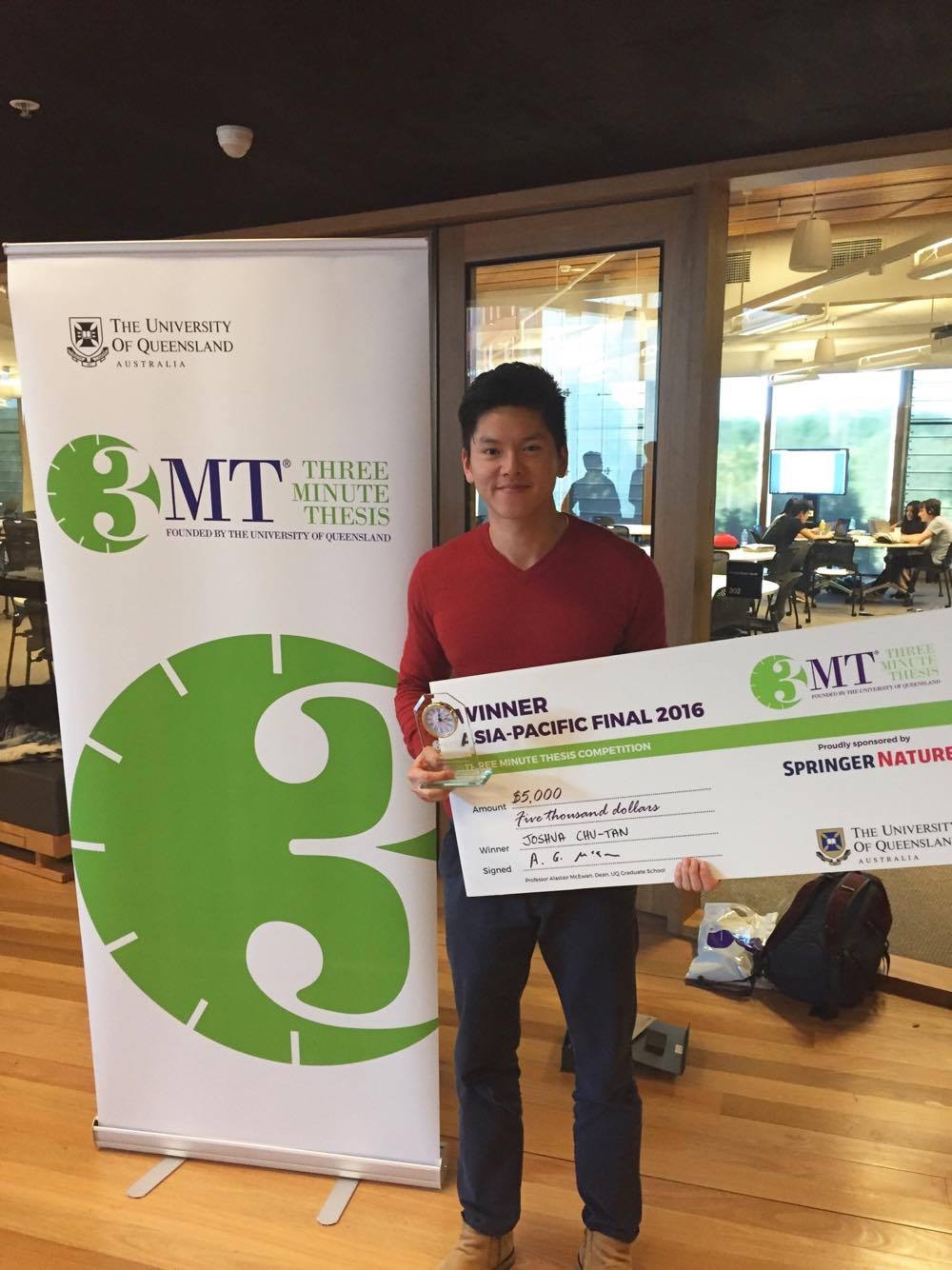
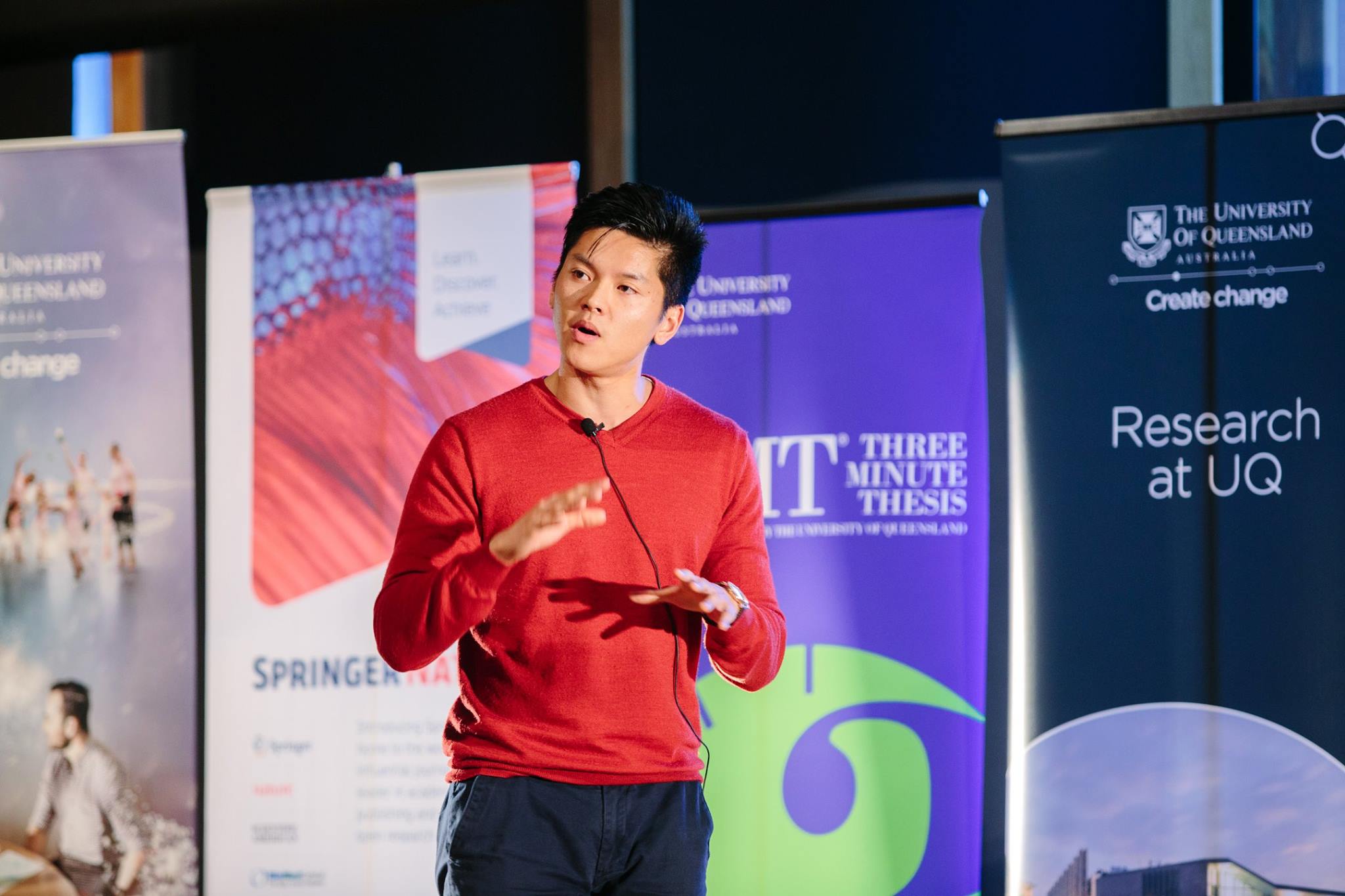
His presentation of his thesis, “Targeting the Root of Vision Loss”, won him top prize at the ANU’s Three Minute Thesis (3MT) competition. This event challenges PhD students to present their research in three minutes to a non-specialist audience. Joshua also went on to win the 2016 Asia-Pacific 3MT, which drew 50 contestants from six countries.

We ask him about his research and his experience competing in the 3MT.

1. Tell us about your research. What is its significance and what are your main findings?

Age-Related Macular Degeneration (AMD) is the leading cause of blindness in developed countries with a global cost of over US$340 billion per year. Our group looks at the dry form of AMD, which accounts for 90% of all AMD cases. This happens when light-sensitive cells deteriorate, causing a loss in central vision. There is currently no cure.

We work on gene therapies for dry AMD using microRNA. These molecules are masters in gene regulation: a single microRNA molecule can bind to multiple targets, all of which often work within the same cellular pathway. In this way, we can theoretically regulate entire pathways, rather than single genes. This could prove fruitful for complex, multifactorial diseases such as AMD.

I’ve been able to characterise a number of microRNA in our AMD model and through injections of a specific anti-inflammatory microRNA into the eye, we’ve seen a decrease in inflammation, as well as a slowing in the damage progression of the retina, which has been very promising.

Joshua Chu-Tan speaking at the 2016 Asia-Pacific 3MT competition

Joshua Chu-Tan speaking at the 2016 Asia-Pacific 3MT competition{credit}University of Queensland{/credit}

2. How did you hear about the Three Minute Thesis (3MT) competition and why did you choose to enter?

In 2015, I went to watch the ANU 3MT finals. The experience was phenomenal: hundreds of people came to watch students from all departments and faculties condense years of work into a three minute pitch. The interest that people outside of academia showed was inspiring and as I listened to all these brilliant students talk about the bigger impact of their work, I was enthralled. The whole time I was there, I kept thinking of ideas for my own 3MT—I knew I had to give it a crack.

3. Why do you think events like the 3MT are important? What did you gain from your involvement?

I believe the value of science communication is often overlooked in research, especially medical research. As researchers, we’re often invested in a single aspect of a holistic problem, which can result in tunnel vision within our niche. The work we publish uses highly specialised jargon, which is necessary for us to discuss specific problems, but isn’t very accessible for the general public.

Participating in events like the 3MT give us an avenue to convey our work to people outside of our field. We can take a step back and look at the bigger picture: Why should people outside of this field care about our work? What’s the real goal? Even the process of writing a speech for something like the 3MT is rewarding in that it gets us to consider these questions.

The ANU and Asia-Pacific events were also incredible opportunities for me to find out about other people’s research from around the world and consider new ways of looking at a problem. I really think the future of research will be interdisciplinary. We’re all trained to look at a problem in our particular way, but there’s only so much we can achieve within our specialties. Having experts from different fields approach a challenge together will greatly benefit research.

Winning the Asia-Pacific 3MT

Winning first prize at the Asia-Pacific 3MT{credit}Joshua Chu-Tan{/credit}

4. Do you have advice for other students preparing for a 3MT event?

  1. Enjoy it! It’s not an easy task and there will be nerves but really enjoy the moment, be confident in yourself, and take pride in your research.
  2. Only mention the key points of your work and make the audience relate to it. Write it like a story with a beginning, middle and end, and be true to yourself and how you would like to present it.
  3. At the events, truly listen to everyone’s work. Soak in all the amazing research that’s being conducted by your peers. This journey wouldn’t have been as rewarding if it wasn’t for everyone I met along the way.

5. What’s next for you?

With the Asia-Pacific win, I now have the incredible opportunity to attend and present at the Falling Walls Lab/Conference in Berlin. It’s a chance to rub shoulders with the world’s brightest minds so I intend to make the most of it.

After this remarkable 3MT journey ends, it’s full steam ahead to complete my PhD with a bang. I intend to stay in the field and attain fellowships that will allow me to complete my postdoctoral training overseas. Hopefully I can then return to Australia to contribute towards the strong research environment here.

You can watch Joshua’s winning 3MT speech, “Targeting the Root of Vision Loss”, here.

Founded by the University of Queensland in 2008, 3MT events are now hosted by over 400 institutions across six continents. The 2016 Asia-Pacific 3MT was sponsored by Springer Nature.

Promoting research data sharing at Springer Nature

This blog was written by Iain Hrynaszkiewicz, Head of Data Publishing at Springer Nature, in support of the newly launched, company-wide Springer Nature Research Data Policies.

We want to enable our authors to publish the best research and maximise the benefit of research funding, which includes achieving good practice in the sharing and archiving of research data. We also aim to facilitate authors’ compliance with institution and research funder requirements to share data.

To help accomplish these goals we are introducing a set of standardised research data policies that can be easily adopted by journals and understood by authors. We are developing services to support implementation of the policies and aim to have the most comprehensive and inclusive research data policy of any large publisher.

These new policies and services aim to:

  • improve author service and experience by standardising research data policies and procedures between journals where appropriate
  • improve reader service by providing more consistent links between publications and data
  • improve editor and peer reviewer service by providing more consistent guidelines and support for research data policies, and increased visibility of data in the peer-review process
  • encourage publication of more open and reproducible research
  • increase growth and innovation in research data sharing
  • provide a dedicated Research Data Support helpdesk for Springer Nature authors and editors

The journal research data policy landscape is currently too complex and a major effort to harmonise standards across thousands of journals is long overdue. We want to create greater awareness and, where possible and appropriate, action on research data sharing – while recognising some research communities are more ready than others to introduce strong requirements to share data.

Policies are only effective if they result in action, which means we are working on publication-by-publication implementation. We have devised a modular approach to research data policy, in consultation with researchers across all disciplines, as well as funders, libraries and other stakeholders. We are only at the beginning of this process and titles from across all our imprints are already participating. We welcome feedback from the rest of the publishing and research community on how we have defined these common elements of research data policy.

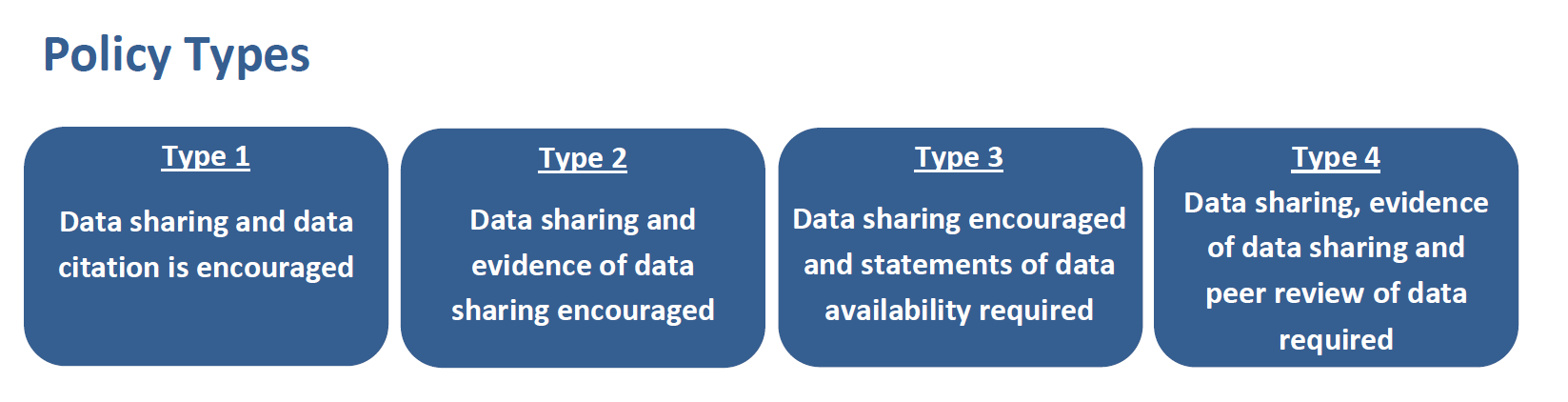
Figure: Overview of the policies

Figure: Overview of the policies

All our research data policy types support data citation – the formal referencing of public datasets in reference lists – in recognition of the growing importance of robustly linking data to publications.

More than 350 journals have adopted one of the policies. For example, Photosynthesis Research has adopted a Type 1 policy and Plant and Soil has adopted a Type 2 policy. All BioMed Central journals, a growing number of Nature journals, and Palgrave Communications support type 3 policies. Journals with the strictest open data policies such as Scientific Data and Genome Biology support the requirements of the Type 4 policy.

See the FAQs for more information or read the policies in full. Our centralised and standardised research data policy resources also include a list of trusted data repositories, how to contact our Research Data Support helpdesk and guidance and examples of preparing Data Availability Statements, which are increasingly required as part of funder policies.

While establishing comprehensive research data policies may not be technologically radical, we believe this effort is both sensible and necessary. We hope to help build the foundations to support a more open and integrated future for research data publishing at Springer Nature across our thousands of publications and hundreds of thousands of customers.

Celebrating impact: How multidisciplinary One Health research produced results for real change in the real world

475_Naomi_10

Guest post by Naomi Marks, project communications manager at the Institute of Development Studies. She managed the communications for the Dynamic Drivers of Disease in Africa Consortium and now works with two other multidisciplinary zoonoses-related projects, the Myanmar Pig Partnership, and Livestock, Livelihoods and Health.

With the end of a large research project, there can be a certain sense of bathos. All that ambition at the beginning culminating in … what? Published papers in scientific journals, conference presentations on Slideshare, a website that you hope will continue to be updated and, well, the move on to the next project.

None of this is to put down traditional academic outputs, only to acknowledge the desire of most scientists to see science really make its mark.

This is particularly true when it comes to research in developing countries where there is not just a real pressure from the funders, but also a strong desire from the researchers to contribute to real change in the world—or “impact“, as we all now know it.

And so it is with real pleasure that at the end of the large research project that I’ve been working with that I can report that we seem to have avoided that plummeting feeling.

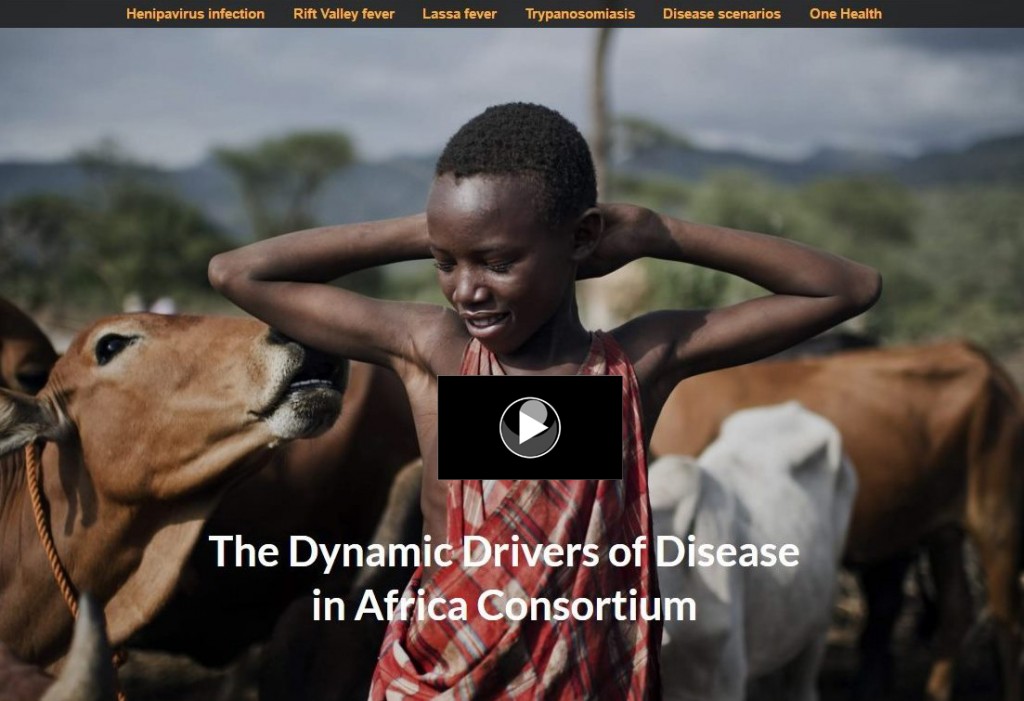
Dynamic Drivers of Disease

The Dynamic Drivers of Disease in Africa Consortium focused on diseases that pass from animals to people—those such as Ebola, Zika and avian flu that have led to so many headlines in recent years. It sought to explore the links between these diseases (known as zoonoses), ecosystems and poverty, and, in particular, how wider global patterns such as climate and land-use change affect how diseases emerge and spread.

A multidisciplinary undertaking, the project included environmental, biological, mathematical, social, political, and animal and human health researchers from 21 partners across three continents and eight countries—working not just alongside each other but also integrating their findings in new and exciting ways.

As if this wasn’t enough of an endeavour in its own right, other challenges came up over the four years of the project—some welcome (our lead researcher became Director of the Institute of Development Studies, adding to her workload considerably); some expected—or at least expectant (our pivotal research manager went on maternity leave); and one truly unexpected and ghastly: our Sierra Leone team, researching Lassa fever, had to stop work when the Ebola epidemic of 2014/15 resulted in movement restrictions in that country, and laboratory and clinical facilities were turned over to crisis Ebola work.

Despite all this, the project can claim to have contributed to real notches on the impact post.

Particularly notable is the creation of new, detailed risk maps for Rift Valley fever (RVF). These have already been put to use, forming an essential element of the Kenyan government disease monitoring and containment strategy when an epidemic threatened late last year. In the past, RVF epidemics have led to the deaths of millions of animals and hundreds of people with huge poverty impacts for pastoralists.

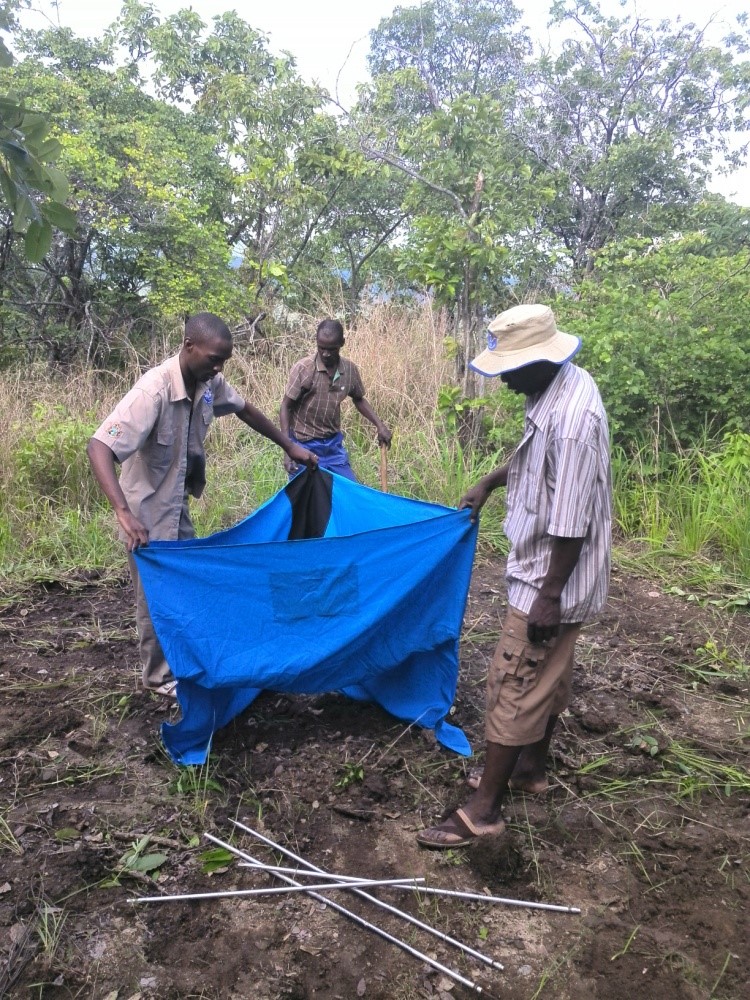
Also of note has been the identification of the patches of land to which tsetse flies are increasingly being confined in the Zambezi Valley in Zimbabwe. Tsetse are the insect vector of the trypanosomiasis parasite which causes disease in animals (with major knock-on effects on the farmers who are financially dependent on their livestock), and sleeping sickness in people (fatal when not properly treated). This has major implications for Zimbabwe’s tsetse control measures which have, in the past, targeted huge swathes of landscape. The research shows more targeted efforts will not only be more effective but also cheaper—and these findings are now being fed into the policy process.

Tseste sampling in Zimbabwe

Tseste sampling in Zimbabwe (credit: Prof. Vupenyu Dzingirai)

Even in Sierra Leone where much of our work was necessarily curtailed, the anthropological research carried out pre-Ebola epidemic into the socio-cultural beliefs and practices surrounding infectious diseases found unexpected application during the epidemic. Much of it fed into an online platform delivering real-time evidence-based advice to organisations such as the World Health Organization, Department for International Development (DFID) and the UN Mission for Ebola Emergency Response (UNMEER).

To note all this is wonderful—and please do look at our other success stories—but some provisos are important. Impact is non-linear, takes time and can be hard to measure; some of our most compelling impacts (including those above) weren’t necessarily those we anticipated, while others—such as our original hope to facilitate more joined-up “One Health” interventions—require ongoing stakeholder engagement that will inevitably take time to filter through.

Also—and importantly—impact doesn’t happen on its own. The Dynamic Drivers of Disease in Africa Consortium, which was supported by the Ecosystem Services for Poverty Alleviation programme, had impact at its heart. It was stressed throughout the research process from conception workshop to final symposium.

So much science, both of the natural and social variety, is intrinsically fascinating. To make it worth celebrating too is a wonderful thing.

The impact stories from the Dynamic Drivers of Disease in Africa Consortium can be viewed at: bit.ly/One_Health_stories

ORCID: what, why, how?

Guest blog by Alice Meadows, Director of Community Engagement & Support at ORCID

If you’re a researcher or work in a research organization, the chances are that over the past couple of years you’ve started to hear about ORCID. Maybe you’re one of the over 2 million people who have already signed up for an ORCID iD, or you know colleagues who have.

Perhaps you’ve been asked to provide an ORCID iD when applying for a grant, submitting a manuscript, or when using a research information management system. Or you may have responded to our call for feedback in our first community survey last year.

Why use ORCID?

Why use ORCID?{credit}Created from the ORCID website{/credit}

So why is word spreading about ORCID? What do we do and why should you care?

Identifying people based on their name alone is impossible, in the world of research as everywhere. Researchers may share their name with hundreds – or hundreds of thousands – of others, some of whom may work in the same field, or even department.

Even individuals with less common names may change them, publish under different versions, or have their names transliterated into other alphabets. So how can you possibly reliably link researchers with their research and research organizations? Not only that, but how can you do so globally, through time, and across all subject areas?

ORCID’s vision is a world where all who participate in research, scholarship, and innovation are uniquely identified and connected to their contributions across disciplines, borders, and time.

We do this by providing individuals with an identifier (an ORCID iD) – a unique 16-digit number that they use, with their name, as they engage in research, scholarship, and innovation activities.

ORCID iDs are now used in hundreds of researcher systems globally – in university, publisher, funder, association, and repository workflows – enabling transparent and trustworthy connections between researchers, their contributions, and affiliations.

We provide this service to help people find information as well as to simplify reporting and analysis. Our mantra is “enter once, re-use often”, and our ultimate goal is that, by connecting information to and from ORCID records from other systems that researchers already use, rather than having them manually keying it, we can both improve the accuracy of that information and reduce the administrative burden for everyone.

Connect your work quickly and easily

Although we haven’t yet reached this nirvana, we are making progress. For example, Springer Nature announced in January that 200,000 authors have used an ORCID iD in their submission process.

Ten organizations have now built Search & Link functionality, allowing ORCID iD holders to quickly and easily connect their works (publications, datasets, and more) with their ORCID record.

ORCID also enables organizations to acknowledge peer review activities. Most importantly, last October Crossref, which creates DOIs for publications, introduced Auto-Update.

The author only needs to give permission to Crossref once and their record will be automatically updated with all future publications where they use their iD.
Now, when an author uses her/his iD at manuscript submission, for example in one of Springer Nature’s systems, that iD will be carried through the publication process, included in the metadata used for indexing papers, and posted back into their ORCID record on publication.

The author only needs to give permission to Crossref once and their record will be automatically updated with all future publications where they use their iD.

Putting control in the hands of the researchers

This element of researcher control — giving permission for changes to be made to their ORCID record — is at the heart of what we do. Individuals decide to register, what to connect to their ID, what organizations to allow access, what information to make publicly available, what to share with trusted parties, and what to keep private.

Individuals can change these settings and permissions at any time, and with great granularity (for example, making some publications public, some viewable by third parties, and some completely private).

A commitment to openness is also a core ORCID principle. We provide open tools to enable the transparent and trustworthy connections mentioned above, including a public API, an annual public data file, and open technical documentation and outreach materials.

Our presentations and outreach resources are all freely available under CC0 licenses, and our program of outreach meetings and workshops are open to all at no charge.

Publishers, funders, universities, and other organizations are increasingly encouraging, and in some cases requiring, their researchers to use an ORCID iD.

So, if you participate in any form of research, scholarship, and innovation, make sure you register for one today. It’s quick (30 seconds), easy to use, free, and increasingly seen as essential!

This post originally appeared on the BioMed Central blog. Reposted with permission.

AliceMeadows

Alice Meadows joined ORCID as Director of Communications in May 2015, having previously held a range of senior marketing and communications positions at Wiley and, before that, at Blackwell. Alice writes regularly for The Scholarly Kitchen and other scholarly communications blogs, and has published several articles in Learned Publishing and other industry journals.

Portrait of a Chemist: From a wartime fascination with chemistry to advising inner-city groups

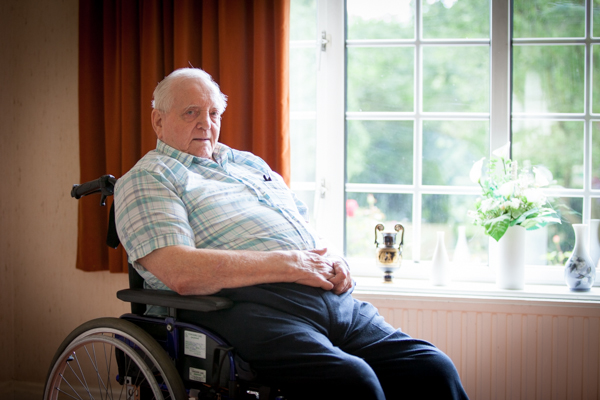
Peter Gallant found his love for chemistry as a schoolboy during the war while recovering from polio. After 30 years of working with rockets and nuclear power, he went on to apply his chemical experience in the voluntary sector advising inner-city groups.

He speaks to Alex Jackson about his lifelong passion for science.

“I read chemistry books like other people read detective stories,” says affable, wide-eyed 86-year-old Peter Gallant. Gallant’s story is one of remarkable fortitude that in recent years has seen him awarded an MBE.

985_001

“I read chemistry books like other people read detective stories,” says Peter Gallant.
Photograph: Stephen Lake/Royal Society of Chemistry)

Early life

Growing up in the early 1930s in Edgware, London, Gallant’s early childhood was much like many of his schoolmates. Both his parents worked in the admiralty, his dad supplying crews for ships, and his mum, a secretary. An only child, he recalls how after class he would devour books, play with train sets, and listen avidly to his parents’ records. Yet one day at the age of nine, his life would dramatically change. Taken ill in the summer of 1938, Gallant was diagnosed with osteomyelitis, a nasty bone disease which infects and inflames the bone or bone marrow.

“It was a killer. Back then, the death rate was about 50%. There were no antibiotics; the only treatment was major orthopaedic surgery,” says Gallant, describing how the infection spread rapidly through his body. He had operations on the femur and tibia of his right leg, his pelvis and arms, leaving his right hip at about 30 degrees and right leg 6cm shorter than his left. “I went into hospital in June 1938 and didn’t come out until September 1942 — more than four years later. At the start I was so ill, there was no question of any education.”

“I went into hospital in June 1938 and didn’t come out until September 1942 — more than four years later. At the start I was so ill, there was no question of any education.”

Evacuated from Guy’s Hospital during the Munich crisis for fears of German air raids, he was taken to Treloar, a children’s hospital in Alton, Hampshire. He vividly recalls the five hospital ward blocks, each arranged in an arc on a hillside, facing the train tracks. His few hospital perks included watching the trains – a “huge hobby” – a daily half pint of stout “to build me up”, and being wheeled out onto the balcony in the summer of 1941 to see an eclipse.

“For four years I was strapped to two pieces of wood which went from my armpits to my feet and was fixed to the bottom of the bed,” recalls Gallant. “We would overhear dogfights on the street and see the flames rise on the southern horizon when Southampton and Portsmouth were being blitzed.”

Encouraged by his mother to read the daily News Chronicle paper while confined to his bed, Gallant would keep his mind active reading about the war and international affairs. A school teacher would also visit twice a day for an hour and “stop us forgetting what we already knew.”

Continue reading

Connecting patients and clinicians: Why patient perspectives matter in research

Vanessa-Smith-headshot

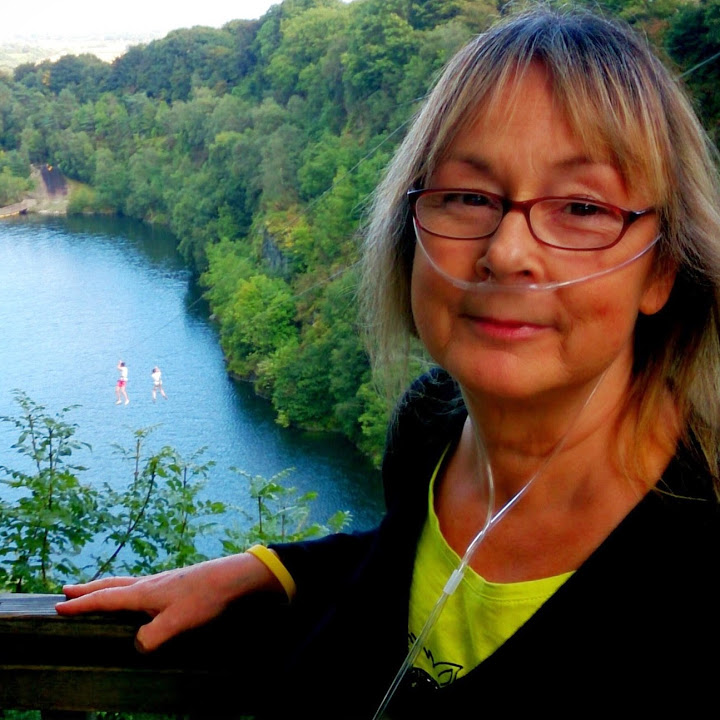
Vanessa Smith is a patient activist working to raise awareness of chronic obstructive pulmonary disease (COPD) and the importance of the patient voice within the medical and research community. Vanessa has severe COPD and recently wrote a patient perspective which was published in npj Primary Care Respiratory Medicine, an online-only, open access journal devoted to the management of respiratory diseases in primary care. She writes about living with COPD on her blog, COPD in Focus, and can be found on Twitter @vancopd.

Tell us about your experience with chronic obstructive pulmonary disease (COPD).

I was diagnosed with severe COPD during the winter of 2008/2009. Although I’d had chest infections over the last ten years, I’d never heard of COPD, so the diagnosis came as a real shock: “It’s caused by your smoking. There’s no cure and you’ll get worse. You may have only another two years.”

It was a bleak time. I was 53, recently widowed, and had a 13-year-old daughter who was still in school. I had no idea what the future would hold and was terrified of leaving her an orphan. The burning thought in my head was that whatever happens, I have to stay around long enough to see my daughter reach adulthood and finish university with a good starting point in life.

That was what really drove me online to find out anything and everything I could about COPD. The NICE guidelines were a starting point in telling me what I needed—the flu jab, pneumonia jab and pulmonary rehabilitation to learn how to breathe with my condition—but there wasn’t much else. I used to stay up until four in the morning, looking for scientific research that could offer me clues on how to cope with the disease. I read everything I could get my hands on and made a point of putting into practice what I found—if I read about the most effective exercises to prevent muscle wasting, I started doing those every day.

“I used to stay up until four in the morning, looking for scientific research that could offer me clues on how to cope with the disease.”

This was seven or eight years ago when research was far less open access than it is now. Sometimes I found older papers to download, but the most up-to-date research was always behind a paywall. It wasn’t just the cost of paying for articles that was the trouble—many journals required subscription, which I’d do, but some would ask which hospital I worked for and I wouldn’t be able to access those papers as a result.

Having access to the most up-to-date scientific research is very important to me, because it was through reading the latest research that I discovered my prognosis—two to five years’ life expectancy—was based on old information. By taking measures such as the flu shot and exercising regularly, people are living 10, 20, even 30 years these days. The science showed me ways to cope with my disease that I didn’t otherwise know about.

npjPCRM_banner_1000px

You recently wrote a patient perspective in npj Primary Care Respiratory Medicine on the practicalities of living with oxygen as a COPD patient. What prompted you to write this?

I completed the European Lung Foundation’s European Patient Ambassador Programme, which taught me how to represent people living with my condition when interacting with healthcare professionals, policymakers, researchers and journalists. The ELF passed on a request from one of the editors who was looking for someone willing to write on what it’s actually like to live with oxygen. Writing the patient perspective wasn’t any harder than other things I’ve done, like an event summary or a blog post—the hardest part was really keeping it so simple and short!

Why do you think the patient perspective is important?

The patient perspective is an opportunity for healthcare professionals to get feedback on things they don’t always hear. A GP could prescribe the best inhaler for you, but not know how you live with it and if you’re complying with it. If you’re not complying with it, is it because you have a swallowing or breathing issue? Do you have trouble handling the inhaler because you have rheumatoid arthritis in your hands, but don’t like to say?

By prioritising patients in research, doctors will know better what matters most to the people they are treating. In the arena of lung cancer, breast cancer and heart disease, there are some fantastic patient organisations which give voice on behalf of their patients, but for disorders like COPD which don’t have a specific organisation in the UK, patient perspectives offer a space for us to speak up.

What do you want COPD researchers to keep in mind when researching and publishing?

Be as generous and as open as possible with your work—the more you share information with your peers, patients and fellow healthcare professionals, the sooner we’ll be able to move forward in treating and curing COPD, which is the most underfunded disorder based on disease burden.

Clinical trials need to better reflect the real COPD population. Too often, trials focus on men with moderate COPD and no comorbidities. Very few patients are as lucky as I am and have only COPD—many will also have heart disease, diabetes, or lung cancer. We need more representative patient populations in the research: male and female, those with severe COPD or not, and a range of comorbidities.

What can publishers do to support and engage patients?

Make more research open access so that more people can benefit from the findings, from individual patients like me, to patient organisations that don’t have a budget for journals subscription. Developing countries like India have high levels of COPD so open access also helps doctors and patient organisations working there who otherwise wouldn’t be able to read the research.

Publishers should raise awareness of patient perspectives; most patients probably don’t know these even exist. It would also be good to have more diversity of voices. The patient perspectives I’ve seen in science journals are often written by well-educated, working professionals, but patients often get diseases like COPD in later life when they’re no longer working. They may not have advanced degrees, but they do have real knowledge about living with their disease. We need to see patient perspectives as opportunities for both patients and researchers to learn from each other.

Do you have any tips for other patients on writing patient perspectives?

  1. Only write about what you know about.
  2. If you have a brief, stick to it. It will keep you focused and make the article so much easier to write.
  3. Don’t go over the suggested word count.
  4. Be confident in your ability. Remember you’re writing as a patient from the patient perspective. This gives valuable insight to academics and researchers and healthcare professionals. They’re not expecting you to write an academic article.
  5. Remember it’s OK to ask for help. While you know your illness, no one expects you to know about the publishing process.

What’s next for you?

The European Lung Foundation is starting a new module on patient involvement in research within the next month. I’m looking forward to taking that and finding out how patients can be more involved with research—it’s something I’d like to do more of.

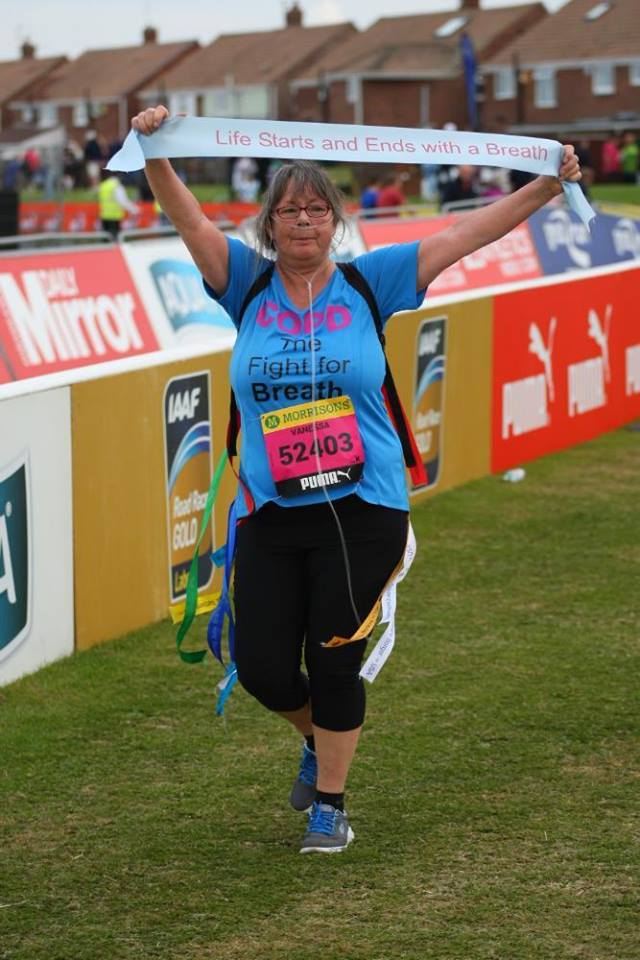
Vanessa-greatnorthrun

Completing the Great North Run half marathon for COPD

A New Science of Learning, Accessible to All

web_pankajGuest post by Professor Pankaj Sah, Director, Queensland Brain Institute and Editor-in-Chief, npj Science of Learning

In partnership with Nature Publishing Group, the Queensland Brain Institute is launching an open access journal dedicated to the science of learning – npj Science of Learning. We want to create a forum through which neuroscientists, psychologists and educators interact to produce a deeper understanding of how we learn. Just as important as this interdisciplinary approach is the open access model we are adopting. Education affects us all, and we want the findings, discussions and debates within the journal to be accessible to everybody, academic or not.

Education and the neuroscience of learning may seem like they dovetail perfectly. After all, learning takes place in the brain and is the foundation of education. As we understand more about how the brain learns, surely this knowledge can inform educational practice? In theory yes, but there is a large conceptual gap between knowing the neural processes that underlie learning and using this to benefit classroom practices. This is where cognitive psychology comes in, as an essential stepping stone between the neuroscience of learning and practical implementation. Ultimately, we think that it is this collaborative approach from researchers in different disciplines—neuroscience, cognitive psychology and education—that will improve educational practice and long-term educational outcomes.

We also think that open access is the right move for academic publishing in general, and even more so for npj Science of Learning. Although the prohibitively high costs of academic journal subscriptions have prevented even the most exclusive, well-funded research institutions from maintaining comprehensively stocked libraries, the impact on middle-tier or lower-tier institutions—particularly from developing countries—is much greater. This unbalanced impact on socioeconomically underdeveloped countries is especially relevant in the field of education.

Education is associated with enhanced health and wellbeing and a more productive economy, and it is exactly these factors that are high priorities for disadvantaged countries. Yet if a paywall prevents people from poorer countries from having access to the cutting edge discourse on learning and education, they cannot learn from or contribute to the debate. It just doesn’t make sense for the most impacted people to be sidelined from the discussion, and we’re happy that by making our content open access, everybody can contribute and everybody can benefit.

Another reason we think that the open access format is ideal for a journal on the science of learning is that the interested parties are not just academics. Teachers and policymakers are two notable examples. Their ideas and opinions currently drive education practice and assessment, and we feel that this thinking should be shaped by the research – it is no use finding ways to improve classroom learning if those practices cannot or will not be implemented. Traditionally, however, these groups have not had direct and easy access to academic research. Open access overcomes this issue and should allow informed debate of the issues at hand by all parties. Parents are another group who are heavily invested in education, yet they too are currently removed from the policies and research that will shape the futures of their children and grandchildren.

This wide array of interested parties does pose a problem of sorts, as does the interdisciplinary nature of the journal: how can we ensure that everybody can understand the specialised research findings that are at the heart of the journal? To address this concern, npj Science of Learning will further break down the barriers to collaborative advance by providing jargon-free summaries of all the research we publish. We want all parties to be able to contribute to the discussion on learning and education, and that requires making the research accessible not just financially, but also intellectually.

We are looking forward immensely to seeing how the collaborative framework enabled by our journal will influence education through a new science of learning. By ensuring that research, discussion and policy perspectives are accessible to all, we think that open access is the ideal platform for our journal dedicated to improving learning and education.

Professor Pankaj Sah is renowned for his work in understanding the physiology of excitatory synapses and synaptic plasticity in the amygdala, an area of the brain involved in emotional processing. He is currently Deputy Director (Research) and Director of the Science of Learning Research Centre at The Queensland Brain Institute (QBI). Previously he was group leader at the John Curtin School of Medical Research at the Australian National University and moved to The University of Queensland as a founding member of QBI in 2003.

His laboratory continues to study the amygdala using a combination of molecular tools, electrophysiology, anatomical reconstruction and calcium imaging. More recently his laboratory has begun research work on humans doing electrophysiological recordings in patients undergoing electrode implantation for deep brain stimulation for the treatment of movement disorders in Parkinson’s disease, essential tremor and Tourette’s syndrome. He has published over 90 papers in international peer reviewed journals.


Connecting Minds from Across the Globe

Guest post by Myra Biblowit, President & CEO of the Breast Cancer Research Foundation

Myra-Biblowit_Headshot_2015As the most common cancer in women worldwide and the second most common cancer overall, breast cancer remains a fact of life.

The latest data released in 2012 showed that nearly 1.7 million women around the globe were diagnosed and incidence rates are on the rise. It is the leading cause of cancer death in the world’s poorest countries.  If we do not put a stop to this epidemic, 13 million people will lose their lives to breast cancer in the next 25 years.

That prognosis, however, does not have to become our reality.  At the Breast Cancer Research Foundation, we know how to bring an end to cancer. The answer: Research.

Why Research

It is because of research that we have learned more about breast cancer in the past two decades than in the last 500 years.  Thanks to the tireless efforts of physicians and scientists, we have learned that breast cancer is not just one but many diseases, we have advanced our understanding of the inherited risk of breast cancer and developed precision medicine and individualized therapies to put an end to one-size-fits-all treatment.

When BCRF was founded just over 20 years ago, a breast cancer diagnosis inspired fear and little hope. Scientific understanding of the nature of the disease and how it moved through the body was still nascent. Investigations on prevention strategies were fledgling, screening methods were limited and treatment options were few.

Since 1993, BCRF has raised $575 million in critical funding for cancer research worldwide to fuel advances in tumor biology, genetics, prevention, treatment, metastasis and survivorship. This year, BCRF is the largest private funder of breast cancer research in the world. Every hour of research we fund improves outcomes and saves lives.

We have made research our mission because investing in research produces real results.  BCRF funded researchers have been deeply involved with every major breakthrough in prevention, diagnosis, treatment and survivorship.  Deaths from breast cancer have dropped 30 percent over the last 20 years.  If diagnosed early, a breast cancer diagnosis has a 90 percent survival rate vs. the 65 percent survival rates in the 1970s. That is real progress.

Research is revolutionizing our understanding of cancer, answering questions critically important to patients and transforming lives every days as women and men get the help they need. The breakthroughs that have been achieved from breast cancer research are also helping to inform other cancers including ovarian, cervical, and melanoma. Today, with science and technology working hand in hand, we are closer to prevention and cure than ever before.

A world free of cancer is possible. Research is the key to making that hope a reality. Partnering with the Nature Publishing Group is a critical step towards further elevating BCRF’s scientific leadership in cancer research.

Collaboration is Key

At the Foundation, we have underscored the critical tenet of collaboration in research for over two decades—across institutions and disciplines. We support 240 scientists on five continents working around the clock on solving one of the world’s greatest health problems. The launch of our open access journal, npj Breast Cancer, in partnership with Nature Publishing Group in June 2015 is a great step towards fostering and further expanding this model of knowledge sharing. The research published in this journal is free to access immediately upon publication, and can be easily shared, meaning that it is accessible to clinicians and patients as well as researchers.

This October, BCRF will host two key research symposia connecting scientists from around the world. The Symposia, in New York and Boston, will highlight progress made in breast cancer research while addressing topics that are top of mind in the field.

On October 29, more than 180 researchers will gather 1,000 guests at the New York Symposium and Awards Luncheon at the Waldorf Astoria titled “Progress in Killing Drug-Resistant Cancer Cells.” Panelist Dr. Joan Brugge of Harvard Medical School will be honored with the Jill Rose Award for her distinguished work to advance understanding of the molecular and cellular biology of breast cancer. Dr. Suzanne Fuqua of Baylor College of Medicine and Dr. Vered Stearns of Johns Hopkins will also serve on the panel moderated by BCRF Scientific Director Dr. Larry Norton and BCRF Scientific Advisory Chairman Dr. Clifford Hudis—both of whom also serve at Memorial Sloan Kettering Cancer Center and as the Editors-in-Chief of npj Breast Cancer.

On October 23, the Boston Research Symposium and Luncheon held in memory of noted breast surgeon Dr. Carolyn Kaelin, will gather more than 300 guests. The discussion, titled “Understanding Women’s Risk for Breast Cancer and Other Cancers,” will feature panelists Dr. Judy Garber of Dana-Farber Cancer Institute and Dr. Nadine Tung of Beth Israel Deaconess Medical Center, moderated by Chairman of BCRF’s Scientific Advisory Board Dr. Clifford Hudis.

Before our scientists take the stage for these public events, they will take part in a scientific meeting, a tradition that’s been in place since 2003. Conceived by Scientific Director Dr. Larry Norton, the conference presents the opportunity to explore important topics in breast cancer research, with a program carefully chosen by BCRF’s Scientific Advisory Board. This year’s meeting, held at Memorial Sloan Kettering Cancer Center, will feature a series of presentations and lively discussion from BCRF-supported experts on the prevailing challenges of drug resistance and strategies to improve outcomes through novel combination therapies and precision medicine. These scientific meetings have historically inspired new collaborations and scientific discourse that accelerate discovery, and we are confident that the outcomes of this year’s meeting will be no different in taking us to our ultimate goal of better prevention and treatment of breast cancer.

Join us. Help fuel the research of today needed to save lives tomorrow. Visit bcrfcure.org.

Visit the npj Breast Cancer website to find out more.

The Breast Cancer Research Foundation (BCRF) is committed to being the end of breast cancer by advancing the world’s most promising research. Founded by Evelyn H. Lauder in 1993, BCRF-funded investigators have been deeply involved in every major breakthrough in breast cancer prevention, diagnosis, treatment and survivorship. In 2015, BCRF will award $48.5 million to support 240 researchers at leading medical institutions internationally, making it one of the largest non-governmental funders of breast cancer research in the world. By investing 91 cents of every dollar directly in its mission, BCRF remains one of the nation’s most fiscally responsible nonprofits. BCRF is the only breast cancer organization with an “A+” from CharityWatch, together with Charity Navigator’s highest rating of four stars 13 times since 2002. Visit www.bcrfcure.org to learn more.


Audio-visual summaries experiment: An update

Guest blog by Steven Inchcoombe, CEO of Nature Publishing Group, and Hazel Newton, Head of Author Services

In July we announced that we were running a small scale experiment in collaboration with Research Square offering audio-visual summaries of research papers to a small group of authors. The purpose of this trial is to understand whether this is a useful service for authors and the wider research community. You can find out more about this initiative here.

We now have 20 audio-visual summaries available. Below are two examples:

View all of the audio-visual summaries here.

What do you think of these summaries? Is this a service you find helpful as a reader, and would value as an author? How can we make these as useful and informative as possible? We’ll report back on our findings at the end of the experiment.