Job ready after a PhD?

A doctorate — the highest level of education — is generally thought of as a launchpad for  great career opportunities. Yet, a PhD hardly prepares one for jobs, says Pragati Agnihotri, a scientist in the American biotech corporation Advanced Bioscience Laboratories, Rockville, Maryland. Here are a few things she learnt first-hand that might offer guidance to future PhDs and postdocs in their career journeys.
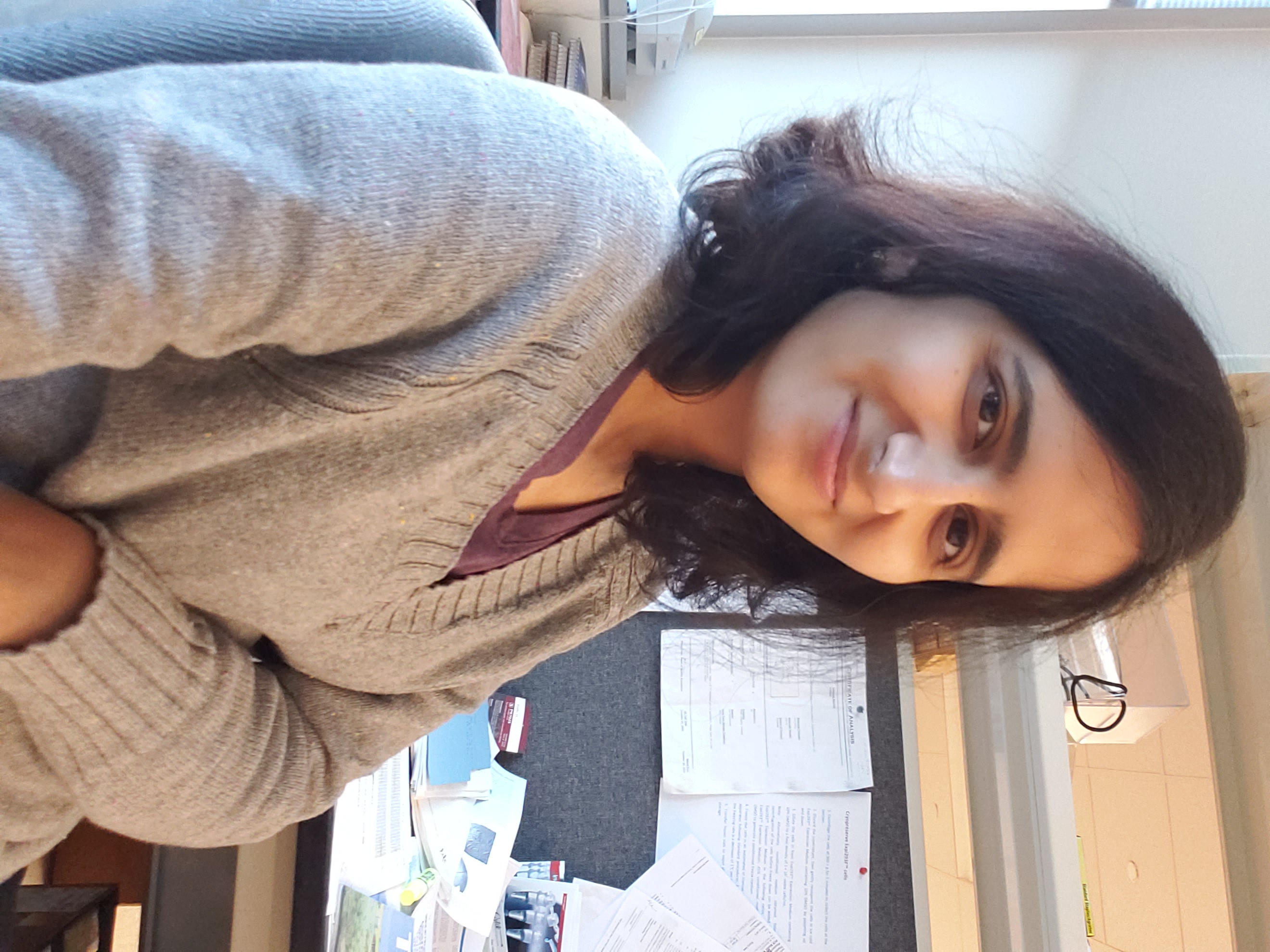
Pragati Agnihotri

My PhD was from the Central Drug Research Institute in Lucknow, India. Doing a PhD was an obvious option since I had little guidance on what jobs I could take up after a masters in biotechnology. PhD offered a decent fellowship for five years. Unlike the US, in India, no lab rotation and minimum interaction with scientists mean one has limited topics to chose from for a PhD.

I was lucky my supervisor let me study what interested me. Using limited resources, I spent the early years designing the experiment. For a structural biologist like myself, getting a protein crystal, a decent diffraction pattern, or a structure solution were considered the only cause for celebration. Later years saw me focus on data analysis and writing the paper, followed by postdoc applications. Results and publications were the only criteria for success. Life revolved around this.

However, many of us eventually chose careers beyond research. This trend was later highlighted by the Royal Society of Chemistry — only 3.5% of PhD holders get permanent research positions and a mere 0.45% make it to the level of professor.

In the US, after a PhD, scholars do myriad things beyond the conventional — they join reputed pharma companies, run their own blogs or explore entrepreneurship. Indian PhDs, however, stay in long postdocs. They realise later that despite impressive publications, it is difficult to get well-paying jobs in the land of opportunities without strong communication skills and network.

It takes years of effort, articles and career development guidance to learn the ropes of effective networking, efficient communication and tailoring one’s CV. Based on my experience, I shortlist here a few skills that might prepare future PhDs for better job opportunities.

Networking

Researchers need support from colleagues throughout their career — whether it’s for  recommendations, job referrals, help for green card applications or troubleshooting experiments. During PhD, we somehow forget the importance of networking till we start our search for postdoctoral positions or for a job. In about five years of doctoral studies, we come across Principal Investigators (PIs), peers, alumni, application scientists, marketing people and multiple keynote speakers. That is one strong network to stay in contact with.

But we attend talks on specific fields. Nobody ever tells us we won’t necessarily end up working on the same topic, and that we need to know much beyond core subject areas. Also that PhD and postdoc are a transition phase and one still needs to choose a career after that.

During my PhD, I never felt the need to have an updated LinkedIn profile. The job search was frustrating because even after being an exact match in skills, there was no encouraging response.

Developing a LinkedIn network helped me improve my CV, it provided real-time vacancies and referrals. Joining professional associations and social media networks brought me in contact with people in the same boat. Though it is unreasonable to expect a job by simply networking, it provides helpful feedback. Thus, it is always beneficial to attend poster and mixer sessions, talk to speakers and stay in touch with peers.

Scientific Writing and Communication 

Every PhD is a scientific writer but being proficient requires time and effort. “English needs improvement, take help of native speakers,” is a frequent reviewer’s comment on our manuscripts. Competent writing can save us long hours and improve the quality of publication. Courses and workshops on writing skills should be part of PhD coursework. There’s a lot of freely available material on EdEx, Coursera and LinkedIn Learning to improve writing. My personal favourite is “Writing in Sciences” by Dr. Kristin Sainani on Coursera.

Presentation skills are key. I have learnt there is much more to a good presentation than data and that presentation is a skill that can be learnt like all others.

Specialization/Certifications

Doctoral work is specific and rarely a perfect match with available jobs. However, there are multiple certifications that open up a plethora of career paths.

Project Management: If you are good at collaborative projects, this can be interesting. Certifications like PMP, Prince, CAPM can boost job prospects. Data is the most expensive resource. Automation of drug discovery or manufacturing is a big focus of innovative research.

Data Science: Expertise in biology and data science is a rare combination with a significant edge. If one is working on clinical samples or is interested in such jobs, certifications from CCRA, ACRP-CP, CCRC and CCDM can help find clinical jobs.

Regulatory Framework: Specialisation in regulatory affairs is an advantage for jobs in industrial and regulatory authorities such as FDA and FSSAI.

Patent Certification: Another career augmenting certification is studying patent law.

Science Writing: If one is good at conveying complex research to a range of audiences, professional writing skills and certifications are valuable additions to a PhD degree. Communication skills, mentoring experience, adaptability, critical thinking and management can take you a long way.

PhDs are experts at learning. Some direction regarding what to learn in addition to the highly specialized PhD topic is always useful. So, it’s worth broadening one’s horizon and to never stop learning.
My science failures: How to err wisely

Science stories are equal to success stories. Right? Wrong. In thinking of scientists as successful people, we often assume that their career paths are straightforward, meticulously planned, and yield positive outcomes. However, things don’t always go as planned. Behind every small success, there’s probably a string of failures — work that did not make it to the curriculum vitae, rejected papers, turned-down applications, declined grants, unsuccessful job interviews, and many closed doors.

Science blooms in these failures as much as it does in the glory of accepted manuscripts, grants, awards, and patents. In this blog series “My Science Failures” we will hear some straight-from-the-heart stories of these secret milestones in the lives of scientists — and learn how they turned these events on their head (or did not).

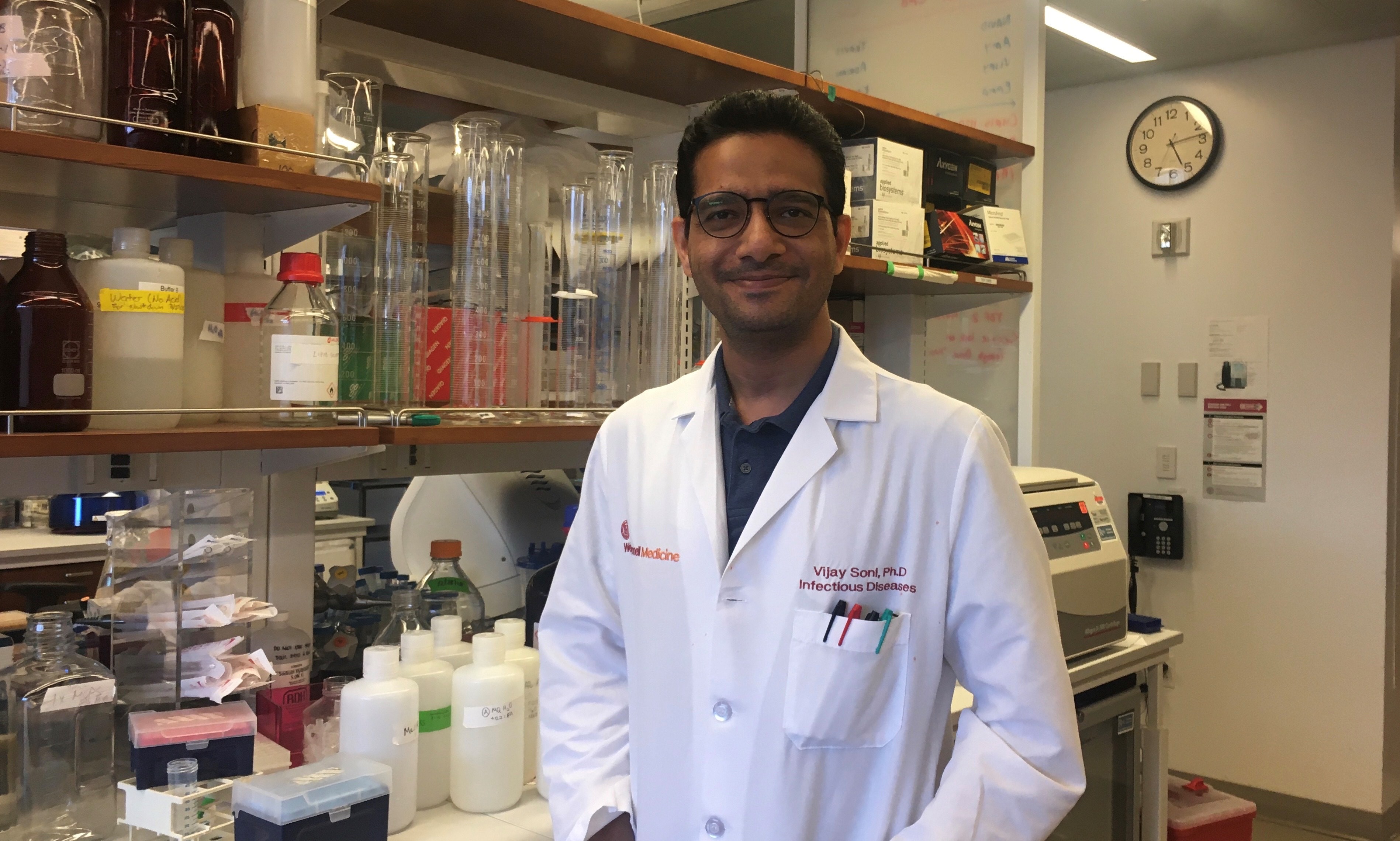
Vijay Soni, an instructor at Weill Cornell Medicine, New York, says the actual reason why science is so successful is these failures.

Vijay Soni

In science, we fail more often and at a rate higher than in other vocations. Hypotheses go wrong, experiments do not deliver the expected outcomes. There are contaminations, misleadingly simplistic or representative models, false-positive results, experiments without controls, rejections of manuscripts, and failed projects. The actual reason, why science is so successful, is all these failures. It is, therefore, imperative to learn the real value of mistakes.

Failures are a sign that you are inventing,” says Elon Musk. Curiosity guides us to learn better and faster. We have been taught to attach connotations to words and are accustomed to believing that success is positive, and failures are negative. However, learnings are never black and white – they are a full rainbow. Each colour is an experience that must be enjoyed, lived, and felt.

Scientists hardly speak of false starts. There is nothing glamorous about dead and failed stories. And so there is a big chunk of knowledge that goes unreported or unpublished.

How do scientists cope with recurrent failures and grow? In my own research journey, many times I wish I knew about earlier false starts so that it didn’t have to go down an already failed path. I did not find any resource where scientists shared their wisdom from failures. Therefore, I started FailWise to offer learnings, information, opinion, and guidance around such failures. The inspiration came from Brandon Mull’s words: “Smart people learn from their mistakes, but the real sharp ones learn from the mistakes of others.”

Every scientist has a personal relationship with failures, and evolves uniquely. I have too. As a biology undergraduate, I learnt a big lesson early on when my lecturer published under his name all data from a research project I was working on to get a grant. Similarly, a lab mate presented my data without my consent or acknowledgment to get a postdoc position. Lesson I learnt: don’t disclose all your data and research to anyone. Never circulate your lab reports or critical data even among close friends.

There are more things that I learnt as a researcher:

  1. I studied undergraduate in a Hindi medium. I always felt it would be a problem when I go for higher studies. But I was wrong. Language is not a barrier in science but lack of knowledge is. I never stopped reading books and research articles. If you do not read background literature, maintain notes or connect the dots to frame your questions, you will likely fail. Learn to ask better questions, you will automatically be guided towards better answers.
  2. Once I was told that I would not have been hired if I was not from a certain lab (my master’s and undergraduate studies were from a very small state university in India). It was discouraging. But I reminded myself that people who follow their path passionately and honestly make great scientists and labs, and they may not necessarily be working in a world-class institute. No matter what your background, chase your dreams with perseverance.
  3. After Masters, I was working as a project assistant at a renowned institute in India. I was treated like a labourer there — never allowed to ask any question, asked to help in my principal investigator’s household work. He used foul language, forced me to work at least 12 hours every day, even on weekends. I tried hard to stay but gave up after 6 months and joined another lab. The lesson I learnt: Quit (as soon as possible) if you are not respected or treated properly. A mentor who does not provoke thought or gives you the freedom to ask questions, will likely not aid your career much. Choose your research mentor wisely. You can not do science when you have a micro-manager or a bad human for a mentor.
  4. During my undergraduate, I was selected for a presentation for a national-level scholarship. I researched hard for a project on neural tube defects and but I was not well prepared for the presentation. And thus I failed to get the scholarship. Lesson learnt: Bad communication or presentation skills will dampen your science. Work on them, ask for feedback from your mentor and lab mates. Do mock presentations, write notes, try recording and listening to them to improve your sentences and script.
  5. While I was doing Ph.D. I never explored anything beyond my lab. But during postdoc, I started attending various courses on entrepreneurship and leadership skills. This helped me start my own company (Scipreneur). Researchers seldom explore things beyond their labs. Remember, your network is your net worth. Try to participate in courses, meetings, competitions, and networking events. Use social media wisely and to your benefit. Read biographies, listen and watch good talks and podcasts. They will help you in multiple ways. Like how to manage stress and time, how to cope with failures, how to deal with relationship hurdles, and how to envision your future with a better goal? Do more informational interviews, where you ask an expert’s time to discuss how they achieved their goals.
  6. Entrepreneurship was always on my mind but I never explored it as I felt I lacked the skills required. I failed to start on some interesting ideas and later found that someone had worked on them successfully. It took me 6 to 7 years to realise that Ph.D. and postdoc leverage us with so many traits like leadership, mentoring, communication, negotiation, perseverance, collaboration, and entrepreneurial skills. Do not undervalue yourself. Learn to swim beyond your safe zone and against the currents. It will not only boost your confidence but also enhance your ability to cope with challenges.
  7. I have seen researchers working day and night but failing to achieve big. Donkey work will seldom give you great science and big breaks; smart work will. You need to polish your ideas, questions, plans and execution. Teamwork is dream work, so never hesitate to ask for help. Collaborate and discuss with peers. I also learnt to use technology in the right way to accelerate the pace of research and increase efficiency. For example, use software and languages for better and fast analysis, LinkedIn for better collaboration and learning, Evernote for writing and as a virtual notebook, simple web-based software for colony counting and standard curve plotting, and different online tools to make beautiful figures and presentations.

We cannot predict failure, but we should keep the lessons learnt imprinted in our minds. Collaborative learning and sharing help us see mistakes more positively. Failures can rewire our brains and give us the confidence to approach problems from a different angle. They force us to question our hypotheses, plans, protocols, execution, and experimental setups. The greatest thing a scientist can discover is “a novel or better question”. Give yourself permission to fail and explore.

Publishing metrics and agricultural science

Having achieved an H-index of 100, Rajeev Varshney* explains what the metric means in scientific publishing and why it is a milestone, especially in an agricultural scientist’s life.

H-index is an author-level metric that measures both productivity and citation impact of an author’s publications across the global scientific community. It is calculated by counting the number of publications in which an author has been cited by other authors. H-index 100 means each of the latest 100 of the author’s papers have been cited at least 100 times.

Opinions vary on these metrics and the number of citations is not the only way to measure scientific impact. But it certainly is one of the many metrics that recognise scientists’ publishing lives, and in turn, their science. Research publications are a great way to share the latest advancements in science with the global community. They also help reduce redundancy or duplication in research while directly or indirectly saving the valuable time and effort of the scientific community as also taxpayers’ money.

Generally speaking, medical science generates more research innovations that are used by different biological disciplines, including agricultural sciences. As a result, citations in medical science research are higher than agricultural science publications. When agricultural science publications have high citations, it does indicate that the research is making an impact in advancing science. The milestone of 100 h-index is a recognition of the high-quality science at ICRISAT with colleagues and partners from across the globe.

The metric that matters even more

The real battle that agricultural science should wage is against hunger, food insecurity and malnutrition. Scientists in the same discipline anywhere can learn from the latest research and take it forward to address issues of smallholder farmers while advancing the cause of scientific research for global good.

As scientists, we believe in every study we conduct irrespective of the results we get. Some of the research we conducted with a large number of global partners has an edge over the others because of massive learnings from the multidisciplinary scientists involved. For example, our genome sequencing work of 429 chickpea lines was a collaboration of 39 scientists from 21 research institutes across 45 countries. It tapped next-generation sequencing (NGS) technology to better understand the genetic architecture, centre of origin, migration route as well as genetic loci for agronomic traits in chickpea. This study1 with several brilliant minds from across the world offered much learning for me.

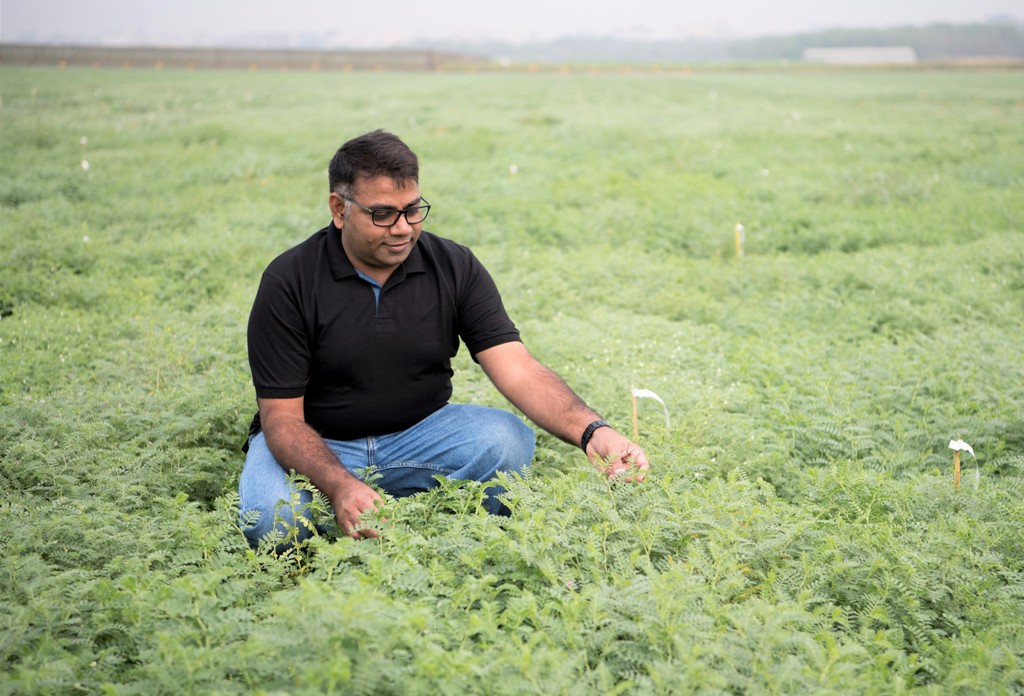
Chickpea crop improvement has been a key area of Varshney’s research.

There is a great sense of satisfaction when the upstream research we conduct delivers results in farmers’ fields in addition to advancing the cause of science for global good. As a genomics scientist, I provide research outputs for breeding programmes that develop improved crops.

ICRISAT’s collaborative work on genomics-assisted breeding helped develop and release the first set of products in 2019. There were three high yielding, wilt resistant varieties of chickpea2, 3 and two high-oleic varieties of groundnut4. The Ethiopian Institute of Agricultural Research also released a high-yielding chickpea variety5. The groundnut varieties were among the 17 biofortified crops dedicated to India on World Food Day 2020.

My efforts in genomics-assisted breeding will continue with an aim to accelerate the replacement of older crop varieties to help smallholding farmers improve their income and ensure better nutrition and health for the society.

(*Rajeev Varshney is Research Program Director, Genetic Gains and Director, Center of Excellence in Genomics & Systems Biology at the International Crops Research Institute for the Semi-Arid Tropics (ICRISAT), Hyderabad, India.)

A conscience-stirring pandemic

Between treating patients and churning out a record number of scholarly publications, the COVID-19 pandemic has seen a productivity peak for many medical professionals. In this poignant essay, Debanjan Banerjee, a practicing psychiatrist at the National Institute of Mental Health and Neurosciences (NIMHANS), Bengaluru, talks about the many levels at which such hyperactivity affected professionals.

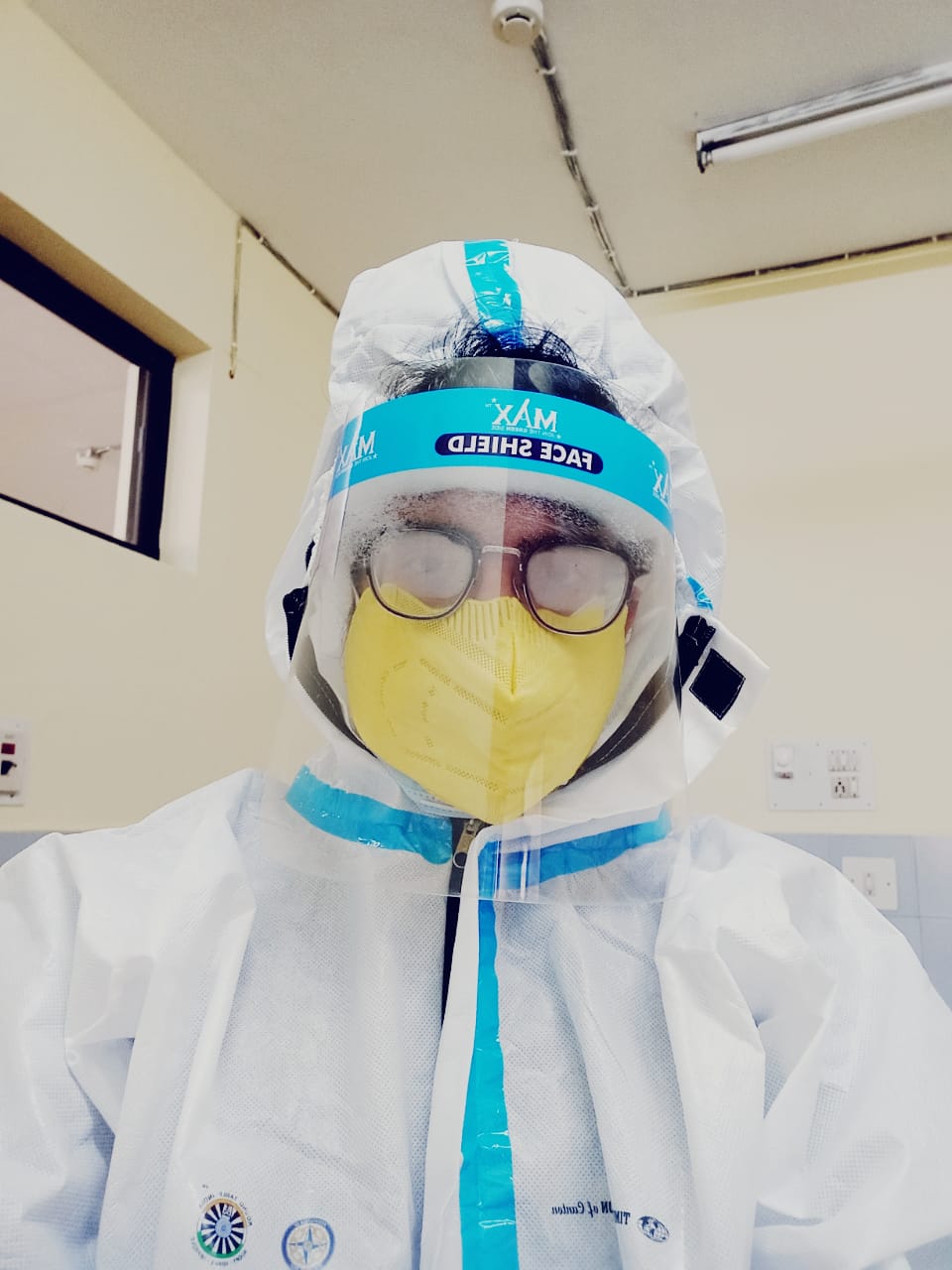
Debanjan Banerjee in his PPE.

Another ‘ahead of print’ issue was out. I was anxiously scanning it for my article. There it was! The next obvious thing to do would be to announce this exciting news on all possible social media channels, ‘humbly’ displaying my scientific and literary skills, proud of my name leading the decorated list of authors.

“One more,” I said, as I silently thanked the pandemic for turning an unusual year, clinically speaking, into an equally productive academic one. From the time COVID-19 was declared a pandemic, the rate at which I have churned scholarly articles is perhaps only second to the rate of the viral infection itself. Adding my two cents to the academic discourse around mental health issues stemming from COVID-19, I have rightfully earned my share of the pandemic pie as a young researcher.

With endless concepts and theories, innumerable correlations and associations, COVID-19 statistics have piled up faster than researchers can digest. As a medical professional, I witnessed an unprecedented quest to learn, write, explore and get to the bottom of every possible angle related to the pandemic. Specialties and duties have blurred: even as a psychiatrist, I speak about the viral structure, my pathologist friend comments on the behavioral effects of the virus, while virologists debate on treatment protocols. We are all involved in COVID-duty. COVID-19 has been a great leveler: first, it renamed physicians and healthcare workers as “front-liners” imposing an enhanced sense of responsibility as well as perceived stigma about them; second, it created almost universal expertise about the virus.

Information became an essential commodity. Almost everyone knew something about the outbreak, and none wanted to miss the chance to display that knowledge. Definitely not me, the pandemic added publications to my credit and I was secretly enjoying the closure of out-patient departments.

Busy in such self-obsessive ruminations that stemmed from the freshly minted publication, I didn’t hear my pager ring twice, then thrice. Finally, an irritated nurse in the emergency room mumbled something that sounded like “clinical duties first priority”. Reluctantly, I dragged myself out of my ‘ahead of print wonderland’, to hear some shocking news that made me dash to the COVID-designated ward. I barely had time to slip into the Personal Protective Equipment (PPE) as I digested the information – a famous business tycoon’s son had succumbed to the infection. Management of such ‘high profile’ cases is always a nuisance, and throughout my graduation years, I wished we had a chapter dedicated in the medical curriculum to this lesser discussed challenge of medical practice. I marched into the ward like an astronaut, media persons waiting outside to be briefed.

COVID-19 deaths have extra formalities to take care of. I met my masked and suited colleagues, each clumsy in their ‘gas chambers’, and visibly edgy as the businessman’s family and followers waited outside. I was the treating resident in charge of the patient the week before, and hence my presence was necessary for the last ‘medical rites’. India’s death toll had just crossed one lakh, and I was trying to guess what number would be assigned to this death, all the while impatient to get back to my just published paper.

As the clinical obligations lingered, I looked at the dead body of the cheerful young man with whom I had discussed cricket, gardening and romantic post-recovery surprise plans for his fiancée. Death is neither uncomfortable nor strange for my profession but I suddenly shuddered at its uncertain nature. When we heralded 2020 amid celebrations, did we know that more than two million of us would not see another new year?

As a psychiatrist, communicating with patients and their families is a large part of my job. I prepared for the ensuing tough dialogue with the bereaved family. The father and the uncle were waiting outside the ward, surrounded by family members in a distinct circle, all in PPE, masks and gloves. For a second, I mistook them for physicians. Then I realised that the circle was to ensure social distancing from potential infection carriers like me.

An elaborately rehearsed explanation of the death has always fallen short during such conversations. In what seemed like a very lengthy discussion, the family wanted to know of precautions for future (do we need to fumigate the house?), pondered over possible instances of transmission by their now dead kin, and the statistical chances of them being infected already. The concerns seemed a bit illogical to me considering a paid caregiver was in charge all this while. As a matter of courtesy, I asked if they wanted to have a last glance at their family member through the COVID-ICU window. They seemed to tighten the circle and left abruptly saying the cremation formalities would be handled by a separate team. I felt sorry for the young man, who was accorded a celebrity status in the hospital till yesterday. His corpse had no such privilege.

I was going back into the ward when someone tugged at my PPE. A boy, maybe all of five, in a tattered T-shirt and barely anything below the waist, was standing there, right next to the infectious diseases ward without a mask or gloves! Before I could react, a hospital guard came running, apologising for the transgression, “Sorry Sir, I tried my best, this fellow just ran past me”. Cautious of guarding the child from any possible infection from my PPE, I stepped back, crouched and asked him what he wanted. He was sniffling and mumbled something in the local language pointing towards the general ward. He had come looking for his father, another COVID-19 fatality. He lived in the slum next to the hospital. The motherless child was not allowed to stay with his father and his attempt to bypass the hospital guards succeeded only today, when it was too late. I explained to him that it was risky being near the COVID-19 ward without protective gear. He smiled, his teeth darker than his skin, and unfolded his little hands to show a facemask darkened with days of use, strings torn and numerous tiny holes on one side. He had exchanged his silver bracelet with a local vendor for this mask and taken it to a nearby temple for prayers. He believed it would protect his father from the killer virus.

I don’t know how the guards managed to take care of the child. I had to leave, breathless and feeling sick. Together, the choke of the PPE, a distended bladder, blurred vision and a burdened conscience had taken a heavy toll on me.

Half an hour later, I managed to get back from the reflective phase into being the stoic physician, the iron-willed ‘front-liner’ who has seen it all. Proud of my unceasing contribution to pandemic literature, I started re-reading with content my latest title: “COVID-19: The Great Equalizer”.

(Debanjan Banerjee can be reached at Dr.Djan88@gmail.com.)

Diaspora scientists gauge India’s pandemic ‘new normal’

What could be the challenges for Indian diaspora scientists wanting to explore career opportunities back home during the novel coronavirus pandemic? Sayan Dutta, a doctoral fellow in the Neurodegenerative Disease Research Laboratory at Purdue University, analyses the key learning from a recent global meet.

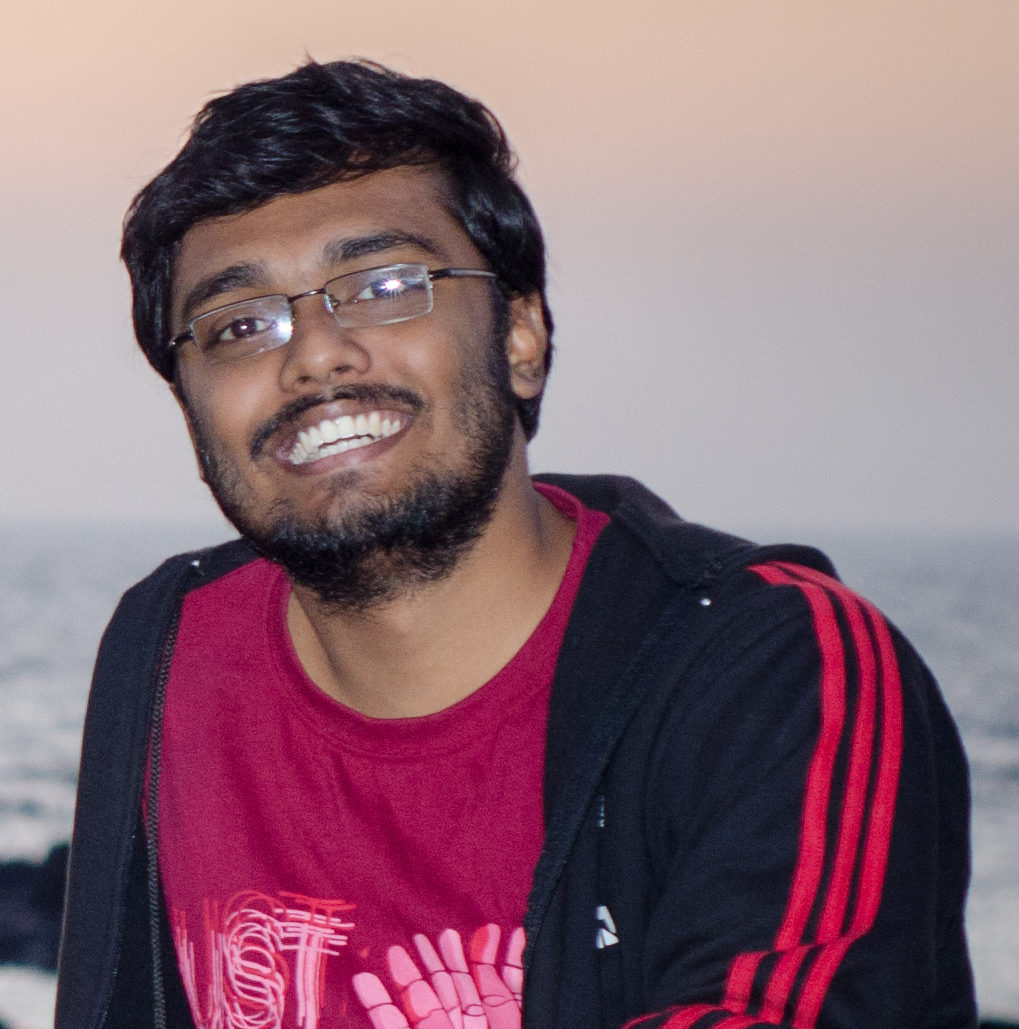
Sayan Dutta{credit}Bappaditya Chandra{/credit}

As the global economy took a hit with the coronavirus pandemic, and science job opportunities seemed up in the air, more than 400 diaspora Indian scientists, engineers and entrepreneurs got together in early September 2020 to make sense of what this ‘new normal’ might look like.

At the Science and Research Opportunities in India (Sci-ROI) annual meet – which was forced to go virtual this year, like many other conferences worldwide – this bunch of engaged scientists and researchers heard 40 eminent speakers over four days, keenly picking up nuggets on the current and future projections of the career landscape in India.

A volunteer-run organization established in 2015, Sci-ROI is a gateway for young scientists, engineers and entrepreneurs in the U.S. to access professional opportunities across academic, industry and private sectors in India. When we were wrapping up Sci-ROI’s annual event in 2019 at the University of Chicago, its founder Prof. Aseem Ansari prodded me gently about the new challenges we had vowed to undertake in 2020. I had never imagined in my wildest dreams that the “new challenges” would entail organising a full-scale virtual event amid a global pandemic.

Back in April 2020, when the first wave of the pandemic shook the world necessitating complete lockdowns, it seemed impossible to organise this year’s in-person event in September. After deliberations, the organising team became sure about two things – that the event should go virtual, and that no one had the slightest hint on how to host a virtual event. But soon enough, a diverse team got working overtime – countless hours of online meetings, event planning, programing, technical troubleshooting, media moderation and visual media creation (all by hidden talents in parallel to being postdocs), were unleashed.

Speakers from 39 Indian institutes joined the panels to address attendees from more than 150 institutes around the world. The deliberations revealed that there has  been no major setback in India’s research funding due to the pandemic yet. Most Indian academic institutions are still actively engaged in the hiring processes, and funding agencies have taken steps to mitigate the challenges thrown up by the pandemic, though in the long run things might slow down.

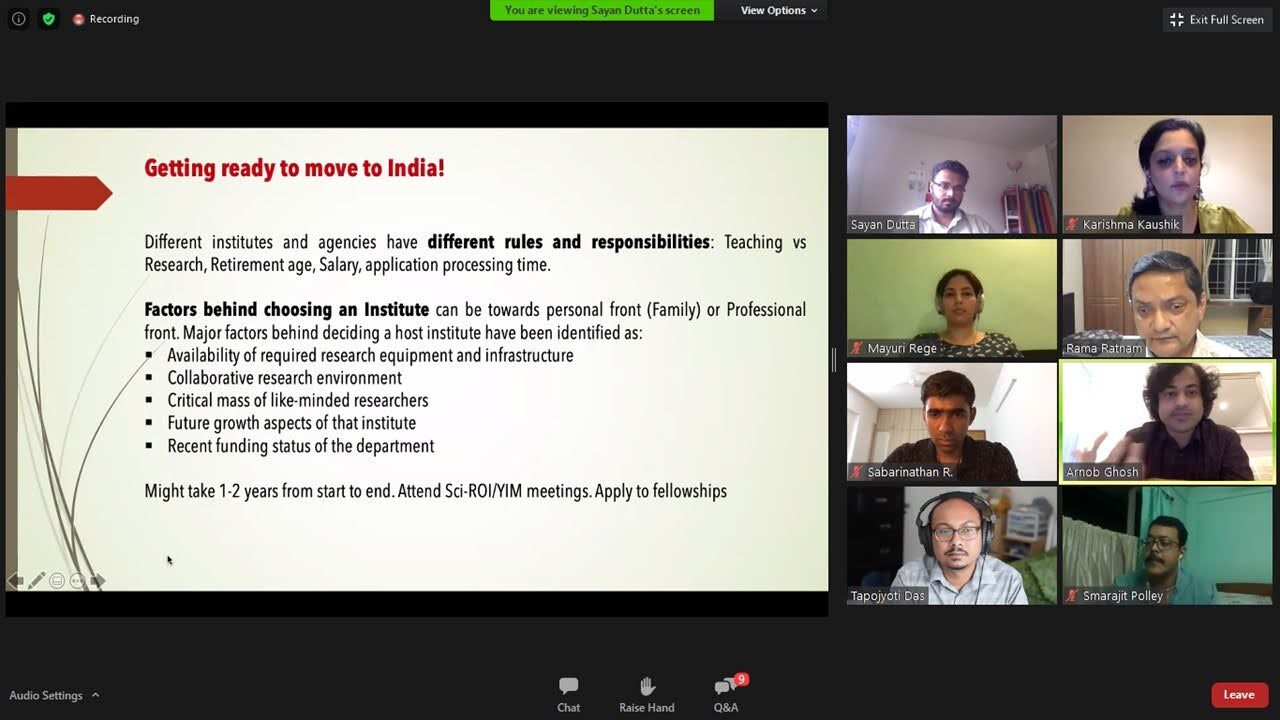
A session discussing perspectives of new faculty who have relocated to India saw high participation at the virtual event.

Unique sessions such as entrepreneurial seminars and careers beyond the professoriate spotlighted opportunities in both the sectors. India’s entrepreneurial ecosystem continues to widen its support for new biotech start-ups and deep-science entrepreneurial ventures. The conference also brought forward India’s growing career landscape in the sectors of science communication, management, administration, and policy making available to researchers after Ph.D.

Through online polling, participants at the event, mostly from the diaspora, actively identified some major challenges they face while trying to transition back to India.  Among them were the age barrier of 35 years on entry level positions (such as assistant professorship), lack of a centralised and transparent recruitment process, and slow or no correspondence and follow-up emails on their application status from Indian institutes. In view of the pandemic, researchers also strongly advocated making academic applications completely paperless.

Although we did not realize it at the onset, the virtual format of the event turned out to be more informative and far-reaching (involving even the Indian diaspora outside the US) than the traditional format.

A global pandemic got us out of our comfort zones, and we found unique solutions for unforeseen problems. We realized that while in-person interactions are irreplaceable, enabling effective virtual communication is the need of the hour. Sci-ROI’s “by the scholars, for the scholars” event represented a model of such an emerging community, critical for global brain circulation. Alongside the annual event, a virtual recruitment week in October and a central STEM job portal will hopefully enable the growth of stronger collaborations between scientific communities within and outside India.

(Sayan Dutta coordinates collaborations at Sci-ROI, a U.S. based volunteer-run organisation, helping diaspora Indian scientists, engineers, and entrepreneurs access professional opportunities in India. He can be reached at sayanm06@gmail.com.)

How coronavirus data from history is helping fight COVID-19

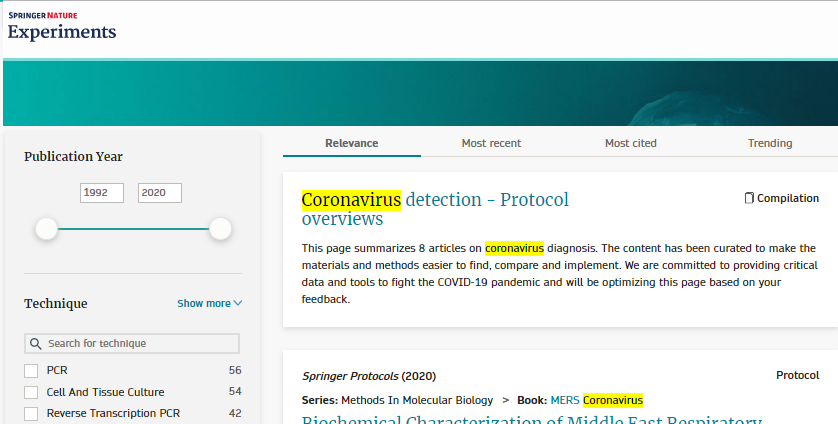
When a bunch of database experts peered through archival information on coronaviruses, they saw substantial data that could aid the world’s fight against the novel coronavirus pandemic.

Satyavati Kharde and Poulomi Thakurdesai describe how a Springer Nature Experiments team quickly turned this data into a valuable resource for life science and biomedical researchers working on COVID-19.

Many of us had heard the term ‘coronavirus’ for the first time at the office lunch table. Our team lunches are unusual, discussing topics that range from evolution, to bodily functions to Bollywood. The scientific experts in the team were trying to explain how the coronavirus works, its relation to respiration and the conspiracy theories associated with it.

When we read about the first outbreaks, our natural reaction was – not yet again!  Another epidemic! We thought it would not cross the China borders and so we continued planning our upcoming travels.

Out of curiosity, we checked the Springer Nature experiments database – the largest database for life science protocols and methods – to see what content we had around past coronaviruses. We were pleasantly surprised to find a huge number of experiments such as detection of the virus, drug design, drug delivery, vaccine design and biochemical characterisation of coronaviruses that caused earlier contagions – the Severe Acute Respiratory Syndrome (SARS) of 2002 and the Middle Eastern Respiratory Syndrome (MERS) of 2012.

Soon we realised that mankind was in the middle of a pandemic after centuries. In India, we entered the world’s largest ever lockdown in history, started working from home in this ‘new normal’ while continuing our virtual tea break conversations and getting a virology class where some of us non-scientists learnt for the first time that viruses are not exactly living beings!

At the same time, we began watching life science researchers and healthcare professionals, the traditional end users of our products, emerge as the heroes in the world’s fight against the novel coronavirus. These frontline COVID-19 researchers in India and across the globe were working tirelessly to develop new detection methods, new drugs and vaccines to prevent the spread of the pandemic. Lockdowns and a global emergency situation had added several challenges to the existing workflow for researchers in academia as well as in the industry.

Many of our friends were these scientists trying to look for solutions to halt the pandemic at various Indian and international institutes. In one of our casual discussions, some of these scientists talked about the tardy speed and the many challenges of research during the lockdown.

The inner scientist in some of our team members was itching to help ease out their problems. The question was, how? We started working on a workshop for life scientists (involving questions around the database, engineering, and user experience) to understand if there was anything we could do to decrease the challenges they were facing.

In no time, a large global team chimed in taking the challenge up on priority. In one frenzied week, we designed, tested, and pulled together a collection of more than 160 openly accessible protocols and methods on COVID-19 to help laboratory researchers in their work around the pandemic. The resource brought together content on the detection of coronavirus in various species, protocols on designing the vaccine, and understanding the biochemistry of viruses to design new drugs.

Working remotely – alongside sharing recipes and haircut tips – we create a digital interface to address the challenges around the scarcity of reagents and lack of information to develop detection tests for the novel coronavirus. In this interface, researchers can find detailed procedures on various detection techniques, such as RT-PCR, PCR, virus RNA purification, sequencing, and more. With the help of this information, researchers can compare the materials and methods before implementing them in the laboratory.

As we begin to feel a little fulfilled to have contributed our tiny bit in the global fight against COVID-19, this data explorers’ journey is far from over. We are constantly tweaking and scaling up this resource – for the researchers and by the researchers – as and when newer information emerges in the fast-evolving pandemic.

[Satyavati and Poulomi are part of the Springer Nature Experiments team in Pune, India.]

My science failures: Get up fast after each fall

Science stories are equal to success stories. Right? Wrong. In thinking of scientists as successful people, we often assume that their career paths are straightforward, meticulously-planned and yield positive outcomes. However, things don’t always go as planned. Behind every small success, there’s probably a string of failures — work that did not make it to the curriculum vitae, rejected papers, turned-down applications, declined grants, unsuccessful job interviews, and many closed doors.

Science blooms in these failures as much as it does in the glory of accepted manuscripts, grants, awards and patents. In this blog series “My Science Failures” we will hear some straight-from-the-heart stories of these secret milestones in the lives of scientists — and learn how they turned these events on their head (or did not). You can join the resultant online conversation with the #mysciencefailures hashtag. Let us know at indigenus@nature.com if you would want to tell us your story.

Divya P. Kumar, is an Assistant Professor and DBT-Ramalingaswami Fellow at the Department of Biochemistry in J S S Medical College, Mysuru, Karnataka. As a young investigator, it took courage for her to talk about failures. But her belief to ‘do what’s right, not what’s easy’ saw her through this exercise in soul searching.

{credit}Divya P. Kumar{/credit}

“Success is a public affair but failure is a private funeral.”

Failure is an integral part of any career path, but the irony is that one doesn’t dare to speak of it in public. We admire reading or watching stories of successful people who have failed at some point in their lives but are reluctant in accepting and overcoming our own failures. Fortunately things are changing and the world has started appreciating that it’s okay to fail rather than not trying, or quitting.

In the scientific world, we are more acquainted with failures than success – be it in experiments, grant proposals, job interviews, manuscripts or lab management. It is therefore important that we discuss failures, appreciate the attempt made and importantly, support each other to iron them out. Accepting failure is an integral part of career development.

My work is still in progress in terms of building a career path as a scientist. This blog piece is my humble effort to say out aloud to every research scholar, postdoctoral fellow or young investigator who has failed:  “You are not alone”. All scientific failure stories appear alike whereas success stories differ in their own way. I say this because while reading someone’s scientific failures, we often relate to them.

Science just happened

I never dreamt of becoming a scientist. Growing up in the southern India city of Mysore in Karnataka, the professions of choice were engineering or medicine (thankfully, it has changed now). Though I was interested in engineering, I did not make the cut in the entrance exams. I chose to study biotechnology.

During the great economic recession of 2009, I moved to the United States with my husband. My application to a graduate school got rejected. It made me realise how competitive the scene was. It also made me appreciate the importance of participation in summer research programmes, workshops, conferences, publications and extracurricular activities that count along with the regular academic requirements of the graduate programme.

Not losing hope of a PhD, I started volunteering in the lab and soon took up the job of a project assistant. The hard work paid off and I had a first-author publication and then got enrolled into a graduate programme.

All this happened while I was working in two different labs, the first one being a bitter experience because of micro-management by a rather insecure leader.

The PhD roller coaster

I decided to opt for a different lab for PhD. However, having one published paper, one co-authored manuscript in press and another first-author manuscript in the works, it was a tough call to leave the lab and start all over again. It was a structural biology lab and I had realized within one year that it was not my cup of tea. Setting up crystal trays needed a lot of patience and stamina (and I admire those in the field for that). I also had limitations with my knowledge of physics. It would perhaps have been easy for me if I put in some effort to get familiar with the work, the people and the ambience but I listened to my heart and got ready for the next challenge.

PhD was challenging. The research work demanded key expertise in islet isolation from mice as also working with mice and human islets in vitro. This expertise was not available in the lab. So I had the great opportunity to collaborate with scientists from a different University. Earlier, my first publication had been accepted within 3-4 days of submission in the journal Biochemical and Biophysical Research Communications, something I realised was a rarity. I got to taste the reality of PhD, struggling with the new expertise I had to master for nearly half a year. This was the best period of my PhD as I learnt how important mentors and their support are. I also learnt the life skills of troubleshooting, perseverance and patience and of loving one’s work despite uncertainties.

Managing a lab

Setting up a research lab and a team marks the beginning of an exciting phase in the career of all young investigators. It is challenging and does require management skills to build and run the lab effectively. Having realised this, I set up a new research team with academic values and good lab culture. As everything was falling in place, the two research scholars quit – one was selected for a government job and the other for her personal reasons. I had heard similar stories, but your heart breaks when it happens to you.

The time and effort invested at this initial stage of establishing your career seem to have gone to waste. However, I did appreciate the interest of the research scholars and their personal journeys.

I got back to the drawing board with renewed energy and inducted new research scholars in the lab. The exercise was humbling and taught me that ‘sometimes good things fall apart so better things can fall together for the best to happen’. We are just a couple of months into the new set up and it seems promising so far.

Being a young investigator, listing these failures in my scientific career took some courage. This introspection gives me a sense of pride for not letting failures break my self-trust. I have learnt from from them to go with the flow, re-envision my goals and seek inspiration from others. In the end, I have always believed in doing ‘what is right than what is easy’.

More in the series:

My science failures: All the light bulbs that did not work

Away from home: Fast track to research dreams

Our ‘Away from home’ interactive map features 51 bright Indian postdocs from around the world. Write to us at npgindia@nature.com to suggest names of postdocs from countries and disciplines we haven’t covered yet.

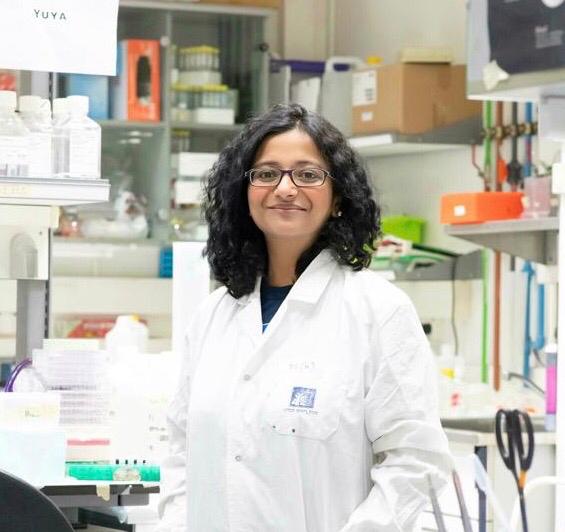
Soma Ghosh is a postdoctoral fellow at the Weizmann Institute of Science (WIS) in Israel. A doctorate from the Institute of Nuclear Medicine and Allied Sciences, New Delhi, she works on a strategy to prevent the resistance that some lung cancers develop to immunotherapy, one of the main treatments for certain types of cancer. In this guest post, Soma talks about living far away from family and working six days a week in the lab to realise her research dream.

Soma Ghosh

Peering into cancer cells

For the past three years, I have been in Prof. Yosef Yarden’s group in the Biological Regulation Department of WIS researching a protein often overexpressed in cancer cells. This protein can make certain tumours resistant or more aggressive to anti-cancer therapies.

After a doctorate focusing on radiology and oncology, I had joined a pharmaceutical company as an oncology consultant to work on strategies for drug development and marketing. I was good at my job, but realised that it wasn’t for me. After two years in the company, I started searching for labs where I could do a postdoc. I wrote to a lot of professors working in my field of interest.

One of the professors I wrote to was Prof. Yosef (Yossi) Yarden. I had not paid attention at first to the fact that he was in Israel. He answered fairly quickly and suggested I visit his lab first. I found a great atmosphere in the lab. I met people from all over the world, including India, and the research interested me very much. Although I had been out of a lab for two years, my passion for research was alive. Yossi took a few days to discuss things with his lab members, and his answer was a ‘yes’.

I wrote a project proposal and soon got a grant through the Feinberg Graduate School. From writing the letter to finalizing the grant, everything happened fairly quickly. Three months later, I was unpacking my bags at WIS. Answers from the other places I had written arrived in drips and drabs but I had already found my calling by then.

Coming to Israel on Yom Kippur

I arrived in Israel on a Friday – the eve of Yom Kippur, the Jewish holy day of atonement. I was shocked to find everything closed and deathly quiet. I ate food from home, which some friends here had thankfully suggested that I bring along. The holiday ended on Saturday night and I got an email from Yossi saying we would meet on Sunday. That was strange too – I didn’t realize back then that Sunday is a workday in Israel. The reception in the lab was a warm one, and things have been great ever since. One of my lab member’s even took me to the open market in Rehovot so I could buy ingredients for the food I love to cook.

My husband’s patent-consulting job is based in New Delhi but when I told him of my plans to conduct research in Israel, he was supportive. Though the separation has had its difficulties, we manage to meet several times a year.

My father was supportive as well. As a scientist with India’s science ministry, he had worked with WIS researchers and was aware of the institute’s excellence. My mother had doubts but after visiting Israel she has fallen in love with the place.

Maximising the work week

Working with Prof. Yossi Yarden is a very special experience. He starts his workday at 7:00 and ends it at 7:00. We sometimes get emails from him at 11 in the night, always with thoughtful, constructive comments. It might seem that he asks a lot from his students, but ultimately we achieve higher, get better results and opportunities to advance our scientific careers. He creates a positive atmosphere, always speaking quietly and with reason. That doesn’t mean we don’t have fun ‒ we also laugh a lot. His research assistant Sara Lavi is always ready to lend an ear or solve a problem. My lab members are very friendly, supportive and helpful. I feel really lucky.

In my spare time, I like to cook. I also enjoy Indian music and global cinema. I am an ardent fan of Marvel characters.

In between my ongoing research and writing a paper on the results of three years of research in Yarden’s lab, I keep thinking about my return to India and reuniting with my husband and family. I also look forward to driving again when I return. Whatever else awaits me, scientific research will continue to play a central role in my life.

Making Israel your research destination

Israel is a beautiful country to work in. Drawing from my experience, here are some general tips for researchers looking for a postdoc position in Israel:

  • While applying for positions, focus on the work you are doing and be clear on why you chose those experiments and what their implications are. Everyone is well informed these days and they expect clear and direct answers.
  • Broaden your wet-lab skills and get expertise on molecular diagnostic approaches, especially the new ones such as CRISPR. I believe Indian labs nowadays provide platforms and opportunities to get hands on experience to such techniques.
  • Be transparent and honest in your resume about the techniques and knowledge that you have and do not try to write things that you haven’t done. Eventually, people find out and it can lead to a problem later.
  • In cancer research, one thing I have observed is the importance of thinking how your research or study can have clinical implications. This is a key question which every major lab/ research institute/ university would like to hear when you apply in Israel or anywhere outside.
  • Pick your lab of interest and study what they are doing or have done in the past. Align and search for labs that match your interest, don’t just select random labs where you would not be able to justify your candidature.

How to beat loneliness in a research career

Ramya Nandakumar, an assistant professor in the Department of Biomedicine at Aarhus University in Denmark, says research stints in a foreign land can get lonely. It’s prudent to invest in good friendships to beat the depressingly long winters, she says.

Ramya Nandakumar

Inspired by Fleming

I always wanted to become a scientist. A picture in my school textbook of  of Alexander Fleming, nestled in a comfortable corner of his laboratory, looking up into his staph plate appealed deeply to an introvert, curious young me.

Years later, this fascination took me to the All India Institute of Medical Sciences, New Delhi where I worked on a Masters project at the department of transplant immunology. Later, I was offered a three-month internship in Germany as part of a collaborative Indo-German project. When the calls for PhD opened, I applied and continued my research in the same lab. PhD was an extremely steep learning curve, after which I took up a postdoc at the University of Aarhus, Denmark.

Postdoc is the time to define your career trajectory

To make the best of a postdoc stint, it is advisable to think of it as a ‘stepping stone’ to your career of choice. Having a plan can help you leverage your postdoc to establish a career within or outside of academia. Easier said than done, though a broad understanding of where one intends to go after postdoc can enable supervisors to put you on a trajectory, if they are so inclined.

A good rule of thumb when investing in a research career is to look for a well-funded lab with an investigator preferably with students of several nationalities.

In my current lab I have colleagues from Spain, Germany, China, Iran, Greece and England. While some benefits of multiculturalism are obvious, in a divided world, it is reassuring to see that scientific research has a non-discriminatory way of accepting everyone regardless of where they are from.

It is also worth mentioning that when applying for positions, the cover letter is your best friend. Use it wisely to describe yourself and highlight why you have written to that specific Principal Investigator (PI).  Make it personal if applicable (…I heard you speak at the conference at …., I was inspired by the article you recently published.). This might help you stand out from the many applications the PI receives, especially from India and China.

During my research career, I have been challenged plenty, mostly by my own preconceived notions. Stepping out of one’s culture is a great way of questioning one’s very conditioning.

Tackling winter blues

Denmark is extremely expensive but as a researcher in a university you pay less tax (~32%) than the average Dane. With immigration rules getting tougher, it has become increasingly difficult to bring dependents to Denmark (except spouses and children under 18). Parents and family can get visitor visas but they don’t normally qualify as dependents. This could be a problem if you are the sole caregiver to ageing family back home.

Life in Denmark is lonely, a feeling compounded by the dark and depressingly long and rainy winters in this part of Europe. Seasonal affective disorder, commonly known as ‘winter blues’ is quite common around here.  Good bright white light and a dose of Vitamin D can do their bit, but investing in good friendships also helps immensely. Winter blues for the trailing spouse is a reality one must consider. I came to Denmark alone and did not know anyone here. Therefore, a room in an international dormitory came as a blessing.  The shared kitchen was a melting pot of a wide array of cuisines, strong political discourses and diverse viewpoints. This is where I made most of friends I have today, friends from all over the world I share interests with despite our very obvious differences.

Take rejections in your stride

What wasn’t there in that picture of Fleming was a folder thick with rejections: failed experiments, grant rejections, soul-crushing article reviews, and numerous applications that are unfortunately symbolic of today’s research. Although Fleming looked content in his corner, research today is hardly independently run from the confines of a room. The emphasis on networking, being social and collaborating with researchers from within and outside of one’s own discipline. A successful scientist today, is as much a scientist in the typical sense, as he is a collaborator, entrepreneur and writer. These skills are essential, not just desirable any more.

[Ramya Nandakumar can be reached at ramya.nandakumar@biomed.au.dk]

A professional doctorate for a career beyond academics

In today’s guest post, Anushika Bose, an alumna of the University of Delhi, shares her journey as a researcher in the area of renewable energy, and her unusual choice of  a ‘professional doctorate’.

Anushika did a PhD from the Helmholtz Centre for Environmental Research (UFZ) in Leipzig, Germany, while being associated as a visiting scholar at the Humboldt University of Berlin. What prompted her choice, what does such an association mean and how is it different from a doctorate in an academic University? Read on.

Anushika Bose

Science was not my first love

Frankly, I wasn’t interested in science or medicine to begin with. I wanted to study law and work as a corporate lawyer. But for my Bengali parents, the definition of education was simply “science”. They steered me into science but left me to get as creative as I could with the subject. I prepared to sit in the medical entrance examinations in India but got through dental sciences only. As I was aware of my pathetic practical hand, clubbed with the fear of not performing well (and keeping in mind the general well-being of humanity), I chose not to go ahead with it.

Despite the decision, the fascination of having the initial “Dr.” prefixed to my name lurked at the back of my mind.

I enrolled for a bachelor’s degree in science from the University of Delhi, where studying about the environment and its ordeals fascinated me. After a master’s in environment management, I got a scholarship from the German Academic Exchange Service (DAAD) to do a PhD in Germany. I was 23. I knew it was too early, but I could not miss the chance. I felt a bit awkward amidst my fellow scholarship awardees, all of whom had previous research experience and publications in international journals.

Studying smart, eco-friendly energy

As a research scholar at Humboldt University in Berlin, I worked on environmentally smart and safe deployment of wind energy infrastructure across landscapes, specifically minimising the direct collision of birds with turbines, thereby keeping green energy as green as possible.

Well aware of the urgent utility of my research, I applied for recognition from the United Nations for a visiting PhD and simultaneously worked as a scientist at the Helmholtz Centre for Environmental Research (UFZ) in Leipzig, Germany.

It worked for me because of an existing system of cooperation between universities and research organisations in Germany. Scholars who join a research organisation for a PhD get associated to a professor (with a similar research background or interest) in a University. In such cases we serve the organisation and its projects. The scientific publication generated from these projects (authored by the scholars), published mostly in international peer-reviewed journals, is also compiled later to form a thesis. The scholar then defends his/her research by means of this thesis in the University and gets a doctoral degree from the University. The best part of such an association is that the years you spend doing research are counted as both work experience and academic record.

I came back to India to head the geospatial analytics wing of a renewable energy research and analytics firm based in Gurgaon, Haryana. We address the various technical, strategic and commercial challenges that the renewables industry faces, with a particular emphasis on risks and uncertainties at each stage of the value chain. We envision helping economies integrate renewable energy into their energy mix using our analytical platforms for a cleaner, sustainable and better tomorrow.

The German experience

At UFZ, I focused on environmentally safe and smart spatial planning of renewable energy infrastructures across the German landscape. My objective was to see how both the environment and people could benefit from sustainable use of wind energy.

UFZ’s approach of working with a global focus suited my career portfolio. Their research was through integration and synthesis of results on-ground, which was helpful when I later tried replicating the strategies in India. UFZ  gives young environmental science researchers ample freedom and insight into integrative research, alongside preparing them for political and managerial careers.

I also liked the flexible, no-fuss, punctuality-driven work environment. I loved the ‘work hard, party harder’ culture, where weekend planning begins by 2 p. m. on Fridays. The segregation of private and work life – no calls, no emails on the weekends, no last minute hassles, nothing ad-hoc – is priceless.

The cultural learning was enriching too – from waiting at traffic lights patiently to sorting trash, from making grocery shopping lists to reading every line in an agreement document before signing. I was amazed at how much the Germans love Indian culture and traditions – they participate in Indian festivals held in major cities there, wearing the Indian attire, relishing our “spicy” food.

The language barrier was never an issue because DAAD made sure we were trained in Deutsch before pursuing research. As far as racism goes, I did hear cases against fellow Indians from time to time though personally I did not face any. Many people confused me as being from the Middle East. Middle Eastern women often came up to me to ask why I haven’t covered my head. There is a substantial Middle Eastern community in Berlin and Leipzig, which maybe the reason I never faced discrimination.

The one challenge I did face was being homesick — especially I lived with my parents all my life. I missed family, food and friends, strictly in that order, during my time outside the country.

Academic vs. professional doctorate

Another challenge was pursuing a professional doctorate from a research organisation instead of a university. In general, a doctorate prepares one for an academic career, while a professional doctorate is geared more towards a professional career. While professional doctorates may hold an adjunct or even regular faculty position at Universities, the reverse is not true. This was my primary motivation behind opting for professional doctorate. All doctoral programmes, however, require coursework and an individual research project. The one at the University requires comprehensive exams and may include residencies, which is mostly not the case at research organisations.

The primary difference between these two types of doctorates is the type of research. University doctorates have a guided set up with assistance from professors, postdocs and fellow PhDs. Professional doctorate students, on the other hand, are expected to expand and apply existing knowledge and research to existing problems in their professional fields, often not with much guidance. A professional doctorate is counted under both work experience and educational experience. It benefits both ways but comes with an enormous pressure to perform and publish just as fellow experienced scientist colleagues.

Ultimately, the decision to pursue any of these types of doctorates should be based on assessing one’s career goals and how one plans to use the degree to meet these goals.

A postdoc is an individual choice. My focus had always been more towards a professional career instead of purely academics. Though scholarships and positions for postdocs exist in Germany, they expect a brilliant publication record and an equally good PhD research experience. This is mostly possible if you have worked in the same lab or institution and under the same project, preferably under the same supervisor/professor. Therefore, it is a common practice to absorb a graduating PhD from a lab as a postdoc in the same lab.

I would suggest aspiring Indian students to look for collaborations with their institutes/organisations here and the desired organisations in Germany. India’s Department of Science and Technology and the German government promote such joint research initiatives, allowing institutes and collaborators to connect.

Back Home

Back home now, my research is majorly into renewable energy development projects, primarily to guide India towards a renewable energy transition. The easy availability of technicalities from countries like Germany could facilitate India’s rapid energy transition into a future CO2 neutral economy in India.

Joint research initiatives could allow German institutes and collaborators to connect and utilise their expertise gathered over decades, monitor the results on a different soil, and gain international experience through collaborations with India.

My pursuit remains to stay well connected and incorporated with my work in both the countries.

[Anushika Bose can be contacted at bose.anushka21@gmail.com]