Publishing metrics and agricultural science

Having achieved an H-index of 100, Rajeev Varshney* explains what the metric means in scientific publishing and why it is a milestone, especially in an agricultural scientist’s life.
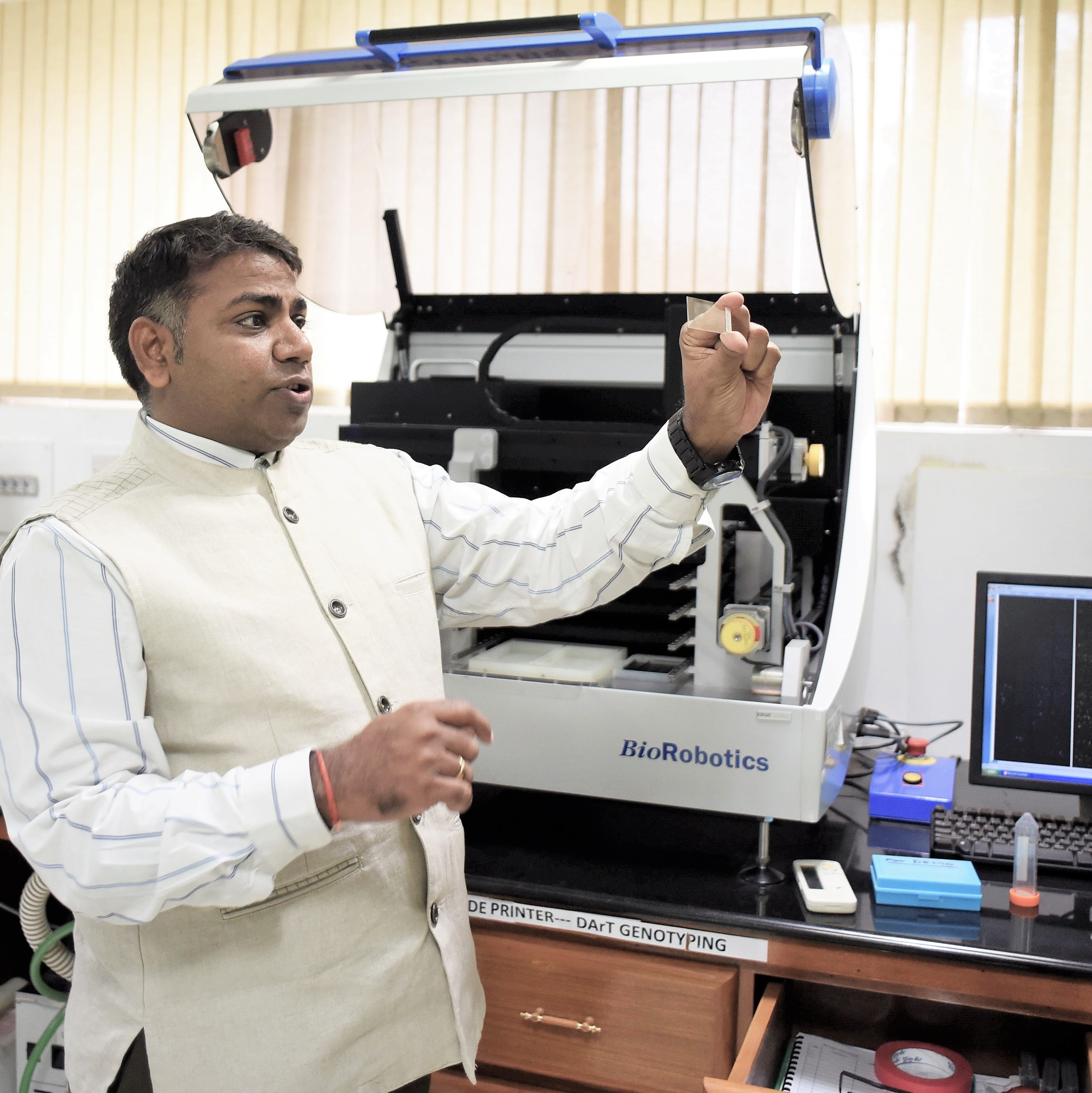
H-index is an author-level metric that measures both productivity and citation impact of an author’s publications across the global scientific community. It is calculated by counting the number of publications in which an author has been cited by other authors. H-index 100 means each of the latest 100 of the author’s papers have been cited at least 100 times.

Opinions vary on these metrics and the number of citations is not the only way to measure scientific impact. But it certainly is one of the many metrics that recognise scientists’ publishing lives, and in turn, their science. Research publications are a great way to share the latest advancements in science with the global community. They also help reduce redundancy or duplication in research while directly or indirectly saving the valuable time and effort of the scientific community as also taxpayers’ money.

Generally speaking, medical science generates more research innovations that are used by different biological disciplines, including agricultural sciences. As a result, citations in medical science research are higher than agricultural science publications. When agricultural science publications have high citations, it does indicate that the research is making an impact in advancing science. The milestone of 100 h-index is a recognition of the high-quality science at ICRISAT with colleagues and partners from across the globe.

The metric that matters even more

The real battle that agricultural science should wage is against hunger, food insecurity and malnutrition. Scientists in the same discipline anywhere can learn from the latest research and take it forward to address issues of smallholder farmers while advancing the cause of scientific research for global good.

As scientists, we believe in every study we conduct irrespective of the results we get. Some of the research we conducted with a large number of global partners has an edge over the others because of massive learnings from the multidisciplinary scientists involved. For example, our genome sequencing work of 429 chickpea lines was a collaboration of 39 scientists from 21 research institutes across 45 countries. It tapped next-generation sequencing (NGS) technology to better understand the genetic architecture, centre of origin, migration route as well as genetic loci for agronomic traits in chickpea. This study1 with several brilliant minds from across the world offered much learning for me.
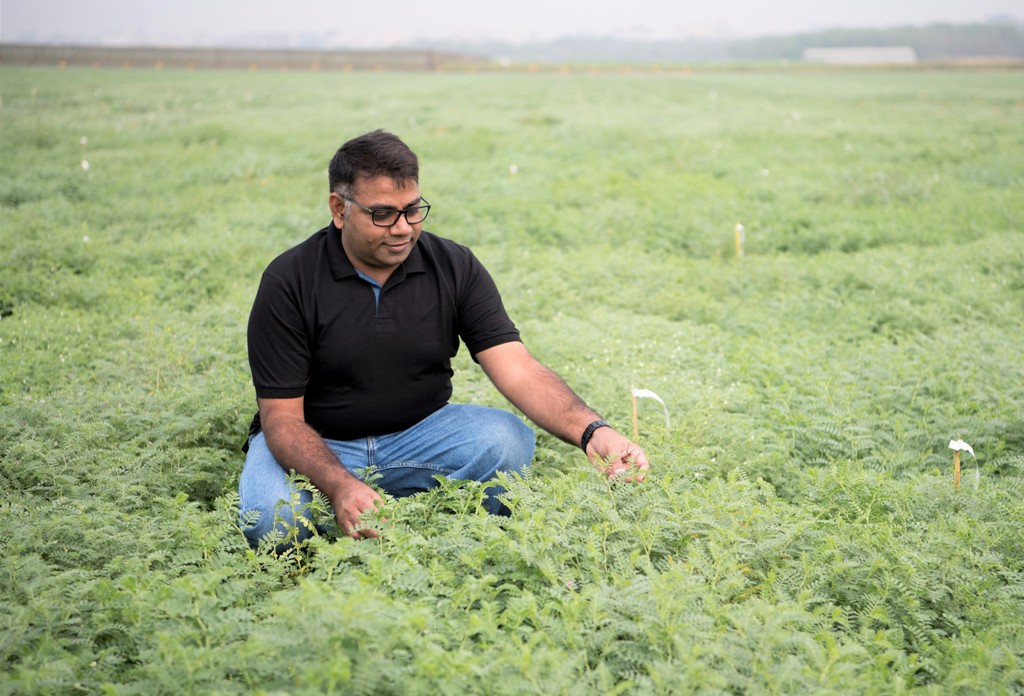
Chickpea crop improvement has been a key area of Varshney’s research.

There is a great sense of satisfaction when the upstream research we conduct delivers results in farmers’ fields in addition to advancing the cause of science for global good. As a genomics scientist, I provide research outputs for breeding programmes that develop improved crops.

ICRISAT’s collaborative work on genomics-assisted breeding helped develop and release the first set of products in 2019. There were three high yielding, wilt resistant varieties of chickpea2, 3 and two high-oleic varieties of groundnut4. The Ethiopian Institute of Agricultural Research also released a high-yielding chickpea variety5. The groundnut varieties were among the 17 biofortified crops dedicated to India on World Food Day 2020.

My efforts in genomics-assisted breeding will continue with an aim to accelerate the replacement of older crop varieties to help smallholding farmers improve their income and ensure better nutrition and health for the society.

(*Rajeev Varshney is Research Program Director, Genetic Gains and Director, Center of Excellence in Genomics & Systems Biology at the International Crops Research Institute for the Semi-Arid Tropics (ICRISAT), Hyderabad, India.)
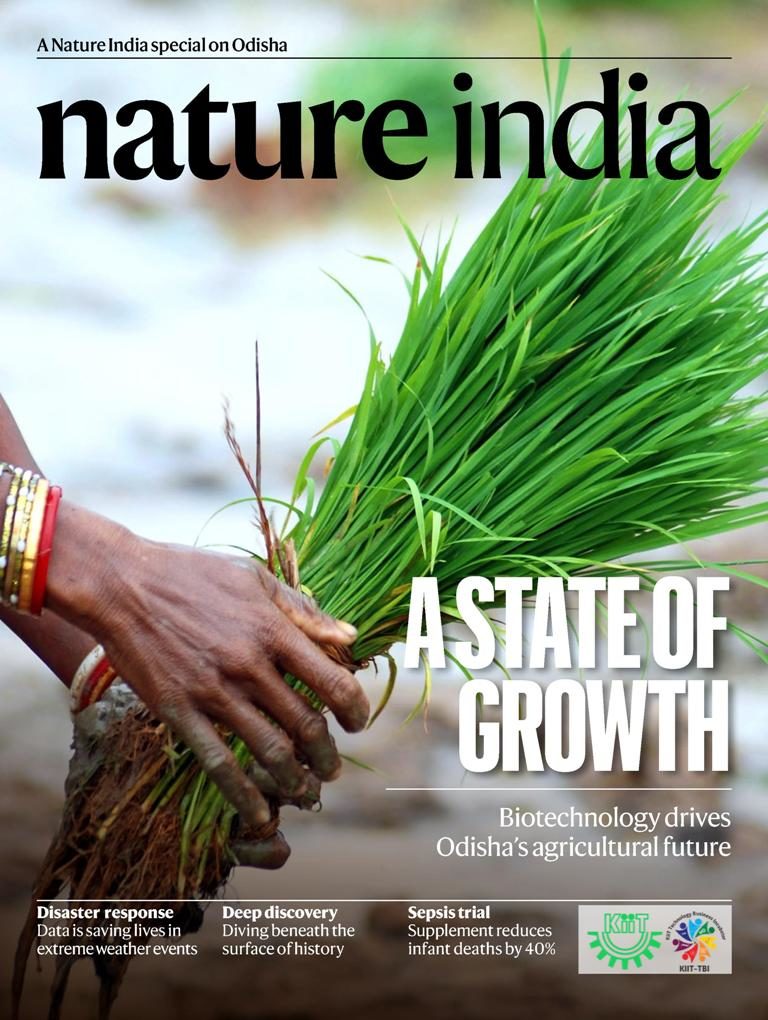
Nature India spotlights Odisha

A state known for its heritage, culture and disaster management, and as an emerging hub of scholarship and research, Odisha is making its mark. This special issue captures the aspirations of and challenges for the eastern Indian state in becoming the next national science hub.

Odisha is home to a number of large national institutes and laboratories – the Indian Institute of Technology, the Institute of Life Sciences, the Institute of Minerals and Material Technology, the Regional Medical Research Centre, the National Institute of Science Education and Research, National Rice Research Institute, the Central Institute of Freshwater Aquaculture and the All India Institute of Medical Sciences. The state government-run Utkal University and the Orissa University of Agriculture and Technology in capital Bhubaneswar add to its scholarly might. Private education conglomerates such as the Kalinga Institute of Industrial Technology University and the L V Prasad Eye Institute are helping produce a sizeable scientific workforce.

The entrepreneurship and innovation scene is warming up with a number of technology business incubators setting up shop in the state. A biotechnology cluster is also on the cards. The Odisha special issue takes a close look at this growth of innovation and technology in the state’s science.

Odisha’s 460km coastline and a hot, humid agro-climate, have endowed it with rich fisheries and paddy cultivation resources. The state’s scientific legacy in both aquaculture and rice research have benefitted from these. We examine the results of years of rice and fish breeding that Odisha has gifted to the world. The state’s proximity to the Bay of Bengal and high summer temperatures have also brought severe cyclones, floods and heat waves. We investigate how Odisha is setting an example in using science and technology to cope with such extreme weather phenomena.

Odisha’s rich culture and history draws international attention. Its many temples, monuments, ancient palm leaf manuscripts, paintings, and excavations are keenly researched by archaeologists, leading to innovative conservation methods to preserve Odisha’s past.

We analyse the traditional and modern methods being deployed by scientists, and focus on another rich historical source – shipwrecks – revealing fascinating stories of historic naval wars off the coast of Odisha.

India’s science and technology is well entrenched in metro areas, with institute clusters like those in Bengaluru, Hyderabad, Mumbai, Pune, the national capital region of Delhi, and Kolkata. Smaller, second-tier cities like Bhubaneswar are gearing up to the cluster approach, and are poised to contribute to the research and innovation scene. The Odisha special issue is an attempt to shine a light on one such state. In the near future, Nature India’s regional spotlights will chronicle more such emerging hubs of science in the country.

The Nature India special issue on Odisha is free to download here.

Lockdown unlocking technology for India’s farmers

Rural communities grappling with livelihood issues and looking for support for farming activities are increasingly embracing technology for survival. Jayashree Balasubramanian, who heads communication at the M S Swaminathan Research Foundation (MSSRF) in Chennai, talks of her experience with farmers attending virtual ‘plant clinics’.

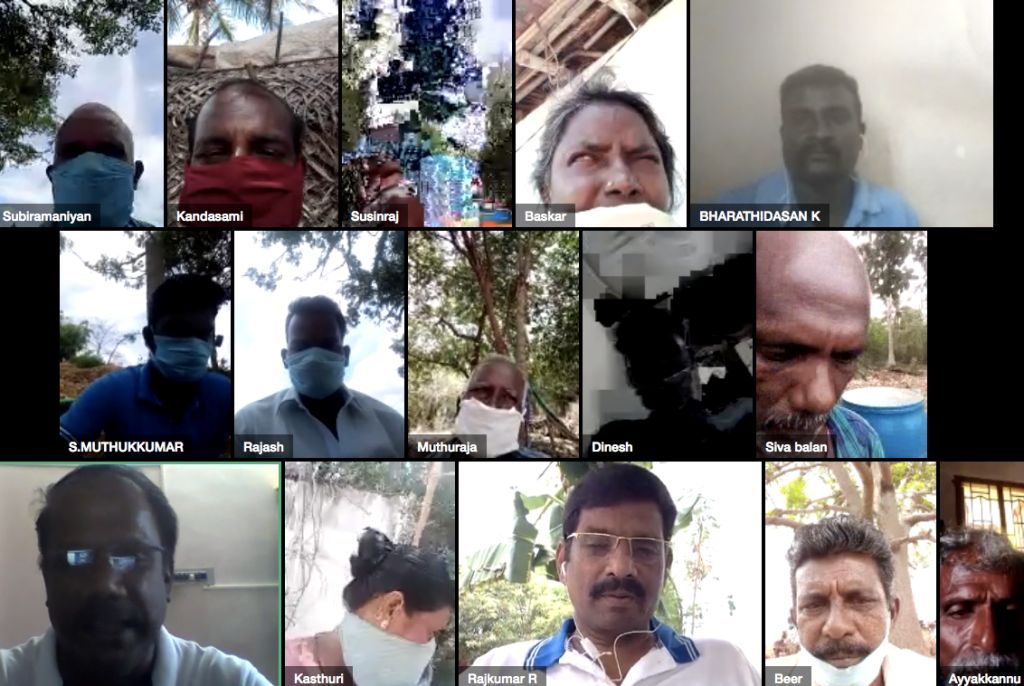
A virtual ‘plant clinic’ in progress.{credit}MSSRF{/credit}

It’s a Friday morning and Lakshmi, a farmer who grows paddy, maize and finger millet in central Tamil Nadu, is peering into her phone camera adjusting the webinar settings. From behind her, the top of her toddler’s head pops up on the screen as she navigates her way around the virtual ‘plant clinic’. “I can’t hear you sir, please unmute yourself,” Laxmi says several times in Tamil before the expert on the other side heeds.

‘Unmute’, ‘webinar’, ‘share video’, ‘chat message’ – the Tamil conversation is peppered with these English phrases. The e-plant clinic session is one of the ways in which farmers are getting technical advice and support amidst the world’s largest lockdown that India imposed in the last week of March 2020 to check the spread of the novel coronavirus.

Soon, 39 other farmers crowd up every inch of her phone’s screen. Many of these farmers are holding samples of pests or diseases that have affected their plants. Two ‘plant doctors’ are advising them online in this three-hour session. Some farmers are in their picturesque farms with mobile phones ready to zoom into on-site problems they need advice on.

During the ongoing lockdown, a survey found 227 million internet users in rural India, 10 per cent more than urban India. The increased use of internet at this time is opportune for the rural community grappling with livelihood issues and looking for technical support for farming activities.

Global farming communities have long advocated the use of Information and Communication Technology (ICT) to empower farmers suggesting it may improve farmers’ livelihoods by as much as 500 per cent. The usual bottlenecks – lack of technology access, good connectivity, devices or capacity – suddenly seem to have eased under the pressure of the novel coronavirus crisis. The crucial need to connect is transforming how rural communities and holders of farming knowledge are working around these challenges.

For instance, the plant clinic which Laxmi sometimes attends alongside approximately 25 farmers every week, is rigged up in a physical venue and advertised beforehand so that farmers come prepared with their pest-disease affected plants to consult plant doctors. It also arms them against using any unscientific applications that may cause long-term damage to the soil or plants. A study by MSSRF found that e-clinics cost less than half of what a physical plant clinic would.

A farmer holding up a sample for the plant doctors to see.{credit}MSSRF{/credit}

Even before the pandemic struck, farmers have been part of such efforts where support is provided on phone or social media. “During the lockdown, farmers started video-calling us, and we realised their need for visual connection and advice,” says Ramasamy Rajkumar, who coordinates efforts across 150 villages in India since 2012. The first webinar on 16 April 2020 saw 82 farmers joining in. “It meant that this was a format we should continue,” he says. While physical clinics build knowledge and capacity, the virtual clinics are building technology skill and mutual support.

Losses from pests or disease attacks can have a devastating effect on crops causing huge damage. The Food and Agriculture Organisation (FAO) estimates that pest attacks account for 40 per cent of all yield losses prompting the United Nations designate 2020 as the International Year of Plant Health.

Since the beginning of the lockdown, MSSRF has conducted five webinars in three states of India. They have not been without their fun moments. Farmer Kandasamy from Ramasamypuram, had multiple queries and also brought in a neighbouring farmer who had a volley of questions needing resolution. Subramanian, a farmer from Aayavayal helped himself merrily to a snack as he waited for his turn. Meanwhile, Muhammed Andakkulam altered his user name to ‘Beer’, to symbolically reflect reopening of liquor shops in his state of Tamil Nadu. The plant doctors patiently go through each query, sharing their recommendations in the chat box and promising support later on the phone.

Sometimes rural callers also glitch out but resurface miraculously and complete the call, to the envy of urban bandwith-squeezed callers. Most stay connected even after their query is answered, listening to other recommendations on a variety of crops from paddy to brinjal and black gram to coconut.

The farmers’ questions range from concerns over yellowing of groundnut leaves, discolouring of jasmine flowers, white-coloured pests on coconut tree leaves and withering of banana leaves. The common pests they report during the lockdown are whiteflies, thrips, aphids and green leafhoppers.

Purshothaman Senthilkumar, a plant doctor in the Pudukkottai district of Tamil Nadu, says the small farmers are facing issues in marketing their yields and report up to 40 per cent losses. “Those who did not have adequate labour to harvest have seen up to 20 per cent losses in the field,” he says. Seasonal pests and diseases have been compounded by shortage of labourers, maintenance, shop closures and non-availability of expert guidance.

E-plant clinics have not only been about technology and technical guidance, but also about moral support for the farming communities.

Honey bees starve in COVID-19 lockdown

Bee farmers are finding it hard to move their bee boxes from one place to another across India. This means their bees can not be fed as usual on seasonal flowers, neither will they pollinate this summer, writes Gopinathan Maheswaran of the Zoological Survey of India, in this guest post.

{credit}Pixabay{/credit}

Across the world, honey bees are the most commonly used pollinators.

In India, more than 9698 government-registered entities – individuals, societies, firms, companies and a few self-help groups – depend on beekeeping for their livelihood. A massive 15, 59, 771 registered bee colonies are spread across various states of India. However, the bee keeping business has its own challenges, especially in cases where farmers depend only on bees as the single source of pollination. Often the health of these colonies suffers from poor nutrition, pests and diseases.

The COVID-19 lockdown has presented a peculiar problem for the beekeepers and the bees. As countries go into extended lockdowns, movement of non-essential vehicles has come to a standstill. In India, the restrictions have made it difficult for the farmers to move the huge number of beehive boxes from one state to another or even within the states. As a result, the bees are starving to death.

During the summer months between February and July, farmers, especially in northern India, go from one state to the other with their bee boxes to feed the bees (Apis indica) on seasonal flowers of mango and litchi trees. Bees feed on the flower honey for nutrition and farmers sell the honey the insects store in their hives. The bees also help pollinate the mango and litchi trees, thereby increasing the production of these two cash fruit crops, and also a variety of other plants.

Farmers in Canada have reported struggling to get their shipment of beehives from aboard. Global food production, which depends a lot on bee pollination, is estimated to get affected due to COVID-19 lockdowns in various countries as without bees the yields of some fruit, seed and nut crops are known to decrease by more than 90 per cent.

This may impact poor and developing countries in the coming years as truncated food supply may result in hiking prices of many essential commodities beyond the reach of the poor in Asia and Africa. The lockdowns also hamper assessment of the damage by researchers, who can not reach the affected areas.

(Gopinathan Maheswaran is a Scientist in the Bird Section of Zoological Survey of India,  Kolkata. He can be reached at maheswaran@zsi.gov.in)

A grain of truth

Idlies not only belong to society but to science too. A well-fed scientist may churn out more discoveries than a starving one.  What is the point of science if it can’t give back to society solutions to the miseries plaguing it?

Runner-up, Nature India Essay Contest 2020

Kavitha with a (hopefully) fluffy dosa.

Kavitha Sankaranarayanan

Unkempt hair, shabby clothes, huge spectacles precariously perched over the nose, a disoriented look, one who prefers agarose-gels to beauty-gels, who trouble-shoots experiments instead of shooting goals on the field — the societal image of a scientist, though perceived as madness by the majority has still caught the reverie of a few like me.

I still vividly remember my interaction with a ten-year-old on potential career choices. Being a freshly minted scientist then, I felt it was my responsibility to help him make an informed decision, and thus possibly inspire a potential future Nobel Laureate (My mission – win the Nobel and inspire others into making the plunge into the fascinating world of science). With gusto, I sat upright and asked him “How about becoming a scientist?” He replied instantly “Hey no no…”. I was shocked. I think suggesting becoming a criminal might have evoked a less contempt on his little innocent face. This awakened me to the perception of scientists by the society. (Note to reader: This boy now aspires to become an aerospace scientist, so my chance at having inspired a potential Nobel Laureate still lives on).

Back then, the scientific community was isolated in its own niche and considered an intelligent, less fun, unsociable crowd. Things have moved on and now we find scientists adept at not only their work, but also equally skilled at other ‘extra-academic pursuits’.

With the advent of social-media platforms, science has reached even the remotest areas and it is not uncommon to hear an octogenarian in a rural location rant away about coronavirus and remedies to cure it. This digitalisation of daily life has to a large extent bridged the gap between science and society. Science is not, and should not, be limited to journal publications, medals/awards and honorary membership in societies.  What then attracts some humans to it? This kept me pondering until I came up with a few plausible reasons. Science is for the curious in nature; while most of us get awed by nature and its wonders, a few seek to satisfy their innate curiosity by figuring out the ‘hows’ and ‘whys’ of these mysteries. Given such a scenario, this clan of professionals are very much linked to the society and help in its progress.

Let me outline a project of high societal and gastronomic importance being researched by my team. India, along with the rest of the world, is facing the effects of global warming and if I were to break the news that rice production is on the decline, as one tucks into steaming hot fluffy idlies or crispy dosas, it may be a big jolt. India’s best scientific brains has been coming up with various solutions to tackle this crisis.

Plants, like all living things, need water to survive and wilt during water-deficit conditions. The key to battling this situation, as logic suggests, is to increase/make more-efficient water-uptake from the soil and to decrease water-loss from the plant. While most drought-tolerant plants have innate mechanisms to overcome such situations, most pampered crop plants including rice, do not. An understanding of these mechanisms would provide the key to developing robust varieties of these commercially important crop plants. My group has been interested in this aspect of biology, motivated by the cause of ensuring that dosas remain a viable breakfast option.

We have been investigating water-uptake mechanisms in the root-cells of these plants and how some varieties seem to be more efficient than others in imbibing water from an arid soil. Such knowledge could provide the much-needed information on these weapons that could be implanted through crop breeding techniques into the ‘weaker’ commercially important crops.

While efficient water-intake methods do help, it may not be effective unless and until the plant does not waste water from its tissues. This is orchestrated by small pores (stomata) in the leaf guarded by cells (aptly called ‘guard-cells’) which control stomatal opening, thereby regulating water loss through transpiration. My team has identified some key proteins in these cells which keep the stomata open and this discovery could lead to a possible method to efficiently regulate stomatal-function during drought conditions. This could also revolutionise the means of selection of ideal parents for crop-breeding.

The reason this is of importance in rice is that commercially important varieties, especially the popular ‘idly’ rice, is very drought-sensitive, while robust drought-tolerant varieties may possibly make rock-hard idlies. How do we continue producing drought-tolerant idly rice while retaining the ‘aromatic fluffiness’ of the idlies? This is where discoveries step in.

So back to the question: What is the connect between science and society? In this case, idlies not only belong to society but to science too. A well-fed scientist may churn out more discoveries than a starving one.  What is the point of science if it can’t give back to society solutions to the miseries plaguing it. What is society if it cannot inspire science by supporting and recognising the efforts with ample feedback and encouragement? Children in our country idolise and get inspired by scientists like Dr. A.P.J. Kalam who have reached the pinnacle of success by sheer hard work and tenacity.

Scientists inspire society and society inspires scientists. This symbiotic relationship is what is going to usher in a golden era of progress in scientific understanding. Here is to a period of amalgamation of science with society and let the ‘scientific-madness’ spread to every individual and manifest as a curiosity to learn and seek knowledge.

[Kavitha Sankaranarayanan heads the Ion Channel Biology Laboratory at the AU-KBC Research Centre of Anna University in Chennai.]

Suggested reading:

Announcing winners of NI Essay Competition 2020

Memories of paati

A predictive lifeline

Announcing winners of NI Photo Contest 2019

The winners of the Nature India photo contest 2019 have now been chosen after a week of unprecedented activity on the Indigenus blog and our social media channels (Facebook and Twitter ). A global jury, comprising members of the Nature Research editorial and design teams as well as an independent scientist, has given their verdict.

The photographs have been judged for their adherence to this year’s theme ‘Food’, for their creative thinking, quality and print worthiness.

The winner of the Nature India photo contest 2019 is:

Partha Pratim Sahafrom Kolkata, West Bengal, India

for his strong image ‘Dry day catch’, which focuses on the relationship between climate and food and emphasises the importance of water bodies as sources of nutrition.

{credit}Partha Pratim Saha{/credit}

In Partha Pratim’s words: “Shilabati is a rain fed river in Eastern India. Many fishermen depend on this river for their catch in the rainy season. But in summers, the river dries up. Fishermen are then unable to use their boats in the shallow water. In these dry seasons, they go down to the level of the river bed and use hand nets for fishing the traditional way.”

The second winner is:

Avijit Ghosh from Kolkata, West Bengal, India

with his picture ‘Empowering meal’, which puts into warm-hearted focus the vital relationship between nutrition and healthy development.

{credit}Avijit Ghosh{/credit}

Avijit says, “In many parts of rural India, school students are given mid-day meals. These free lunches for children in primary and upper primary classes are an innovative scheme to help children get nutrition while also incentivising their school attendance. This scheme exemplifies how food can be used as a means of empowering communities – both through nutrition and education.

The third prize winner is:

Owais Rashid Hakiem, New Delhi, India.

for his image ‘Fishy business’, which highlights the important issue of quality control in raw food products.

{credit}Owais Rashid Hakiem{/credit}

Owais Rashid says, “During the festive season, consumers pay little attention to the quality or freshness of food products as markets are flooded with a variety of options. Just like vegetable buyers, fish and meat eaters can judge the quality of their raw food with some tell-tale signs. This photograph was captured near the Chittaranjan Park fish market in Delhi during the Durga Puja festival.

Many congratulations to the winners!

The winners of the Nature India photo contest 2019 will get a cash awards ($350, $250 and $200 respectively). They will receive a copy of the Nature India Annual Volume 2018 and a bag of goodies (including Collector’s first issues of Nature and Scientific American and some other keepsakes) from the Nature Research. One of the winning entries also stands a chance of being featured on the cover of a forthcoming print publication.

Nature India Photo Contest 2019: Finalist #6

Time to announce the finalist number six in the Nature India Photo Contest 2019:

Partha Pratim Saha, Kolkata, West Bengal, India.
Photo caption: Dry day catch

“Shilabati is a rain fed river in Eastern India. Many fishermen depend on this river for their catch in the rainy season. But in summers, the river dries up. Fishermen are then unable to use their boats in the shallow water. In these dry seasons, they go down to the level of the river bed and use hand nets for fishing the traditional way.” — Partha Pratim Saha.

Congratulations for entering the top 10 shortlist, Partha Pratim!

Watch this space as we announce the other finalists in the coming days.

The winning pictures will get cash prizes worth $350, $250 and $200 respectively. The top 10 finalists will be featured here, on Nature India’s blog Indigenus and in our subsequent annual issue.

These entries have been judged for novelty, creativity, quality and print worthiness. The winner and two runners-up will also receive a copy of the Nature India Annual Volume 2019 and a bag of Nature Research goodies (including Collector’s first issues of Nature and Scientific American and some other keepsakes). Winning entries stand a chance of being featured on the cover of one of our forthcoming print publications.

Nature India Photo Contest 2019: Finalist #1

It’s time to roll out the shortlist of the Nature India Photo Contest 2019.

The 6th edition of our photo contest themed “food” opened in November 2019 and has received some remarkable entries from around the world.

We invited pictures that show food beyond just an instagram-worthy plateful — pictures that demonstrate the link between food and evironment, food and health/nutrition, food security, the processes and techniques of growing food, packaging, cooking or even the politics behind food storage and supply.

Like always, entries came from a mix of amateur and professional photographers, scientists and non-scientists, mobile cameras and high-end DSLRs.

The Nature India editorial and design teams chose ten stunning finalists, that will be rolled out (in no particular order of merit) over the next few days. Nature India’s final decision to chose the winner will be partly influenced by the engagement and reception these pictures receive here at the Indigenus blog, on Twitter and on Facebook. To give all finalists a fair chance, we will consider the social media engagement each picture gets only during the first seven days of its announcement. The final results will be announced sometime in early February 2020.

So here’s finalist number one in the Nature India photo contest 2019:

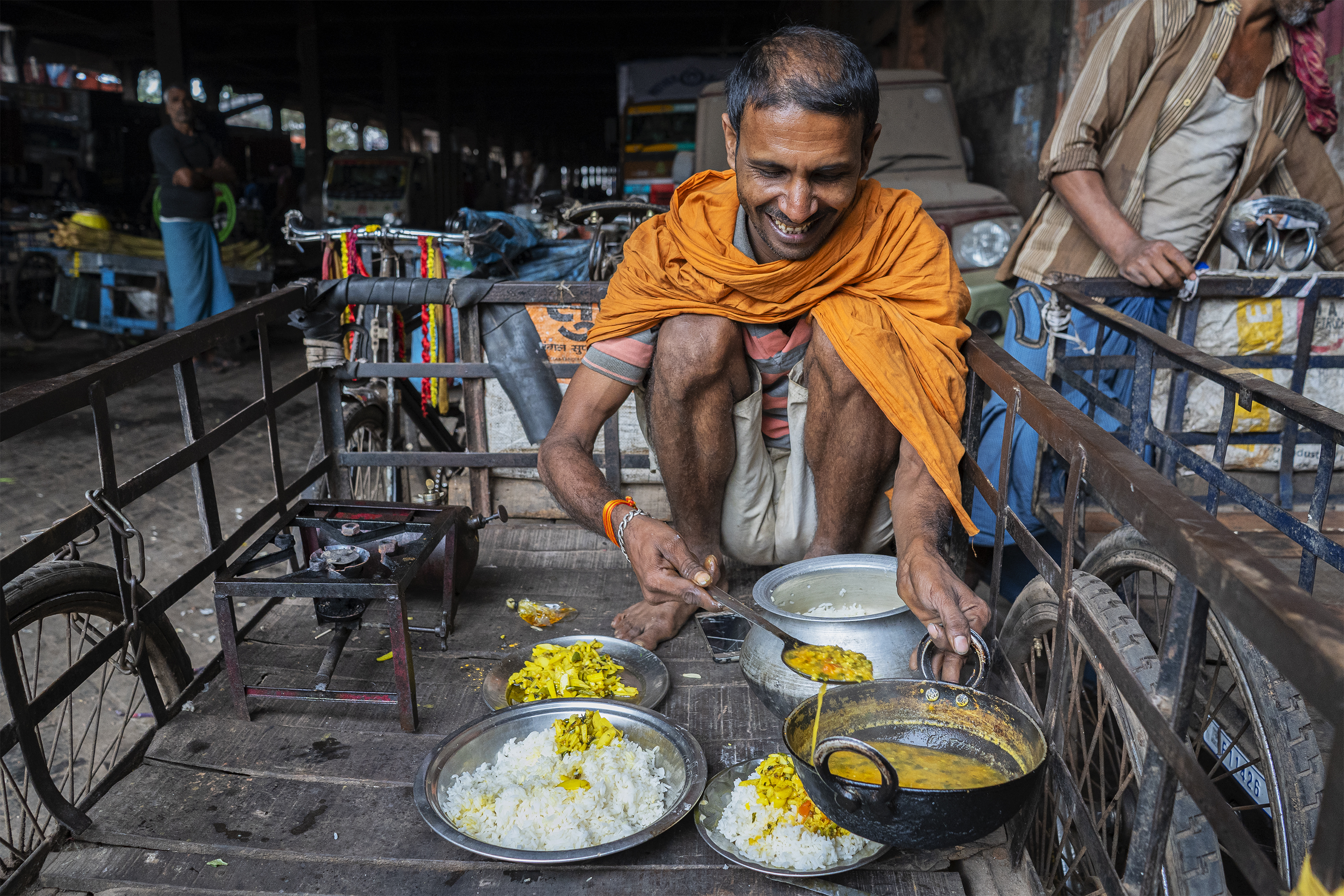
Sudip Maiti, Kolkata, West Bengal, India.

Photo caption: Open air restaurant

{credit}Sudip Maiti{/credit}

“A daily-wage worker cooks lunch for himself and his fellow workers in a hand-pulled cart below the famous Howrah Bridge in Kolkata, India. I was drawn to this scene because cooking is a private matter, mostly done indoors. In this man’s life, this important activity of the day happens in a busy, public space. The photo conveys the hardships such people face for their daily food, with a smile on their faces.” — Sudip Maiti.

Congratulations Sudip for making it to top 10!

Watch this space as we announce the other finalists in the coming days.

The winning pictures will get cash prizes worth $350, $250 and $200 respectively. The top 10 finalists will be featured here, on Nature India’s blog Indigenus and in our subsequent annual issue. 

These entries have been judged for novelty, creativity, quality and print worthiness. The winner and two runners-up will also receive a copy of the Nature India Annual Volume 2019 and a bag of Nature Research goodies (including Collector’s first issues of Nature and Scientific American and some other keepsakes). Winning entries stand a chance of being featured on the cover of one of our forthcoming print publications.

Nature India Photo Contest 2019 now open

We are back with the annual Nature India photo contest.

This year’s theme is ‘Food’.

Say ‘food’ and everyone has a story to share. These stories could be as diverse as ‘I love pasta’ to ‘the cyclone ruined our paddy yield this year’ to ‘half my country is malnourished and the other half obese’.

These stories point to our deep-seated and lifelong relationship with food. For some food is nutrition, for some others it’s an emotion – a memory, perhaps associated with a smell, taste, place or person?

For a farmer, food may mean a farm, the seeds, the equipment, the land, the market, floods or famine or a harvest festival. For a school going child, food is the lunch box or a piping hot mid-day meal served in the classroom. For many communities, food is a social binder, intrinsically linked to the culture of their land.

For scientists, food is the metabolic, biochemical or physiological process that underlines how an organism uses its source of nutrition. For global policy makers, food is the challenge of securing nourishment for close to 10 billion people by 2050. Food is health, food is environment and many times the connection between the two.

So which face of food would you want to capture in a photograph? Which of these nuanced stories do you want to tell? For the Nature India photo competition this year, we urge you to think deeper about food, beyond just an Instagram-worthy plateful.

Think of pictures that demonstrate how food fundamentally influences or interacts with health, how food security defines the health and happiness of people or how the lack of food may result in a plethora of unwanted consequences. We would also be happy to receive entries that talk to us about the link between the food we eat and our environment, or ones that depict how balanced nutrition makes for healthy people and healthy communities.

You may also draw inspiration from scenes that portray the process and techniques of growing food, cooking it in many interesting and unique ways, of infant nutrition or the politics behind food storage and supply, or even the merits or demerits of packaging food.

The canvas is wide open.

So get set, click and send your entries by 21 December 2019!

Prizes

The top three pictures will get cash prizes worth $350, $250, $200. The top 10 finalists will be featured on Nature India’s blog Indigenus

Entries will be judged for novelty, creativity, quality and print worthiness. Winners will be chosen by a panel of Nature Research editors and photographers. The winner and two runners-up will receive a copy of the Nature India Annual Volume 2019 and a bag of Nature Research goodies (including Collector’s first issues of Nature and Scientific American and some other keepsakes). Winning entries also stand a chance of being featured on the cover of one of our forthcoming print publications.

Eligibility

The contest is open to all – any nationality, any occupation, any profession. You may use whatever camera you wish – even your cell phone – as long as the photograph you send us is unedited, original, in digital format and of printable quality. Just make sure you are not violating any copyrights. Also, no obscene, provocative, defamatory, sexually explicit, or other inappropriate content please (refer to the contest terms and conditions below).

Please send your entries in jpeg format to npgindia@nature.com with your name and contact details. Please mention “Nature India Photo Contest 2019” in the subject line of your email. The photograph must be accompanied by a brief caption (please see some photo captions here for reference) explaining the subject of the picture along with the date, time and place it was taken.

We will accept a maximum of two entries per person. The last date for submissions is midnight of December 21, 2019 Indian Standard Time. On social media, please use the hashtag #NatureIndphoto to talk about the contest or to check out our latest updates.

The theme for our inaugural photo competition in 2014 was “Science & technology in India”. Our themes have then covered “Patterns”, “Nature”, “Grand Challenges” and “Vector-borne Diseases”. We have received some breathtaking entries from across the world all these years. You might want to take a look at the winning entries of the Nature India Photo Contest 201420152016, 2017 and 2018 for some inspiration and to get an idea of what we look for while selecting winners.

[TERMS AND CONDITIONS

Please read these terms and conditions carefully. By entering into this Nature India Annual photo contest (“Promotion”), you agree that you have read these terms and that you agree to them. Failure to comply with these terms and conditions may result in your disqualification from the Promotion.

  1. This Promotion is run by Nature Research, a division of Springer Nature Limited a company registered in England with registered number 00785998 and registered office at The Campus, 4 Crinan Street, London N1 9XW (“Promoter”).
  2. To enter this Promotion you must be: (a) resident in a country where it is lawful for you to enter; and (b) aged 18 years old or over (or the applicable age of majority in your country if higher) at the time of entry. This Promotion is void in Cuba, Iran, North Korea, Sudan, and Syria and where prohibited or restricted by law.
  3. This Promotion is not open to directors or employees (or members of their immediate families) of Promoter or any subsidiary of Promoter. Promoter reserves the right to verify the eligibility of entrants.
  4. The Promotion is open for entries between 00:00 on 21/11/2019 and 00:00 on 21/12/2019 IST.
  5. No purchase is necessary to enter this prize Promotion and will not increase your chances of winning.
  6. You can enter this Promotion by emailing npgindia@nature.com
  7. Only two entries per eligible person. More than two entries will be deemed to be invalid and may lead to disqualification.
  8. Promoter accepts no responsibility for any entries that are incomplete, illegible, corrupted or fail to reach Promoter by the closing date for any reason. Proof of posting or sending is not proof of receipt. Entries via agents or third parties are invalid. No other form of entry is permitted. Please keep a copy of your entry as we will be unable to return entries or provide copies.
  9. The prize for the Promotion consists of the following: Three cash awards worth $350, $250 and $200 for the top three entries respectively, a copy of the Nature India Special Annual Volume 2019 and a bag of goodies (which includes Collector’s first issues of Nature, November 1869 and Scientific American, August 1845; and some other keepsakes) from Nature Research.
  10. The prizes shall be awarded as follows: The prize will be decided in the week following the close of the Promotion. The winners will be notified via email. Winners will be selected by a four person panel of Nature staff, at least one of which will be independent from the Promotion, based on photographic merit, creativity, photo quality, and impact. Full names of the judging panel will be available on request. Any decision will be final and binding and no further communication will be entered into in relation to it.
  11. Ownership of entries: for consideration into this Promotion, you must sign a license to publish form granting the intellectual property rights to Nature Research for your image. This may be used in promotional or marketing material in print and online. You confirm that your entry is your own original work, is not defamatory and does not infringe any laws, including privacy laws, whether of the UK or elsewhere, or any rights of any third party, that no other person was involved in the creation of your entry, that you have the right to give Promoter and its respective licensees permission to use it for the purposes specified herein, that you have the consent of anyone who is identifiable in your contribution or the consent of their parent, guardian or carer if they are under 18 (or the applicable age of majority), it is lawful for you to enter and that you agree not to transfer files which contain viruses or any other harmful programs.
  12. The winner(s) of the Promotion shall be notified by email no more than two weeks after the Promotion closes.
  13. The winner(s) will be required to confirm acceptance of the prize within ten working days and may be required to complete and return an eligibility form stating their age and residency details, among other details. Promoter will endeavour to ensure that winner(s) receive their prizes within 30 days of the date they confirm acceptance of the prize. If a winner does not accept the prize within ten days of being notified, they will forfeit their prize and Promoter reserves the right to choose another winner(s). Promoter’s decision is final and Promoter reserves the right not to correspond on any matter.
  14. The name, region of residence and likeness of the winners may be used by Promoter for reasonable post-event publicity in any form including on Promoter’s website and social media pages at no cost.
  15. You can find out who has won a prize by sending an e-mail to npgindia@nature.com or checking the Nature India blog website Indigenus (https://blogs.nature.com/indigenus).
  16. Promoter reserves the right to cancel or amend these Terms and Conditions or change the Prize (to one of equal or greater value) as required by the circumstances. No cash equivalent to the Prize is available.
  17. All personal data submitted by entrants is subject to and will be treated in a manner consistent with Promoter’s Privacy Policy accessible at https://www.nature.com/info/privacy.html. By participating in this Promotion, entrants hereby agree that Promoter may collect and use their personal information and acknowledge that they have read and accepted the Promoter Privacy Policy.
  18. Promoter may at its sole discretion disqualify any entrant found to be tampering or interfering with the entry process or operation of the website, or to be acting in any manner deemed to be disruptive of or prejudicial to the operation or administration of the Promotion.
  19. Other than for death or personal injury arising from negligence of the Promoter, so far as is permitted by law, the Promoter hereby excludes all liability for any loss, damage, cost and expense, whether direct or indirect, howsoever caused in connection with the Promotion or any aspect of the Prize. All activities are undertaken at the entrants own risk. Your legal rights as a consumer are not affected.]

Superbugs: fighting the flood of antimicrobial resistance

Posted on behalf of Andrew Jermy

Enterobacter cloacae, Enterococcus faecalis, Staphylococcus epidermidis and the Superbugs exhibition.

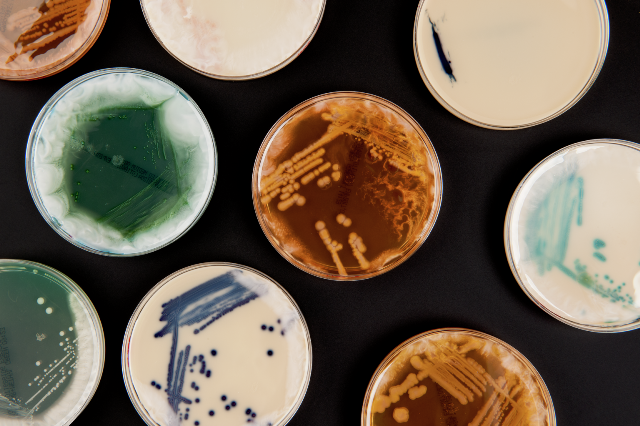
Petri dishes with cultured Enterobacter cloacae, Enterococcus faecalis, Staphylococcus epidermidis and Escherichia coli at the London Science Museum’s Superbugs exhibition.{credit}® The Board of Trustees of the Science Museum{/credit}

Antimicrobial resistance has spread to London this month. The source of the outbreak? The Science Museum: its new exhibition, Superbugsexplores this monumental issue and our responses to it.

As Superbugs graphically shows, the inflammatory tone of the many headlines predicting an impending antibiotic apocalypse is not baseless. The evolution and spread of resistance among serious (and increasingly commonplace) bacterial infections continues to blunt much of our antibiotic arsenal, and make routine operations significantly more risky. Such infections now claim almost 700,000 lives annually, a figure that could rise to more than 10 million by 2050.

Superbugs isn’t out simply to scare, however. Much like Nature Microbiology, the journal I edit, the Science Museum aims to join the ‘resistance against resistance’ by shining a light on the problem’s scale, and the range of potential solutions.

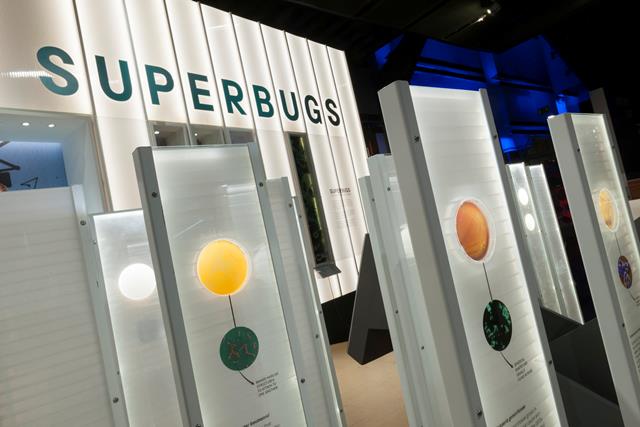
The monumental 'wall' and towers at the exhibition.

The monumental ‘wall’ and towers at the exhibition.{credit}{credit}® The Board of Trustees of the Science Museum{/credit}{/credit}

The physical design of the installation aptly reflects aspects of the crisis. A vast illuminated wall dominates; set into it is a series of displays. This monolith, emblazoned with the show’s title, speaks of antibiotics’ barrier function — how they act as a great dam holding back a flood of infections. Standing in front of this cracked levee are 12 small towers into which have been set Petri dishes. Each contains a different type of (inactive) microbe, including MRSA and Neisseria gonorrhoeae — like outposts of resistance that have breached the barricade and now mingle among the crowds. It’s a powerful scene.

I was drawn irresistibly to the inset display cases. Combining text with striking visuals and interactive content, these take the visitor through medical history, from the discovery and introduction of antibiotics in the first half of the twentieth century, to the rise of resistance in the years following the introduction of each new drug, to ongoing efforts to revitalize our dwindling drug cabinet. Peppered through are personal testimonies. We meet doctors explaining why antibiotics are overprescribed; a nurse reminding of the fundamental importance of their work on infection control; designers who create products that enable no-touch use, or incorporate anti-bacterial materials, to reduce the risk of transmission.

Interviews with nurses, medics and others waging war on antibiotic resistance feature in the exhibition.

A display on the people at the frontline of ‘resistance against resistance’.{credit}® The Board of Trustees of the Science Museum{/credit}

We hear a recording of bacteriologist and discoverer of penicillin Alexander Fleming, describing how microbes can become ‘educated’ to resist a drug. A culture of Penicillium mold grown from a stock of his original sample is shown nearby. A video describes the harrowing experience of Geoffrey Pattie, a cancer patient who during surgery contracted a strain of Klebsiella pneumoniae resistant to all current antibiotics. He spent five months in an isolation ward, and today lives with the life-altering effects of the infection, such as reduced mobility.

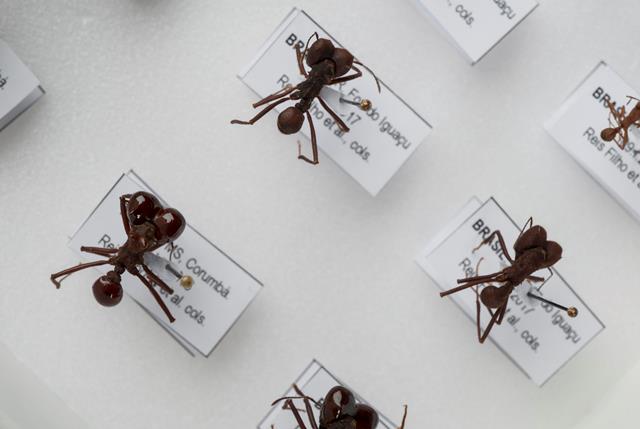
Nearly half of antibiotic use occurs in agriculture, to treat and prevent infection in livestock, but often also to promote growth. The drugs and bacterial resistance genes that they select for become widespread in terrestrial and marine environments, giving a large potential reservoir from which resistance can leap into clinically relevant pathogens. Inevitably, that is a serious problem for human health. The show reveals some of the technological fixes that are being investigated, including automated systems for monitoring livestock welfare to allow targeted interventions rather than treating an entire herd prophylactically. Also presented are possible alternative approaches to tackling infections, such as phages (viruses that kill bacteria) sourcing new antibiotic leads from oceans, soils and host-associated microbiomes in humans, komodo dragons and leafcutter ants.

The promise of such efforts is stirring. But finding a new antibiotic class that will make it to the clinic is “like searching for a needle in a field of haystacks”, cautions one researcher interviewed.

The bacteria leafcutter ants use to defend their nests against fungi and microbes excrete chemicals that are effective antibiotics.

The bacteria leafcutter ants use to defend their nests against fungi and microbes excrete chemicals that are effectively antibiotics.{credit}® The Board of Trustees of the Science Museum{/credit}

What isn’t covered in much depth is the parlous state of the antibiotic R&D pipeline. Many large pharmaceutical companies have closed their antibiotic development programmes in recent years. That includes Pfizer, the main sponsor of the exhibit — although the company did announce in 2016 that it planned to acquire AstraZeneca’s antibiotics division, and reinforced a strategic focus on tackling infectious diseases. The economics of antibiotic discovery and development is complicated: to bring a drug to market takes a massive investment in time and finances. Yet we will need these new drugs to be used ever more sparingly in future. So, under the current system, there is actually a disincentive for industry to put in the necessary investment – they would never break even, let alone see a return.

Superbugs is doubly timely. This week (13-19 November) is the World Health Organization’s World Antibiotics Awareness Week 2017, an opportunity to take stock of progress. Antibiotic resistance, until recent years a concern only of clinicians and microbiologists, is now globally recognised as a crisis through the work of key individuals, such as Britain’s chief medical officer Sally Davies, and reports from national and international bodies. In 2016 this culminated in the UN High-Level Meeting on Antimicrobial Resistance (see this Nature Microbiology editorial).The rise in academic research and conferences focused on antimicrobial resistance is a positive sign that new approaches can and will be found, despite the issues with the pharma marketplace and the ongoing hunger for antibiotics in agriculture and medicine.

But we remain a long way from winning what the Science Museum describes succinctly as the “fight for our lives”. Hopefully this polished, fact-packed exhibition will call many more to arms — from the lay visitor to the family doctor, local farmer and political representative.

Andrew Jermy is chief editor at Nature Microbiology. He tweets at @jermynation.

Superbugs: The Fight for Our Lives is free, and at the Science Museum until spring 2019.


For Nature’s full coverage of science in culture, visit www.nature.com/news/booksandarts.