Diaspora scientists gauge India’s pandemic ‘new normal’

What could be the challenges for Indian diaspora scientists wanting to explore career opportunities back home during the novel coronavirus pandemic? Sayan Dutta, a doctoral fellow in the Neurodegenerative Disease Research Laboratory at Purdue University, analyses the key learning from a recent global meet.
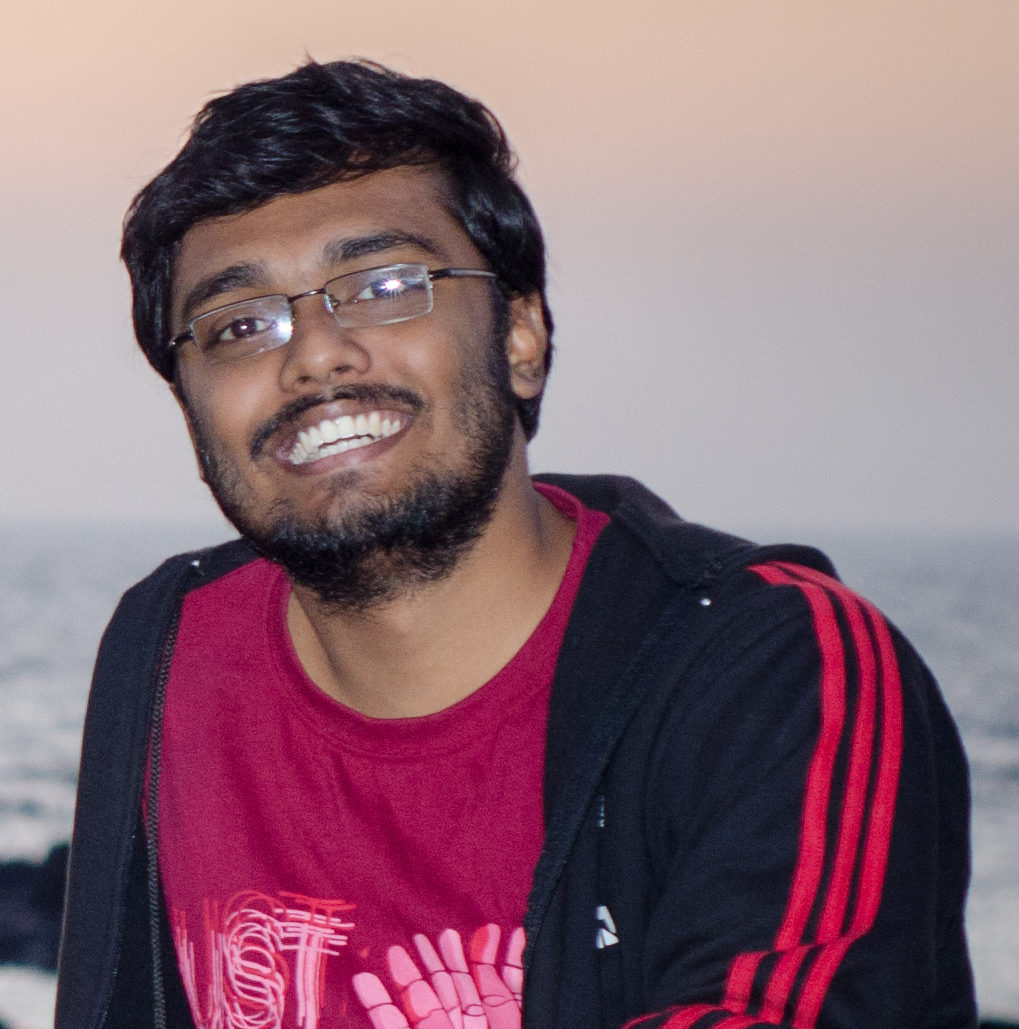
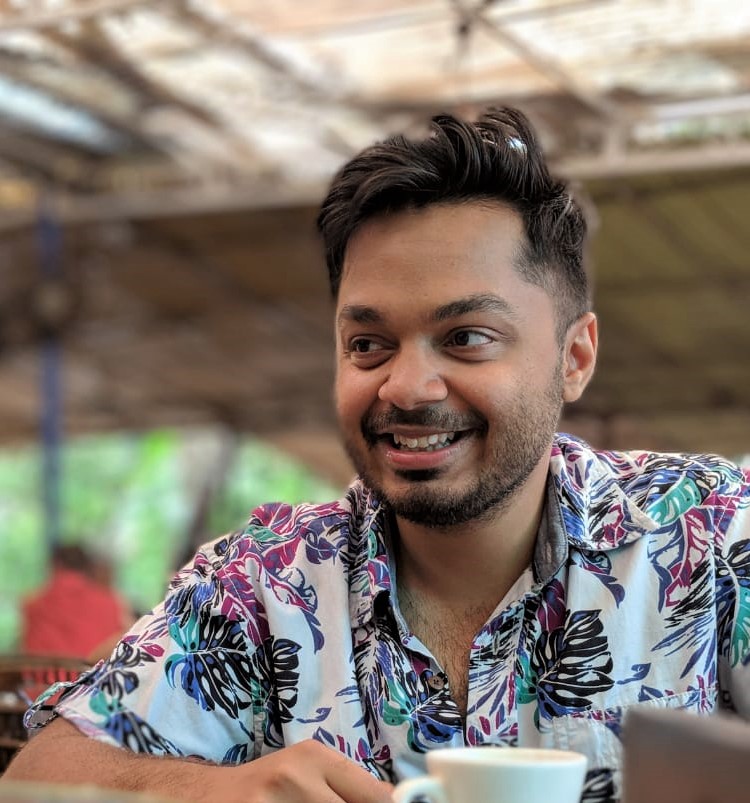
Sayan Dutta{credit}Bappaditya Chandra{/credit}

As the global economy took a hit with the coronavirus pandemic, and science job opportunities seemed up in the air, more than 400 diaspora Indian scientists, engineers and entrepreneurs got together in early September 2020 to make sense of what this ‘new normal’ might look like.

At the Science and Research Opportunities in India (Sci-ROI) annual meet – which was forced to go virtual this year, like many other conferences worldwide – this bunch of engaged scientists and researchers heard 40 eminent speakers over four days, keenly picking up nuggets on the current and future projections of the career landscape in India.

A volunteer-run organization established in 2015, Sci-ROI is a gateway for young scientists, engineers and entrepreneurs in the U.S. to access professional opportunities across academic, industry and private sectors in India. When we were wrapping up Sci-ROI’s annual event in 2019 at the University of Chicago, its founder Prof. Aseem Ansari prodded me gently about the new challenges we had vowed to undertake in 2020. I had never imagined in my wildest dreams that the “new challenges” would entail organising a full-scale virtual event amid a global pandemic.

Back in April 2020, when the first wave of the pandemic shook the world necessitating complete lockdowns, it seemed impossible to organise this year’s in-person event in September. After deliberations, the organising team became sure about two things – that the event should go virtual, and that no one had the slightest hint on how to host a virtual event. But soon enough, a diverse team got working overtime – countless hours of online meetings, event planning, programing, technical troubleshooting, media moderation and visual media creation (all by hidden talents in parallel to being postdocs), were unleashed.

Speakers from 39 Indian institutes joined the panels to address attendees from more than 150 institutes around the world. The deliberations revealed that there has  been no major setback in India’s research funding due to the pandemic yet. Most Indian academic institutions are still actively engaged in the hiring processes, and funding agencies have taken steps to mitigate the challenges thrown up by the pandemic, though in the long run things might slow down.
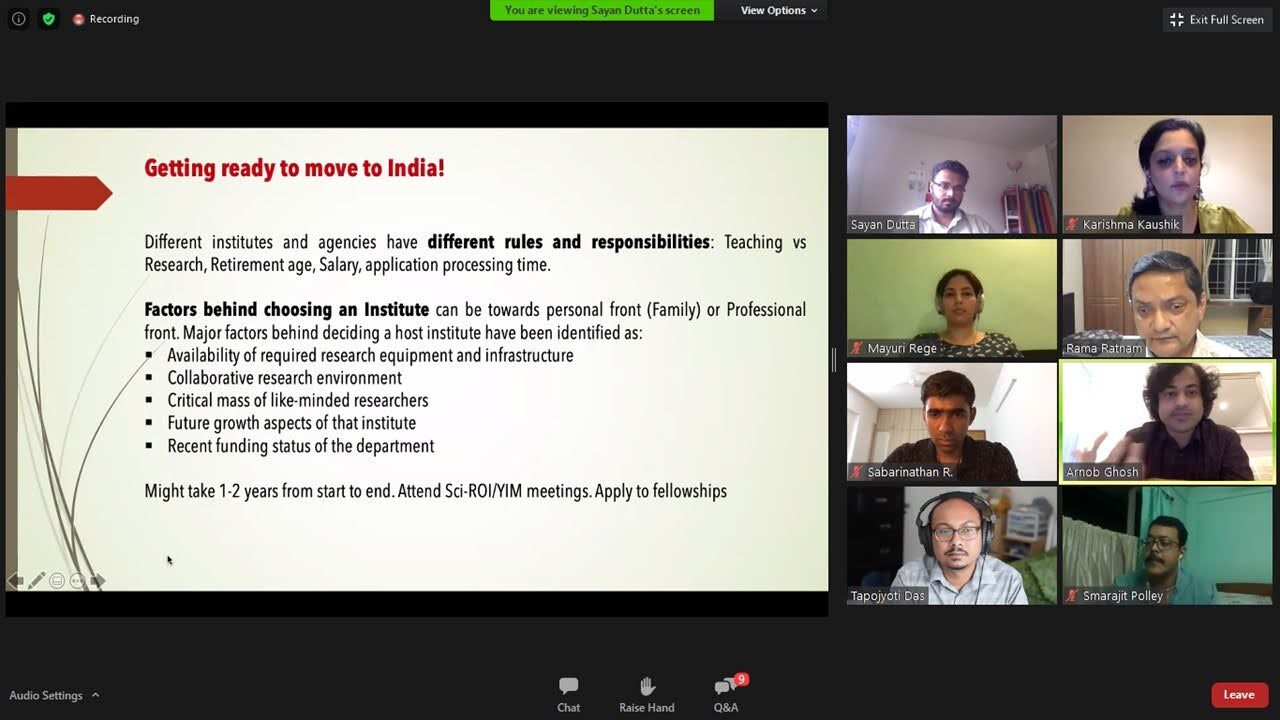
A session discussing perspectives of new faculty who have relocated to India saw high participation at the virtual event.

Unique sessions such as entrepreneurial seminars and careers beyond the professoriate spotlighted opportunities in both the sectors. India’s entrepreneurial ecosystem continues to widen its support for new biotech start-ups and deep-science entrepreneurial ventures. The conference also brought forward India’s growing career landscape in the sectors of science communication, management, administration, and policy making available to researchers after Ph.D.

Through online polling, participants at the event, mostly from the diaspora, actively identified some major challenges they face while trying to transition back to India.  Among them were the age barrier of 35 years on entry level positions (such as assistant professorship), lack of a centralised and transparent recruitment process, and slow or no correspondence and follow-up emails on their application status from Indian institutes. In view of the pandemic, researchers also strongly advocated making academic applications completely paperless.

Although we did not realize it at the onset, the virtual format of the event turned out to be more informative and far-reaching (involving even the Indian diaspora outside the US) than the traditional format.

A global pandemic got us out of our comfort zones, and we found unique solutions for unforeseen problems. We realized that while in-person interactions are irreplaceable, enabling effective virtual communication is the need of the hour. Sci-ROI’s “by the scholars, for the scholars” event represented a model of such an emerging community, critical for global brain circulation. Alongside the annual event, a virtual recruitment week in October and a central STEM job portal will hopefully enable the growth of stronger collaborations between scientific communities within and outside India.

(Sayan Dutta coordinates collaborations at Sci-ROI, a U.S. based volunteer-run organisation, helping diaspora Indian scientists, engineers, and entrepreneurs access professional opportunities in India. He can be reached at sayanm06@gmail.com.)
Away from home: Fast track to research dreams

Our ‘Away from home’ interactive map features 51 bright Indian postdocs from around the world. Write to us at npgindia@nature.com to suggest names of postdocs from countries and disciplines we haven’t covered yet.

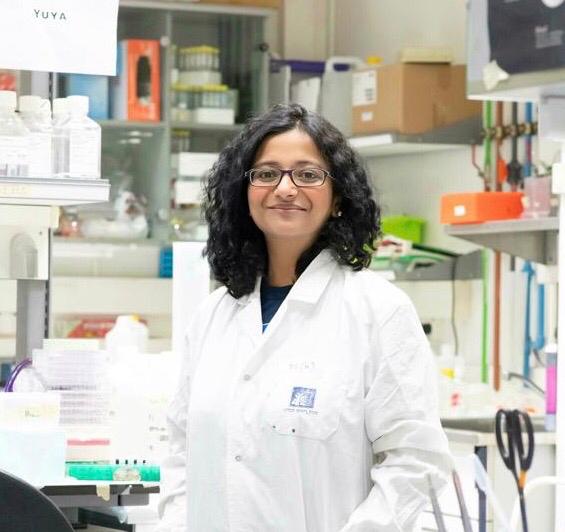
Soma Ghosh is a postdoctoral fellow at the Weizmann Institute of Science (WIS) in Israel. A doctorate from the Institute of Nuclear Medicine and Allied Sciences, New Delhi, she works on a strategy to prevent the resistance that some lung cancers develop to immunotherapy, one of the main treatments for certain types of cancer. In this guest post, Soma talks about living far away from family and working six days a week in the lab to realise her research dream.

Soma Ghosh

Peering into cancer cells

For the past three years, I have been in Prof. Yosef Yarden’s group in the Biological Regulation Department of WIS researching a protein often overexpressed in cancer cells. This protein can make certain tumours resistant or more aggressive to anti-cancer therapies.

After a doctorate focusing on radiology and oncology, I had joined a pharmaceutical company as an oncology consultant to work on strategies for drug development and marketing. I was good at my job, but realised that it wasn’t for me. After two years in the company, I started searching for labs where I could do a postdoc. I wrote to a lot of professors working in my field of interest.

One of the professors I wrote to was Prof. Yosef (Yossi) Yarden. I had not paid attention at first to the fact that he was in Israel. He answered fairly quickly and suggested I visit his lab first. I found a great atmosphere in the lab. I met people from all over the world, including India, and the research interested me very much. Although I had been out of a lab for two years, my passion for research was alive. Yossi took a few days to discuss things with his lab members, and his answer was a ‘yes’.

I wrote a project proposal and soon got a grant through the Feinberg Graduate School. From writing the letter to finalizing the grant, everything happened fairly quickly. Three months later, I was unpacking my bags at WIS. Answers from the other places I had written arrived in drips and drabs but I had already found my calling by then.

Coming to Israel on Yom Kippur

I arrived in Israel on a Friday – the eve of Yom Kippur, the Jewish holy day of atonement. I was shocked to find everything closed and deathly quiet. I ate food from home, which some friends here had thankfully suggested that I bring along. The holiday ended on Saturday night and I got an email from Yossi saying we would meet on Sunday. That was strange too – I didn’t realize back then that Sunday is a workday in Israel. The reception in the lab was a warm one, and things have been great ever since. One of my lab member’s even took me to the open market in Rehovot so I could buy ingredients for the food I love to cook.

My husband’s patent-consulting job is based in New Delhi but when I told him of my plans to conduct research in Israel, he was supportive. Though the separation has had its difficulties, we manage to meet several times a year.

My father was supportive as well. As a scientist with India’s science ministry, he had worked with WIS researchers and was aware of the institute’s excellence. My mother had doubts but after visiting Israel she has fallen in love with the place.

Maximising the work week

Working with Prof. Yossi Yarden is a very special experience. He starts his workday at 7:00 and ends it at 7:00. We sometimes get emails from him at 11 in the night, always with thoughtful, constructive comments. It might seem that he asks a lot from his students, but ultimately we achieve higher, get better results and opportunities to advance our scientific careers. He creates a positive atmosphere, always speaking quietly and with reason. That doesn’t mean we don’t have fun ‒ we also laugh a lot. His research assistant Sara Lavi is always ready to lend an ear or solve a problem. My lab members are very friendly, supportive and helpful. I feel really lucky.

In my spare time, I like to cook. I also enjoy Indian music and global cinema. I am an ardent fan of Marvel characters.

In between my ongoing research and writing a paper on the results of three years of research in Yarden’s lab, I keep thinking about my return to India and reuniting with my husband and family. I also look forward to driving again when I return. Whatever else awaits me, scientific research will continue to play a central role in my life.

Making Israel your research destination

Israel is a beautiful country to work in. Drawing from my experience, here are some general tips for researchers looking for a postdoc position in Israel:

  • While applying for positions, focus on the work you are doing and be clear on why you chose those experiments and what their implications are. Everyone is well informed these days and they expect clear and direct answers.
  • Broaden your wet-lab skills and get expertise on molecular diagnostic approaches, especially the new ones such as CRISPR. I believe Indian labs nowadays provide platforms and opportunities to get hands on experience to such techniques.
  • Be transparent and honest in your resume about the techniques and knowledge that you have and do not try to write things that you haven’t done. Eventually, people find out and it can lead to a problem later.
  • In cancer research, one thing I have observed is the importance of thinking how your research or study can have clinical implications. This is a key question which every major lab/ research institute/ university would like to hear when you apply in Israel or anywhere outside.
  • Pick your lab of interest and study what they are doing or have done in the past. Align and search for labs that match your interest, don’t just select random labs where you would not be able to justify your candidature.

Away from home: Using science for societal good

Our ‘Away from home’ interactive map features 50 bright Indian postdocs from around the world. Write to us at npgindia@nature.com to suggest names of postdocs from countries and disciplines we haven’t covered yet.

Saidulu Mattapally, a Postdoctoral Fellow at the Department of Biomedical Engineering at The University of Alabama at Birmingham, USA, is enamoured by the translational aspect of science. From exploring coronary genetic defects to unraveling the secrets locked in India’s traditional system of medicine, this molecular geneticist from Osmania University, Hyderabad, strives to do application-based science that has immediate benefits for people.

Saidulu Mattapally

Driven by the relevance of science

Molecular genetics is not just a fascinating field of science but also offers immediate medicinal applications. This therapeutic relevance triggered my early interest in the field. I tried to explore the molecular and hereditary premise of coronary illness in my graduate and doctoral studies.

Scientific investigation helps shape the broader questions we ask – for me an investigative approach is also a state of mind. From a young age, I have been inspired to think of the broader relevance of things. Science has been eternally interesting to me and I always wanted to be in research.

After a bachelor’s from Osmania University, Hyderabad, I got into a master’s course in genetics at the same university learning advanced experimental techniques in molecular biology, biochemistry, immunology and genetics. I was selected as a research scientist in the pharmacology division of CSIR-Indian Institute of Chemical Technology, Hyderabad, one of the best chemical technology institutes in India.  My Ph.D. under Sanjay K. Banerjee at the same institute involved genetics (Sanger sequencing).

I also got the opportunity to work with Kumarasamy Thangaraj and Lalji Singh’s group at CSIR-Center for Cellular and Molecular Biology (CCMB), Hyderabad. They published two papers in Nature, which was a great learning experience.

Combining molecular genetic and pharmacology

Though my interest was in the molecular and genetic basis of congenital heart disease, I spent a year to learn advanced molecular genetic techniques. During this time I worked on a project exploring malaria risk among ancestral Indian tribal populations. We needed to collaborate with a hospital to get samples. Although CCMB scientists were helpful, doctors were not convinced except in one Hyderabad hospital, which gave us the opportunity to work with congenital heart disease samples.  My supervisor urged me to explore the work of two Indian origin scientists Deepak Srivastava and Aravinda Chakravarti. We wrote a grant on their work for the Indian scenario, and although we didn’t get funded, we continued to work on the project.

During Ph.D., I got the opportunity to present this work at the prestigious international conferences of the American Society of Human Genetics in 2013 and 2014. There I met Aravinda Chakravarti, the scientist who had influenced my project. Around the same time, I got an opportunity to attend a next-generation sequencing event in Boston. There, I heard a lecture by Eric Topol, one of best-individualized medicine and genome and digital technologies researchers. A five-minute chat with him and later his book ‘The Creative Destruction of Medicine’ continue to inspire me.

I was also awarded a DBT travel grant in 2015 to attend the next American Society of Human Genetics meeting in San Diego. In addition to molecular biology and genetics, I learned an immense lot about pharmacology, development of different types of animal models to study different diseases, and pharmacological screening of small molecules. My doctoral stint had already convinced me of the strong relationship between molecular genetics and pharmacology.

During my doctoral stint with Dr. Banerjee, we traced a genetic mutation associated with congenital heart disease in south India. Our work shed light on a very important aspect of gene mutation as we reported a novel mutation associated with ventricular septal defect (VSD).

Postdoc years – when life and career intertwine

Around this time, my father and best friend Yellaiah Mattapally passed away when he fell from a toddy (palm) tree. He was a farmer and always talked about the problems he faced in his agricultural practices on account of being illiterate. He would always egg me on to become a scientist and work for the society.

Fulfilling my father’s dreams, I finished my Ph.D. in 2014. I got married the same year and received a postdoc opportunity from the University of Minnesota in Dr. Nobuaki Kikyo’s lab soon after. I decided to take my spouse along though we couldn’t go since my visa didn’t arrive in time. Following many ups and downs, one year later, I took up an offer from Dr. Jianyi (Jay) Zhang at the University of Alabama at Birmingham. Our son was born that year.

In life as in a postdoc career, many problems come interspersed with solutions – and a lesson I learned was that one should be mentally prepared for these years when both personal and professional lives face a lot of changes. In the end, they work out fine.

As a postdoctoral student, I trained in CRISPR-Cas9 in skeletal muscle cells and mouse induced pluripotent stem cell (iPSC) culture. I studied how gene expression and epigenetic modification change during differentiation of mouse skeletal muscle cells. I have completed 3 years of post-doctoral work and hope to wrap it up by end of 2018. In the first year, I tested the hypothesis that fetal genes linked to congenital heart defects can treat adult heart failure (myocardial infarction). We reported the effectiveness of transplanted, human iPSC-derived cardiomyocytes in the treatment of ischemic myocardial injury. Currently, I am working on the development of universal human iPSC by CRISPR-cas9 mediated Knockout MHC class I and MHC class II expression. Also, the differentiation of these cells into three lineages – cardiomyocytes (iPSC-CM), endothelial cells (iPSC-EC) and smooth muscle cells (iPSC-SMC) – to treat myocardial infarction in swine.

Traditional knowledge needs more exploring

Though medical practice in India majorly involves western medicine, the Indian traditional system of medicine Ayurveda is now being practiced and accepted all over the globe.

I remember my mother Ankulamma treating abdominal pain with medicinal plants. She also talked of Ayurvedic formulations to treat chronic diseases such as diabetes.  In Telangana, where I was born, we celebrated the annual floral festival of Bathukamma, when we brothers brought home beautiful yellow flowers of the native tree Senna auriculata and other flowers for our sisters. Interestingly enough, when I recently started researching Ayurveda I learned that Senna auriculata is used for the treatment of diabetes and cardiovascular diseases.

I strongly feel that these traditional knowledge linkages need more scientific exploring.

During my undergraduate years, I used to help my father in our cotton and rice fields. I haven’t gone back to the fields in a long time. I wish to come back someday and work for my homeland, and dig deeper into the traditional knowledge wealth that India is so rich in.

Away from home: Doubling research fun with twin subjects

Our ‘Away from home’ interactive map features 49 bright Indian postdocs from around the world. Write to us at npgindia@nature.com to suggest names of postdocs from countries and disciplines we haven’t covered yet.

Varun Warrier, a postdoctoral researcher at the Autism Research Centre in University of Cambridge, UK, talks about the beautiful marriage of genetics and neurosciences . And how he has come to combine these two complementary subjects to carve out a meaningful research career. An alumnus of the Jawaharlal Nehru Centre for Advanced Scientific Research (JNCASR), Bangalore, Varun works on the genetics of autism and related traits.

Varun Warrier

It helps to know what you don’t want to do

When I finished high school, I had no idea what I wanted to do. I knew what I didn’t want to do, and in retrospect, that was very helpful. I didn’t want to study engineering or medicine. I didn’t have the inclination for the former, and was too squeamish for the latter. I ended up pursuing a degree in zoology, something I was reasonably good at.

At the end of the three-year undergraduate programme, I was faced with exactly the opposite problem. I knew what I wanted to do, but had to make a choice. I was lucky enough to get a three-summer undergraduate fellowship at the Jawaharlal Nehru Centre for Advanced Scientific Research (JNCASR), Bangalore. There, I worked with Anuranjan Anand on the genetics of stuttering. We searched for genetic regions linked to stuttering using an old genetic mapping technique called genetic linkage mapping. Many of the interesting genes were involved in brain development or neural signalling. I soon realized that I was as excited by neuroscience as genetics, and I had to decide between the two for my graduate programme. Since I already had some research experience in human genetics, I chose neuroscience for master’s at University College London (UCL).

People ask me if it was a big jump from zoology to neuroscience. I don’t think it was. The zoology degree was panoramic and, in effect, a life sciences degree. So, while some concepts like cognitive neurosciences were new, I was never completely at sea.

At UCL, I was required to conduct a 9-month research project. I was very much looking forward to this. Perhaps I wasn’t adventurous enough and ended up choosing a genetics project again! I worked on an extremely rare and debilitating childhood neurogenerative disease called Neuronal Ceroid Lipofuscinoses and thoroughly enjoyed it.

Coupling favourites

Towards the end of the project, when I had to make another choice, it came easy. I was enjoying the beautiful coming together of the two disciplines – neuroscience and genetics. I wanted to investigate research questions in neuroscience, using genetic methods. These silos are all a bit arbitrary though and don’t really matter too much. Once you start working on something, you’re likely to ‘borrow’ ideas from multiple fields.

It was this happy marriage of genetics and neuroscience that got me working with Simon Baron-Cohen at the University of Cambridge in the United Kingdom for an MPhil and a PhD. Getting into Simon’s lab was a matter of being at the right place at the right time. I had read some of Simon’s work, and wrote to him. I didn’t expect to get in. But as luck would have it, Simon had genetic data that needed to be analysed.

At Cambridge, I gradually pivoted towards human genomics, which required a lot of programming and statistics. I worked (and still do) on the genetics of traits related to autism, such as empathy, emotion recognition, and an interest in systems. People are surprised when I tell them of my work on the genetics of these traits – many don’t think something like empathy is genetic. But all human attributes are partly genetic despite what my sociologist friends will tell you.

Autism is complex, and no two autistic persons are alike. There are subgroups within the autism spectrum. Large scale genetic studies have had some success in subgrouping this spectrum by identifying variants in specific genes linked to specific syndromes. My most exciting research so far suggests that the two core domains of autism – social interaction difficulties (the social domain), and the unusually repetitive and restricted interests and behaviour (the non-social domain) – are genetically dissociable. I am not the first to suggest this as there have been a few studies to come to similar conclusions, but ours was the first to provide molecular genetic evidence in support of this hypothesis.

Choose your lab, supervisor well

So much of this journey has been made less arduous by very supportive and inspiring mentors and supervisors. When you don’t get along with your supervisor, your project can be extremely stressful. It’s always important to think carefully about doing a PhD, and finding the right supervisor. A PhD is always challenging, and it’s meant to be.  To paraphrase the author Jhumpa Lahiri, writing a novel is like jumping off a cliff and not knowing where you’re going to land. I think this is true of a PhD as well. Ideally, you’re doing something new and you’re never sure if you’re going to get it right. That for me was the most exciting aspect of the PhD.

When I embarked on doctoral research, I knew three years would be enough for me to decide whether to stay in academia or not. I found the PhD experience so enjoyable that I’ve decided to stay on at the University of Cambridge, and have transitioned into postdoctoral research.

The first few months as a postdoc were daunting. I guess the lack of a structured medium or long-term goal is difficult to get used to. I’m now used to the rhythm of a postdoc, and continue researching the genetics of autism and related traits.

Something that people don’t necessarily tell you but becomes quickly apparent is the number of rejections you get as an academic. Experiments fail, manuscripts are rejected, applications are unsuccessful. Perhaps this is true of all human endeavour, but I have nothing else to compare this to. I am still learning to develop a thick skin and take failures and rejection in my stride. But it’s not always a rejection – the intermittent successes are enormously exciting and make everything worthwhile.

Away from home: Blending in to stand out

Our ‘Away from home’ interactive map features 48 bright Indian postdocs from around the world. Write to us at npgindia@nature.com to suggest names of postdocs from countries and disciplines we haven’t covered yet.

Raj Rajeshwar Malinda, a post-doctoral cell and developmental biologist at the National Institute for Basic Biology (NIBB), Okazaki, Japan has visited close to 40 countries and worked in some of them. A PhD from the University of Copenhagen, Denmark and a biotechnology masters from the University of Rajasthan, Jaipur, India, Raj draws from his rich experiences from around the world to suggest it’s best to blend in to appreciate different cultures.

Raj Rajeshwar Malinda

Decoding the cellular language

Life on Earth began with a single cell and evolved into very complex organisms such as humans. The cell is the smallest functional unit of life – the “building block” that contains all necessary information for survival. Though cell biology studies got a boost in the late 17th century with the advent of the microscope, we still don’t have ample information on how life managed to survive on Earth. A lot more information is needed to decode the cellular language of life and this mystery led me into the world of cell biology.

I love getting even the tiniest bit of information on cells and their behavior. To understand complex cellular dynamics, I combined knowledge from my cell biology PhD with developmental biology for a joined up approach towards answering questions on how life survives during development.

My journey began from a small rural town in India called “Neem ka Thana” and got me to Okazaki, a small town in Japan via many metropolitan cities across the globe. While I was still a masters student of biotechnology at the University of Rajasthan in Jaipur, India, I got a chance to meet several Nobel Laureates at a conclave. This was one of the factors that motivated me to pursue a career in research, discovery and innovation.

During my PhD at the University of Copenhagen, I was mainly focused on cellular mechanisms regulating disassembly of primary cilia (a sensory organelle found on cell surface, important in embryonic development and homeostasis) using mammalian cultured cells as a model system. In my post-doctoral tenure at NIBB, Japan, I have been investigating the regulatory mechanisms responsible for collective cell behaviour during early development of vertebrates using Xenopus laevis as a model organism, with special focus on the mechanistic properties.

Japan: An incredible mix of tradition and advancement

Besides science, I am fascinated by the diversity of people – races, cultures, languages and religions – around the world. Moving to Japan was a big decision – from Denmark in the west to the east. However, this transition was pretty smooth for me, having assimilated experiences from my travel to more than 40 countries around the globe. Despite all that I have seen, Japan is very different, very unique, truly an incredible country blending tradition and scientific advancement beautifully. Discipline, attention to detail, dedication, politeness, hospitality, punctuality and respect for the past – these were the Japanese hallmarks that made me fall in love with the country instantly.

However, language was a big issue since people, especially in the countryside, hardly spoke other foreign languages. The language barrier could isolate you from the mainstream of Japanese culture. But foreigners usually find their way around this challenge. I especially love the Japanese festivals, with each prefecture celebrating different ones around the year.

Life becomes easier for foreigners when they embrace local culture and try blending in seamlessly. Indians do carry a lot of cultural baggage many times and often stick to Indian friends. I personally feel one could be true to one’s culture but should also try to appreciate local cultures. It’s also good to make friends outside the lab and outside one’s own community.

After all, a postdoc abroad is an intensive learning phase that teaches you many important survival skills.

Tip for PhD and postdoc aspirants

  • PhD should be complemented by productive research papers — they help get good postdoc positions abroad.
  • Don’t be shy to ask for help from your PhD mentor. They are experienced in the field and have good network in the community.
  • Your research interest should always be key while choosing for a postdoc position because that’s what matters in the end. The lab matters too, since you have to spend a fair amount of time there doing research. Choosing a postdoc position abroad might be a turning point in your research career, so choose the lab and country wisely.
  • External sources of funding or fellowships always add an extra advantage. So try to secure one, for example, the JSPS postdoc fellowship in Japan, EMBO or Marie Curie fellowship for Europe, INSPIRE Faculty scheme in India (it gives you a chance to learn in foreign lab for a couple of years) and other country-specific postdoc fellowships.
  • Keep a good work-life balance, otherwise research could end up being stressful and depressing.
  • Don’t lose the enthusiasm and focus while doing your research abroad — it’s easy get derailed in a different working and living culture. If the data isn’t favouring your hypothesis, troubleshoot and ask your mentor or lab members.
  • Funding is a big issue among postdocs, so try to remain up to date with available resources and grants.
  • Don’t try to think of a long running postdoc (i.e. another postdoc after your postdoc), your post-postdoc priorities should be clear — academia or industry. At any point during your postdoc, if your choices are starting to shift from academics to industry, go ahead with the idea without delay and ask for a recommendation from your present mentor.
  • Try to network. In the end, these are the people you will see most often – through their research papers or in conferences and meetings.
  • Try writing grant applications because the skill will be really helpful after your postdoc. It becomes hard to survive in the research field without knowing how to write grant applications. It will also improve your scientific writing, which I personally find very difficult.
  • Push yourself a bit to acquire experiences beyond research. For example, participate in leadership seminars, try organising small institutional seminars or workshops, invite people from time to time to the lab and talk about your interests.

India: Unconditional love

India is a great country – diverse, culturally-rich, enthusiastic and warm – and that’s the reason every Indian misses the country in a foreign land. I miss my family and friends and the late summer-night conversations under an open sky over cups of tea. The sight and sound of kids screaming as they play in the muddy streets is something I deeply miss.

Being a foodie, I miss Indian street food from different parts of the country —the samosa and dahi-papdi from Rajasthan, pav-bhaji from Maharashtra, home-made lassi from Punjab, chaat from Delhi and masala-dosa from south India. Mangoes and rasgullas are always on my priority list, so wherever I get them I buy, even if at a premium.

[Raj Rajeshwar Malinda is also associated with the biomedical journal eLIFE and advises ASAPbio (Accelerating Science and Publication in Biology). He volunteers free career counselling and can be reached at therajsmile@gmail.com.]

Away from home: Why your visa type matters

The ‘Away from home‘ blog series features promising young Indian postdocs working in foreign labs. They recount their experience of working in foreign lands, the triumphs and challenges, the cultural differences and what they miss about India. They also offer useful tips for other Indian postdocs headed abroad. You can join their online conversation using the #postdochat hashtag.

Our ‘Away from home’ interactive map features 47 bright Indian postdocs from around the world. Write to us at npgindia@nature.com to suggest names of postdocs from countries and disciplines we haven’t covered yet.

Today we feature Fareha Razvi, a postdoc researcher at the University of Nebraska Medical Center (UNMC), Omaha, Nebraska, USA and a PhD from Fraunhofer Institute in Germany. Fareha tells us why choosing the right visa type is so essential for a research career in a foreign land.

Fareha Razvi

Love at first sight

What saw me leave my home country India was my passion for “gene silencing” research. When I was a teenager, my mom wanted me to become a doctor. Sadly I failed in all medical entrance exams. So the only way I could become a doctor was to get a PhD. I did a bachelors in botany and masters in genetics from Delhi University. During masters, I stumbled upon the research area of gene silencing. I was completely fascinated with this mysterious phenomena. At that time, nobody knew how and why it occurs. I decided to do a PhD in this field.

Fortunately, I got a PhD offer from Fraunhofer Institute in Germany in my area of interest. It was a hard decision to leave India and my family, but the passion for this research area and encouragement by the family made the transition possible. After PhD, I felt the need to continue exploring this field and took up a postdoc opportunity in the same field but in a different biological system.

Bittersweet research

I arrived in the US for a postdoc in gene silencing and the biological system was green alga. I realised that research in gene silencing was making tremendous progress.  Scientists around the world had started unraveling this phenomena. In 2006, the Nobel  Prize in Physiology or Medicine was awarded to a group which discovered the trigger of this process. Based on the understanding of the mechanism of this process, the trigger of silencing “siRNA” has been implicated in therapeutic use by many pharmaceutical companies and it also holds potential use as vaccine for certain diseases.

For a couple of years, I worked on basic gene silencing research but then I moved to a lab that was working on its application. I enjoyed every project during my postdoc. I realised that two things can make a research career bitter or sweet – the research and the mentor. Passion for your research motivates you to excel and a good mentor becomes the backbone of your career goals, scientific temperament and professional skills. Based on my PhD and postdoctoral experience, the advice I have for future postdocs is: no matter which country, lab or field you opt for, it is important that your career goals are clear and each year you work towards them along with your project goals.

Visa choice can tell on career goals

Many of us leave our country excited about the offer from a foreign institute but we fail to weigh the pros and cons of the visa type we are offered. I left India thinking that after my PhD from Germany I will return and take up a teaching position at one of the colleges of Delhi University. But after PhD, I wanted to explore more in my research field. So I went to the US. After a while I realised that my H1B visa was due to expire and I had to leave the country. My career dreams terminated in 2012 not due to lack of funding but because of my visa. This is another advice that I would like to give to new postdocs, apart from making choices for research project and mentor, a right choice of visa type is equally relevant.

After spending a year being jobless in India I returned to the US on a spouse visa. It took me almost 3 years to get back to research because not many places were able to sponsor a working visa (H1B). The situation that I encountered is not very common but it can happen if you don’t take care to choose your visa type in the first few years of stay in the US. Also, as foreigners we look for a job that can give us a working visa.

Fortunately, I was able to restart my career as a postdoc in the pathology and microbiology department of University of Nebraska Medical Center (UNMC), Omaha. It was exciting and challenging at the same time to work with microbes and not plants. The best thing I like about being a microbiologist is that I don’t have to wait for months to prove my hypothesis. Bacteria grow so fast that you can propose multiple hypothesis and work on them in a very short period of time. Currently, I am working to unravel a metabolic pathway which is as fascinating as it was working in gene silencing. I did get an opportunity to teach at the Metropolitan community college at Omaha which was very satisfying.

Tips from a postdoc

  • Choose a research area that fascinates you (self-motivation is the key to success)
  • Choose a mentor who appreciates a work-life balance and cares for your goals
  • Choose the right visa type
  • Know your goals so that you work towards them from day one

Indian at heart

The two things I miss most about my home country are the typical Indian wedding — the lavish food and dresses — and live performances – theatre, classical dance, ghazal recitals.

Away from home: Science entrepreneurship

The ‘Away from home‘ blog series features promising young Indian postdocs working in foreign labs. They recount their experience of working in foreign lands, the triumphs and challenges, the cultural differences and what they miss about India. They also offer useful tips for other Indian postdocs headed abroad. You can join their online conversation using the #postdochat hashtag.

Our ‘Away from home’ interactive map now features 46 bright Indian postdocs from around the world. Write to us at npgindia@nature.com to suggest names of postdocs from countries and disciplines we haven’t covered yet.

Today we feature Vijay Soni, a postdoctoral fellow in the Department of Medicine, Weill Cornell Medical College, New York, USA. Vijay’s PhD work at the National Institute of Immunology, New Delhi in association with BITS-Pilani Hyderabad shaped his interest in one of the most challenging diseases of the world – tuberculosis. He talks of his love for the metabolism of living organisms and his other passion – science entrepreneurship – through which he wants to bridge the lab to market gap.

Vijay Soni

Vijay Soni

Of life sciences & microbes

Nature astonishes me, touches me deeply and always leaves many imprints on my mind. These imprints have shaped my scientific thoughts and get expressed in my research. In school, the curiosity around “life” and “existence” shaped my inclination for the ‘life sciences’. My little research started in high school where I dabbled in developing a formula for liquid manure. During an undergrad at the Indian Institute of Science, Bangalore, I started studying the effect of sodium fluoride on neural tube defects (NTDs) and developed a project with the Indian Space Research Organisation (ISRO) on mining and manufacturing on moon and its future applications. Later, for a masters summer project at the National Brain Research Centre, Manesar, I chose to work on high end molecular and cell biology, biochemistry and experimental designing.

I started getting interested in one of the most challenging diseases of the world – tuberculosis – at the PhD level after a research stint at the National Institute of Immunology, New Delhi, where I worked in a microbiology and molecular biology laboratory. This work translated into a PhD in association with BITS-Pilani Hyderabad. Under my supervisor’s mentorship, I worked on an important gene and metabolic pathway of the cell wall synthesis of the TB bacteria Mycobacterium tuberculosis. We elucidated the detailed crystal structure and biochemistry of the protein GlmU and also determined the need of the gene for bacterial survival at different stages of growth and during TB infection.

These findings led us to the develop a new therapeutic molecule – Oxazolidine 33 (Oxa33) which specifically targets the protein (GlmU) and is capable of killing the TB bug. The work was recognised by National Academy of Science India for the NASI-Young Scientist Platinum Jubilee Award in 2017; the Inspiring Science Award 2017 by TNQ-Cell Press; BioAsia Innovation award 2016 by Global BioBusiness Forum; and Global Health Award by the Bill and Melinda Gates Foundation.

Exploring the TB bug some more

By the end of PhD, I was quite enthralled by the metabolism of living organisms. I approached my current Principal Investigator (PI) at the Department of Medicine, Weill Cornell Medical College, New York, for a postdoc position. The reason I chose this lab, was its work on metabolomics and tuberculosis. This allowed me to learn new technology with familiar model organism.

I joined his lab in June 2016 as a postdoctoral researcher. Here, I work on host-pathogen interaction for tuberculosis and immunological aspects using a new approach called metabolomics (a mass spectrometry based molecule identification approach). I see metabolomics as a microscope with ultra-resolution which allows us to directly look into anything happening inside the cell.

The more I read about Mycobacterium tuberculosis (Mtb), the more excited I am to solve some other unanswered question around it. Currently, I study the role of metabolism in TB pathogenesis, sturdy molecular mechanisms of Mtb (both in active and latent infection) during various immunological insults and challenges from host, exploitation of host metabolic pathways for bacterial survival inside the host and the role of cell wall metabolic pathways to maintain the infection.

A multi-cultural work space

My current lab has around ten people from different parts of the world including India, China, Europe, and South Africa. All the lab members are extremely helpful and always there when I want to learn something new. My PI is also an incredible scientist and gives good inputs to the project. Another, good thing is Tri-I – a tri-institutional collaboration of Weill Cornell Medical College, Rockefeller University, and Memorial Sloan Kettering Cancer Center. Tri-I helps in collaborations, gives freedom to use facilities and conducts many useful and free courses, talks and trainings for science and entrepreneurship.

New York City is one of the most dynamic and lively places in USA. The city never sleeps. USA respects the talent and caliber. I like the professionalism, discipline in work and the real sense of freedom. After coming here, I realized why the USA is called the land of opportunities and freedom.

It was really challenging for me to settle down initially when I shifted to New York, mainly due to cultural differences and housing. Support and guidance from some of my friends (who already lived here) was very helpful. Cooking was a big challenge for me. It took me a while to learn cooking and managing stuff by myself.

Turning self doubt into entrepreneurship

Natural and cultural beauty makes this country amazing to live in. But New York is also one of the most expensive cities and people are self-centered. Crime and a certain level of racism are other dreadful things here. Though I personally never faced it in my lab or living area, I constantly fear for them. As it’s a huge and international metropolis, living here is difficult at times. With the postdoctoral salary, one cannot afford a house near one’s workplace. This really costs a good amount of time every day.

I miss my family and friends. Also, the vast variety of food and services (like the washer man, the local stores) which make our lives easier in India. I do miss my meditation centre and the acquaintances. I also miss my PhD guide and lab mates who are like another family to me.

Initially, it was hard for me to decide to continue here or go back home. Almost every day, I contemplated going back to India and start my dream venture. But science was my other dream. I discussed this multiple times with my family and friends. Their support helped me sail through that time and the regular inputs and cooperation led me to start Scipreneur, a venture for scientific entrepreneurs, alongside my postdoctoral studies.

Scipreneur is an initiative to bridge scientific research and the market/industry. I am making new efforts to globalise the platform to make scientific development easier and faster. This venture is a step towards translation of scientific facts and discoveries. Besides this, I am also helping two more American companies to bring their research into the market.

Quoting Swami Vivekananda, “The history of the world is the history of a few men who had faith in themselves.” I wish to be one of those few. I am quite determined to come back to India and serve my country. I want to contribute to the making of a scientifically and technologically independent India with the help of its talented youth. I want to take research to people.

Tips for postdocs

  • Your creativity and scientific attitude matters a lot. Develop it during the course of your PhD by taking up new challenges regularly.
  • Keep your knowledge up to date; read articles and reviews on daily basis and keep their notes. These notes will help you in writing your thesis, papers and also in searching your postdoc lab.
  • Ask good questions. [“Good Scientists Solve Problems, but Great Scientists Know What’s Worth Solving” — Abhay Ashtekar.] Whatever question you solve, it is going to take almost the same time. So better focus on the important ones.
  • Stay focused on what you want to do. If you are interested in the industry, it’s better to go for an industrial postdoc instead of an academic postdoc.
  • In the final year of your PhD, try to attend conferences and symposia. Keep track of the scientists attending. If you like anybody’s work, email them in advance and ask for their time to attend your poster or talk.
  • You can also write some international fellowships for postdocs such as Fulbright-Nehru Postdoctoral Research Fellowships, Wellcome DBT-Early Career Fellowships, Human Frontier Science Program, INSPIRE Faculty Scheme, Marie Curie postdoc fellowships, and many more offered by different countries.
  • Don’t be disheartened if your PhD doesn’t go well. If you have good scientific knowledge and can propose really good quality project to the PI, you can get a good position.
  • In your cover letter, don’t write much about the techniques you have learnt. Instead, focus on science and what you have done till date (especially in your PhD). Also, you should have decent knowledge of the past and present research of the lab and PI you want to join. Do not forget to mention the scientific reasons and your future scientific plans and projects that you want to pursue.


Away from home: Quantum thermodynamics in Israel

A new story from a new country in the ‘Away from home‘ blog series today. The series features promising young Indian postdocs working in foreign labs. They recount their experience of working in foreign lands, the triumphs and challenges, the cultural differences and what they miss about India. They also offer useful tips for other Indian postdocs headed abroad. You can join their online conversation using the #postdochat hashtag.

Our ‘Away from home’ interactive map now features 45 bright Indian postdocs from around the world. Write to us to suggest names of postdocs from countries and disciplines we haven’t covered yet.

Arnab Ghosh is the first Indian postdoc from Israel being featured in this series. Arnab, a quantum thermodynamics geek at the Weizmann Institute of Science (WIS), Israel is a Ph.D from Indian Association for the Cultivation of Science (IACS), Kolkata. He brings in a unique flavour from a country culturally close to India and witnessing a robust growth in science and technology. His collaborative work on ‘Born-Kothari condensation‘ was recently in the news.

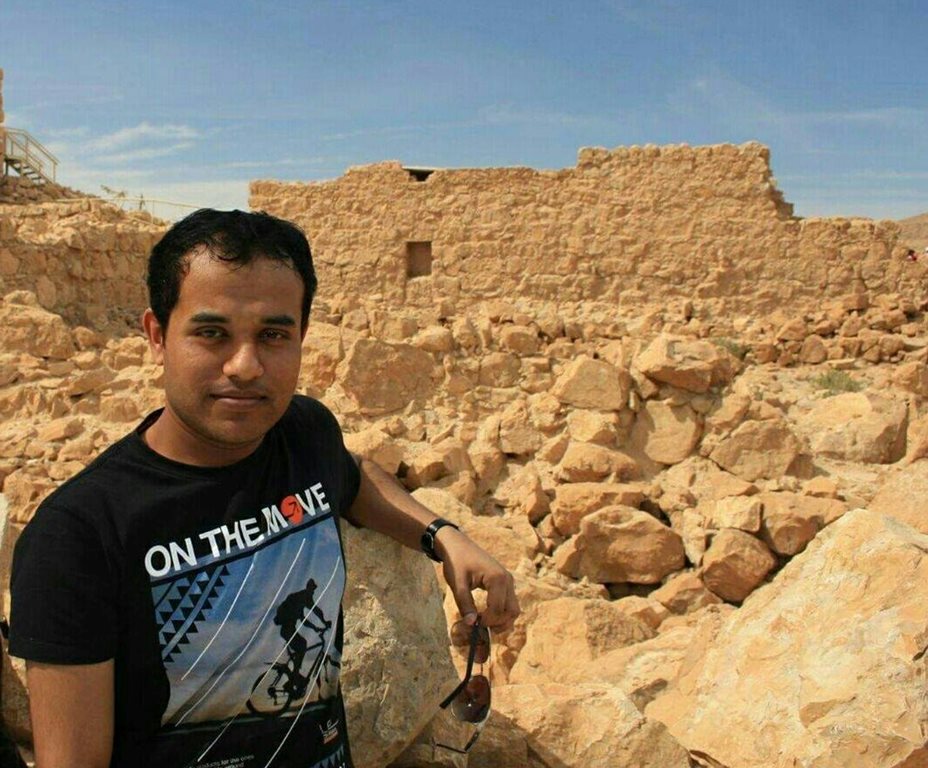
Arnab Ghosh at Isarael's historic Masada rock plateau

Arnab Ghosh at Isarael’s historic Masada rock plateau

Fascinated with maths

My interest in science started with a fascination for mathematics, a subject I loved most in school. My first mentor Bikas Bhadra fanned this interest further. Long after becoming a chemist, I enjoy the maths stories he tells me till date, a recent one being that of Archimedes’ and his classic method of evaluating the mathematical constant π. I opted for chemistry in undergrads but the interest in maths steered me into theoretical chemistry.

I joined an integrated PhD programme at the Indian Association for the Cultivation of Science (IACS), Kolkata under Professor Deb Shankar Ray, who gave me full freedom to try out new ideas. This resulted in some interesting observations, the most important being the recent proposition of a new kind of condensation for fermions, namely, the Born-Kothari condensation (BKC). We named it after the seminal works of eminent Indian physicist D. S. Kothari and German physicist Max Born — a work that was dormant since 1943. This is reminiscent of the more familiar Bose-Einstein condensation (BEC) for bosons named after Albert Einstein and Satyendra Nath Bose.

I wanted to expand my scientific horizon and so do a postdoc in a different field altogether. After the PhD , I started looking for a long-term postdoctoral position that would allow me sufficient time to learn the new subject. Weizmann Institute of Science (WIS), Israel offered me a rare three-year postdoctoral fellowship. I took the opportunity.

Dabbling in quantum thermodynamics

This field has attracted considerable attention in recent times, both in theory and in experiments. While thermodynamics was developed as a theory that limits possible macroscopic processes, quantum mechanics describes mainly microscopic systems. Thus it was unclear earlier why these two disciplines should be related. Richard Feynman envisioned ‘‘tiny machines’’working at the single-atom level in his seminal speech ‘‘There is plenty of room at the bottom’’ in 1959. His vision is now on the verge of realization, thanks to cutting-edge quantum technologies. Yet, these technologies, while entreating quantum mechanics, still rely on power-supply and cooling that are governed by 19th century thermodynamics. It is therefore important to examine the conceptual compatibility between these two disciplines. Despite considerable attempts over last few decades, their concordance is still an open fundamental issue.

The project we are currently pursuing under Professor Gershon Kurizki of the Department of Chemical Physics involves such crucial bearing on the validity of the conventional thermodynamic laws and the performance bounds of heat machines in the quantum domain.

Cosy team, Mediterranean bliss & costly weekend trips

My lab has is made of a small group of three — two from Kolkata, India and one from Austria. It is nice to have people from different cultures and ideological backgrounds under the same roof, makes for interesting conversations. An abundance of Indian postdocs in every university of Israel is an additional plus point.

The best asset of Israel is its captivating Mediterranean weather. Israelis are generally very hard working, helpful and cooperative. They love India and Indian people. They travel to India a lot. Indian festivals are gradually becoming popular in Israel. This year we had full-blown Holi celebrations organised in the WIS campus.

Language might have been a hindrance if there weren’t so many Indians in Israel to help newcomers make a smooth transition. Indians naturally gel into the Israeli work culture, easily find Indian groceries and can speak in Hindi with many Indian-Israeli Jews. An Israeli plumber once came in to fix a water problem in the apartment I share with an Indian friend. He inquired if we were Indian and when we said yes, he broke into a popular Bollywood number: “I am a disco dancer”! We realised that Bollywood is a big brand ambassador of Indian culture outside India.

In Israel, Friday and Saturday are holidays when you have limited access to public transport. Though taxi services are available during the weekend, they are expensive. So it’s hard for us to plan a long distance outing after a busy week. Most people own cars, so they don’t face such problems. Our only saving grace are the trips organized by the institute for international postdocs. This leaves us with limited choice.

Tips for Indian students looking at Israel for postdoc

Having spent time in the US and in Israel, I would say the US is more formal and professional. Israel gives you a delightfully satisfying balance between work and personal life. So, if you have decided to come to Israel, don’t hesitate.

There are several ways to apply for postdoctoral positions in Israeli Universities:

  1. Finding position online and apply for it. Here is one such link: https://www.academy.ac.il/Ads/?nodeId=940 . Alternatively, keep eye on the respective websites of the Universities. All nine Universities of Israel are world class.
  2. Applying through different fellowship programmes. Special fellowships like VATAT support Indian and Chinese postdocs to do research in Israeli Universities. Here is one such link to apply for these: https://www.weizmann.ac.il/feinberg/fellowship-aid/postdoc-fellowship-opportunities
  3. Directly contacting the faculty member you would like to join.

On coming back home

I do miss my own people, my family, playing with my little twin nieces, mom’s delicious dishes. I miss my native village Alampur, where I spent my childhood. I miss Diwali and Durga Puja festivities with my dear ones.

I came abroad only to get a better scientific exposure and experience. I would like to come back to India at the first opportunity. In a couple of years, I will start applying for positions back home.

Away from home: Visa tips for postdocs to US

Here’s bringing you a new story in the ‘Away from home‘ blog series. In this series, we feature promising young Indian postdocs working in foreign labs. The postdocs featured here recount their experience of working in foreign lands, the triumphs and challenges, the cultural differences and what they miss about India. They also offer useful tips for other Indian postdocs headed abroad. You can join their online conversation using the #postdochat hashtag.

Our ‘Away from home’ interactive map now features 44 bright Indian postdocs from around the world. Please feel free to suggest names of postdocs from countries and disciplines we haven’t covered yet.

Today, it’s Sneha Rangarajan, a postdoc at the Institute of Biosciences and Biotechnology Research, University of Maryland, USA. Sneha completed a masters in biotechnology from the Lokmanya Tilak Municipal Medical College in Mumbai, India before enroling in a PhD programme at SUNY Albnany, New York. She offers some some practical tips to postdocs in times when there have been concerns about visas to the US.

Sneha Rangarajan

Sneha Rangarajan

Biotechnology: A fascinating cocktail

It was that time of my life when I had to make a career choice after 12th grade – a choice between the “popular” like IT/engineering, especially since my grades would get me into a good programme, or the new bachelors programme in biotechnology that our college had just introduced. I chose biotechnology simply because it seemed like a fascinating cocktail of my interests and I didn’t want to do choose a career just because everybody else was choosing it. During the three years of bachelors programme, I learnt a lot about molecular biology principles which made me realize that I took the right decision. Later, I did a masters in biotechnology from Lokmanya Tilak Municipal Medical College in Mumbai.

It was around the same time that I became aware of the US as a land of opportunities for the field I had chosen. Several of my senior colleagues had enrolled in PhD programmes doing cutting edge research on topics I had studied only in theory. I also learnt that if you get accepted in a PhD programme your tuition fees most likely gets waived. This was a very important piece of information since I did not want my father to spend an enormous amount of money on my education abroad.

Another key factor was my parents’ permission to let me go to the US considering I had never stayed away from home and was now talking about going thousands of miles away. I still remember how pleasantly surprised I was when my dad said if it is for education and the prospects of a bright future, he would be happy to let me do so. And that is how I reached Albany, New York.

Turning theory into practice

I remember being truly excited over actually performing a PCR, something I had learnt only in theory. With my masters in India, I had a solid background in the basics of molecular biology and biochemistry.

As it turned out, I could transfer credits from similar courses I had taken in the Indian university. Not many people are aware of this possibility but it is a huge time saver! You can bypass the same courses and spend time and effort on learning new and interesting things instead. I transferred almost all of my basic courses and was able to enroll directly in advanced level courses in the first year itself. I joined Dr. Joachim Jaeger’s lab of crystallography, where I learnt a great deal of analytical skills along with the ‘art of troubleshooting’.

After PhD, I moved to the Institute of Biosciences and Biotechnology Research, University of Maryland, for a postdoc with leading structural immunologist Dr. Roy Mariuzza. My work focuses on vaccine development against Hepatitis C virus (HCV). I express and purify various HCV antigens from mammalian cells to identify the best candidates with increased neutralization potency against the virus.

I like the diversity in my work place and the fact that you get to learn a little bit about languages and cultures across the world. One thing I absolutely like about this country is that you could major in music and biology at the same time or could to university at 50 and nobody will raise an eyebrow. You are limited only by your own imagination!

Of ‘Good Mornings’ and weather shocks

The transition into a new culture and environment was made easier by the people around me. My PhD mentors were kind and helpful, always going out of their way to help students, especially the international ones, in adjusting to the new environment.

Moreover, I always found it interesting to discover differences – be it in the English language or the professor-student relationship or the norms of interaction in society, all of which differ from what we are used to in India. I still remember my experience taking a bus to the University campus where the bus driver politely greeted me with a “Good morning” as I got in and people thanking him as they got down. I liked the idea and imagined how it would be if I did this in India (would this make his day?).

However, depending on which part of USA you are coming to, you could be in for a major “weather shock”. I personally prefer the cold but sub zero temperatures may not be everybody’s cup of tea.

My postdoc tips

  • If you have an idea about what you want to do research-wise and have been unable to achieve that because of lack of means, then this is the place to be. In USA, there are tremendous opportunities and it is up to you how you use it to achieve your goals.
  • One practical visa tip in these times when there have been some concern about visas to the US. I am not sure if many of you know but you can now extend your Optional Practical Training (OPT) to as much as 24 months as opposed to the 17 months earlier. You can do that by using the Science, Technology, Engineering and Mathematics (STEM) extension. When I finished PhD, I did not get my OPT extended using STEM extension because I wasn’t aware of any advantages to doing so. But now, looking back, I can tell you that it was a mistake. Extending your OPT gives you the option of switching to an industry job if you so desire without worrying about a H-1B visa since the company doesn’t have to file for your H-1B until those 24 months. If you choose to continue in academics, it serves to increase your time in the US since you now have those 2 years plus your H-1B tenure.
  • Don’t wait for an advertisement. I did not. Just email the investigator whose work you like and describe how you would be a good fit to his/her lab and if they have the funding, you may just get accepted, like me!
  • Don’t be afraid to apply to labs that don’t exactly match your previous work. As long as you have a genuine interest and willingness to learn, people are usually open. Try to widen your skill set, that way you also broaden your future opportunities.

On returning home

I take one step at a time. For now, I see myself being here and making a mark in my research field. We are making huge strides in the field of vaccinology and if things go as planned, we should be able to enter clinical trials for the HCV vaccine in the next couple of years. Also, at this point, the infrastructure for my line of work is not very developed in India but who can say, in a few years things might be different.

As of now, I do miss my family and the street food. While there are a tons of Indian stores and restaurants that continue to surprise me with the variety, nothing can beat the vada pav or chaat from the streets of India!


Away from home: CRISPR and I

After a gap, our  ‘Away from home‘ blog series is buzzing again. Here we feature promising young Indian postdocs working in foreign labs. The postdocs featured in the series recount their experience of working in foreign lands, the triumphs and challenges, the cultural differences and what they miss about India. They also offer useful tips for other Indian postdocs headed abroad. You can join their online conversation using the #postdochat hashtag. 

Our ‘Away from home’ interactive map now features 43 bright Indian postdocs from around the world. Please feel free to suggest names of postdocs from countries and disciplines we haven’t covered yet.

Today, we hear from Samrat Roy Choudhury, a postdoctoral fellow at the Myeloma Institute, University of Arkansas for Medical Sciences (UAMS), USA. Samrat, an alumnus of Indian Statistical Institute (ISI), Kolkata, tells us about his pathbreaking work in CRISPR-based gene editing, its implications in cancer therapeutics, his first snow experience in the US and his tough journey to reach there.

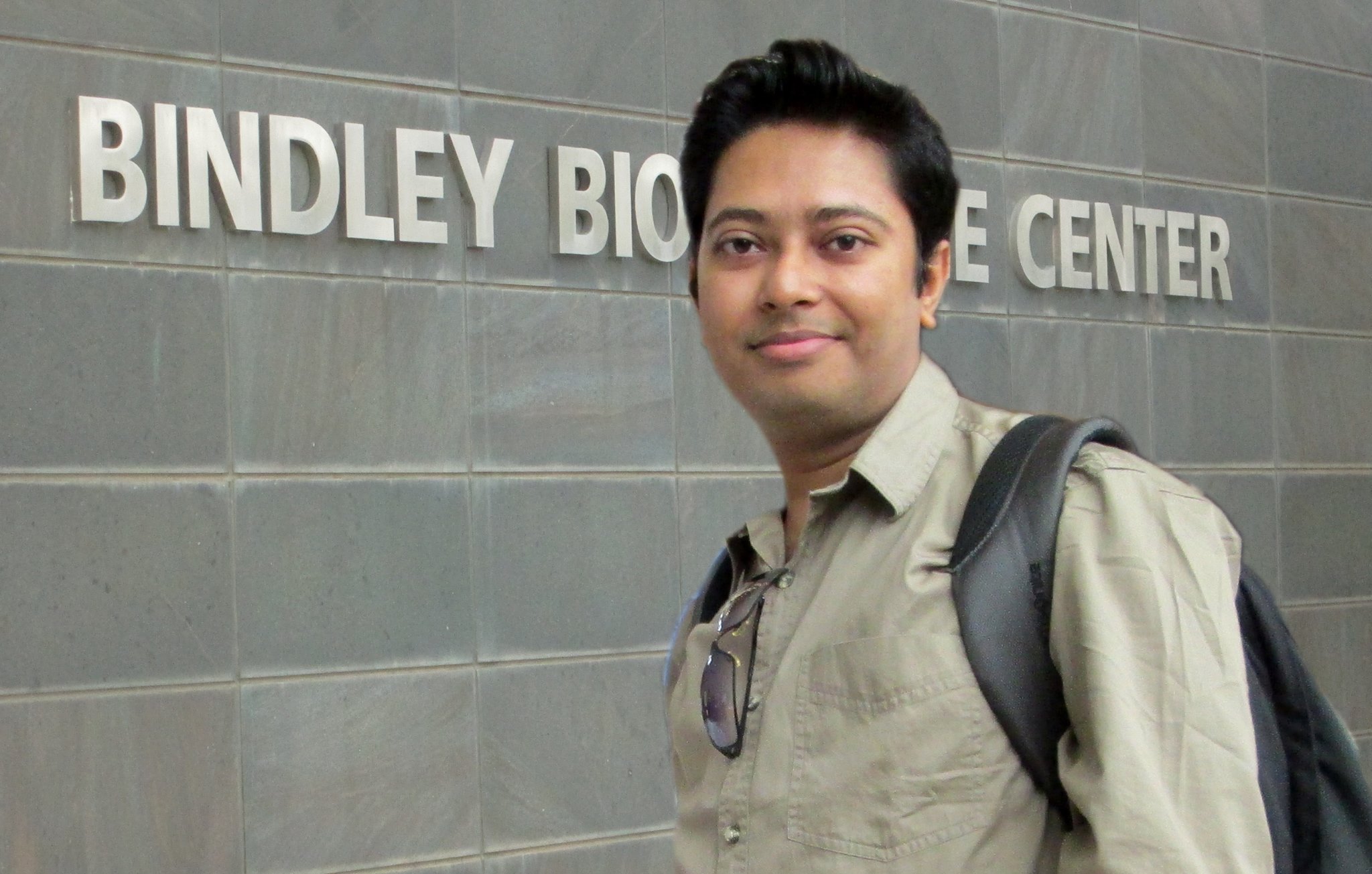
Samrat Roy Choudhury in front of the Bindley Bioscience Center, Purdue University, USA.

Samrat Roy Choudhury in front of the Bindley Bioscience Center, Purdue University, USA.

Always loved science

Science, particularly biology and chemistry, were my favourite subjects in middle and high school. I aspired to become a high-school teacher or a college lecturer. When most of my classmates opted for engineering or medicine as careers, I chose the longer path.

Late Prof. Swapan Das at Kolkata’s Asutosh College was my inspiration in biological sciences. After a Zoology masters from University of Calcutta, I got a chance to work at the lab-bench of the National Institute of Cholera and Enteric Diseases (NICED), Kolkata. The experience was fascinating and convinced me to pursue research as a career – I enjoyed designing experiments, executing them and using analytical skills to interpret data. It’s empowering to think that my research might make a small but powerful impact in the way we combat diseases.

During my PhD in nanobiotechnology at the Biological Sciences Division of the Indian Statistical Institute (ISI), Kolkata, I got the chance to design and develop several nanoparticles and nano-conjugates of antimicrobial implications. I was amazed to see how the same chemical elements behaved dramatically differently at nano-level compared to their micronized state. I was fortunate to meet and work with several eminent physicists and biologists, such as Prof. Dipankar Chakravorty (IACS) and Prof. Ratanlal Brahmachary (ISI) who re-kindled the passion for research and innovation in me. They taught me that science is not simply an act to be performed in a confines of a laboratory but the inner vision to explore our surroundings.

I wanted to continue exploring novel biophysical and biochemical tools, beyond the area of nanoparticle research. I was particularly interested in evaluating the potential of bioengineering tools in deciphering intriguing bio-molecular complexities. The prime search criteria for my postdoctoral training was, therefore, aimed at finding a group, which is dedicated in developing innovative and functional biomolecular tools. I chose to work with Prof. Joseph Irudayaraj at the department of Biological Engineering at Purdue University, USA.

CRISPR and cancer therapeutics

I spent three years (2013-2016) at Purdue as a postdoctoral research assistant, where I was exposed to a new arena of bio-engineering applications. During this period, I focused mainly on designing and targeting novel synthetic protein tools such as TAL (transcription activator like elements), or CRISPR-Cas9 (Clustered Regularly Interspaced Short Palindromic Repeats) to the cancer epigenome for site specific modifications with a purpose of therapeutic interventions.

Cancer, as the title of Siddhartha Mukherjee’s Pulitzer-winning book says, is indeed ‘The Emperor of All Maladies’. My team’s research efforts at Purdue resulted in CRISPR-based epigenomic editing at the promoter of a known tumor suppressor gene BRCA1. We utilized a deactivated version of the Cas9 (dCas9) enzyme, fused to a demethylating enzyme TET1, which specifically demethylated the BRCA1 promoter. By achieving these loci specific demethylation, we succeeded in increasing BRCA1 expression and obtaining a significant reduction in cancer cell proliferation. This illustrated the novelty of using CRISPR based bioengineering tools to promote targeted epigenetic corrections and broadening the scope of next generation cancer therapeutics.

Subsequently, I joined the Myeloma Institute at the University of Arkansas for Medical Sciences (UAMS).  In addition to studying the targeted epigenetic regulations in high-risk multiple myeloma (HRMM), I’m also engaged in identifying the aberrant epigenetic signatures of HRMM.

 Of the first snow fall

I belong to Kolkata, a city which nicely orchestrates the core cross-over values. Hence, the transition to USA was smooth for me with a few minor awkward incidents. In any case, a postdoc’s life mostly revolves around laboratories, so the scope of social events remained limited for me. I witnessed the first snowfall in my life in USA, which was wonderful. I remember, my wife and I made a miniature snow-man (she called it a snow-baby), which grew bigger and bigger with subsequent snowfall. I however, do not enjoy hopping like penguins over 6 inches of snow all through winter.

USA has historically served as a key destination for scholars. In larger cities and universities, life can be busy but also very entertaining. For instance, Purdue’s campus was very cross-cultural with a diverse array of restaurants, multilingual people and a reputation for academic excellence. Both at Purdue and UAMS, I met very talented, hard-working, professional and helpful people. Lab-meetings, seminars, and inter-research group discussions are common, meant to bring out the best in people. USA could also be a wonderful destination for travel and recreation. The country is picturesque, has everything from acres of green meadows, amazing fall colours and an array of skyscrapers and ultra-modern works of architecture.

Postdoctoral life in USA is extremely challenging. At times it can be frustrating and even depressing. I realized, like thousands of other postdocs, the meaning of the maxim ‘publish or perish’. Continuous pressure at work, in addition to thousands of miles of distance from parents and friends, can be excruciating at times.

Tips for postdocs

Please do not give up on your dreams. I grew up in a lower-middle class family with continuous pressure of stable employment. I used to take private tuitions beyond the lab hours and was so exhausted sometimes that I slept off in public transport missing the right stop. But I never thought of leaving research or academics. When your innovation and hard work pay off, the absolute joy of that moment alleviates all injury and bitterness. 

India, first choice

I miss my parents and friends. My parents are old and have limited access to video-chatting. A part of the ‘worried’ me, hence always remains with them.

I’m very keen on starting my own laboratory in India. My primary research focus would be the study of physicochemical influences of nutrients, nanoparticles and chemical compounds/drugs with respect to their instigation of epigenetic modifications. Furthermore, I would be interested to correlate their influence in various disease models. With a suitable offer, India would be my first choice.