Skip to primary content
Skip to secondary content

nature.com blogs

nature.com blogs

Main menu

  • Home
  • Nature Blogs
    • On your wavelength
    • Spoonful of Medicine
    • Free association
    • Action Potential
    • Methagora
    • Indigenus
    • House of Wisdom
    • TradeSecrets
    • Stepwise
    • Soapbox Science
    • Nature Jobs
    • Plant Life
    • The ScepticalChymist
    • Scientific Data
    • A view From the Bridge
    • Nature Future Conditional

Category Archives: Ethical / Social

Ethical / Social

Post navigation

← Older posts

The Survival of Erich Jarvis

Posted on 22 Dec 2017 by Brady Huggett

vertical-speed-1175800-638x355In researching and reporting our feature, Biotech’s Pale Shadow, I came across Erich Jarvis, a professor and researcher at Rockefeller, and his essay, Surviving as an underrepresented minority scientist in a majority environment, which he wrote for winning the 2015 Ernest Everett Just Award from the American Society for Cell Biology. It’s a great read, and Jarvis has an incredible backstory, including winning scholarships to the Joffrey Ballet and the Alvin Ailey Dance school, and overcoming the murder of his father while Jarvis was in grad school.

I suspect the parts of the essay about grad school and his post-doc will feel familiar to many underrepresented minorities in the sciences, and it certainly resonated with what biotech’s minorities were saying in interviews for our feature. I spent maybe an hour with Jarvis on the phone, talking about his life in science and why he decided to write the essay he did.  He told me that most people, in their acceptance essay, focus on the moment of scientific serendipity or the big breakthrough that led to their hallmark discovery or technology, but he didn’t want to do that. Because he’s questioned so often about his life as an underrepresented minority in science, he decided he’d write about that topic instead and hopefully give it “a wider audience,” he said.

The essay has been added to some classrooms as required reading, and has been assigned in workshops on microaggressions, but it’s not often cited, and it hasn’t received that longer life that some papers in scientific journals do. “What that suggests is that the topic isn’t being written about much in the scientific community,” he said.

Through the course of his career Jarvis broke barrier after barrier, simply by doing his job. In 2007, he became just the second African American basic science professor in the Duke medical school to be hired and tenured in 28 years. He was the second African American to receive full professorship at Duke. He became the first and currently only African American full professor at Rockefeller in the history of the institution, which began in 1901. And in November, Jarvis was asked to give a presidential lecture for the Society for Neuroscience.

“I’d been hoping one day to be invited to do this,” he said. “Afterward, someone told me that I was the first African American to give this presentation. That lead me to think, internally, about where I am in my own life. And what I feel is, it’s a lonely place. It might sound like bragging to say you’re the first African American to do this and the first to do that, but in truth it means there aren’t other people around that I can relate to. And it’s not a happy feeling.”

His “surviving” essay can be found here. Our feature on racial disparities in biotech can be found here. Here’s a great bit of storytelling he does at The Moth about his life. Follow Jarvis on Twitter.

Brady Huggett

Posted in Ethical / Social

BIO’s Diversity Principles

Posted on 28 Jun 2017 by Brady Huggett
Petco

Opening reception, Petco Park.

Last week the Biotechnology Innovation Organization (BIO) held its annual international convention, this year in San Diego. For four days more than 16,000 attendees gathered to meet, sit in panel meetings, network and attend receptions, like the opening gala at Petco Park, pictured above.

On the first full day of the conference, BIO released a set of principles on diversity. The need for an official set of principles is obvious, even to BIO itself. Julie Gerberding, the executive vice president and chief patient officer at Merck, spent the past year chairing BIO’s workforce development, diversity and inclusion (WDDI) committee and establishing the principles. It is “striking,” she says, “when you first come into the organization and take a look around the table and realize, at least in terms of visible diversity, you’re not really looking like we should in this day and age.”

BIO is the largest and most prominent trade association for the global biotech industry, she noted, and its medicines, its crops, its fuels and enzymes, are aimed at everyone. The leadership needs to reflect that, Gerberding says, never mind that companies “with a broad and diverse leadership framework do better. No one refutes that position anymore.”

The principles include a commitment by BIO to “be outward-facing” in its diversity efforts, with diversity defined as a “wide-range of similarities and differences among persons and perspectives,” which follows the definition set forth by the US Equal Employment Opportunity Commission. Inclusion is described as “a business culture and environment that recognizes and effectively leverages the talents, skills, and perspectives of diverse employees,” and workforce development entails “ensuring all employees have the opportunities to develop the capabilities and skills required to meet the challenging needs in the biotechnology industry.”

How all this will be accomplished both inside BIO and in its member companies isn’t yet clear. The committee has identified eight areas around diversity to focus on, and over the coming weeks it will prioritize them and establish goals. Helen Torley, president and CEO of Halozyme, and new WDDI committee chair, says the idea is to gather metrics for each area and then measure progress. But, for starters, BIO will lead by example and undergo training for unconscious bias, which can cause discrimination against minorities in the hiring process, and the committee will also analyze the biotech pipeline of biomedical researchers. For instance, Torley says, “we know a lot of women graduate with [STEM] degrees but they are not advancing. This is a loss of people that could be future leaders or board members.”

It isn’t the first time BIO has considered diversity. The group held panel discussions at previous conferences and has long supported organizations such as Women in Bio. But it is the first time it has adopted specific principles it can be held accountable for. Over the past year, the biotech industry has been facing its gender inequality, and the principles come amid a broader global reckoning on race, gender, sexuality, immigration, and more. The principles are only a starting place, and the industry has a long way to go, as BIO freely admits, but there are two types of organizations: ones that recognize a problem when it arises, and ones that ignore it. BIO can be credited for recognizing the problem.

Brady Huggett

Posted in Ethical / Social, Events

Allbiotech

Posted on 05 May 2017 by Emilia Díaz
window

The view outside my window.

Taking progress local

(This is Part 2 of a two-part series. Part 1 is here.)

Last year I was honored to be included in a Community crystal gazing feature, where we were asked about the biggest challenges that the biotech industry will face in the coming years. I wrote that we “must enable an active decentralization of biotech that allows new players from outside of the traditional tech and wealth hubs to develop solutions for underserved markets and needs.”

Decentralization is, clearly, a big issue for me. When I write for this blog, I scavenge for information on the latest happenings in biotech in Chile, my country, and I read what the rest of Latin American writers are reporting on, too. I’ve often said that talent is evenly distributed, but opportunities aren’t. I’d say that press coverage isn’t evenly distributed, either.

On my last article I explored how the ChileGlobal Biotec initiative seeks to put Chilean biotech on the map. It’s a government-run project, and so it makes sense it’s all about the country.

But what about the region?

It’s startling that there isn’t a biotech network for my region, started by Latin Americans and focused on Latin American issues. It seemed ridiculous enough to make us do something about it.

This is why we launched Allbiotech, which stands for América Latina: Líderes Biotech. And yes, the pun and alternate name are intentional. We want to bring together the next generation of biotechnologists in our region, fostering collaboration and accelerating the development of an ecosystem in Latin America.

I won’t go on about how biotech should not be confined to the ivory towers of research – I’ve done that too much already. But I can tell you that Latin America has great opportunities and the resources to execute applied biology, and social impact runs deep in everything we do. We believe biotech can be described through three main pillars: natural resources, innovation and social impact. I’ve had too many people working precisely in this intersection tell me that their work “isn’t really biotechnology” or that “it’s not that important” or just “not that special.”

I think they’re wrong. Biotechnology, as we see it, is the application of biotech to solve problems. It doesn’t matter if you do it in Spanish instead of English – biotech is biotech wherever it is done. And not only is it as valuable, it’s likely to better address the issue if it is conceived close to the affected individuals.

From sustainable extraction of natural resources to public perception of our scientist’s work to developing the new technologies that will solve tomorrow’s problems – all of this not only can but should be done from here, not just from the US or Europe. Otherwise, the same problems will keep getting solved over and over again, and they will always pertain to the same group of people. Paraphrasing a great teaching from my time back at Singularity: don’t solve for me without me.

We are solvers here, too.

This is our way of showing it to you.

Emilia Díaz

Posted in Entrepreneurship, Ethical / Social, Regional Initiatives

ChileGlobal Biotec

Posted on 01 May 2017 by Emilia Díaz

steps(This is Part 1 of a two-part series. Part 2 is here.)

The importance of a country’s brand, and how scientific communication directly impacts it.

With these posts I have tried to give an idea of what it’s like to be a scientist in Chile. Sadly, what I write is mostly not very positive. Things like Chilean talent having to go abroad to prove themselves, my country’s bias toward foreign over local talent, and the constant underpayment of young scientists.  I haven’t provided the most encouraging panorama.

I’ve been trying to solve the riddle of how can science be viewed as this supremely difficult thing but pay the people who actually do it like McDonald’s workers. There are obviously many sides to this – we can argue about how the government should do this, and the industry should do that – but there’s a guilty party we don’t often examine in this light, and it is us.

Let’s face it: us scientists are absolutely terrible at talking. By “talking” here I also mean writing, and communicating in general. We are taught from college and maybe even high school that we are “number people” and that “word people” go to other careers, and that we should not even worry about communication, because it’s all in the numbers. Just show that nice graph with all your results and finish that equation with a flourish. We never give communication the importance it deserves.

If only there was some sort of network of Chilean biotech leaders properly positioned to help communicate the achievements of our local industry!

Cue ChileGlobal Biotec.

With this initiative, Imagen de Chile (literally, Image of Chile) seeks to leverage their already existing talent pool to foster new biotech initiatives through the generation and strengthening of a network of more than 1,000 entrepreneurs and high-ranked Chilean executives in the US. This doesn’t necessarily improve the whole “Chileans still need to go prove themselves abroad” issue but at least makes use of it as social proof, elevating the scientists in the network and amplifying their voices not just in the ears of those back home, but in the ears of the whole world and on behalf of those back home.

Communicating our advances in science is especially important for a country that’s still struggling to properly cross the gap from development to developed, and contributes to our validation toward the international community. The initiative was launched in San Francisco on June last year, as a parallel event to BIO. The attendants were entrepreneurs with established businesses in the US whose names are continually mentioned back home, with more than a little awe (like Komal Dadlani, founder of Lab4U, and Alejandro Tocigl, fellow Singularitarian and founder of Miroculus), plus representatives from all the organizations implicated in fostering biotech and innovation in the country.

The organizers of the launch said that it’s “not enough to be connected physically and digitally, intellectual connection is also paramount.” The experiences and knowledge of those Chileans who have gone abroad can help facilitate alliances and new connections, and ChileGlobal Biotec can be the conduit.

It has been about a year since then, and ChileGlobal is helping cement biotech’s place in our country. What’s the next logical step?

To go local.

Coming up: Allbiotech.

Emilia Díaz


Posted in Entrepreneurship, Ethical / Social, Regional Initiatives

March for Science: Steven Holtzman’s speech

Posted on 24 Apr 2017 by Brady Huggett

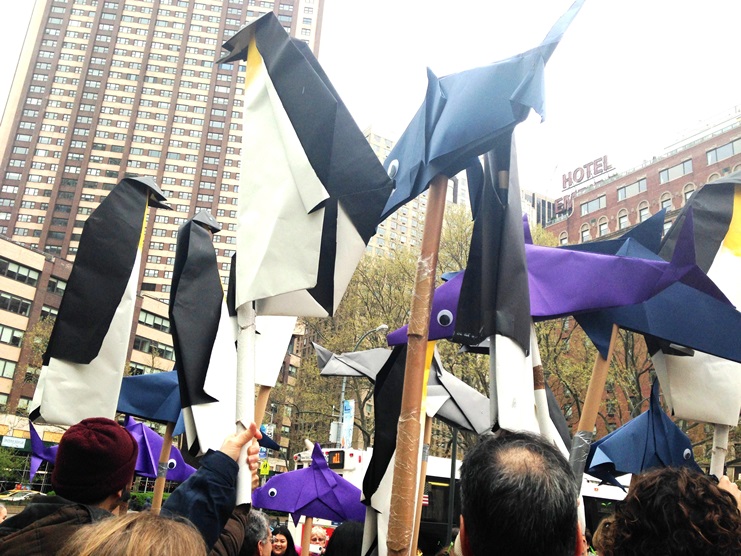
Street scene from the March for Science event in New York City. Source: Vivien Marx

On April 22, organizers pulled off a worldwide March for Science, with large demonstrations in Washington, DC; New York City; San Francisco and many, many other locations. The stated goal was to fight back against a dialogue of scientific misinformation that has permeated national discourse in recent years, and to advocate for “robustly funded” science. In particular, marchers protested proposed budget cuts by the Trump administration against the National Institutes of Health and the Environmental Protection Agency, among others.

The event in Boston featured Decibel Therapeutics President and CEO Steven Holtzman as a speaker. For those unable to attend or marching in other locations, a transcript of his speech in its entirety is below.

Continue reading →

Posted in Ethical / Social, Events

New Trump Travel Ban a Detriment to Biotech

Posted on 08 Mar 2017 by Brady Huggett

On February 7, 2017, in response to President Trump’s Executive Order on immigration issued on January 27, 2017, approximately 200 senior biotech leaders, including CEOs, company founders and venture capitalists, published a letter in Nature Biotechnology expressing our deep concern about the negative impact this order will have on medical innovation. Following a block by a US federal appeals court, the administration produced a new ban on March 6, which includes changes that remove Iraqis from the list of nationalities affected, exclude current visa holders and refugees already granted asylum, alter the ban on Syrian refugees from indefinite to temporary and implement the ban on March 16 (rather than with immediate effect). Speaking as individuals and the lead authors of that letter, we find this new Executive Order does nothing to ameliorate our originally expressed concerns. Like its predecessor, the newly issued order is deeply detrimental to America’s efforts to develop important new medicines to address serious unmet human needs. In addition it remains just as inimical to the fundamental values on which our great nation was founded.

Jeremy M Levin1, Steven H Holtzman2, John Maraganore3, Paul J Hastings4, Ron Cohen5 & Bassil I Dahiyat6

1Ovid Therapeutics Inc., New York, New York, USA. 2Decibel Therapeutics, Cambridge, Massachusetts, USA. 3Alnylam Pharmaceuticals, Cambridge, Massachusetts, USA. 4OncoMed Pharmaceuticals, Redwood City, California, USA. 5Acorda Therapeutics Inc., Ardsley, New York, USA. 6Xencor, Monrovia, California, USA.

Posted in Ethical / Social

Argentina and science: Stuck in a bad romance?

Posted on 28 Feb 2017 by Sandra Pitta

black-n-white-fibers-1195281-639x570

Part II (Part I found here)

Let me begin by stating the obvious: after 12 years of Kirchner governments (first husband, then wife), a new party is in power. But during those 12 years, the thin line between party politics and science policy was unprecedentedly blurred. Thus the scientific community had low expectations: it demonized the new President, Mauricio Macri, even before he took power. The first surprise came December 2015, when President Macri decided that the Ministry of Science, Technology and Productive Innovation (MINCyT) would be led by the same minister as in the Kirchner administration, Lino Barañao. Furthermore, many of Barañao´s close collaborators remained. It was unclear if the blurred lines would disappear.

The majority of the scientific community loved the Kirchners, but a minority had a strained relationship. This is how it went with the Kirchner government – people were strongly for or against, with no gray area. The problem is that the minority against the Kircnhers could not speak its mind for fear of losing grants and doctoral students, and the majority that loved Kirchner was silent on the issues of unpaid grants and the troubling aspects of inflation. Scientists suffered all kinds of inconsistencies under that administration, yet the disgruntled ones were restrained from talking because they feared consequences. Incredibly, many of the scientists passionately protesting today against Macri´s scientific policies are part of the majority that remained silent during the Kirchner era. I think, when dealing with the Kirchners, many of them had refused to see that the King was naked. It´s called denial.

Today, the PIPs and PIOs are being paid, and The PICTs are somewhat adjusted by inflation. Many problems remain, and we still have plenty of issues to deal with, and budget restrictions are one of the main ones. But looking back, I believe some lessons should be learned.  Above all, we should realize that living in denial is contrary to a scientist´s purpose in life. We are not advancing the case for science when we hide or distort statistics, or keep quiet about unpaid grants. And no scientist should be an accomplice to that, however unwittingly. Science is not a religion, and our critical thinking should not be impinged upon. Loyalty, gratitude or fear do not excuse scientists from unveiling the truth.

In 2016, Argentina celebrated 33 years of uninterrupted, but flawed, democracy — periods of uninterrupted democracies are a good reason to celebrate. Argentine science has a long and productive history, but in many ways it is as young and inexperienced as our democracy. If Argentine science were my 33-year old child, my advice would be:  “Your teenage years are officially over. You can no longer get stuck in bad romances. No more hiding dirty family secrets.”

In Argentina, hiding dirty family secrets has resulted in highly traumatic experiences, where both people and facts have disappeared. The scientific community cannot be privy to this again in the future.


Posted in Ethical / Social

US immigration order strikes against biotech

Posted on 07 Feb 2017 by Brady Huggett

To the Editor:

We the undersigned, founders and leaders of biotech companies, write to express our deep concern and opposition to the executive order signed by President Donald Trump on January 27, 2017, barring the entry of citizens from seven countries into the United States1.

The United States is the world’s greatest developer of medicines and new inventions to ameliorate and cure intractable diseases, a status achieved through massive investment in private and public companies, academia and R&D. Most importantly, our success has been founded on the creativity and dedication of our most precious resource—our people.

Our people include researchers, clinicians, entrepreneurs and business executives from all over the world. They are colleagues in our laboratories, management teams and boardrooms. They discover and develop therapies that drive US biomedical innovation and deliver new medicines to patients, not only in America, but also across the globe. And they start companies that drive the economic growth and employment provided by biotech. Many of our colleagues from abroad ultimately become Americans, all to the great benefit of the United States. Indeed, a study found that in 2014, 52% of the 69,000 biomedical researchers in the United States were foreign-born2.

The biopharma industry originated in America and is dominated by American companies. US companies employ tenfold more people than European companies. Over the past decade, a total of $98.4 billion was invested in US emerging therapeutic companies through venture capital, follow-on public offerings and initial public offerings. US companies spent over $138 billion on upfront payments for in-licensing assets or acquiring global R&D-stage emerging companies. Larger US biopharma companies spent $161.7 billion over the past ten years on market-stage acquisitions.

The United States has led the world in medicine production for decades, not only because of its ability to finance drug discovery, but also because, more than any other country, the United States represents opportunity regardless of borders, gender, race, sexual orientation or political cast. This has enabled our industry to attract the best talent, wherever it is found. This aspect of our industry is a core reason the United States has built its unique strength in biopharmaceuticals.

At a stroke, the new administration has compromised years of investment in this national treasure. Our colleagues who are here on visas or are in global outposts are now fearful and uncertain of their status. Scientists based in other countries and employed by our companies are afraid to come to the United States or are canceling trips. The parents and families of immigrants who live and work in the United States are reluctant to attempt to travel to and from the United States.

Though the ban from the Trump administration is aimed at seven countries, our global employees interpret the underlying message as, “America is no longer welcoming of any immigrants, whatsoever.” They fear similar orders could be issued for other countries at a moment’s notice. They fear being stigmatized and discriminated against, simply because of their religion, irrespective of the nation they come from. Several among us have heard from employees about their deportation fears, how they do not feel comfortable leaving the country on business or how they now feel cut off from their family abroad.

Every nation has the right to determine who comes across its borders. Every nation needs to be vigilant in defending itself against and hunting down terrorists. The actions taken by the Trump administration, however, were poorly conceived and implemented; they have raised deep fears and concerns across the biotech industry, in which diversity and the free flow of ideas and people have created an American powerhouse of medicine.

If this misguided policy is not reversed, America is at risk of losing its leadership position in one of its most important sectors, one that will shape the world in the twenty-first century. Indeed, it will harm an industry dominated by smaller companies and startups, the very kind of industry the administration has said it wants to support. It will slow the fight against the many diseases that afflict us, as well as carry negative economic consequences for the United States.

America must remain the world’s greatest engine of innovation, as well as the beacon of liberty it has been for more than 200 years. The two are inextricably intertwined.

(On February 2, 2017, the United States District Court Western District of Washington at Seattle issued a temporary restraining order against the executive order that suspends its enforcement nationwide. The President has stated he will seek to overturn the ruling, but the restraining order remains in force while under appeal to the US Court of Appeals for the 9th Circuit by the Department of Justice. As of 7pm on February 6, the federal appeals court has not yet ruled3.)


Jeremy M Levin1, Steven H Holtzman2, John Maraganore3, Paul J Hastings4, Ron Cohen5, Bassil I Dahiyat6, Julian Adams7, Chris Adams8, Brett Ahrens9, Jeff Albers10, Mara G Aspinall11, James Audia12, Martin Babler13, Peter Barrett14, Zoe Barry15, Nessan Bermingham16, Stephen Bloch17, Robert I Blum18, Paul B Bolono19, Michael W Bonney20, Bruce Booth21, Daniel M Bradbury22, Steven K Brauer23, Brook Byers24, Pablo J Cagnoni25, Brian M Cali26, Isaac Ciechanover27, Chip Clark28, Michael D Clayman29, Jeff L Cleland30, Paula Cobb31, Ron Cooper32, Mark G Currie33, John Diekman34, Eric l Dobmeier35, Doug Doerfler36, Deborah Dunsire37, Matthew During38, Jens W Eckstein39, Eric Elenko40, Neil A Exter41, Jonathan J Fleming42, Gregory J Flesher43, Jean-Francois Formela44, Robert Forrester45, Cedric Francois46, Heather Franklin47, Mason W Freeman48, Leonard Patrick Gage49, Nicolas Galakatos50, James A Geraghty51, Simba Gill52, David V Goeddel53, Mark A Goldsmith54, Maxine Gowen55, Tom Graney56, David Grayzel57, Barry Greene58, Paul Grint59, J C Gutierrez-Ramos60, Tuan Ha-Ngoc61, Bill Haney62, Faheem Hasnain63, Yujiro Steve Hata64, Peter Hecht65, Rich Heyman66, Herve Hoppenot67, H Robert Horvitz68, Thomas E Hughes69, Wende S Hutton70, Annalisa Jenkins71, Rachel King72, Vanessa King73, Nina Kjellson74, Gerhard Koenig75, Scott Koenig76, Peter Kolchinsky77, Paul Laikind78, Robert (Bob) Langer79, John J Lee80, Jonathan S Leff81, Nick Leschly82, Mark Levin83, Arnold Levine84, Alan Levy85, David Liu86, Harvey F Lodish87, Uri Lopatin88, Ted W Love89, Guy Macdonald90, Gail J Maderis91, Ankit Mahadevia92, Nagesh K Mahanthappa93, Joel F Martin94, W Eddie Martucci95, James McArthur96, Corey M McCann97, Sean A McCarthy98, C Geoffrey McDonough99, John Mendlein100, Diego Miralles101, Kenneth I Moch102, Bob Moore103, Andrew G Myers104, Michael A Narachi105, Amir Nashat106, William J Newell107, Bernat Olle108, John E Osborn109, Julia C Owens110, Atul Pande111, H Stewart Parker112, Kush M Parmar113, Matthew R Patterson114, Steve M Paul115, Rob Perez116, Matthew Perry117, Cary G Pfeffer118, Mike Powell119, Dennis J Purcell120, Amit Rakhit121, Kartick Ramamoorthi122, William Rastetter123, Adrian (Ad) Rawcliffe124, Laurence E Reid125, Jason P Rhodes126, William J Rieflin127, Chad Robins128, Scott M Rocklage129, Michael Rosenblatt130, Jonathan G Rosin131, William J Rutter132, Saurabh Saha133, Camille Samuels134, Vicki L Sato135, George Scangos136, John A Scarlett137, Stuart L Schreiber138, Andrew Schwab139, Paul Sekhri140, Thomas Shenk141, Clay B Siegall142, Nick J Simon143, Nancy Simonian144, Jeff Stein145, Michael Su146, Mary T Szela147, Henri Termeer148, Nancy A Thornberry149, Martin Tolar150, Richard Ulevitch151, Akshay K Vaishnaw152, Anne VanLent153, George P Vlasuk154, Michel Vounatsos155, Samuel G Waksal156, Neil Warma157, Ryan J Watts158, Yaron Werber159, Christoph Westphal160, Wendell Wierenga161, Doug E Williams162, Lewis (Rusty) Williams163, Kleanthis G Xanthopoulos164, Daphne Zohar165 & Sandford (Sandy) Zweifach166


1Ovid Therapeutics Inc., New York, New York, USA. 2Decibel Therapeutics, Cambridge, Massachusetts, USA. 3Alnylam Pharmaceuticals, Cambridge, Massachusetts, USA. 4OncoMed Pharmaceuticals, Redwood City, California, USA. 5Acorda Therapeutics Inc., Ardsley, New York, USA. 6Xencor, Monrovia, California, USA. 7Clal Biotechnology Industries, Cambridge, Massachusetts, USA. 8Cydan Development Inc., Cambridge, Massachusetts, USA. 9Caanan Partners, Menlo Park, California,USA.10Blueprint Medicines, Cambridge, Massachusetts, USA.11Health Catalysts, Tuscon, Arizona, USA. 12Constellation Pharmaceuticals, Inc., Cambridge, Massachusetts, USA. 13Principia Biopharma, South San Francisco, California, USA. 14Atlas Venture, Cambridge, Massachusetts, USA. 15ZappRx, Boston, Massachusetts, USA. 16Intellia Therapeutics, Cambridge, Massachusetts, USA. 17Caanan Partners, Westport, Connecticut, USA. 18Cytokinetics, Inc., South San Francisco, California, USA. 19Wave Life Sciences, Cambridge, Massachusetts, USA. 20Alnylam Pharmaceuticals, Cambridge, Massachusetts, USA. 21Atlas Venture, Cambridge, Massachusetts, USA. 22Amylin Pharmaceuticals, San Diego, California, USA. 23Salus Discovery LLC, San Diego, California, USA. 24Investor, Menlo Park, California, USA. 25Tizona Therapeutics, Inc., South San Francisco, California, USA.  26Ironwood Pharmaceuticals, Cambridge, Massachusetts, USA. 27Atara Bio, South San Francisco, California, USA. 28Genocea Biosciences, Inc., Cambridge, Massachusetts, USA. 29Flexion Therapeutics, Burlington, Massachusetts, USA. 30Graybug Vision, Redwood City, California, USA. 31Decibel Therapeutics, Cambridge, Massachusetts, USA. 32Albireo Pharma Inc., Boston, Massachusetts, USA. 33Ironwood Pharmaceuticals, Cambridge, Massachusetts, USA. 345AM Ventures, San Francisco, California, USA. 35Seattle Genetics, Bothell, Washington, USA. 36MaxCyte, Inc., Gaithersburg, Maryland, USA. 37Southern Cross Biotech Consulting, Waltham, Massachusetts, USA. 38Ovid Therapeutics Inc., New York, New York, USA. 39SR One, Conshohocken, Pennsylvania, USA. 40PureTech Health, Boston, Massachusetts, USA. 41Third Rock Ventures, Boston, Massachusetts, USA. 42Q-State Biosciences, Cambridge, Massachusetts, USA. 43OticPharma Inc., Irvine, California, USA. 44Atlas Venture, Cambridge, Massachusetts, USA. 45Verastem Inc., Needham, Massachusetts, USA. 46Apellis Pharmaceuticals, Crestwood, Kentucky, USA. 47Blaze Bioscience Inc., Seattle, Washington, USA. 485AM Ventures, Boston, Massachusetts, USA.49Tetraphase, Watertown, Massachusetts, USA. 50Clarus, Cambridge, Massachusetts, USA. 51Juniper Pharmaceuticals, Boston, Massachusetts, USA. 52Evelo Biosciences, Cambridge, Massachusetts, USA. 53The Column Group, San Francisco, California, USA. 54Revolution Medicines, Inc., Redwood City, California, USA. 55Trevena Inc., King of Prussia, Pennsylvania, USA.56 Ironwood Pharmaceuticals, Cambridge, Massachusetts, USA. 57Atlas Venture, Cambridge, Massachusetts, USA. 58Alnylam Pharmaceuticals, Cambridge, Massachusetts, USA. 59Regulus Therapeutics, San Diego, California, USA. 60Synlogic, Cambridge, Massachusetts, USA. 61KEW, Inc., Cambridge, Massachusetts, USA. 62Dragonfly Therapeutics, Inc., Cambridge, Massachusetts, USA. 63FSG Biotech, San Diego, California, USA. 64IDEAYA Biosciences, South San Francisco, California, USA. 65Ironwood Pharmaceuticals, Cambridge, Massachusetts, USA. 66Metacrine, Inc., San Diego, California, USA. 67Incyte, Wilmington, Delaware, USA. 68Massachusetts Institute of Technology, Cambridge, Massachusetts, USA.  69Zafgen, Inc., Boston, Massachusetts, USA. 70Caanan Partners, Menlo Park, California, USA. 71Dimension Therapeutics, Cambridge, Massachusetts, USA. 72GlycoMimetics, Inc., Rockville, Maryland, USA. 73Luc Therapeutics, Inc., Cambridge, Massachusetts, USA. 74Caanan Partners, Menlo Park, California, USA. 75Quartet Medicine, Cambridge, Massachusetts, USA. 76MacroGenics, Inc., Rockville, Maryland, USA. 77RA Capital Management, LLC, Boston, Massachusetts, USA. 78ViaCyte, Inc., San Diego, California, USA. 79Massachusetts Institute of Technology, Cambridge, Massachusetts, USA. 80Decibel Therapeutics, Cambridge, Massachusetts, USA. 81Deerfield Management, New York, New York, USA. 82Bluebird Bio, Cambridge, Massachusetts, USA. 83Third Rock Ventures, Boston, Massachusetts, USA. 84Institute for Advanced Study, Princeton, New Jersey, USA. 85Chrono Therapeutics, Hayward, California, USA. 86Editas Medicine, Cambridge, Massachusetts, USA. 87Whitehead Institute MIT, Cambridge, Massachusetts, USA. 88Assembly Biosciences, Carmel, Indiana, USA. 89Global Blood Therapeutics, South San Francisco, California, USA. 90Tetraphase, Watertown, Massachusetts, USA. 91Antiva Biosciences, Inc., South San Francisco, California, USA. 92Spero Therapeutics, Cambridge, Massachusetts, USA. 93Scholar Rock, Cambridge, Massachusetts, USA. 94Dauntless Pharmaceuticals, Inc., San Diego, California, USA. 95Akili Interactive, Boston, Massachusetts, USA. 96Imara, Cambridge, Massachusetts, USA. 97Pear Therapeutics, Boston, Massachusetts, USA. 98CytomX, South San Francisco, California, USA. 99Sobi, Waltham, Massachusetts, USA.100aTyr Pharma, San Diego, California, USA. 101Adaptive Biotechnologies, Seattle, Washington, USA. 102Cognition Therapeutics, Inc., Pittsburgh, Pennsylvania, USA. 103Alta Partners, San Francisco, California, USA. 104Harvard University, Cambridge, Massachusetts, USA. 105Orexigen Therapeutics, La Jolla, California, USA. 106Polaris Partners, Boston, Massachusetts, USA. 107Sutro Biopharma, Inc., South San Francisco, California, USA. 108Vedanta Biosciences, Inc., Cambridge, Massachusetts, USA. 109Egalet, Wayne, Pannsylvania, USA. 110Millendo Therapeutics, Inc., Ann Arbor, Michigan, USA. 111Verity BioConsulting, San Diego, California, USA. 112Parker BioConsulting, Seattle, Washington, USA. 1135AM Ventures, Boston, Massachusetts, USA. 114Audentes Therapeutics, Inc., San Francisco, California, USA. 115Voyager Therapeutics, Inc., Cambridge, Massachusetts, USA. 116Life Science Cares, Boston, Massachusetts, USA. 117BVF Partners, LP, San Francisco, California, USA. 118Third Rock Ventures, Boston, Massachusetts, USA. 119Sofinnova Ventures, Menlo Park, California, USA. 120Aisling Capital LLC, New York, New York, USA. 121Ovid Therapeutics Inc., New York, New York, USA. 122Encoded Genomics, South San Francisco, California, USA. 123Neurocrine Biosciences Inc., San Diego, California, USA. 124Adaptimmune, Philadelphia, Pennsylvania, USA. 125Warp Drive Bio, Cambridge, Massachusetts, USA. 126Atlas Venture, Cambridge, Massachusetts, USA. 127NGM Biopharmaceuticals, Inc., South San Francisco, California, USA. 128Adaptive Biotechnologies, Seattle, Washington, USA. 1295AM Ventures, San Francisco, California, USA. 130Flagship Pioneering, Cambridge, Massachusetts, USA. 131Ironwood Pharmaceuticals, Cambridge, Massachusetts, USA. 132Synergenics, LLC, San Francisco, California, USA. 133Delinia, Cambridge, Massachusetts, USA. 134Venrock, Palo Alto, California, USA. 135Harvard Business School, Cambridge, Massachusetts, USA. 136Vir Bio, San Francisco, California, USA. 137Geron Corporation, Menlo Park, California, USA. 138Broad Institute, Cambridge, Massachusetts, USA. 1395AM Ventures, San Francisco, California, USA. 140Lycera Corporation, New York, New York, USA. 141Lewis Thomas Laboratory, Princeton University, Princeton, New Jersey, USA. 142Seattle Genetics, Inc., Bothell, Washington, USA. 143Clarus Ventures LLC, South San Francisco, California, USA. 144Syros Pharmaceuticals, Cambridge, Massachusetts, USA. 145Cidara Therapeutics, San Diego, California, USA. 146Decibel Therapeutics, Cambridge, Massachusetts, USA. 147Novelion Therapeutics, Vancouver, British Columbia, Canada. 148Formerly of Genzyme, Cambridge, Massachusetts, USA.149Kallyope, New York, New York, USA. 150Alzheon, Framingham, Massachusetts, USA. 1515AM Ventures, La Jolla, California, USA. 152Alnylam Pharmaceuticals, Cambridge, Massachusetts, USA. 153AMV Advisors, Princeton, New Jersey, USA. 154Navitor Pharmaceuticals, Inc., Cambridge, Massachusetts, USA. 155Biogen, Cambridge, Massachusetts, USA.156MeiraGTx, New York, New York, USA.157Opexa Therapeutics, Inc., The Woodlands, Texas, USA. 158Denali Therapeutics, Inc., South San Francisco, California, USA. 159Ovid Therapeutics, Inc., New York, New York, USA. 160Flex Pharma, Boston, Massachusetts, USA. 161Crinetics Pharmaceuticals, San Diego, California, USA. 162Codiak BioSciences, Cambridge, Massachusetts, USA. 163Five Prime Therapeutics, Inc., South San Francisco, California, USA. 164Cerus, La Jolla, California, USA. 165PureTech Health, Boston, Massachusetts, USA. 166Nuvelution Pharmaceuticals, Inc., South San Francisco, California, USA.


  1. The White House. Executive Order: Protecting the Nation from Foreign Terrorist Entry into the United States, Jan. 27, 2017.
  2. Heggeness, M.L., Gunsalus, K.T.W., Pacas, J. & McDowell , G. Nature 541, 21–23 (2017).
  3. 17-35105 State of Washington & State of Minnesota v. Trump. WD Wash. 2:17-cv-141, Judge Robart.

PDF of letter: US immigration order strikes against biotech


Posted in Ethical / Social

The drug experience

Posted on 15 Nov 2016 by Brady Huggett
Blog_tim

Source: Travis Huggett

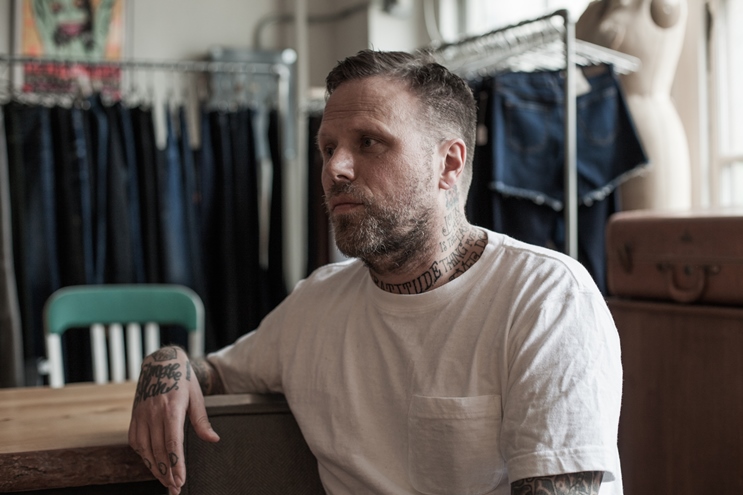
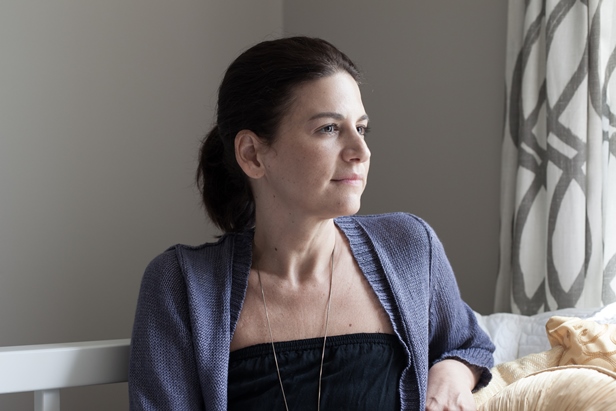
The picture above is of Tim Ellis, a source for our recent feature article on drug pricing, called America’s Drug Problem. He’s a multiple sclerosis (MS) sufferer. Below is one of Jill, a second source; she has lupus. Together, these two show how the rising costs of drugs can affect American patients, particularly those with a chronic illness.

Tim’s MS diagnosis changed the way he viewed the world. He told me that it isn’t just the “good things that define you or your life,” but rather the obstacles that sometimes “define you in bigger ways.” He credits his MS diagnosis for providing perspective and, in an odd way, making him a better person, but that does not mean an MS diagnosis is any less frightening.

“I never stop thinking of what the future is,” he said. “Because I know I could end up in a wheelchair, and all of a sudden I regress. It happens. I’m not saying it’s going to happen – I don’t think it will. But I think about that stuff way more than I ever did before.”

With insurance his expensive MS drug, Tecfidera (dimethyl fumarate), costs him a $35 monthly co-pay. The system has worked for Tim. Yet without insurance his preferred drug (Tecfidera has been more effective than Copaxone on his disease) would blow open his finances, and so he’s forever nervous some insurer will take it away.

Jill_blog

Source: Travis Huggett

Jill’s story is more painful in comparison. In America, we’re told that if you have insurance, you’ll be fine. Insurance is your safety net against financial hardship when faced with a serious illness. Yet Jill had insurance. She also had a full-time job and strong family support, and still she went through one bankruptcy and again finds herself on unstable ground. The healthcare system has failed this person, and there are plenty more like her.

Before the feature published, I emailed Jill to check the accuracy of her narrative one more time. I sent her my constructed timeline of her severe lupus episodes, her bankruptcy filing, disability application and appeals, her Medicaid plans for dealing with end of COBRA coverage, and her recent filing for federal assistance through food stamps. I asked her if I’d relayed it all correctly.

Yes, she emailed back, that’s correct. And then, almost as an afterthought, she typed, “It’s a circle of hell.”

Their stories are told in more detail in America’s Drug Problem, and the article lays out all the moving parts plaguing the manufacturer-to-consumer drug pathway. It can be found here.

Brady Huggett

Posted in Ethical / Social, Featured

Snubbing Ethics

Posted on 07 Jun 2016 by Bioentrepreneur
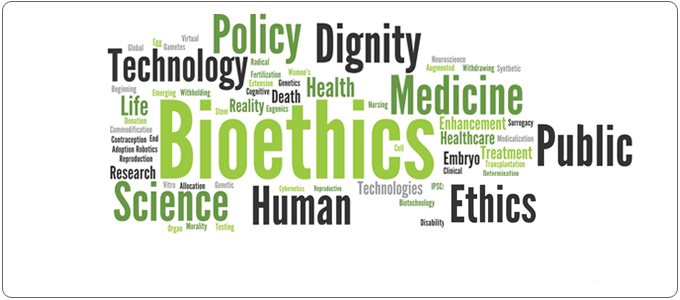
word_cloud

Source: The Center for Bioethics and Human Dignity

In a week when two state legislatures passed bills requiring drug companies to justify drug prices, a panel at the BIO convention Monday on the ethics of drug discovery drew perhaps 50 people – a stark contrast to the standing-room only sessions in which biotech company execs presented boilerplate PowerPoint presentations.

The rest of the attendees missed a timely discussion of the complex issues facing biotech, including how to price drugs so the interests of both companies and the patient population are best served, and what a biotech company can do – or should so – about the increasing calls for transparency.

BioCentury’s Washington Editor Steve Usdin has been hosting interactive panels for several years at BIO, structuring them as a mock board-of-directors meeting. These fictional board members debate a series of questions Usdin poses, and the audience weighs in by casting votes via smart phone app.

This year’s panelists brought together a variety of perspectives. J. Leighton Read, a partner at Alloy Ventures, served as CEO. Hank Greely, from Stanford’s Law School; Pamela Gavin, of the National Organization of Rare Disorders; and the FDA’s Richard Moscicki took on the roles of board members of a company called iCures. This pretend company has not one, but two potential leads for serious illnesses with unmet needs – Alzheimer’s and type 2 diabetes. The board debated how to allocate limited resources, how to price the therapy, and whether to in-license a drug and quadruple its price (simply because they could).

The board agreed on a few things, such as securing partnerships to finance their drugs. They debated the wisdom of keeping the price of a drug lower than it might receive in the open market, as a way of insuring greater uptake, which ultimately would bring greater rewards to the company (and would be a good PR play), although they mused over whether there were any good models for determining the kinetics of uptake for maximizing profits.

Yet the issue of transparency scored the highest cohesion – to a person, the board was against supporting legislation that requires it, though not entirely for the same reasons. The arguments included the unfairness of singling out one industry for scrutiny, although one board member pointed out that iPhones and drugs are quite different animals, as not everyone wants or needs an iPhone, but everyone at some time in their life will need healthcare. And there was the argument that the data might not make much sense to the public anyway, given the complexity of developing a drug and bringing it to market. And finally, quite apart from ethical considerations, there was the idea that it is just plain bad policy for the government to get involved with pricing drugs (although we might be the only industrialized nation that doesn’t allow it in some form or another.)

So it’s a pity that more people didn’t attend this panel. In general, it seems the emphasis on ethics has taken a back seat at BIO this year. There was a time when BIO had a robust ethics track, but here in San Francisco the offerings are paltry. Is this because there simply weren’t many submitted, or because BIO’s selection committee did not see fit to choose them? Either way, ethical issues are at the forefront for a public that already views drug makers unfavorably. The BIO convention needs more panels like this, and fewer sessions in which industry folks pat each other on the back for a job well done.

Laura DeFrancesco

Posted in Ethical / Social, Events

Post navigation

← Older posts
  • #NJCE14
  • #NJCEBoston
  • #NJCELondon
  • #NJCESanFrancisco
  • #ScientistOnTheMove
  • – Blessed Okole
  • – Brady Huggett
  • – Bruce Booth
  • – Chris Dippel
  • – Chris Hillier
  • – David Wilson
  • – Ed Rybicki
  • – Fahd Al-Mulla
  • – Fernando Kreutz
  • – James Taylor
  • – Janette Dixon
  • – John McCulloch
  • – Julio Vito Wykrota
  • – Karen Liu
  • – Luiz Antonio Barreto deCastro
  • – Martin Partl
  • – Matthew Chervenak
  • – Michael Francisco
  • – Pramod Yadava
  • – Prashanth Bagali
  • – Samuel JK Abraham
  • – Viren Konde
  • 2012
  • About this blog
  • Academia
  • Academics
  • Access
  • Acoustics
  • Adaptation
  • Admin
  • Advertorial
  • Agriculture
  • AIDS
  • Alicia Newton
  • American Association for Cancer Research
  • American Association for the Advancement of Science
  • American Association of Physical Anthropology
  • American Astronomical Society
  • American Geophysical Union
  • American Physical Society
  • American Society for Cell Biology
  • American Society for Reproductive Medicine
  • American Society of Human Genetics
  • American Society of Microbiology
  • Andrew Mitchinson
  • Animal Behavior Society
  • Animal experiments
  • Anna Barnett
  • Anne Pichon
  • Antarctic field research 2010
  • Anthropolgy
  • Anthropology
  • Apiculture
  • Arboriculture
  • Archaeology
  • Archaeology and anthropology
  • Art of Science
  • Artificial intelligence
  • Arts
  • Ask the expert
  • Astronomy & astrophysics
  • Astrophysics
  • Author benefits
  • Author services
  • Author Services Feedback
  • Author's Corner
  • Authorship
  • Award
  • Awards
  • Awards and prizes
  • Away from home
  • Barcelona climate change conference
  • Behind the paper
  • Bio-imaging
  • Bioinformatics
  • Biological_approaches
  • Biology & Biotechnology
  • Biology and biotechnology
  • Biophysics
  • Biosecurity
  • Biotechnology
  • Blog
  • Blog Information
  • Blogging
  • Blogroll
  • Blogroll
  • books
  • Books & Arts
  • Boston Astronomy
  • Boston biotech
  • Boston Research
  • Boston science
  • Breaking News
  • Browser tabs
  • Burgess Shale Centenary
  • Business
  • Business development
  • Calls for Submissions
  • Canadian icebreaker
  • Cancer biology
  • Carbon markets
  • Career paths
  • Careers
  • Careers articles
  • Cartography
  • Categories
  • Celebrating the Day of Light
  • Cell and molecular biology
  • Cell Biology
  • Chemistry
  • Chemistry
  • Chemistry in retrospect
  • Citation analysis
  • Climate Change
  • Climate Policy
  • Climate prediction
  • Collaboration
  • Communication
  • Communities Happenings
  • Community
  • Competing interests
  • Competition
  • Computational
  • Computational approaches
  • Computational_approaches
  • Computer science
  • Conference Highlights
  • Conference reports
  • Conferences
  • Conservation science
  • COP18
  • COVID19
  • Cryosphere
  • CV
  • Daily Dose
  • Data availability
  • Data integration
  • Data Matters
  • Data policy
  • Data Reuse
  • Design
  • Development
  • Diabetes and metabolism
  • Digital Science
  • Disciplines
  • Diversity
  • Drug discovery
  • Drugs, drugs and more drugs
  • Durban climate summit
  • Earth and environment
  • Earth System Science Partnership
  • Earth, environment & ecology
  • Ebola
  • Ecological Society of America
  • Ecology
  • Ecology and Evolution
  • Editor Posts
  • Editorials
  • Education
  • Elisa De Ranieri
  • Energy
  • Entomology
  • Entrepreneurship
  • Environment
  • Environmental sciences
  • Ethical / Social
  • Ethics
  • Europe
  • European Society of Human Reproduction & Embryology
  • Euroscience Open Forum
  • Events
  • Everest expedition
  • Evolution
  • Evolution and paleontology
  • Expeditions
  • Faculty
  • Featured
  • Feedback
  • Film
  • Films
  • Finance
  • Financial Crisis
  • First Rounders
  • Five Day Filter
  • food science
  • Format
  • Forum
  • Fukushima
  • Funding
  • funding
  • Gavin Armstrong
  • Gene expression
  • Gene function
  • Gene regulation
  • General
  • General interest
  • Genetic association
  • Genetics
  • Genetics & Genomics
  • Genome-wide
  • Geological Society of America
  • Geoscience
  • Giulia Pacchioni
  • Global issues
  • Global Seed Vault opening
  • Grants, tenure and positions
  • Graphene Week
  • Guest blog posts
  • Guest features
  • Guest Post
  • Health
  • Health and medicine
  • Hints and Wrinkles
  • History of genetics
  • History of science
  • HIV/AIDS
  • How to answer
  • I-han Chou
  • Immunology
  • Import
  • In the Field
  • In the News
  • In your element
  • Industry
  • Infectious diseases
  • Institutions
  • Interactions
  • Interdisciplinarity
  • International AIDS conference
  • International Astronomical Union
  • International Relations
  • International Society for Stem Cell Research
  • Internship
  • IP/ Tech Transfer
  • Journal happenings
  • Journal journeys
  • Journal policy
  • Lab life
  • Lab story
  • Lepton Photon
  • Libraries
  • Liesbeth Venema
  • Lindau lessons
  • Lindau Nobel Laureate Meetings (lnlm)
  • Linkage
  • Local news
  • Luigi Martiradonna
  • Lunar and Planetary Science
  • Malaria
  • Marine science
  • Mass spectrometry
  • Materials Girl
  • Materials science
  • Medical research
  • Medical science
  • Meet the editor
  • Meeting report
  • Meetings
  • Mentoring
  • Mentoring and training
  • Metadata
  • Metagenomics
  • Method of the year
  • Microbiology
  • Microscopy & Imaging
  • Military science
  • Misconduct
  • MIT
  • Mitigation
  • Mobility
  • Model Organisms
  • Modeling
  • Molecular gastronomy
  • Monthly Map
  • Move
  • MSB updates
  • Multi-scale
  • Multimedia
  • My science failures
  • Nano-engineering
  • Nanotechnology
  • NASA Phoenix Landing
  • Nascent
  • Natural disasters
  • Natural history
  • Nature Covers
  • Nature Genetics Anniversary
  • Nature Genetics covers
  • Nature Genetics standards
  • Nature Graphics
  • Nature India Annual Volume
  • Nature India Essay Competition
  • Nature India photo contest
  • Nature India Photo Story
  • Nature India Special Issue
  • Nature Methods papers
  • Nature Nanotechnology
  • Nature Network round-up
  • Nature Research
  • nature.com blogs
  • nature.com blogs info
  • NChem research highlights
  • Neil Withers
  • Networks
  • Neuroscience
  • Neuroscience/mental health
  • New in Nature
  • New tools and techniques
  • news
  • News and Events
  • News and Updates
  • NJCE15
  • NJCEDusseldorf
  • Noah Gray
  • NPG special content
  • Obituary
  • Odds and ends
  • Oil spill science
  • Olive Heffernan
  • Oliver Morton
  • On Nature News
  • On the road
  • Open access
  • Open acess
  • Open peer review
  • Ornithology
  • Other authors
  • Other columns
  • Other Contributors
  • Palaeoclimate
  • Palaeontology
  • Paleontology
  • Particle Physics
  • Partnering / Licensing
  • Partners
  • Peer review debate
  • Peer Review Feedback
  • Peer review trial
  • people
  • People Management
  • Perspectives
  • Philosophy or Psychology or Ethics
  • Physics
  • Physics & Mathematics
  • Physics at the interface
  • Physiology
  • Picks of the week
  • Planetary science
  • Planetary sciences
  • Plant biology
  • Plant sciences
  • Podcasts
  • Policies
  • Policies Feedback
  • Policy
  • Policy and Public
  • Politics
  • Pollution
  • Postdoc
  • Postgraduate
  • Poznan climate-change conference
  • Pre-publicity
  • Press Release
  • Print
  • Proteomics
  • Protocols methods recipes cookery
  • Public and media
  • Publications
  • Publishing
  • Publishing tips
  • Quality and value
  • Quality measures
  • Quantitative
  • Quotes of the day
  • Random Thoughts
  • Rare diseases
  • Reactions
  • Regional Initiatives
  • Regulatory
  • Relationships
  • Report
  • Reports
  • Repository Highlights
  • Research
  • Research findings
  • Research Highlights
  • Resources
  • RNAi
  • Road to Copenhagen
  • Roberta Kwok
  • Robotics
  • Roundup
  • Royal Institution
  • Schedules
  • Scholarly impact
  • SciArt scribbles
  • Science
  • Science administration
  • Science around the world
  • Science calendars
  • Science Communication
  • Science communication and outreach
  • Science education
  • science events
  • Science festivals
  • Science film
  • Science Journalism
  • Science maps
  • science news
  • Science Online Bay Area (SoBA)
  • Science Online London (SoLo)
  • Science Online NYC
  • Science Online NYC (SoNYC)
  • Science Online Seattle (SoSEA)
  • Science Online Vancouver (SoVan)
  • Science organisations
  • Sciences
  • Scientific American
  • Scientific publishing
  • Scientific Reports
  • Scientists on the move
  • Sequencing
  • SfN Meeting
  • Silvia Milana
  • Single molecule
  • Site Updates
  • Soapbox Science Info
  • Social media
  • Social sciences
  • Social software
  • Society
  • Society for American Archaeology
  • Society for Developmental Biology
  • Society for Neuroscience
  • Society for the Study of Reproduction
  • SoNYC
  • Space
  • Space and astronomy
  • Spotlights
  • Springer Nature
  • SpringerMaterials
  • Starting the LHC
  • STEM
  • stem cells
  • Stem cells/cloning
  • Stephen Davey
  • Structural Biology
  • Structural Genomics
  • Stuart Cantrill
  • Support
  • Swine flu
  • Synthetic
  • Synthetic Biology
  • Systems
  • Systems Medicine
  • Technical solutions
  • Technology
  • Technology
  • Technology
  • Tenure
  • The News Net
  • There and Back Again
  • This and That
  • Tools and Techniques
  • Transcriptomics
  • Tuberculosis
  • UK
  • Uncategorized
  • Undergraduate
  • Unemployment
  • Union
  • US
  • Video
  • video and podcasts
  • Virology
  • Visualization
  • WCC-3
  • Webcast
  • Webcasts
  • Weekly round-up
  • Weekly Update
  • What's New in Nature Neuroscience
  • Wildlife
  • Wisdom
  • Women's world
  • World Conference of Science Journalists
  • World Science Festival
  • World watch
  • Writing

Blogs

  • Home
  • Nature Blogs
    • On your wavelength
    • Spoonful of Medicine
    • Free association
    • Action Potential
    • Methagora
    • Indigenus
    • House of Wisdom
    • TradeSecrets
    • Stepwise
    • Soapbox Science
    • Nature Jobs
    • Plant Life
    • The ScepticalChymist
    • Scientific Data
    • A view From the Bridge
    • Nature Future Conditional
  • Terms & conditions
  • Privacy policy
Springer Nature

© 2026 Springer Nature