Announcement: The Naturejobs blog is moving house

We’re no longer publishing career stories from our global community of scientists on this platform.  Instead they’ll be posted in a shiny new home at nature.com/careers alongside the latest print news and features from Nature’s careers section. We believe this will better serve our authors and audience.

If you have a careers story to tell, you can get in touch with the editors here.

The blog will continue to be home to more than 1000 posts dating back to 2011, including advice on how to polish your CV, how to answer tricky interview questions, the best way to mentor colleagues, and how to thrive in careers both inside and outside academia.

We plan to migrate some of this important content over to nature.com/careers in due course, along with our monthly podcast about careers in science. Subscribe to our weekly newsletter — or follow our RSS, Twitter, Facebook or Instagram — for regular updates and to get the latest careers advice and information.

If you have any questions or comments please feel free to email the editors here.

The Naturejobs team.


Suggested posts

How to answer: Why do you want to work for us?

Done is better than perfect: overcoming PhD perfectionism

Why scientists should communicate hope whilst avoiding hype

Make your cover letter and CV stand out

How to answer: What is your greatest weakness?


Follow us

Twitter / Facebook / Instagram / LinkedIn / Newsletter / RSS / Atom / Feedburner


How do you draw the line between volunteer work and unpaid labour?

A US university’s plan to recruit volunteer PhD-holders who are alumni to lecture classes, write grant proposals and serve on graduate thesis committees has raised concerns of possible exploitation of early-career researchers.

Ideas-naturejobs-blog

{credit}Topp_Yimgrimm/ThinkStock{/credit}


But questions remain about the plan’s actual intent and its potential impact on US universities’ current and future policies around existing faculty members.

In April, Michael Molino, an English professor and an associate dean at Southern Illinois University (SIU) in Carbondale, sent an email to department chairs that outlined a plan to seek “qualified alumni to join the SIU Graduate Faculty in a zero-time (adjunct) status.” The appointments would last for three years. The letter encourages department chairs to nominate “some of your finest former students who are passionate about supporting SIU.” Continue reading

Fewer women lead top universities

Female leadership at the world’s top 200 universities in an international ranking fell this year to 17%, according to a report – a reminder that gender equity in science remains a distant goal.

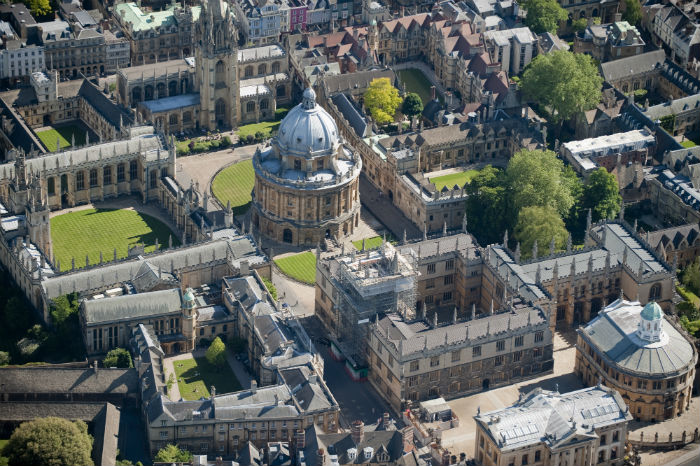
The University of Oxford has had a female vice chancellor, Louise Richardson, who took up the post in January 2016.

The University of Oxford has a female vice chancellor, Louise Richardson, who took up the post in January 2016. {credit}Getty{/credit}

Just 34 of leading universities named in this year’s annual Times Higher Education (THE) World University Rankings have female presidents, down 1% from the 36 that were led by women in 2017. Continue reading

March for Science 2018 gears up

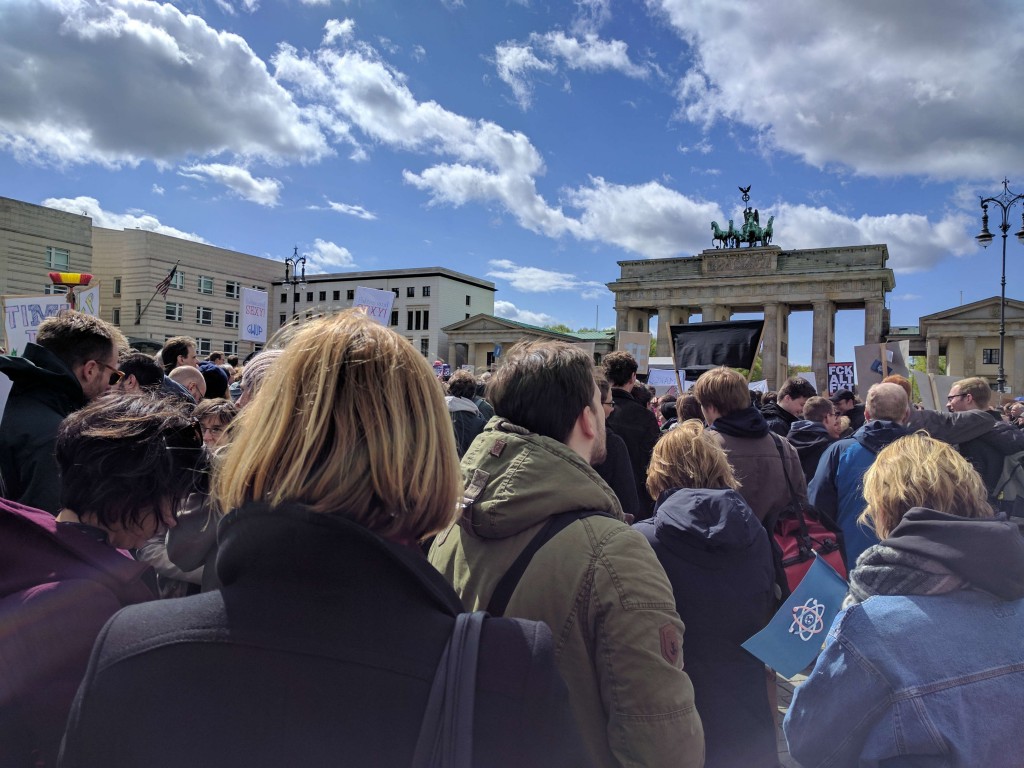
Organisers of the second annual March for Science , scheduled for 14 April in Washington DC, are hoping to recapture the energy and enthusiasm that prompted more than 1 million researchers and others to march together last year across 600 cities around the world in support of evidence-based policy and upholding science for the greater good.
MarchforScience-Judith-2-smaller

Caroline Weinberg, an organizer for the upcoming march in Washington DC, expects smaller crowds than last year, although she admits her prediction may again be off the mark. “Last we expected 40,000 people, and we got around 100,000,” she says. She adds that most of the marchers in the nation’s capital city were concerned citizens, not practicing researchers.

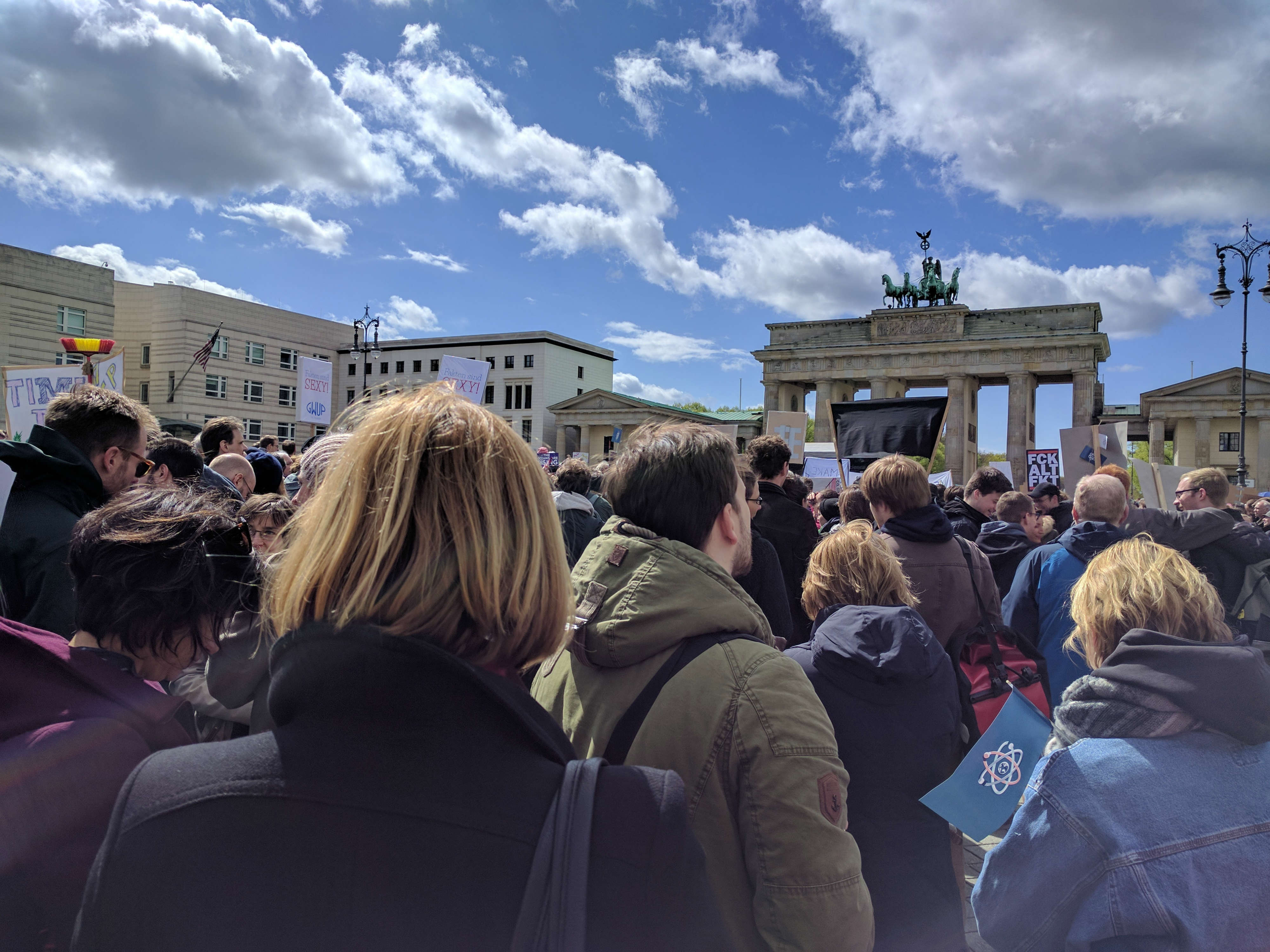
In Washington DC and elsewhere, organisers envision events with fewer marchers, placards and chants but more advocacy-related activities. Weinberg and others aim to offer hands-on projects for those taking to the streets in Washington DC. In Berlin, Germany, organisers are planning a “local hero” programme where scientists will give public talks at bars, cafes and other venues. March-related activities in Portland, Oregon, will include speeches by local politicians and a science expo with at least 30 presenters, including a juggler who demonstrates the principles of physics.

The election and inauguration of Donald Trump for US president helped to spur marchers last year, and Weinberg says that she suspects that some scientists this year may be motivated to speak out against Trump’s recent budget proposal, which called for drastic cuts to the US Centers for Disease Control and Prevention spending plan . But she adds that the march and other forms of science activism shouldn’t depend on crises to draw interest and participation. “Our challenge is to build up a huge crowd and send a message that galvanizes everyone but to also make it sustainable,” she says. “We can’t allow our advocacy to be tethered to those moments.”

Roughly 15,000 people attended last year’s march in Portland, but that kind of enthusiasm will be hard to replicate, says Denesa Oberbeck, a behavioral neuroscientist at the Oregon Health & Science University in Portland and a member of the steering committee for this year’s march. “There’s some fatigue and some burnout, but we need to keep fighting,” she says. “We have to maintain an activist stance.”

Kristine Wadosky, a cancer researcher at Roswell Park Cancer Institute in Buffalo, New York, marched in Washington DC last year carrying a sign that read “Curing cancer is non-partisan.”  This year, she plans to join the march in Chicago, Illinois, where she will give a talk on advanced prostate cancer for the annual meeting of the American Association for Cancer Research. She says that she’s just as energized about science advocacy as ever before, and she thinks that many other young scientists feel the same way.

This time, Wadosky says, she won’t need a sign to send her message, which isn’t especially complicated. “I just want to go to show that I’m a scientists, and I exist,” she says.


Chris Woolston is a freelance writer in Billings, Montana.


Suggested reading:

Growing pains
In support of the March
Reflections on a movement

Harassment and assault: ‘Disheartening’ trends

By Paul Smaglik

The belief that rules of workplace conduct don’t apply away from a university setting helps to perpetuate a culture that gives rise to sexual assault and harassment of female scientists conducting field research, says a co-author of a report published this month in American Anthropologist.

pathway-1081989_1920 Continue reading

Productivity for researchers: 9 brilliant tips

Are you great at procrastinating? Do you wish you could get more done in a week, or just do things ‘better?’ Here are some helpful hints and tips for your research workflow!

By Stacy Konkiel

At Altmetric, we provide actionable insights into the online engagement surrounding published research. In early 2017 we asked researchers to share their favorite productivity tips and tricks for tackling their to-do lists, in the hope picking up some ideas ourselves and sharing their wisdom with the wider community. Here are some of their top recommendations.

cube Continue reading

Career success: Reframe your thinking

Junior researchers must abandon the notion that an academic science career is the only one that counts, says Sharon Milgram, director of the Office of Intramural Training and Education at the US National Institutes of Health (NIH) in Bethesda, Maryland. At the same time, she says, it is also crucial to know how to reach out to others and how to talk with them one-on-one, and how to develop and maintain resilience.

Knowledge-sharing

{credit}Asonlobo/Wikipedia; CC-BY-SA-4.0{/credit}

Continue reading

Academic housekeeping: Women’s work?

Margaret Thatcher

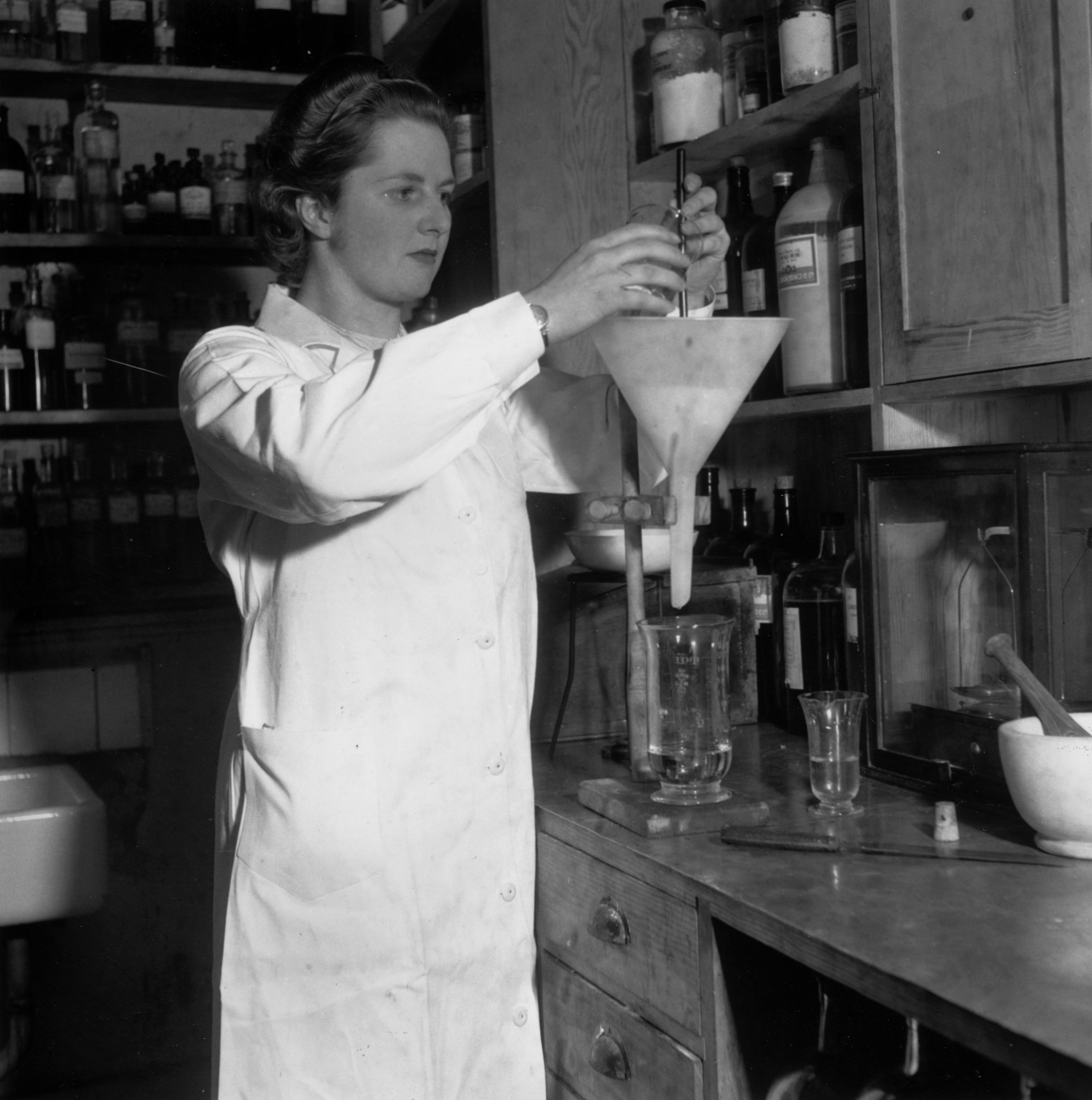
Margeret Thatcher at work as a research chemist in 1950.{credit}Christ Water/Getty{/credit}

Despite recent strides toward gender equity in academia, US female faculty members continue to perform more uncompensated service than do male faculty members, according to a new study in the journal Research in Higher Education.

Continue reading

Stepping up for hope

What did the March for Science do?

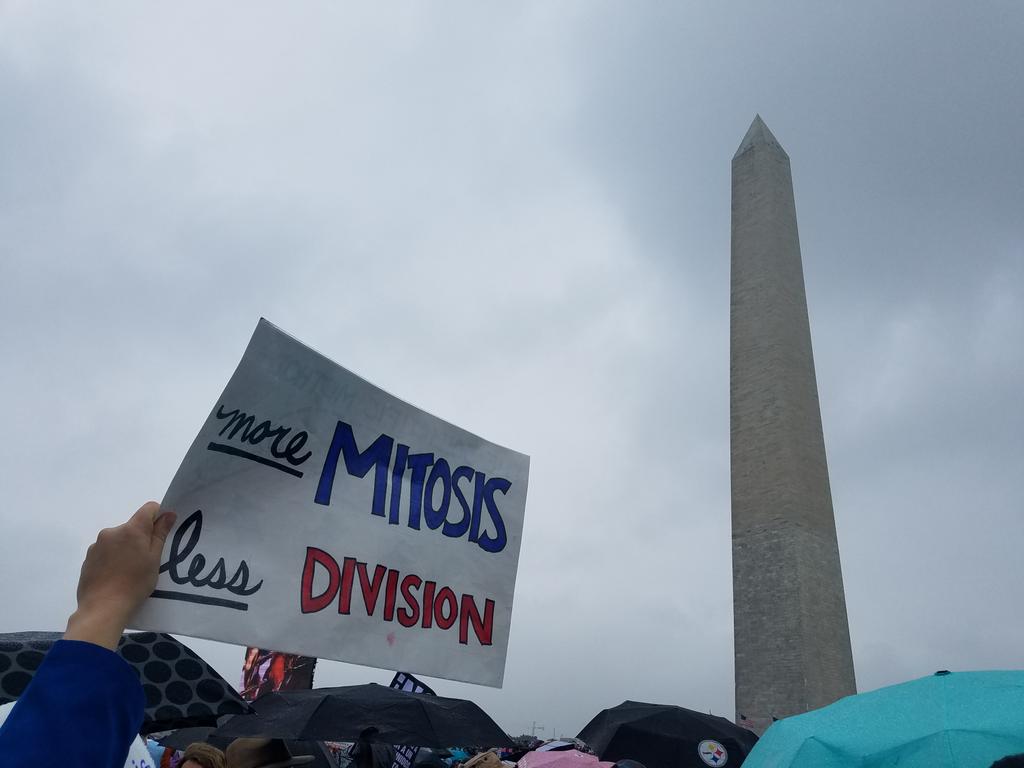
Scientists across the United States are just now returning to their labs after a weekend of marching, waving signs and, in many cases, wringing out rain-soaked lab coats. The steady rain that fell Saturday, 22 April, on the March for Science in Washington DC didn’t dampen participants’ enthusiasm for standing up for “science that upholds the common good and for political leaders and policy makers to enact evidence-based policies in the public interest,” to quote the March for Science website’s mission statement.

march

{credit}Kate Carbone{/credit}


But now that the march is over, scientists have to face some important questions: What message did they deliver, what comes next and what does it all mean for their careers? Continue reading

Promoting open science from a pub: the Panton Principles

Follow the Panton Principles to ensure your data is licensed and accessible for immediate reuse, says Atma Ivancevic.

In a world where scientific discovery is driven by impact factor and funding, the idea of open data may seem idealistic. But the open data movement has been growing since the early 2000s, spurred by the rise of big data and computational capabilities. For the sake of reproducibility in science, we need to encourage data sharing after publication.

panton principles pic

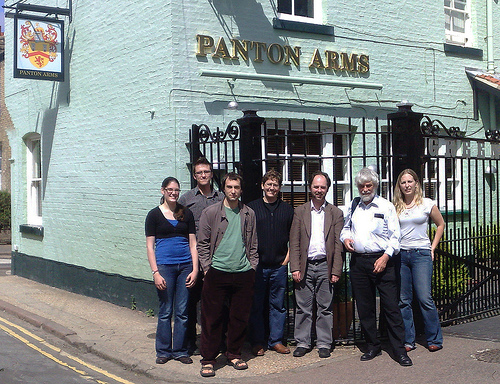
Founders of the Panton Principles at the Panton Arms, Cambridge UK.
Copyright Panton Principles Authors (CC by 3.0).

Continue reading