Productivity for researchers: 9 brilliant tips

Are you great at procrastinating? Do you wish you could get more done in a week, or just do things ‘better?’ Here are some helpful hints and tips for your research workflow!

By Stacy Konkiel

At Altmetric, we provide actionable insights into the online engagement surrounding published research. In early 2017 we asked researchers to share their favorite productivity tips and tricks for tackling their to-do lists, in the hope picking up some ideas ourselves and sharing their wisdom with the wider community. Here are some of their top recommendations.

cube Continue reading

Networking: a very short cheat sheet

We all know the value of networking. Here’s a very quick rundown of best practises, from Amali H. Thrimawithana

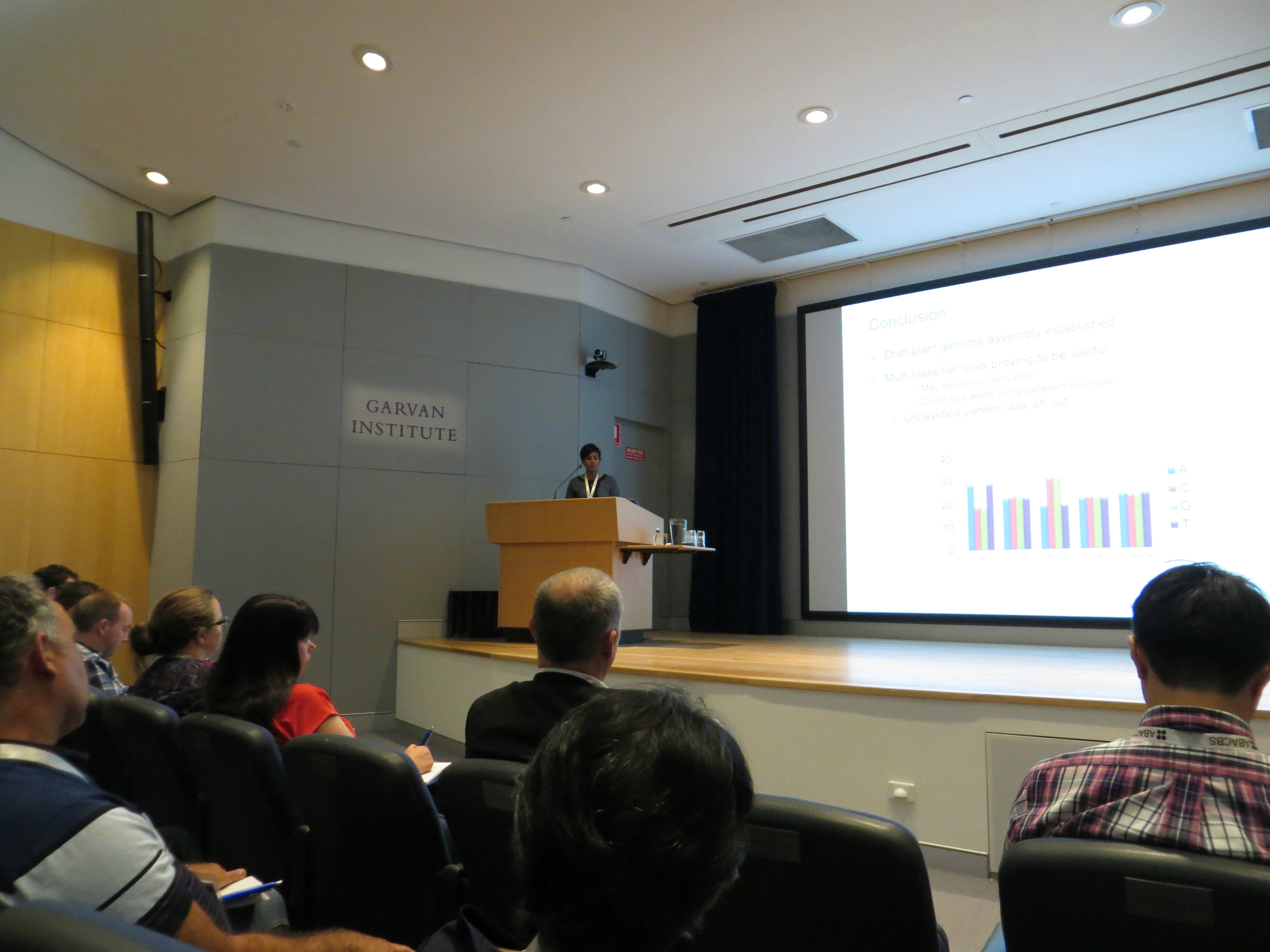
Networking plays a vital role in any scientist’s career development, being one of the main ingredients in building a professional profile. It feels especially essential in my own field of informatics and data science, where techniques and technology are rapidly evolving and cross-discipline collaborations are rampant.

Networking helps us stay up to date with developments, provides a space to learn, enhances communication skills, creates new opportunities, and helps to build a professional profile.

IMG_3286-smaller

Conferences provide you with a literal stage to gain connections

Continue reading

No such animal

Nobel Laureate Dan Shechtman describes the structure of quasi-crystals, the discovery of which won him the scorn of colleagues in the 1980’s and then the Nobel Prize in chemistry in 2011.


Suggested posts

Tick tock cold cold clock

Big box small box light-filled box

Aint no stopping them now

Conversations with the Countess part 2: Lindau: A Nerd Heaven of Nobels and Nobles

Alaina G. Levine is talking to Countess Bettina Bernadotte, from the Lindau conference

If you missed the first part of the interview, catch up here.

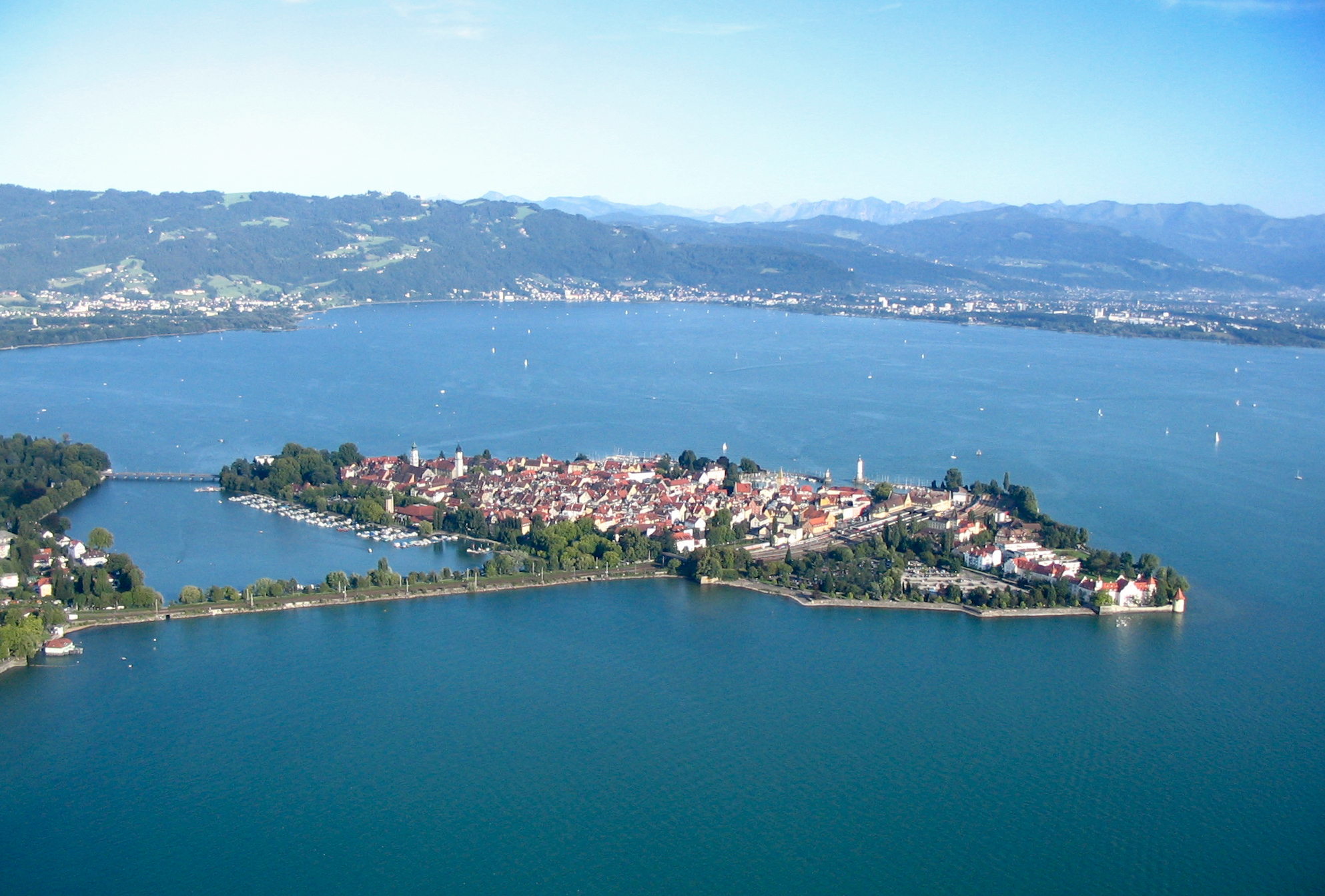
Lindau Island. Credit: CC-BY Edda Praefcke

Continue reading

Lost in Translation — Chasing the Roots of Conditioned Fear Research

I’m currently attending the Winter Conference on Neural Plasticity in lovely St. Kitts & Nevis and I’ll be tweeting when I can from #wcnp12 when the Internet access in the room decides to cooperate.

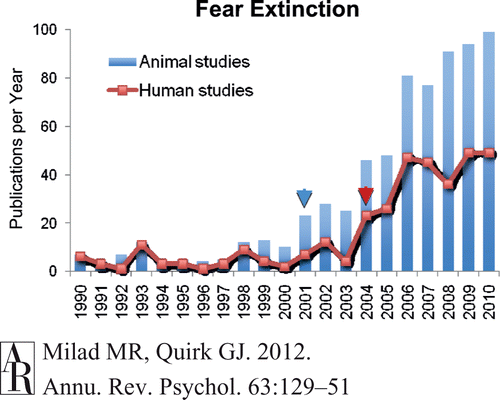
Today’s opening session at the meeting was a historical perspective on selected topics in neural plasticity. I thought I’d share an interesting piece of history about one topic that has exploded in terms of research output over the last 20 years: conditioned fear. Michael Fanselow gave the lecture on the history of fear research and focused on the era prior to the exponential growth of the literature, sticking to 1920-1980. Here’s a graph from a very recent review simply noting the number of “fear extinction” papers in the literature (one small sub-field in this topic,) just to give you a sense of how rapidly this field has grown:

Found on Google Images, not sure why it's in front of the paywall!!

I’ll do may best to channel Dr. Fanselow with the next few paragraphs:

Continue reading

Blogging at meetings

Social media are rapidly becoming a part of scientific meetings. It is no longer unusual to tweet from meetings and summary reports of talks can often be found on blogs.

Many meeting organizers support bloggers and microbloggers. To give only a few examples: the Federation of American Societies for Experimental Biology’s (FASEB) upcoming meeting on Experimental Biology is supportive of scientist bloggers discussing the meeting content online. For the past few years the International conference on intelligent systems for molecular biology (ISMB) has linked FriendFeed discussions about every talk to the meeting’s homepage, assuring that these exchanges are archived and easily accessible.

Organizers at the recent Keystone meeting on Stem Cells, Cancer and Metastasis provided a Twitter hashtag to initiate dialog between meeting participants and discuss questions raised at the meeting. Similarly, at the Workshop on visualizing biological data in March, tweeting was encouraged and eagerly embraced by attendees.

At this year’s Advances in Genome Biology and Technology meeting one speaker underscored his support of social media by wearing a T-shirt displaying “Tweet me” in large print. While we do not suggest such a dress code be made mandatory, we do, in principle, support the spirit behind the openness, as long as reasonable and clearly communicated restrictions by presenters are honored, as discussed in the editorial in our April issue.

Given that social media are still rapidly evolving the scientific community needs to keep up a dialog as to how to best use them. We are keen to hear about our readers’ experiences with meeting blogs and tweets.