

Tag Archives: conferences
Is conference Twitter a good thing?
Sharing data is important, but Twitter can be used for much more than that, says Eileen Parkes.

Communication: talk to peers and the general public
Effective communication will improve the value of scientific discoveries, says Eleni Wood
As scientists, our work is often driven by data collection and results. But a key step in the scientific process, and one that increases the value of our findings, is the effective communication of our investigative processes and results. Science communication is not only important within our fields for the advancement of our disciplines – communication to other audiences also influences the public perception and credibility of scientists and the work we do.
Networking: a very short cheat sheet
We all know the value of networking. Here’s a very quick rundown of best practises, from Amali H. Thrimawithana
Networking plays a vital role in any scientist’s career development, being one of the main ingredients in building a professional profile. It feels especially essential in my own field of informatics and data science, where techniques and technology are rapidly evolving and cross-discipline collaborations are rampant.
Networking helps us stay up to date with developments, provides a space to learn, enhances communication skills, creates new opportunities, and helps to build a professional profile.
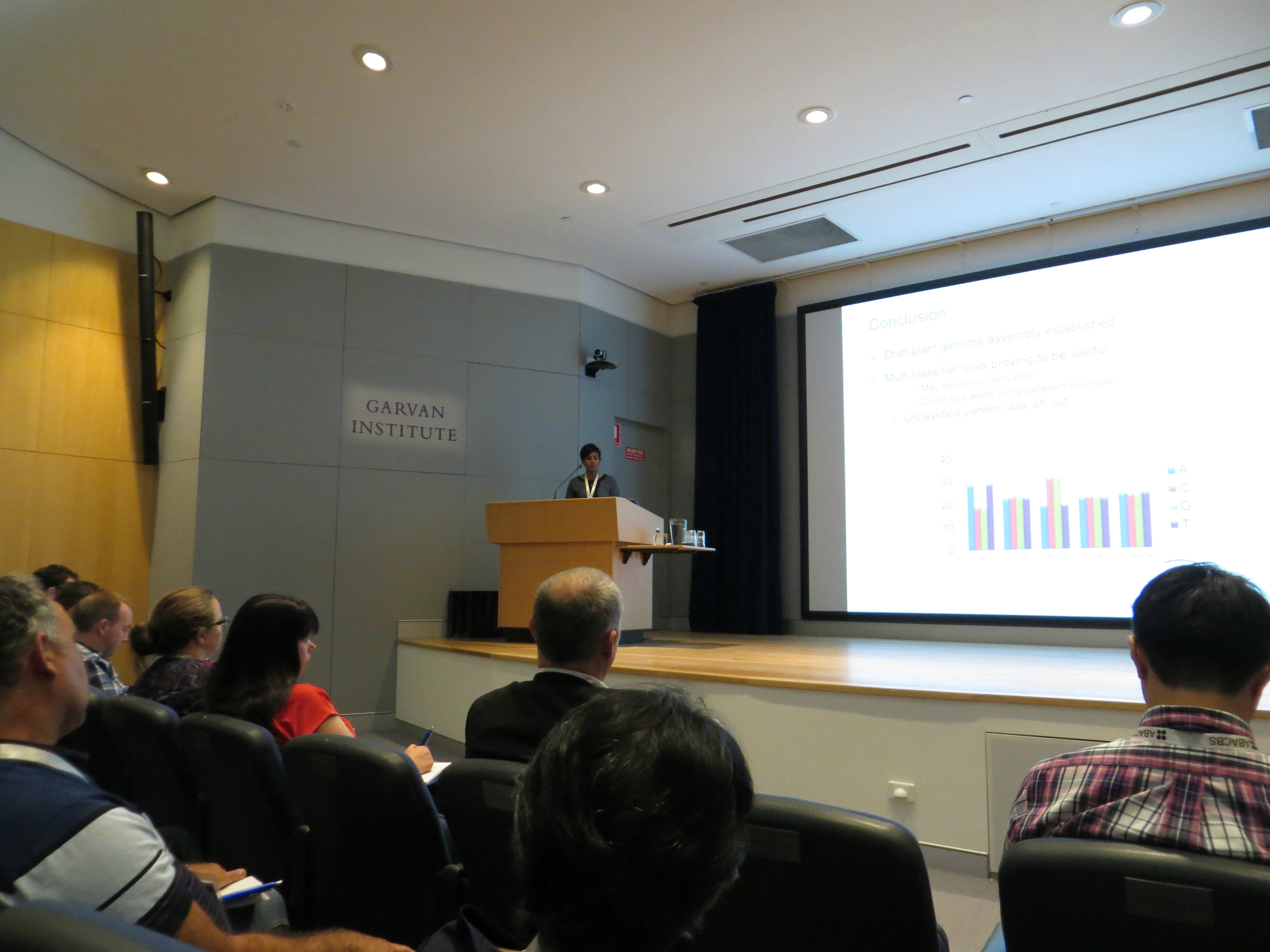
Conferences provide you with a literal stage to gain connections
The precious, precious networking platinum that is Lindau
Alaina G. Levine is live from the Lindau Conference
Lindau is a special conference. Here, under the banner of Educate-Inspire-Connect, and above cobblestone streets, next to a city hall dating back to the 1400s, networking is very much encouraged, supported, facilitated and emphasised. And the networking here is precious, precious platinum.

Skills for your next networking adventure
Networking may seem terrifying, but once you master the basics, it can be a real career boost
Naturejobs journalism competition winner Andy Tay
Networking during academic events such as conferences and seminars can be nerve-wrecking. Most of us can remember when we pretended to be engrossed in a programme booklet, wishing we could finally muster the courage to speak to the speaker with ground-breaking research standing ten feet away. You’re not alone, and there is a solution. Effective networking is a skill and anyone can benefit from more practice.
Do your homework
It’s a good habit to read the abstracts of presenters and download their papers to learn more about them before you join a conference. If you’re interested in their work, look up their profiles on platforms like Google Scholar, PudMed and ResearchGate. These platforms automatically update publications and can be better sources of information than many lab webpages, which are less regularly updated. By being diligent, and finding out more about the presenters and their research, you’ll be more confident and ready to ask critical, intelligent questions.

{credit}iStockphoto/Thinkstock{/credit}
A David Letterman-like countdown to the 10 biggest pitfalls in scientific presentations
Making a good scientific presentation takes time, but awareness of common mistakes is the first step to improving performance.
Guest contributor David Rubenson
The slide presentation has become the most ubiquitous form of scientific communication and it is causing havoc. Scientists spend enormous amounts of time preparing presentations, travelling to conferences to deliver them, and listening to them almost every day. But most scientists simply aren’t very good at them – we should change that.
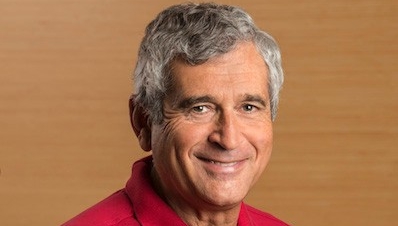
David Rubenson
I previously argued that this problem underlies a significant communication crisis in research. As I’ve learnt as a scientific presentation coach at Stanford, there’s a broad understanding of this problem, but insufficient incentive for the time-intensive training many scientists need. Still, following simple lists of “dos” and “don’ts” is a great way to improve presentation skills.
In that spirit, and to supplement an earlier list of eight positive suggestions, here’s a David Letterman-like countdown of the 10 biggest pitfalls in creating and delivering a scientific presentation:
Networking tips for graduate students
Reply
Top tips to help you break in on the conversations at academic conferences.
Carolyn Beans, contributor
Getting the conversation started is half the battle{credit}iStockphoto/Thinkstock{/credit}
At my first academic conference I didn’t introduce myself to anyone. As a first year graduate student I directed every bit of bravery toward my talk, which left nothing extra for approaching the scientists I admired.
At the next conference I fully intended to introduce myself to every evolutionary biologist in sight. But at every coffee break and social mixer most professors were locked in conversation with each other. To talk with these scientists, I needed to break in on the conversation—a seemingly impossible task.
I found, however, that with a few tricks and a lot of preparation, introductions at conferences become much less intimidating. Here are some lessons I’ve learned over the years, which I wish someone had told me before I headed out to my first big meetings. Continue reading
How researchers network
Researchers rely heavily on networking at conferences and seminars and make little use of personal introductions, online social networking or proactive self-promotion, according to a report published by UK researcher development organisation Vitae.
Vitae surveyed almost 500 researchers at eight UK universities and found that less than a fifth regularly use online social networking to develop existing work contacts or make new ones. Only 14 percent feel comfortable asking someone they know to introduce them to an important person in their field, and 85 percent rarely send copies of their work to these prominent individuals.
Overall, researchers’ networks show several characteristics of a ‘good’ network as recognised by career theory, such as a large number of work-related contacts spread across a wide geographical area. However, the people researchers know through their work also tend to know each other, which can limit the effectiveness of the network.
“The picture was of networking within a fairly limited set of contacts, with few attempts to become more visible to many of the people with power in the respondent’s field,” said the report.
A recent post on the Guardian Careers blog also highlights the importance of having a diverse network that includes weaker ties as well as close contacts, explaining that acquaintances who hail from a different social circle or industry niche are more likely to have “unique network intelligence” about available job opportunities.
“Working out strategies to connect personally with key people would help researchers manage their profile within their research field, but may also prove useful in applications for roles outside higher education,” says Vitae director Ellen Pearce. “Good networking is about being purposeful as well as widening your contacts.”
Related articles
- Courting connections – how to develop contacts as a PhD student or postdoc (24 August 2011)
- Self-reflection, online – why you should manage your online presence (30 March 2011)
Useful resources