How mentoring stopped me giving up

IMG_2721.jpgm smaller

Credit: Helena Lee

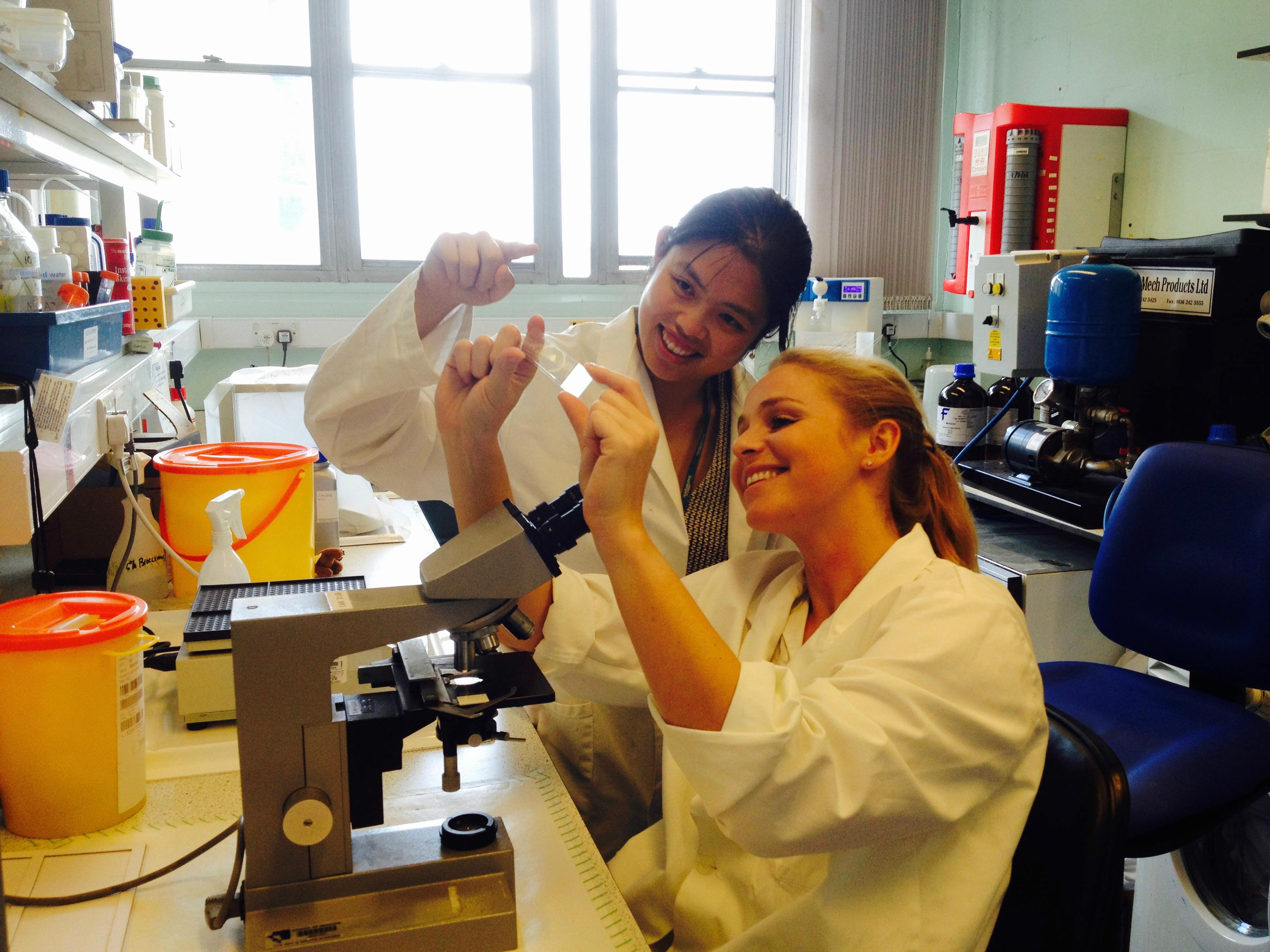
It took excellent mentors and a key realisation for Helena Lee to get back on track towards a career in clinical research.

The idea of solving scientific questions that have never been answered before has always excited me — especially if that knowledge might go on to help someone medically. Despite this, I have come very close to giving up on a career as a clinician scientist. Continue reading

African astronomy and how one student broke into the field

Africa is investing in a future of astronomy research, but students need access to inspirational lecturers, says Gina Maffey.

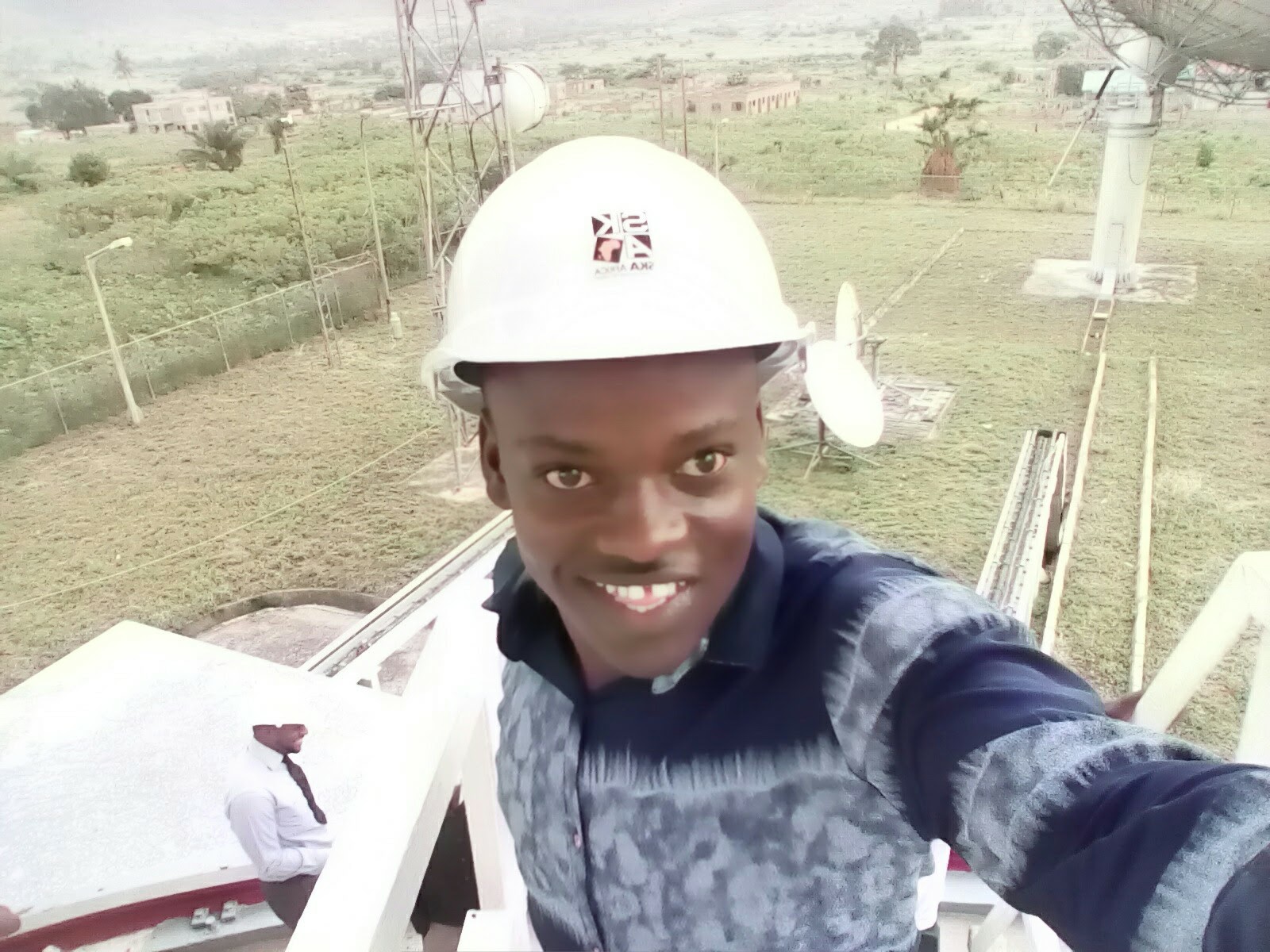
Mutie at the Ghana Radio Astronomy Observatory (GRAO) at Kuntuse, Ghana

Isaac Mumo Mutie

What do you do when the degree you want to study is not offered by your university?

You study it anyway.

“I did a lot of personal research online, looking for answers” says Isaac Mumo Mutie, an astronomy student who studied at the Technical University of Kenya. While studying for a Bachelor of Technology in Technical and Applied Physics, Professor Paul Baki introduced Mutie to astronomy, and Mutie would consult with him in his spare time.

“He would ask me ‘why are you interested? This is not part of the curriculum.’ But I insisted.” Continue reading

A student shaping the future of African astronomy

Africa is investing in a future for astronomy research, but it requires a fresh cohort of enthusiastic people to make it happen. Gina Maffey talks to one dedicated scientist.
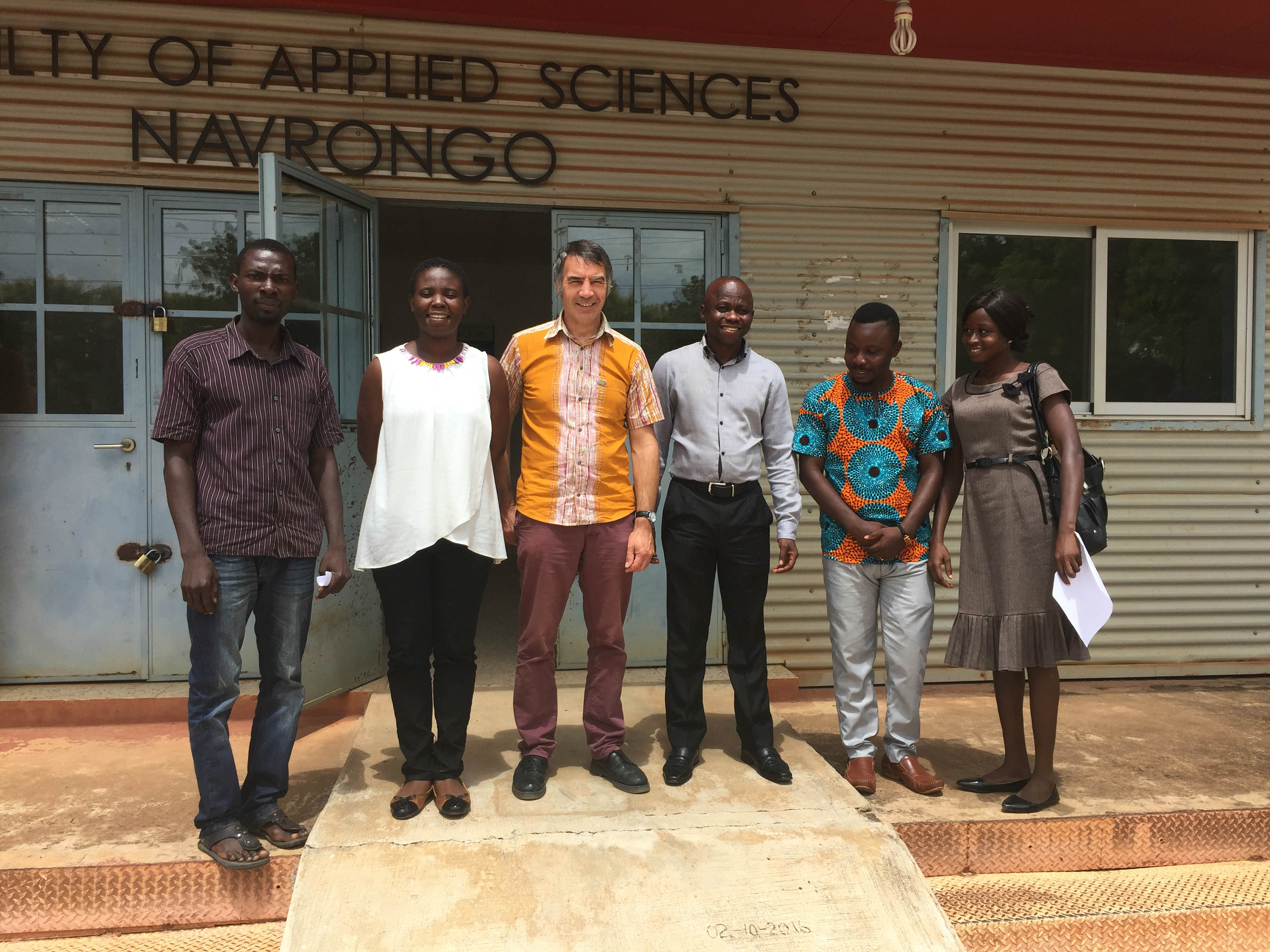
Asabre Frimpong (second from the left) and Prof-smaller

“I want to see Africa lit up.” Naomi Asabre Frimpong says with a laugh, “I want to show how Africa can be forward thinking. I want to make sure that we are not left behind.”

Asabre Frimpong is a 2nd year PhD student at the University of Manchester, in the UK, and her enthusiasm — for both astronomy and science in general — is infectious.

She says she was attracted to science through chemistry, and studied for a BSc and MPhil in Ghana. A post at the Ghana Space Science and Technology Centre introduced her to astronomy and shortly afterwards, on an astronomy and astrophysics training scheme in India, her worlds collided as she discovered astro-chemistry – the study of chemical reactions in space Continue reading

The Naturejobs Career Expo – some secrets to scientific success

Naturejobs journalism competition winner Eileen Parkes

Over one thousand scientists attended the Naturejobs Career Expo last week in London. With professional CV checking, exhibitors from academic institutions and companies from around the world, and career-focused talks from Nobel Prize winner Professor Venki Ramakrishnan, science communication expert David Urry, popular blogger and senior lecturer Dr John Tregoning and many more, this was a resource-packed event for researchers.

Spending the day absorbing so much great careers advice left me feeling punch-drunk by the end.  Some themes cropped up repeatedly — distilled wisdom on scientific success.

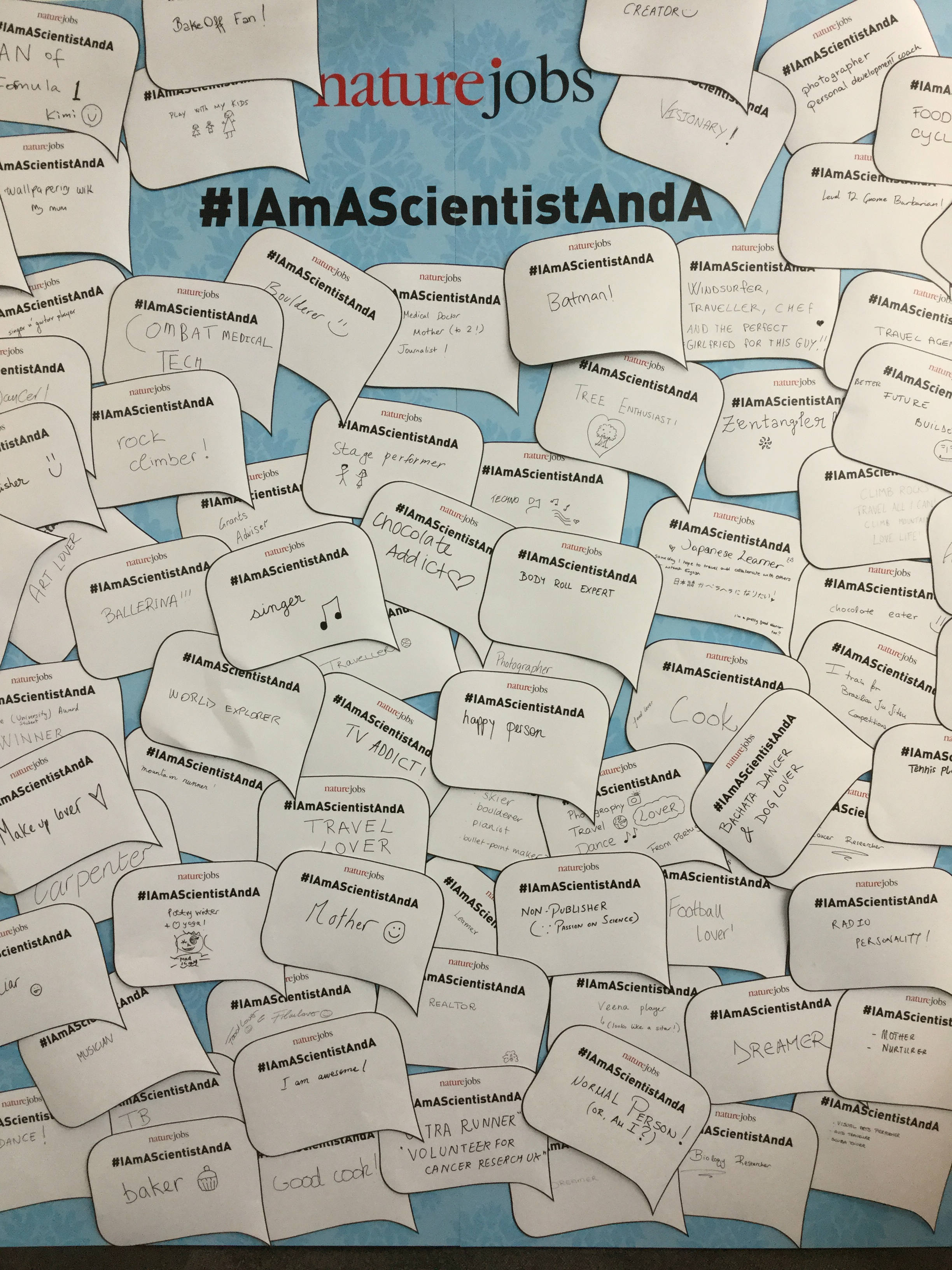
Some of the submissions to the Naturejobs Career Expo photoboth

Some of the submissions to the Naturejobs Career Expo photoboth

Continue reading

Sports science: An athlete-researcher’s experience

NATURE_SPORT_400-smaller

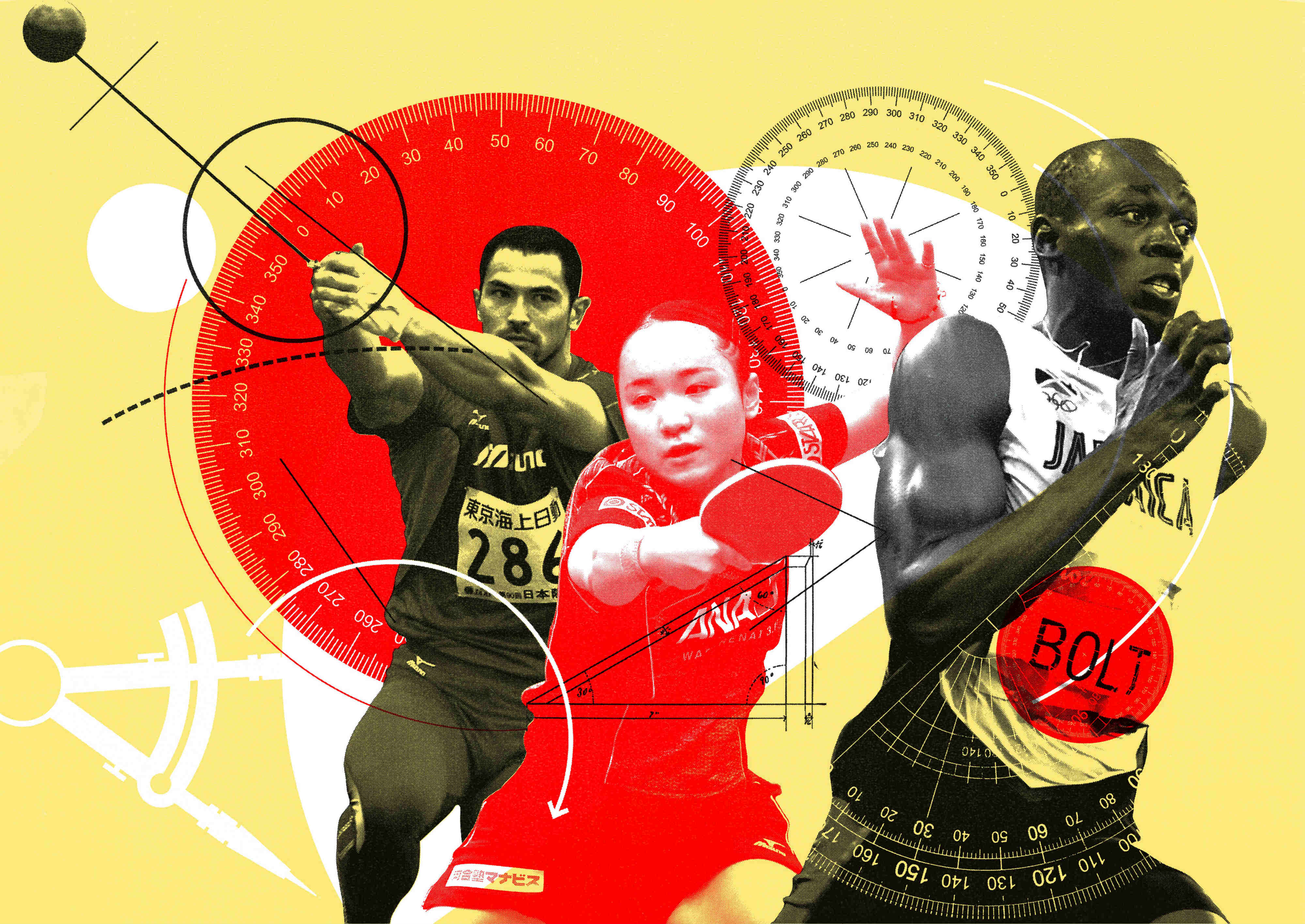
Koji Murofushi’s career has been a mix of tradition and innovation in sports science. He shares his thoughts on a new training approach.

By Tim Hornyak

Sports science is the study of the body as a performance machine. Its specialties span biomechanics and psychology, and demand for its experts is growing. Whether it’s helping everyday people with their physical wellbeing or training elite athletes to react faster endure longer or jump farther, sports scientists and performance consultants are playing an increasingly important role in exercise and competition.

Evidence of growing demand for sports science mavens can be seen everywhere from new university programmes such as the University of Michigan’s Exercise & Sport Science Initiative, launched in 2016, to mass media events. In one example of the latter, before Irish mixed martial artist Conor McGregor went up against boxing champion Floyd Mayweather in a much-hyped showdown in August, he trained at the UFC Performance Institute, a $12 million facility that opened earlier this year in Las Vegas. McGregor used altitude chambers to improve aerobic capacity and ran on an underwater treadmill to build endurance. That may have helped him go more than nine rounds with Mayweather, the overwhelming favorite and eventual winner of the bought. Continue reading

Marketing yourself, politics and post-truth

Successful marketing can land you your dream job, but does this really mean you are the best person for the role?

Achieving your dream job is always going to be a bit of a challenge. You may have a great degree, and maybe relevant experience, but getting your potential employer to believe you are absolutely the right person for the job means marketing yourself correctly. This can be tricky, particularly if you are starting off new in a field with no established reputation behind you.

Continue reading

Getting started on an academic book: five questions to ask

Turning your academic book ‘idea’ into a solid concept can be done, says Jessica Eise

Publishing an academic book is an accomplishment to which many aspire. A book is, essentially, your work, thoughts and research agglomerated in one neat, tidy package of bound paper. It’s rewarding both personally and professionally. Not only are you sharing your ideas and contributions to the broader world, but you can actually hold in your hands the fruit of your labor.writing-1043622_1920-smaller Continue reading

Finding job satisfaction as a humanitarian researcher

Panagiotis Vagenas left Yale University to advise a non-profit on research design and quality.

What did you do before Yale?

I’m from Greece originally. In 1996 — when I was 17 — I moved to London, UK. I studied biochemistry for my degree and did a PhD in immunology. When I graduated I moved to the Population Council labs at the Rockefeller University in New York to start my postdoc.

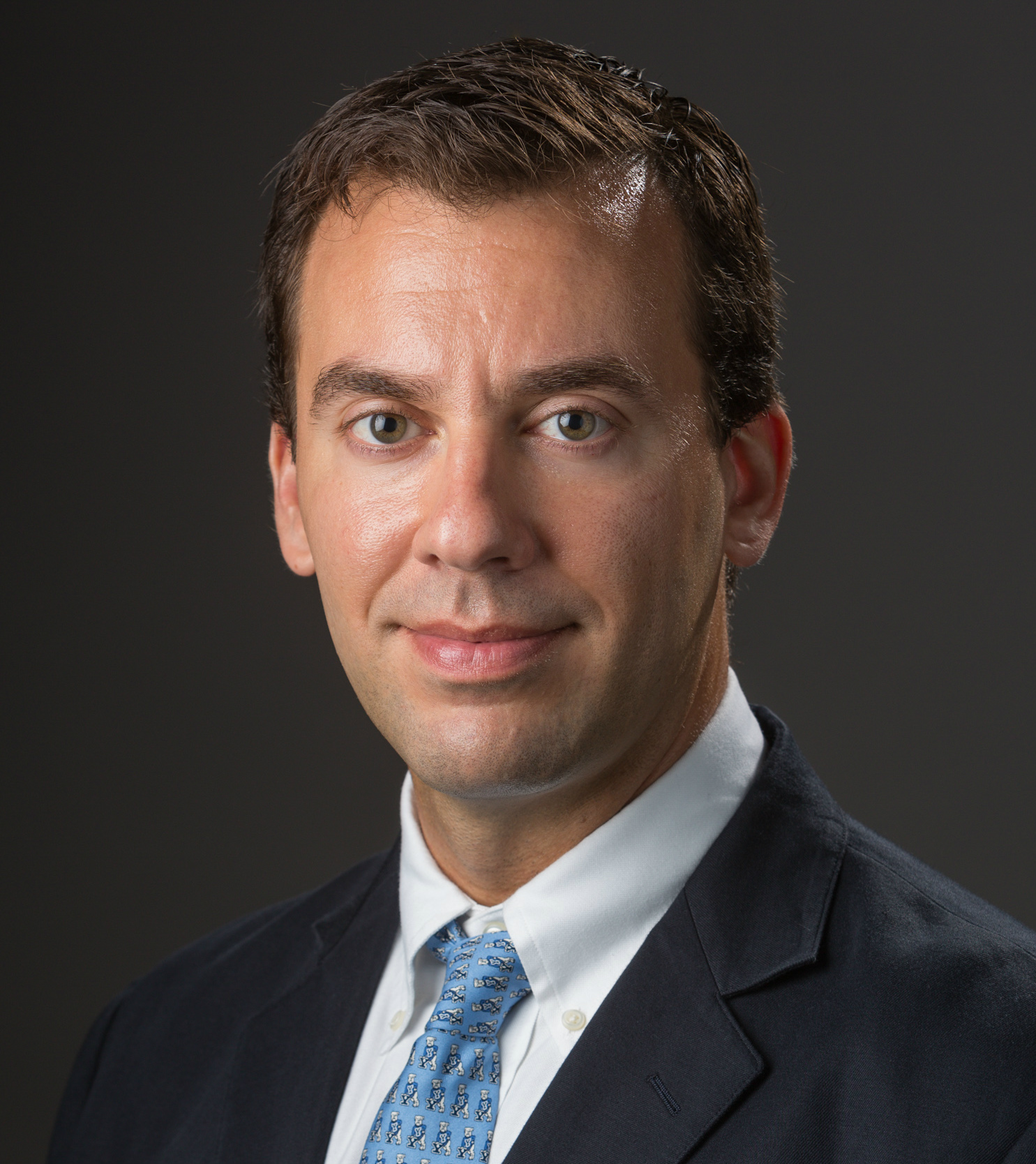
pic-smaller-cropped

Panagiotis Vagenas

What did you study?

I worked on basic research in HIV. What’s always motivated me is trying to help people — to have a meaningful career in that sense. So in summer 2010 I moved to Yale School of Public Health and did a master’s in public health (MPH), and went on to join the faculty at the Yale School of Medicine in 2013. Continue reading