Sports science: An athlete-researcher’s experience

NATURE_SPORT_400-smaller

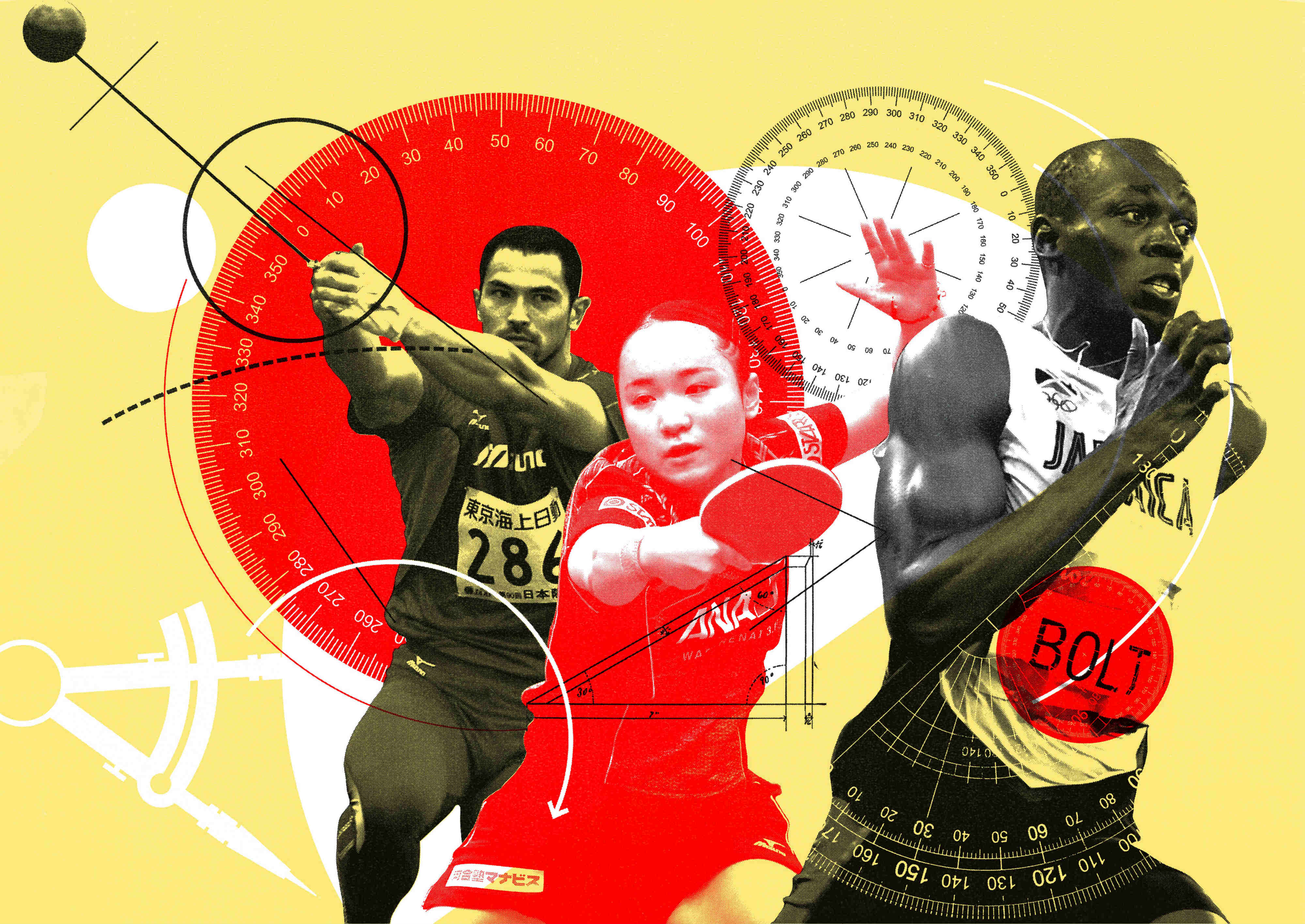
Koji Murofushi’s career has been a mix of tradition and innovation in sports science. He shares his thoughts on a new training approach.

By Tim Hornyak

Sports science is the study of the body as a performance machine. Its specialties span biomechanics and psychology, and demand for its experts is growing. Whether it’s helping everyday people with their physical wellbeing or training elite athletes to react faster endure longer or jump farther, sports scientists and performance consultants are playing an increasingly important role in exercise and competition.

Evidence of growing demand for sports science mavens can be seen everywhere from new university programmes such as the University of Michigan’s Exercise & Sport Science Initiative, launched in 2016, to mass media events. In one example of the latter, before Irish mixed martial artist Conor McGregor went up against boxing champion Floyd Mayweather in a much-hyped showdown in August, he trained at the UFC Performance Institute, a $12 million facility that opened earlier this year in Las Vegas. McGregor used altitude chambers to improve aerobic capacity and ran on an underwater treadmill to build endurance. That may have helped him go more than nine rounds with Mayweather, the overwhelming favorite and eventual winner of the bought. Continue reading

The Olympics: A Gateway to Engineering

Josh Chamot is the Public Affairs Specialist for Engineering at the National Science Foundation.  Since joining the agency in 2001, Chamot has helped develop a number of news, feature and multimedia products for NSF and established several successful outreach partnerships.  Recently, he joined the NSF-NBC Learn team.

Every two years, the Olympic Games focus world attention on a wide array of competitive sports, and those of us who write about science and technology try to find ways to piggy back on the experience.

Most resulting stories focus on new equipment, athletes’ near-impossible physical feats, or simple lessons in biology or physics, and while we reach new audiences and get people thinking about science and engineering, it’s not always clear we’re taking full advantage of the opportunity an Olympics—with its inspiring stories and global audience—presents to us. Continue reading

Let the (medical) games begin: A Q&A with Olympics health director Brian McCloskey

With just three weeks to go before the Olympic flame is officially lit in London, the UK’s Health Protection Agency (HPA) announced this week that it is “Games ready”, with a rapid-response system in place to keep spectators and athletes healthy. Over the course of the 16-day event, the public health body will pinpoint and respond to any emerging health hazards or infectious disease outbreaks that may occur among the 11 million ticketholders and 15,000 athletes expected to descend upon the British capital.

Leading the effort will be the Olympics lead health director Brian McCloskey, who is also the HPA’s regional director for London. A family doctor by training, McCloskey played a major role in the agency’s emergency response to the London tube bombings in 2005 and helped craft the public health preparedness guidelines for the 2004 Olympics in Athens. Ahead of this year’s Summer Games, McCloskey spoke with Nature Medicine about the HPA’s key preparations and overarching public health challenges for the 30th Olympiad.

Which infectious diseases will you be tracking during the Games?

We will monitor all infectious diseases, but the main ones that will likely be an issue for us will be gastrointestinal diseases such as food poisoning and infectious diseases such as measles. There have been measles outbreaks in Europe and in UK in the past couple of years and those haven’t gone away.

Continue reading