New genetic analysis narrows HIV vaccine targets

The road to a protective HIV vaccine has not been easy thus far. The failed STEP trial, halted in 2007, was just one major trip-up among several, and two years later the massive RV144 trial from Thailand spurred controversy about efficacy rates. Part of the problem is that researchers have long struggled over the best target for the HIV vaccine.

A study published online today in Nature from researchers in the US and Thailand should help scientists inch closer to settling that debate. Through genetic analysis, the study suggests that specific amino acid sequences found in the HIV V2 protein loop—there are five total loops on the outside of the viral envelope—could lead to improve vaccine effectiveness.

The current RV144 vaccine contains three synthetic HIV genes. One, called the ENV gene, produces the ‘envelope’ (Env) protein loops. To understand how the vaccine exerted influence on the virus, the researchers sequenced more than 1,000 HIV virus genomes from 110 ‘breakthrough’ viruses isolated from 44 vaccinated participants and regular viruses found in 66 placebo recipients.

Continue reading

New drug protects memory against stress in mouse study

A drug previously tested against muscular dystrophy might offer protection against memory problems induced by stressful conditions, according to a preliminary mouse study. Researchers behind the study say the findings could one day contribute to treatments such as post-traumatic stress disorder (PTSD). However other scientists in the field say the mechanism of action is in need of further evidence, and as such the jury remains out on the clinical utility of the agent.

Although people with PTSD can receive help from psychotherapists and antidepressants, drugs to specifically treat the disorder are lacking, as a feature in Nature Medicine detailed. Moreover, doctors know that people who experience shocking violence or abuse and develop PTSD have trouble remembering and learning new things.

In the new experiment, mice were placed each night in a plastic tube without space to move around, creating chronic stress and providing a proxy for PTSD. Andrew Marks, a physiologist at Columbia University in New York, and his team gave half of the animals a daily dose of the drug S107 beginning two days before the stress regime and continuing for the remaining three weeks of research. In their study appearing today in the journal Cell, they report that those mice that received S107 remembered where to find a hidden platform in a water maze a little more than twice as fast as their control counterparts. The treated mice also explored new objects placed in their cages while their stressed-out, untreated counterparts showed less interest.

Continue reading

Heart failure drug piques interest, but not yet winning hearts

The path to a drug that can reverse heart failure is littered with disappointment. As it stands, a physician can choose to give diuretics, blood pressure drugs or diabetes medication to people who suffer from chronic heart failure but these agents treat only the symptoms, not heart failure itself. Hopes soared in the 1980s when inotropic drugs, which help the heart muscles contract, improved patients’ ability to exercise but were later linked to increased risk of cardiac arrest. Large trials testing two blood pressure medications, candesartan and irbesartan, had less-than-encouraging outcomes. So researchers are interested in seemingly positive results announced yesterday at the European Society of Cardiology Congress meeting and concurrently published in The Lancet.

The study, funded Swiss drugmaker Novartis, found that taking a drug called LCZ696 for three months reduced levels of an established biomarker for heart failure, an inert molecule called N-terminal proBNP peptide (NT-proBNP), by an average of 23% among individuals with diastolic heart failure—a condition in which the heart muscle relaxes too much between beats. In contrast, the comparison group, which received valsartan, a blood pressure medication Novartis makes under the trade name Diovan, saw only a 3% average reduction. The 300-person, phase 2 trial also revealed that the group receiving LCZ696 experienced a decrease in size of the heart’s left atrium—a good thing as it indicates the organ has become more efficient at pumping out blood to the body.

“Our data make a strong argument for testing this hypothesis in a large outcomes trial to determine if it is indeed effective at reducing morbidity and mortality in this disorder with a large unmet need,” says cardiologist Scott Solomon at Brigham and Women’s Hospital in Boston, who led the Novartis-funded trial.

In heart failure, which affects an estimated 2% of the US population, heart muscle cells release a hormone called brain natriuretic peptide (BNP), a natural defense against tissue scarring and that also helps the body get rid of excess sodium, thereby preventing high blood pressure. Unfortunately, an enzyme called neprilysin degrades BNP, thus preventing it from doing its beneficial work.

LCZ696 has two molecular components, one of which that inhibits neprilysin, allowing BNP to provide a boost to the heart. The other element of the drug blocks receptors for the hormone angiotensin II, preventing it from restricting blood vessels and causing high blood pressure.

Although this study produced positive results, it is still only at the very beginning of showing any promise. “This is a good start,” says John Cleland, a cardiologist at the Castle Hill Hospital in nearby Hull, UK, who wrote the accompanying editorial in the journal.  The trouble, he explains, is that to date, no large-scale trial has established the efficacy of LCZ696 in diastolic heart failure. Novartis is already plowing ahead with an 8,000-person phase 3 trial testing LCZ696 against enalapril manufactured by Merck under the trade name Vasotec, an angiotensin-converting enzyme (ACE) inhibitor, but, importantly, that trial will  focus on patients with systolic heart failure, where the heart has trouble contracting.

A future trial on  LCZ696 for diastolic heart failure would also do well to focus on quality of life indicators in its primary study goals, explains Dalane Kitzman, cardiologist at Wake Forest Baptist Medical Center in Winston-Salem, North Carolina. He adds that while the reduction in biomarker protein levels is very encouraging, quality of life measures did not improve in the LCZ696 trial. “One of the main things patients want to know is—will this drug make me feel better?” Kitzman says, referring to quality of life.

Both cardiologists also point to the somewhat worrying trend that valsartan performed almost as well as LCZ696 at the end of the nine-month trial. This could mean that valsartan works just as well as the new drug, but more slowly. Kitzman says LCZ696 should still be tested in a large trial, and adds that researchers should bear in mind the stories of previous heart failure agents when considering study results of new potential ones. “The history of heart failure treatment is checkered with many surprising reversals and unexpected outcomes.”

Image courtesy of Creations via Shutterstock

First US stem cell trial for autistic children launches today

Families with autistic children must navigate a condition where questions outnumber the answers, and therapies remain sparse and largely ineffective. A clinical trial being conducted by the Sutter Neuroscience Institute in Sacramento, California to address this situation began recruiting participants today for a highly experimental stem cell therapy for autism. The institute plans to find 30 autistic children between ages 2 and 7 with cord blood banked at the privately-run Cord Blood Registry, located about 100 miles west of the institute.

Already one other clinical trial, with 37 total participants between ages 3 and 12 years old, has been completed in China. The researchers affiliated with Beike Biotechnology in Shenzhen, the firm that sponsored the study, have not yet published any papers from that the trial, which used stem cells from donated cord blood. Mexican researchers are currently recruiting kids for yet another type of autism stem cell trial that will harvest cells from the participant’s fat tissue.

But for each of these officially registered trials, many more undocumented stem cell therapy treatments take place for clients who are willing to pay enough. “Our research is important because many people are going to foreign countries and spending a lot of money on therapy that may not be valid,” says Michael Chez, a pediatric neurologist and lead investigator of the study at Sutter.

Continue reading

Laboratory dye repurposed against protein clumps found in Huntington’s disease

A compound already sitting on the shelves of biomedical laboratories and emergency room supply closets seems to interrupt the formation of neurodegenerative protein clumps found in Huntington’s disease, according to a preliminary animal study published today in the Journal of Neuroscience.

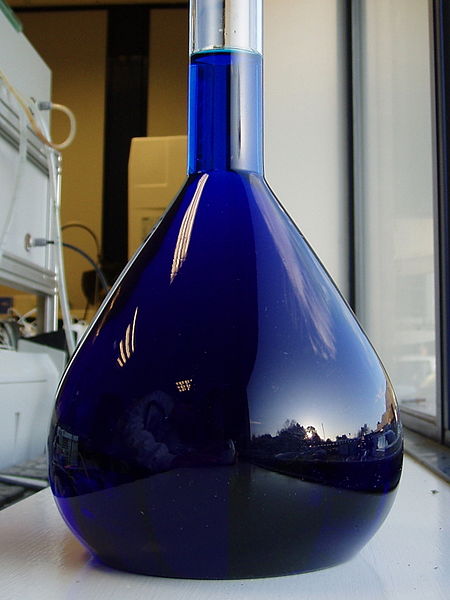
This versatile agent, called methylene blue, gets a mention in medical literature as early as 1897 and was used to treat, at one time or another, ailments ranging from malaria to cyanide poisoning. The US Food and Drug Administration has never formally approved it as a therapy for any illnesses. But that fact hasn’t stopped biomedical researchers from tinkering with the agent’s apparent ability to improve cognitive function. And although the new paper out today relies on a Huntington’s disease model in flies and mice, scientists are hopeful. “Because of existing knowledge of methylene blue and the fact that it’s not harmful to humans, I would hope that progress toward clinical trials could go relatively quickly,” says Leslie Thompson, a neurobiologist at University of California–Irvine and lead author on the new study.

Huntington’s disease occurs when the C-A-G sequence of DNA base pairs repeat too often on the HTT gene, resulting in an abnormally long version of the huntingtin protein, that therefore folds incorrectly and forms clumps in the brain. The illness usually begins to affect people in their 30s and 40s, causing movement problems and early death. No drug is currently available to stop the disease from progressing.

Continue reading

Antibodies found in Peruvians suggest natural resistance to rabies in local vampire bats

While attempting to better understand the exposure of rural Latin American communities to diseases harbored by bats, epidemiologists at the US Centers for Disease Control and Prevention (CDC) have stumbled upon an intriguing finding: eight people living in two tiny Peruvian villages appear to have developed antibodies against the rabies virus found in local vampire bats without any prior vaccination or treatment for the infection. This population study, the first of its kind, may provide clues to better understand how incremental exposure to rabies could lead to better vaccines or monoclonal antibody drugs.

“We think that these people were lightly bitten during the night, but were not exposed to enough of the virus to develop a full infection,” explains co-author Sergio Recuenoco, an epidemiologist at the CDC in Atlanta who published the findings today in the American Journal of Tropical Medicine and Hygiene.

The study suggests that humans are exposed to and develop antibodies against the virus without developing disease. Whether this reflects inadequate exposure or successful immune clearance of virus remains unclear, explains Ashley Banyard, a virologist at the UK Animal Health and Veterinary Laboratories Agency in Surrey, England, adding, “Personally, I believe this paper to be of great significance to the scientific community.”

The CDC initiated its survey on human exposure to bats only four years ago, prompted by new evidence at the time that these flying mammals are reservoirs of serious pathogens such as the Ebola, Nipah and Corona viruses. But unlike those viruses, virtually every known rabies infection in humans—except for a rare handful of isolated cases—has led to death. The disease causes brain inflammation, leading to a horrible end characterized by hallucinations and convulsions. Right now the only option for people infected with rabies is an expensive and painful course of therapy that can cost up to $1,000 and require five vaccine injections and an additional shot of antibodies against the virus. The World Health Organization estimates that around 55,000 people die each year from rabies, and some evidence suggests that number may climb.

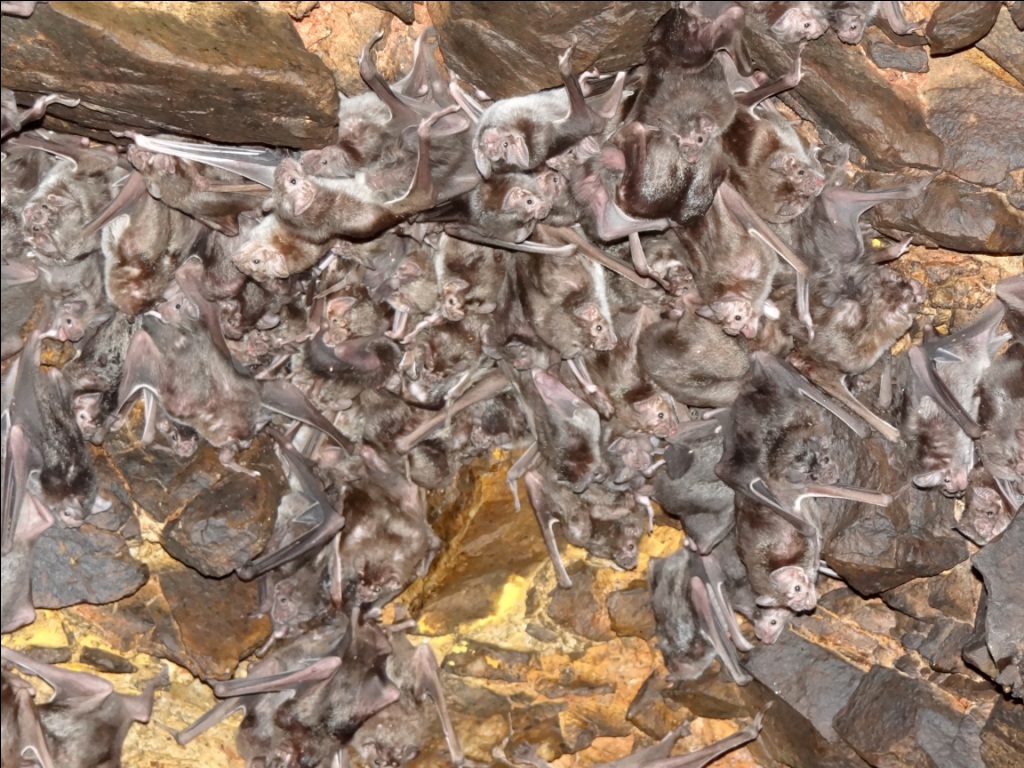
Vampire bats, which can harbor rabies, generally dine on the blood of cows and pigs. But the nocturnal creatures will bite humans if their primary food sources are unavailable. And in communities like Truenococha and Santa Marta, the two Peruvian villages in the CDC study, humans are a tasty alternative during periods when farmers have sold off their livestock.

Knowing that the Peruvians had contact with local vampire bats, CDC scientists closely examined the blood samples of the eight residents. They found a mixture of neutralizing and non-binding antibodies against rabies, leading them to deduce that the individuals had overcome exposure to the virus. As Brett Petersen, another author on the study and fellow a CDC epidemiologist, notes, better understanding these people’s immune responses could ultimately help scientists in overcoming rabies.

“A greater understanding of the process by which the people developed antibodies in this setting may help inform improved vaccine development or identify new targets for treatment,” he says.

Image courtesy of Daniel Streicker

NIH emerges with new emergency medicine research hub

When a patient sits clutching his chest in pain in the emergency room, the doctor on call must think with razor-sharp focus to create a treatment plan immediately. The usual clinical suspects, such as heart attack or lung collapse, bear consideration. But anyone in emergency medicine research knows possible culprits vary widely and span the body’s organs. Unfortunately, research in this area has traditionally been spotty and uncoordinated — but perhaps not for much longer, thanks to the formation of a new Office of Emergency Care Research (OECR) unveiled earlier today by the US National Institutes of Health (NIH).

“You can hear the excitement in my voice,” says Jill Baren, an emergency medicine physician-scientist at the University of Pennsylvania Perelman School of Medicine in Philadelphia. “This new office will increase the scope and breadth of emergency medicine research and will allow an amazing amount of coordination.”

The new office will be housed within the NIH’s National Institute of General Medical Sciences with an annual budget of around $400,000, but it will not issue research grants. Instead, the OECR will serve as a clearinghouse for extramural, or off-campus, academic researchers engaged in emergency medicine projects. According to OECR acting director Walter Koroshetz, such coordination is necessary for a field like emergency medicine, which is a facet of almost all of the medical research agency’s institutes and centers. “Research in the emergency setting is on an exponential growth curve because it is such a laboratory for serious health conditions,” says Koroshetz, who also serves as deputy director of the National Institute of Neurological Disorders and Stroke.

For several years now, Baren and Koroshetz have worked together on an NIH-funded project that relies on emergency department data to study acute injuries and illnesses that affect the brain. Following the establishment of the OECR — which came about in part at the recommendation of the US Institute of Medicine, which issued a 2006 report highlighting the shortcomings of emergency medicine care in the country — this project and others will now be under the new office’s umbrella.

Image courtesy of SeanPavonePhoto via Shutterstock

FDA advisory panel looks positively on new eye drug

An independent advisory committee for the US Food and Drug Administration (FDA) today unanimously recommended the injectable drug ocriplasmin from the Belgium-based company ThromboGenics as an effective treatment for the age-related eye disorder known as symptomatic vitreomacular adhesion (VMA).

Currently, individuals diagnosed with VMA are offered either surgery or a ‘wait-and-see’ approach as their only options. “It’s always good to have a medication on the market [for eyes] that is injectable because if it works, then the patient avoids surgery,” Mayo Clinic retinal surgeon Sophie Bakri told Nature Medicine during a phone interview between scheduled surgeries in Rochester, Minnesota. Bakri was not involved in ThromboGenics’ clinical trials, but she has kept an eye on ocriplasmin’s progress.

VMA usually occurs in older adults—the average age in the clinical trials was 70 years—when the colorless jelly between the lens and the retina begins to shrink and forms an unusually strong adhesion to the retina. Over time, that pulling force can distort vision, causing straight lines to appear wavy, general blurriness and possibly a macular hole, resulting in complete loss of vision in the eye’s center. Ocriplasmin works by breaking apart the protein structure that attaches to the surface of the retina.

Maureen Kearny, a patient with VMA who participated in a phase 3 clinical trial site in Lawrenceville, New Jersey, told panel members during the public comment portion of the meeting that the next day after receiving her injection, “I was able to read the newspaper because the print was no longer distorted.” Kearny was one of the estimated 500,000 people in the US and EU combined who suffer from VMA, according to estimates from ThromboGenics.

But despite the mostly positive reception, advisory panel members did mention points of concern. One of those top worries was voiced by Wiley Chambers, director of transplant and ophthalmology products in the Center for Drug Evaluation and Research of the FDA in Rockville, Maryland. “After accounting for all patients whose vision decreased for reasons we understand, we still have a group of patients who experienced a 15-letter loss [in vision measurement] some time during the trial for which there is no immediate explanation,” Chambers said.

During phase 3 clinical trials for its drug, ThromboGenics also tested how a standard dose—125 micrograms administered only once—affects macular holes that can result from the disease. On this secondary study endpoint, the advisory committee expressed doubt. However, the panel decided no further studies would be necessary prior to the FDA’s final decision on the drug for the main indication of VMA, slated for 17 October.

While the FDA usually follows the advice of its advisory panels, it is not bound by those endorsements. Ocriplasmin, which may carry the trade name Jetrea, has also applied for approval in Europe. So the team at ThromboGenics is holding its breath on two continents for the moment.

Image courtesy of Alexonline via Shutterstock

Gene therapy to restore hearing sounds closer to reality after success in deaf-born mice

Using gene therapy, a team of researchers for the first time successfully restored normal hearing to mice born deaf due to a missing protein, according to a study published today in the journal Neuron. This finding could be music to the ears of people whose congenital hearing loss is caused by genetic mutations that may prevent tiny inner ear hairs from interacting with neurotransmitters that are necessary for hearing. In the current experiment, mice recovered full hearing for an average of seven weeks, with two of 19 mice maintaining it for as long as one and a half years. “I was completely shocked,” says lead author Lawrence Lustig, director of the Douglas Grant Cochlear Implant Center at the University of California, San Francisco. “The hearing looked almost completely normal and you couldn’t tell these were rescued mice.”

Richard Smith, a geneticist at Iowa State University in Iowa City who was not involved in the study, says that the findings offer hope for the estimated 12,000 infants, or 0.3 % of all babies born each year in the US, with severe-to-moderate hearing loss in one or both ears. “A hearing aid or cochlear implant doesn’t correct hearing in the same way that eyeglasses correct sight,” Smith explains. “Those devices only aid in hearing—hence the need for alternative treatments.”

Previous studies have introduced genes that cause deafness into mice and then applied gene therapy to remedy the problem, thereby using an artificial congenital hearing loss animal model. By comparison, the current study tested the approach using mice born without the Vglut3 mouse gene—which produces the protein known as vesicular glutamate transporter-3 (VGLUT3). Without this protein, the inner ear cells could not release the neurotransmitter glutamate, which carries sound signals to the brain. The researchers injected a harmless virus called adeno-associated virus type 1 (AAV1), which carried a working copy of Vglut3, into the ears of some animals one day after birth and in others almost two weeks post-delivery. They confirmed that both groups of treated mice could hear based on electrical signals picked up by electrodes attached to the scalp during an auditory brainstem response test. During that test, inner ear hairs send signals through the auditory pathway which goes through the brainstem. The control group of mice with this mutation received no injections and showed no response on hearing tests.

Lustig believes his study is a big step towards clinical trials—possibly in as soon as five years—to test gene therapy for congenital hearing loss in humans. But there’s one potential drawback to the study: the mouse gene Lustig used does not correlate with the same behavior of the mutant human gene SLC17A8. While a mutation in this gene in humans causes high-frequency hearing loss in adulthood, no studies have linked it yet to congenital deafness in people.

The researchers used the Vglut3 gene because they already had these knockout mice available in their lab. Smith says the choice was understandable and doesn’t take away from the significance of the study. “Gene therapy is complicated and very expensive and so you want to choose a model you have on hand already,” he adds.

Today’s study comes on the heels of a recommendation from a committee within the European Medical Agency to approve a gene therapy for people who lack an enzyme that breaks down fat in the body. Other companies, such as GenVec and Novartis, which are mentioned in earlier Nature Medicine coverage on hearing loss, continue to work on gene therapy that seeks to repair sensory hair cells in the inner ear.

Image courtesy of Phil Holmes via Shutterstock


MIT video models airports most likely to spread diseases

In a study released last week from the Massachusetts Institute of Technology (MIT), based in Cambridge, engineers show through computer modeling how major international US airports might contribute to the spread of contagious disease during the early days of an epidemic. The culprits that could contribute the most damage turn out to be airports in New York, Los Angeles and Honolulu, Hawaii. “Our work is the first to look at the spatial spreading of contagion processes at early times, and to propose a predictor for which ‘nodes’—in this case, airports—will lead to more aggressive spatial spreading,” said MIT computer engineer Ruben Juanes in a statement. The new model, unlike previous ones, considers the routines that passengers usually follow when traveling, an airport’s geographic location, how flights connect—or don’t—between airports, and, finally, how a long wait at an airport could influence how diseases spread.

Check out the video below.