Panel supports hepatitis C screening for baby boomers

A US government advisory panel today recommended  that individuals born between 1945 and 1965 be screened for the hepatitis C virus. The announcement, which strengthens the panel’s earlier advice, increases the likelihood that health-care payers, including Medicaid, will cover screening costs for baby boomers, and that physicians will follow the guidance.

The US Preventive Services Task Force (USPSTF), a group of health experts assembled by the US Department of Health and Human Services,  had before only weakly endorsed generational screening. In a draft recommendation released in November, the USPSTF said that screening the country’s more than 72 million baby boomers would generate a marginal net health benefit, grading the recommendation a  ‘C.’ Since many health-care payers follow only recommendations dubbed B or higher by the panel, experts were concerned that physicians would not implement hepatitis C screening for baby boomers.

But in its final statement, the USPSTF upgraded that recommendation to a B.  Acknowledging that not all people who test positive for hepatitis C will develop disease, and treatments often have significant side effects, the panel said that new studies helped make the case that generation-wide screening would be substantially beneficial.

“This is a rapidly moving field and the treatments are always advancing,” says USPSTF panel member Kirsten Bibbins-Domingo, an epidemiologist at the University of California, San Francisco.

The move aligns the USPSTF with the US Centers for Disease Control and Prevention, which in August unequivocally recommended that people  between the ages of 48 and 68 years old be tested for the blood-borne virus, which causes liver disease and cancer. Experts estimate that about 4 million people in the United States are infected with hepatitis C, and  three-quarters of those infected are members of the baby-boom generation — possibly owing to intravenous drug use or past transfusions of unscreened blood.

Overall, up to 75% of those infected with hepatitis C may be unaware of their status owing to the slow onset of diseases caused by the virus. Proponents of routine testing for US baby boomers have argued that the cheap, non-invasive screening could identify more than 800,000 new cases of hepatitis C — which could then be treated using new drugs that are highly effective at eliminating the infection.

David Thomas, a viral-hepatitis specialist at Johns Hopkins University in Baltimore, Maryland, said the USPSTF decision was “a major step forward in the public-health response to hepatitis C infection”. Regardless of what factors influenced the panel’s opinion, “the major message”, says Thomas, “is that we have everyone on board”.
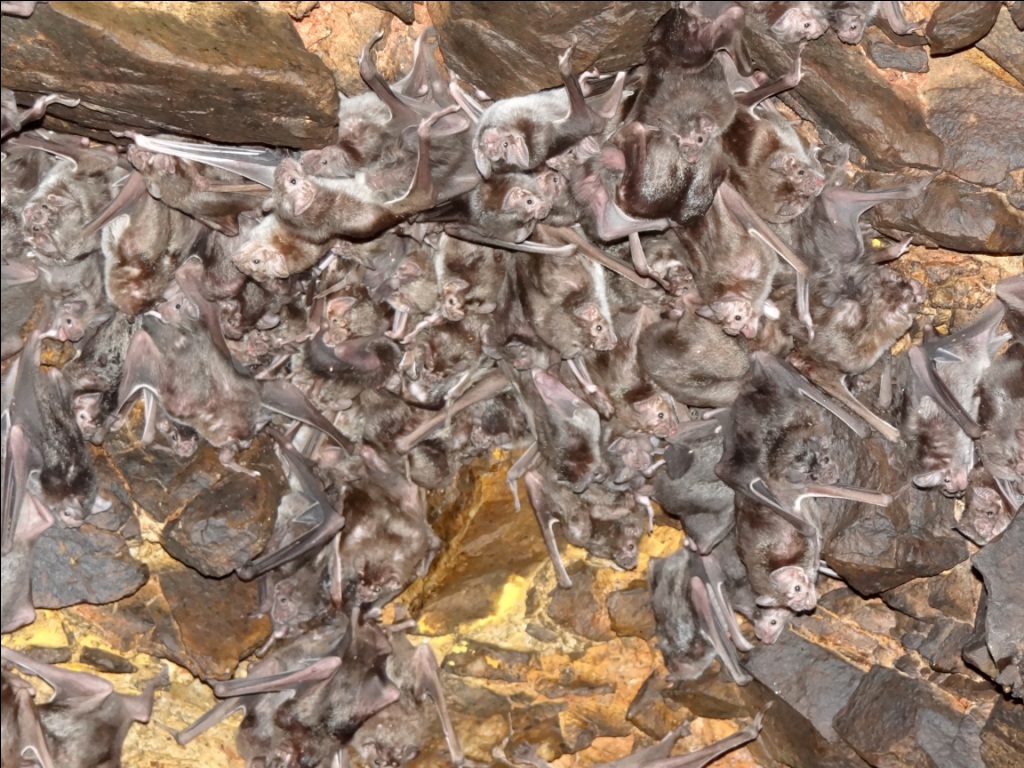
Antibodies found in Peruvians suggest natural resistance to rabies in local vampire bats

While attempting to better understand the exposure of rural Latin American communities to diseases harbored by bats, epidemiologists at the US Centers for Disease Control and Prevention (CDC) have stumbled upon an intriguing finding: eight people living in two tiny Peruvian villages appear to have developed antibodies against the rabies virus found in local vampire bats without any prior vaccination or treatment for the infection. This population study, the first of its kind, may provide clues to better understand how incremental exposure to rabies could lead to better vaccines or monoclonal antibody drugs.

“We think that these people were lightly bitten during the night, but were not exposed to enough of the virus to develop a full infection,” explains co-author Sergio Recuenoco, an epidemiologist at the CDC in Atlanta who published the findings today in the American Journal of Tropical Medicine and Hygiene.

The study suggests that humans are exposed to and develop antibodies against the virus without developing disease. Whether this reflects inadequate exposure or successful immune clearance of virus remains unclear, explains Ashley Banyard, a virologist at the UK Animal Health and Veterinary Laboratories Agency in Surrey, England, adding, “Personally, I believe this paper to be of great significance to the scientific community.”

The CDC initiated its survey on human exposure to bats only four years ago, prompted by new evidence at the time that these flying mammals are reservoirs of serious pathogens such as the Ebola, Nipah and Corona viruses. But unlike those viruses, virtually every known rabies infection in humans—except for a rare handful of isolated cases—has led to death. The disease causes brain inflammation, leading to a horrible end characterized by hallucinations and convulsions. Right now the only option for people infected with rabies is an expensive and painful course of therapy that can cost up to $1,000 and require five vaccine injections and an additional shot of antibodies against the virus. The World Health Organization estimates that around 55,000 people die each year from rabies, and some evidence suggests that number may climb.

Vampire bats, which can harbor rabies, generally dine on the blood of cows and pigs. But the nocturnal creatures will bite humans if their primary food sources are unavailable. And in communities like Truenococha and Santa Marta, the two Peruvian villages in the CDC study, humans are a tasty alternative during periods when farmers have sold off their livestock.

Knowing that the Peruvians had contact with local vampire bats, CDC scientists closely examined the blood samples of the eight residents. They found a mixture of neutralizing and non-binding antibodies against rabies, leading them to deduce that the individuals had overcome exposure to the virus. As Brett Petersen, another author on the study and fellow a CDC epidemiologist, notes, better understanding these people’s immune responses could ultimately help scientists in overcoming rabies.

“A greater understanding of the process by which the people developed antibodies in this setting may help inform improved vaccine development or identify new targets for treatment,” he says.

Image courtesy of Daniel Streicker