Science’s fake journal epidemic

Predatory publishers, peerless reviews and those who fight against the destruction of the scientific approach.

The landscape of scholarly communication falls into two main categories: a paid access business model, where journals require readers to pay for access to an article or a subscription to the entire journal itself; or open access journals, which charge authors to publish but make content available free of charge and without restrictions to readers. The rise in popularity of open access journals has resulted in more than 50 per cent of new research now being made available free online. Legitimate open access journals such as PLOS and BioMed Central have been essential in allowing greater access to science, a higher volume of published work, improved education and a greater scope for scientists to publish negative results.
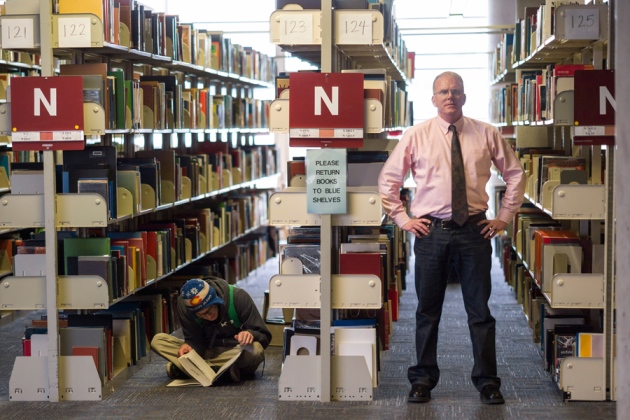
Jeffrey Beall{credit}Kevin Moloney/The New York Times/Redux/eyevine {/credit}
Continue reading

Ask not what you can do for open data; ask what open data can do for you

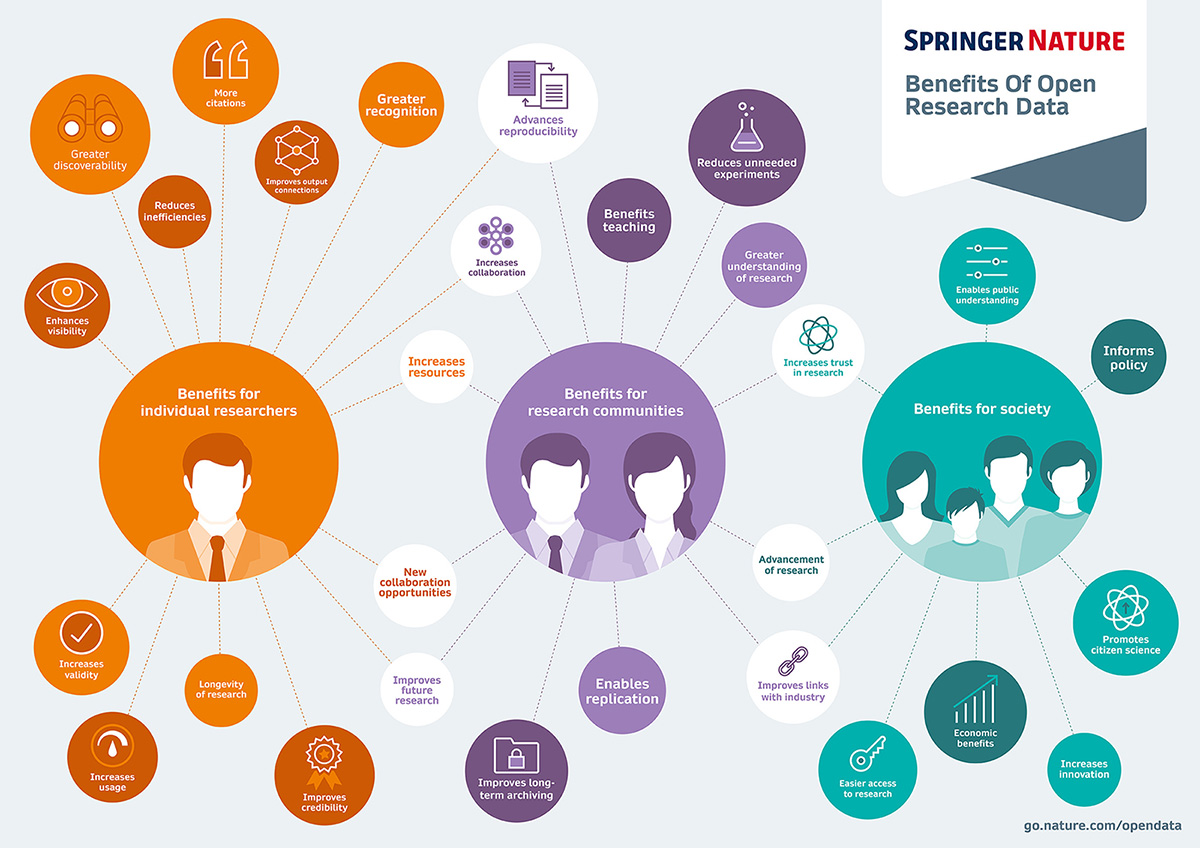
Mathias Astell, marketing manager for Scientific Data and Scientific Reports, outlines the benefits of open research data and provides some tips and tools researchers can use to make their data more open.

It has been shown that research articles receive more citations when they have their underlying data openly linked to them. With this in mind, it’s time to consider not just the ideological reasons for making research data open, but the selfish benefits of openly sharing data that all researchers can (and should) be taking advantage of.

mat1

This infographic can be downloaded under a CC-BY licence here

And as an increasing number of funders mandate data sharing, and publishers start implementing more consistent data policies at their journals, it is worth seriously considering how and why you should make the research data you generate more openly available. Continue reading

Craft your connection

Twitter is the medium du jour, and if you’re like many other early-career researchers, you’re all over it. Fantastic. But digital and social media is about much more, and there’s more to consider than the content that you and everyone else are tweeting and retweeting.

7822101134_6cbcbb435b_o

{credit}CC-BY-SA Atos/Flickr{/credit}

Don’t forget that you need to nurture your online persona – the summation and entirety of every bit of online information about you or that involves you, both written and visual. Someone may well have already posted some of this. But you can still shape and guide a great deal of the accessible online information about you — and the image that this information creates — by actively managing the content over which you have some control.

This is especially true if you’re looking for a job. It’s safe to assume that potential employers will look you up online and so you need to have control over the information presented about you.

LinkedIn is still one of the most highly used sites for finding out about jobs through your virtual network – and occasionally getting one. You’ll need to make your profile look good — and you’ll need to find a way to stand out from the rest of the pack.

If you’re not seeking employment, though, social media is still a hugely powerful and useful tool. It can help you reach networks of like-minded scientists, build research collaborations and even make friends

Lots of your colleagues find particular sites to be key venues when they want to engage in collaborative discussion, peer-review papers, share negative results that might never otherwise be published, and even upload raw data sets

And through these sites, you can build a powerful virtual network that will yield opportunities, information and advice. Here’s to the click!

A day in the life of a Scientific Reports manuscript assistant

William Coleman helps shed some light on the publishing business for Scientific Reports and Naturejobs.

Scientific Reports is a rapidly growing online open access journal that publishes research from all areas of the natural and clinical sciences. As one of over twenty manuscript assistants at the journal, one of my main tasks is to quality check author submissions in our online manuscript tracking system before they’re sent to our editorial board and, potentially, to peer review.

William pic

William Coleman

Continue reading

Scientific communities: How to avoid getting scooped on social media

Being prepared before broadcasting is a sure way to avoid being scooped, says Jon Tennant at the 2015 London Naturejobs Career Expo.

Many scientists are nervous about sharing their scientific work before publishing. The fear of being scooped is there when it comes to social media, but it will be difficult for someone to scoop your work based on a 140-character sentence.

Sharing your science on social media is all about being selective. You can make data and methods open when you’re ready – there is no rush to get things out before you are prepared.

Further reading:

Scientific communities: Build your own.

Scientific communities: How to follow the right people on Twitter

Scientific communities: From Twitter to paper

Scientific communities: Membership at learned societies

Scientific communities: How to get your blog noticed


Open research: Open up to open access

Six myths about open access were addressed in an open research workshop at the 2015 Naturejobs Career Expo in London.

Guest contributor Gaia Donati

OpenResearch-NJCE15-workshop-naturejobs-blog2

{credit}Image credit: Gaia Donati{/credit}

How open-minded do you feel about open access publishing?

The Open Research workshop at the 2015 London Naturejobs Career Expo, led by Mithu Lucraft (head of Open Research Marketing at NPG) and Ros Pyne (Research and Development manager of the Open Research Group at Springer Nature, who manage the Open Research portal), explored several myths about open access publishing, now a well-established alternative route to disseminating scientific results.

Myth 1: Open access benefits readers, but not authors

Open access is great for readers, but the advantage for researchers may seem less obvious at first. A study of open access and subscription-only PNAS articles found that earlier, more frequent citations characterize the former category when compared with the latter. A more recent study of the citations for papers published in Nature Communications (before it became fully open access) seems to confirm these findings and extends the observations to downloads and social-media interest, with open access articles experiencing higher downloads. Interestingly, these also appear to be sustained over a longer period of time – “attention lasts longer,” said Lucraft. In this way, open access – together with similar initiatives such as open data – may well be a primary route to accelerate and facilitate science while ensuring reproducibility. Continue reading