Ask not what you can do for open data; ask what open data can do for you

Mathias Astell, marketing manager for Scientific Data and Scientific Reports, outlines the benefits of open research data and provides some tips and tools researchers can use to make their data more open.

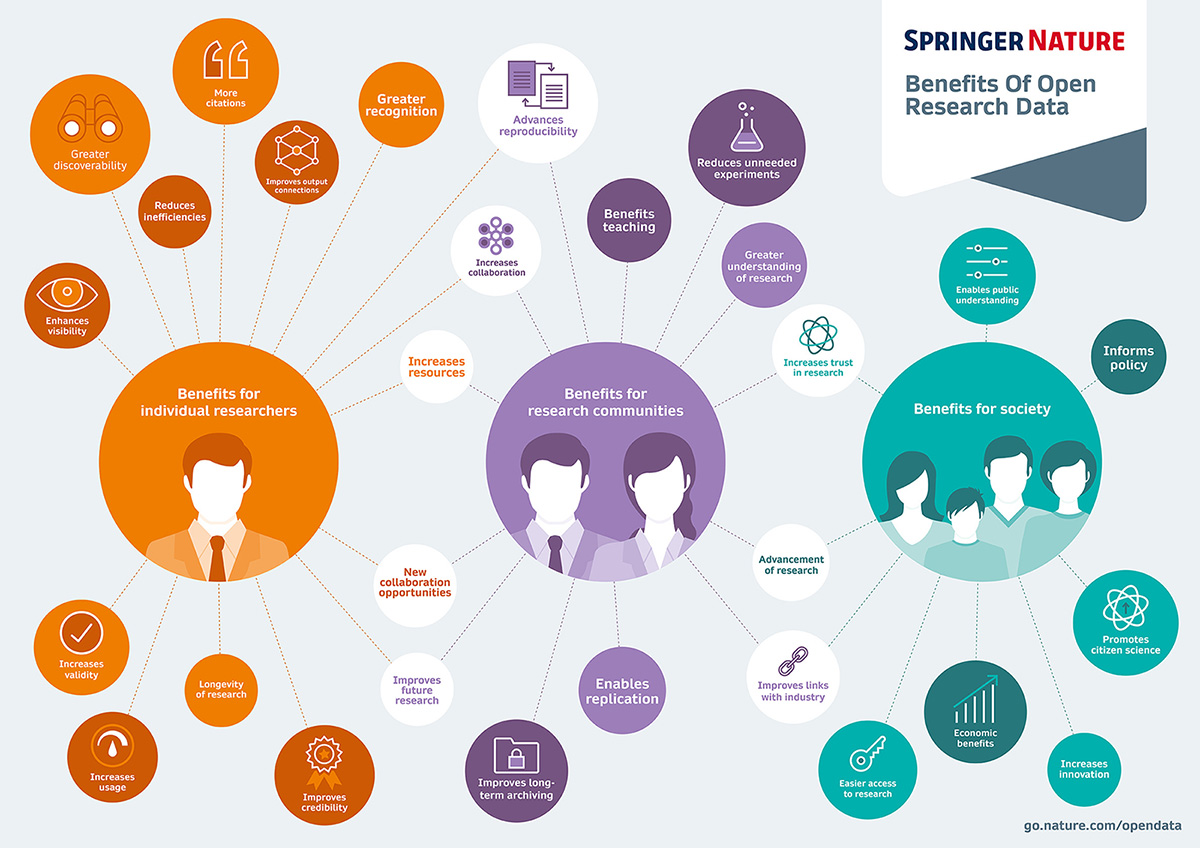
It has been shown that research articles receive more citations when they have their underlying data openly linked to them. With this in mind, it’s time to consider not just the ideological reasons for making research data open, but the selfish benefits of openly sharing data that all researchers can (and should) be taking advantage of.
mat1

This infographic can be downloaded under a CC-BY licence here

And as an increasing number of funders mandate data sharing, and publishers start implementing more consistent data policies at their journals, it is worth seriously considering how and why you should make the research data you generate more openly available. Continue reading
TechBlog: Smartphone science, no programming required

MIT App Designer 2

MIT App Designer 2

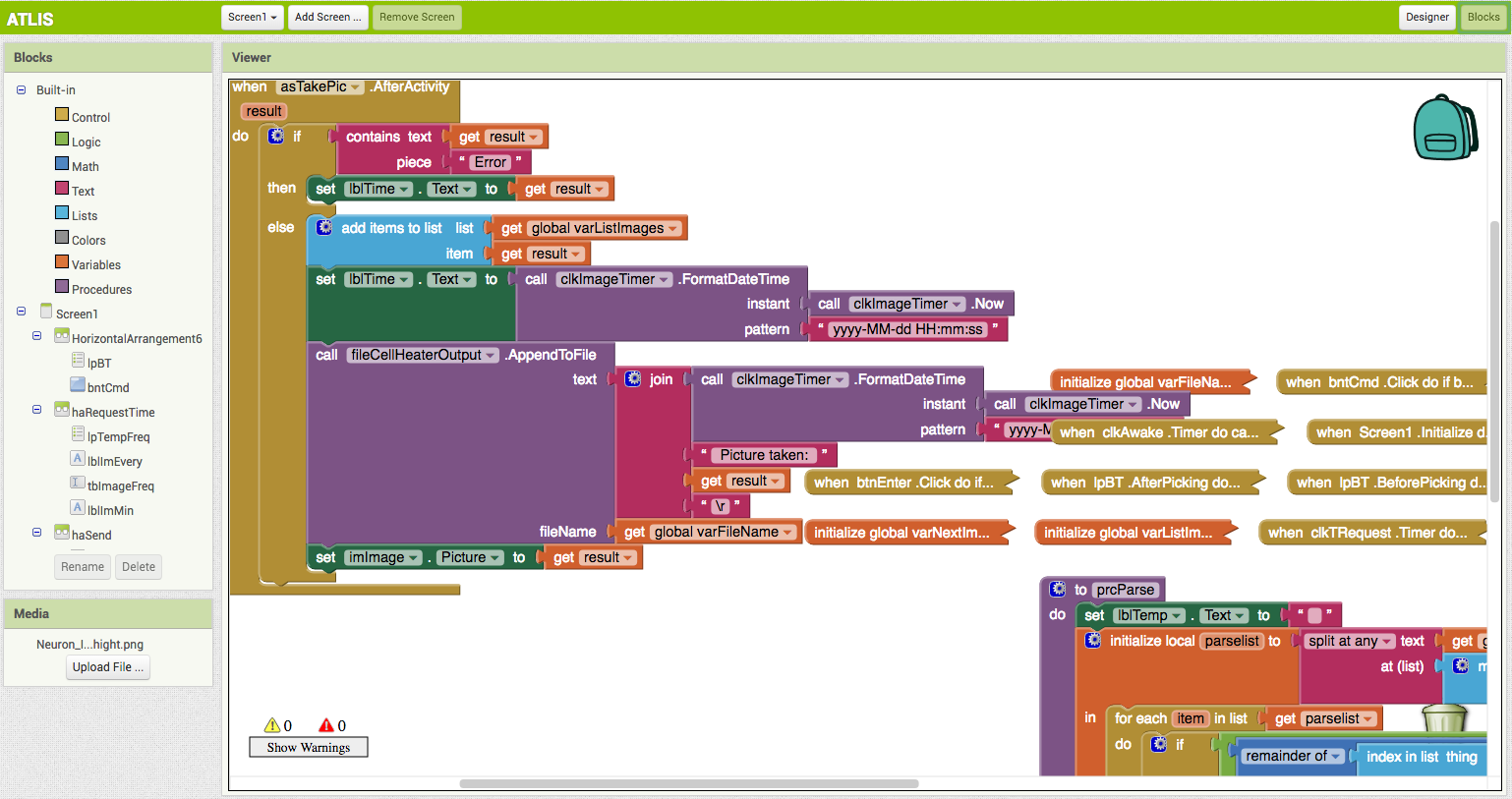
In the 4 May Nature technology feature, I explore the growing use of smartphones to drive scientific research. Today’s phones are so full-featured, they’re often ready for use out-of-the-box. Sometimes, though, a custom app is required, and that can be a sticking point, as programming a mobile app isn’t easy.

Continue reading

Mainz University Egyptologist to create massive digital inventory of hieroglyphic characters

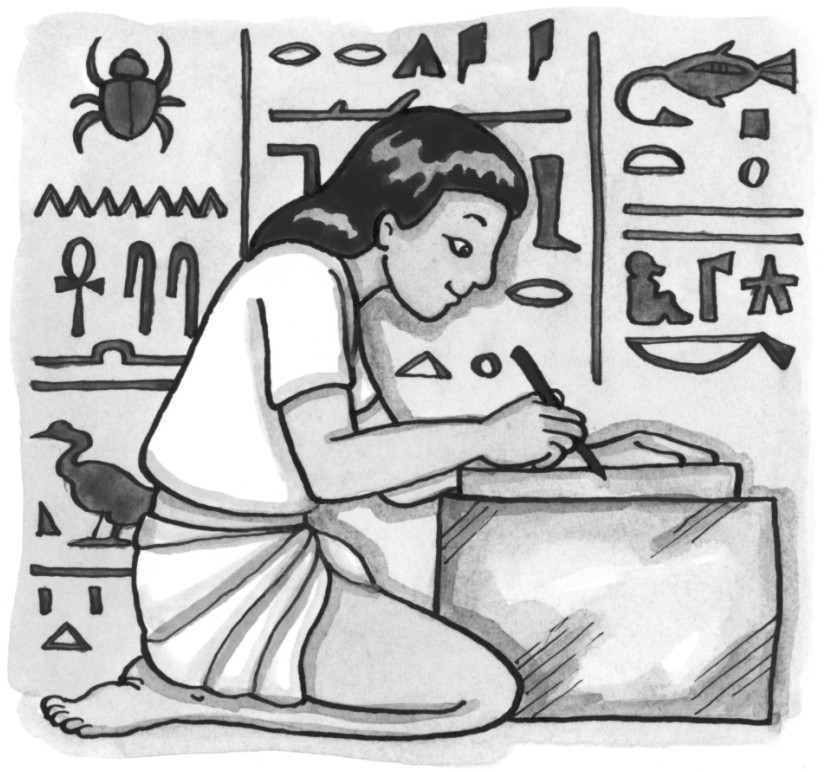
An Egyptian boy writing. Scribe, hieroglyphs, symbols denoting meaning. Carving in stone or painting. System of sign language. Ancient Egypt.

{credit}Macmillan South Africa{/credit}

Mainz University was given the go-ahead to start a long-term project to study ancient Egyptian cursive scripts – and make all the data accessible and searchable in digital format.

Cursive scripts were used in day-to-day interactions in ancient Egypt – written using rush stems and black or red ink on materials such as papyrus, linen, leather, wood, ceramics, plaster, and even stone, explains the press release by Mainz University. The style of writing was a modification of the detailed hieroglyphs – often seen carved on temple walls and ancient artifacts – and by studying it, the evolution and adaptation of handwriting to suit daily needs can perhaps be traced.

There are two types of scripts: hieratic and cursive. “Hieratic script was used for every stage of the ancient Egyptian language during 3,000 years and was only displaced in some contexts by demotic cursive script in the middle of the first millennium BC,” says the release.

The researchers will continue previous decades-long analysis of both scripts and their relation to hieroglyphs and to demotic script, but for the first time, they’re attempting to “compile a systematic and digital inventory of hieratic and cursive hieroglyphic characters from selected and significant sources, whereby different eras, regions, textual genres, and writing mediums for the documentation period from around 2700 BC to 300 AD will be taken into account.”

The analysis will also focus on the scripts’ emergence and development, the context of their use in additions to aspects such as the economy, the layout of manuscripts and the identification of individual scribes’ hands.

The project is expected to create a “digital paleography database,” a repertoire of characters, that will be available online, could be searched and inspected by international experts. Extensive metadata on all relevant sources will be provided, the project promises. Partial or special paleographies will be downloadable.

The project, titled “Ancient Egyptian Cursive Scripts: Digital Paleography and Systematic Analysis of Hieratic and Cursive Hieroglyphs,” is partly funded by the German government. It will be supervised by Egyptology Professor Ursula Verhoeven-van Elsbergen of the Department of Ancient Studies of Johannes Gutenberg University Mainz, and will be spread over 23 years, receiving an annual grant of a little over $325,500.

Although the project is centered on the study of ancient Egypt, the actual work will take place in the Egyptology section at Mainz University and in the Computer Philology section at the Technical University of Darmstadt.

Science Online NYC (SoNYC) 8 – Thinking Digital: Giving your research more reach (and making sure others can find it)

On Wednesday evening, we hosted the eighth installment of the monthly Science Online NYC (SoNYC) discussion series. The topic for debate this month was, “Thinking Digital: Giving your research more reach (and making sure others can find it)” and the panel featured:

  • Mark Hahnel is the developer of Figshare.
  • Carol Feltes is the head librarian at Rockefeller University.
  • Veronique Kiermer is an Executive Editor and Head of Researcher Services at Nature, and a member of the ORCID steering committee.
  • Cathy Norton is the library scholar at the Biodiversity Heritage Library at Woods Hole’s Marine Biological Laboratory.

As is our usual format, following short introductory talks from the panelists, we invited attendees present in person at Rockefeller University or watching online to take part in a wider discussion.

To read what people on Twitter were saying about the event, check out our Storify of tweets at the bottom of this post.

Blog posts about the 8th #sonyc

Do let us know if you blog about the event and we’ll include a round-up of links here.

Dana Foundation blog.

Live-streaming and video archiving

We live-stream each SoNYC event to give as many people as possible the chance to take part in the debate. Check out our livestream channel where the archives of the meetings can also be found.

Finding out more

The next SoNYC will be held on February 16th and will be a special event at the American Museum of Natural History for social media week.  Details will be announced soon – keep an eye on the SoNYC twitter account for more details and/or watch the #sonyc hashtag.

If you have a suggestion for a future panel or would be interested in sponsoring one of the events, please get in touch.

This month’s Storify