How will open data advance scientific discovery?

SciData writing competition winner Sarah Lemprière explains how making the world’s deluge of data open will help science

As a global population we are generating more data than ever before. The International Data Corporation (IDC) estimates that by 2020 over 80 million gigabytes of data will be produced every minute. Each second, the world will generate enough data for a 50-year-long Netflix binge. Scientific investigation is a big part of that: every day huge amounts of data are generated on everything from the behaviour of supernovae to the 3D structure of proteins in the brain. When the world’s largest radio telescope comes online in 2020, it alone will produce 180,000 gigabytes of data a minute.

Previously, most of this scientific data would never be made public — the need to produce a compelling story for a journal article means that many datasets showing ‘negative’ results will never be published.

Continue reading

Remapping the scientific landscape: moving from a closed to open science world

Science is changing – and we will change with it, says Anastasia Greenberg

Better Science through Better Data writing competition winner Anastasia Greenberg

“Information is power. But like all power, there are those who want to keep it for themselves.” Those were the words of Aaron Swartz, a young programming prodigy and the creator of Reddit, in his Guerilla Open Access Manifesto. In 2011, Swartz wrote some code that systematically downloaded millions of academic papers from the JSTOR database onto his computer, which was hidden in a basement closet at the Massachusetts Institute of Technology (MIT). This act of hacktivism resulted in felony charges, with potential for decades of jail time. Swartz hanged himself in 2013.

To some, Swartz’s story embodies the open-science movement, but it is far from clear what his motives for downloading JSOR’s database were, and which, if any, segments of the open science movement Swartz identified with. Continue reading

From Doctorate to Data Science: A very short guide

Moving from a PhD into data science can be rewarding, but might be a bit of a culture shock

Are you one of the many PhDs considering a career in data science? I completed a PhD in neuroscience at Stanford three years ago; now I’m a data scientist at Uber. During my time in industry, I’ve found that the skills we develop in graduate school, such as analytical thinking, statistics, communication skills, and – oh yes – tenacity in the face of adversity, make us a great fit for the role.

smaller

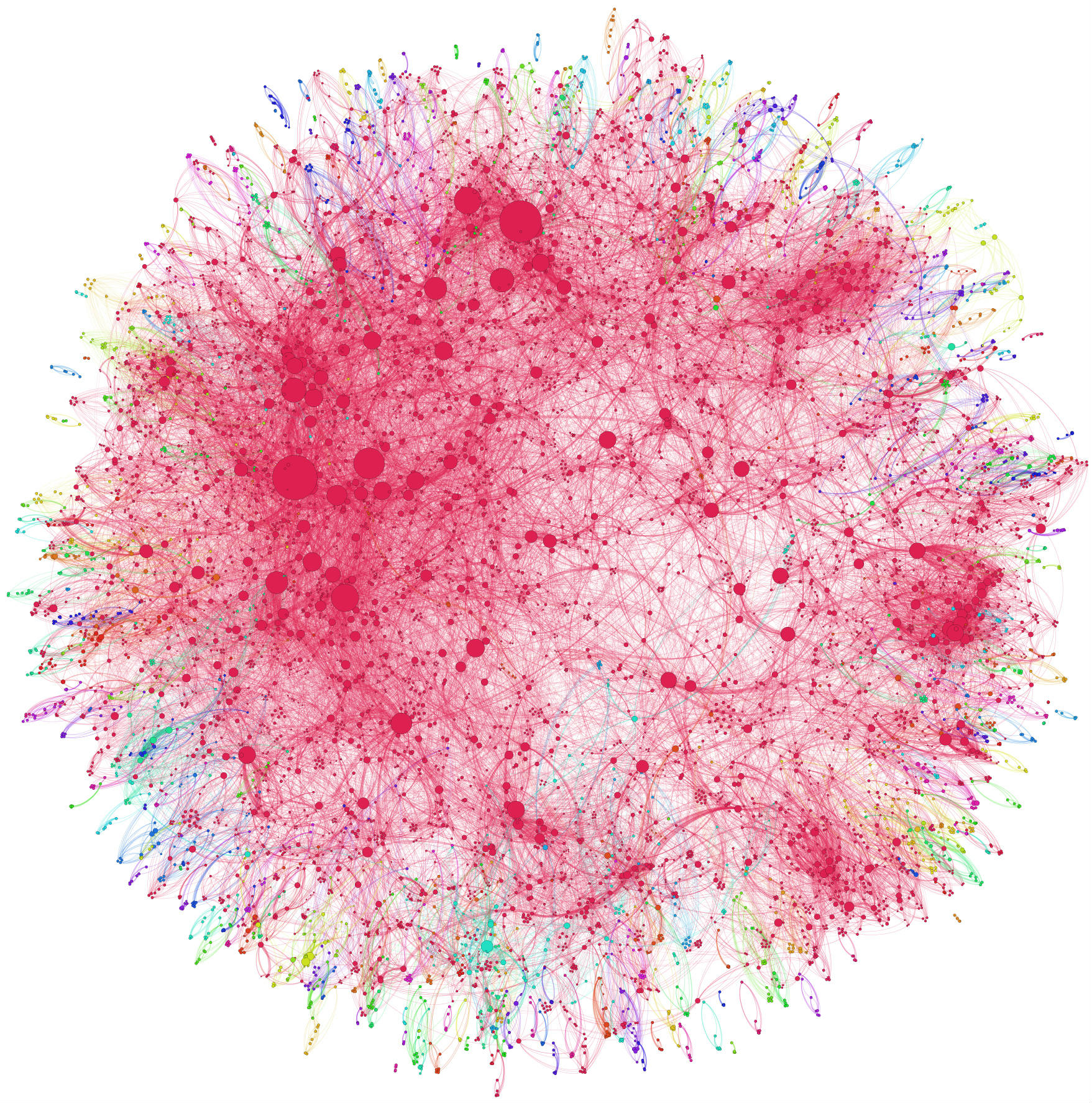
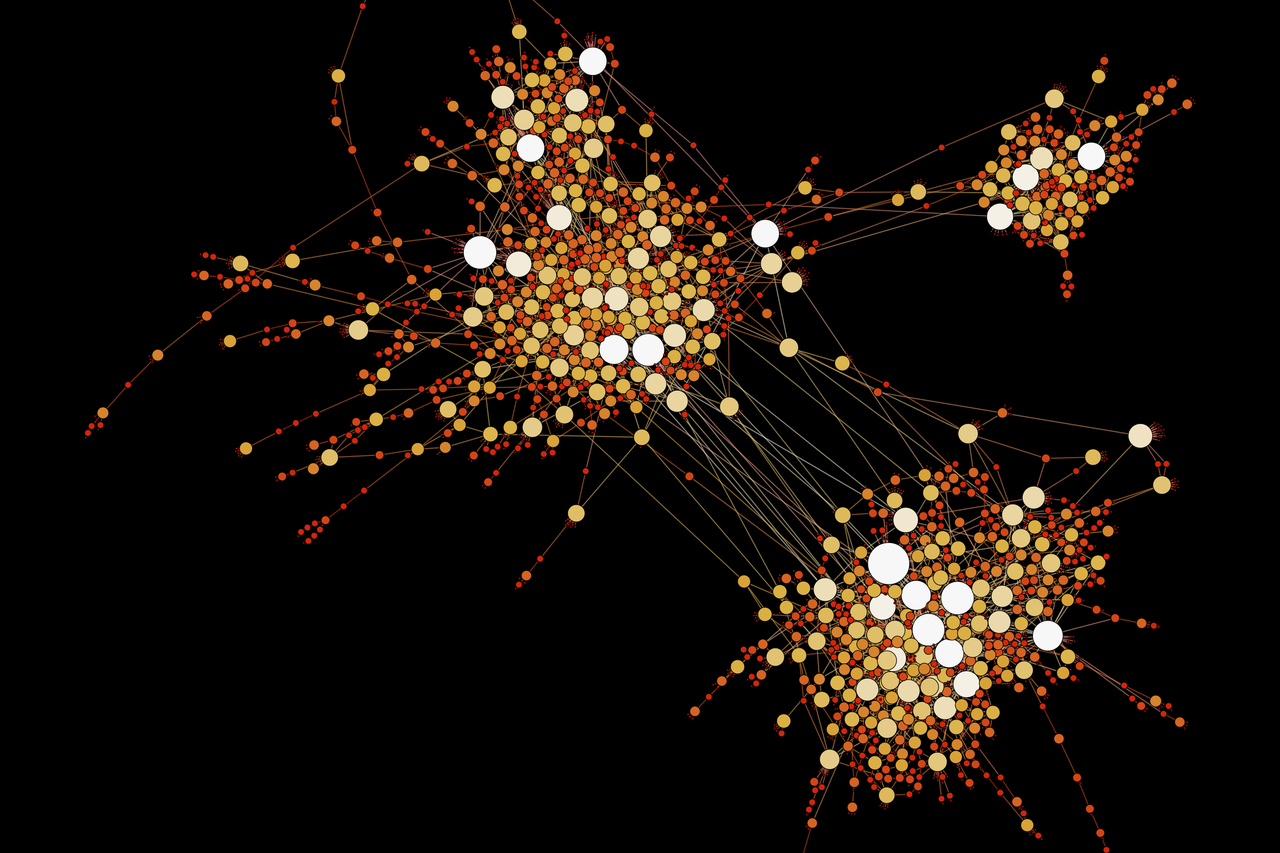
The co-authorship network of 8,500 doctors and scientists publishing on hepatitis C virus between 2008 and 2012. {credit}Andy Lamb/ Flickr{/credit}

Continue reading

Ask not what you can do for open data; ask what open data can do for you

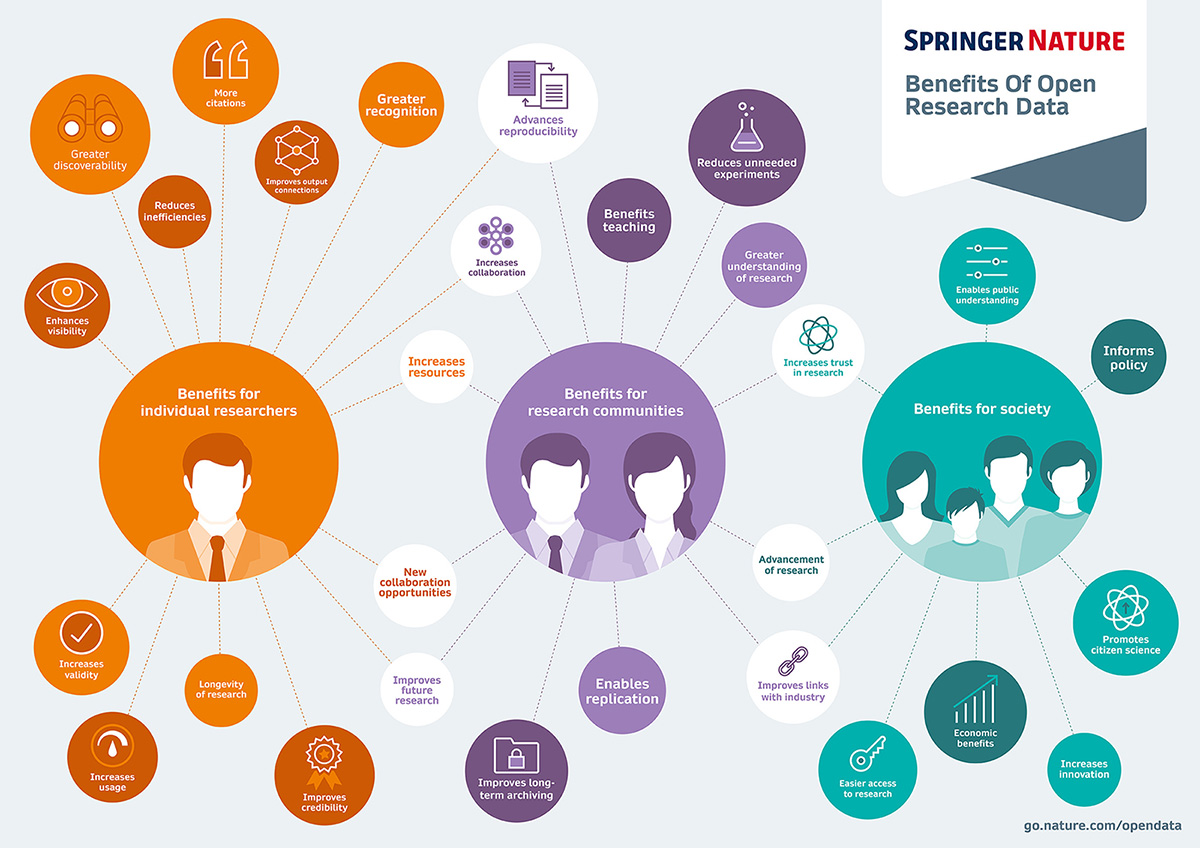
Mathias Astell, marketing manager for Scientific Data and Scientific Reports, outlines the benefits of open research data and provides some tips and tools researchers can use to make their data more open.

It has been shown that research articles receive more citations when they have their underlying data openly linked to them. With this in mind, it’s time to consider not just the ideological reasons for making research data open, but the selfish benefits of openly sharing data that all researchers can (and should) be taking advantage of.

mat1

This infographic can be downloaded under a CC-BY licence here

And as an increasing number of funders mandate data sharing, and publishers start implementing more consistent data policies at their journals, it is worth seriously considering how and why you should make the research data you generate more openly available. Continue reading

Promoting open science from a pub: the Panton Principles

Follow the Panton Principles to ensure your data is licensed and accessible for immediate reuse, says Atma Ivancevic.

In a world where scientific discovery is driven by impact factor and funding, the idea of open data may seem idealistic. But the open data movement has been growing since the early 2000s, spurred by the rise of big data and computational capabilities. For the sake of reproducibility in science, we need to encourage data sharing after publication.

panton principles pic

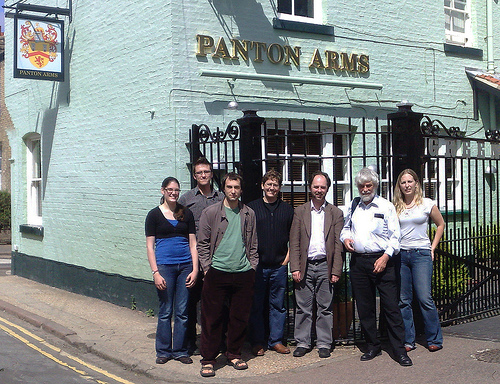
Founders of the Panton Principles at the Panton Arms, Cambridge UK.
Copyright Panton Principles Authors (CC by 3.0).

Continue reading

Successful vs. effective research presentations

In a disturbing trend, biomedical researchers can achieve a degree of career success despite an inability to effectively communicate scientific information, say David Rubenson and Paul Salvaterra.


“I have only made this letter longer because I have not had the time to make it shorter.”

– Blaise Pascal, The Provincial Letters, 1657

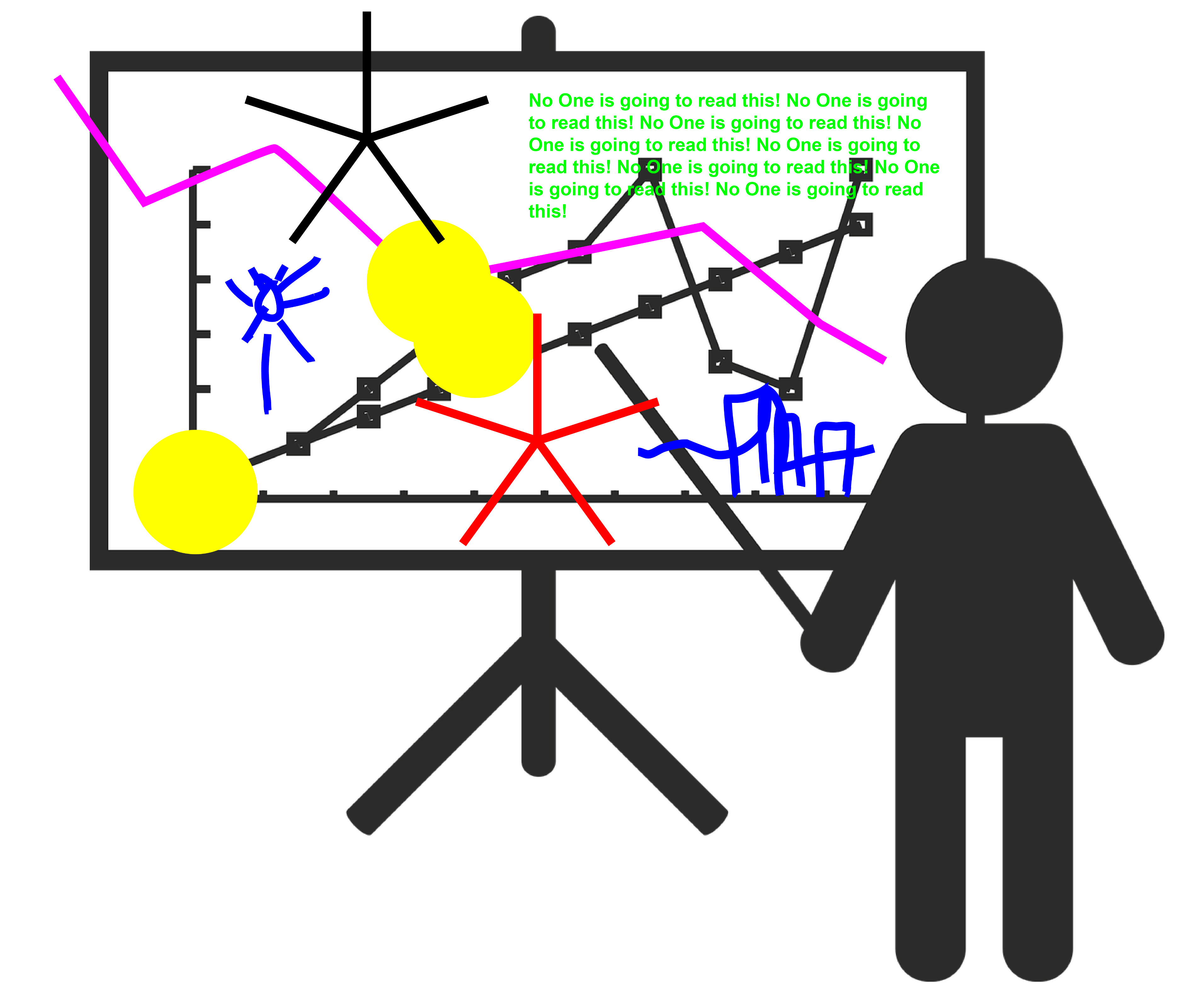
It goes without saying that every biomedical researcher wants to give effective presentations. Or does it? Is a presentation effective if it merely wows the audience with dense data, causes minimal objections, but fails to convey true scientific understanding? While such presentations may provide a degree of career success, they rarely inspire systematic or creative thinking. Scientists are wasting significant time listening to presentations that fail to effectively communicate information.

messy-cropped Continue reading

Is a picture worth a thousand words?

To communicate science is to tell a story. And the best stories come with pictures, says Thaís Moraes.

Translating the results of a research project into a 10-minute presentation or article can be a difficult task. It must be informative but also succinct and appealing. It has to tell an interesting story. It has to entertain. And you shouldn’t have too much text.

2014-06-29 15-smaller

Thais Moraes

Continue reading

The way to success in science

Young people working in any variant of science face many challenges. However, some tips can increase your chances of success, says Naturejobs journalism competition winner Sofia Otero

A degree in science is just one stepping stone on a long path with varied exits, curves and about-turns. Choosing wisely is not always an easy task, but there’s no right way to success: there’s a whole lot out there to choose from.

pathway-1081989_1920

At the London Naturejobs career expo on September 16th, there was a lot of talk on how to succeed in science, and an interview with the editor-in-chief of Nature, Sir Philip Campbell. Some tips came up repeatedly and are worth listing. Continue reading

#scidata16: Open data should be easy

There’ll always be reasons not to share data. It’s time we stop making excuses and start making plans, says Atma Ivancevic.

On the morning of October 26, 2016, a group of scientists convened in London to discuss the state of open data. The third Publishing Better Science through Better Data conference kicked off with morning tea, international introductions, and furious scribing from @roystoncartoons. The premise was simple: “Today is all about being open”, said conference chair Iain Hrynaszkiewicz. We settled in to learn the advantages of data sharing at both the individual level and for the scientific community at large.

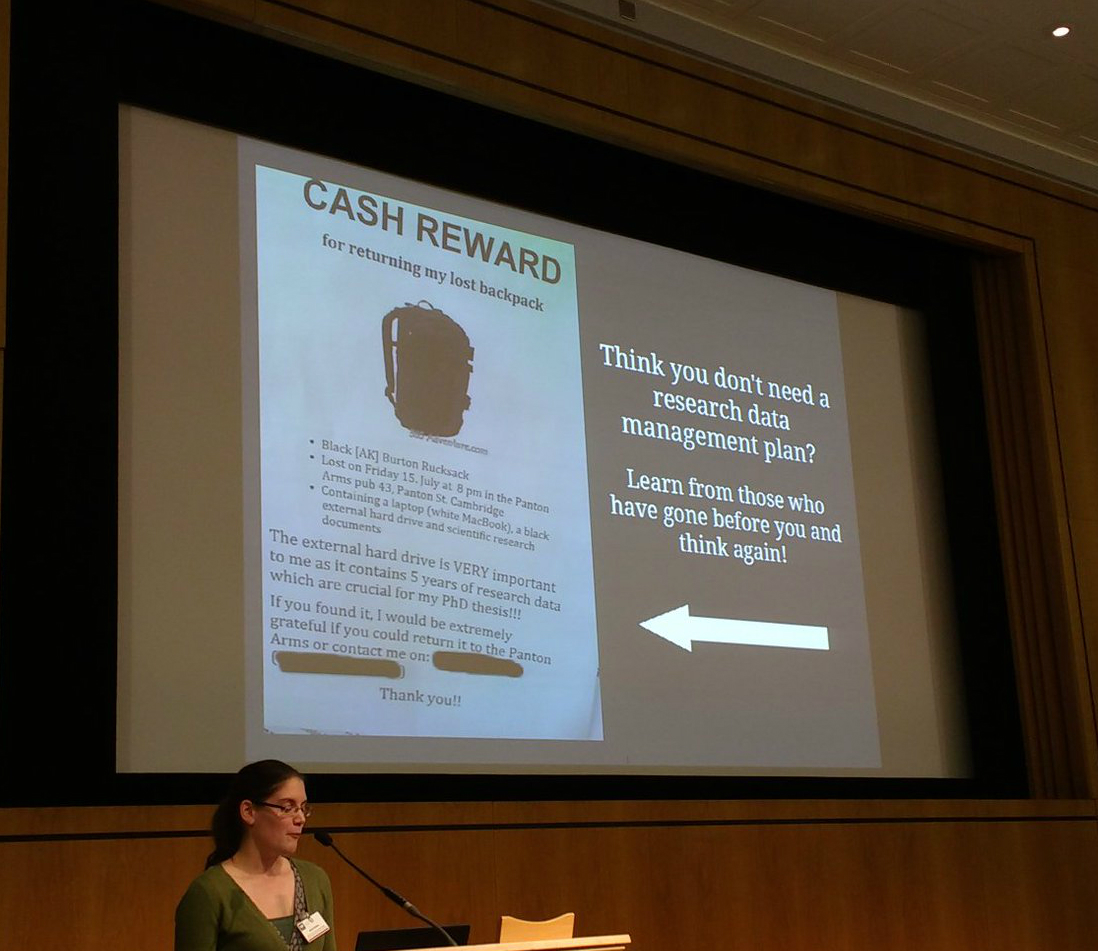
“Open data should be easy,” said Dr Jenny Molloy from the University of Cambridge as she explained the importance of building a data management plan. She pulled up a poster of a missing black backpack: “CASH REWARD” it read, “contains 5 years of research data which are crucial for my PhD thesis!”  I laughed along with everyone else, internally reflecting how similar my life had been before I discovered version control.

IMG_20161102_213011-smaller

Think you don’t need a research data management plan?

Continue reading

#scidata16: Boost research and avoid embarrassing retractions by working openly and reproducibly

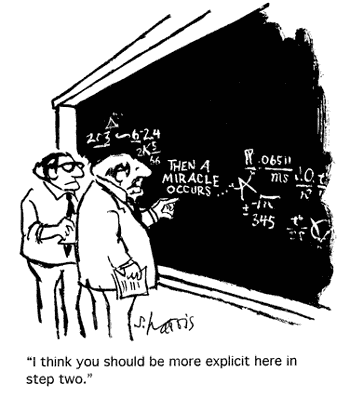
Experiments fail to be reproduced, research data from others is hard to come by, and steps between data and figure are described as ‘here, a miracle happens’.

Speakers at the Publishing Better Science through Better Data (#scidata16) conference addressed these issues and more.

Publishing Better Science through Better Data journalism competition winner Réka Nagy.

Most research happens behind closed doors, and the results can only be gleaned once they’ve been published. The raw data that lead to results, however, are rarely made public, and the steps taken to get from data to figures in a publication is not always clear, which has led to the reproducibility crisis currently facing research. It’s clear that something needs to be done to address this, and the ever-inventive collective mind of science is finding inventive solutions.

Network_Visualization

The steps taken to get from data to figures in a publication is not always clear {credit}SlvrKy/Wikimedia Commons CC-BY-SA-4.0 {/credit}

Continue reading