Moving from a PhD into data science can be rewarding, but might be a bit of a culture shock
Are you one of the many PhDs considering a career in data science? I completed a PhD in neuroscience at Stanford three years ago; now I’m a data scientist at Uber. During my time in industry, I’ve found that the skills we develop in graduate school, such as analytical thinking, statistics, communication skills, and – oh yes – tenacity in the face of adversity, make us a great fit for the role.
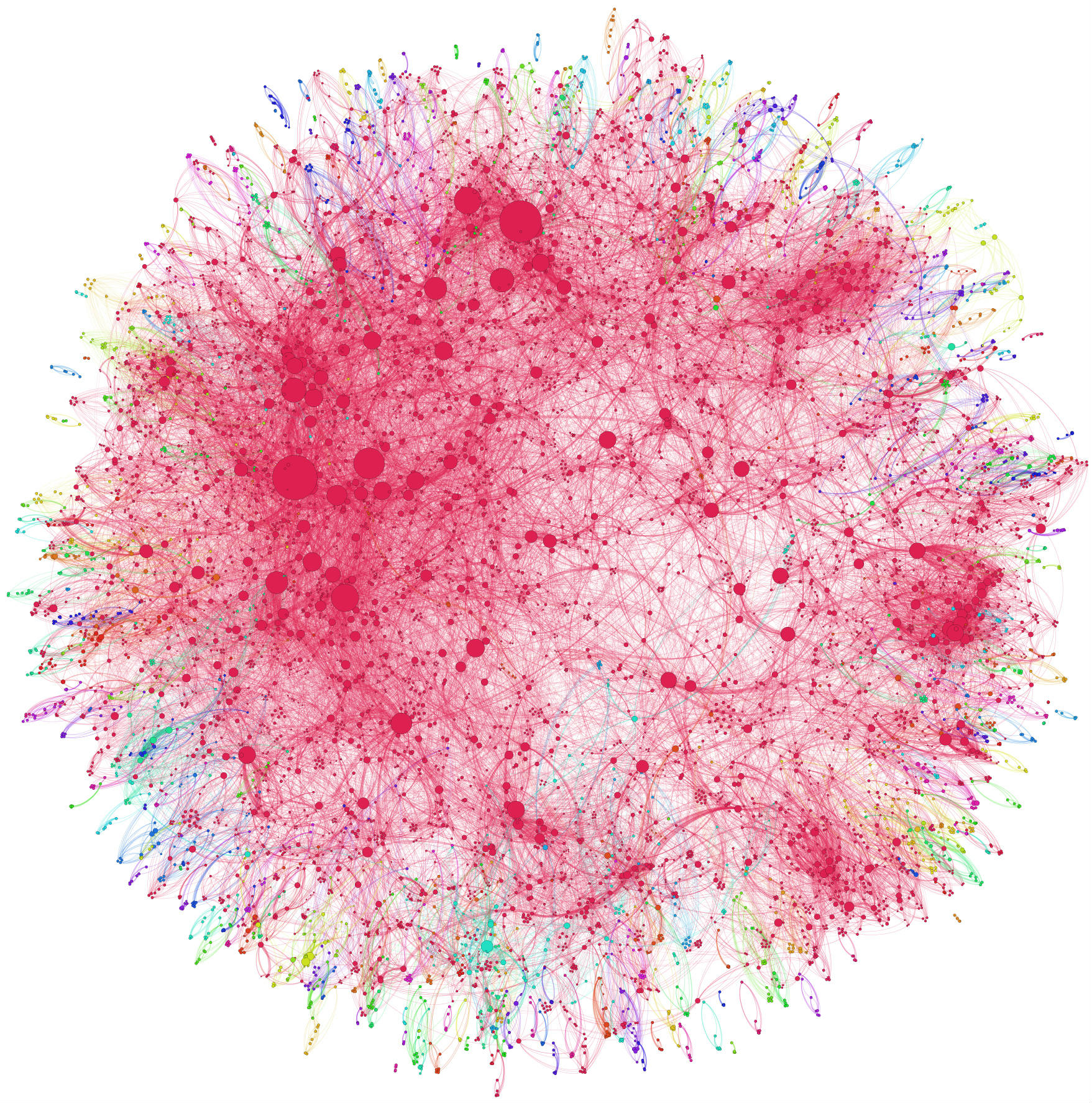
The co-authorship network of 8,500 doctors and scientists publishing on hepatitis C virus between 2008 and 2012. {credit}Andy Lamb/ Flickr{/credit}
Data visualisation has become ever more important as the volume of data is increasing. You see data everywhere, in simple infographics, in the sports reporting and in daily news. We are constantly bombarded with it, and are easily confused by it all. Is it because when we go through our studies as young adults we are only presented with a very small variety of charts? This limitation in our understanding of datasets could be helped by using better visuals.
Andy Kirk, the founder of Visualising Data, is hoping to give scientists a set of tools that will help them to communicate their data in a better way, not only to external audiences, but also to themselves. Being able to visually manipulate data could give scientists a better insight into the stories hidden in their research.
I caught up with Andy at the British Library during one of his workshops. For Andy, it is to do with “how we give a physical form to the subject data variables. Beyond that, it is also all the other presentational factors.” Here, Andy is referring to the aesthetics to create interactivity, this includes simple things like colour and font type. But some of the more complex issues like arrangement, annotations and architecture are also important to consider. These combined factors “make-or-break the success of a visualisation, particularly when it is a communication device.