From Doctorate to Data Science: A very short guide

Moving from a PhD into data science can be rewarding, but might be a bit of a culture shock

Are you one of the many PhDs considering a career in data science? I completed a PhD in neuroscience at Stanford three years ago; now I’m a data scientist at Uber. During my time in industry, I’ve found that the skills we develop in graduate school, such as analytical thinking, statistics, communication skills, and – oh yes – tenacity in the face of adversity, make us a great fit for the role.

smaller

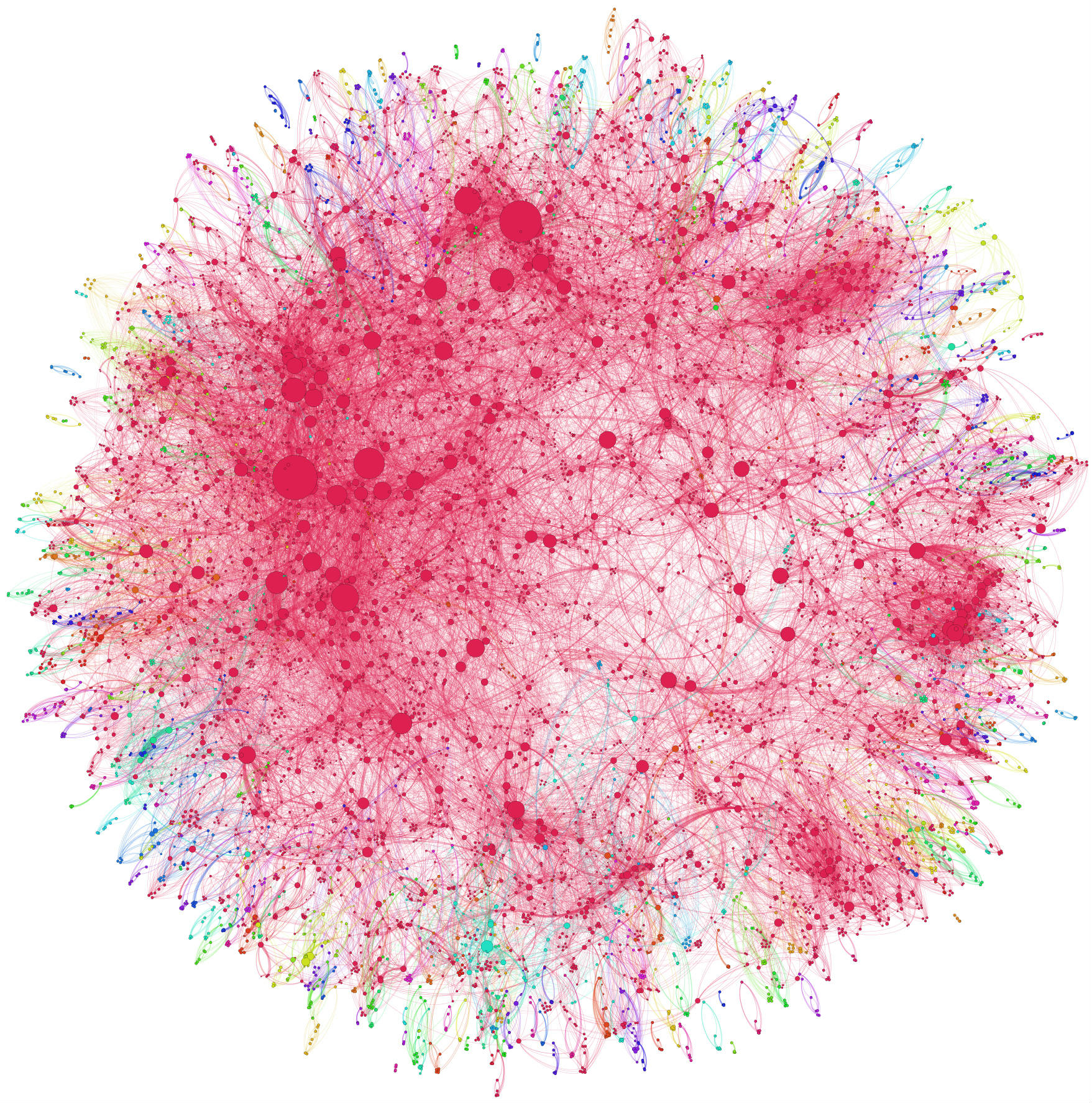
The co-authorship network of 8,500 doctors and scientists publishing on hepatitis C virus between 2008 and 2012. {credit}Andy Lamb/ Flickr{/credit}

Continue reading

How is the rise of data-intensive research changing what it means to be a scientist?

Research involving vast quantities of data may be changing the image of scientific research, but is it changing the image of scientists too?

Scidata publishing better science through better data competition winner Jonathan Page.

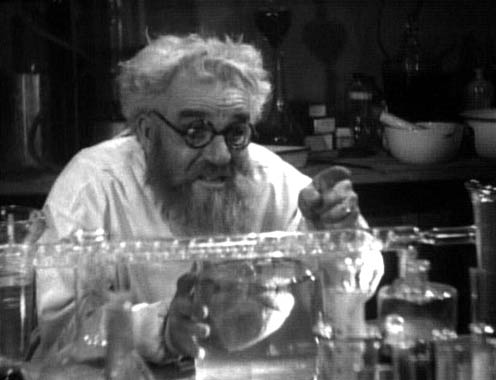
An intrepid, khaki-clad explorer, machete in hand, cutting their way through some undiscovered wilderness. A bespectacled, grey-haired academic in a white coat, supervising some elaborate experiment in a lab, illuminated by glowing lights and flashing buttons. These are the classical images sometimes conjured when the word ‘scientist’ is mentioned.

Maniac9

Horace B. Carpenter as Dr. Meirschultz, a scientist attempting to bring the dead back to life in the 1934 film Maniac

Continue reading

Finding job satisfaction as a data scientist

Following your interests and making connections can launch a career.

Unlike most US students, Nathan Sanders declared his specialty as soon as he started undergraduate studies. He’d known for years that he wanted to study astronomy, but during his PhD at Harvard University he realized that the analysis itself enthralled him more than the applications for astronomy. He describes how he used his technical skills, and connections outside his academic program, to launch his career.

NSanders_portrait_2016-smaller Continue reading

So you want to be a data scientist (again)?

Put your natural science skills to work in a data science career

Guest contributor Daniel Harris of SoftwareAdvice.com

The explosive economic impact of big data has blurred the line between the business world and the scientific world like never before. A new type of business leader, the data scientist, has evolved as an amphibian, capable of thriving in both worlds, swimming in data lakes to bring useful insights back to the solid ground of business concerns.

Of course, companies have been using business intelligence (BI) tools to analyse their operational and financial performance metrics for decades.

But datasets generated by the web are so large that they must be stored on clusters of servers with thousands of nodes. Traditional methods for analysing these datasets have faltered, necessitating a more scientific approach.

Continue reading

#SciData15: Research Data for Discovery: Prepare to Share

Speakers at #SciData15 advocated for a wider degree of awareness of the field of data science and the implementation of data sharing technologies.

Guest contributor Caroline Weight

naturejobs-blog-Scidata15-Research-Data-for-Discovery

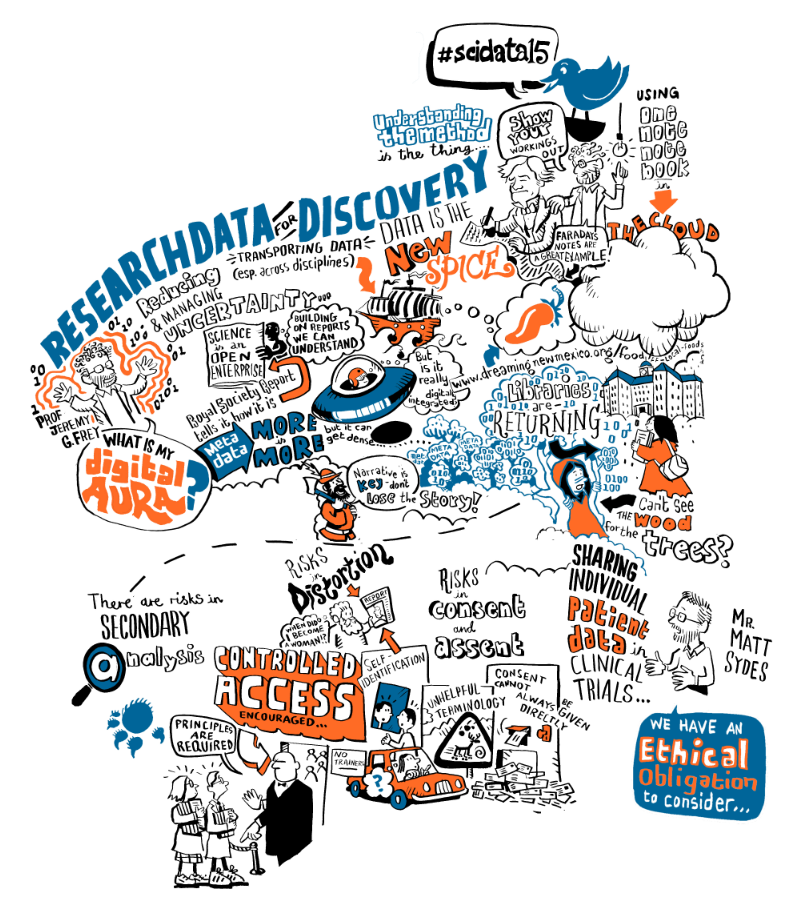
{credit}Image credit: SCIENTIFIC DATA/LUDIC GROUP{/credit}

“We must engage in the idea of sharing,” said conference chair Iain Hrynaszkiewicz as the 2015 Publishing Better Science through Better Data meeting kicked off at the headquarters of Nature Publishing Group (NPG) in London on 23rd October.

Hrynaszkiewicz, who develops new areas of open research publishing and data policy within NPG/Macmillan, noted that 30 funding bodies — including the Engineering and Physical Sciences Research Council and The Royal Society — have written policies that outline requirements for data-sharing. Examples include detailed methods and protocols, microscopy images and mathematical workings, as well as meta-datasets of, for example, genotypes and microarrays.

The meeting’s aims were to increase awareness of ways to effectively share data and to discuss how to improve the efficiency, implementation and overall impact of sharing among the scientific community. A recurring issue throughout the day was how to enforce sharing, and get the concept to become part of standard, everyday scientific practice –one that seeps into the lives and habits of working researchers. Continue reading

Data transparency: Making the most of your data

How to bring your hard-earned data from the lab to the world.

Contributor Anthea Lacchia
Scientific-data-NJCE15-naturejobs-blog

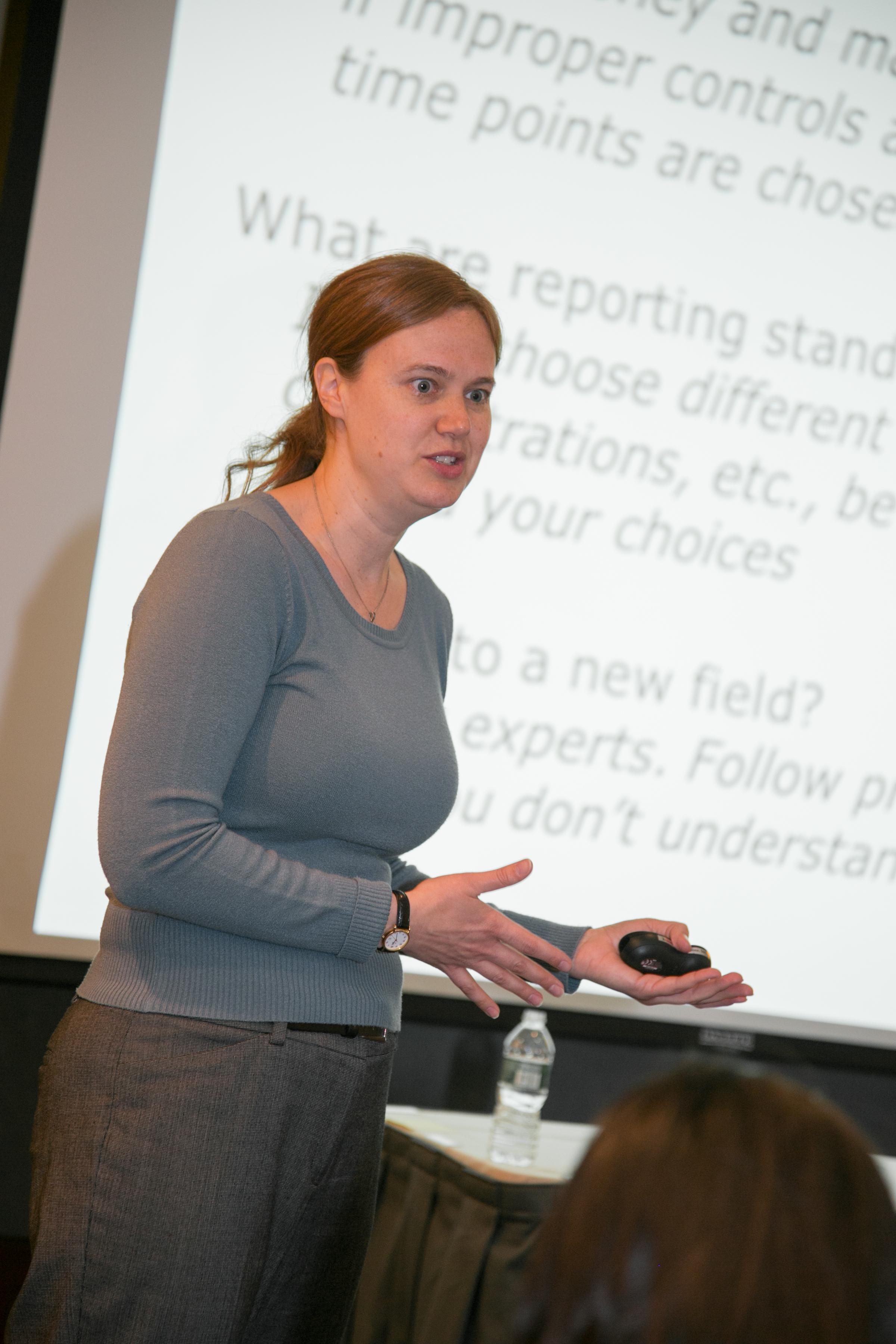
Catherine Goodman

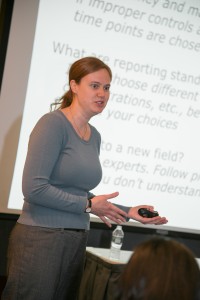
Amongst the scientific community, there is increasing awareness of the value of data transparency and reproducibility. But how can we achieve transparency in practical terms? Catherine Goodman, Senior Editor at Nature Chemical Biology, delivered a workshop on handling scientific data during the Boston NatureJobs Career Expo 2015.

“Careful experimental design is the foundation of data transparency and will also avoid wasting time with referees later on,” said Goodman. Different scientific fields have different requirements as to how much data are needed to make meaningful interpretations and how they should be collected, so it is important to be aware of your community’s standards.

Keeping good records can help clarify why a given experiment didn’t work. “If you are collecting data in a field new to you, it is useful to consult the experts in the field, follow protocols and collect all the data you can,” Goodman said.

Proper training in the lab and good communication among team members is fundamental to achieving high standards of data collection and interpretation. In fact, many of the papers that end up on Retraction Watch, a blog that reports on retraction of scientific papers, are born out of a disconnect between PI and postdoc or trainee. “Getting the killer paper is not as important as doing science properly and rigorously, because you want to contribute positively to the scientific community, not find yourself on Retraction Watch,” Goodman said. Continue reading